
Tried Glossier’s Best Sellers. Here’s What I Think.

Did they defy my expectations? Let’s find out.

After months of eyeing Glossier’s line-up of products, I decided to do a haul in hopes that their best sellers were as good as they appeared to be. Known for their minimalist approach to beauty, makeup, and skincare, the Emily Weiss-founded cosmetics company has long since been a favorite of minimalists and maximalists alike. For beauty lovers who gravitate towards “no-makeup” makeup looks, Glossier holds the keys to the kingdom, while makeup afficianados who are more about that beat-face life have their favorite tried and true beauty finds from the brand (Boy Brow, we’re looking at you).

As far as my own personal adventure into Glossier Land, I decided to add their cleanser, serums, and moisturizers as well as a few of their top-selling makeup offerings. Keep reading for a quick rundown of my buys and why I cannot get enough of the magic Glossier is selling.

Advertisements

Skincare First

As I have matured, skincare has become top priority. Products that make me glow like I am well-loved and stress-free will always be a fave of mine. Glossier gets this right with a full line of products that take my glow to next-level heights. I use a three-part system that leaves me so radiant, makeup isn’t a necessity.

Milky Jelly Cleanser, $9+

What it is: A gentle-yet-effective creamy gel face wash for all skin types

For starters, I wash my face with Glossier’s Milky Jelly Cleanser. The subtle rosy scent of this cleanser immediately makes me smile but, more than that, the creamy texture infuses my skin with moisture from the onset. With five skin conditioners included, it’s no wonder this product is so soothing and nourishing. It is one of few cleansers that doesn’t leave my skin feeling dry after it is rinsed away. “Rejuvenating” best describes this one.

Advertisements

After rinsing away the Milk Jelly Cleanser, I move right along to the Super Duo. It consists of two top-rated serums infused with vitamins. This combo works together to hydrate and brighten skin. Super Bounce is just what the doctor ordered for soothing moisture that hydrates with hyaluronic acid and Vitamin b5. Although the name speaks for itself, I can confirm that Super Glow indeed brightens skin with its powerful combination of Vitamin C and magnesium.

I follow up with a moisturizer and then jump into Futuredew.

If I had to choose only one Glossier product to live by, Futuredew would be it. You know that dewy fresh face look you get directly after using a good moisturizer or finishing up a facial? Futuredew creates this look with all-day staying power, and I cannot get enough of it. This serum is made of oils and light-reflecting minerals that will leave you looking glorious.
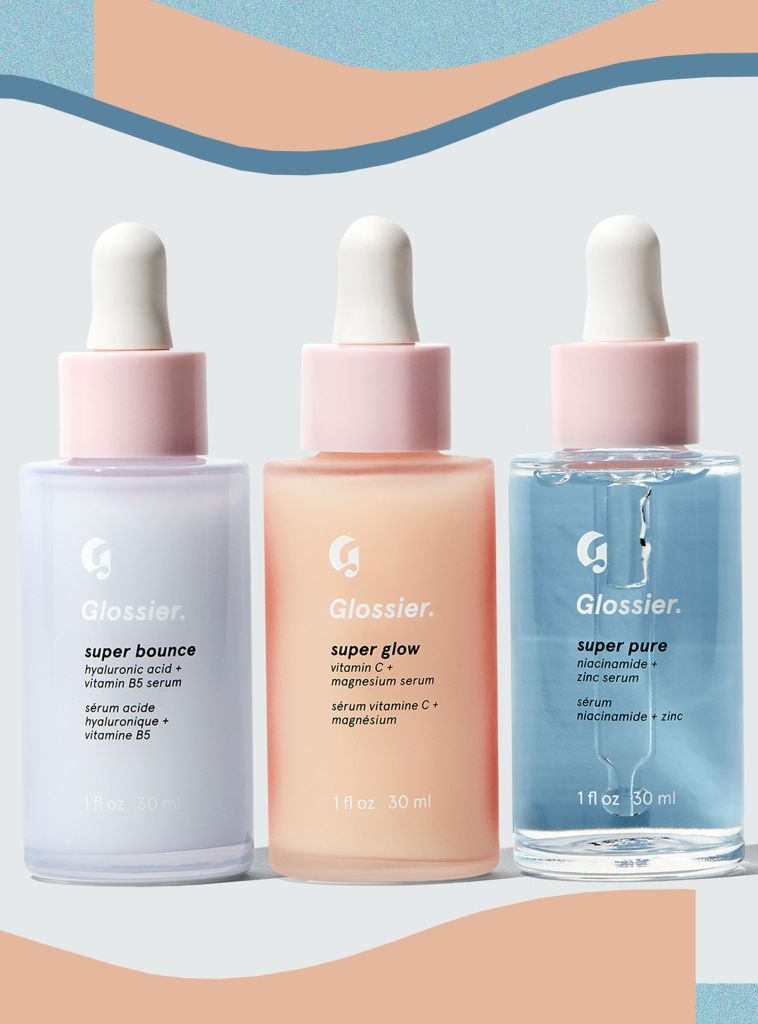
The Super Pack, $65

What it is: Three daily, vitamin-packed serums that deliver hydration, more even tone, and clarity

I could stop here and be over the moon, but when I’m feeling really ambitious, I use the following makeup products for a “no-makeup” look:

Advertisements

Makeup Second

Glossier describes its makeup line as “Products that give you options but never cover you up, turn you into someone else, or over-complicate your routine.” And I cannot find a single lie. On days where I want to look fresh and lightly done, I go with Glossier all the way.

Starting with Cloud Paint cheek color, I set the tone. It’s literally a gel-cream blush you can’t mess up. This buildable color blends naturally and is easy to use. No brushes required. Simply dab a bit on your cheeks and use your finger to tap it into your skin. The end results? A slightly flushed look that makes it look like you’re truly blushing a bit from the inside out. It’s that simple.
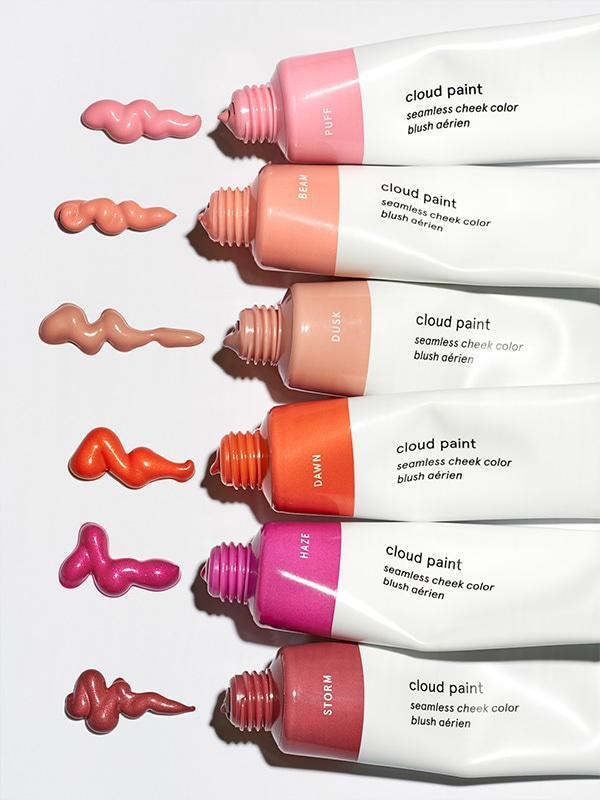
Cloud Paint, $18

What it is: A seamless, buildable gel-cream blush that’s fun and easy to wear

Advertisements

Next, I like to follow up with Haloscope in “Moonshine”. This crystal-infused highlighter enhances the dewy effect with a barely-there look that is irresistible. It’s my second fave product. The moment I FaceTimed my person and he said, “You look so beautiful. Don’t put on makeup today,” I KNEW Haloscope would forever hold a special place in my heart.
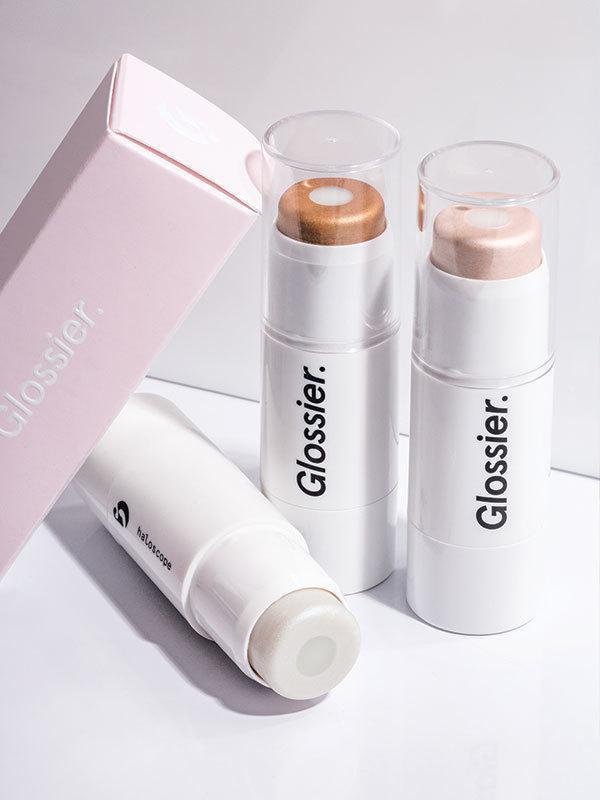
Haloscope, $22

What it is: A crystal-infused highlighter with skin conditioning benefits

I add a hint of color to my lips by using Generation G Sheer Matte Lipstick for a casual “I didn’t try” look. Although a matte finish, it’s packed with moisture and is the cherry on top of my “Yassssss, fresh face” look.

Glossier Pulled Up

Before going all-in on the dopeness of Glossier, I was sure to visit @pullupforchange to see Glossier’s diversity numbers. I was pleased to see the company’s commitment to diversity as well as its recent release of a new grant for black-owned beauty businesses. I am happy to report that we can shop Glossier guilt-free. That’s good news we can use.


Advertisements

POSTS YOU’LL LOVE:

Why Keeping Your Skin Hydrated Is SO Important

When it comes to skin goals, one keyword that’s often overlooked is hydration. We’re often so busy trying to get rid of fine lines, minimize our pores, and get rid of hormonal pimples, that sometimes keeping our skin hydrated gets left behind. But the truth is, keeping your skin hydrated is one of the best things you can do for your skin – it’s a cornerstone of Korean skin routines – and you’ll likely find that by prioritizing this in your skincare routine that many of your other skin concerns will improve as a result.

New York-based dermatologist, Dr. Doris Day, explained, “Your skin is your first and best layer of protection for your body from the outside world. It functions at its best when it’s healthy and intact. When you have dry skin you have increased water loss from the skin which can end up not only leaving it dehydrated but also reduce its ability to naturally combat and repair damage from pollution, sun and other ‘insults.’” Therefore, making sure your skin is always hydrated means that your skin is able to function better.

Dehydrated skin lacks having enough water in it, which means it’s not a skin type, it’s something that everyone can experience, whether your skin is oily, normal or dry – in fact, sometimes excess oil can be caused by dehydration!

The Difference Between Dry and Dehydrated Skin

If you’re wondering what the difference is between dry and dehydrated skin, Dr. Day explains that “dry skin is related to the outermost layer of the skin, namely the stratum corneum,” whereas “dehydrated skin is skin that has had excess water loss due to both internal and external factors.” She continues to explain that “You can drink all the water there is and still have dry skin.”

However, dehydrated skin is usually down to a combo of internal and external factors, it could be that you’re not drinking enough water – you should aim for at least two liters a day – however, you can still have dehydrated skin while your body iis hydrated. Too much salty food, sugar, alcohol, and drinking too much caffeine are the most common contributors to dehydrated skin. External factors like “excess sun exposure and excess hot yoga, which essentially cook the water out of your skin,” will also cause skin dehydration.

Advertisements

The Difference Between Hydrated and Dehydrated Skin

“Your skin contains a key ingredient called hyaluronic acid. Its job is to help with the water balance of the skin and even of the entire body. When your skin is well hydrated, the hyaluronic acid in your body binds water and that gives your skin firmness (the medical term for that is turgor). When your skin is dehydrated it will start to sag and that can make it look older and more wrinkled,” Dr. Day explains.

Essentially, Dr. Day says that “Dehydrated skin can look saggy, crepey and tired,” and that you may also notice increased under-eye bags. As well as these tell-tale signs, other signs to look for including your moisturizer absorbing particularly fast (it’s literally trying to ‘drink’ in the moisture), and it could cause your makeup to look patchy. Well-hydrated skin is a sign of good barrier function, which is important for protecting your skin.

Another point to note is that as we age, our skin produces less natural moisturizing factors like ceramides, lipids, hyaluronic acid, and fatty acids, so as you age, keeping your skin hydrated and well moisturized becomes even more important.

RELATED POSTS:

How to Keep Your Skin Hydrated

Keeping your skin hydrated is a combination of ensuring you’re drinking enough water, going easy on the things we know dehydrate – and which are generally just not good for our body – like the aforementioned alcohol, sugar, and salt, and topically applying moisturizers to avoid water loss. If you’re dehydrated, Dr. Day says to “Avoid excess salt, moisturize well, especially at night.”

When it comes to products, Dr. Day says that ceramides and hyaluronic acid are the best for hydrating the face. When using hydrating products, it’s important to ensure you lock everything in with a moisturizer, which typically includes three types of ingredients: Emollients, humectants and occlusives. Dr. Day explains what each does;

Emollients: These ingredients moisturize the skin and help with skin barrier restoration. They smooth and soften the skin filling the gaps between cells with droplets of oils. Some emollients can also be considered occlusives. Emollients include, jojoba oil, ceramides, aloe vera, and oleic acid.

Occlusives: It creates a barrier on the skin and occludes (or blocks) water from leaving the skin from the inside, essentially trapping moisture in the skin and preventing other ingredients from penetrating the skin from the outside. These are typically thick and often greasy products. A classic example of occlusives include shea butter and petrolatum, which Dr. Day says are “great for the body and for those with very dry skin, but can be comedogenic and would not be ideal for those who are acne-prone or with oily skin.”

Humectants: “Ingredients like hyaluronic acid and lactic acid, they help pull water into the skin and hold it there. They are not usually occlusive,” Dr. Day tells us. Other humectants include honey, ceramides (which are essentially the building blocks of skin), glycerin, and amino acids.

Dr. Day also adds, “If you have very dry skin, you might select one that is richer and more occlusive. If you have combination skin, you would look for one that is lighter and more of a humectant.”

Dr. Day shares her top tips for keeping your skin hydrated:

Don’t over-exfoliate: “ That will strip the skin and lead to excess water loss.” Think about skipping out on your AHAs or opt for a more hydrating AHA, like lactic acid.

Hydrate deeply at nighttime: “ Use a richer moisturizer at night since you naturally lose more water from the skin at night.”

Go easy with actives: “ Don’t pile on the highest concentration of every acne medication; salicylic acid, glycolic acid, retinols are great but no need to use them all in their highest concentration or all at one time.”

Focus on your wellness: “ Getting enough sleep, minimizing alcohol intake, having a healthy diet all helps your skin function at its best.”

Choose skincare wisely: “ Using the right products for your skin will help it best use its own natural resources to repair and age beautifully.”

Advertisements

Dr. Day’s top product recommendations for instant hydration:

Doris Day M.D. Ultra Rich Peptide Renewal Cream, $103: “It contains ceramides, shea butter, peptides and vitamin E, and improves the skin barrier. You get an immediate healthy glow and a great anti-aging effect.”

Skinceuticals Triple Lipid Restore 2:4:2, $128: “It also contains ceramides and its claim is that it helps improve tolerability to retinol.” The formula also packs essential lipids to restore skin elasticity and hydration cycles, and vitamin E for skin repair and to defend against environmental damage.

When your skin is particularly parched and dehydrated, be sure to stay away from ingredients like retinol and AHAs and BHAs. Instead, load up on hydrating ingredients like ceramide serums and hyaluronic acid and glycerin facial mists, throw on a sheet mask, and lock it all in with a rich, hydrating moisturizer. Whenever we need an instant hit of moisture, we always go to our FARMACY Coconut Gel Sheet Mask, $6, which is packed with coconut, cucumber and sodium hyaluronate to soothe and hydrate your skin, and allantoin and niacinamide to brighten and protect. The mask is dripping in serum thanks to a unique double-layer-fiber technology that allows it to hold significantly more of the powerful vitamin-rich essence than any conventional sheet mask.

TATCHA Luminous Dewy Skin Sheet Mask, $12, is a silky soft, skin-fitting sheet mask that delivers a healthy drink of ultra-hydrating botanical oils and extracts for a dewy glow in just one use. Packed with Rice germ oil, Okinawa Red Algae, Wild thyme, and Sweet Marjoram. The mask feeds skin with Japanese anti-aging superfoods such as a fermentation of green tea, rice, and algae—ingredients at the heart of the Japanese diet and time-tested skincare rituals—that restore skin health and youthful radiance.

Check out some of our other fave intensely hydrating products here.

Advertisements

Do You Pick Your Skin? Here’s Why And When To Stop

Whether it’s an old scab on our shin, that bit of dandruff on our scalp, or popping a zit that popped, it’s safe to say that we all – to some degree – pick at our skin. The question is why? What is it about the whole thing that satisfies us, and why is it that sometimes a seemingly harmless habit can go sideways? Curious for the answer, we hit up a psychodermatologist and dermatologist.

Advertisements

Why We Pick, Pop, and Scratch

The reason why we pick isn’t exactly straightforward, but we can try to simplify. Dr. Stacy Chimento, a board-certified dermatologist for Riverchase Dermatology in Miami, Fla., breaks down skin-picking into three categories:

Mild / Minor Picking Habits: “This category refers to people who pick at their skin when they see that there is a stubborn blemish that they are not used to on their face. Usually, people that fall into this category don’t fixate on picking at their skin,” she says. Think: a few minutes to address the issue, then moving on.

Intermediate Picking Habits: “This level of picking refers to those who pick at their skin if they see anything abnormal, from a change of texture, dry patch, or raised bump on the skin’s surface. These patients tend to also pick at their scalp if they notice any flakes or rough textures,” says Dr. Chimento. Think: turning skin-picking into a pastime.

Severe Picking Habits: “At this point, patients are picking at their skin incessantly even when nothing unusual is present. Patients who develop severe picking habits can often find themselves probing their skin in search of anything to pick, whether that be a scratch, a blackhead, or a scab,” she says. People in this category pick so much it can cause damage or impact their day-to-day life.

Mild skin-picking is understandable and normal; we want to look and feel our best and eliminate anything “weird” or “different” from our bodies. For some, however, picking becomes a slippery slope.

“[Severe] skin picking is often used to help regulate emotions; it can be a coping mechanism to relieve emotional discomfort, physical discomfort, or a blend of the two. If [a severe skin picker] is stressed or anxious, skin picking allows temporary relief,” explains Matthew Traube, a licensed psychotherapist who specializes in the field of psychodermatology.

This behavior actually has a name – “Body-Focused Repetitive Behavior” (BFRB). It is defined as repetitive self-grooming behavior, including skin picking or even pulling hair from your body. In addition to soothing during times of stress or discomfort, Dr. Chimento says that skin picking can also provide a sense of “control” or can even be done out of sheer boredom.

“Picking can occur both consciously or unconsciously,” adds Traube. “Ultimately, the underlying issues do not get addressed and generally people feel awful about it afterward.”

Advertisements

The Dangers of Skin Picking

Carefully addressing a singular zit (or two), futzing with a scab, examining a new bump or patch, or occasionally scratching at dandruff are all within the realm of normal picking. It’s okay and healthy to pay attention to our bodies and groom ourselves.

The line is drawn when skin picking becomes compulsory and/or excessive – to the point you’re inflicting real damage or pain versus trying to quickly address a skin issue. This damage can range from mild to extreme. Dr. Chimento says that bleeding, bruising, post-inflammatory hyperpigmentation (PIH), secondary infections, and permanent scarring are not uncommon.

In addition to physical damage, severe picking can also impact your life and wellbeing. Compulsory skin pickers can spend hours obsessing in front of a mirror and still feel like they must keep going. Like other addictions, it can distract them from important things in life, such as work, relationships, exercise, and social engagement.

Advertisements

How to Curb a Picking Habit That’s Gone Too Far

To cease the picking, it’s important to take thoughtful action in order to set yourself up for success.

“In the early stages of trying to ‘quit’, try wearing gloves when your hands are not occupied. If you are at work, keep a squeezable ball on your desk. Each time you experience urges to pick, will yourself to resist for longer durations,” suggests Dr. Chimento. “Sometimes the urge to pick is manifested by skin conditions such as dry, cracked skin, or oily skin that produces acne. Instead of picking at it, treat the problem instead.”

If you’re working through a skin-picking addition and experience breakouts, it’s also better to visit your dermatologist for a facial or cleanup to prevent you from slipping down that slope. Another way to help is to keep your nails trimmed, which makes it harder to pick. And while you’re at it, toss those tempting instruments, such as tweezers, small manicure scissors, and anything else you use to pick your skin.

Traube adds, “It’s common for people to pick more when they’re alone, so I might suggest creating a weekly social schedule to assure that you are more often engaged with others. Social support can make a significant impact on skin picking.”

If small steps fail, even when aware of the issue and attempting to address it, consult a licensed therapist. A therapist can talk you through the process and help you understand the root of what is causing and magnifying the disorder.

“Professional help usually involves a combination of cognitive-behavioral therapy, habit reversal training, mindfulness, and psychodynamic therapy,” says Traube, “We want to address both the act of skin picking and the deeper emotional issues that can provoke it.”

Bottom Line: To a degree, we all pick at our skin, and in the mildest cases, it’s perfectly normal. If you sense yourself slipping or feel like you’re losing control of the situation, tackle the underlying issue and set yourself up for success by following the above advice. If you do find yourself picking to an extreme degree and are struggling to gain control, you’re not alone. A professional can help guide you to the other end.

BEAUTYLEEBAR does not provide medical advice, diagnosis, or treatment. Any information published on this website or by this brand is not intended as a substitute for medical advice, and you should not take any action before consulting with a healthcare professional.

MORE POSTS YOU’LL LOVE: