This $6 Mascara Will Give You The Sexiest Lashes

One thing we love about mascara is that we get to buy a new one every few months – it’s the perfect opportunity to get our beauty fix and try a new formula! We discovered our latest mascara obsession thanks to a subscriber insanely long, fluttery lashes, who revealed that she swore by the Covergirl Super Sizer Mascara. She loves it so much that every time she travels back to the US, she stocks up on it. Naturally, we had to try it out, and we were not disappointed. Here’s everything you need to know about this amazing $6 mascara!

What it is: A volumizing mascara designed to give full, fanned out lashes.

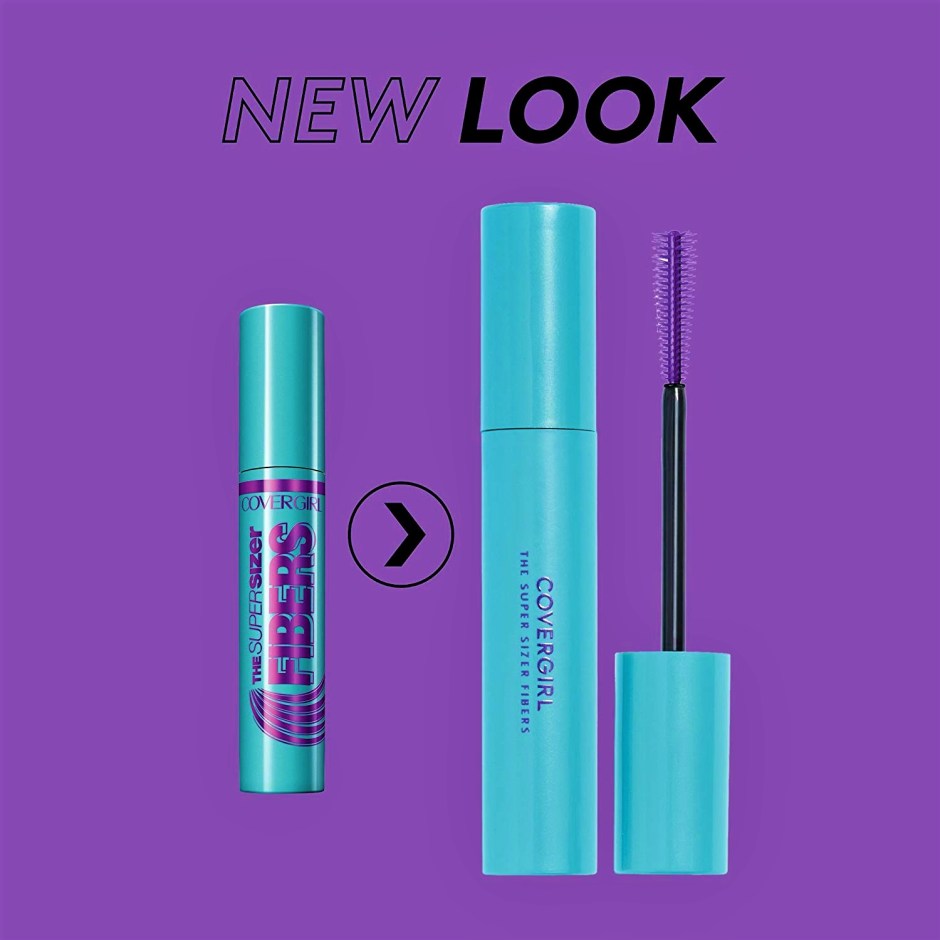
The brush: Let’s be honest, a mascara wand is as important if not more important than the formula when it comes to mascara, and this wand is pretty unique, to say the least! The rubber wand is made with little bristles that go from short to long at the top of the wand, aka the opposite to most mascara wands, and it feels more like a comb than a brush. When you first pull the brush out of the tube, it almost looks like there are no bristles as they’re so coated with formula.

What we liked: We love how this made our lashes look long, fluttery but also intense, however, we will say it takes a little getting used to – we’re going to give you all our tips! The mascara added a lot of drama to our lashes and depending on the look we wanted to go for, we found that – with a bit of practice – we could achieve natural, fluffy-looking lashes, or more dramatic, defined lashes.

Another huge bonus is that we had absolutely no flaking or smudging throughout the day – and we wore this from 9am till 11pm! We also like the fanned out the effect this gives to our lashes, but you will need to wiggle the brush around and pull your lashes outward to get a super fanned effect.

Tips for using: When you first use this mascara, a lot of product comes off on your lashes – it’s not one of those you need to build up – so it’s really important that you twist the brush when you apply to comb the product through. It also means that you probably won’t need to dip the brush back in the tube between eyes, so what we like to do is apply to one eye and comb through, then do the next eye, then once there’s less product on the brush, comb through the lashes again. This gives us super full, defined lashes that look sexy and fluttery. For a more intense look you can build it up with a second coat, but do it while the lashes are still wet.

Who it’s good for: We recommend this for people with medium to long lashes who want to add volume and definition and a little curl. If you have short lashes, this will add length and volume but it’s not the most lengthening mascara we’ve tried.

Considering the Covergirl Super Sizer Mascara costs $6, it’s a no-brainer for us. We loved the look we could achieve and how well it wore throughout the day. If you’re more of a wack-it-on-and-go kinda gal, then this may not be for you because it does take a little time to perfect.

Have you guys tried this mascara? Let us know in the comments below.

MOISTURIZING LIP BALMS THAT WILL SAVE YOUR DRY, WINTER LIPS

Admittedly, if you went through our purses right now, you’d probably find a pile of half-used lip balms loosely floating around at the bottom. As far as we’re concerned, it’s seemingly impossible to have too many lip balms during any time of year, but when the weather turns cold, we double down. Come winter, we cling to the most moisturizing lip balms we can find in the hopes of alleviating our dehydrated, dry or chapped lips. Ahead, you’ll find a list of our favorite hydrating lip balms guaranteed to give your winter lips the extra love and moisture they deserve. 

Kiehl’s Lip Balm #1
Shield your lips from the drying effects of wind and cold weather with this Kiehl’s fan-favorite lip balm. Made with hydrating aloe vera, antioxidants like vitamin E and replenishing squalane, this nourishing formula provides the ultimate lip care. 

best-moisturizing-lip-balms-and-products-for-winter

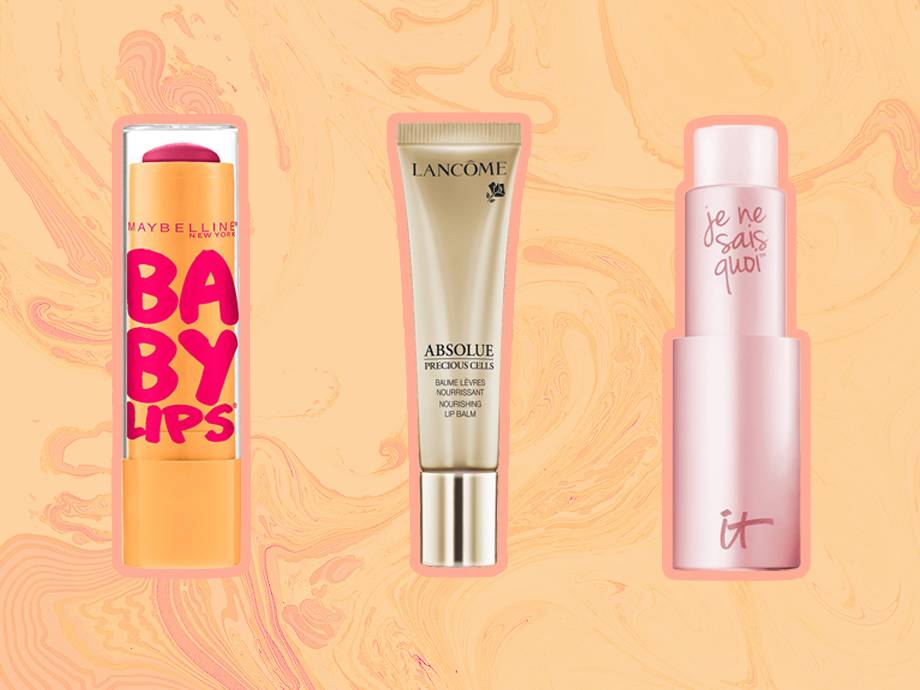
IT Cosmetics Je Ne Sais Quoi Hydrating Lip Balm Treatment
For those that can’t resist a little color on their pout, reach for this innovative lip-reviving balm. Not only will it provide intense hydration thanks to its essential butters and oils, but the Vitality Lip Flush Technology will even react with the warmth of your lips to provide a perfect flush of pink that lasts all day. 

best-moisturizing-lip-balms-and-products-for-winter


Maybelline New York Baby Lips Moisturizing Lip Balm

It’s called Baby Lips for a reason and that’s because, well, you know where we’re going with this β€” it offers hydrating benefits that last for up to eight hours. Available for a humble $4.49, we won’t judge you if you buy one in every color. 

best-moisturizing-lip-balms-and-products-for-winter

Mario Badescu Lip Balm
Give your lips a kiss of hydration with the Mario Badescu Lip Balm. Formulated with cocoa butter, shea butter, coconut oil and almond oil, this ultra-rich balm is a great choice to replenish and renew your lips all winter long. 

best-moisturizing-lip-balms-and-products-for-winter

Lano The Original 101 Ointment Multipurpose Superbalm
Cold temperatures mean dry lips, hands, elbows and so much more. This Lano Super-balm will save you during those desperate dry times where you need a quick fix of hydration everywhere, including your pout. 

best-moisturizing-lip-balms-and-products-for-winter

YSL VoluptΓ© Tint-in-Balm
This lipstick-lip-balm hybrid will care for your lips while giving you a glowing, sheer touch of color. The macadamia and apricot butter formula will keep your lips hydrated, protected and looking amazing with each use. It’s definitely a bit of a splurge, but trust us when we say it’s worth every penny. 

best-moisturizing-lip-balms-and-products-for-winter

LancΓ΄me Absolue Precious Cells Nourishing Lip Balm
Treat your lips to the luxuriously rich and nourishing salve that is the LancΓ΄me Absolue Precious Cells Nourishing Lip Balm. The formula will keep your lips moisturized and reduce the appearance of fine lines and wrinkles around the lip area. Not to mention, the inclusion of acacia honey, beeswax and rosehip seed oil will leave your pout feeling soft, supple and plump.

best-moisturizing-lip-balms-and-products-for-winter

Read More:
HOW TO BANISH GREASY HAIR FOR GOOD (IN ONE WASH)
HYPE OR NOT: AZTEC SECRET INDIAN HEALING CLAY REVIEW
DIY: GOLD FACE MASK

Can You Be Allergic to Makeup? Asked the Experts.

You don’t have to be a hardcore beauty junkie to appreciate a good foundation that hides all traces of a sudden breakout or an MLBB lippie with serious staying power. Makeup is, arguably, a girl’s best friendβ€”especially for those days when stress finally catches up with your complexion. But what happens when your go-to cosmetics are actually the ones causing your skin to sting, itch or turn red in all the wrong places?

Recognizing a makeup allergy can be tricky, particularly when you’re also exposed to other potential allergens, use certain active ingredients in your skin care products or have a pre-existing skin condition. To help you figure out if your cosmetic products are causing your newfound rash, I asked top dermatologists and allergists to share their expert tips on how to spotβ€”and deal withβ€”a makeup allergy.

Common Signs of a Makeup Allergy

Some ingredients in skin care products, as well as flare-ups from certain skin conditions, can cause your skin to feel dry or flaky, which can make determining the real problem a bit of a challenge. β€œAllergies should be differentiated from other reactions such as skin irritation caused by active ingredients like retinoic, lactic and glycolic acid (red, flaking skin without the itch) or acne breakouts that are produced by comedogenic (pore-clogging) ingredients,” says board-certified dermatologist Yoram Harth.

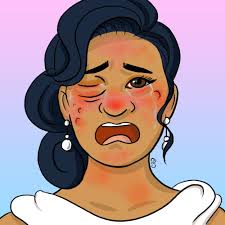
An allergic reaction from makeup, or allergic contact dermatitis, often appears as red, itchy and flaky rashes that can even crack or appear as blisters in the most severe cases (when infected, for example), explains Michigan allergist/immunologist Kathleen Dass. β€œThe rash typically occurs where you have applied the makeup, though it can technically appear anywhere you have had contact with the exposure,” she says. For the majority, this means the eyelids and the delicate skin surrounding the eyes, which is up to five times thinner than the rest of the skin on the face.

In some cases, skin reactions to makeup could take time and require several applications before manifesting. β€œOne of the most important things to know about contact dermatitis, which also makes it the most challenging, is that the reaction does not always appear right away. Sometimes, you can be using the products for weeks, months or even years before you start having symptoms,” Dr. Dass adds.

Who’s Likely to Develop a Makeup Allergy 

Several factors can determine your susceptibility to makeup allergies, including genetics, environment, skin integrity and amount of exposure, says board-certified dermatologist Hal Weitzbuch, medical director at Calabasas Dermatology Center. β€œThe longer we are exposed to certain chemicals, we eventually can pass a threshold of sensitivity and begin exhibiting symptoms of an allergic reaction,” he notes.

Those who already have sensitive skin to begin with, have compromised immune systems or are dealing with asthma, seasonal allergies and other inflammatory skin conditions are particularly vulnerable. β€œPeople with a history of eczema are more likely to develop skin allergies and this may be due, in part, to the less robust nature of their skin barrier. So ingredients can penetrate into the skin and be more sensitizing,” explains New York City board-certified dermatologist Hadley King.

What Type of Ingredients to Avoid

A number of ingredients found in makeup can cause allergic contact dermatitis, but the most common culprit is fragrance, says Dr. Harth. Present in nearly all types of beauty and skin care products, fragrances often contain a cocktail of harsh chemicalsβ€”including alcohol, phthalates and styreneβ€”that can trigger headaches, nausea and skin irritations. β€œSome of these fragrances can also cause increased sensitivity to the sun, also known as photodermatitis,” Dr. Harth adds.

Board-certified dermatologist Tsippora Shainhouse echoes this and adds preservatives (such as formaldehyde, parabens and DMDM hydantoin), coloring agents, rubbers (found in mascara and latex sponge tips used to apply makeup) and hair dyes to the list. But while synthetic chemicals are often to blame for what’s causing your skin to react to makeup, natural ingredients have also been linked to allergic contact dermatitisβ€”especially for those who have extremely sensitive skin. β€œTea tree is a common skin irritant, while willow bark can be drying and irritating to the skin. Essential oils (like lavender, oregano, sandalwood and vanilla, to name a few) can also be skin allergens, as can other natural ingredients like honey and coconut-derived products,” adds Dr. Shainhouse.

Aside from these, Dr. Dass also lists the following ingredients found in makeup as common causes of skin irritations and allergies:

  • Lanolin or Wool Alcohols: Used as an emollient and lubricant, often found in foundations, eye shadows, blushes, mascaras, eyeliners, moisturizers, face masks, lipsticks and lip balms.
  • Nickel: A common contaminant found in pigments that are used in eye shadows, hair dyes, costume jewelry and antiperspirants.
  • Methylisothiazolinone (MIT) and Methylchloroisothiazolinone (MCT): Antibacterial and anti-fungal preservatives found in mascara, makeup remover, liquid soaps, cleansers and other personal care products.
  • Balsam of Peru: A fragrant resin, with a scent similar to that of vanilla and cinnamon, typically added to essential oils, hair products, baby powders and sunscreens.

How to Treat a Makeup Allergy 

Treating an allergic reaction from cosmetics depends on the severity of the situation, says New York City esthetician and model Sydney Blankenship. To quickly calm any redness or itching, she suggests treating the area with a cool compress before applying topical creams like hydrocortisone or calamine lotion. β€œFinally, over-the-counter oral antihistamines may be used to reduce inflammation,” adds Blankenship. For severe reactions, or when the irritation involves swelling in your eyelids, tongue, lips or mouth and difficulty in breathing or speaking, Dr. Weitzbuch says it’s best to call 911 or head to the emergency room as this can compromise breathing.

Fortunately, most people will only experience mild irritations that β€œwill usually resolve itself once you have stopped using the product,” says New York City board-certified dermatologist Debra Jaliman, assistant professor of dermatology at Icahn School of Medicine at Mount Sinai. Still, this doesn’t mean you can continue exposing your skin to the same product or ingredient as long as you stop at the first sign of trouble. β€œChronic irritation and skin inflammation can lead to skin redness, discoloration, thickening and/or collagen breakdown, which can then lead to premature skin aging and wrinkling,” explains Dr. Shainhouse.

When to See a Doctor

As a general rule, Blankenship says, β€œIt’s best to see a dermatologist for a second look when any kind of irritation does not go away with over-the-counter products after a few days. Whenever you notice your skin having significant changes, it’s best to consult with a skin care medical professional.” It’s even more important if your skin starts to peel or blister as lesions can easily get infected by bacteria. During your visit, your dermatologist can evaluate the rash and prescribe a stronger corticosteroid cream, if necessary, explains Dr. King. β€œThen, he or she can perform a patch test to help elucidate exactly which ingredient or ingredients you are reacting to,” she adds.

Similarly, you can set an appointment with an allergist who will then perform a patch test on your back using small chambers that contain common allergens, says Dr. Dass. β€œAn allergist can also apply a specific makeup product you are suspicious of. After 48 hours, the patches will be removed, but your allergist may ask you to return in 72 or 96 hours for a second or third reading. These are delayed reactions we are looking for, which is why you would need to return,” she adds. Aside from topical or oral corticosteroids, your doctor may also recommend barrier creams and moisturizing lotions to soothe and protect the area. β€œIf your skin has become infected, you may even require an antibiotic,” adds Dr. Dass.

What Type of Products or Formulas to Use

Regardless of what product or formula you pick, Dr. King says it’s important to do your own research and testing before using any new makeup product. β€œPlace a small amount of the product on the inside of your elbow and wait 48 to 72 hours. If you experience redness, swelling, itching or burning, do not use that product,” she warns. Once you’ve identified the type of formulas or ingredients that are causing your skin to react to makeup, it’s best to stick to products that are labeled paraben-, phthalate- and fragrance-free, sensitivity-tested or hypoallergenic. Keep in mind, this doesn’t always guarantee that your skin will not experience any reaction, says Dr. King. The safest way to avoid developing allergic contact dermatitis, she says, is to look for products with the fewest ingredients.

One way you can make sure your blush and eyeshadows don’t work against you is to opt for mineral makeup and cosmeceuticals as these typically have cleaner and gentler formulations, aside from the added skin care benefits. Look for clinically proven and dermatologist-tested formulas that are also free of known natural or plant allergens. Lastly, Dr. Jaliman reminds, β€œExpensive doesn’t always mean better. The most important thing to do is to check the list of ingredients on labels and become informed about certain ingredients and what they do.”
How to Get Makeup Out of Clothes: 8 Genius Solutions

No dry cleaning required.

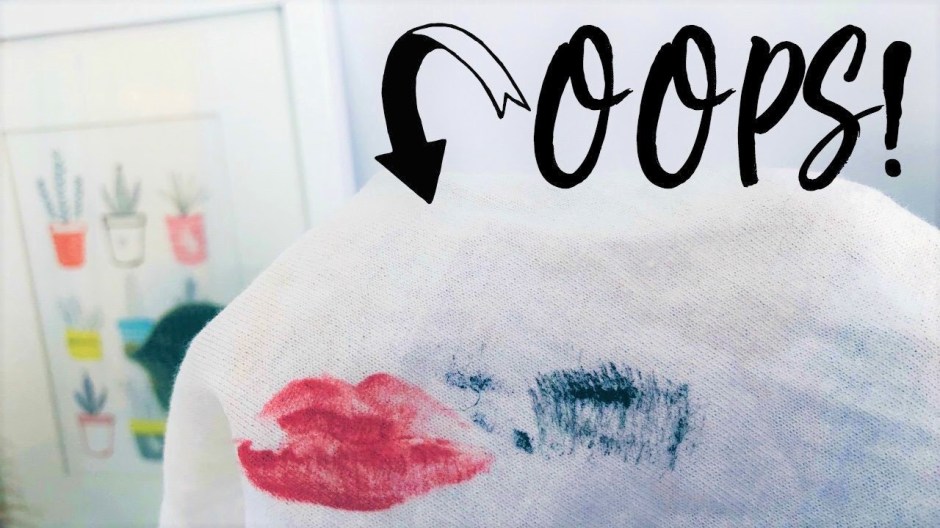
One truth universally acknowledged is that regardless of your level of hand-eye coordination, makeup spills and smudges are bound to happen. And when they do, you’re left wondering how to get makeup out of clothes, ideally without making the stain look worse. I got eight genius solutions for getting makeup stains out of your clothes fast and easy.

1. Use a Makeup Wipe

Makeup wipes don’t just work on your face–they can actually help get makeup off your clothes. It’s an old backstage trick you can occasionally spot at fashion shows when makeup artists realize they’ve smeared something on themselves while trying to protect the models’ clothes. It’s sneaky and it works. Just grab one and gently blot or rub until the offending makeup stain is lifted away.

A couple of things to remember: This is most effective on a fresh spill that hasn’t had time to dry or set. And you’ve got to spot-test anything that you aren’t sure is colorfast or that might water-spot like silk on an area that doesn’t show before going to town on itβ€”you don’t want to ruin anything delicate. But on things like cotton? Makeup wipes are basically a Mr. Clean Magic Eraser for makeup on clothes.

2. Rubbing Alcohol

Soak a cotton ball or the tip of a washcloth in rubbing alcohol and then rub it over the makeup stain. Rubbing alcohol is particularly effective at removing lipstick stains, since alcohol can break down oily and waxy stains.

3. Shaving Cream

Who knew shaving cream can lift a stain? Apply a squirt or two the stain and let it sit for ten minutes. During that time, the cream will dissolve the stain. After ten minutes, wipe off the shaving cream with cold water.

4. A Blow Dryer

If you use any kind of loose powder on your face, you know how frustrating it can be if you spill it on your clothes (especially if it’s light powder on dark fabric). Any attempt to wipe it away is met with a smeared mess that’s even more noticeable than the original dots of powder were. So what do you? Grab a blow dryer. Blast the powder off the fabric and you’re good to go.

5. Hairspray

Who knew? Hairspray can actually help you get rid of a tricky lipstick stain. Apply hairspray to the stain and let it dry. Let the hairspray dry and follow up with a wet wipe. Note: this only works if the hairspray contains alcohol. Alcohol-free hairsprays will do nothing for a makeup stain.

6. Ice, Ice Baby

Applying ice cubes is another way to get makeup out of clothes. Grab a cube and rub it vigorously on stain. Ice (and cold water) works to lift a stain, while using hot water during a spot treatment can actually spread the stain. Avoid hot water at all costs when trying to spot treat a minor makeup stain. Save the hot water for when you toss in the washer.

7. Soap and Water

If all you have on hand is soap and water, you can still try to get a makeup stain out. Just don’t grab a paper towel or napkin. Instead, dab cold water on the stain and the teensiest spot of soap. Then, rub the fabric against itself and allow the friction to lift the stain. This is better than using a paper product, as it can flake off and leave the fabric smeared with little white bits, potentially make the stained area look even worse until you’re able to give it a proper washing.

8. Detergent Pens and Detergent Wipes

Designed for treating stains on the go, detergent pens like Tide to Go can provide a quick fix. For the best result, make sure to blot off any excess gunk off your fabric before taking applying the pen to it. When you press the tip into the clothing, the detergent solution will come out. Rub the tip of the detergent pen against the fabric until the stain starts to come off. Then, wipe off any extra solution. Detergent pens are reusable and safe to apply to most fabrics, including those labeled “dry clean only.”