You don’t have to be a hardcore beauty junkie to appreciate a good foundation that hides all traces of a sudden breakout or an MLBB lippie with serious staying power. Makeup is, arguably, a girl’s best friend—especially for those days when stress finally catches up with your complexion. But what happens when your go-to cosmetics are actually the ones causing your skin to sting, itch or turn red in all the wrong places?
Recognizing a makeup allergy can be tricky, particularly when you’re also exposed to other potential allergens, use certain active ingredients in your skin care products or have a pre-existing skin condition. To help you figure out if your cosmetic products are causing your newfound rash, I asked top dermatologists and allergists to share their expert tips on how to spot—and deal with—a makeup allergy.
Common Signs of a Makeup Allergy
Some ingredients in skin care products, as well as flare-ups from certain skin conditions, can cause your skin to feel dry or flaky, which can make determining the real problem a bit of a challenge. “Allergies should be differentiated from other reactions such as skin irritation caused by active ingredients like retinoic, lactic and glycolic acid (red, flaking skin without the itch) or acne breakouts that are produced by comedogenic (pore-clogging) ingredients,” says board-certified dermatologist Yoram Harth.
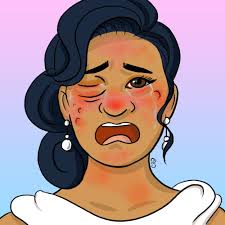
An allergic reaction from makeup, or allergic contact dermatitis, often appears as red, itchy and flaky rashes that can even crack or appear as blisters in the most severe cases (when infected, for example), explains Michigan allergist/immunologist Kathleen Dass. “The rash typically occurs where you have applied the makeup, though it can technically appear anywhere you have had contact with the exposure,” she says. For the majority, this means the eyelids and the delicate skin surrounding the eyes, which is up to five times thinner than the rest of the skin on the face.
In some cases, skin reactions to makeup could take time and require several applications before manifesting. “One of the most important things to know about contact dermatitis, which also makes it the most challenging, is that the reaction does not always appear right away. Sometimes, you can be using the products for weeks, months or even years before you start having symptoms,” Dr. Dass adds.
Who’s Likely to Develop a Makeup Allergy
Several factors can determine your susceptibility to makeup allergies, including genetics, environment, skin integrity and amount of exposure, says board-certified dermatologist Hal Weitzbuch, medical director at Calabasas Dermatology Center. “The longer we are exposed to certain chemicals, we eventually can pass a threshold of sensitivity and begin exhibiting symptoms of an allergic reaction,” he notes.
Those who already have sensitive skin to begin with, have compromised immune systems or are dealing with asthma, seasonal allergies and other inflammatory skin conditions are particularly vulnerable. “People with a history of eczema are more likely to develop skin allergies and this may be due, in part, to the less robust nature of their skin barrier. So ingredients can penetrate into the skin and be more sensitizing,” explains New York City board-certified dermatologist Hadley King.
What Type of Ingredients to Avoid
A number of ingredients found in makeup can cause allergic contact dermatitis, but the most common culprit is fragrance, says Dr. Harth. Present in nearly all types of beauty and skin care products, fragrances often contain a cocktail of harsh chemicals—including alcohol, phthalates and styrene—that can trigger headaches, nausea and skin irritations. “Some of these fragrances can also cause increased sensitivity to the sun, also known as photodermatitis,” Dr. Harth adds.
Board-certified dermatologist Tsippora Shainhouse echoes this and adds preservatives (such as formaldehyde, parabens and DMDM hydantoin), coloring agents, rubbers (found in mascara and latex sponge tips used to apply makeup) and hair dyes to the list. But while synthetic chemicals are often to blame for what’s causing your skin to react to makeup, natural ingredients have also been linked to allergic contact dermatitis—especially for those who have extremely sensitive skin. “Tea tree is a common skin irritant, while willow bark can be drying and irritating to the skin. Essential oils (like lavender, oregano, sandalwood and vanilla, to name a few) can also be skin allergens, as can other natural ingredients like honey and coconut-derived products,” adds Dr. Shainhouse.
Aside from these, Dr. Dass also lists the following ingredients found in makeup as common causes of skin irritations and allergies:
- Lanolin or Wool Alcohols: Used as an emollient and lubricant, often found in foundations, eye shadows, blushes, mascaras, eyeliners, moisturizers, face masks, lipsticks and lip balms.
- Nickel: A common contaminant found in pigments that are used in eye shadows, hair dyes, costume jewelry and antiperspirants.
- Methylisothiazolinone (MIT) and Methylchloroisothiazolinone (MCT): Antibacterial and anti-fungal preservatives found in mascara, makeup remover, liquid soaps, cleansers and other personal care products.
- Balsam of Peru: A fragrant resin, with a scent similar to that of vanilla and cinnamon, typically added to essential oils, hair products, baby powders and sunscreens.
How to Treat a Makeup Allergy
Treating an allergic reaction from cosmetics depends on the severity of the situation, says New York City esthetician and model Sydney Blankenship. To quickly calm any redness or itching, she suggests treating the area with a cool compress before applying topical creams like hydrocortisone or calamine lotion. “Finally, over-the-counter oral antihistamines may be used to reduce inflammation,” adds Blankenship. For severe reactions, or when the irritation involves swelling in your eyelids, tongue, lips or mouth and difficulty in breathing or speaking, Dr. Weitzbuch says it’s best to call 911 or head to the emergency room as this can compromise breathing.
Fortunately, most people will only experience mild irritations that “will usually resolve itself once you have stopped using the product,” says New York City board-certified dermatologist Debra Jaliman, assistant professor of dermatology at Icahn School of Medicine at Mount Sinai. Still, this doesn’t mean you can continue exposing your skin to the same product or ingredient as long as you stop at the first sign of trouble. “Chronic irritation and skin inflammation can lead to skin redness, discoloration, thickening and/or collagen breakdown, which can then lead to premature skin aging and wrinkling,” explains Dr. Shainhouse.
When to See a Doctor
As a general rule, Blankenship says, “It’s best to see a dermatologist for a second look when any kind of irritation does not go away with over-the-counter products after a few days. Whenever you notice your skin having significant changes, it’s best to consult with a skin care medical professional.” It’s even more important if your skin starts to peel or blister as lesions can easily get infected by bacteria. During your visit, your dermatologist can evaluate the rash and prescribe a stronger corticosteroid cream, if necessary, explains Dr. King. “Then, he or she can perform a patch test to help elucidate exactly which ingredient or ingredients you are reacting to,” she adds.
Similarly, you can set an appointment with an allergist who will then perform a patch test on your back using small chambers that contain common allergens, says Dr. Dass. “An allergist can also apply a specific makeup product you are suspicious of. After 48 hours, the patches will be removed, but your allergist may ask you to return in 72 or 96 hours for a second or third reading. These are delayed reactions we are looking for, which is why you would need to return,” she adds. Aside from topical or oral corticosteroids, your doctor may also recommend barrier creams and moisturizing lotions to soothe and protect the area. “If your skin has become infected, you may even require an antibiotic,” adds Dr. Dass.
What Type of Products or Formulas to Use
Regardless of what product or formula you pick, Dr. King says it’s important to do your own research and testing before using any new makeup product. “Place a small amount of the product on the inside of your elbow and wait 48 to 72 hours. If you experience redness, swelling, itching or burning, do not use that product,” she warns. Once you’ve identified the type of formulas or ingredients that are causing your skin to react to makeup, it’s best to stick to products that are labeled paraben-, phthalate- and fragrance-free, sensitivity-tested or hypoallergenic. Keep in mind, this doesn’t always guarantee that your skin will not experience any reaction, says Dr. King. The safest way to avoid developing allergic contact dermatitis, she says, is to look for products with the fewest ingredients.
One way you can make sure your blush and eyeshadows don’t work against you is to opt for mineral makeup and cosmeceuticals as these typically have cleaner and gentler formulations, aside from the added skin care benefits. Look for clinically proven and dermatologist-tested formulas that are also free of known natural or plant allergens. Lastly, Dr. Jaliman reminds, “Expensive doesn’t always mean better. The most important thing to do is to check the list of ingredients on labels and become informed about certain ingredients and what they do.”










 beautyleebar.org