
CBD OIL: AN EFFECTIVE CURE FOR ACNE?

In the world of natural healing, nothing is trending hotter right now than cannabinoid oil, also known as CBD oil. It’s been claimed to heal depression, anxiety, inflammation, and even cure acne! That’s right- acne. Whenever something claims to cure or even help acne, I’m always a skeptic and insist on trying it myself. I did of course, and saw real eye-opening result. Specifically, when it came to reduction of inflammation, sebum production, and stress levels. Did it work for my acne? Yes CBD oil reduced my acne after a month of use. But, we will dig deeper into that in a little bit. Before we get into how it exactly works to treat acne, let’s examine what exactly CBD oil is, how it works, and what it can be used for.

WHAT IS CBD OIL?

First things first, CBD is not weed, okay?! If you’re thinking, “heck yeah, I’m going to get legally stoned”, sorry, but you’d be wrong. It’s true Cannabinoid oil is extracted from the hemp or marijuana plant, but unlike its controversial counterpart, marijuana, it doesn’t contain any physcoactive properties. CBD oil contains higher levels of CBD and low levels of THC; THC being the only chemical in marijuana that causes the physcadelic effects, also known as the “high” feeling when smoked or consumed.

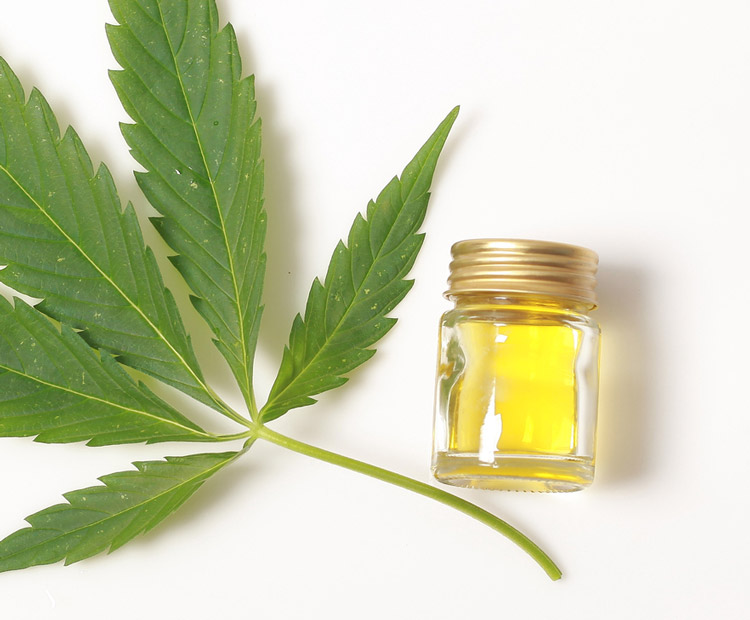
CBD (also known as cannabidiol) is the non-psychotropic component of marijuana or hemp. CBD oil is a mixture of the CBD isolate (pure CBD) + an oil like olive, hemp, or coconut. CBD oil won’t get you high because it doesn’t have the mind-altering properties of marijuana’s tetrahydrocannabinol (THC) content (they are sourced in different ways).

It is also important to know that CBD oil is not the same thing as hemp seed oil. The two are often marketed interchangeably, but CBD oil is richly concentrated in cannabidiol, whereas hemp seed oil only contains trace amounts of cannabidiol, if any.

WHAT DOES CBD OIL TREAT?

CBD oil has been claimed to treat various different diseases. It’s basically considered a cure all, here are some of the diseases or general disorders that have claimed to be cured or significantly helped by CBD oil users:

  • Anxiety
  • Alzheimer’s
  • Appetite
  • Migraines
  • Insomnia
  • Stress
  • Cancer
  • Inflammation
  • Chronic pain
  • Sleep Disorders
  • Epilepsy
  • Acne or other skin conditions

IS CBD GOOD FOR ACNE?

CBD oil is extremely effective when it comes to the treatment of acne in three ways, by inhibiting oil production, decreasing stress, and reducing inflammation.

Regulates Oil Production: Cannabinoid oil, either ingested orally or applied topically, helps to regulate oil production by calming down the sebaceous glands and inhibiting the overall production of sebum. This means that if your face is overly- oily and your pores are easily clogged, CBD may be a good choice for naturally regulating oil production to reduce acne.

Tames Inflammation:A second way CBD helps to reduce acne is through its anti-inflammatory effects. As we are well aware, acne is considered an inflammatory disease in which the pore becomes red, irritated, and highly inflamed. When it comes to systematic inflammation, some people can only find relief with CBD oil, more specifically those with serious joint disorders and continuous muscle pain. It is extremely surprising that in most cases people have reported an almost complete recovery from their chronic inflammation when using CBD oil regularly.

It wouldn’t be so far fetched to think that perhaps because acne is an inflammatory disease where the sufferers naturally have higher levels of inflammation (due to the genetic IGF-1 gene), cannabinoid oil may also help to naturally reduce the inflammation that comes along with it.

Reduces Stress: One of the most celebrated aspects of cannabinoid oil is its ability to reduce anxiety, depression, and stress. CBD oil itself has anti-stress properties, it lowers the heart rate and allows stressed individuals the ability to relax. A study published in the international journal of neurophyschopharmacology shows that it has beneficial therapeutic benefits on the health of humans, preventing the development of chronic unpredictable stress (CUS).

This is inspiring news when it comes to the treatment of acne; because undoubtedlyacne causes stress and stress causes acne.It can be a difficult cycle to break.When stressed, the skin and the brain both create a spikein cortisol which leads to higher levels of inflammation, increased sebum production, and in general, the perfect breeding ground for acne.

With stress, inflammation, and oil production all taken out of the picture, it appears that cannabinoid oil tackles acne in a multifaceted approach, which is exactly what is needed when it comes to chronic adult acne that is unresponsive to topicals and medication.

MY EXPERIENCE WITH CBD OIL FOR ACNE

As someone who believes in dealing with acne in a holistic approach by taking all health aspects into consideration, I was beyond ecstatic to give CBD oil a whirl. It actually started couple of years ago at my friend job, when I told her I was experiencing chronic back pain, she whipped out her CBD oil and insisted that I gave it a try- I did. And I never looked back. The very next day I was so eager to try it again that I went to my local store and bought my own bottle.

Oddly enough I realized after going out that night and having a few drinks I didn’t breakout, it seemed strange but I didn’t really think too hard about it. Next few days, I was off the rails so to speak, I completely went off of my insanely strict diet and basically ate anything I wanted. I went out a few nights, drank quite a bit, stayed up all night, but wait what’s this- still no acne?! At this point I had been taking CBD oil orally for about 2 weeks.

I never thought of it as an acne treatment, it initially began with pain and easing a little bit of social anxiety, but as time went on I was surprised to find that not only was I physically feeling better but I was looking better too!

My skin, perhaps besides a spot or two, had 100% gained full clarity. I was bewildered, after so much research, time, and energy put into my diet and trying to live a healthy lifestyle, I couldn’t understand why all of a sudden (as I was completely off my diet) my skin had been the clearest and least irritated it’s been in months.

Then it dawned on me, besides ditching my old diet and ways, I wondered if there was anything new I had begun using. As someone who is very routine, it was easy for me to quickly figure out it was the CBD oil. My back pain subsided, stress was at a lower rate, and my skin was the clearest it’s been in aloongggggg time. Could this really be the miracle solution people claim it is?

I still continue to use CBD oil, it has been about a month now and I can say that I honestly have seen dramatic effects, physically and mentally. I no longer wake up and worry if I’m going to breakout, I sleep better at night, my mind feels clearer, and overall it has just been an overwhelmingly positive experience. I would highly recommend it to anyone who hasn’t seen results with their current skincare, diet, or exercise regimen and continues to struggle daily with acne. With all symptoms alleviated and no side effects included, I would stretch as far as to say that it is an even more effective treatment for acne than accutane.

How to Use CBD for Acne

If you are interested in using CBD for acne, you might be wondering the best way to start taking it. You might even be wondering if it is safe and legal.

The good news is that CBD is a safe product that millions of people are already using worldwide—and as it does not contain THC, it is legal in all fifty states.

As mentioned before, more research on CBD is underway than ever before, so far studies have been focusing on it being taken orally or transdermally (directly on the skin) when it comes to acne treatment.  For this reason, it is up to you. You might want to start by taking a tincture or edible product, and see if you notice an improvement.

You can also purchase skin care products that contain CBD or purchase a tincture and create your own home treatments (in the long run, this option might save you money and ensure that you know exactly which products are ending up in your skin care products).

Ultimately, the choice is yours— the only thing you have to lose is your pesky acne.

Have you tried CBD oil for acne or the treatment of any other disorder/disease? Let me know in the comments below! Let’s talk all things CBD.

This $9 Cleanser Is The Answer To Clear, Smooth & Oil-Free Skin

With summer so close by, we’re feeling the pressure to strip back our cake face and go as natural as possible during the warmer months. After all, sweat is the enemy of a cake face, so the less we have to pile on, the better we’re gonna look as the day goes on. So, with thoughts of less foundation, we’re taking our skincare routine into overdrive.

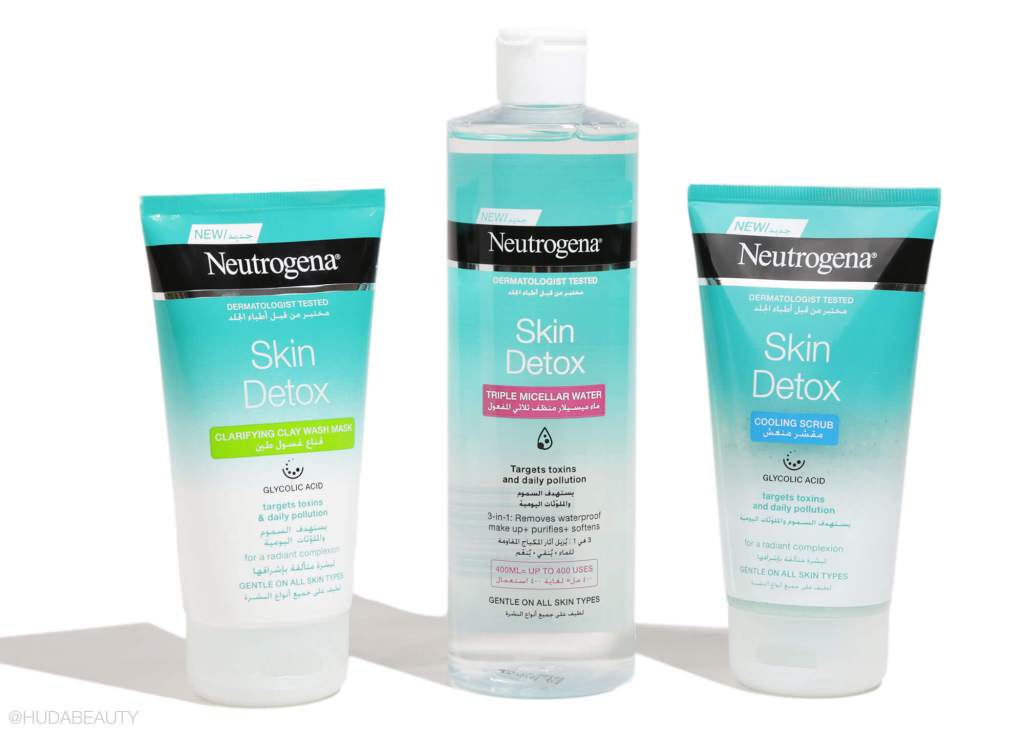
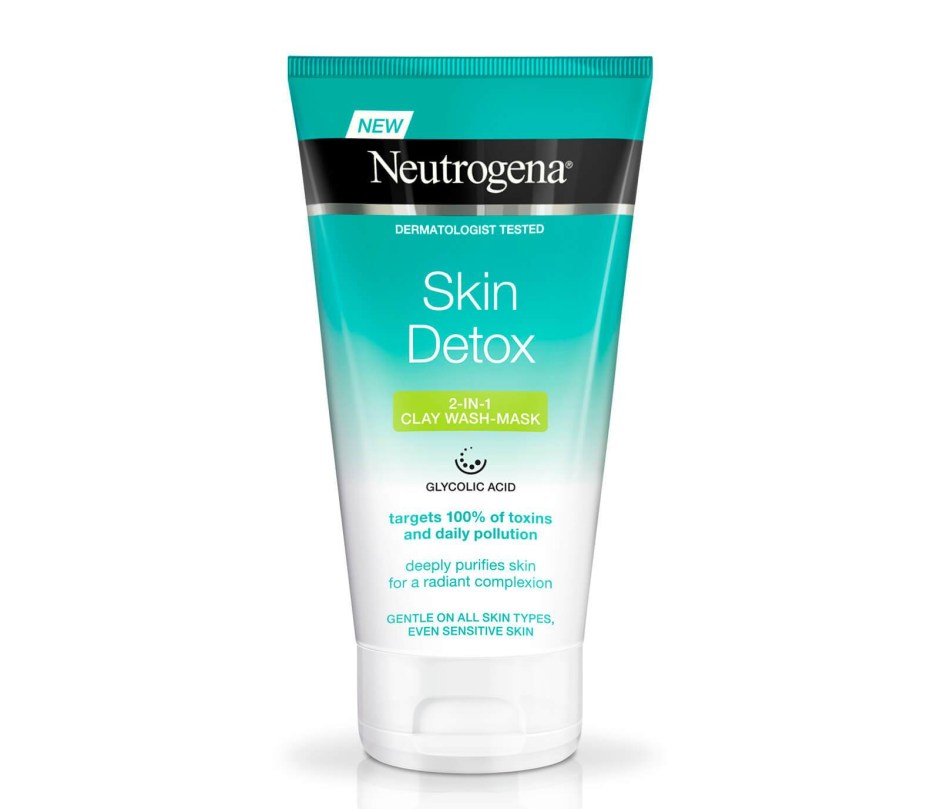
Fortunately, we came across a 2-in-1 cleanser that has become our new best friend – not just because it costs $9, because it works so well to fight oily skin, congestion, and skin texture. Trust us when we say the Neutrogena 2-in-1 Skin Detox Clarifying Clay Wash Mask* is packed with some of the best oil-controlling, pore-busting ingredients that will detox your skin and keep your oil in check for the hot summer months.

The oil-free, non-comedogenic (won’t cause clogged pores) formula is packed with salicylic acid, a beta hydroxy acid (BHA) that cleans deep into pores to dissolve the glue that binds toxins and dirt in the pores, while their Barriercare cleansing technology helps preserve skin’s moisture levels. Glycolic acid also helps to clarify pores and remove surface dead skin cells that cause the complexion to look dull. Finally, Kaolin and Bentonite Clay draw out toxins, dirt, and oil that cause breakouts, while glycerin adds a hit of hydration.

We love that we can use this as an everyday cleanser but also use it as a mask two or three times a week. To use it as a mask, apply a thick layer to the skin and leave it on for three minutes, before thoroughly washing away. Prepare to feel super soft skin! After using this for just two weeks, we noticed our oily T-zone looked less and less shiny, our skin texture improved, and pimples also became less frequent. We also recommend using an exfoliator once or twice a week (like the Neutrogena Skin Detox Cooling Scrub).

*Note, if you’re based in the US, this cleanser is called the Deep Clean Purifying Clay Cleanser & Mask and for those in the UK and elsewhere, it’s called the 2-in-1 Skin Detox Clarifying Clay Wash and Mask, although both formulas are exactly the same!

Let us know if you’ve tried this in the comments below.

WHAT DO YOU GUYS THINK?

Can You Be Allergic to Makeup? Asked the Experts.

You don’t have to be a hardcore beauty junkie to appreciate a good foundation that hides all traces of a sudden breakout or an MLBB lippie with serious staying power. Makeup is, arguably, a girl’s best friend—especially for those days when stress finally catches up with your complexion. But what happens when your go-to cosmetics are actually the ones causing your skin to sting, itch or turn red in all the wrong places?

Recognizing a makeup allergy can be tricky, particularly when you’re also exposed to other potential allergens, use certain active ingredients in your skin care products or have a pre-existing skin condition. To help you figure out if your cosmetic products are causing your newfound rash, I asked top dermatologists and allergists to share their expert tips on how to spot—and deal with—a makeup allergy.

Common Signs of a Makeup Allergy

Some ingredients in skin care products, as well as flare-ups from certain skin conditions, can cause your skin to feel dry or flaky, which can make determining the real problem a bit of a challenge. “Allergies should be differentiated from other reactions such as skin irritation caused by active ingredients like retinoic, lactic and glycolic acid (red, flaking skin without the itch) or acne breakouts that are produced by comedogenic (pore-clogging) ingredients,” says board-certified dermatologist Yoram Harth.

An allergic reaction from makeup, or allergic contact dermatitis, often appears as red, itchy and flaky rashes that can even crack or appear as blisters in the most severe cases (when infected, for example), explains Michigan allergist/immunologist Kathleen Dass. “The rash typically occurs where you have applied the makeup, though it can technically appear anywhere you have had contact with the exposure,” she says. For the majority, this means the eyelids and the delicate skin surrounding the eyes, which is up to five times thinner than the rest of the skin on the face.

In some cases, skin reactions to makeup could take time and require several applications before manifesting. “One of the most important things to know about contact dermatitis, which also makes it the most challenging, is that the reaction does not always appear right away. Sometimes, you can be using the products for weeks, months or even years before you start having symptoms,” Dr. Dass adds.

Who’s Likely to Develop a Makeup Allergy 

Several factors can determine your susceptibility to makeup allergies, including genetics, environment, skin integrity and amount of exposure, says board-certified dermatologist Hal Weitzbuch, medical director at Calabasas Dermatology Center. “The longer we are exposed to certain chemicals, we eventually can pass a threshold of sensitivity and begin exhibiting symptoms of an allergic reaction,” he notes.

Those who already have sensitive skin to begin with, have compromised immune systems or are dealing with asthma, seasonal allergies and other inflammatory skin conditions are particularly vulnerable. “People with a history of eczema are more likely to develop skin allergies and this may be due, in part, to the less robust nature of their skin barrier. So ingredients can penetrate into the skin and be more sensitizing,” explains New York City board-certified dermatologist Hadley King.

What Type of Ingredients to Avoid

A number of ingredients found in makeup can cause allergic contact dermatitis, but the most common culprit is fragrance, says Dr. Harth. Present in nearly all types of beauty and skin care products, fragrances often contain a cocktail of harsh chemicals—including alcohol, phthalates and styrene—that can trigger headaches, nausea and skin irritations. “Some of these fragrances can also cause increased sensitivity to the sun, also known as photodermatitis,” Dr. Harth adds.

Board-certified dermatologist Tsippora Shainhouse echoes this and adds preservatives (such as formaldehyde, parabens and DMDM hydantoin), coloring agents, rubbers (found in mascara and latex sponge tips used to apply makeup) and hair dyes to the list. But while synthetic chemicals are often to blame for what’s causing your skin to react to makeup, natural ingredients have also been linked to allergic contact dermatitis—especially for those who have extremely sensitive skin. “Tea tree is a common skin irritant, while willow bark can be drying and irritating to the skin. Essential oils (like lavender, oregano, sandalwood and vanilla, to name a few) can also be skin allergens, as can other natural ingredients like honey and coconut-derived products,” adds Dr. Shainhouse.

Aside from these, Dr. Dass also lists the following ingredients found in makeup as common causes of skin irritations and allergies:

  • Lanolin or Wool Alcohols: Used as an emollient and lubricant, often found in foundations, eye shadows, blushes, mascaras, eyeliners, moisturizers, face masks, lipsticks and lip balms.
  • Nickel: A common contaminant found in pigments that are used in eye shadows, hair dyes, costume jewelry and antiperspirants.
  • Methylisothiazolinone (MIT) and Methylchloroisothiazolinone (MCT): Antibacterial and anti-fungal preservatives found in mascara, makeup remover, liquid soaps, cleansers and other personal care products.
  • Balsam of Peru: A fragrant resin, with a scent similar to that of vanilla and cinnamon, typically added to essential oils, hair products, baby powders and sunscreens.

How to Treat a Makeup Allergy 

Treating an allergic reaction from cosmetics depends on the severity of the situation, says New York City esthetician and model Sydney Blankenship. To quickly calm any redness or itching, she suggests treating the area with a cool compress before applying topical creams like hydrocortisone or calamine lotion. “Finally, over-the-counter oral antihistamines may be used to reduce inflammation,” adds Blankenship. For severe reactions, or when the irritation involves swelling in your eyelids, tongue, lips or mouth and difficulty in breathing or speaking, Dr. Weitzbuch says it’s best to call 911 or head to the emergency room as this can compromise breathing.

Fortunately, most people will only experience mild irritations that “will usually resolve itself once you have stopped using the product,” says New York City board-certified dermatologist Debra Jaliman, assistant professor of dermatology at Icahn School of Medicine at Mount Sinai. Still, this doesn’t mean you can continue exposing your skin to the same product or ingredient as long as you stop at the first sign of trouble. “Chronic irritation and skin inflammation can lead to skin redness, discoloration, thickening and/or collagen breakdown, which can then lead to premature skin aging and wrinkling,” explains Dr. Shainhouse.

When to See a Doctor

As a general rule, Blankenship says, “It’s best to see a dermatologist for a second look when any kind of irritation does not go away with over-the-counter products after a few days. Whenever you notice your skin having significant changes, it’s best to consult with a skin care medical professional.” It’s even more important if your skin starts to peel or blister as lesions can easily get infected by bacteria. During your visit, your dermatologist can evaluate the rash and prescribe a stronger corticosteroid cream, if necessary, explains Dr. King. “Then, he or she can perform a patch test to help elucidate exactly which ingredient or ingredients you are reacting to,” she adds.

Similarly, you can set an appointment with an allergist who will then perform a patch test on your back using small chambers that contain common allergens, says Dr. Dass. “An allergist can also apply a specific makeup product you are suspicious of. After 48 hours, the patches will be removed, but your allergist may ask you to return in 72 or 96 hours for a second or third reading. These are delayed reactions we are looking for, which is why you would need to return,” she adds. Aside from topical or oral corticosteroids, your doctor may also recommend barrier creams and moisturizing lotions to soothe and protect the area. “If your skin has become infected, you may even require an antibiotic,” adds Dr. Dass.

What Type of Products or Formulas to Use

Regardless of what product or formula you pick, Dr. King says it’s important to do your own research and testing before using any new makeup product. “Place a small amount of the product on the inside of your elbow and wait 48 to 72 hours. If you experience redness, swelling, itching or burning, do not use that product,” she warns. Once you’ve identified the type of formulas or ingredients that are causing your skin to react to makeup, it’s best to stick to products that are labeled paraben-, phthalate- and fragrance-free, sensitivity-tested or hypoallergenic. Keep in mind, this doesn’t always guarantee that your skin will not experience any reaction, says Dr. King. The safest way to avoid developing allergic contact dermatitis, she says, is to look for products with the fewest ingredients.

One way you can make sure your blush and eyeshadows don’t work against you is to opt for mineral makeup and cosmeceuticals as these typically have cleaner and gentler formulations, aside from the added skin care benefits. Look for clinically proven and dermatologist-tested formulas that are also free of known natural or plant allergens. Lastly, Dr. Jaliman reminds, “Expensive doesn’t always mean better. The most important thing to do is to check the list of ingredients on labels and become informed about certain ingredients and what they do.”

Everything You Need to Know Before Trying a Cannabis (CBD Oil)-Infused Beauty Product

Hello Beauties,

I received another interesting email from a blogger who wanted to collaborate with me. I spoke to Kim, the Content Team of Sunday Scaries. They write articles that mainly focus on relieving anxiety and stress through various strategies including the use of CBD. Sunday Scaries also cover various applications of CBD in heart health, skin conditions, diabetes prevention, and among other exciting yet educational topics.

We are living in the marijuanaissance. Thanks to CBD, cannabis is getting its glow-up, trading in the stoner image for a new one as a luxury wellness and beauty ingredient. Loosening of cannabis laws and the enthusiasm around emerging science has legitimized the medicinal claims surrounding CBD, but it’s the boutiquification of cannabis that has made everyone want to be seen with it.

Ask any wellness or beauty aficionado, and they’ll all agree: CBD oil is having a moment. But, unlike other super beauty ingredients making a splash in skin and hair care, there is a lot of controversy surrounding the cannabis-derived ingredient. Nonetheless, its beauty benefits and promising future in beauty are hard to ignore.

I tapped three experts to find out the beauty benefits of CBD oil, plus everything you need to know before trying the popular beauty trend. See what they had to say, below.

What Is CBD Oil and How Does It Work

The cannabis plant boasts a variety of compounds—also known as cannabinoids—believed to contain medicinal benefits. Among these cannabinoids is cannabidiol, or CBD. “Oils that are pulled [from] the plant that contains a high concentration of CBD are known as CBD oils,” says Dr. Alissia Zenhausern, NMD.

In order to understand how CBD oils work, it’s important to know what cannabinoids are and what they do. Cannabinoids are chemical messengers that activate a class of cell membrane receptors located throughout the body. These body receptors are part of the endocannabinoid system, which is involved in a variety of physiological processes including appetite, pain-sensation, sleep, mood and memory. Cannabinoids are either naturally produced by the body (endogenous) or outside the body (exogenous). The cannabinoids found in marijuana and hemp, such as tetrahydrocannabinol (THC) and CBD, are considered exogenous, which, when consumed, also interact with cannabinoid receptors in the body and can generate similar physical and psychological effects.

There are currently two known subtypes of cannabinoid receptors in the body, CB1 and CB2. The CB1 receptor is expressed mainly in the brain, lungs, liver and kidneys. The CB2receptor is expressed mainly in the immune system and in hematopoietic cells. Before the CBD beauty trend took off, Dr. Zenhausern says CBD-infused drugs were most commonly used for pain management and inflammatory conditions, as “CB2 receptors are most commonly found as part of the immune system [and they can] affect inflammation and pain.

Now, it is important to note that CBD will not produce the same euphoric sensations as THC, which means using CBD won’t make you feel “high.” “The way cannabinoids work is by attaching to CB1 and CB2 body receptors. However, new research has found that CBD doesn’t seem to attach to either receptor directly and [might] help your body use its own cannabinoids,” she adds.

The Beauty Benefits of CBD Oil

Although some CBD enthusiasts experiment with adding the oil into homemade beauty tinctures, the CBD beauty trend mostly refers to products formulated with the cannabinoid. Similar to other natural beauty–benefiting ingredients—such as spirulina, which can be ingested on its own or used topically in a beauty product—the oil is the ingredient, and the beauty product is the delivery system that helps provide the skin with the beauty benefits of CBD.

Speaking of beauty benefits, CBD is chock-full of them. So much so that some dermatologists—including board-certified dermatologist, Dr. Debra Jaliman—recommend the use of CBD oil for hair and skin. “It’s rich in vitamins A, C and E,” says Dr. Jaliman. “Vitamin A stimulates the cells responsible for producing the tissue that keeps skin firm and healthy; vitamin C stimulates collagen production, and it helps to reduce signs of aging; [and] vitamin E blocks free radicals from the body [which] helps slow down the aging process,” she continues.

On top of the benefits of CBD on aging skin, it can also benefit breakout-prone complexions. “Because acne is an inflammatory condition related to overworked sebaceous-gland production, promising new research states that CBD can help reduce the production of sebum, which means CBD could become a future treatment for acne, particularly acne vulgaris, the most common form of acne associated with overproduction of sebum,” says Dr. Zenhausern.

CBD beauty products might also help other inflammatory-related conditions such as skin allergies, rosacea, eczema and psoriasis. “The anti-inflammatory and anti-bacterial properties of CBD naturally help improve irritating skin conditions including rosacea, eczema and psoriasis,” Julie Winter, COO and founding partner of CBD For Life, explains.

Skin isn’t the only thing that benefits from CBD—hair can, too! Because it’s rich in fatty and amino acids, it may be beneficial to your hair and nails, too. “CBD and hemp oil stimulate and enhance the growth of hair through the scalp’s absorption of the main fatty acids [found in CBD and hemp], omega-3, omega-6 and omega-9,” says Winter.

Potential Side Effects of CBD Oil

The good news? Unlike THC, initial studies around CBD pose little to no sign of side effects to those who ingest it. “Many small studies have looked at the safety of CBD in adults,” explains Dr. Zenhausern. “Of the studies done, researchers found that most adults well-tolerated CBD even at a wide range of doses. They found no significant side effects on the central nervous system. The most common side effects cited include fatigue, diarrhea and changes in appetite or weight.”

As for skin care, Dr. Jaliman says, “No studies have shown it to cause irritation or to aggravate sensitive skin. Research has shown CBD [beauty products are] safe to use with no unwanted side effects.”

Still, Dr. Zenhausern advises to be cautious when trying the CBD beauty trend—especially if using the straight oil versus a beauty product formulated with it. “Each CBD oil contains a different concentration of CBD, so it is very important to read the label and understand what it means,” she says.

Aside from minding the concentration, it’s also important to be aware of the legal issues surrounding the ingredient. “In the United States, each state has different laws when it comes to the use of CBD as well as medical marijuana,” says Dr. Zenhausern. “Anyone considering CBD oil should speak with their local healthcare provider for more information about the laws in their unique state as well as high-quality sources for safe CBD,” she concludes.

How to Use CBD Oil for Best Results

If the beauty benefits of CBD excite you, there are a few ways you can include the super beauty ingredient into your regimen. One of the first, most important tips for using CBD in beauty is to do your research. “Research the CBD products you are interested in purchasing and make sure the products do not contain THC,” says Winter. “CBD is not FDA-regulated so consumers should be on the lookout for companies that are transparent with their test results,” she adds.

Another important thing to consider is the results. As with all beauty products, the types of results you wish to see should dictate the way you apply or use CBD in your regimen. “Consumers can ingest CBD oil in products like tinctures for fast-acting results since it travels directly into the bloodstream. But, applying CBD topically is the most effective for targeting specific areas of the body like muscle aches and pains,” explains Winter.

As promising as CBD sounds, it’s no secret that this beauty ingredient is still pretty new and highly controversial, so my advice? As with any trendy, expert-approved beauty ingredient, it’s always wise to consult your dermatologist before adding CBD beauty products to your regimen.

Want more info?! Check out CBD Oil Benefits for Skin: What the Beauty Industry Says about It on SundayScaries.com !