
How to Treat and PREVENT MASK-NE AKA “Mask Acne” – It’s A Thing!

If it wasn’t enough that half of our lovely faces must remain covered by masks these days, now we are starting to suffer breakouts as a result. It doesn’t help that we are entering a heat wave and the height of summer is around the corner, just in time to bundle up an area we typically let breathe, literally and figuratively, 24/7.

Higher temps and covering up equals sweat, and it’s not the only culprit. Masks trap moisture from our breath, oil from our skin, and dirt and makeup underneath as well, for a nice little brew of bacteria bubbling over like a witch’s cauldron ready to make trouble. Friction and pressure amplify the issue by rubbing the irritants, particles, and trapped moisture, essentially grinding them into your pores.

Also, since most of us don’t have access to professional-grade masks and are using homemade masks or thin fashion masks, we are constantly adjusting them, causing us to touch them and our faces, defeating the very purpose of the masks in the first place. Truly a face-palm moment. But please don’t touch your palm to your face.

So how do we prevent, treat, or minimize the issue? If the symptoms of mask-wearing are taking a big toll on your skin, you’ll want to heed all of these suggestions carefully.

OH WAIT…. Before diving into the fix, let’s first talk about why face masks are giving people so much trouble. Regarding acne, there are two primary issues to consider.  

Why Face Masks Cause Breakouts and Chafing 

First, direct friction promotes inflammation in the skin and breakouts, known as ‘acne mechanica.’ Second, face masks trap humidity [from simply breathing], oil, and sweat on the skin and allow for overgrowth of microorganisms, which collectively block the pores and lead to acne flares,” he explains. “As for chafing, this is essentially skin barrier disruption and inflammation from chronic rubbing of an external surface against the skin. For face mask to be effective, they need to form a tight seal on the skin, which leads to chafing.” 

 Anyone can develop acne, inflammation, and chafing from wearing masks – even those who usually have super clear skin. That said, those who are more prone to the aforementioned issues, such as people with sensitive skin, thin skin, chronic skin ailments, and acne-prone skin, are more likely to experience trouble.  

Have a week long supply of masks.

If you go out a lot, or at least daily (and as businesses begin to re-open, we will all begin to reacclimate with the outside world again and, yes, leave the house more), you should have at the very least a mask for each day. In fact, it’s been suggested that we think of our masks like underwear. You wouldn’t wear a pair of panties again without washing them, would you? And those don’t get exposed to the outside world or our constant fondling. Unless they do. Do you boo.

Avoid makeup.

This one may be hard for some to stick with 100% of the time, but it’s something to seriously consider. When half of our face remains covered anyway, there is no point in laying on a thick layer of concealer or foundation only to have it clog the pores that are trapped with excess sweat, moisture, oil, and daily grime. Keep your makeup minimal around the masked area, and opt for some mascara. It’s really our eyes that do the talking with this new-normal look, anyway.

YOU MAY ALSO LIKE…

Opt for natural fibers.

There are lots of cute masks out there, but polyester, satin, and even rayon aren’t doing your skin any big favors unless it’s a high-quality, thick rayon. Opt for silk or soft cotton materials so that your skin can breathe and you have some airflow. Polyester essentially works like plastic wrap to trap moisture until you take it off, so natural and breathable is absolutely the way to go.

Double cleanse, and then cleanse again.

If double-cleansing has always come off a bit extreme to you, now might be the time to change your mind, or at least make an exception for the days you wear a mask. Massaging thoroughly with a cleansing oil or balm pulls impurities from your pores without stripping your skin of all moisture. Follow up with another thorough cleanse with either your first cleanser or a gentle, non-drying gel to completely remove any remaining traces of makeup or dirt that have been pushed into your pores. And, if you typically just rinse in the morning, up your routine to cleansing then, too.

Up your exfoliation game.

If you typically exfoliate once a week, it might be OK to exfoliate a little more often, especially around the lower half of your face. Since it’s subject to extra congestion right now, lighten the load with a gentle peeling pad twice a week.

Use a clay mask at least once a week around the area, and spot treat at night. If you’re in and out of a mask during the day, you might even want to keep gentle toner pads on hand to give your skin an extra cleansing swipe between washings. Make sure to moisturize thoroughly at night and use a heavier cream to avoid drying.

Apply a Zinc-Based SPF.

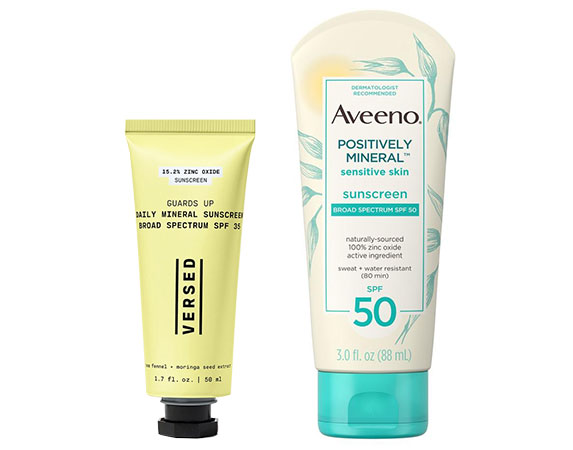
Before putting on your mask, apply a layer of zinc oxide-based SPF. Zinc oxide is both a mineral UV blocker and skin protectant that is a main ingredient in baby diaper creams. It helps form a seal over the skin to provide some level of protection from the mask itself. We’re fond of Versed Skin Guards Up Daily Mineral Sunscreen, $22, and Aveeno Positively Mineral Sensitive Sunscreen, $10. 
Treat Your Acne Head-On.

Those dealing with unforgiving, stubborn acne despite following the advice above should also take the spot-treatment approach. We recommend a product that contains benzoyl peroxide – such as Neutrogena On the Spot Acne Treatment, $9 – which helps lower levels of acne–causing bacteria to reduce inflammation of the skin. We also like Hero Cosmetics Micropoint for Blemishes, $13.  

Have more questions about maskne? Let’s chat in the comment section below! 

Beginner Beauty FAQ

Just starting out with makeup? Whether you’re a complete beginner or the ultimate beauty enthusiast, there are a couple of questions that we’ve all asked ourselves at some point. To make things easier for you, here’s a list of the most frequently asked questions about beauty and skincare!

Do you need to use toner?

This has crossed all our minds at one point or another: Do we really need to use toner? Or is it just an extra step that we can skip?

The short answer – yes, you should use toner.

Regardless of skin type, toner is definitely an essential step when it comes to achieving healthy glowing skin. After cleansing, toner helps remove stubborn dirt and grime, and any traces of makeup you may have missed.

A good toner can provide the skin with a much-needed boost of hydration along with other skin-supporting ingredients. Adding this step into your skincare regimen sets the perfect foundation for your other skincare products to perform better.

How often should you wash your makeup brushes?

We know, washing your brushes can feel like a total chore – but it’s soo worth it. You should aim to wash your brushes at least every 7 days or so to get rid of any germs or bacteria that will build up over time.

Not cleaning your brushes often enough could contribute to breakouts or other common skin problems. And honestly, your makeup looks so much better when you’re working with clean brushes!

Is “baking” just a trend?

“Baking” has been trending for quite some time now. The real question is, is it completely necessary or just another fleeting beauty trend? Well, let’s just say… if you want your makeup to last longer, then you definitely need to add “baking” onto your to-do list.

“Baking” is essentially setting your face makeup with a loose setting powder to mattify your complexion. Adding this additional step into your makeup routine extends the staying power of your face makeup by soaking up excess oil during the day.

All you need to do is apply a generous amount of loose setting powder over your face makeup with a damp beauty sponge. Let it sit on your face for a couple of minutes (5 or so) and then buff it out with a fluffy powder brush. Pro tip: For the ultimate staying power, spray your beauty sponge with some setting spray before you pick up the powder.

Do you have to use moisturizer if you have oily skin?

When you’re dealing with oily skin, adding more moisture into the equation is probably the last thing on your mind. But moisturizing your skin properly will make a huge difference when it comes to controlling oil.

When our skin is dehydrated, it actually overcompensates by producing even more oil to make up for the moisture it desperately needs. To minimize shine, oily skin types can benefit from staying hydrated by drinking more water throughout the day and moisturizing regularly in the morning and at night.

Did we miss anything? Let us know in the comments down below if you have any other questions for us!

Beauty Q and A: Why Is My Foundation Patchy?

Patchy foundation is a makeup lover’s worst nightmare — especially if you’ve spent a significant amount of time perfecting your beat. As it turns out, there are ways to completely avoid patchy makeup and foundation, and all it takes is hydration and the right makeup base. Ahead, we broke down how to keep patchy foundation at bay, plus how to fix it if it happens to you.

What Causes Patchy Foundation?

There are many reasons why your foundation might be patchy. The wrong formula of foundation, mixing products with ingredients that don’t match or dehydrated skin are all culprits. For example, mixing a silicone-based primer with a water-based foundation is going to separate on the skin because the ingredients don’t mesh well. How to know if your foundation or primer is silicone based? It can be tricky, but the most commonly listed silicones (you’ll nearly always find them at the top of the ingredients list) include cyclopentasiloxane, siloxane and dimethicone. Also, most people are not as oily as they think they are, and using ultra matte foundation on already dry skin is another recipe for a patchy face.

How to Avoid Patchy Foundation

When it comes to avoiding the patchy foundation phenomena, we suggest that you want to pay extra attention to the products you use, and make sure your skin is well hydrated and prepped for makeup. A good moisturizer, a primer that mixes well with foundation and setting the foundation will all help to make sure your makeup stays where you want it.

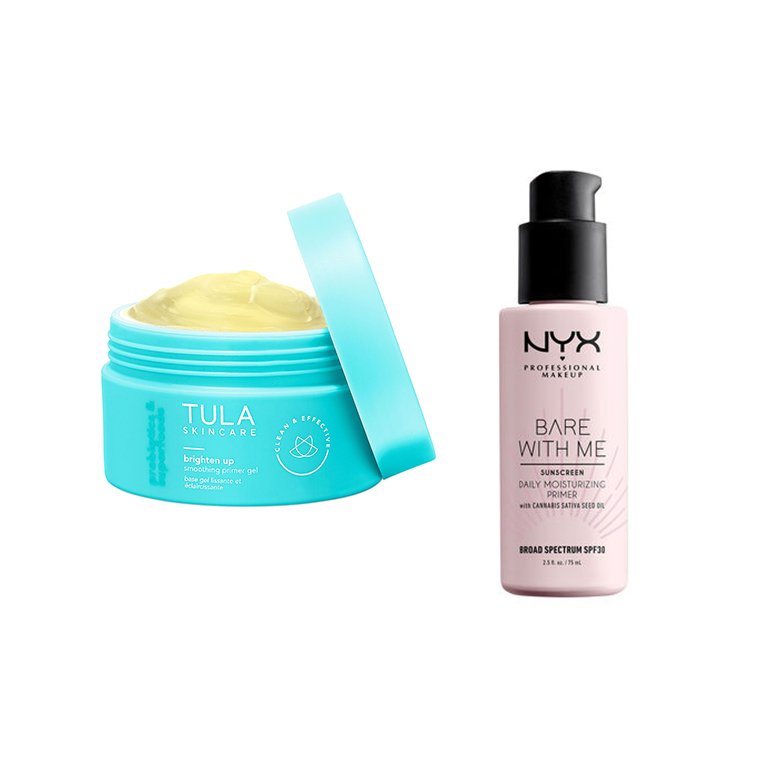
For this, we recommend beginning your routine with a hydrating moisturizer like the NYX Professional Makeup Bare With Me Cannabis Sativa Seed Oil Moisturizing Primer SPF 30. Next, apply a hydrating, gripping primer like the Tula Brighten Up Smoothing Gel Primer that will not only moisturize your skin, but it will also lock in foundation. Apply a water-based foundation on top, like the Urban Decay Stay Naked Lightweight Liquid Foundation

How to Fix Patchy Foundation

If the skin isn’t properly hydrated, it will draw the moisture from any product you apply on top of it; hence, your poor dehydrated skin will suck up all the water and emollients from your foundation, leaving you with small and unevenly dispersed splodges of color pigment. The moral of the story? Always make sure to apply an even layer of moisturizer over the skin before reaching for the foundation bottle.

Prepping the skin correctly before foundation is the true way to eradicate patchiness before it starts, but if your foundation is already patchy, here is another trick that can help, take a damp sponge and blend out the patchy spots.

More Primp Tips

If we neglect the exfoliation step within our skincare routines, it will likely result in our foundation applying unevenly, and gripping on to (and exaggerating) our dry patches and textural issues. Using a mild liquid exfoliator will help to keep dry patches at bay, and will keep the skin looking even and smooth.

Will you be taking any of these tips on board, or do you have any methods or tricks you’ve found helpful? Let us know!

BODY CARE HACKS WITH KYNCARE

In our latest edition of BeautyLeeBar hacks, we’re sharing ways to shortcut your body care routine. The reality is that sometimes there’s just not enough time to apply our tried and true regimen. In these cases, we can rely on fast tweaks that still bring solid results. Scroll down below to find out body care tips on how to get better smooth skin by using Kyncare

WHAT IS KYNCARE: KYNCARE is a brand that was created by Kyndall Sands who is an Artist and a YouTuber. She created this brand for those who are struggling with Eczema but couldn’t find reliable products. Of course, Eczema is the main reason that KYNCARE was born but if you have dry skin, really if you suffer from troubled, problematic skin then this brand is definitely for you.

Below we’re highlighting eight resourceful body tools and tips to adopt for healthier, smoother skin. Maximize your time with the body care hacks Team BLB swears by below.

• Apply moisturizer while the body is still damp from the shower. This locks in moisture, and applying lotion to damp skin takes half the time rubbing it in.

Kyncare OATS + HONEY BODY CREAM ( $18 ), is a thick, creamy, and luxurious body lotion that makes dry skin a thing of the past. Creamy oatmilk, honey, and almond come together to create this comforting scent. The fragrance doesn’t irritate the skin and doesn’t cause any breakouts.

• Use coconut oil as a shaving cream. It’s all-natural and leaves skin smooth and moisturized.

Kyncare COCONUT CREAM BODY OIL ( $12 ), heals chapped skin. Coconut Cream Body Oil uses Avocado oil to hydrate & moisturize your skin all day, and leave you with the long lasting scent of creamy coconut. You will be smelling like a snack all day and night!

It gives a cool summer beach vibe; very light and smooth on the skin. Primp Tip: Combine the Vanilla Body Butter Cream, it is AMAZING!! You will feel like you are on a tropical paradise island drinking a Pina Colada ❤

• If Lee tries out a serum or cream for her face but doesn’t necessarily love it, she’ll use it on her body so that she’s not being wasteful.

POSTS YOU’LL LOVE

• Use lotion on hands and feet and wrap them in socks for 20-30 minutes. It will heat up the moisturizer so that it penetrates deeper into the skin. The result: hands and feet that are soft, smooth, and ready to be touched.

GARDENIA BODY CREAM( $18 ), has a subtle, floral blend of gardenia and delicate jasmine. The type of cleanness and freshness that you will feel on the daily and nightly is unexplainable. Before you dip your feet into all that goodness, make sure you exfoliate exfoliate exfoliate. GARDENIA FOAMING SUGAR SCRUB ( $12 ), is formulated with sugar and foaming whipped soap, the sugar scrubs will leave your skin feeling fresh & smelling delicious! Lather onto a loofah or between your hands and buff onto the skin. It makes you smell edible & the consistency of the scrub is light a fluffy, not too rough, but still exfoliating. Love it! The packaging is cute as well. 10/10 recommend.

• If you’re going out at night and showing skin, use body oil for extra glow—and you can add a dollop of a liquid highlighter to the oil for seriously sexy skin.

PASSIONFRUIT SPLASH BODY OIL ( $12 ), uses Avocado oil to hydrate & moisturize your skin all day, and leave you with a long lasting tropical smell. This body oil is very light and smells like heaven. It feels amazing especially after a nice bath. Try pairing this with Gardenia Body Butter! It is the best combo ever! These two scents compliment each other very well.

• After applying your daily sunscreen to your face, make sure to wipe the remainder on the tops of your hands and chest. These areas get overlooked, but they’re in desperate need of SPF too.

• To naturally get rid of ingrown hairs, exfoliate, then use a dry brush, and a tweezer.

PINEAPPLE MOISTURE SCRUB ( $16 ), slough off dry, dead skin & leave your skin feeling ultra moisturized and baby soft. Kyncare juicy moisturizing scrubs are perfect for those who want exfoliation AND silky skin even after leaving the shower.

• Always wash your face and body after you condition your hair so you don’t have lingering product on your skin.

Lee didn’t find many reviews on this brand but from the videos that came up, all of the feedbacks were positive and uplifting. She will be going back for more, can’t wait to see what new products are going to be in the KYNCARE catalog! Each jar is handmade in small batches in-house so be patient and read the directions carefully.

Have you purchased from KYNCARE? If so, what was your experience like and what did you get? Comment Below!