Exactly How to Bake Your Makeup

You’ve likely tried contouring, tightlining and even strobing. Next on your list should be baking. This technique (which honestly makes us crave cookies and not mad about it) essentially consists of using your body heat to “cook” and set your makeup on areas like the under-eyes, the T-zone and chin, resulting in a more flawless, creaseless finish. Say goodbye to cracked, cakey makeup! And though it adds some time to your routine, it couldn’t be easier to do. Just follow the four steps below and thank us after.

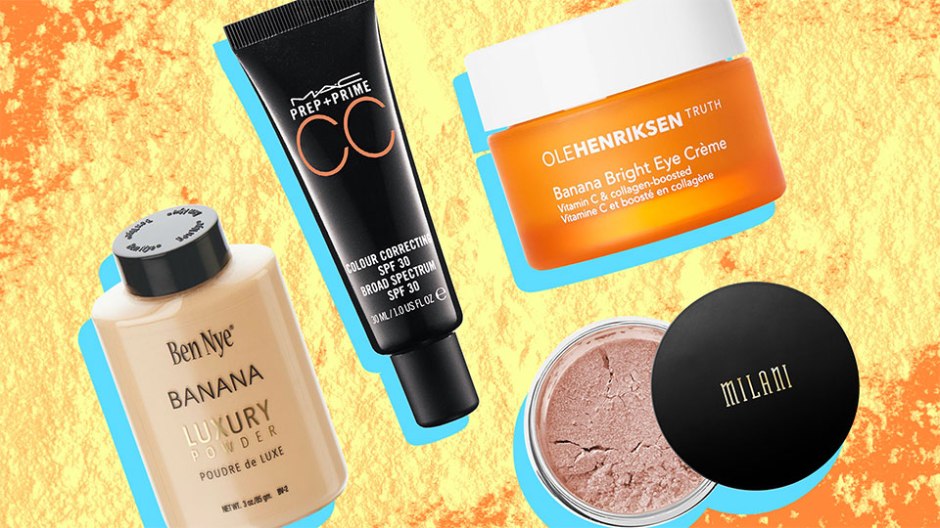
STEP 1: Apply eye cream first then concealer to the under-eye area, the chin, the T-zone — anywhere you need it. Make sure the regions you choose are completely covered in the formula. Use a brush to lightly blend out the makeup.

STEP 2: Take a loose powder foundation (try the Maybelline New York Fit Me Loose Finishing Powder) and dust it over the concealer. Again, make sure you cover the entire area as the powder is meant to seal your concealer. For more heavy-duty coverage, apply a second coat of powder, but this time, lightly dampen the brush prior to dipping it in the powder. 

STEP 3: Now it’s time to bake! Allow five to ten minutes for the makeup to set.

STEP 4: Using a fluffy foundation brush, dust away any loose powder on top and gently blend it out so there’s no discoloration or makeup lines. 

Is Baking For You? COMMENT BELOW!

POSTS YOU’LL LOVE:

Beauty Debate: Should I Use Setting Powder or Setting Spray?

It seems like there’s a setting product for everything — whether it’s to quickly dry our nail polish, perfect our eyebrows or lock-in our makeup. And while the product options for setting our look are very straightforward when it comes to nails and brows, when we’re talking about the rest of our makeup, it’s just not as easy. How do we choose between different setting powders and setting sprays, and is there even a difference between the two? Tap in to find out.

The Case for Setting Powder

According to the web, setting powders are designed to absorb excess oil and moisture from your face. “Because skin is a porous surface and produces oil, you want to set your face makeup with powder to help it last longer without melting away.

Because of this, setting powder is applied during your makeup routine to set foundation, concealer and any liquid or creamy products you’ve applied. Setting powder often leaves the skin with an ‘airbrushed’ finish and can help to blend as well because it diffuses what’s under it. This is not to be confused with finishing powder, which is used after setting powder and adds even more of a blurred look to imperfections of the skin (lines under the eyes, pores, etc.) and control shine. Thus, setting powders are a great option if you have issues with creasing, cracking or excess oil throughout the day. 

The Case for Setting Spray

As far as setting sprays go, they’re designed to be applied after your whole makeup routine is complete. Setting spray is a fine mist which is applied after finishing the makeup routine. The setting spray can have different finishes such as matte or dewy, and it elongates the amount of time the makeup will last. It can also be used to amplify highlight or to apply a shadow damp — simply dust some product onto the brush and spritz the brush after.

Setting spray leaves behind a lightweight, skin-like finish but can not be absorbed into your pores like a powder can. Even mattifying sprays don’t mattify your face the way a setting powder can, in which making it a better option for those who have drier skin and need a boost of hydration.

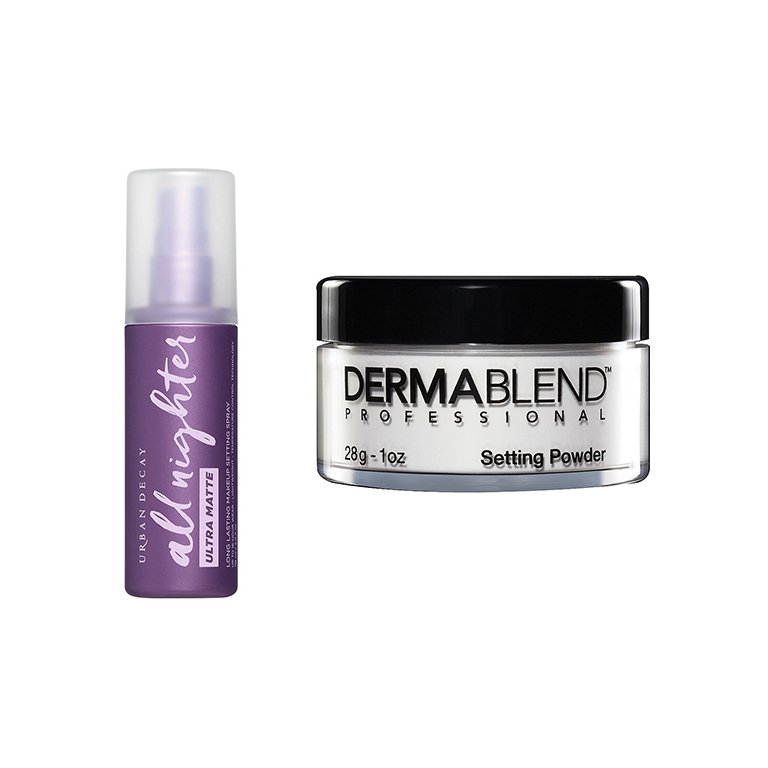
urban decay all nighter ultra matte, dermablend loose setting powder

So, Which One Should You Use?

While powders tend to work better for oily skin and setting sprays for dry skin, if you really want to set your makeup and extend the life of your makeup, I recommend using both a loose powder and a setting spray. 
Pack on a setting powder like the Dermablend Loose Setting Powder to smooth your skin and finish it with a setting spray of your choice, like the Urban Decay All Nighter Ultra Matte.

WHAT’S THE DIFFERENCE BETWEEN SETTING POWDER AND SETTING SPRAY?

It seems like there’s a setting product for everything — whether it’s to quickly dry our nail polish, perfect our eyebrows or lock-in our makeup. And while the product options for setting our look are very straightforward when it comes to nails and brows, when we’re talking about the rest of our makeup it’s just not as easy. How do we choose between different setting powders and setting sprays, and is there even a difference between the two? I reached out to NYC-based makeup expert Gabriel Almodovar and beauty influencer Nikki Apostolou to find out.

“Setting Powder is designed to absorb the excess oil and moisture from your face and the products you’ve applied to your face. Because skin is a porous surface and produces oil, you want to set your face makeup with powder to help it last longer without melting away,” Almodovar explains.

He compares setting spray to hairspray — but for the face. “It’s designed to keep the product from being absorbed into your porous skin. Even the mattifying sprays don’t mattify your face the way a setting powder can.”

How to Use Setting Powder and Setting Spray

“A setting powder is applied during your routine and sets foundation, concealer and basically any liquid or creamy products you’ve applied — down to a smooth, matte, skin-like texture,” Almodovar says. “It often leaves the skin with an ‘airbrushed’ finish and can help to blend as well because it diffuses what’s under it. This is not to be confused with finishing powder, which is used after setting powder and adds even more of a blurred look to imperfections of the skin (lines under the eyes, pores, etc.) and control shine.”

Apostolou adds, “Setting spray is a fine mist which is applied after finishing the makeup routine. The setting spray can have different finishes such as matte or dewy, and it elongates the amount of time the makeup will last. It can also be used to amplify highlight or to apply a shadow damp — simply dust some product onto the brush and spritz the brush after. “

So Which One Should You Use?

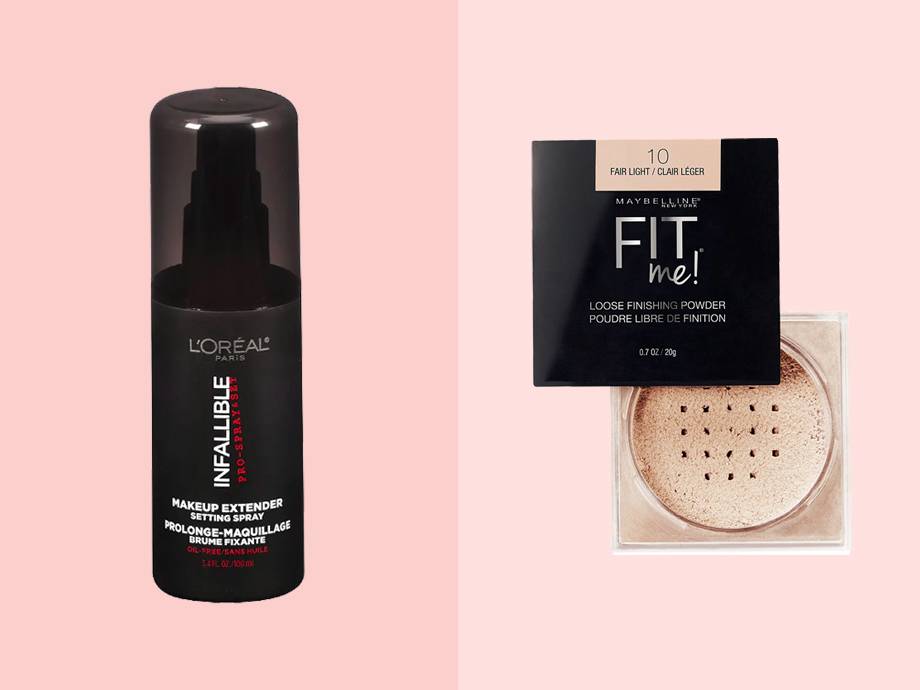
“If you really want to set your makeup and extend the life of your makeup, I recommend using both a loose powder and a setting spray,” Almodovar explains. His favorite setting product is Maybelline New York Fit Me Loose Finishing Powder to smooth the skin’s surface and give a sheer hint of color. “I also really like Urban Decay Naked Skin Ultra Definition Loose Finishing PowderNYX Professional Makeup Matte Finish Setting Spray and L’Oréal Paris Infallible Pro-Spray & Set Makeup Extender Setting Spray.

#HELLOBEAUTIES SHOP!

Three Hacks to Hide Fine Lines With Makeup

Fine lines: a beauty guru’s worst enemy as we mature into our grown-up skin. These teeny tiny creases creep up on us at the worst possible makeup moments, making foundation look cracked and less-than-perfect, and we’d do just about anything to make them disappear for good. Of course, more power to you if you wear your fine lines with pride — but sometimes you just want your makeup to look flawless, and they get in the way. Don’t you think?

Rule 1: Always, Always Moisturize and Prep

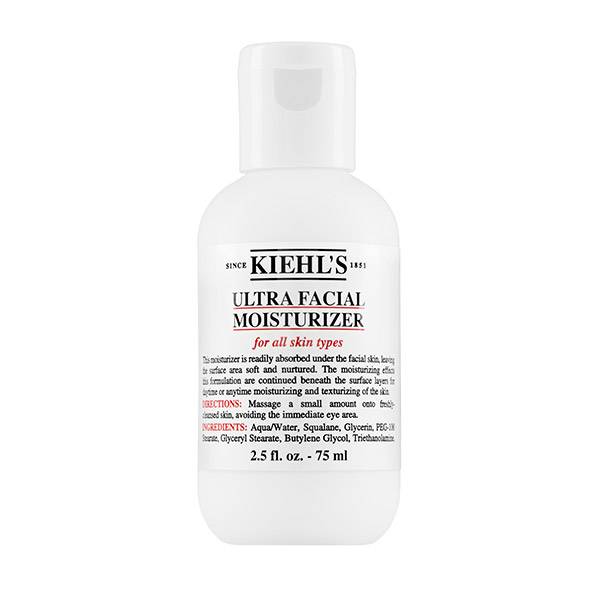
Fine lines look so much more obvious when skin is dull and dehydrated — that’s why Thompson’s first rule of thumb is to always hydrate the skin. “Moisturizing very well before applying makeup always help diminish the look of fine lines,” she says. “In addition to that, opting for a primer that has a blurring or smoothing effect not only helps the appearance of pores but fine lines as well.” We love a hefty moisturizer like the Kiehl’s Ultra Facial Moisturizer for this step.

Rule 2: Blurring Sticks Are Your BFF

The Lancôme Blur and Go Priming Stick and Milani Instant Touch-Up Blur Stick are my absolute favorites when blurring out fine lines! It sits beautifully under makeup, and works well on top of moisturizer. A priming and smoothing stick will do wonders to make your fine lines less visible. It truly gives you the airbrushed look with little effort before applying foundation.

Rule 3: Set Before Makeup

My final golden rule is actually a bit counterintuitive: I suggest you set your face before you reach for that foundation. A little trick I like to do that works wonders for creasing is after applying your moisturizer and primer to the face, lightly set any area with powder before applying your cream or liquid foundation. This way, your face will be extra protected from creasing makeup: This really locks in what was underneath and prevents a barrier from your foundation seeping into those lines.

WHAT IS YOUR FAVORITE HACK?

WHAT IS YOUR FAVORITE PRODUCT TO HIDE AWAY THOSE FINE LINES?

( If anyone have any tips that they would love to share, leave it in the comments!