Does The NEW Fenty Foundation Deserve All The Hype?

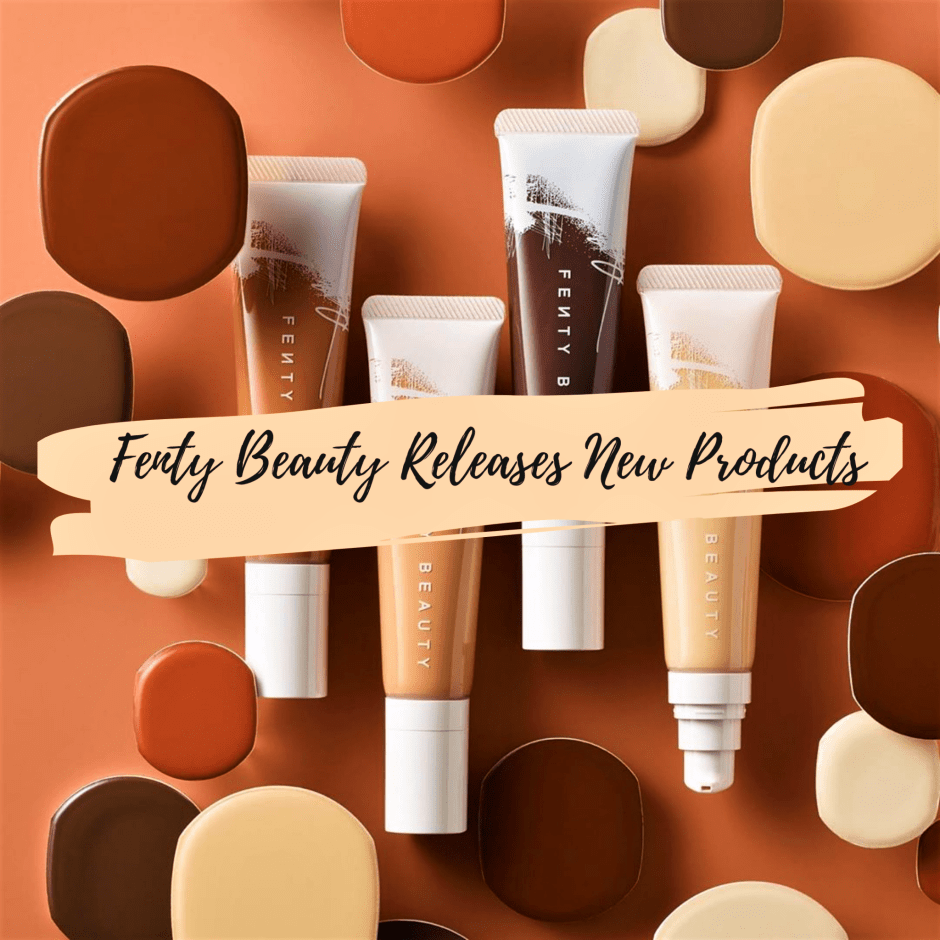
When Rihanna launched her makeup line almost two years ago, it’s pretty fair to say Fenty Beauty shook up the beauty industry. In her first launch, RiRi served up a 40-shade foundation range (now extended to 50), the Pro Filt’r Soft Matte Longwear Foundation, which quickly became a beauty fave among editors and beauty lovers everywhere.

The original formula was a godsend for those with combo and oily skin – finally, a formula designed to keep midday shine at bay! Now, Fenty is broadening their range with a new formula designed for dry, normal and combo skin types, the Pro Filt’r Hydrating Longwear Foundation, $35, also in a whopping 50-shade range. We tried it for a week to give you guys the full DL…
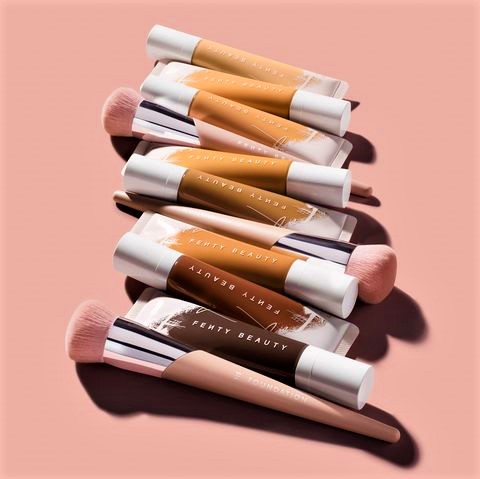
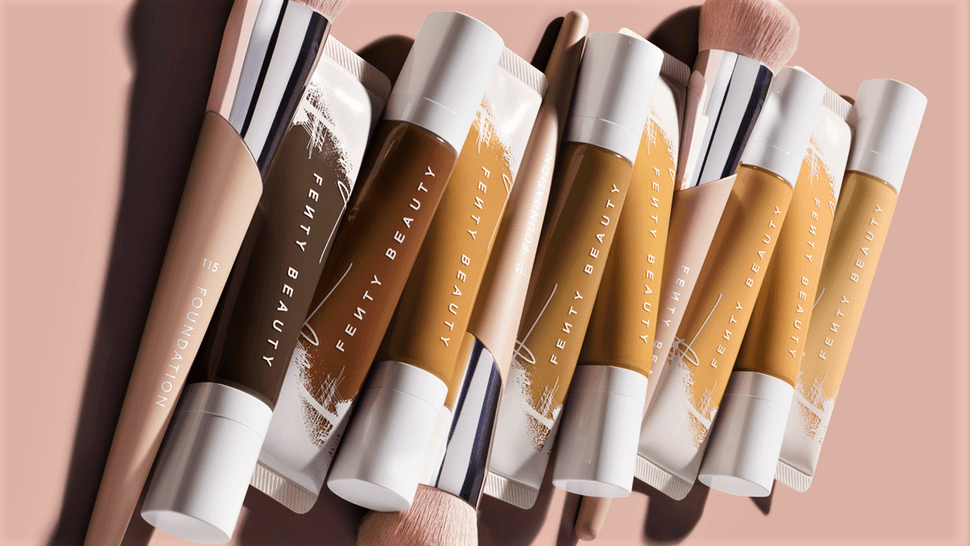
Fenty Beauty Pro Filt’r Hydrating Foundation

The All New Fenty Beauty PRO FILTR HYDRATING FOUNDATION is everything you need in your make up cases!!

This foundation is HYDRATING, MEDIUM TO FULL COVERAGE FOR ALL SKIN TONES.  A hydrating, medium to full-coverage foundation packed with sodium hyaluronate and grapeseed oil that delivers long-lasting wear for normal to dry skin types. The formula is also designed to be humidity and sweat resistant like the Pro Filt’r Matte Foundation.

Rihanna’s groundbreaking 50 shade foundation is the first of its kind. The Pro Filt’r Hydrating Foundation offers serious staying power, comfortable coverage, and the perfect natural finish for normal to dry skin.
Why Did Rihanna Do It?

Recognizing Fenty Beauty needed a hydrating Pro Filt’r formula that normal to dry skin types will love, Rihanna created this foundation with Grape Seed Oil and Sodium Hyaluronate to give skin the nourishing hydration it needs to stay comfortable all day.

Fenty describe the finish as ‘natural – not dewy,’ and we would have to agree; it’s not super luminous and it’s not matte, and we really like the way it makes our skin look. Just like the original Pro Filt’r, Pro Filt’r Hydrating Long-wear Foundation has a sweat and humidity resistant formula that easily builds to medium to full coverage, instantly evening out skin without clogging pores or settling into fine lines. Plus, the long-wearing, light-as-air texture is undetectable on skin—so you always look like you. 

The Wear

The formula wears really well throughout the day and we’re super impressed with its staying power. We tested it on different skin types to see how it wore:

On dry/normal skin: The formula felt really hydrating on and didn’t cake up or emphasize any dry patches like some foundations can. It settled into smile lines a little (we tried setting it with powder and without) but it still looked good around our nose and eyes.

On oily skin: In case you’re a big Fenty fan and wanted to try this hydrating formula, then we can tell you that this foundation also held up really well on oily skin. We applied our usual skin routine, and then a mineral sunscreen, and it didn’t settle into our large pores or break up on our nose at all (v.impressive!), however, it did slightly gather in our smile lines a little more than we’ve seen from some other foundations. Our face did get a little shiny through the day, but much less so than with many other foundations.

Overall we were super impressed with how great this looked from morning till night!

Fenty Beauty Shade Finding Tips:
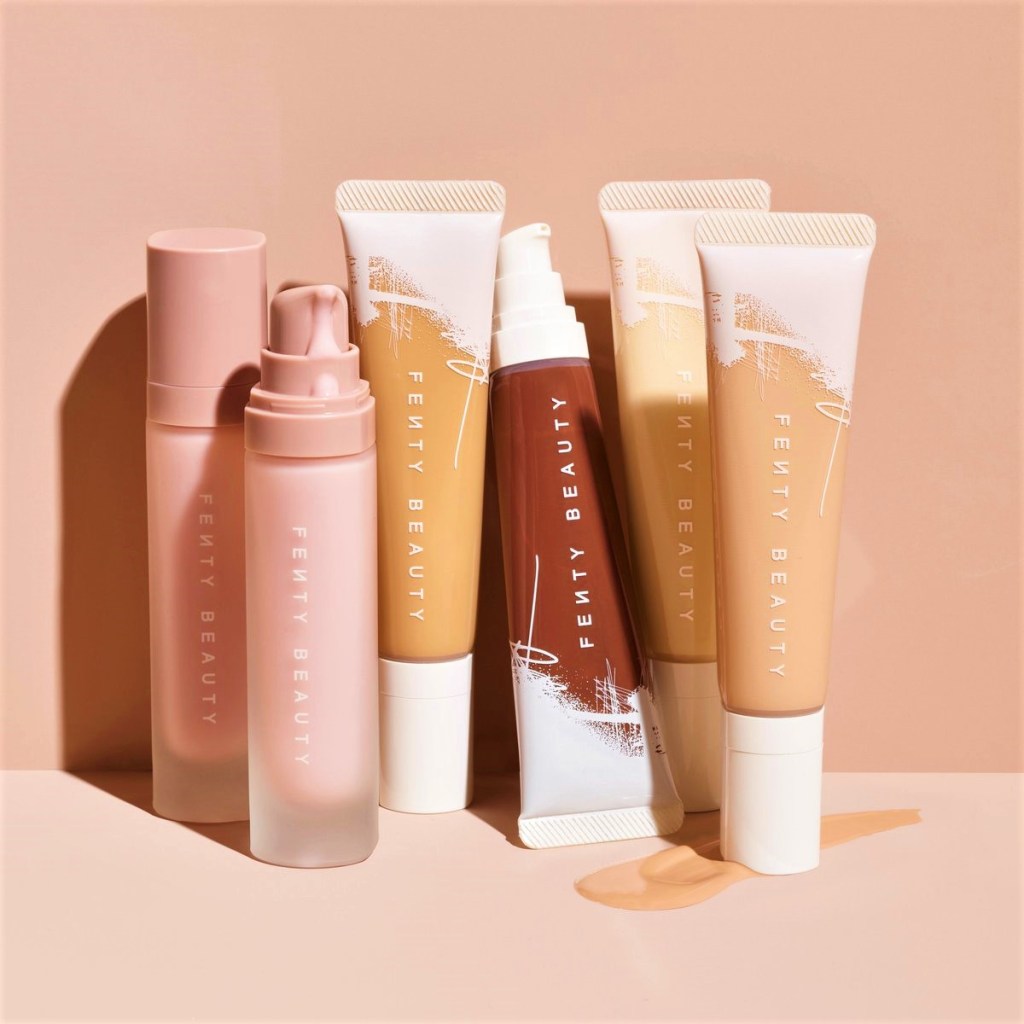
  • Pro Filt’r Hydrating Longwear Foundation comes in the same 50 shades as the original Pro Filt’r, so if you already know your shade #, you’re good to go!
  • Don’t know your shade #? Start with your shade range (Light, Medium, Tan, Deep), then narrow down your skin’s undertone. For more help, try Fenty Face Shade Finder.

Pro Filt’r Soft Matte Longwear Foundation vs Pro Filt’r Hydrating Longwear Foundation

We did a wear test with the new and old foundations (half a face of each) and the matte formula definitely has a more matte finish and was also much more effective at keeping shine at bay throughout the day. The colors we tried were also a direct match, so if you’re shade 380 in the matte formula, you should also be shade 380 in the new hydrating formula. Both formulas gave very similar coverage, but the hydrating formula looked slightly more airbrushed.

Application

The hydrating foundation blended out beautifully, although it doesn’t melt into skin like some other foundation, so you do have to apply a little pressure to work it out across your face. For this reason, try dotting it across your face and stippling the formula on with a brush.

Application tips:

For maximum coverage: Apply two pumps and use a stippling brush or densely-packed foundation brush, then finish with a damp beauty sponge. Use a concealer to target any problem areas and blend again with a sponge.

For a natural finish: Apply one to two pumps and blend out using a damp makeup sponge.

To finish: If you have oily skin, set with a powder. For normal and combo skin types, set your T-zone with a dusting of powder. If you have dry or normal skin, you can get away with not setting this, as the formula does dry down.

What we liked: Other than being impressed with the formula’s shade range, finish, and wear, we would note that the foundation definitely has a scent to it – it’s hard to pinpoint the scent (maybe a little spiced?!) but we did like it and didn’t find it too intense.

What we didn’t like: The only thing we didn’t love was the new plastic packaging, which feels a little drugstore, although it is more convenient for travel. The original matte foundation formula comes in a glass bottle and we would have loved to see a return of the same glass packaging.

The Verdict

Overall, we’re super impressed with the new hydrating formula. It looked beautiful on the skin and held up really well on both dry and oily skin types – it even looked good after a sweaty spin class! The shade range is also amazing, so if you’re looking for a new foundation, we definitely recommend trying it out at the store no matter what your skin type.

Shop the Fenty Pro Filt’r Hydrating Longwear Foundation here.

Fenty Beauty Pro Kiss’r Lip-Loving Scrubstick + Luscious Lip Balm

1. Pro Kiss’r Lip-Loving Scrubstick: A fuss-free lip scrub in a twist-up stick, packed with apricot seed scrubbers to gently exfoliate and nourish for instantly smooth, soft kissable lips with every swipe.

2. Pro Kiss’r Luscious Lip Balm: A creamy moisture-lock lip balm with a plush doe-foot applicator that smooths, softens, and preps your pout for instantly luscious, kiss-worthy lips that last.

This set contains:
– Pro Kiss’r Lip-Loving Scrubstick: 3g/.1 oz regular $16 when purchased alone
– Pro Kiss’r Luscious Lip Balm: 0.4 fl oz/ 12 mL regular $18 when purchased alone

Beauties tell us all about your excitement for these new products and all that they can do for your makeup collection. We will definitely be making a Sephora run to update you guys on these products and let you know if they need to become staples in your collection. 

Like|Share|Comment|Subscribe

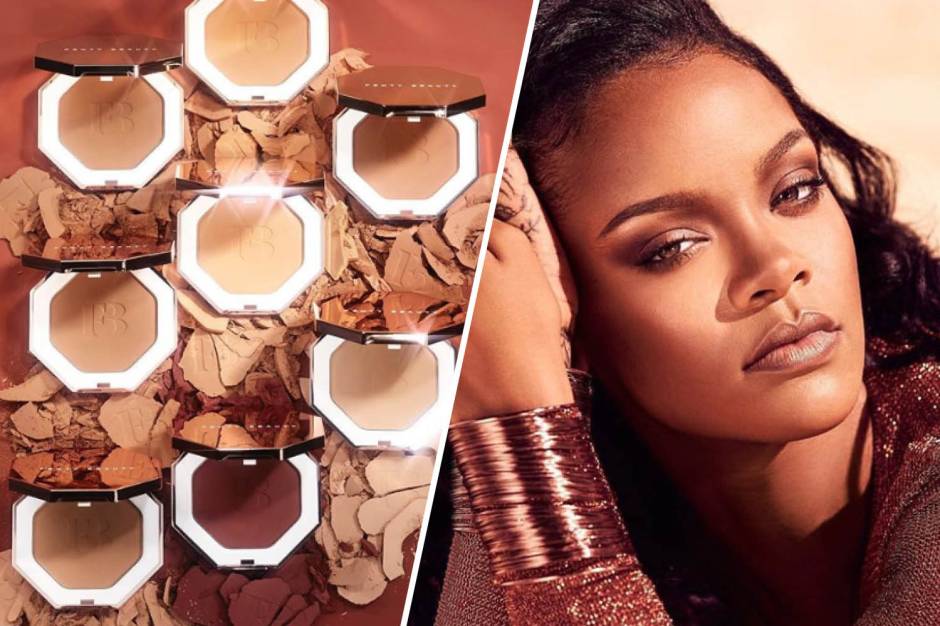
Fenty’s New Bronzer Just Stepped Up The Game (And Our Makeup)

Ever since Pon De Replay blasted through our old school boombox nearly 15 years ago, we’ve been die-hard Rihanna fans. We didn’t think we could love her any more, and then she proved us wrong when she stepped on the beauty scene and MAJORLY shook sh*t up! Championing inclusivity, Rihanna’s Fenty Beauty line has products for every beauty lover, and she’s not just got every skin tone covered; whether you prefer bold af makeup vibes or natural and fresh, girl got your back.

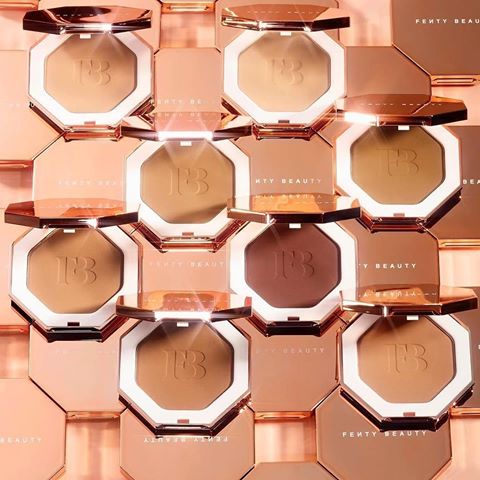
Her latest beauty revelation is Sun Stalk’r, a bronzer that comes in eight shades, which is pretty great, considering up until recently, most bronzers came in a one-size-fits-all shade (Benefit’s Hoola now has four shades). Not only did this mean that people with deeper skin tones were almost completely excluded from the bronzer convo, but that even those with super fair skin tones would struggle to find a flattering shade. We tried the new Sun Stalk’r bronzers, $30, to see if they played on our face as well as they do in theory.

What it is: A long-wearing, transfer-resistant pressed bronzing powder designed to “Bring all skin tones to life with an instant sun-soaked glow.”

What it does: The formula was specifically designed to make bronzing foolproof – it’s buildable and transfer-proof.

What we liked: When we first applied this, our first thought was that this wasn’t a very pigmented bronzer, but by the end of application we realized why the ‘soft pigment’ is actually amazing. How many times have you slapped on your fave bronzer only to realize you’ve got waaay too much on? Then you have to spend a good few minutes painstakingly blending it out. And that’s why this buildable formula is actually great, because it makes going overboard almost impossible.

Application tip: For adding all over glow, use a fluffy brush and dust your Sun Stalk’r shade across the high points of your face and around your hairline. For a bronzing, contour effect, opt for a more densely packed brush, like the new Fenty Beauty Cheek-Hugging Bronzer Brush, $36, or the Real Techniques Instapop Cheek Brush, $10. But be wary; the more densely-packed the brush, the heavier the pigment.

The shade range is impressive, and there’s finally a complementary shade for fair and rich skin tones. Although we feel that the only real ‘bronzing’ shade for deep to rich complexions is most likely going to be the deepest shade, Mocha Mami, which has red undertones that look really gorgeous and add a stunning warmth to the skin. If you’ve not used bronzer before, check out Fenty’s tutorial on how to apply bronzer for deeper skin tones.

Shade-finding tip: We found that depending on how we built up these bronzers, they worked for multiple skin tones. While that means shopping online should be easier (you will probably suit a couple of shades) we recommend going into the store to find the perfect shade that can be worn lightly and built-up as there are both neutral and warm options to choose from.

The verdict: We’re impressed! We love the packaging and the fact is has a mirror inside, and we find the formula really easy to use and play with. We’re super impressed with the shade range and formula, and we’re dying over the shade names – I$land Ting, Coco Naughty, and Mocha Mami are our faves. Yet again, Rihanna nailed it.

Have you guys tried this yet? Let us know what you think in the comments below.

WHAT’S THE DIFFERENCE BETWEEN SETTING POWDER AND SETTING SPRAY?

It seems like there’s a setting product for everything — whether it’s to quickly dry our nail polish, perfect our eyebrows or lock-in our makeup. And while the product options for setting our look are very straightforward when it comes to nails and brows, when we’re talking about the rest of our makeup it’s just not as easy. How do we choose between different setting powders and setting sprays, and is there even a difference between the two? I reached out to NYC-based makeup expert Gabriel Almodovar and beauty influencer Nikki Apostolou to find out.

“Setting Powder is designed to absorb the excess oil and moisture from your face and the products you’ve applied to your face. Because skin is a porous surface and produces oil, you want to set your face makeup with powder to help it last longer without melting away,” Almodovar explains.

He compares setting spray to hairspray — but for the face. “It’s designed to keep the product from being absorbed into your porous skin. Even the mattifying sprays don’t mattify your face the way a setting powder can.”

How to Use Setting Powder and Setting Spray

“A setting powder is applied during your routine and sets foundation, concealer and basically any liquid or creamy products you’ve applied — down to a smooth, matte, skin-like texture,” Almodovar says. “It often leaves the skin with an ‘airbrushed’ finish and can help to blend as well because it diffuses what’s under it. This is not to be confused with finishing powder, which is used after setting powder and adds even more of a blurred look to imperfections of the skin (lines under the eyes, pores, etc.) and control shine.”

Apostolou adds, “Setting spray is a fine mist which is applied after finishing the makeup routine. The setting spray can have different finishes such as matte or dewy, and it elongates the amount of time the makeup will last. It can also be used to amplify highlight or to apply a shadow damp — simply dust some product onto the brush and spritz the brush after. “

So Which One Should You Use?

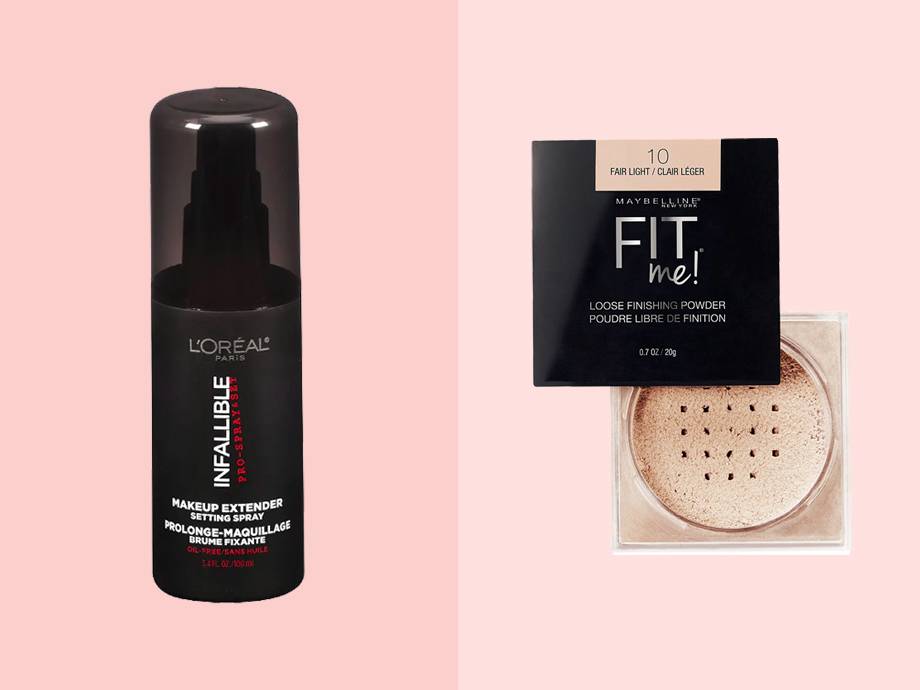
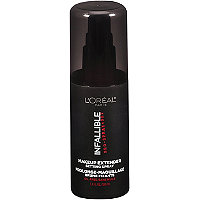
“If you really want to set your makeup and extend the life of your makeup, I recommend using both a loose powder and a setting spray,” Almodovar explains. His favorite setting product is Maybelline New York Fit Me Loose Finishing Powder to smooth the skin’s surface and give a sheer hint of color. “I also really like Urban Decay Naked Skin Ultra Definition Loose Finishing PowderNYX Professional Makeup Matte Finish Setting Spray and L’Oréal Paris Infallible Pro-Spray & Set Makeup Extender Setting Spray.

#HELLOBEAUTIES SHOP!

Can You Be Allergic to Makeup? Asked the Experts.

You don’t have to be a hardcore beauty junkie to appreciate a good foundation that hides all traces of a sudden breakout or an MLBB lippie with serious staying power. Makeup is, arguably, a girl’s best friend—especially for those days when stress finally catches up with your complexion. But what happens when your go-to cosmetics are actually the ones causing your skin to sting, itch or turn red in all the wrong places?

Recognizing a makeup allergy can be tricky, particularly when you’re also exposed to other potential allergens, use certain active ingredients in your skin care products or have a pre-existing skin condition. To help you figure out if your cosmetic products are causing your newfound rash, I asked top dermatologists and allergists to share their expert tips on how to spot—and deal with—a makeup allergy.

Common Signs of a Makeup Allergy

Some ingredients in skin care products, as well as flare-ups from certain skin conditions, can cause your skin to feel dry or flaky, which can make determining the real problem a bit of a challenge. “Allergies should be differentiated from other reactions such as skin irritation caused by active ingredients like retinoic, lactic and glycolic acid (red, flaking skin without the itch) or acne breakouts that are produced by comedogenic (pore-clogging) ingredients,” says board-certified dermatologist Yoram Harth.

An allergic reaction from makeup, or allergic contact dermatitis, often appears as red, itchy and flaky rashes that can even crack or appear as blisters in the most severe cases (when infected, for example), explains Michigan allergist/immunologist Kathleen Dass. “The rash typically occurs where you have applied the makeup, though it can technically appear anywhere you have had contact with the exposure,” she says. For the majority, this means the eyelids and the delicate skin surrounding the eyes, which is up to five times thinner than the rest of the skin on the face.

In some cases, skin reactions to makeup could take time and require several applications before manifesting. “One of the most important things to know about contact dermatitis, which also makes it the most challenging, is that the reaction does not always appear right away. Sometimes, you can be using the products for weeks, months or even years before you start having symptoms,” Dr. Dass adds.

Who’s Likely to Develop a Makeup Allergy 

Several factors can determine your susceptibility to makeup allergies, including genetics, environment, skin integrity and amount of exposure, says board-certified dermatologist Hal Weitzbuch, medical director at Calabasas Dermatology Center. “The longer we are exposed to certain chemicals, we eventually can pass a threshold of sensitivity and begin exhibiting symptoms of an allergic reaction,” he notes.

Those who already have sensitive skin to begin with, have compromised immune systems or are dealing with asthma, seasonal allergies and other inflammatory skin conditions are particularly vulnerable. “People with a history of eczema are more likely to develop skin allergies and this may be due, in part, to the less robust nature of their skin barrier. So ingredients can penetrate into the skin and be more sensitizing,” explains New York City board-certified dermatologist Hadley King.

What Type of Ingredients to Avoid

A number of ingredients found in makeup can cause allergic contact dermatitis, but the most common culprit is fragrance, says Dr. Harth. Present in nearly all types of beauty and skin care products, fragrances often contain a cocktail of harsh chemicals—including alcohol, phthalates and styrene—that can trigger headaches, nausea and skin irritations. “Some of these fragrances can also cause increased sensitivity to the sun, also known as photodermatitis,” Dr. Harth adds.

Board-certified dermatologist Tsippora Shainhouse echoes this and adds preservatives (such as formaldehyde, parabens and DMDM hydantoin), coloring agents, rubbers (found in mascara and latex sponge tips used to apply makeup) and hair dyes to the list. But while synthetic chemicals are often to blame for what’s causing your skin to react to makeup, natural ingredients have also been linked to allergic contact dermatitis—especially for those who have extremely sensitive skin. “Tea tree is a common skin irritant, while willow bark can be drying and irritating to the skin. Essential oils (like lavender, oregano, sandalwood and vanilla, to name a few) can also be skin allergens, as can other natural ingredients like honey and coconut-derived products,” adds Dr. Shainhouse.

Aside from these, Dr. Dass also lists the following ingredients found in makeup as common causes of skin irritations and allergies:

  • Lanolin or Wool Alcohols: Used as an emollient and lubricant, often found in foundations, eye shadows, blushes, mascaras, eyeliners, moisturizers, face masks, lipsticks and lip balms.
  • Nickel: A common contaminant found in pigments that are used in eye shadows, hair dyes, costume jewelry and antiperspirants.
  • Methylisothiazolinone (MIT) and Methylchloroisothiazolinone (MCT): Antibacterial and anti-fungal preservatives found in mascara, makeup remover, liquid soaps, cleansers and other personal care products.
  • Balsam of Peru: A fragrant resin, with a scent similar to that of vanilla and cinnamon, typically added to essential oils, hair products, baby powders and sunscreens.

How to Treat a Makeup Allergy 

Treating an allergic reaction from cosmetics depends on the severity of the situation, says New York City esthetician and model Sydney Blankenship. To quickly calm any redness or itching, she suggests treating the area with a cool compress before applying topical creams like hydrocortisone or calamine lotion. “Finally, over-the-counter oral antihistamines may be used to reduce inflammation,” adds Blankenship. For severe reactions, or when the irritation involves swelling in your eyelids, tongue, lips or mouth and difficulty in breathing or speaking, Dr. Weitzbuch says it’s best to call 911 or head to the emergency room as this can compromise breathing.

Fortunately, most people will only experience mild irritations that “will usually resolve itself once you have stopped using the product,” says New York City board-certified dermatologist Debra Jaliman, assistant professor of dermatology at Icahn School of Medicine at Mount Sinai. Still, this doesn’t mean you can continue exposing your skin to the same product or ingredient as long as you stop at the first sign of trouble. “Chronic irritation and skin inflammation can lead to skin redness, discoloration, thickening and/or collagen breakdown, which can then lead to premature skin aging and wrinkling,” explains Dr. Shainhouse.

When to See a Doctor

As a general rule, Blankenship says, “It’s best to see a dermatologist for a second look when any kind of irritation does not go away with over-the-counter products after a few days. Whenever you notice your skin having significant changes, it’s best to consult with a skin care medical professional.” It’s even more important if your skin starts to peel or blister as lesions can easily get infected by bacteria. During your visit, your dermatologist can evaluate the rash and prescribe a stronger corticosteroid cream, if necessary, explains Dr. King. “Then, he or she can perform a patch test to help elucidate exactly which ingredient or ingredients you are reacting to,” she adds.

Similarly, you can set an appointment with an allergist who will then perform a patch test on your back using small chambers that contain common allergens, says Dr. Dass. “An allergist can also apply a specific makeup product you are suspicious of. After 48 hours, the patches will be removed, but your allergist may ask you to return in 72 or 96 hours for a second or third reading. These are delayed reactions we are looking for, which is why you would need to return,” she adds. Aside from topical or oral corticosteroids, your doctor may also recommend barrier creams and moisturizing lotions to soothe and protect the area. “If your skin has become infected, you may even require an antibiotic,” adds Dr. Dass.

What Type of Products or Formulas to Use

Regardless of what product or formula you pick, Dr. King says it’s important to do your own research and testing before using any new makeup product. “Place a small amount of the product on the inside of your elbow and wait 48 to 72 hours. If you experience redness, swelling, itching or burning, do not use that product,” she warns. Once you’ve identified the type of formulas or ingredients that are causing your skin to react to makeup, it’s best to stick to products that are labeled paraben-, phthalate- and fragrance-free, sensitivity-tested or hypoallergenic. Keep in mind, this doesn’t always guarantee that your skin will not experience any reaction, says Dr. King. The safest way to avoid developing allergic contact dermatitis, she says, is to look for products with the fewest ingredients.

One way you can make sure your blush and eyeshadows don’t work against you is to opt for mineral makeup and cosmeceuticals as these typically have cleaner and gentler formulations, aside from the added skin care benefits. Look for clinically proven and dermatologist-tested formulas that are also free of known natural or plant allergens. Lastly, Dr. Jaliman reminds, “Expensive doesn’t always mean better. The most important thing to do is to check the list of ingredients on labels and become informed about certain ingredients and what they do.”