BEAUTY Glow Recipe Has Juicy News

THE BRAND IS RELEASING THE PERFECT PRODUCT JUST IN TIME FOR VALENTINE’S DAY.

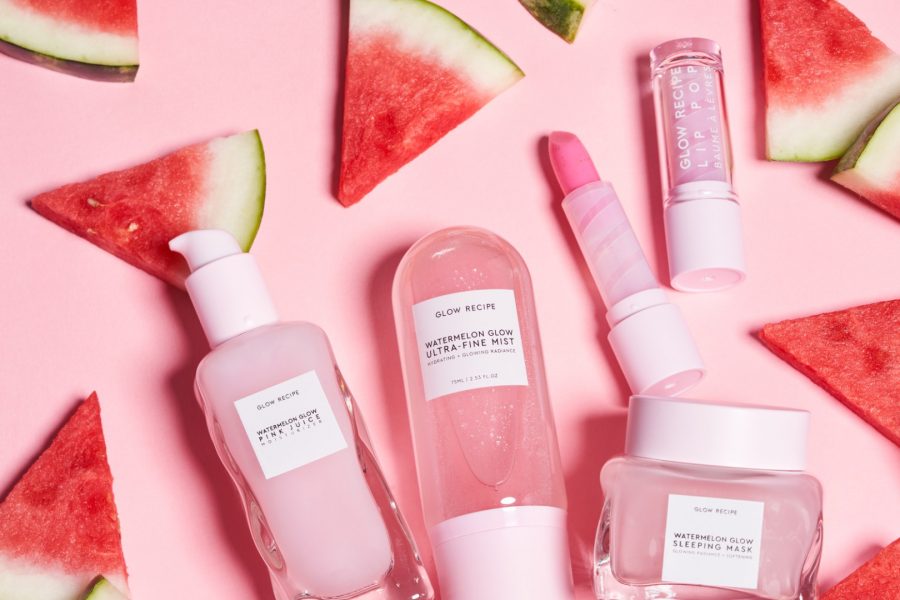
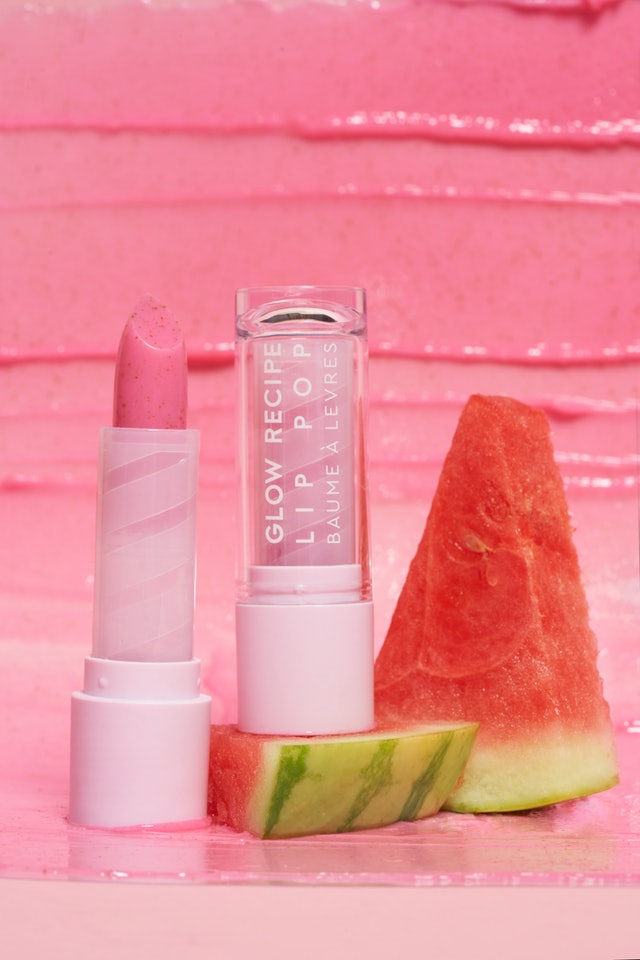
Popular clean skincare brand, Glow Recipe has just dropped their newest watermelon-inspired beauty product: Watermelon Glow Lip Pop. The new lip product is a hybrid 3-in-1 lip balm, scrub, and tint; that is intended to smooth and hydrate the lips, with a versatile pink tint. The product is half makeup, half skincare, and everything your current lip balm isn’t.

Fruit is the muse for this fun brand, but not in a juvenile Lip Smacker sort of way. Glow Recipe is proving to the beauty industry that fruity flavors and colors can indeed be chic by focusing on the produce’s many skin-benefitting properties. Its moisturizers, masks, and mists are inspired by power ingredients like blueberry, banana, pineapple, and avocado.

The balm is designed to help with uneven texture and dryness on the lips. It is formulated with watermelon seed oil, watermelon extract, coconut oil, coconut flower sugar (hence the exfoliation) , and AHA extracts derived from hibiscus, wild pansy, and hawthorn. The formulation of the lip product has an exfoliating sugar texture, that melts upon application. The balm is also designed to react with the pH of the lips, and give off a customized pink lip tint. The lip balm is infused with Coconut oil and jojoba esters that deliver long-lasting moisture (because unlike the rest of the skin on your face, your lips don’t have oil glands, which makes them extra-prone to chapping).

The scrub-slash-balm leaves you with a glossy, light-pink pout. It can be used on its own or as a primer for richer lip color. The Watermelon Glow Lip Pop is Glow Recipe’s first-ever lip product. It’s joined in the fruit basket by a watermelon sleep mask, a moisturizer, and a mist. The lip balm is vegan, cruelty-free, and ‘Clean at Sephora’ (formulated without blacklist of 50 harmful ingredients). The balm is also free of parabens, mineral oil, sulfates, phthalates, and drying alcohol. Who knew that a summer melon could be so useful for curing winter chapped lips?

The 3-in-1 lip hybrid comes in a twist-up stick form package. It is priced at $22.

You can now view and shop the new Glow Recipe Watermelon Glow Lip Pop at GlowRecipe.com and Sephora.com.

Spotlight on: Citric Acid

Citric acid is in just about everything from skincare products, to food, to floor cleaner. While lemons aren’t really something you want to be rubbing all over your face, citric acid is something very different and is actually quite beneficial!

Here is what you need to know about citric acid and how to incorporate it into your routine.

What is Citric Acid?

Citric acid is found in, you guessed it, citrus fruits, and is what gives them their acidic flavor. Citric acid was first isolated in 1784 by the Swedish chemist Carl Wilhelm Scheele, who was able to crystallize it from lemon juice.

And not long after, it started to appear in just about everything but particularly in cosmetics and skincare products. In 2016 the U.S. Food and Drug Administration’s (FDA) Voluntary Cosmetic Registration Program (VCRP) stated that citric acid was used in almost every category of cosmetic products and had over 10,000 reported uses.

It is also used as a popular flavor and preservative agent in foods, soft drinks, and candies.

What Are AHAs?

Citric acid is what’s known as an alpha hydroxy acid (or AHA) in the skincare world. The most basic definition of an HA is a carboxylic acid, which is an organic acid that has at least one carboxyl (carbon double-bonded to oxygen) group. However, that general definition includes unrelated compounds like retinoic acid, L-ascorbic acid, and azelaic acid. Therefore, further qualifications (like alpha, beta, etc) need to be identified.

AHAs are non-abrasive, leave-on exfoliators that are traditionally more effective and gentle than traditional scrubs. Sun damage and overly dry or oily skin can hinder your body’s ability to properly shed dead skin cells. These obstructions can cause skin concerns like dullness, clogged pores, milia, texture, and breakouts. Using an exfoliant can help your skin clear out the dead cells to make room for the new, healthy ones. Chemical exfoliants help to prevent breakouts and premature aging and reduce the appearance of pores.

How Can Citric Acid Benefit Your Skin?

AHAs like glycolic acid and lactic acid can be incredibly potent, and sometimes a little too much for those with sensitive skin. That is where citric acid can be helpful! It is like the training bra of AHAs: It doesn’t really do as much as its fellow acids, but it’s made for people who don’t need the support older girls do.

But what exactly are the benefits of citric acid for the skin? Citric acid (like most all AHAs) can help to brighten skin, shrink pores, treat acne, and correct dark spots and fine lines.

Before it started being added to formulas for its exfoliating abilities, citric acid used to be used to keep the pH range of skincare products in check. The pH of cosmetics and skincare products is important because the skin’s normal pH is slightly acidic. A low acidic pH can cause ingredients to be more irritating for those with sensitive skin.

Is It Safe?

The terms “citric” and “acid” are intimidating on their own but can be downright scary when used together. Especially when it comes to something that you’re putting on your face! But according to The Derm Review, it is perfectly safe to use on the skin! “The Cosmetic Ingredient Review (CIR) Expert Panel reviewed scientific literature and data on the safety of citric acid and its salts and ester in 2014. This data revealed that at concentrations used in cosmetics and personal care products, citric acid and its salts and esters were not eye irritants, nor did they cause skin irritation or allergic skin reactions. Thus, CIR concluded that the available scientific data showed that citric acid, its salts, and esters were safe under current conditions of use in cosmetics and personal care products.”

Some people get freaked out by citric acid because they know that lemons are highly irritating for the skin. And while, yes, you can absolutely go overboard with citric acid, it’s safe to use.

Just be cautious, especially if you have sensitive skin. The thing with citric acid is that it can be intense. Let’s put it this way: How will you know if you’re using too much? Side effects of overuse include stinging, burning, and irritation.

If you’re still unsure, always do a patch test first to see how your skin reacts. If you don’t see any irritation or redness, start to slowly introduce it into your routine. Don’t use AHAs the same night you use retinoids or physical exfoliants because that can lead to serious damage to your skin’s barrier!

Bottom Line

Citric acid can be an effective chemical exfoliant for those with sensitive skin. I don’t find it as effective as glycolic or lactic acid, however, but if you have tried those and found them to be too irritating, citric acid could be a great alternative!

Sign up for our newsletter!

Processing…
Success! You're on the list.

Disclaimer:

The purpose of this blog is for skin care, makeup, and wellness + health-related reviews and tips only. It is not intended as and does not substitute for medical advice. Information posted should not be construed as personal medical advice. Posts are not intended to diagnose, treat, or cure disease.

These 5 Essential Oils Will Make You Look And Feel Better Instantly

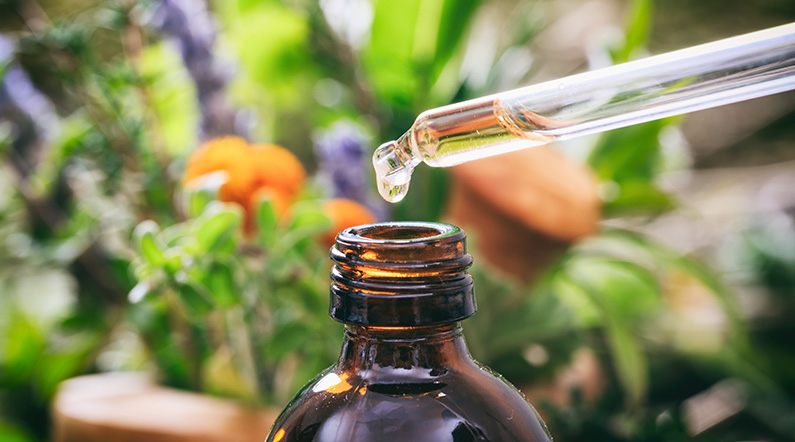
Beyond smelling amazing and making us feel super sophisticated, the benefits of essential oils are huge! The right oils can improve wrinkles or acne, soothe you, send you into a deep sleep, energize, and even uplift your mood. Whether in your bath salts, shampoo or skincare products, essential oils are used in a ton of different products and in their pure form, they offer everything from healing properties to mind and body support. It’s no coincidence they’re called essential oils  – if you know what we mean! So to make sure you’re not missing out on one of nature’s greatest offerings, we’re here to help you take advantage of them!

What are essential oils?

Essential oils come from naturally occurring compounds found in seeds, stems, roots, flowers, or the bark of plants. They’re amazing for skincare as they’re rich in antioxidants, antimicrobial and anti-inflammatory properties, but they’re not even technically an oil, they’re an intensely concentrated plant extract. Essential oils seem oil-like, but as they have no fatty acids in, technically they’re not an oil. Take this crazy fact, it takes 5000 pounds of rose petals to make just one pound of pure rose ‘oil’ and one drop of peppermint ‘oil’ is equivalent to 28 cups of peppermint tea. That’s why when you’re using essential oils, you only ever need a few drops as the formula is so intensely concentrated. You can even use Jasmine Oil for times when you need a pick me up, like for an interview or important meeting, just sniff it and it calms nerves, acts as an antidepressant, and has uplifting properties that will help you to feel more optimistic and calm.

Our Essential Oil Beauties:

Tea Tree

This amazing essential oil, derived from the Australian native plant Melaleuca alternifolia, has been used around the world for hundreds of years, and if you’ve ever struggled with acne, you’ve probably already take advantage of this antimicrobial ingredient. Tea tree is so good you’ll find the active ingredient in thousands of moisturizers, cleansers, and wipes, but it’s even better in its pure form for DIYs at home.

We love it for treating acne, and this DIY instantly targets problem areas: Mix together two teaspoons of organic honey with 4-5 drops of pure tea tree essential oil. Rub this mixture onto oily areas or pimples for 1-2 minutes and wash off with warm water. You can use this up to three times a week. But FYI, be careful as tea tree is a powerful cleanser and it could irritate and create redness from overuse, so be sure to always mix it with other ingredients.

Eucalyptus

From its incredible anti-inflammatory properties to its ability to act as a potent decongestant, deodorant and antiseptic, eucalyptus is the ultimate multitasker.

We love it for its capacity to relieve muscle pains and aches of all sorts. If you’re suffering mild twinges in your shoulder, stiff muscles, rheumatism or nursing any recent injuries, massaging eucalyptus oil on the surface of your skin will relieve stress and pain. Rub 2-3 drops of eucalyptus oil directly onto your problem areas and massage in a circular motion until it is fully absorbed. Do this twice a day until the affected areas of the body improve.

Peppermint

Peppermint is a bit like the superwoman of essential oils; it can be used both orally and topically and has powerful antimicrobial properties. Seriously, there are few mind, health or body issues it can’t help with and it’s often used to combat stomach aches, improve bad breath, clean wounds, release tight muscles, boost energy and mood, and alleviate soreness from respiratory tracts.

In the beauty world, you’ll find peppermint oil in a lot of high-quality hair care products for its ability to cleanse, brighten, nourish and promote healthy hair growth. All you need to do to get the benefits yourself is add 2-3 drops of it into your regular morning shampoo and conditioner. Not only will it stimulate your scalp and hair follicles, and thoroughly cleanse your scalp but it will energize your mind – and who doesn’t love the smell of peppermint?

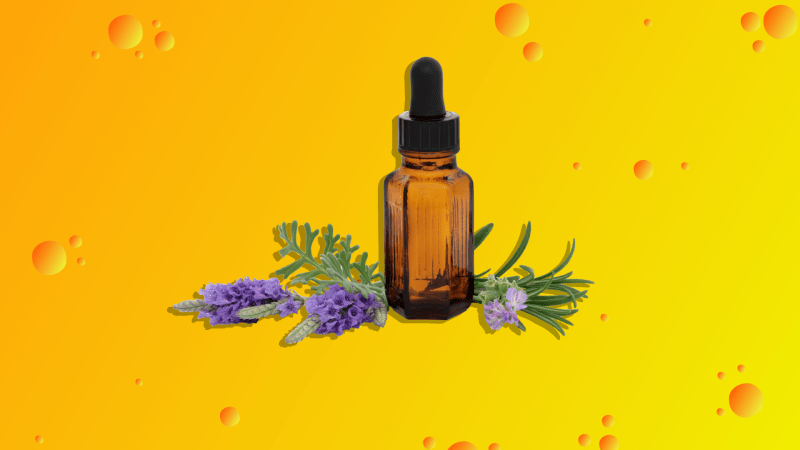
Lavender

Lavender isn’t just a fragrance, it a powerful regenerative oil that can help combat aging (maybe that’s why your granny likes it so much!) with its ability to promote the production of your body’s most powerful antioxidants: glutathione, catalase and superoxide dismutase. Unlike most oils that are too reactive to use directly on your skin, you can gently rub two or three drops of lavender oil directly onto fine lines or problem areas to diminish aging symptoms.

And of course, it’s widely sold as both sprays and oils to alleviate depression, headaches, and insomnia; a few drops on your pillow (or dabbed on your temples) is the perfect way to exploit lavender’s potent healing properties and chill out.

Lemon

Lemons are an incredible antioxidant, packed with vitamin C and A, which are vital for fighting free radicals and preventing premature aging. As well as boasting AHAs (a natural exfoliant that helps remove pore-clogging dead skin), it breaks down sebum with its astringent acidic properties. Not only do lemons smell great and taste great in water (squeeze some in your morning glass to detox your body), but they’re great for removing excess oil too. Squeeze lemon juice onto a cotton pad and use it to tone your skin after cleansing.

When choosing an essential oil, look for an organic version, the extra quality is worth it when it comes to skincare. Feeling inspired? Check out the one thing you never thought of doing with oil here!

One Thing You Never Thought Of Doing With Oil

It sounds extra AF, but swishing oil around your mouth might just be the best thing for your health and skin, seriously! The idea comes from ancient Ayurvedic medicine and involves taking a tablespoon of oil and swishing it around your mouth like mouthwash, for twenty minutes. Believe it or not, this detoxifying method actually has a ton of health benefits that improve oral health, and it can even improve acne, whiten your teeth, help with headaches, and detox your entire body.

How To Do Oil Pulling:

On an empty stomach – first thing in the morning is the best time – swish a tablespoon of oil around your mouth for twenty minutes (at least ten minutes if you’re in a hurry). Our preference is coconut oil, because obvs we have a ton lying around and it’s also antibacterial, but you can also use sesame, olive or sunflower oil. Initially, it might feel a little gross, but persist, and like us, you might even end up enjoying the experience! It should always be done on an empty stomach, so wait at least four hours after eating, and an hour after drinking.

Whatever you do, don’t swallow the oil; otherwise, you’ll basically allow all the toxins that have been drawn out to go into your stomach. Once you’ve swished for 15-20 minutes, spit it out in your bin. You can do almost anything (except speak) while you do this, but keep an eye on the time, as if you do it much longer than 20 minutes, it’s possible that the toxins could be reabsorbed into your body. Rinse your mouth with warm water or salt water, and brush your teeth.

How Oil Pulling Works:

how oil pulling works

It’s quite gross to think about, but your mouth is filled with bacteria, fungi, toxins, and plaque. Oil pulling literally cleanses your mouth by drawing out all the toxins from your gums and teeth, before they’re able to spread to the rest of your body.

Why Oil Pulling is Awesome:

Who’d have thought that you can forego a ton of expensive beauty products simply by following this daily ritual? Oil pulling is an amazing way to improve your health and detox your body, skin, and gums. Though there’s yet to be significant research into oil pulling, promising results have been found, and many doctors recommend it – apparently, Gwyneth Paltrow and Shailene Woodley are fans. Here’re just some of the amazing benefits:

Skin-clearing: Catching out nasty toxins before they reach the rest of your body has a huge impact on your skin. The same way washing your skin gets rid of surface bacteria, oil pulling gets rid of bacteria that causes skin problems before they have a chance to take hold. Reports have shown that oil pulling for a month has helped improve acne and eczema.

Teeth whitening and fresh breath: Oil pulling can remove surface stains from your teeth, and because the fats in oil can dissolve plaque, it prevents plaque build-up and reduces the risk of tooth cavities for an extra white smile. The removal of bacteria from your mouth also results in fresher breath throughout the day.

Detoxes your body: The mouth is our gateway to the majority of substances in our body, by removing bacteria from the mouth before it has a chance to reach the rest of your body it majorly impacts on your health.

Increases energy: Our immune system works 24/7 to eliminate toxic waste from the body. By getting rid of these nasty toxins at the source before your body has to, it saves precious energy to be spent on other activities.

Reduces headaches and hangovers: We’ll be honest, anything that promises to cure a hangover is worth trying; the process of oil pulling will remove alcohol toxins still lurking in your body from the night before, helping you and your body feel much better. Headaches and migraines can be a reaction to your body being under toxic stress; so extract the toxins, reduce the stress!

Why Coconut Oil is Our FAVE:

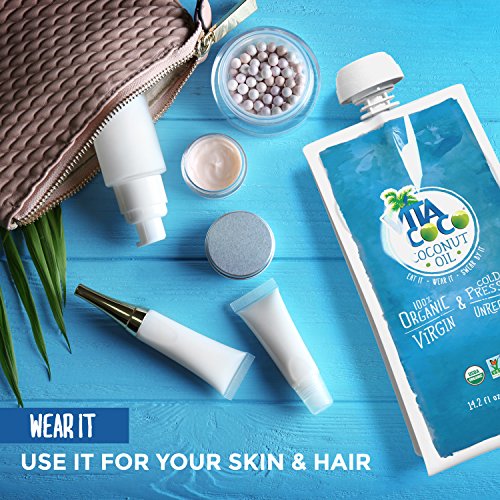
We’ve found that coconut oil, (try to use 100% raw organic cold-pressed coconut oil) is the best oil to use. Not only is it easy to find and inexpensive, but it’s also by far the best tasting of the bunch. Coconut oil also contains lauric acid that has antimicrobial and anti-fungal properties, while Vitamin E is rich in antioxidants and it’s antibacterial. If you’re going to have oil in your mouth for twenty minutes, it should at least taste okay!

Oil pulling can easily become part of your morning routine: swish while you shower and tone, or while you get dressed and scroll your Insta feed. If you’re at home, take advantage of the period after lunch before dinner and swish on an empty stomach while you watch TV.

WHAT DO YOU GUYS THINK?