Healthy Habits: The Smart Girl’s Guide to Milk Alternatives

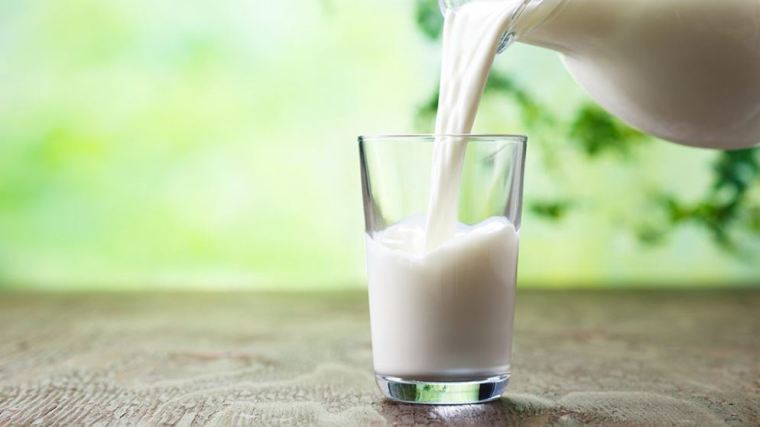
I try to limit my dairy intake as a general rule. Too much dairy often takes a toll on my skin and leaves me feeling sluggish. But I’m not going to lie—I can’t resist the occasional butter pecan ice cream. According to many researchers and scientists, cow milk is bad for you because there is Excess calcium from milk and other foods may increase the risk of prostate cancer. Milk sugars may be linked to a slightly higher risk of ovarian cancer. Milk from cows given growth hormones contains higher levels of a chemical that may increase the risk of some cancers. So, with that being said, I’ve been trying to opt for non-dairy alternatives in that department. But with so many milk options out there—from nut milks to coconut to hemp and everything in between—it can be hard to know which one to choose! So I did what I always do when I have diet questions and reached out to different nutritionists that I follow for their take on the matter. I was given a rundown on several popular cow’s milk alternatives, which I am sharing with everyone below…
lait-egypte-puleva

1. Soy Milk. Soy milk is to be one of the most popular non-dairy alternatives there is. The Starbuck Soy Latte has become almost as ubiquitous as it’s dairy counterpart. But despite its widespread availability and easy source of non-animal protein, some recommends against having soy in your diet in general—especially in this processed form. Soy contains phytoestrogens that can disrupt hormones, with prevalent side effects including acne, hypothyroid, infertility and even cancer.

Lastly, soy milk made from soybeans is not recommended for people with a FODMAP intolerance or who are in the elimination phase of the low-FODMAP diet. FODMAPs are a type of short-chain carbohydrate naturally present in some foods. They can cause digestive issues such as gas and bloating. However, soy milk made from soy protein isolate can be consumed as an alternative.

2. Almond Milk. Almond milk is a contender for “best overall milk alternative” in Sam’s book. It’s lacking in calcium, but loaded with Vitamin D and E. Almond milk is a natural source of vitamin E, a group of antioxidants that help protect the body from disease-causing substances known as free radicals. It’s also low in calories for anyone for whom that is a concern. Just make sure you choose a variety with no added sugar and watch out for carrageenan (a harmful additive) on the ingredients list. Also, make the most of the nutrients and health benefits of almonds, choose brands of almond milk that contain a higher content of almonds, around 7–15%.

3. Coconut Milk. Real coconut milk is another amazing pick! It is a great source of manganese and MCT fats. The lauric acid present in coconut milk is even antibacterial. Opt for a minimally processed variety without additives like carrageenan or added sugar.

4. Oats Milk. According to Daisy Coyle, APD, oat milk is high in total fiber and beta-glucan, a type of soluble fiber that forms a thick gel as it passes through the gut. The beta-glucan gel binds to cholesterol, reducing its absorption in the body. This helps lower cholesterol levels, particularly LDL cholesterol, the type associated with an increased risk of heart disease. What’s more, research has shown that beta-glucan may help increase feelings of fullness and lower blood sugar levels after a meal. Oat milk is also cheap and easy to make at home.

5. Rice Milk. Rice milk has more carbohydrates than cow’s milk, without the fat or protein. It’s basically just starchy sugar water with very few real nutrients. Rice milk is what people who suffer from severe food allergies to dairy and nuts often turn to, but it’s not the best option out there if you can drink the others without issue. Rice Dream is a good option for those protein shakes.

6. Hemp Milk. Hemp milk is made from the seeds of the hemp plant, Cannabis sativa. This is the same species used to make the drug cannabis, also known as marijuana. 

Hemp milk has a slightly sweet, nutty taste and a thin, watery texture. It works best as a substitute for lighter milk such as skim milk. It is a good option for vegans and vegetarians since one glass provides 2–3 grams of high quality, complete protein, with all the essential amino acids. 

What’s more, hemp milk is a source of two essential fatty acids: the omega-3 fatty acid alpha-linolenic acid and the omega-6 fatty acid linoleic acid. Your body cannot make omega-3s and omega-6s, so you must obtain them from foods.

Lastly, unsweetened hemp milk is very low in carbohydrates, making it a great option for those who want to reduce their carb intake. If this is a priority for you, avoid sweetened varieties because they can contain up to 20 grams of carbs per cup (240 ml).

7. Goat’s Milk. This one obviously isn’t non-dairy, but we had to include it, as it’s also become a popular alternative to cow’s milk. Goat’s milk is lower in casein and lactose than cow’s milk, and only contains A2 casein, not A1 (A1 is the protein that is linked to inflammation and allergies). This means that many people who cannot have cow’s milk will do fine with goat’s milk. Goat’s milk is also higher in MCT fats than cow’s milk, and it is easier to absorb nutrients from goat’s milk than cow’s milk.

8. Macadamia Milk. Macadamia milk is made mostly of water and about 3% macadamia nuts. It’s fairly new to the market, and most brands are made in Australia using Australian macadamias.

The low carbohydrate content also makes it a suitable option for people with diabetes or those looking to reduce their carb intake. Also, macadamia milk is a great source of healthy monounsaturated fats, with 3.8 grams per cup (240 ml). Increasing your intake of monounsaturated fats may help reduce blood cholesterol levels, blood pressure and the risk of heart disease, especially if it replaces some saturated fat or carbohydrates in your diet.

9. Quinoa Milk. Quinoa milk is made from water and quinoa, an edible seed that is commonly prepared and consumed as a grain. The whole quinoa grain is very nutritious, gluten-free and rich in high-quality protein. While quinoa has become a very popular “superfood” over recent years, quinoa milk is fairly new to the market. For this reason, it is slightly more expensive than other non-dairy milk and can be a little harder to find on supermarket shelves.

It has a fairly well-balanced nutrition profile compared to other non-dairy kinds of milk. It is comparatively low in fat with moderate amounts of protein, calories, and carbs. Quinoa milk is a good plant-based source of complete protein for vegetarians and vegans. If it is available at your local supermarket, then it could be worth trying.

plant-based-milks-1302x866
different vegan glasses of milk on a table: hazelnut, rice, soy and almond milk substitute for dairy milk

There are a few things to consider when choosing a cow’s milk alternative, including nutrient content, added sugars, cost, and additives. Reading food labels will help you understand what’s in the milk you are buying.

There is no one milk that’s ideal for everyone. The taste, nutrition, and cost of these alternatives can vary considerably so it might take a while to find the one that’s best for you.

Which milk alternative do you prefer?

I’m an almond milk gal myself, but rice dream milk is great too.

Detox Diary: My 7-Day Juice Cleanse

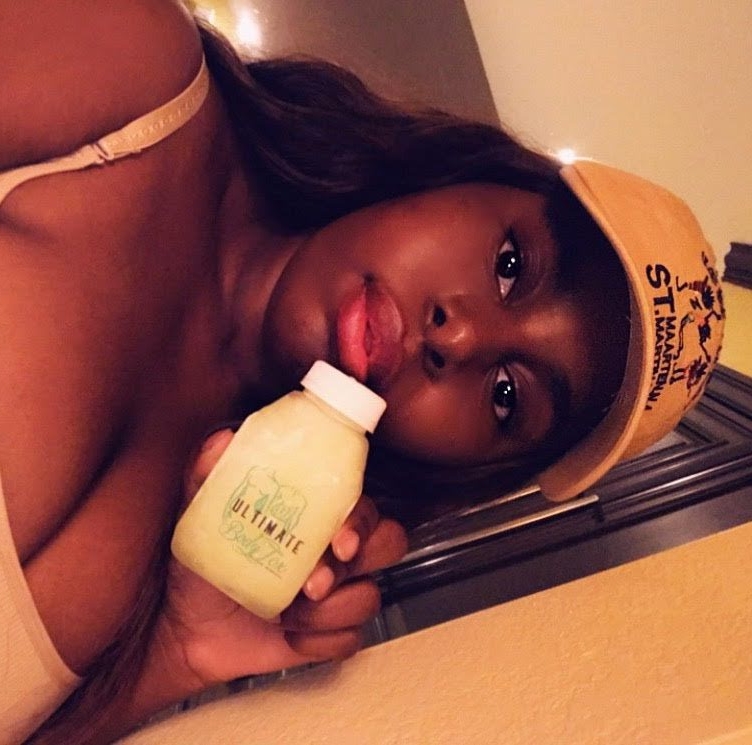
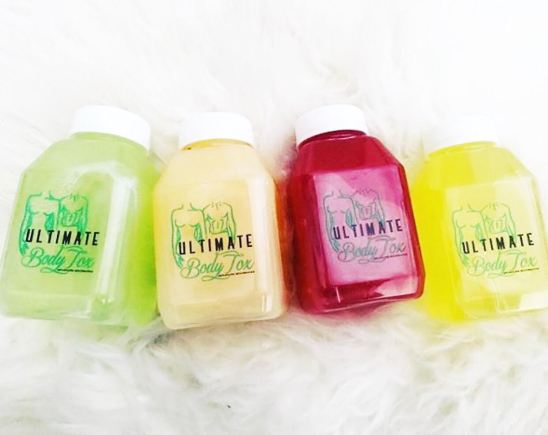
Hello Beauties, The first time I heard about juicing was about 2 years ago. I have tried different foods and beverages but I could never get past the tasting because the smell was just too unbearable for me. I always felt like I was going to be sick. On June 7th, I received the 7 Day Detox from Ultimate Body Tox which includes 6 flavors: Strawberry, Lemon Lime, Sweet & Sour, Peach, Mango and Sangria. I decided to take my second dive into the world of juicing by attempting a 7-day juice cleanse from Ultimate Body Tox. Throughout the cleansing process, I documented what I was feeling and going through just so I could share my experience with all of you lovely B.L.B readers. Without further ado, here is my 7-day detox diary…

what-is-itThe 7 Day Detox is to help jump-start your weight loss journey. The 7 Day Detox is either a 7 or 15 day process depending which one you end up buying. The detox is more flavorful and best consumed cold or slightly frozen so you may choose to refrigerate or freeze the 7 Day Detox drink for 30 minutes or so before consumption. NOTE: Freezing your drink is recommended but not required. 

Directions_Logo_BackType Select one bottle of 7 Day Detox and shake well ( for about 10-15 seconds) then consume the entire 8 ounce bottle. Sip it. Do NOT  drink it all at once. To speed up the detox process, consume a glass of water after drinking the 7 Day Detox ( Consuming water is optional). (4) 8oz bottles are to be taken 1 every 48hrs that equates to a 7 day master detox. You can eat while using the detox.

If your tolerance level is up and your body can handle the full 8oz bottle in 24 hours, you can move forward with taking each one every 24hrs. Shake well before each consumption and freeze for a frozen healthy detox. NOTE: It helps with bad breath, bad skin, and body odor.

Helpful_TipIt is recommended that you consume the 7 Day Detox during whatever time of day you are home with a clear schedule. The detox is deigned to flush toxins from your system, as such you will visit the restroom frequently. Do NOT lay down after you ingest the liquid into your system, it prevents it from working properly.

Pre Cleanse:

  • I stocked up on fruits, veggies, green tea, water and salad. I weaned myself off junk food and fast food for about 2 weeks to get my body and mind in order.
  • I also made sure to get 8 hours of sleep the night before I started my cleanse so I wouldn’t feel tired or groggy. 
  • I made sure to eat a balance meal and only snack on fruits.

Post Cleanse:

I felt so good after I completed my cleanse even though I couldn’t leave my house for 2 weeks. I even got my mom wanted to try it. I definitely felt cleaner, slimmer and gained a sense of accomplishment.

ultimate body

Pros & Cons:
Now that you’ve read my detox diary, here are some of the good and bad things I learned from my cleanse.

Cons:

  • Cleanses are a bit pricey. If you are trying to pinch your pennies one month, it might not be the time to splurge on a cleanse, which can range anywhere from  $30.00 – $70.00 weekly. Ultimate Body Tox is the only place I found that sells affordable products for juice cleanse.
  • Cleansing is not a solution for long-term weight loss. If you are looking to shed a few pounds permanently, then a juice cleanse is not the answer. Drinking juice all day might help you to lose some water weight, according to The Huffington Post, but you might gain those pounds back post-cleanse when your body starts retaining calories from solid food again.
  • Pain and Vomiting. The constant pain in my stomach like someone is putting needles through me or something isn’t fun at all. The puking didn’t help neither, you would had thought I was pregnant. For me, my experience was diarrhea, stomach cramps, and the feeling of pukation.

( WARNING: EVERYONE IS DIFFERENT WHICH MEANS NOT EVERYONE HAS OR WILL EXPERIENCE WHAT I HAVE EXPERIENCED. SOME PEOPLE HAD A SMOOTH SAILING WEEK. DON’T LET MY EXPERIENCE STOP YOU FROM TRYING THE 7-DAY  JUICE CLEANSE).

Pros:

  • I have never felt so hydrated! When I wasn’t drinking one of my juices, I was drinking a ton of water. I made a goal to finish a 1.5 liter bottle of water each day in order to feel full and flush out any extra toxins. This probably has a lot to do with the glow I saw in my skin the next day.
  • Cleansing gives your body a rest from digestion, according to Livestrong. Our bodies are used to breaking down and digesting food all day, every day, for years and years. So once in a while, it’s nice to give your body a break by only consuming nutrient-rich fluids. Especially if you are a junk food junkie, a cleanse will help reset your system and flush out tons of toxins. (Just make sure to eat mostly vegan in the days leading up to your cleanse or else you might be in for a pretty harsh change.)
  • Lost weight, mood was balanced, good night sleep, ate a balanced nutritionist meal, and flavor was good
  • Size. The size of the bottle was perfect especially for someone like me who gets tired of things fast. 
  • 7 Day Detox Benefits:
    Removes old waste and toxins that has accumulated on the stomach lining which prevents weight-loss
    Helps clear eczema
    Helps with bad breath
    Helps bad body odor (from the inside out)
    Improves energy

Overall, my juice cleanse was a positive experience for me and I plan on trying it again sometime soon. I think that cleansing for 7 days is plenty of time—I would not suggest doing a longer cleanse because, according to Women’s Health, your body goes into starvation mode after about 4 days. The next time I cleanse, I plan on going to a gentle yoga class or spending a few minutes in a steam room to sweat out additional toxins. But enough about me! Let’s hear what you have to say…

Have you ever tried a juice cleanse? If you have, what was your experience? If not, is it something you would be willing to try?

Leave your stories, reviews, and experiences below. I’d love to see what you guys have to say about “getting juiced!”

**FTC: This post is sponsored. Opinions are 100% my own, of course.

xx Lee

HOW TO SURVIVE YOUR NEXT PERIOD

months

Your period. It’s scary when it comes and terrifying when it doesn’t. We know what we get to look forward to every month: bloating, cravings, fatigue, homicidal rage, and perhaps worst of all, menstrual cramps. What if I told you there were simple, at home remedies that greatly reduce symptoms of PMS? Even better, they are risk free with no side effects!

Getting your monthly bleed is the one thing that connects you to every single woman who has ever lived. Let that sink in. For hundreds of thousands of years, women have gotten their periods and they did so together. Periods were celebrated as a symbol of youth, fertility and life! It wasn’t until recent times that menstruation was seen as something to dread. What has changed? So so much, but, alas, this isn’t a lesson on female disempowerment. I am simply here to give you a crash course on how to survive your next period. So, open up that bottle of Cab and lets get to it!

To reduce cramps, you have to start early. A week before your period is due increase your water intake. The uterus is mostly composed of smooth muscle, and what happens when muscles dehydrate? They cramp! This is the number 1 tip I give to my clients and it ALWAYS works. My second big tip is to get your Omega 3’s and Calcium. I call this winning combination Nature’s Midol. You get more Calcium by eating collard greens, broccoli, spinach, kale, and you-bet-I’m-gonna-say it, CHEESE! When I say CHEESE I’m talking about organic, grass fed CHEESE. Not Kraft’s American cheese, cheese. Reach for the unprocessed stuff if you can. You can opt to get your Omega 3’s and Calcium from a supplement, but be sure to consult your doctor first!

Some MONSTERS are blessed and don’t suffer from cramps, but perhaps their problem is bloating. To minimize bloating I suggest drinking dandelion tea as it has a diuretic effect (it makes you pee.) Reducing sodium intake also does wonders. Combine these two steps and voila! Stretchy pants are now a choice, not a requirement. Tip: Mix Bigelow Green Tea with Lemon and Red Rose Tea together. Not only will it help with bloating but it also helps with cramps. Drink it during your cycle and you’ll notice that the cramps aren’t there. I find that it is best to drink it 1 week before your next period so it can start being affective right away. Plus Green tea, Red Rose Tea and lemon are good for your health and skin, so that’s a bonus!

lena-box (2)

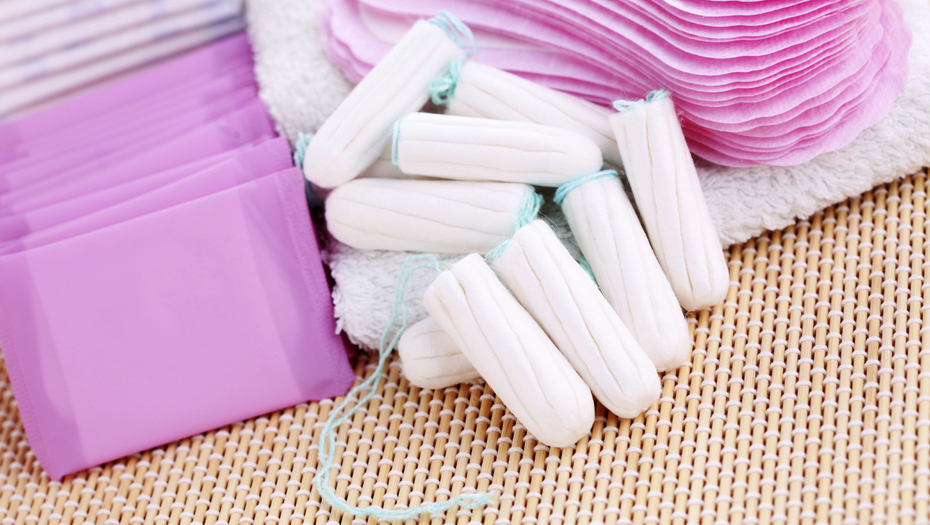
Now, I would be remiss if I didn’t touch upon tampons. Did you know that most tampons are hybrid cotton blends (aka not cotton) that are BLEACHED and sprayed with pesticides and God knows what else? I don’t know about you but I don’t want any harsh chemicals anywhere near my hoo-hah. That’s why I encourage every woman I know to find an organic, environmentally safe tampons and pads. Beauties, I am telling you that we can save our cervixes AND our planet!

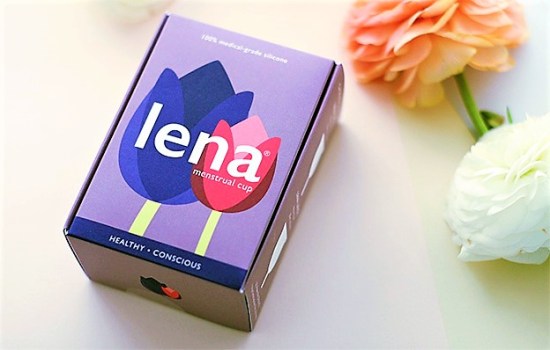
I have been seeing a lot of articles stating their opinions about the Lena Cup, and to be honest I bought one because my curiosity got the best of me. For those of you who don’t know, the Lena Cup is a reusable bell shaped cup that sits inside your vaginal canal and collects your blood. It is by far the most environmentally friendly product I have read upon on, but it requires patience and it can be a little messy at first. Once you’re in touch with your body’s rhythm and you can determine when its time to remove the cup, it will be smooth sailing. If you’re interested in the Lena Cup, I applaud you, and I suggest using it at home first for a few days before venturing out to any important events.

Directions: To use the LenaCup, some people choose to boil their cup before first use and between periods. Fill a pan with plenty of clean water. Bring to boil and let your cup float for 5-7 minutes while ensuring that the cup does not touch the bottom of the pan. You can use a pair of tongs to keep your cup in place and to remove it from the boiling water. Let your LENA Cup cool down before using it. WASH – Using warm water and mild soap wash your cup. If in a public toilet, bring a bottle of water to rinse your cup – once convenient clean thoroughly.  As always, make sure to fully read the LenaCup User Guide before use.

To recap: drink plenty of water the week leading up to your period and during. Be mindful of getting enough Omega 3’s and Calcium. Drink dandelion tea, Bigelow Green Tea and Red Rose Tea to de-bloat, decrease cramps, and reduce sodium intake. Get your hands on some organic tampons and if you’re feeling brave check out the Lena Cup! Here’s to having a happy period!

Have you tried the Lena Cup? If so, what are your thoughts on it?

Name your favorite tea and let me know how you drink your tea? (cold, hot, & etc)

( Let me know in the comments)


8 Bad Skin Habits to Kick

When it comes to our skin, we’re all just out trying to do our best, right? We test out products, wash our faces regularly, moisturize... but it turns out that some of our most persistent habits can be very bad for our skin. The good news is that most of them have easy fixes—so you can turn bad habits into good ones.

1. You don’t clean your makeup brushes.
Besides being good for keeping your makeup looks #onfleek, cleaning your makeup brushes on a regular basis is also a fundamental aspect of a good skin care routine. “If not properly cleaned, makeup brushes can carry hordes of bacteria that can cause serious damage to the skin. “Not to mention the buildup that gathers on dirty makeup brushes causes them to deteriorate quicker, affecting your makeup application.”

Tragic all around. But the key to avoiding this travesty is simple: Clean your tools regularly. You should spritz your brushes once a week with a cleansing spray and deep clean them once a month with shampoo or gentle soap. This is the best way to prevent buildup from causing infection, as well as problems like acne and irritation.

2. Not Exfoliating
exfoliation. As you get older, your need for regular exfoliation increases. Plus, when you’re using potent anti-aging products, you want to make sure they are being well absorbed.

Of course, there is such a thing as too much exfoliation, so you need to find a balance. For most people, a couple times a week does the trick. As you age, this may be closer to 3 or 4 times a week.

Here are my two favorite body scrubs  that I have been using for a while:

Hold my drink has a soft and fluffy texture and can be used as a daily exfoliator. Coconut oil and vitamin E seeps into your skin as you exfoliate and tease out ingrowns. Bonus, it literally smells like a coconut in a jar without any added artificial fragrance.

What It Does

-Moisturizing organic coconut oil melts into your skin.

– Natural sugar cane gently buffs away dead skin. Perfect for dry legs, arms and even your lips.

-Vitamin E is full of antioxidants and amazing at targeting fine lines and dryness.

Goddess Body Scrub is a gentle, salt-based body exfoliant that hydrates skin with organic coconut oil, scented with dry lavender buds and few drops of lavender essential oil. Goddess Body Scrub is highly moisturizing and gently exfoliating blend of organic coconut oil. It leaves the skin silky, soft, glowy, and hydrated with light scent of lavender.

These amazing scrubs exfoliates while providing nutritive minerals. It’s the perfect thing to use before putting on a moisturizing mask. If you have oily skin or otherwise sensitive skin, be careful not to exfoliate too vigorously. 

3. Leaving Your Makeup on Overnight
You’re tired. Your eyelids are closing against your will. You’re almost considering sleeping in your jeans. Stop! Wait! It’s time to wash off your makeup.

Naked skin is happy skin. Especially if you’re wearing chemical makeup brands, you want to give your skin a break over night.

In the same vein, make sure to wash your makeup off before working out. When you break a sweat and your pores open up, dirt, oil and, yep, makeup will get in there.

Also, unless you want to wash your pillow cases every day (Ouch! Said mother earth) you should do your best to keep them clean in between washes. Another reason that washing your face before bed is a must!

4. Overcleansing
Don’t consider this a free pass to skip washing off your makeup at night: If your skin is dry skin, lather up less often, since doing so strips away natural oils. Wash with a creamy or oil-based cleanser at night (they’re gentler on dry skin) and rinse with just water when you wake up. “It’s enough to clean your skin in the morning, and you’ll retain more of your own moisturizing oils,” says Ellen Marmur, a dermatologist in New York City. Try L’OrĂ©al Paris Pure-Clay Purify & Mattify Cleanser and/or St.Ives Blackhead Clearing Green Tea Scrub. 

5. Not Sleeping Enough…
Getting less than seven hours of shut-eye can make your skin duller and fine lines (like the ones around your eyes) more obvious. Your skin can rebound from the occasional late night, especially when you’re young, but a few in a row will catch up with you. If you have trouble falling asleep, don’t start watching Black Lightning or The Good Doctor reruns: Bright screens suppress melatonin, a hormone that makes us sleepy and regulates our circadian rhythms. That second part is a biggie. When melatonin levels drop and your circadian rhythm gets thrown off, your skin cells can’t turn over as efficiently, causing even more wrinkles and dullness over time, says Phyllis C. Zee, the director of the Center for Circadian and Sleep Medicine at Feinberg School of Medicine, Northwestern University Hospital in Chicago. A warm shower or bath before bed is much better for inducing sleep, says Michael Breus, an author, a psychologist and sleep medicine expert.Image result for white pillow on white bed sheets blog post

 …And Not Sleeping Smartly
Your sleeping conditions matter. First things first: your pillowcase. “It collects oil, dead skin cells, bacteria, and excess night creams. “As you toss and turn, all of that is deposited right into your pores. I recommend changing them at least once a week (twice is better). While you’re at it, swap out the regular cotton version for something smoother, like satin, silk, or Egyptian cotton, since rough pillowcases can actually cause wrinkles. And if I can convince you to make just one more change, plug in a humidifier. It counteracts the skin-drying effects of air conditioning and heat.

6. Overlooking Sunscreen in Certain Areas  Related image
Slathering SPF over your entire face (even in the winter) is a good start, but you can’t ignore the rest of your body—and certain areas are missed too often. “In my practice, I’m seeing an epidemic of skin cancer along the hairline, the jawline, and the ears,” says Dennis Gross, a dermatologist in New York City. Apply a broad-spectrum sunscreen with an SPF of 30 or higher all over your face and exposed skin from the neck down. And keep in mind that light cotton clothes won’t totally protect skin on their own in the summer. 

7. Forgetting Face Wipes
Washing your face before bed or after spin can be a pain. We get that. But letting makeup, dirt, and bacteria linger can cause breakouts, dullness, and even wrinkles over time. Which brings me to face-cleansing wipes: A single towelette removes a day’s worth of grime, and you won’t need to haul yourself to the sink. Try Neutrogena Makeup Remover Cleansing Towelettes, AVEENO ULTRA-CALMING MAKEUP REMOVING WIPES, and AVEENO POSITIVELY RADIANT MAKEUP REMOVING WIPES. Keep them on your nightstand or in your purse so you actually remember to use them.

8. Smoking Image result for no more cigarette gifs
Please, I beg of you, just quit. On top of a long list of evils, smoking breaks down elastic fibers in the skin (which is why smokers’ complexions look yellow) and revs up the enzyme responsible for breaking down collagen (and that definitely leads to wrinkles), says Francesca Fusco, a dermatologist in New York City. Your skin can bounce back once you quit. “Within two weeks, you see improvements,” she says. “The texture improves; it’s a little smoother. Over time, the brightness comes back.

You can achieve the skin you want! By ditching some of your bad habits and adopting some good ones, you could find yourself waking up to younger, more radiant looking skin!

What skin habits do you want to break? Have you broken any of these already? Tell me in the comments below!