SOS! My Makeup Is Pilling β€” How Can I Fix It?

Do you ever find that your foundation balls up on your skin after you apply your favorite sunscreen or face cream? Similar to when your knitwear has seen better days and small balls of fabric sit on the material, this is called pilling β€” and it’s the fastest way to ruin your skin-care and makeup in one fell swoop.

Pilling is one of the most frustrating things that can happen when applying your skincare and makeup, due to the fact it takes extra time to blend, correct, and can waste more of your expensive beauty products.

Makeup pilling is no fun, especially after you just applied a full face of makeup and your foundation starts sliding off in tiny pieces. Pilling occurs when two makeup or skin-care ingredients don’t mesh well together on your skin, and although there are ways to avoid this (more on that below), we wanted to know if there’s any way to salvage your full beat in this scenario. Ahead, we spoke with NYC-based makeup artist Mary Irwin to find out how.

Advertisements

What Causes Pilling

When your skincare or makeup pills, it looks like flakes or globs of product on your skin.

Advertisements

Pilling happens when products haven’t absorbed into the skin, whether due to:

🀍 the type of ingredient

🀍 the amount applied

🀍 the other products you’re using

🀍 the condition of your skin

🀍 The tools you are using to apply your skincare and makeup

With so many of us experimenting with multi-step skincare routines, the pilling struggle is all too real!

Here are some best tips if you’re dealing with this issue.

Can You Fix Makeup Pilling?

Irwin gets straight to the point: β€œUnfortunately, aside from taking a damp makeup sponge and trying to blend it in, there’s not much you can do besides take it off.” If your foundation begins to pill, wet a sponge (the L’OrΓ©al Paris Infallible Blend Artist Foundation Blender is our fave) and tap it over the areas where it pilled off. Once you’ve blended it out, set it with a loose powder like the Maybelline New York Lasting Fix Banana Setting Powder and don’t touch it. β€œDon’t add anything cream or liquid over it after the fact.”

Advertisements

WE know and understand that you don’t want to remove the makeup that you spent hours perfecting so for that to not happen, the first thing you want to make sure you’re doing is exfoliate on a regular basis.

To be clear, the little balls that form are composed of product, not dead skin. But it’s still important to maintain a good exfoliation routine, because it will help your products to absorb more effectively, rather than remaining on top of a surface layer of dead skin. 

Advertisements

How to Avoid Pilling

Irwin recommends paying attention to the ingredients you’re placing on your skin to avoid pilling all together. β€œUse products that have a similar formula β€” silicone with silicone, water with water, etc.” When applying cream makeup products (which have the most tendency to pill), she recommends starting with thin layers and building them up slowly. β€œAlso avoid layering cream over powder, because this can result in pilling too.”

The more you touch your skin, the more you disturb the products and encourage them to pill. It goes without saying that rubbing your face is a a big no-no, as this will only cause surface residue to bunch and roll up. Use light, patting motions to apply your products, and resist the urge to touch your face any more than absolutely necessary.

Advertisements

Just give yourself plenty of time in between layers and after the final layer. That will ensure you’ve absorbed most of the beneficial ingredients.

Here are 3 more videos that can be helpful when it comes to pilling:

Have you experienced product pilling?
What has helped you to prevent it?

RELATED POSTS:

Beginner Beauty FAQ

Just starting out with makeup? Whether you’re a complete beginner or the ultimate beauty enthusiast, there are a couple of questions that we’ve all asked ourselves at some point. To make things easier for you, here’s a list of the most frequently asked questions about beauty and skincare!

Do you need to use toner?

This has crossed all our minds at one point or another: Do we really need to use toner? Or is it just an extra step that we can skip?

The short answer – yes, you should use toner.

Regardless of skin type, toner is definitely an essential step when it comes to achieving healthy glowing skin. After cleansing, toner helps remove stubborn dirt and grime, and any traces of makeup you may have missed.

A good toner can provide the skin with a much-needed boost of hydration along with other skin-supporting ingredients. Adding this step into your skincare regimen sets the perfect foundation for your other skincare products to perform better.

How often should you wash your makeup brushes?

We know, washing your brushes can feel like a total chore – but it’s soo worth it. You should aim to wash your brushes at least every 7 days or so to get rid of any germs or bacteria that will build up over time.

Not cleaning your brushes often enough could contribute to breakouts or other common skin problems. And honestly, your makeup looks so much better when you’re working with clean brushes!

Is β€œbaking” just a trend?

β€œBaking” has been trending for quite some time now. The real question is, is it completely necessary or just another fleeting beauty trend? Well, let’s just say… if you want your makeup to last longer, then you definitely need to add β€œbaking” onto your to-do list.

β€œBaking” is essentially setting your face makeup with a loose setting powder to mattify your complexion. Adding this additional step into your makeup routine extends the staying power of your face makeup by soaking up excess oil during the day.

All you need to do is apply a generous amount of loose setting powder over your face makeup with a damp beauty sponge. Let it sit on your face for a couple of minutes (5 or so) and then buff it out with a fluffy powder brush. Pro tip: For the ultimate staying power, spray your beauty sponge with some setting spray before you pick up the powder.

Do you have to use moisturizer if you have oily skin?

When you’re dealing with oily skin, adding more moisture into the equation is probably the last thing on your mind. But moisturizing your skin properly will make a huge difference when it comes to controlling oil.

When our skin is dehydrated, it actually overcompensates by producing even more oil to make up for the moisture it desperately needs. To minimize shine, oily skin types can benefit from staying hydrated by drinking more water throughout the day and moisturizing regularly in the morning and at night.

Did we miss anything? Let us know in the comments down below if you have any other questions for us!

Help! How Do I Remove Eyelash Glue From My Lashes?

Falsies are a girl’s best friend β€” bring on the volume and length. But if sticky eyelash glue gets stuck to your real lashes, it’s game over. The buildup and tackiness can make reapplication nearly impossible and cause unwanted irritation. To ensure that our false lashes can be used more than once and our real lashes stay healthy, it’s important to keep ’em clean. For some advice on the best way to do so, scroll down and enjoy!

Tip #1: Use Less Glue From the Start

To prevent a buildup of gunk and glue on your lashes at the end of the day, try to use as little glue as possible during application. My best tip is not to apply too much glue on the false lash to begin with. Think you may have gone too heavy with your glue? Recommended wiping it off and starting from scratch. Not only will this make it easier for you to take off your falsies at the end of the day, but it’s also a way to ensure that too much glue doesn’t get on or around your eyes.

PRIMP TIP: Apply Lash Couture Strip Lash Adhesive on the eyelids like an eyeliner then apply your favorite pair of lashes. Its easier and quicker to apply the lashes plus it is just less messier overall. Lee wished she came up with this brilliant beauty trick but she actually received it from Raye Boyce.

Tip #2: Don’t Pull Them Off 

Time to take off your lashes for the day? Don’t start pulling them off, tugging or scrubbing. You won’t get all the glue off your lashes, and you risk getting glue in your eyes. What’s worse? You’re going to end up ripping your own lashes. 

Tip #3: Use a Gentle Eye Makeup Cleanser

eyelash glue

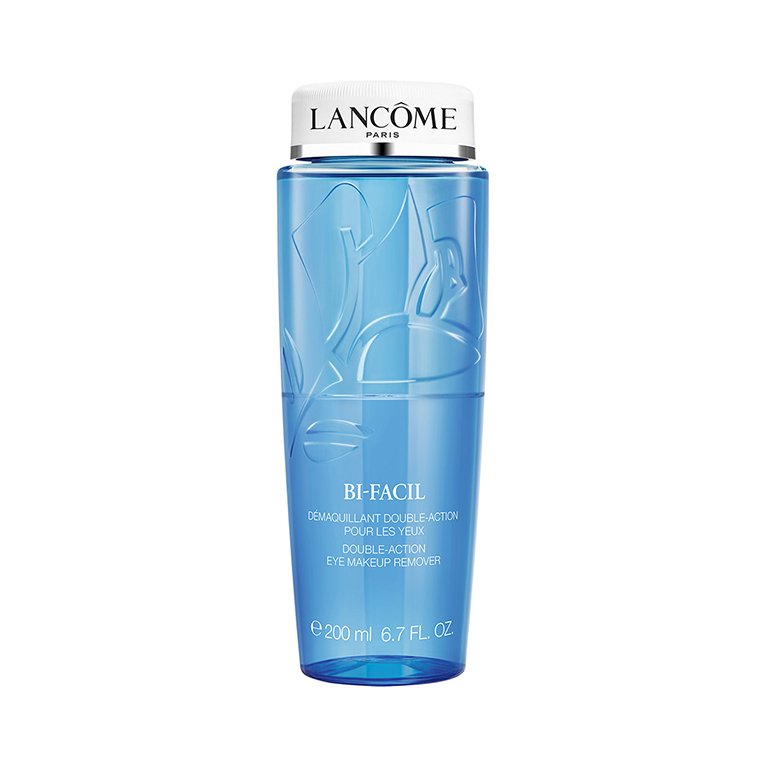
Instead, to get your fake lashes and glue off cleanly, Lee recommends using a soft and gentle eye makeup remover. For years I’ve been using the LancΓ΄me Bi Facil Double Action Eye Makeup Remover; it’s the best for getting rid of lash glue. Just pour some onto a cotton pad and dab it over your lashes until the strip falls off cleanly. Plus, you can also use the product to clean glue off your falsies so they’re good as new for reapplication. 

POSTS YOU’LL LOVE:

Beauty Q&A: Should I Sanitize My Makeup?

OK, so you’ve probably cleaned and sanitized every square inch of your living space lately in an effort to keep your home germ free, but have you thought about your makeup products? We’ve all read about how important it is toΒ clean makeup brushesΒ andΒ sponges on a regular basis, but your eyeliner pencils, powder compacts and palettes need love, too. Ahead, we chatted withΒ makeup artist Frankie PadronΒ about the best methods forΒ sanitizing your productsΒ and how to do so at home.

Why Sanitize Your Makeup Products?

There are plenty of reasons why you should sanitize your makeup products in addition to your brushes, says Padron. For one, if you are sharing products in your collection with others, you want to make sure they’re clean. β€œI sanitize after every person because I’m using makeup on different people daily,” she says. Another reason to sanitize your products is if you’re prone to acne and breakouts. β€œIf you have a breakout, I recommend cleaning your tools after every use so you avoid spreading bacteria.” 

How to Sanitize Makeup Products

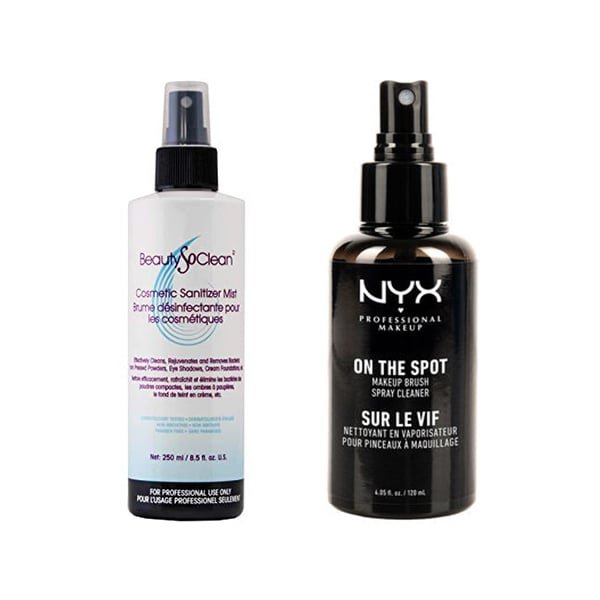
According to Padron, a cosmetic sanitizer mist is a must-have for cleaning your makeup powder and cream products like eyeshadows and face palettes. She recommends using theΒ Beauty So Clean Cosmetic Sanitizer MistΒ which comes in a no-mess spray bottle that can be distributed on any product.

β€œI would avoid using any products that have a high concentration of alcohol in them, as this may dry out your makeup.Frankie Padron, MUA

As far as pencil products are concerned, Padron takes a slightly different approach. β€œFor eyeliner and lip pencils, I sharpen them before it touches anyone, making sure I shaved off the area I used on someone previously,” she says. This works the same for any lip liners or eyeliners you use on yourself if you feel like you need a fresh tip before application. 

For brushes that need a quick clean during application, try theΒ NYX Professional Makeup On the Spot Makeup Brush Cleaner Spray. The formula keeps bristles soft and is perfect for when you don’t have time to do a full-on brush wash.Β 

What to Avoid When Sanitizing Your Makeup

Padron notes that when picking your makeup sanitizing products, make sure to read the label. β€œI would avoid using any products that have a high concentration of alcohol in them, as this may dry out your makeup.” While brushes and sponges have a reputation for holding and spreading bacteria, it is important to give your powders, palettes and creams a little cleaning, too.

READ MORE: