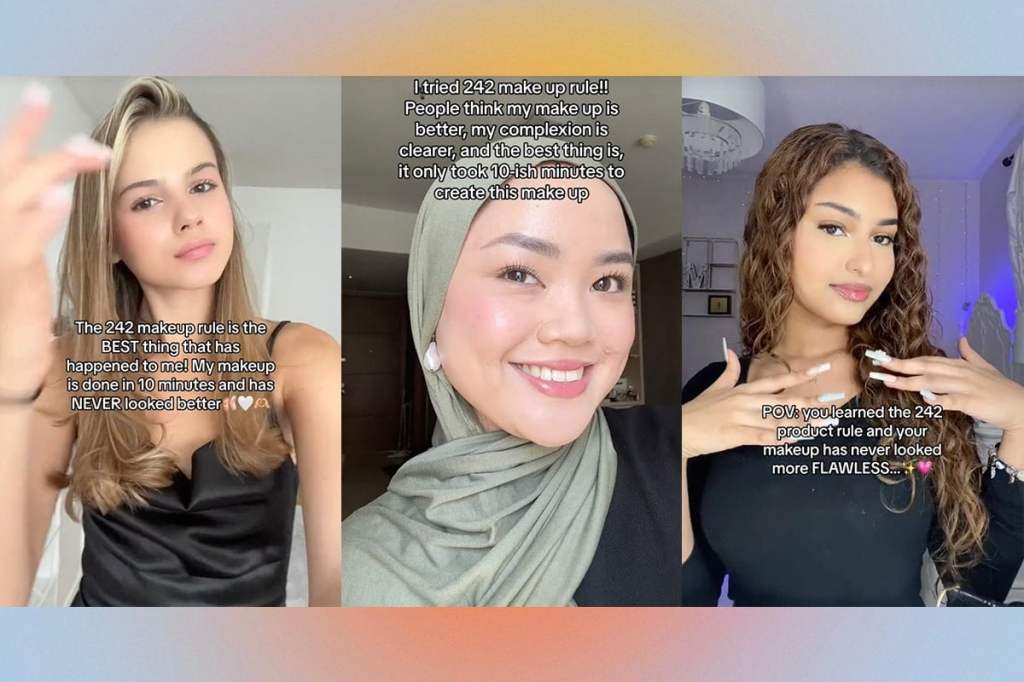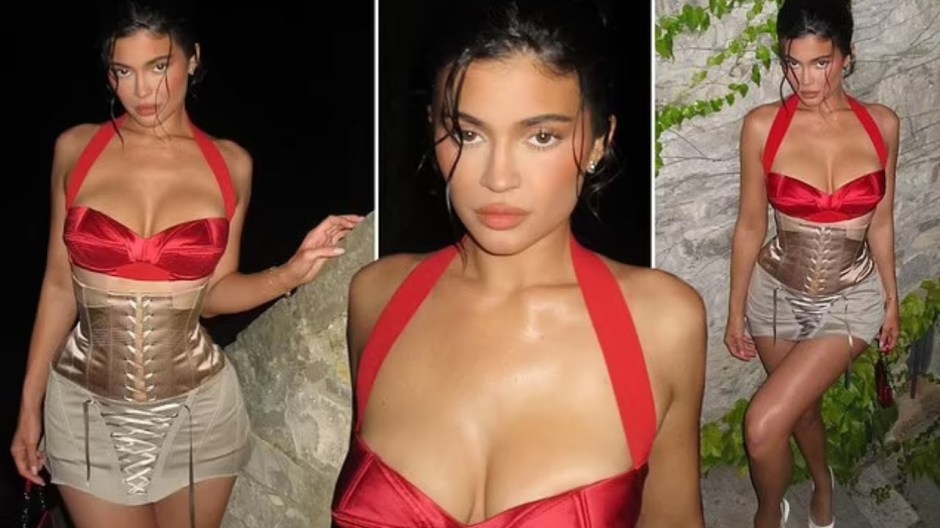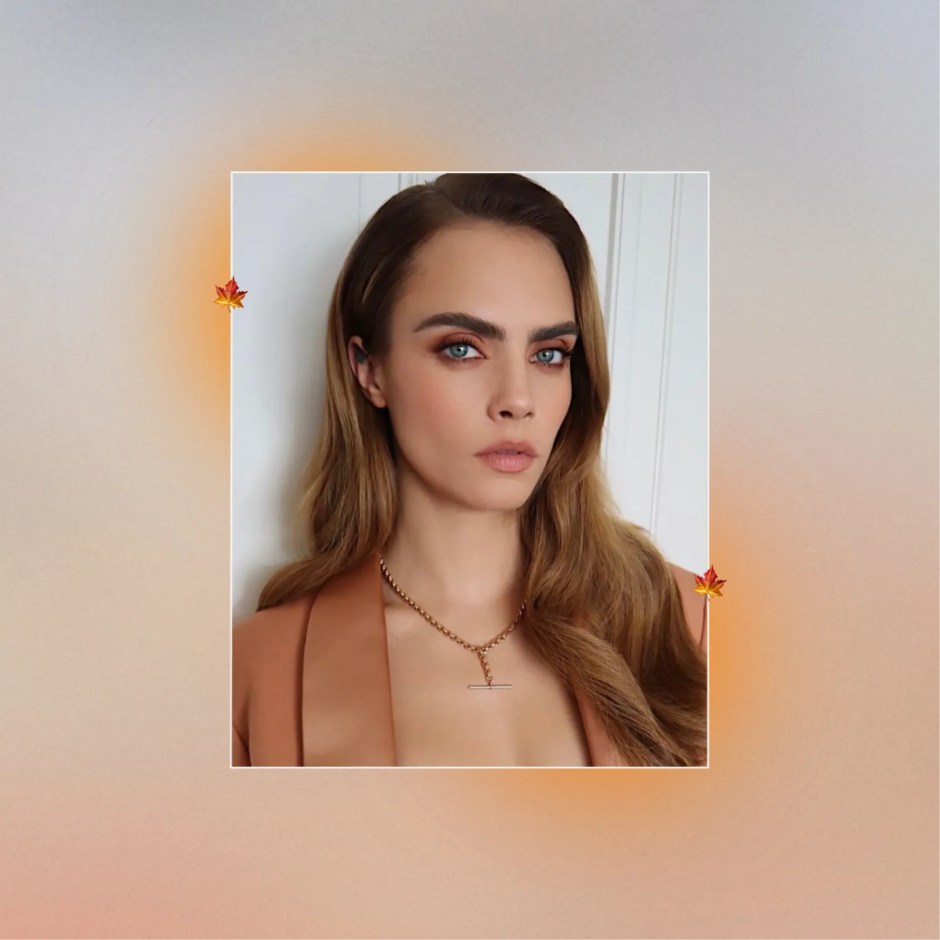
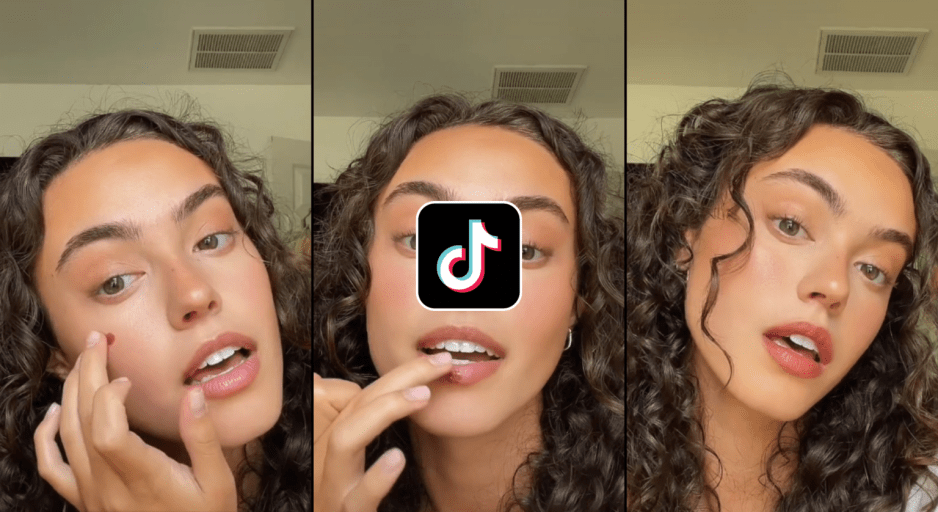
With its thousands of beauty trends, TikTok is the perfect place to find makeup, hairstyle, and skincare, but we can also get lost among so many tips, so we bring you the 7 keywords that are most popular in the application, according to the eyelash brand Lilac St.
From Latte Makeup, Glass Skin, Facial Yoga, and Barbie Botox, these trends are a must to look at and try.
Advertisements
Top 7 beauty trends on TikTok today
Barbie Botox
Inject Botox into your shoulders to look like a Barbie? TikTok says yes. This trend takes the top spot of the moment and consists of two injections of Botox, one in each shoulder to reduce the appearance of the muscles in the area. In addition to lengthening your neck, it will help you release tension.
Barbie Botox isn’t anything new … It really can help migraines … Consult a neurologist for headaches and it might be covered by insurance. … #barbie#traptox#barbiemovie
With the latte makeup trend, you can wear your favorite drink in your makeup. It consists of makeup mainly with brown and gold tones. The bronzer and nude lips are key to this look.
Latte makeup 🤎 Had to try it for myself. Basically just a warm sultry beat ✨ Opted for something a lil warmer compared to some of the cooler toned ones ive seen 🤎 Product details ☕️ Foundation: @esteelauder Double Wear Concealer: @maybelline Age Rewind Concealer in shade 10 Cream Bronzer: @milkmakeup concealer in shade 25C Powder Bronzer: @maccosmetics Radiant rich rosy skinfinish Blush: @narsissist Exhibit A Top Eyeliner: @hudabeauty Kohl eyeliner Eyeshadow Palette: Future Flame (shades used: Embark, Blockchain Brick, and Rule Shadowsticks: @Rare Beauty Mascara: @yslbeauty Bottom Eyeliner: @milkmakeup in Limitless Lip Liner: @rarebeauty shade Strong Lipstick: @esteelauder shade 567 Knowing Lip Gloss: @patricktabeauty Major Volume Gloss in Superficial #lattemakeup#beautytrends#beauty#lattemakeuptrend#lattemakeupblackgirl
If you want skin that looks flawless, you have to try the Glass Skin trend. Inspired by K-Beauty, the key to achieving this look is to have super-hydrated skin.
If you try facial yoga, all the muscles in your face will thank you. It consists of facial exercises that will help tone your face and that can be performed with instruments such as gua-sha,face rollers, and even your fingers.
Although the 2010s were dominated by Kylie Jenner-style mattelipsticks and matte lips, in 2023 this is a thing of the past.Now,glossy lips are the most popular. Among so many new releases oflip oils and glosses, there is surely one perfect for you.
One of the most popular beauty trends on TikTok and has been on the rise for years. Faux freckles (or false freckles) are the perfect complement to any makeup look. They will give you asunkissedeffect and nowadays, there are many special products for you to paint.
Leap into the past with the latest beauty sensation sweeping the globe. The rise of nostalgic fashion has paved the way for a certain inevitability – the resurgence of the 90s lip trend. Evolving from Y2K styles, today’s trendsetters are embracing a deeper dive into the 90s, rekindling the allure of the dark lip liner for a plumper pout. A throwback to the glamorous red-carpet moments of yore, celebrities flaunted this vampy, grunge-inspired makeup, and now, it is poised for a triumphant comeback in the realm of mainstream beauty.
But before we get into the 90s lip trend, let us get into the history:
Advertisements
Pre-Runway Origins
The simple, slim colored pencil is one of the tools the world’s best-known makeup artists have been using since the 1920s to etch out the American Beauty standard. And that standard, naturally, was very white.
But by the 1990s, a lip liner aesthetic emerged that was, to its core, quite the opposite. Those of us who were around remember it clearly: deep, rich dark brown liner, contrasted by a lighter lip. Sometimes the lipstick was a neutral hue. Other times, it was a glossy red or even a shimmery metallic that looked like liquid when you swiped it on. But one thing it always had to be was stark. Instead of gently blending the lipstick into the liner to create a seamless ombré, the edges are left bold, existing in sharp contrast to the lip color. It was the defining look of the decade, worn by everyone from Naomi Campbell to Naomi in HR. Like many things beloved by mainstream America, this iconic makeup style has roots in communities of color.
Black and brown women had to be the creators of their beauty with so few references and tools. They did so out of necessity — at the time, there were few brands making lip liners in shades that worked for melanin-rich complexions. “Shades of brown” weren’t even considered in the makeup industry. This style of lip liner was part of a beauty tradition Black women had no choice but to create in a society that intentionally excluded them. It was a cultural makeup staple at home, a trick to achieve definition in the lips. But it was more than just a simple makeup hack.
Advertisements
The Origins of the Chola Aesthetic
Black women weren’t the only ones who embraced dark liner with light lips. Latinas living in urban areas were also early adopters of the look. In Los Angeles’s Mexican neighborhoods, the liner style was a marker of the Chola subculture. Cholo (the masculine form of the word) culture emerged in poor L.A. neighborhoods densely populated by Mexican-American youths, whose circumstances steered them into gang activity. They were the manifestation of the other: poor, brown, and ethnic — the opposite of mainstream white America’s idea of “good” kids. And they looked the part in their loosely-fitted Dickies pants, oversized button-front shirts layered over white tank tops, dramatic eye makeup, and, of course, that trademark lip liner.
But before there were cholos and cholas, there were zoot suit-wearing pachucos and pachucas. This generation of Mexican-American youths living in 1940s Los Angeles are considered the predecessors to their ’90s counterparts. They were the targets of racially motivated violence, most notably in 1943 during the “zoot suit riots” that happened in the area. Zoot suits initially became popular in Harlem, America’s most famous Black neighborhood, during the 1930s. The ensemble, which at the time was a variation of a “drape suit,” consisted of oversized trousers that ballooned out past the waist and through the legs, tapering in at the ankle. Denizens of the day would pair that with equally roomy, extra-long suit jackets with exaggerated lapels. The suits were in themselves a rebellion, transforming the “respectable” staple into something infinitely more fashionable and subversive.
Eventually, the zoot suit ministry of Black Harlem made its way to the West Coast, where it was embraced by young Mexican-American pachuco and Pachuca. Their flamboyant style of dress stood in stark contrast to the attire of white Americans in the area, but it wasn’t completely divorced from it — just re-imagined through a different lens. According to Jillian Hernandez, Ph.D., author of Aesthetics of Excess: The Art and Politics of Black and Latina Embodiment, pachucas drew inspiration from the makeup popular women actors of the ’40s were wearing but turned the drama up to eleven. The eye shadow was heavier, the lipstick was darker, and the pompadours were higher. The effect of the drama they infused into their makeup was a declaration of pride in their heritage and a challenge to traditional notions of feminine beauty. The Pachuca aesthetic created the foundation for what would be the ’90s with the chola look with its dramatic eye makeup, baggy clothes, and bold lips.
Advertisements
Diasporic Style Formations
Dr. Hernandez calls the popularization of this lip liner a “diasporic style formation,” born of the interaction between the Black, Afro-Latinx, and non-Black Latin-American communities living in low-income urban areas. Proximity in both location and socioeconomic class creates an environment that allows for cultural exchange. When groups of people interact, they tend to influence each other. When those groups experience similar (though not the same) degrees of marginalization, their expressions of rebellion against that are likely to overlap, intertwine, and ultimately develop alongside each other. Cholas employed dark liners to affirm their identities and establish their standards of beauty. At the same time, Black pop culture figures like Lil’ Kim, Missy Elliott, and Mary J. Blige were bringing a beauty standard set by their community further into the mainstream.
Priscilla Ono has vivid memories of this moment. The makeup artist is a native Angeleno still based in the city. “Everyone thought the Cholas were cool,” she recalls. “I also grew up watching hip-hop music videos, admiring the makeup.” Ono, who is Mexican-American, was raised in a predominantly Black and Latinx community and directly recognizes the impact hip-hop culture had not only on the Chola look but her own lived experience. The two cultures, she says, felt like they “melted” together, which should be a shocker to no one. Hip-hop itself was created by Black and Latinx youths in the South Bronx during the 1970s — it makes sense that history would repeat itself in this way.
By the time Ono was in high school, everyone, regardless of racial or ethnic background, had fully embraced the dark-liner trend. “All my tias did it, my mom, my friends,” she says. “Lip liner and a lighter was in everyone’s makeup bag — that was the thing in the 90s.” The lighter, both Fine and Ono note, played an essential role in getting the look just right. It was used to melt the tip of the pencil just enough to draw some more pigment out of it. Back then, affordable, high-quality lip liners were few and far between, plus, finding a shade match for darker-skinned women of either ethnicity was a challenge. “I can smell it just talking about it,” Ono recalls.
Advertisements
By the end of the ’90s, the dark liner/light lips style of makeup had spread far beyond the confines of the communities that created them. White celebrities like Pamela Anderson popped up wearing versions of the style, modified to fit their skin tones. But before it went mainstream, the lip liner look affirmed the femininity of women who, to varying degrees, had been stripped of it by a white hegemonic social structure.
Advertisements
Redefining Femininity
Professor Bernadine Hernández, PhD, from the University of New Mexico sees this liner look as a “gender performance” of femininity, “but not a ‘proper’ femininity,” she tells BeautyLeeBar. Both Black and Latina women have been historically (again, to different degrees) marginalized in this country, and left out of the mainstream idea of womanhood. So they created their standard of beauty, one that centered them and their experiences and stood in stark contrast to what was deemed acceptable to white America. At the time, that particular liner style went against notions of what “tasteful” makeup looked like. “If you think about the lip liner that’s not blended — it’s not proper, it’s not ‘right,'” Dr. Hernández continues. “Even the outlining of the lips, it’s very symbolic of a type of gender performativity that is racialized.”
Of course, once the liner look went mainstream (when white women started wearing it), the negative connotations associated with the lower-class women of color who originated the style seemed to evaporate. It became chic and sophisticated, edgy and fashionable. Today, this type of liner is now a classic in the makeup world, and is still, in many ways, associated with the communities that pioneered the look. Younger Black and Latinx celebrities still carry on the tradition their predecessors put forth in the ’90s. Rapper Megan Thee Stallion quite frequently pairs dark liner with light, glossy lips. Euphoria star Alexa Demie, a native Angeleno of Mexican descent, still pops up on red carpets and social media feeds with extra dark chola-inspired liner. She most recently turned out to the Balenciaga Fall/Winter 2023 show with her lips lined in an inky eggplant hue and finished off with a glossy mauve in the center.
Their beauty choices reaffirm the beauty of Black and brown women and remind us how makeup has been used as a tool for progress and social change. The people in these marginalized communities unknowingly created a legacy that challenges Eurocentric standards of beauty and has ultimately, laid the foundation for the more inclusive beauty culture we enjoy today.
Advertisements
Now that we have gone over the history of this dark lip liner look, here is your guide to mastering the iconic 90’s lip trend right from the comfort of your home.
While this overlined look can work with just about any shade, there’s no denying that brown/black and nude pink were the most prevalent back in the day. As always, start with a hydrated lip to prevent creasing and flaking. You can always go the extra mile and use a lip scrub when running through your usual skincare routine, but consider a lip balma must. From there, the most important task of recreating the 90’s lip trend is to find the ideal lip liner color. We recommend grabbing a shade that is about 3 times darker than your natural lip color for the best results. Natasha Denona’s I Need a Nude Lip Liner has the perfect range of neutrals to choose from. Lightly blend this line out for a more natural finish. Then, use a lighter shade of lipstickto add a bit of a pinkish hue to your lips.
You can stop here for a matte take on the look or go a step further and add a touch of gloss. Focus this on the center of your lips for a little bit of dimension and you’ll be left with a statement-making, 90’s nude lip.
In terms of makeup, there’s nothing more iconic than a classic smokey eye. It has continued to reign supreme, even amid the clean girl makeup trends and minimal beauty fads. When it comes to night-outs, formal events, and anything in between, a darker, smoldering beauty look is always in order. It also happens to be one of the most universal eyeshadow looks because it can be mastered, despite anyone’s prior skills and knowledge in this department. Of course, trends evolve, so we’re going to run you through how to perfect the perfect smokey eye makeup in 2023.
Start with a soft matte brown eyeshadow and sweep it all over your lid as a base. Next, take a darker shade – and using a fluffy eyeshadow brush, apply it to your crease. This creates dimension and will immediately open up your eyes! Now, it’s time to get smokey. Apply a gray eyeshadow and seamlessly blend it, focusing on the middle to the outer corner of your upper lid. Next, opt for an even darker shade of gray (or black) and apply it primarily to the outer corner. For a well-balanced smokey effect, extend this darker shade to your lower lid as well. Apply a winged liner using any liquid liner of your choice. Lastly, grab the highlighter color from your palette and tap it onto your lids, focusing on the inner corner to brighten things up.
Now, you’re ready to take on the world. We promise this smokey eye will triple your confidence!
These days, it seems like there’s always a new must-have skincare ingredient that promises to deliver the fountain of youth, clear your complexion for good, and change your tires. (OK, maybe not the last one, but you get the point.) And that next big thing seems to be royal jelly.
Although royal jelly has been showing up in beauty products stateside since 2022, other cultures have used this natural ingredient in medicine for centuries. And the French have been using royal jelly as a supplement and beauty aid for decades. This ingredient from nature can help you moisturize your face. So, read on for the benefits of royal jelly for skin:
Advertisements
Anyways…What is Royal Jelly? Royal jelly is a term used to describe the creamy white secretions that come from the throat glands of honeybees. It’s the single protein, called royalactin, in royal jelly that causes a young bee larva to develop into a queen bee. Royal jelly is a substance secreted by bees that is mainly used to feed the larvae and the queen bee. This substance is rich in antioxidant and regenerative properties which have made it a popular ingredient in cosmetics.
If you use it twice daily regularly, you will notice significant changes in your skin. The main benefits of royal jelly are: Increased collagen production, promoting wound healing, and fighting inflammation.
Advertisements
These are the benefits of royal jelly on your skin…
Using skincare products infused with royal jelly can add benefits such as much more hydrated skin, elasticity, prevention, and treatment of imperfections and breakouts. In addition, royal jelly has a combination of vitamins, folic acid, protein, and minerals that have incredible revitalizing effects on the skin.
Since it is not irritating, it can be used in a regimen with potentially more aggressive products, like retinol” or alpha hydroxy acids, says Loretta Ciraldo, M.D., a board-certified dermatologist based in Miami and the founder of Dr. Loretta skincare.
According to Krupa Koestline, clean-cosmetic chemist and founder of KKT Consultants, royal jelly:
Promotes skin hydration and elasticity: The high lipid content of royal jelly is amazing for keeping skin plump, moisturized, and bouncy. “Royal jelly is highly moisturizing and affects hydration of the stratum corneum by retaining water in it. In consequence, the skin becomes more elastic.
Encourages collagen production: Royal jelly contains an overachieving acid called 10-hydroxy-trans-2-decenoic acid, which “stimulates fibroblast production in collagen. By increasing skin collagen production, royal jelly can help treat and prevent fine lines, wrinkles, and skin sagging.
Fights inflammation: Dealing with uncomfy symptoms like swelling, itching, and redness? Royal jelly helped relieve skin conditions like atopic dermatitis and skin inflammation in mice. Try it on skin irritation and sunburns!
Speeds healing of acne and other wounds: Royal jelly not only has an anti-inflammatory effect, but it also keeps bacteria at bay. When applied to skin ulcers, burns, and shingles, royal jelly produces “strong antimicrobial activity within skin tissue,” Koestline says. It also helps reduce the redness and speed up healing of acne wounds.
Brightens dark spots: The same acid in royal jelly that boosts collagen production also suppresses skin pigmentation, which means it can help fade melasma and dark spots caused by acne and sun exposure, Koestline advises. Bonus: Royal jelly can help prevent hyperpigmentation from forming in the first place.
May regulate oil production: Suffer from oily skin? Try using royal jelly to balance your complexion. “For people with oily, acned skin, [royal jelly] is found to help normalize sebum production,” Koestline says.
May have antioxidant effects: Research indicates that the phenolic acid in royal jelly may counteract skin aging. (Koestline says she believes the antioxidant effects of royal jelly are “hyperbolized.”)
Advertisements
Other Forms of Royal Jelly
Royal jelly isn’t just for topical skincare; it can also be taken as a supplement. People have been scarfing pure royal jelly for its health benefits since ancient times, Koestline says. And there’s research suggesting royal jelly supplements may have anti-aging benefits.
It’s also possible the benefits of royal jelly supplements extend way beyond firming and smoothing skin, Koestline says. “Modern research supports that all the bioactive benefits (anti-inflammatory, anti-tumor, neurotropic, etc.) can help improve reproductive health, balance hormones, improve mental health in older humans, and generally improve your health,” she explains.
All that said, Koestline adds, make sure to “speak with your dermatologist/primary care doctor” before adding royal jelly to your beauty routine especially if you have asthma, allergies, are pregnant or breastfeeding.
Advertisements
In addition to this, using royal jelly products will help you:
Delay skin aging.
Strengthen your skin barrier through collagen production.
Revitalize your body through the activation of blood circulation.
Inhibit bacteria and fungi on your skin thanks to its antiseptic properties.
How to Use It
Royal jelly is used in skin care products: cleansers, makeup removers, toners, serums, moisturizers, masks—the works. How and when you use royal jelly in your routine is entirely dependent on which type of skincare product you choose.
Advertisements
Royal jelly can also be used on the skin in its pure, virgin form—for a pretty penny, of course. Apply it like a mask and allow it to penetrate the skin for about 20 minutes before rinsing off; you can even leave it on overnight to reap maximum benefits.