Your Beauty Sleep Checklist

Get the 411 on how to maximize your Zzzs (or fake them) so radiant, dewy-looking skin is yours the second you step out of bed.
Image result for pooh night gifs

1. Stop the party early. All the snacks and sips that give you energy β€” think sugar, alcohol and caffeine β€” can keep you up for several hours past your bedtime. Don’t enjoy them late in the day or you risk pulling an all-nighter (and that’s no good for skin).

2. Stay consistent. Keeping the same hours you go to bed and wake up β€” yes, even on weekends β€” is key to sleep health.

3. Do some pre-game. Help yourself sleep better by winding yourself down with relaxing activities, like a warm bath, soothing music or a good, old-fashioned book.

4. Go dark. No blackout shades? No worries. A silky sleep mask keeps streets lights, LEDs and more from interrupting your snooze.

5. Nix the tech. TVs, computers, phones and other gadgets that keep you current can also keep you awake. Power down an hour or so before bed so you sleep better.

6. Soothe dry lips. I love applying a nice layer of BURT’S BEES Moisturizing Lip Balm before bed to nourish my pout while asleep.

7. De-puff before you turn down. Help prevent tired-looking eyes from seeing the light of day with The Depuffed Eye Gel. It’s filled with botanicals that decongest puffiness and help you look younger, refreshed and radiant.

8. Spritz on a wake-up call. The instant pick-me-up (even before coffee)? Elevated Hydration Replenishing Mist. It’s hydrating, refreshing and enhanced with botanicals that help wake up the senses.

9. Rise and shine. After I moisturize, I love a little hydrating primer with mica, peony root and hyaluronic acid for plumper-looking skin and a gorgeous glow.

What does your beauty sleep checklist look like? Comment down below!


Does Your Skin Need a Serum?

I've been getting a lot of questions on serums since I did a review on Anese.co. People are confused about what they are, how to use them and how to incorporate them into their daily regimen. If this sounds like you, read on to see the answers to your most common questions!

What is serum?

A serum is a skin care product with a gel or light lotion consistency that contains a high concentration of performance ingredients. You should use a serum underneath a moisturizer or treatment mask. While using a cleanser, toner, and moisturizer is still the foundation of a solid routine, serums are a great addition. It’s best to use them when your skin is in a rut and/or you’re seeking better results. Simply put, if you want to up your game, serums are the way to go. In fact, I always recommend that my clients add this simple step. Usually, once they do so regularly, they see big improvements.

What is the difference between a serum and a moisturizer?

Moisturizers create a protective barrier over the skin. This prevents the skin’s moisture from evaporating, and it keeps environmental irritants and debris out. Serums, although they do hydrate, should never be used alone. They do not contain the protective properties that creams do.

The biggest difference between a serum and a cream or lotion is what the formulation doesn’t include. Serum leave out occlusive, or airtight, moisturizing ingredients such as petrolatum or mineral oil that keep water from evaporating. They also contain fewer lubricating and thickening agents, like nut or seed oils.

Serums and moisturisers mostly differ inΒ purposeΒ andΒ weight.
TheΒ purposeΒ of a moisturiser is always to hydrate the skin. Serums CAN add hydration but may offer additional or different benefits to the skin.

Serums can treat everything from wrinkles and sagging to hyperpigmentation and scarring. While moisturisers can contain beneficial ingredients, creams and lotions can’t be as effective at correction and treatment as serums.

That’s because …
Serums are generally much lighter in weight than moisturisers are, meaning the formula can penetrate much deeper. Serums contain highly concentrated ingredients that are infinitely more effective at treating particular concerns.

Moisturisers the heavier of the two products, hydrate the epidermis, which is the top layer of the skin. Lotions and creams don’t make it much farther than that layer.

Why should I use a serum?

Serums are not mandatory in a regimen. If you have specific skin care concerns such as wrinkles or age spots that your regular moisturizer is not addressing, you may want to consider incorporating a serum into your regimen before your moisturizer. Customizing your skin care routine with a targeted treatment can help deliver results faster.Β Dry skin that’s blotchy and broken out would benefit from the pairing of a serum and a moisturiser after cleansing.

When should I avoid serums?

Those with chronic skin conditions like eczema or rosacea have weaker skin barriers. The liquid or gel-like texture of a serum can penetrate the skin too quickly, causing irritation. Speak with your dermatologist if you have serious skincare issues before incorporating a serum into your regimen.

Yes.Β AvoidΒ SD alcohol 40, denatured alcohol or oils. These alcohol ingredients are very dehydrating and unfortunately encourage dry skin cell build up. In addition, I’ve lately seen many oils marketed as serums. I’m not on board with this, and here’s why. Serums are formulated with small molecular structures. Therefore, they deliver performance ingredients deep into the skin. By contrast, oils have the largest molecules (even more so than creams do). Therefore, it’s best to use them as a last step OVER moisturizer to prevent moisture evaporation. I highly suggest you don’t use an oil-based type of serum under a moisturizer. It just makes no sense.

OK but $$$$…

untitled Yes. Serums contain higher concentration of active ingredients, which are more expensive than thickeners. So the higher price of the serum is justified. Remember that bit about being super concentrated and potent? You are getting your bang for your buck here. The good news is you only need to use a few drops of a serum, so a 1 ounce container should last you months. Β 

How do I incorporate one into my skin care regimen?
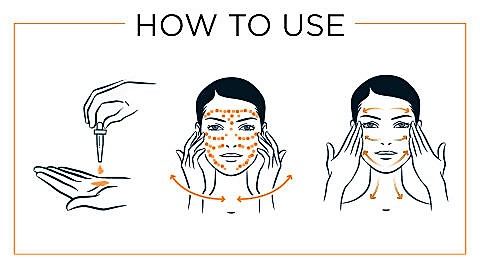
Liftactiv-vitamin-c-serum-vichy-how-to-use-480X270-v1 (2)Different serums are meant to be used with different frequency and at different times of day. Read all instructions carefully to avoid overusing or combining active ingredients. To maximize the effect of your serum, after cleansing your face, apply a pea-sized amount of serum, patting it evenly over skin with your finger. Then apply your moisturizer. If you have sensitive skin, wait 10 to 15 minutes after washing your face before using serum. Applying a water-based product to damp skin is more likely to lead to irritation.

***

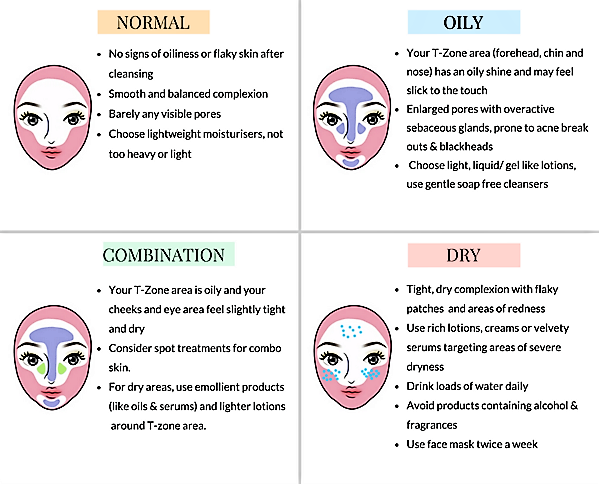
Getting healthy glowing skin requires a holistic approach – living a healthy lifestyle, eating a healthy diet and using a consistent skincare regimen. Deciding what products to incorporate into your regimen can be confusing. This is why it is important to find out what kind of skin type you are.

Maybe you had breakouts in your teens and an oily T-zone, and ever since then you’ve stuck to products for “combination skin.” Well, after a decade of using the same routine with lackluster results, perhaps it’s time to visit a professional and find out exactly what your skin is like and what it needs the most. As we age, our skin changes significantly, and if you’re addressing its specific concerns, you’ll notice an instant difference.Β 

2


Doesn’t serum expire really fast?

Certain potent ingredients often found in serum can become unstable once they come in contact with air. Ascorbic acid (vitamin C), for instance, can oxidize and lose efficacy over time. But thanks to science, modified versions of the ingredient (that are water-soluble, etc.) last longer so they can do your skin more good. Best rule of thumb is to store your vial in a cool, dry place (obviously) and use it up within six months to a year.

Is serum a moisturizer?

Yes and no. Serums can be chock-full of moisturizing ingredients (hyaluronic acid, ceramides) to help skin retain moisture. But, that doesn’t make them moisturizers in the traditional sense. Face lotions and creams are richer and create a barrier on top of the skin to keep all that good stuff in.

Have anymore concerns, comment down below !
 

The 6 Most Common Beauty Questions – and Some Helpful Solutions

Q: What’s the cause of under eye dark circles – and what treatments can help?
A: Occasional dark circles under the eyes can be caused by factors as simple as lack of sleep, dehydration or an allergy – particularly congestion in the central facial and nasal area. Dark circles can also be hereditary, and are more likely to occur in certain ethnic groups.
But for many folks, dark circles are simply a sign of the aging process at work. As we age, the fat pad under the eye thins, allowing blood vessels underneath to show through. Moreover, as we age, blood flow to the skin beneath the eye becomes sluggish, further increasing the darkness in this area.

While sometimes a skin-lightening product can help fade dark circles, the American Academy of Dermatology reports that creams containing a combination of Vitamin K and retinol have an even more powerful lightening effect. The vitamin K works directly on the blood vessels, while the retinal helps re-build collagen, potentially improving the appearance of dark circles. .
The best way to hide dark circles is with a cosmetic concealing product. However, it’s important to choose one in a shade as close to your natural skin tone as possible.. Choosing a concealer that is too light, particularly white, will cause dark circles to appear gray and call more attention to the problem.

Q: If I use makeup with sunscreen, do I still have to apply sunscreen separately?
A: That all depends on the SPF (sun protection factor) rating of your make up. If it’s 15 or more then it will likely be enough – as long as you apply it properly and in a thick enough layer to get maximum protection. If your makeup contains less than a 15 SPF, then you need a layer of sunscreen as well. But remember, SPF numbers are not cumulative. So, if your foundation has an SPF of 10 and your powder has an SPF of 8, the maximum protection you are getting is 10. Moreover, remember that sun exposure degrades sunscreen , so you have to reapply it every few hours. To avoid having to redo your make-up, check out mineral powders or mineral veils. These loose powders contain a natural sunscreen and can be dusted on top of make-up without getting that heavy, caked-on look.

Q: What’s the best way to deal with age spots – and keep hands from aging?
A: These brown spots (also known as “age spots” or “liver spots”) are actually the result of sun exposure. So one way to avoid them is to protect your hands from the sun. Doing so will not only reduce the risk of age spots, but also reduce collagen breakdown so your hands will wrinkle less.
Rarely found in those under 30, age spots are age related, so a lifetime of sun exposure will give away your birthdays! If you use sunscreen from early in life, you will reduce the risk of age spots in later years. But it’s never too late: using sunscreen after age spots develop will help prevent more from appearing.

While skin lightening products will help diminish some age spots, only permanent treatments, such as lasers or chemical peels, can remove them completely. One caveat: While these treatments are effective, skin on the backs of the hands contains fewer bloodΒ vessels than the face, so healing can take longer.

Q: Why do anti-oil shampoos seem to make my hair oilier?
A : The problem is known as “rebound” oil production – a condition that occurs when you strip so much oil from your hair that it sends a message to your sebaceous glands to produce more oil. The greatest offenders are harsh shampoos, some of which are formulated for oily hair. To combat the problem, choose a shampoo for “dry,” “sensitive,” or color treated hair. These products are designed to give the most thorough cleansing without stripping the hair. So not only will you effectively remove all the oils, you won’t trigger the “oil alarm” when doing it.

This holds true for oily skin as well. Indeed, experts say the body’s natural response to skin irritation is oil production. So, the harsher the cleanser – and the more oil you remove – the more oil your sebaceous glands will produce. So what type of cleansers should you use? Look for products marked “gentle,” like those recommended for dry or sensitive skin. They will remove excess oil, while leaving the barrier of fatty acids in tact. This will protect skin and keep oil production under control.

Q: How do I select the right moisturizer for my skin type?
A: It seems like there are zillions of moisturizer choices out there – and no way to know what will work best for you. But experts say if you use your skin type as a guide, you can substantially narrow down product choices.
Here’s a quick guide that can help:

  • If your skin is dry and/or sensitive – meaning it is easily irritated – look for a moisturizer formulated for that skin type.
  • If your skin is oily and acne-prone, your moisturizer should be labeled “non-comedogenic”.
  • If you wake up with your face feeling parched, then in addition to whatever daytime moisturizer you use, you also need a night moisturizer – one that is generally richer, thicker and heavier than a day cream. Β 

Q: Why does my hair color fade, and what can I do about it?
A: As anyone who colors his or her hair can tell you, the shade you had when you left the salon may not be the same color you end up with 3 weeks later. This is particularly true for blonde hair, which tends to change color the most.

One cause of fading hair color is oxidation, a natural process that occurs when oxygen molecules in the air attach themselves to color molecules in your hair. The end result dulls and fades hair color. While there’s not much you can do about it, you do have power over one contributing factor: sun exposure. Indeed, the sun fades hair color much the same way it fades your living room drapes. Keeping your head covered will dramatically reduce the sun’s fading power.

Shampoo and your water type can also influence color fading. Hard water that is mineral heavy (particularly well water) can leave deposits on hair that dull and fade color. This is exacerbated if you use a harsh or medicated shampoo, which can strip color as well. To reduce fading, choose a quality shampoo with gentle ingredients, and look for products for color treated or damaged/dry hair. You might also want to try a color enhancing shampoo, a temporary product that revitalizes hair and pumps up color between salon appointments. However, be sure to tell your colorist about you trying these kind of shampoos and ask him/her for some recommendations. Some can impact the performance of permanent hair coloring.


Natural Looking Makeup: Learn the Tips For Getting the Look Just Right

natural

Finding the right makeup to wear when you’re going for a natural look can be more complex than you think. You don’t want anything too cakey, too bright, or too dark. And we all know, that looking natural does indeed require SOME makeup application – and some skill, too. The best tip that I have for you is to wear colors close to your natural skin tone, and ones that just enhance and perfect your skin. For your best natural look, follow the tips and tricks below, followed by some of my favorite beauty products to use to get that natural looking glow.

1. Moisturize. Creating the perfect base for your makeup is very important. Moisturizing boosts hydration in your skin, prevents flaking and dullness, and creates a protective layer of moisture that lasts all day. Plus, proper application of a face cream will help anti-aging ingredients work better – increasing the odds that they’ll work.

Beauty Tip:

  • I use Shea Moisture Head-To-Toe Nourishing Hydration 100% Extra Virgin Coconut Oil
  • Sometimes, I feel like I have a dry skin so I have been using POND’S Dry Skin Cream. It deeply hydrates for smooth, soft, radiant skin. *Don’t worry, it won’t clog pores. Pond’s Dry Skin Cream is hypoallergenic and is suitable for sensitive skin. It has been Dermatologist tested for the ones that are concerned.
  • Since I have discovered a ULTA Beauty close by me, I have been going insane. A month ago, I purchased Luminizer Primer Base Lumiere by Dr. Brandt. You can either wear it under your makeup or by itself. If you want to control those pores of yours then Dr. Brandt is the way to go plus it adds a natural glow to your beautiful face.
  • Also, I use Juice Beauty Hydrating Mist. Here is the bonus: It formulates with certified organic ingredients. Tones with this refreshing blend of rosehip, ylang ylang, resveratrol-rich grapeseed oil and antioxidant-rich organic botanical juices for a fresh, radiant complexion.

2. Conceal. Hide away any dark circles, fine lines or blemishes with a concealer. This will get rid of any imperfections and leave your skin looking flawless

Beauty Tip: My go-to concealer is NARS honestly. I have many concealers by different brands but I always end up using NARS.

But sometimes I end up using PUR Bare It All foundation by itself without a concealer because it is a high performance, 12-hour, demi-matte foundation that helps to cover imperfections and instantly perfect the skin while helping to correct the problem areas. Designed for face and body and formulated with PUR’s proprietary Energy Complex and Ceretin Complex, this formula renews the look of your skin and goes the distance.

3. Powder or light foundation. I recommend to use a powder or an airy liquid foundation. The illusion that we’re going for is natural makeup, so using a thick cakey makeup doesn’t fit the bill. Be sure to apply evenly with a brush or sponge for an even, non-streaky, look and your face will appear naturally perfect.

Beauty Tip: For powder, I either use BLACK RADIANCE, IMAN, or Bare Minerals Matte. But remember, if you are using a matte foundation then you don’t want to use a matte powder because you might end up looking cakey.

I also love, I mean I LOVE IMAN Second To None Cream Powder Foundation . It is not heavy on the face and surprisingly, it is full coverage. When wanting to look natural but still be flawless, IMAN Second To None Cream Powder Foundation is the IT FACTOR!

If you still have the desire to bake then lets go bake! I tried the Too Faced Born This Way Ethereal Setting Powder and loved it. Now I can’t get enough. I also use the Black Radiance Soft Focus Finishing Powder to bake and the IMAN Second To None Semi-Loose Powder .

* I don’t use all these powders at once, I use 1 or the other depending on what makeup look I’m going for or usually what my hand grabs first. These are the products that I have used or is still using.

4. Subtle blush. Creme blushes work well because you can rub them in as much as you like for a dramatic or subtle look. Depending on your skin color, blush colors will vary – but peaches tend to look great on everyone. Blend in to your natural cheekbone line where pink undertones normally show.

Beauty Tip: I don’t normally wear blush but when I do, I go for Too Faced Blush.

5. Neutral shadows. Sweep a neutral color over your lids for a muted but beautiful eye. Choose a color that is just a shade or two darker than your skin tone, anything too dark will create a more dramatic eye and won’t look natural.

Beauty Tip: You don’t have to wear eyeshadows, it is totally up to you. Try the L’OrΓ©al L.A Palette Nude or The Nudes Maybelline New York.Β 

6. Nude lip. When choosing a lip color, go for the light pinks, peaches and sand colors. You could also apply a little gloss for an even simpler lip.

Try Burt’s Bees for the lip balm, Lucie + Pompette lipglosses, ColorKillMakeup, NYX, Fenty Beauty, LipLand by Amrezy, fullips, NARS, Sonia Kashuk lipliners, or Maybelline lipliners.

7. Little mascara (if any). A thin layer of mascara is all you need for a natural look. You still want your eyes to stand out, so if you have light lashes, adding a layer of mascara may be a good idea. If you naturally have dark, full lashes you may skip out on the mascara.

My Favorite mascara is Benefit Roller Lash and my two favorite eyelash primers so far are L’OREAL Voluminous Primer or the Elf Cosmetic Primer. *Benefit they’re Real mascara is a good one as well and Maybelline has good mascarars as well, it is so hard to choose.

8. No liner. While eyeliner is great for a dramatic eye, it doesn’t fit with the natural makeup look. Don’t apply any eyeliner on the top or bottom. Not only will your face look naturally stunning but you’ll love how easy taking off your makeup is!