How to Get Rid of ACNE SCARS

Acne scars rarely occur unless we’ve, ehem, picked at them. Sometimes it’s unavoidable, sometimes it’s avoidable but we can’t help ourselves, and sometimes, a pimple never fully comes to fruition, though the ghost of what could’ve been insisting on lingering. Those bastards! That’s because sometimes the clogged pore beneath the breakout we didn’t touch expands to the point that the follicle wall breaks.

Advertisements

What we’re left with is discoloration, uneven skin, dark or red spots, and sometimes even uneven, slightly pockmarked skin. Now, a new mission is revealed—treat those scars, fast. Here are a few tricks.

Micro-needling

THE THINGS WE DO Ritual Set
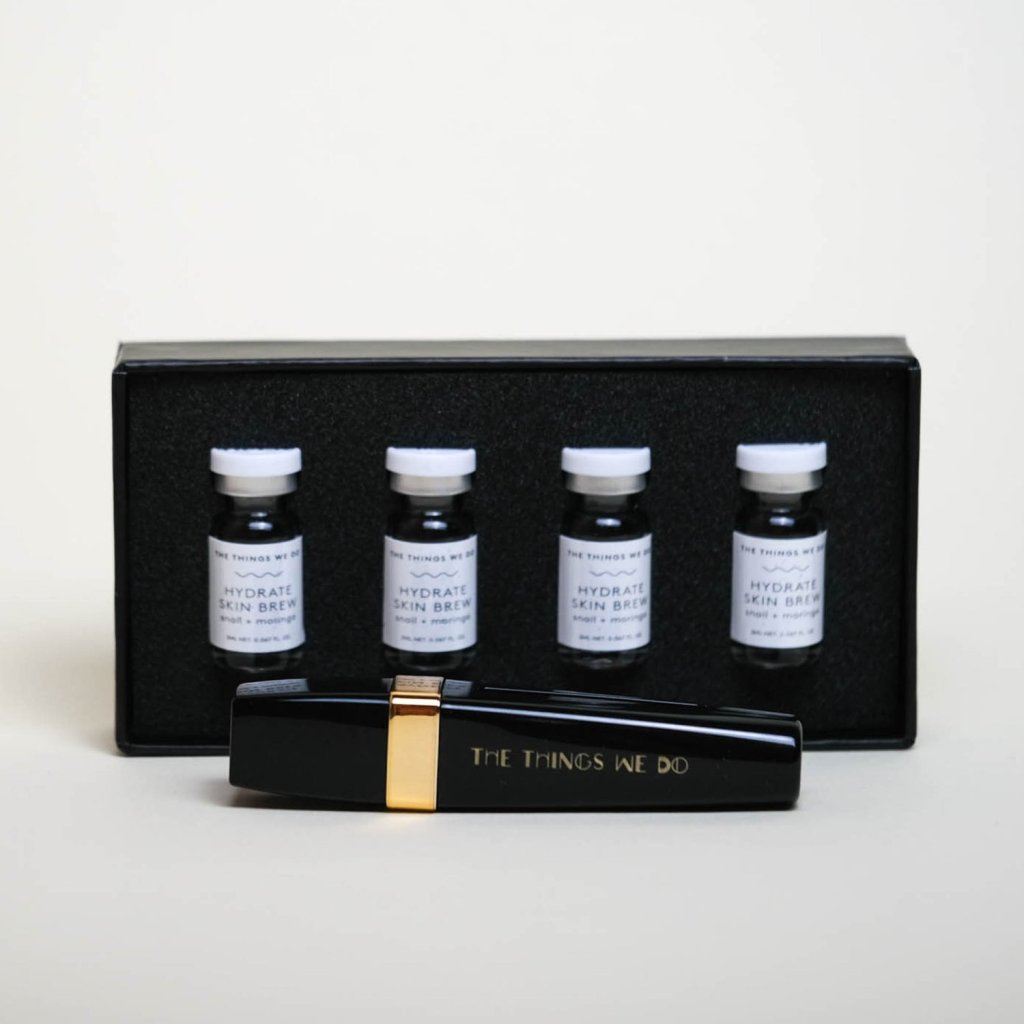
This treatment can be done by a professional with a specific machine, or at home with a roller or our favorite, this stamp set. The tiny needles make micro-injuries to the skin, causing only minor, reparable damage that results in accelerated healing and increased collagen production. When skin is healing, new cells are being pushed to the top, evening out the skin tone and texture to rid even deep scarring over time.

AHAs

GOLDE Papaya Bright
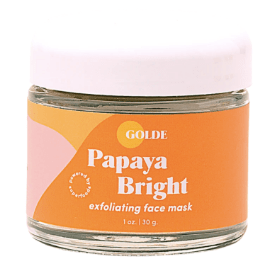
Alpha hydroxy acids are exfoliating compounds in many skincare products and naturally found in fruit acids, which is why we love this papaya enzyme mask for gentle, regular exfoliation. While we don’t want to irritate the skin by over-exfoliation, fruit acids are safe for one to two times weekly. You can also use fruit puree or even yogurt from natural lactic acid (another AHA) for an easy at-home remedy, though a little messier.

Rosemary 

LIVING LIBATIONS Rosemary Reset Powder

We don’t commonly think of this herb for skincare uses, but we definitely should. This tasty aromatic increases circulation when consumed, but also when applied topically, which brings nutrient-dense blood to the point of application, speeding healing. It’s also anti-inflammatory and reduces redness. We love this powder used as a spot treatment on our scars whilst we WFH, mixed with a little healing oil of choice, like tamanu, or DewDab for good measure.

LED Light

DMH AESTHETICS LED Light Shield Mask
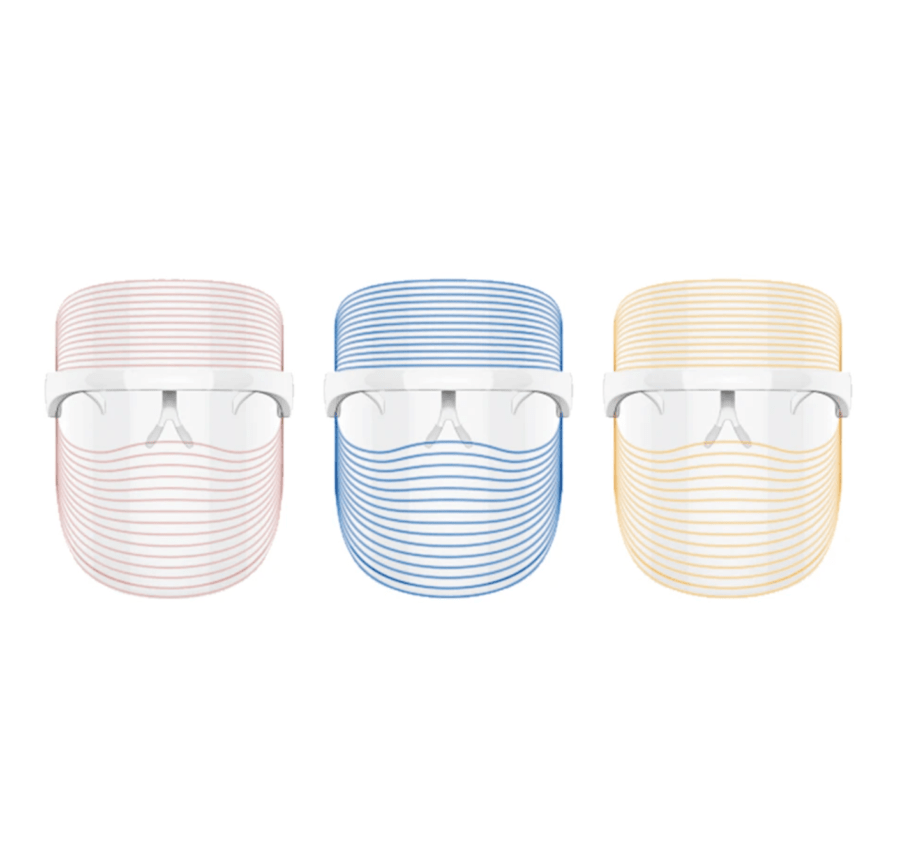
Light therapy is exploding right now, and for good reason. These light-emitting electrodes heat things up at different therapeutic wavelengths to boost circulation, speed healing, and combat the signs of aging. The DMH Aesthetics mask comes with three settings: red, blue, and amber. While blue prevents acne in the first place, red and amber will be best for stimulating new collagen and cell turnover, revealing fresh, even skin with regular use.

Advertisements

Manuka Honey

MANUKAGUARD Honey Dew Manuka Honey
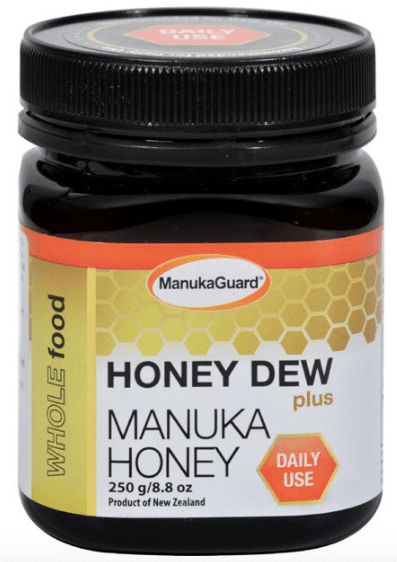
Not only is this sweet treat powerfully antimicrobial to prevent breakouts to begin with, but it’s got soothing, anti-inflammatory properties to boot. Apply a light layer as a mask as often as you like, or go for a spot treatment a few times a week.

Aloe Vera

HOLIKA HOLIKA Aloe 99% Soothing Gel
You have some DIY options here. Buy a convenient bottle of the concentrated stuff, or whack off a leaf at the source, slicing off the spikes on the side and fileting out the goo to apply directly onto the face. Aloe is super hydrating, repairing, and soothing, reducing the appearance of scars by nourishing the area. You can even apply a little slab of the clear aloe plant innards onto a scar like a Band-aid spot treatment while working from home to let it work its magic for as long as possible. Don’t overdo it though—aloe, like most other fruits and veggies, has some natural acids in it, making it mildly exfoliating. Overuse can actually cause dryness and irritation, so no need to do this twice a day, every day.

How to Treat Cracked Skin on Your Feet, Hands and Elbows

Dry skin is uncomfortable and can be hard to treat. When your skin is dry and cracked, though, it can be even more challenging to deal with. Because the skin on your hands, feet, and elbows is thick, it can be prone to these skin issues, especially during the winter. To learn how to prevent it from happening and how to heal cracked skin in these areas, keep reading. 

Advertisements

What Causes Dry, Cracked Skin?

Environmental factors like cold temperatures and a lack of humidity (hi, winter) can cause the skin to become drier than usual and lead to cracking. Other causes include hot water (so stick to lukewarm showers and baths), harsh cleansers, and skin conditions, such as atopic dermatitis or psoriasis. 

Advertisements

How to Address Dry, Cracked Skin on Your Feet, Hands, and Elbows

Keep Your Showers Short

The American Academy of Dermatology (AAD) states that keeping showers and baths short, using a mild cleanser, and opting for a warm instead of a hot water temperature can help prevent dry skin.

Pay Attention to Skin-Care Ingredients

The AAD stresses that those with dry, cracked skin should pay close attention to the ingredients in their skin-care products. Avoid products that contain dehydrating and potentially irritating ingredients like alcohol, fragrance, and harsh sulfates. 

Use a Humidifier

Humidifiers can benefit your skin all year but are particularly helpful when your skin needs extra moisture in the fall and winter. The AAD suggests using a humidifier to add some much-needed moisture into the air to help relieve dry, cracked skin.

Moisturize Your Skin Regularly and Use Healing Ointments

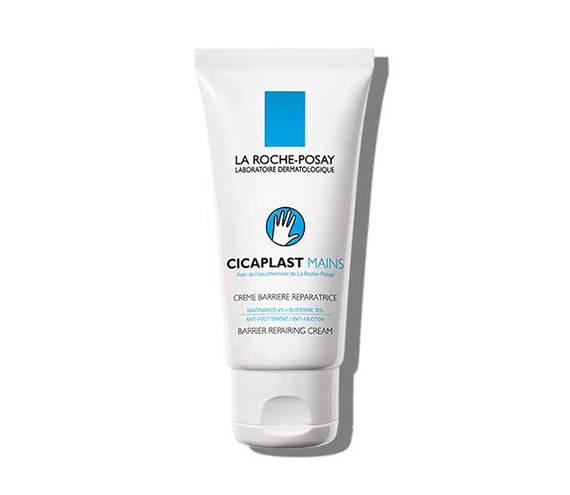
Moisturizer or lotion can help replenish and lock in moisture. The AAD recommends applying hand cream after you wash your hands. We like the allergy-tested La Roche-Posay Cicaplast Hand Cream because it not only moisturizes with shea butter and glycerin but also helps soothe damage from cold weather and frequent hand-washing. When it comes to your feet and elbows, hydrate the areas as needed, especially after taking a bath or shower while your skin is still slightly damp. 

If you’re experiencing cracked or chapped skin and your go-to cream or lotion isn’t doing the trick, reach for a soothing balm like the CeraVe Healing Ointment. Formulated to relieve irritation and extreme dryness and restore the skin barrier. 

Advertisements

SOS! My Makeup Is Pilling — How Can I Fix It?

Do you ever find that your foundation balls up on your skin after you apply your favorite sunscreen or face cream? Similar to when your knitwear has seen better days and small balls of fabric sit on the material, this is called pilling — and it’s the fastest way to ruin your skin-care and makeup in one fell swoop.

Pilling is one of the most frustrating things that can happen when applying your skincare and makeup, due to the fact it takes extra time to blend, correct, and can waste more of your expensive beauty products.

Makeup pilling is no fun, especially after you just applied a full face of makeup and your foundation starts sliding off in tiny pieces. Pilling occurs when two makeup or skin-care ingredients don’t mesh well together on your skin, and although there are ways to avoid this (more on that below), we wanted to know if there’s any way to salvage your full beat in this scenario. Ahead, we spoke with NYC-based makeup artist Mary Irwin to find out how.

Advertisements

What Causes Pilling

When your skincare or makeup pills, it looks like flakes or globs of product on your skin.

Advertisements

Pilling happens when products haven’t absorbed into the skin, whether due to:

🤍 the type of ingredient

🤍 the amount applied

🤍 the other products you’re using

🤍 the condition of your skin

🤍 The tools you are using to apply your skincare and makeup

With so many of us experimenting with multi-step skincare routines, the pilling struggle is all too real!

Here are some best tips if you’re dealing with this issue.

Can You Fix Makeup Pilling?

Irwin gets straight to the point: “Unfortunately, aside from taking a damp makeup sponge and trying to blend it in, there’s not much you can do besides take it off.” If your foundation begins to pill, wet a sponge (the L’Oréal Paris Infallible Blend Artist Foundation Blender is our fave) and tap it over the areas where it pilled off. Once you’ve blended it out, set it with a loose powder like the Maybelline New York Lasting Fix Banana Setting Powder and don’t touch it. “Don’t add anything cream or liquid over it after the fact.”

Advertisements

WE know and understand that you don’t want to remove the makeup that you spent hours perfecting so for that to not happen, the first thing you want to make sure you’re doing is exfoliate on a regular basis.

To be clear, the little balls that form are composed of product, not dead skin. But it’s still important to maintain a good exfoliation routine, because it will help your products to absorb more effectively, rather than remaining on top of a surface layer of dead skin. 

Advertisements

How to Avoid Pilling

Irwin recommends paying attention to the ingredients you’re placing on your skin to avoid pilling all together. “Use products that have a similar formula — silicone with silicone, water with water, etc.” When applying cream makeup products (which have the most tendency to pill), she recommends starting with thin layers and building them up slowly. “Also avoid layering cream over powder, because this can result in pilling too.”

The more you touch your skin, the more you disturb the products and encourage them to pill. It goes without saying that rubbing your face is a a big no-no, as this will only cause surface residue to bunch and roll up. Use light, patting motions to apply your products, and resist the urge to touch your face any more than absolutely necessary.

Advertisements

Just give yourself plenty of time in between layers and after the final layer. That will ensure you’ve absorbed most of the beneficial ingredients.

Here are 3 more videos that can be helpful when it comes to pilling:

Have you experienced product pilling?
What has helped you to prevent it?

RELATED POSTS: