Ask Lee Anything: Beauty Edition

I’ve had so much fun answering your questions in myΒ Ask Me AnythingΒ series, so today I’m focusing on your beauty-related questions sourced straight from ourΒ @BeautyLeeBar Instagram Stories. From the best face oils to my favorite haircare products, here are a few tidbits you may or may not know about me…

Advertisements

1. What is your favorite serum or oil?

Hands down OLEHENRIKSEN Banana Bright 15% Vitamin C Dark Spot Serum and Tarte Maracuja Oil. The serum and the facial oil make my skin look brighter, radiant, glowy, and smoother. I always apply the two in the morning and at night.

2. What’s your favorite face sunscreen?

I like Fenty Skin Hydra Vizor Refillable Invisible Face Moisturizer SPF 30 with Niacinamide and Shiseido Clear Sunscreen Stick SPF 50+. It layers well with my skin products and makeup. I like that it doesn’t feel greasy on my skin and that the sunscreens don’t leave my face with white streaks.

3. What shampoo and conditioner hair products do you use to keep it healthy?

I like TPH By Taraji Shampoo and Conditioner with Camille Rose Sweet Ginger Cleansing Rinse. It keeps my hair soft, clean, and hydrated. My hair is so easy to untangle with these products.

4. Eyebrow tips for light brows?

Besides using a brow pencil or gel, you might want to consider Microshading. For something less of a commitment, try LAMINATION.

5. Do you prefer a side part or a middle part?

Though I may be a millennial, I most often part my hair in the middle. Unless I am going for vintage-inspired styles, I find it flatters my face more than a side part.

6. Any suggestions for any retinol-free anti-aging products?

If you’re not a huge fan of retinol, you can try products with bakuchiol, a plant-based alternative to retinol that has similar effects. Make sure to do yourΒ researchΒ before trying any new ingredients, however.

Advertisements

7. Do you use the same products and the same routine in the AM and PM?

In the morning, I always wear sunscreen, and at nighttime, I try to incorporate more serums and oils, along with a thicker moisturizer to hydrate my skin overnight.

8. What recommendations do you have for really dry skin?

I’d say to include moreΒ hyaluronic acidΒ into your routine. It’s great forΒ hydrating the skin.

Advertisements

9. What’s your favorite lip gloss?

It is not a lip gloss more like a lip oil but it’s Rare Beauty by Selena Gomez Soft Pinch Tinted Lip Oil and Fenty Skin Cherry Treat Conditioning + Strengthening Lip Oil. I do have the Fenty Beauty by Rihanna Gloss Bomb Universal Lip Luminizer in my purse as well but right now the lip oils are giving for me.

This lip gloss/lip oil is my favorite and is always in my purse no matter where I go. I love it because it has a gorgeous shade that looks so flattering and pretty on the lips, especially on black women.

10. Do you wear natural deodorant? If so, do you have a favorite brand?

I do wear natural deodorant, and my favorite brand isΒ Lavanila Aluminum-Free Natural Deodorant. It comes in a nice Vanilla Lavender scent that I always carry in my purse to re-apply when necessary.

Advertisements

What other beauty questions do you have for me?

Let me know in the comments below.

Beauty Q and A: Should I Use a Lip Scrub Before Applying Lipstick?

Chapped lipsΒ can make it difficult to get a flawlessΒ lipstick application. For a soft, smooth canvas, aΒ lip scrubΒ is a must-have. To find out just how and why to incorporate lip scrubs into your lip routine, we talked toΒ Sara Happ, lip expert and founder of the eponymous brand. Read on for her tips so you can start swiping on the hottestΒ summer lip colorsΒ with ease.

The Benefits of Using a Lip Scrub

Β β€œUsing a lip scrub gives you smooth lips that make a great base for lipstick to adhere to,” Happ says. A scrub is especially key if you’re wearing a matte liquid lipstick, like theΒ L’OrΓ©al Infallible Pro-Matte Liquid Lipstick, which can emphasize texture if you don’t exfoliate.Β Β 

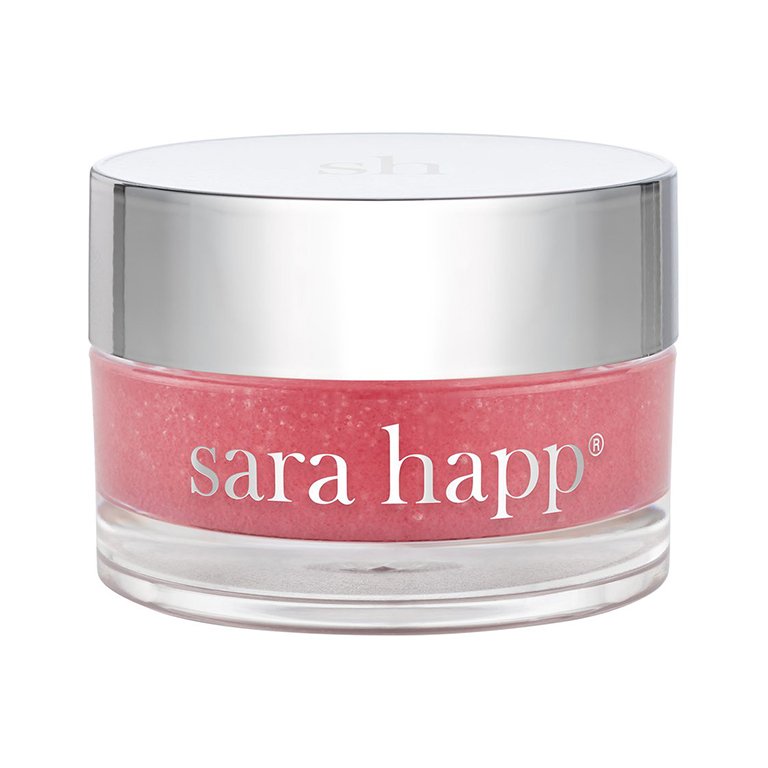
To ensure safe use, you want to make sure you’re scrubbing your lips with products that are built to smooth and moisturize your pout. β€œAvoid using scrubs with ingredients that could hurt your lips β€” such as bits of almonds or other sharp materials,” Happ says. Look for nourishing oils, like jojoba and almond, with sugar to exfoliate, like theΒ Sara Happ The Lip Scrub in Pink Grapefruit.

Sara Happ The Lip Scrub in Pink Grapefruit

How to Use a Lip Scrub

To properly use a lip scrub, massage the product onto dry lips with your fingers, then wipe away flakes with a tissue. Follow up with a moisturizing lip balm to prevent lips from drying out.

Happ recommends using a scrub every day to help β€œmaintain healthy, smooth lips even throughout harsh weather or travel.” It’s important to note, however, that you should be mindful of avoiding irritation. β€œDon’t scrub cracked or bleeding lips,” Happ notes. Instead, use a product likeΒ The Lip Slip GlossΒ to help rehydrate. β€œOnce they’re healthy again, start scrubbing every day,” she explains. Scrubbing cracked lips will make them worse, which is why it’s important to make sure they are moisturized beforehand.

SOS! My Makeup Is Pilling β€” How Can I Fix It?

Do you ever find that your foundation balls up on your skin after you apply your favorite sunscreen or face cream? Similar to when your knitwear has seen better days and small balls of fabric sit on the material, this is called pilling β€” and it’s the fastest way to ruin your skin-care and makeup in one fell swoop.

Pilling is one of the most frustrating things that can happen when applying your skincare and makeup, due to the fact it takes extra time to blend, correct, and can waste more of your expensive beauty products.

Makeup pilling is no fun, especially after you just applied a full face of makeup and your foundation starts sliding off in tiny pieces. Pilling occurs when two makeup or skin-care ingredients don’t mesh well together on your skin, and although there are ways to avoid this (more on that below), we wanted to know if there’s any way to salvage your full beat in this scenario. Ahead, we spoke with NYC-based makeup artist Mary Irwin to find out how.

Advertisements

What Causes Pilling

When your skincare or makeup pills, it looks like flakes or globs of product on your skin.

Advertisements

Pilling happens when products haven’t absorbed into the skin, whether due to:

🀍 the type of ingredient

🀍 the amount applied

🀍 the other products you’re using

🀍 the condition of your skin

🀍 The tools you are using to apply your skincare and makeup

With so many of us experimenting with multi-step skincare routines, the pilling struggle is all too real!

Here are some best tips if you’re dealing with this issue.

Can You Fix Makeup Pilling?

Irwin gets straight to the point: β€œUnfortunately, aside from taking a damp makeup sponge and trying to blend it in, there’s not much you can do besides take it off.” If your foundation begins to pill, wet a sponge (the L’OrΓ©al Paris Infallible Blend Artist Foundation Blender is our fave) and tap it over the areas where it pilled off. Once you’ve blended it out, set it with a loose powder like the Maybelline New York Lasting Fix Banana Setting Powder and don’t touch it. β€œDon’t add anything cream or liquid over it after the fact.”

Advertisements

WE know and understand that you don’t want to remove the makeup that you spent hours perfecting so for that to not happen, the first thing you want to make sure you’re doing is exfoliate on a regular basis.

To be clear, the little balls that form are composed of product, not dead skin. But it’s still important to maintain a good exfoliation routine, because it will help your products to absorb more effectively, rather than remaining on top of a surface layer of dead skin. 

Advertisements

How to Avoid Pilling

Irwin recommends paying attention to the ingredients you’re placing on your skin to avoid pilling all together. β€œUse products that have a similar formula β€” silicone with silicone, water with water, etc.” When applying cream makeup products (which have the most tendency to pill), she recommends starting with thin layers and building them up slowly. β€œAlso avoid layering cream over powder, because this can result in pilling too.”

The more you touch your skin, the more you disturb the products and encourage them to pill. It goes without saying that rubbing your face is a a big no-no, as this will only cause surface residue to bunch and roll up. Use light, patting motions to apply your products, and resist the urge to touch your face any more than absolutely necessary.

Advertisements

Just give yourself plenty of time in between layers and after the final layer. That will ensure you’ve absorbed most of the beneficial ingredients.

Here are 3 more videos that can be helpful when it comes to pilling:

Have you experienced product pilling?
What has helped you to prevent it?

RELATED POSTS:

Beauty Q and A: Why Is My Foundation Patchy?

Patchy foundationΒ is a makeup lover’s worst nightmare β€” especially if you’ve spent a significant amount of timeΒ perfecting your beat. As it turns out, there are ways to completely avoid patchy makeup and foundation, and all it takes is hydration andΒ the right makeup base. Ahead,Β we broke down how to keep patchy foundation at bay, plus how to fix it if it happens to you.

What Causes Patchy Foundation?

There are many reasons why your foundation might be patchy. The wrong formula of foundation, mixing products with ingredients that don’t match or dehydrated skin are all culprits. For example, mixing a silicone-based primer with a water-based foundation is going to separate on the skin because the ingredients don’t mesh well. How to know if your foundation or primer is silicone based? It can be tricky, but the most commonly listed silicones (you’ll nearly always find them at the top of the ingredients list) include cyclopentasiloxane,Β siloxane and dimethicone. Also, most people are not as oily as they think they are, and using ultra matte foundation on already dry skin is another recipe for a patchy face.

How to Avoid Patchy Foundation

When it comes to avoiding the patchy foundation phenomena, we suggest that you want to pay extra attention to the products you use, and make sure your skin is well hydrated and prepped for makeup. A good moisturizer, a primer that mixes well with foundation and setting the foundation will all help to make sure your makeup stays where you want it.

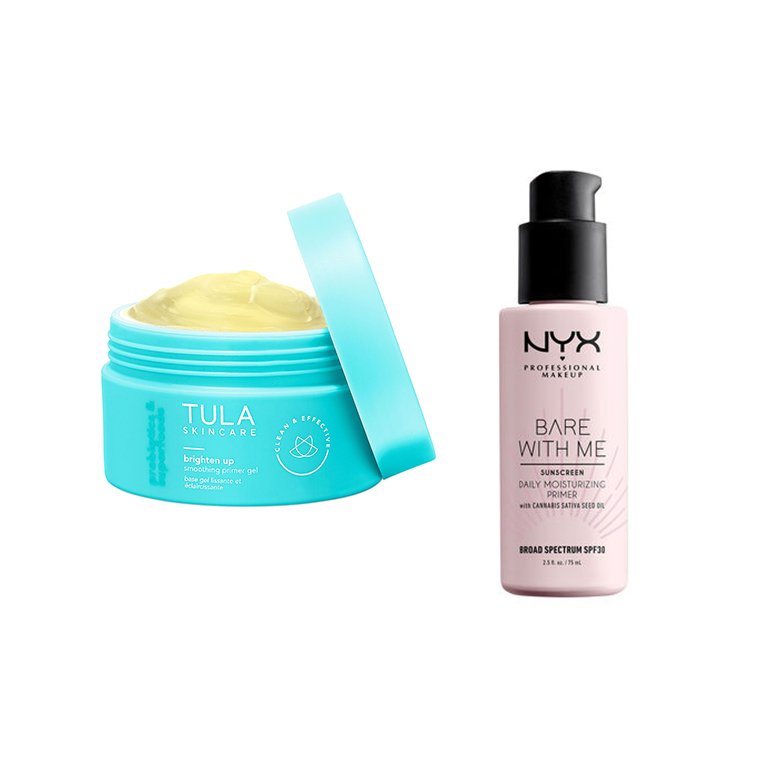
For this, we recommend beginning your routine with a hydrating moisturizer like theΒ NYX Professional Makeup Bare With Me Cannabis Sativa Seed Oil Moisturizing Primer SPF 30. Next, apply a hydrating, gripping primer like theΒ Tula Brighten Up Smoothing Gel PrimerΒ that will not only moisturize your skin, but it will also lock in foundation. Apply a water-based foundation on top, like theΒ Urban Decay Stay Naked Lightweight Liquid Foundation.Β 

How to Fix Patchy Foundation

If the skin isn’t properly hydrated, it will draw the moisture from any product you apply on top of it; hence, your poor dehydrated skin will suck up all the water and emollients from your foundation, leaving you with small and unevenly dispersed splodges of color pigment. The moral of the story? Always make sure to apply an even layer of moisturizer over the skin before reaching for the foundation bottle.

Prepping the skin correctly before foundation is the true way to eradicate patchiness before it starts, but if your foundation is already patchy, here is another trick that can help, take a damp sponge and blend out the patchy spots.

More Primp Tips

If we neglect the exfoliation step within our skincare routines, it will likely result in our foundation applying unevenly, and gripping on to (and exaggerating) our dry patches and textural issues. Using a mild liquid exfoliator will help to keep dry patches at bay, and will keep the skin looking even and smooth.

Will you be taking any of these tips on board, or do you have any methods or tricks you’ve found helpful? Let us know!