10 EYESHADOW TIPS EVERYONE SHOULD KNOW

Your eyes are arguably one of your strongest assets. They are the so-called windows to your soul after all, which is all the more reason to brush up on your eyeshadow skills. But applying eyeshadow like a pro can be tricky. What are all those different sections of a palette for? What type of brush should you use? Let’s go back to the basics. Ahead, find our ten golden rules for applying eyeshadow and you’ll be golden, too.

STEP #1: Always Use Primer 

An eyeshadow primer creates a clean canvas for you to work with, and it acts as a barrier between your eyeshadow and the natural oils in your skin. That way, your makeup stays put so you can keep touch-ups to a minimum. Try a formula like Urban Decay Eyeshadow Potion Primer.

STEP #2: Enhance Your Natural Eye Color 

You want to choose an eyeshadow shade that accentuates your natural eye color. Finding colors that best complement your eyes takes some experimenting, but here’s a good place to start:

Blue Eyes: Shadows with bronze or peachy tones help blue eyes pop. Slate gray is another great option.

Green Eyes:A plum-colored shadow looks very flattering if you have green or hazel eyes. Rusty shades are also gorgeous.

Brown Eyes:If you’re a brown-eyed girl like me, we’re lucky because most shades look great on us. But gold or purple hues are especially flattering

STEP #3: Know Your Eye Shape 

Do you have deep-set eyes? Close-set? Hooded? Determining the shape of your eye helps you decide which shading technique is right for your specific features and plays up your natural beauty.

STEP #4: Decode Your Palette

You might be tempted to open an eyeshadow palette and just have at it, but it’s important to know which sections correspond to each part of your eye. Trust us, there’s a method to all this palette madness! There’s a variety of palettes out there, but here’s a general breakdown of your basic eyeshadow quad palette (the NYX Professional Makeup Ultimate Eyeshadow Palette in Warm Neutrals is a great one to start with). 

Lightest color: This is your base color. Apply this shade from your upper lash line all the way up to right beneath your brow. You can also use this color in the inner corner of your eye to add a bit of brightness.

Second lightest: This is your lid color, as it’s slightly darker than the base. Brush this over your lid from your upper lash line to your crease.

Second darkest: This is applied to the crease for a contouring effect. This should go over the area where your brow bone meets your lid to create definition.

Darkest color: Finally, the liner. Using an angled brush, apply it to your upper lash line (and lower lash line if you want a bold boost), making sure to brush where the root of your lashes meets your lid so there’s no visible gap.

STEP #5: Blend, Blend, Blend

We can’t stress this one enough! Blending your edges can be the difference between your eyeshadow looking flawless and looking like … well, a hot mess. Don’t smear. Use a light touch and gently sweep your brush along your lid, blending harsh lines. To blend like a pro, you need the right brushes, which brings us to step #6.

STEP #6: Invest in the Right Brushes

There are so many eyeshadow brushes out there in every shape and size, it can get confusing. Here are the three most important ones you should own:

Basic eyeshadow brush:The bristles are flat and stiff, and you use this for all-over color.

Blending brush:The bristles are soft and fluffier for seamless blending.

Angled eyeshadow brush:This is a precision brush that is perfect for lining your eyes.

STEP #7: Take Care of Your Tools

Cleaning your eyeshadow brushes is probably at the bottom of your to-do list, but it’s really important. We’re talking about your eyes here, so cleanliness is key. Run your brush under lukewarm water and then pour a nickel-sized amount of baby shampoo into your hand. Swirl the brush in the shampoo, rinse well and pat dry with a clean cloth.

STEP #8: Choose Your Formula Wisely

Pressed eyeshadows are your basic, most common formula. They’re a great, mess-free option. Cream shadows are perfect if you want a dewy sheen, but they can crease easily — especially if you have oily lids. Loose shadows usually come in a small pot, and while you’ll feel like a professional makeup artist using them, they are definitely the messiest of the three.

STEP # 9: Let a Bold Eye Shine 

A smoky eyeshadow looks gorgeous on its own, but once you add a dramatic lip into the mix, the two can overwhelm each other. Don’t be afraid to go bold, but just make sure your overall look has balance.

STEP 10: Keep it All in Place With a Setting Spray 

Get the most mileage out of your makeup by using a setting spray as your final step. Hold the bottle at arm’s length from your face and spritz away. We love the Urban Decay All Nighter Ultra Matte Setting Spray.

Read More:

WHY YOUR BLUSH LOOKS SPLOTCHY — AND HOW TO FIX IT

Patchy, streaky and blotchy blush is certainly not ideal. It happens to the best of us: One minute, you have rosy cheeks, and the next, you have hot pink product clumps that resemble clown makeup. While a botched blush job can leave much to be desired, the correct blush application and products can help give you a naturally flushed, rosy and fresh complexion. To help you say goodbye to blush mishaps once and for all, we’ve listed our top tips for avoiding too-pink, streaky cheeks, ahead. 

Blush Tip #1: Exfoliate Your Skin

One of the best ways to ensure smooth makeup application is by creating a smooth base. If your skin is dry and flaky, your blush — or anything else for that matter — will look streaky and uneven. Lightly exfoliate once or twice a week with a gentle scrub like the Lancôme Exfoliating Rose Sugar Scrub. It will help remove dead skin cells and flakes that could be messing with your makeup.

Blush Tip #2: Prime Your Complexion

Make sure to moisturize. A hydrated base helps create a supple canvas for makeup. To take it a step further, use a pea-size amount of primer to help blur imperfections and give you a more flawless foundation application that will stay on and look fresh throughout the day. Recently, we’ve been loving the Giorgio Armani Luminous Silk Hydrating Primer. 

Blush Tip #3: Use the Right Tools for Application 

In the same vein of keeping things smooth, it’s important to have an even base of foundation before applying your blush on top. We like to use a beauty sponge or foundation brush, like the IT Cosmetics Heavenly Luxe Complexion Perfection Brush #7, so that the product is distributed evenly across the face. (Pro tip: If you have naturally oily skin, opt for a matte foundation so that your skin’s natural oils don’t interfere with cream or powder blush.) 

Blush Tip #4: Select the Right Cheek Product 

Selecting the right formula can have a big impact on how your product applies and wears throughout the day. If you have dry skin (thanks, winter!) look for formulas that are cream or liquid and easily blendable to help your complexion stay hydrated throughout the day. We’re obsessed with the Maybelline New York Cheek Heat. It gives a natural looking flush, comes in six different shades, is buildable and leaves behind a gorgeous glow. 

Blush Tip #5: Use a Clean Brush

Blush brushes are designed to have tightly packed bristles for splotch-free application. They’re normally tapered or angled for even distribution and a naturally blended look. But, if your blush brush hasn’t been cleaned in a while, all the excess makeup and oil from your skin will build up on the bristles and keep your blush from going on smoothly. Be sure to wash your brushes around every two weeks. If you’ve cleaned your trusted blush brush and are still experiencing splotches, it may be because the density and shape of your brush may have changed. Try switching it out for the IT Cosmetics Heavenly Luxe Boutique Blush Brush #4 — our personal favorite. 

Blush Tip #6: Blend it Out 

After applying blush to the apples of your cheek, make sure you blend out the product with your brush or a makeup sponge (ideal for gel or cream products) to create a natural, diffused look. If you’re using a gel-like blush, you can also use your fingers.

Blush Tip #7: Set it! 

As the day wears on, your blush tends to wear off. Once the flush fades away, it can start to look blotchy as the pigment breaks down. To avoid this, after blending your makeup, set everything in place. Do a quick spritz of setting spray before walking out the door. We’re loving the Urban Decay All Nighter Long Lasting Setting Spray

Read More:

Ways to Make Your LIPS LOOK FULLER (NATURALLY)

Societal standards of beauty are ever-changing and have come a long, interesting way from the ideals of ghostly white powdered skin, strong Roman noses, and tiny, pinched pouts of ladies painted with love and lust in Renaissance imagery. The past several decades have shifted toward ample lips that practically beg to be kissed.

We tend to think of beauty as an ownable entity, and that everyone’s unique look is what makes the beauty spectrum subjective and exciting. Besides, confidence outshines and outlasts any societal beauty expectations, so we say start there. The root of feeling confident starts with a healthy dose of self-love, and your lips’ fullness potential comes from a little TLC—so treat your kisser to a little extra care.

Exfoliate.

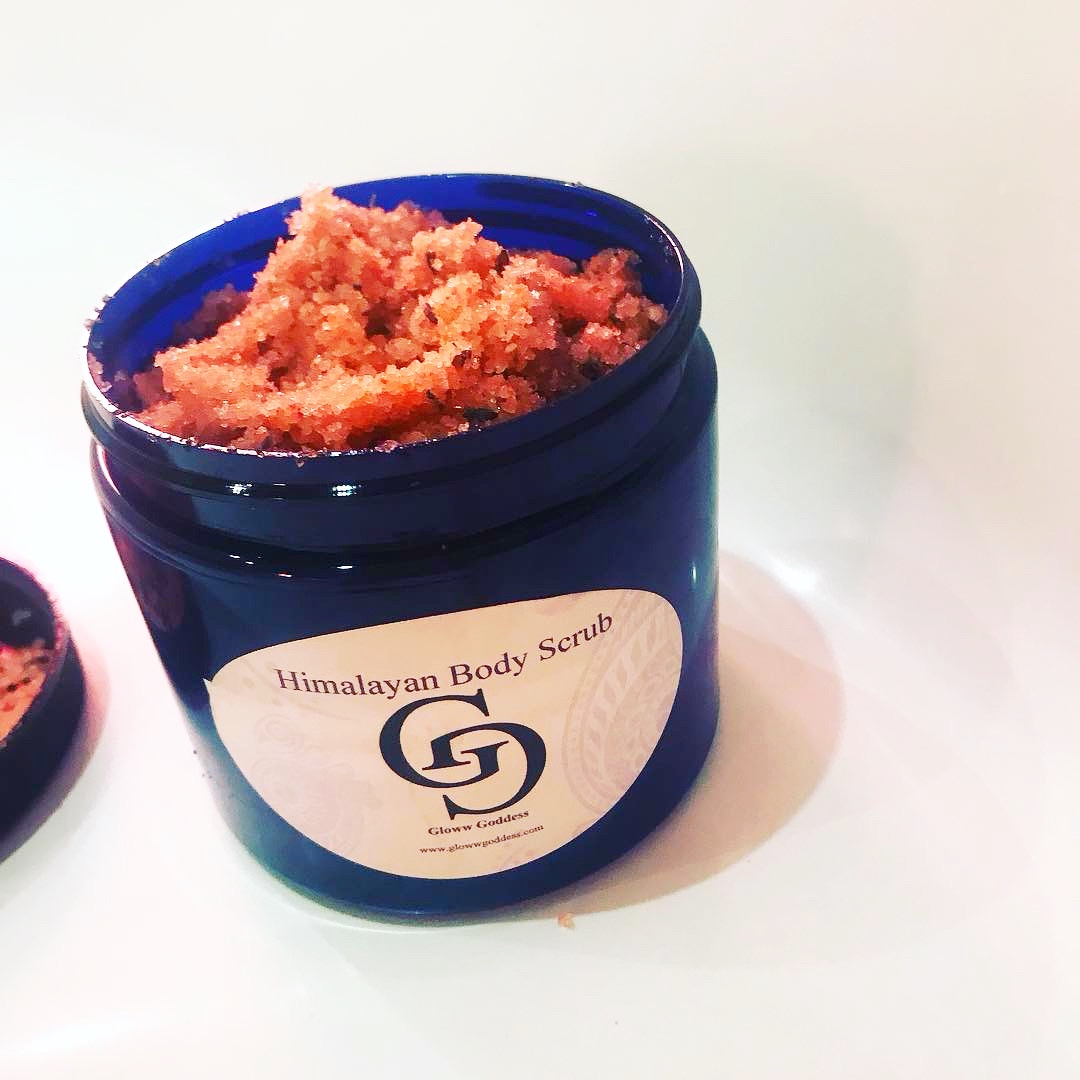
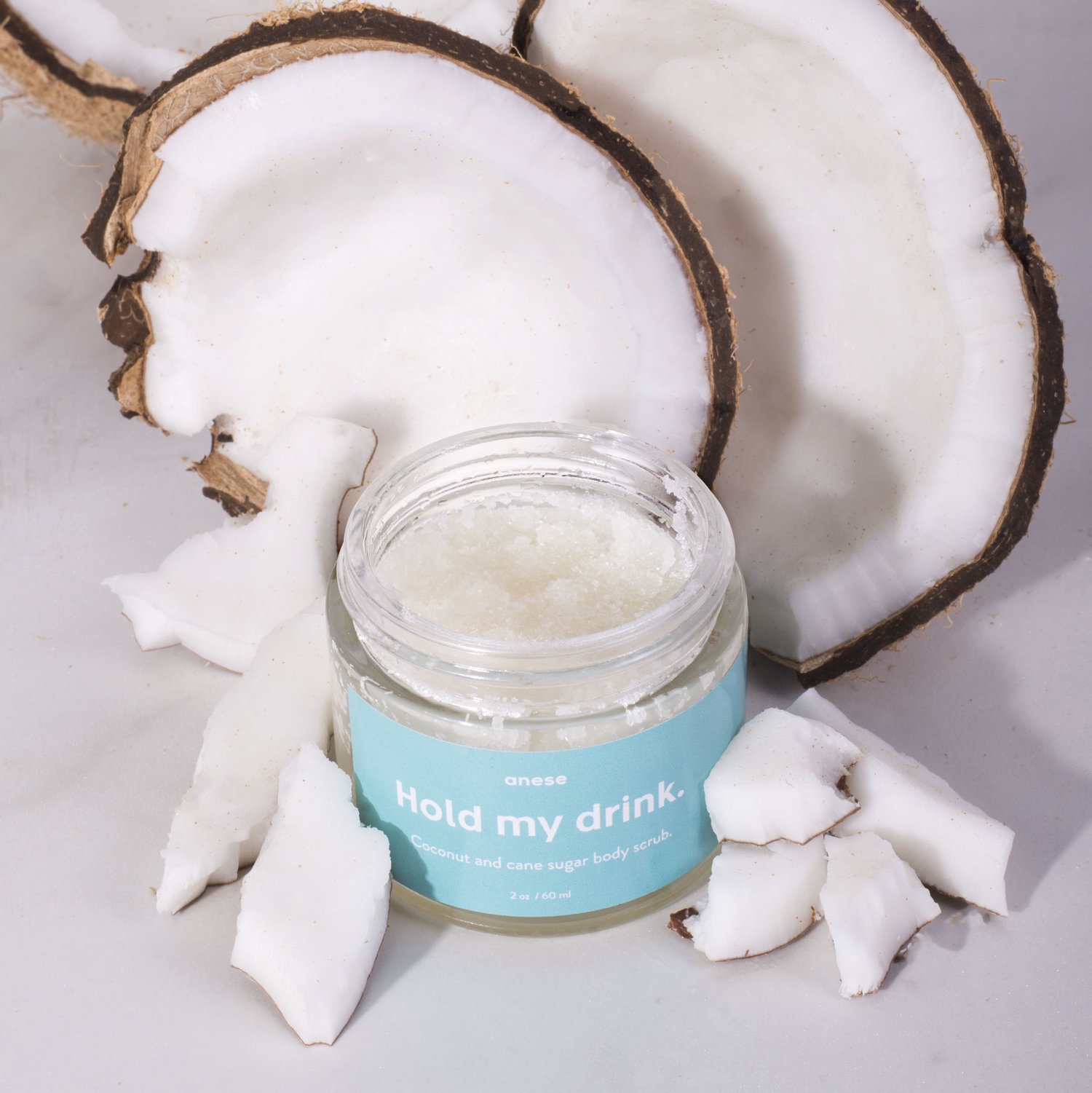
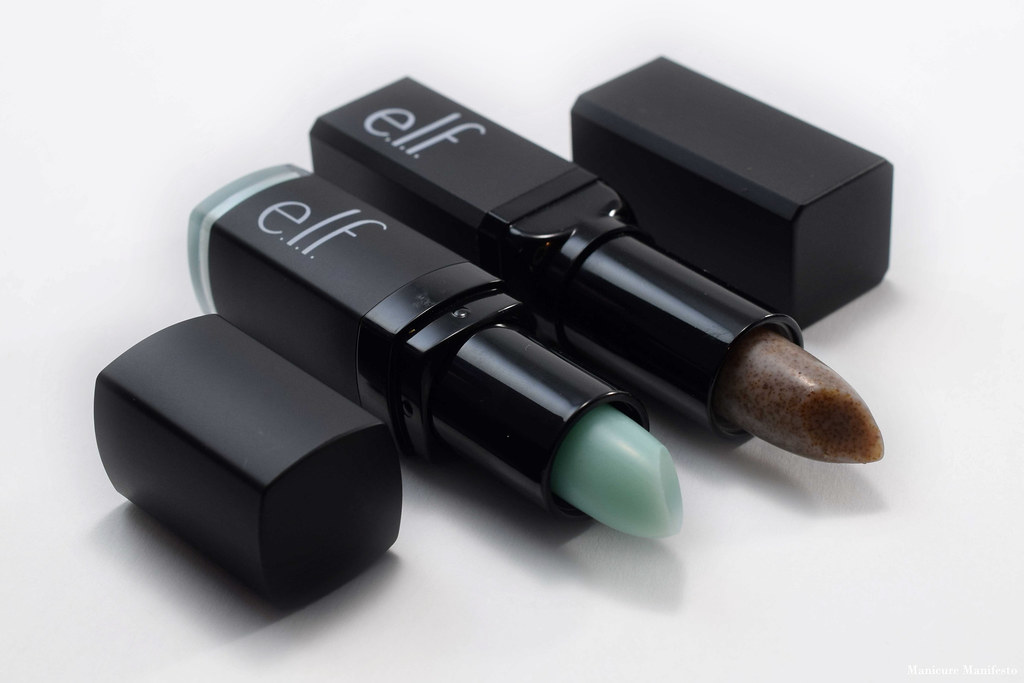
A dry, pale, shriveled lip is no canvas for lip color, nor exactly a beckoning call for a smooch. Exfoliation will rid your lips of any dry, scaly flakes and bring circulation to the area. This extra blood flow naturally fills a few cracks for an instant plump, and brings a flushed and rosy tint to your natural lips for a little color on their own. A lip scrub is perfect for the task, and most of them on the market are sugar-based, so if a little gets in your mouth (and it will), it’s perfectly safe and probably a little sweet. Try our DIY lip scrub recipe here.

Strategically line.

And, never forget a plump pout’s best friend, lip liner. Not only does this help keep your lip color contained in the right perimeters (aka not bleed out for a Joker-style grin), but it also lends you a little creativity about where you want to define your lip line. We definitely suggest that subtlety is key here—going too far outside your lips toes the line of drag or even clown makeup. Both of which have their time and place, though it might not be at your office job or out on a casual date.

A very impactful difference can be made by penciling in just barely outside your lip line, mostly at the center edges of your lip and coming in closer to your true, natural lip at the corners of your mouth. Exaggerating just the cupid’s bow can make a world of change in the shape of your final look. It’s doll-like with reds, deep pinks, and berry hues, or sultry with a spectrum of nude shades.

Add a gloss.

The same way that exfoliation smooths things out, a gloss will help your lips reflect light for a larger look, too. If glossy isn’t really your thing, try just applying it to the center of your lips, so the shine is contained but creates a serious highlight.

Subtle contour.

A little bit of bronzer at the bottom part of your lower lip—right where a natural shadow occurs—can help. Use an eyeshadow brush to create a thin line just at the center point beneath your lower lip to exaggerate the shadow and make your lip appear more voluminous.

Try a stimulating balm.

If you prefer to go completely natural and want your full plump potential sans lip color or makeup, a stimulating ingredient in a balm or lip oil can help bring that coveted circulation back to your lips for easy reapplication all day. Peppermint and cinnamon are both incredibly stimulating—you can even feel the tingle. Look for products that already have them in the formula, or simply add a drop of the essential oil to your favorite lip balm. If you’re not sure of any sensitivities you may have to either oil, test on a small patch of skin on your arm, first.

BEAUTY PI: HOW SHEER LIPSTICKS ARE MADE

Sheer lipsticks are all the rage lately — they give you that just-bitten stained finish without too much pigmentation, making them a dream for makeup minimalists everywhere. But because this translucent lipstick finish wears much differently than its richly-pigmented counterparts, we were curious to know how they’re made. Ahead, we tapped Roselin Rosario, L’Oréal Associate Principal Chemist, and Yan Lee, Lipstick Chemist and Color Formulation Expert at L’Oréal for the lowdown. Ahead, find out what gives sheer lipsticks their tinted touch.

What Are Sheer Lipsticks?

According to Lee and Rosario, sheer lipsticks are not much different than regular lipsticks created in the labs, other than the fact that their pigment numbers are typically a lot lower. “A typical lipstick contains 5-10% of pigment, a bold, high-pigmented lipstick has 10-15%, and a sheer lipstick has less than 5%,” says Lee. This lower percentage of pigment results in lower coverage, which thus becomes its sheer effect. 

Are Sheer Lipsticks Made Differently Than Regular Lipsticks?

That said, making a sheer lipstick in the lab is definitely a little different than your regular lipstick. “When we balance the pigment load with the rest of the formula composition, we have to ensure it will perform its best,” says Lee. Sometimes, when a low amount of pigment is added, the formula comes out too soft, which means that other changes in the composition of the rest of the ingredients are needed. Once the delicate balance is figured out, the formula cools and sets like a regular lipstick. 

How Are Sheer Lipsticks Tested?

Sheer lipsticks are also tested thoroughly in the lab before hitting the market. “The coverage of any lipstick (including sheer lipsticks!) are tested using a contrast card, which is a piece of paper or plastic material with a white and black side,” says Lee. The lipstick is then applied on top of the card, and how much of what you see of the black and white background will help assess how pigmented the formula is. “For sheer lipsticks, both colors should still be seen. For full-coverage lipsticks, the background should be fully covered,” she explains.

Are Sheer Lipsticks More Moisturizing?

Besides their transparent, buildable coverage, sheer lipsticks are popular because they often feel more moisturizing or hydrating to their wearers. Lee adds that there’s a good reason for this: “Because sheer-coverage lipsticks have a lower amount or different composition of fillers, they do not tend to feel drying.” Whether your sheer lippie has a satin or matte finish (like the YSL Rouge Pur Couture The Slim Sheer Matte), it’s likely to feel softer, more malleable and less dry, thanks to its lower concentration of ingredients.