Beauty Q and A: Should I Use a Lip Scrub Before Applying Lipstick?

Chapped lips can make it difficult to get a flawless lipstick application. For a soft, smooth canvas, a lip scrub is a must-have. To find out just how and why to incorporate lip scrubs into your lip routine, we talked to Sara Happ, lip expert and founder of the eponymous brand. Read on for her tips so you can start swiping on the hottest summer lip colors with ease.

The Benefits of Using a Lip Scrub

 “Using a lip scrub gives you smooth lips that make a great base for lipstick to adhere to,” Happ says. A scrub is especially key if you’re wearing a matte liquid lipstick, like the L’Oréal Infallible Pro-Matte Liquid Lipstick, which can emphasize texture if you don’t exfoliate.  

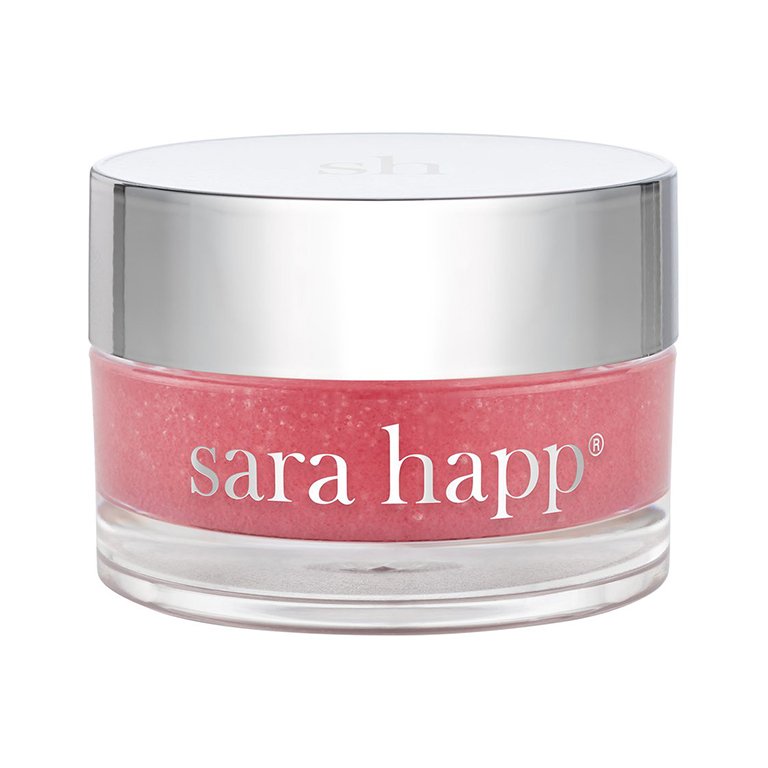
To ensure safe use, you want to make sure you’re scrubbing your lips with products that are built to smooth and moisturize your pout. “Avoid using scrubs with ingredients that could hurt your lips — such as bits of almonds or other sharp materials,” Happ says. Look for nourishing oils, like jojoba and almond, with sugar to exfoliate, like the Sara Happ The Lip Scrub in Pink Grapefruit.

Sara Happ The Lip Scrub in Pink Grapefruit

How to Use a Lip Scrub

To properly use a lip scrub, massage the product onto dry lips with your fingers, then wipe away flakes with a tissue. Follow up with a moisturizing lip balm to prevent lips from drying out.

Happ recommends using a scrub every day to help “maintain healthy, smooth lips even throughout harsh weather or travel.” It’s important to note, however, that you should be mindful of avoiding irritation. “Don’t scrub cracked or bleeding lips,” Happ notes. Instead, use a product like The Lip Slip Gloss to help rehydrate. “Once they’re healthy again, start scrubbing every day,” she explains. Scrubbing cracked lips will make them worse, which is why it’s important to make sure they are moisturized beforehand.

Beauty Q and A: What Is Microshading?

We’ve heard of microbladingmicro feathering, but recently another eyebrow tattoo option has made its way onto our radar and that’s microshading. When it comes to permanent makeup, doing your research before getting anything done is non-negotiable. So, if you’re curious whether microshading is for you, keep reading. We tapped professional brow expert Joey Healy to learn more about this eyebrow procedure and how it differs from microblading. 

Advertisements

What Is Microshading? 

According to Healy, microshading is often referred to as ombré or powder brows and looks like a more fuller-looking brow. It utilizes a fine tattoo pen to create tiny dots as opposed to microblading, which creates short strokes. “ With microshading, you can change the density pattern depending on how close or far away those dots are,” says Healy. “ The closer together the dots are, the darker the result is. It’s very much like an impressionist painting, which is the best way to think of it.” 

Who’s a Good Candidate for Microshading?

“ Microshading is thought to be better for those with sensitive or oily skin,” says Healy. That’s because the pigment is applied as individual dots as opposed to strokes which is a bit more gentle and distributes the pigment in a concentrated area making it last a little bit longer. Healy also explains that if you like fuller-looking brows, microshading might be worth considering. “ The thing about microshading is that it’s a little bit darker,” he says. “ It’s a little bit more of that Instagram kind of brow.”

Advertisements

How Long Does Microshading Last?

Touch-ups are generally recommended every eight to 12 months. Healy explains that it lasts longer than microblading with fewer touch-ups, but everyone is different, so it’s important to take your skin type and needs into consideration and consult with your brow technician about aftercare. 

Advertisements

Can You Create a Microshaded-Like Look at Home?

If you like the idea of microshading but are nervous about the commitment, rest assured you can recreate the look using powder brow products at home. 

“ If you want to do microshading, use a brow powder and concentrate it on the areas you want it the most,” says Healy. If you need a product recommendation, the Joey Healy Luxe Brow Powder and the Duo Brow Brush make it easy to achieve soft and natural-looking brows. For a drugstore pick, we like the Maybelline New York Tattoo Brow 36HR Pigment Pencil, which comes in an easy-to-use-pencil. 

Once you have your product of choice, it’s time to create your shadow. “ I always recommend doing very little in the front so the brow isn’t boxed in,” says Healy. “ Then, I suggest doing a little bit more towards the arch and the tail to give a little bit more definition and that kind of ombre effect.”

L’Oreal Paris

Brow Stylist Micro Ink Pen by Brow Stylist Up to 48HR Wear 

  • Instant longwear Brow Tint, Hair-like effect, Up to 48HR wear
  • Get precise, defined, natural looking brows
  • Precise comb tip for smooth application
  • Waterproof, No color-fade, Smudge resistant, No Transfer, Dermatologist tested for safety
  • 96 percent precisely tints eyebrows – Results from a consumer test
Advertisements

Quick Q: Should I Apply Skin-Care Products on Wet Skin?

Even the most seasoned skincare enthusiasts might have some missteps in their daily routine — like not knowing what order to apply different products in or mixing ingredients that don’t play well together by accident. Another one of these skincare mishaps is a habit we’re all likely doing: drying our face before applying products. And as it turns out, skincare is best applied to wet or damp skin. We spoke with board-certified dermatologist Dr. Michelle Farber of Schweiger Dermatology about why this is the case, what the benefits are, and how to know if it might be a vital step for you.

Advertisements

Why Should You Apply Skincare Products to Damp Skin?

“The benefit is allowing your skin to better absorb the main ingredients in your products,” says Dr. Farber. When your skin is wet and permeable, it allows most products to penetrate through more easily. That being said, with damp skincare application comes responsibility, she adds, like “choosing the right products for your skin, making sure you don’t overdo it with too many products and adding appropriate moisturizers to help keep your regimen balanced.”

What Types of Skin-Care Products Should You Apply to Wet Skin?

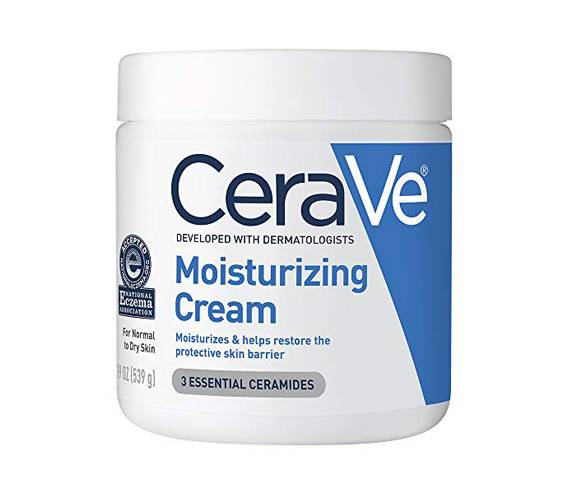
By far the best product to apply on wet skin is a moisturizer, says Dr. Farber. “Applying a moisturizer right after the shower is a great way to keep your skin hydrated.” If you need a recommendation, the CeraVe Moisturizing Cream is a rich face and body moisturizer that we love for it’s a non-greasy formula and ability to deeply hydrate the skin. 

CeraVe
Moisturizing Cream

When it comes to more potent skincare products like serums, however, you want to be careful about how much you’re applying. Because your skin is absorbing more product while it’s wet, it can often increase irritation. As far as skincare masks go, you can go ahead and apply them on freshly washed skin, but products like sunscreen should be applied (and re-applied!) onto dry skin.

Advertisements

How Often Should I Apply Skin Care to Damp Skin?

Dr. Farber advises being mindful of how your skin reacts to certain products when increasing absorption because you may experience irritation. “Don’t start applying a new product every day, especially on wet skin as it’ll be more potent, but integrate slowly, a few days a week and get your skin adjusted,” she says. Of course, if you’re unsure about what products are going to be safe for your skin, consult your dermatologist.

Latest from the Blog

A Love Letter to Matte Red Lips

Discover the art of matte red lips — soft edges, velvety finish, and layered depth create a modern, intimate statement. From gentle prep to sculpted application, this love letter to red lipstick shows how to wear it with confidence, elegance, and quiet power.

Something went wrong. Please refresh the page and/or try again.

SOS! My Makeup Is Pilling — How Can I Fix It?

Do you ever find that your foundation balls up on your skin after you apply your favorite sunscreen or face cream? Similar to when your knitwear has seen better days and small balls of fabric sit on the material, this is called pilling — and it’s the fastest way to ruin your skin-care and makeup in one fell swoop.

Pilling is one of the most frustrating things that can happen when applying your skincare and makeup, due to the fact it takes extra time to blend, correct, and can waste more of your expensive beauty products.

Makeup pilling is no fun, especially after you just applied a full face of makeup and your foundation starts sliding off in tiny pieces. Pilling occurs when two makeup or skin-care ingredients don’t mesh well together on your skin, and although there are ways to avoid this (more on that below), we wanted to know if there’s any way to salvage your full beat in this scenario. Ahead, we spoke with NYC-based makeup artist Mary Irwin to find out how.

Advertisements

What Causes Pilling

When your skincare or makeup pills, it looks like flakes or globs of product on your skin.

Advertisements

Pilling happens when products haven’t absorbed into the skin, whether due to:

🤍 the type of ingredient

🤍 the amount applied

🤍 the other products you’re using

🤍 the condition of your skin

🤍 The tools you are using to apply your skincare and makeup

With so many of us experimenting with multi-step skincare routines, the pilling struggle is all too real!

Here are some best tips if you’re dealing with this issue.

Can You Fix Makeup Pilling?

Irwin gets straight to the point: “Unfortunately, aside from taking a damp makeup sponge and trying to blend it in, there’s not much you can do besides take it off.” If your foundation begins to pill, wet a sponge (the L’Oréal Paris Infallible Blend Artist Foundation Blender is our fave) and tap it over the areas where it pilled off. Once you’ve blended it out, set it with a loose powder like the Maybelline New York Lasting Fix Banana Setting Powder and don’t touch it. “Don’t add anything cream or liquid over it after the fact.”

Advertisements

WE know and understand that you don’t want to remove the makeup that you spent hours perfecting so for that to not happen, the first thing you want to make sure you’re doing is exfoliate on a regular basis.

To be clear, the little balls that form are composed of product, not dead skin. But it’s still important to maintain a good exfoliation routine, because it will help your products to absorb more effectively, rather than remaining on top of a surface layer of dead skin. 

Advertisements

How to Avoid Pilling

Irwin recommends paying attention to the ingredients you’re placing on your skin to avoid pilling all together. “Use products that have a similar formula — silicone with silicone, water with water, etc.” When applying cream makeup products (which have the most tendency to pill), she recommends starting with thin layers and building them up slowly. “Also avoid layering cream over powder, because this can result in pilling too.”

The more you touch your skin, the more you disturb the products and encourage them to pill. It goes without saying that rubbing your face is a a big no-no, as this will only cause surface residue to bunch and roll up. Use light, patting motions to apply your products, and resist the urge to touch your face any more than absolutely necessary.

Advertisements

Just give yourself plenty of time in between layers and after the final layer. That will ensure you’ve absorbed most of the beneficial ingredients.

Here are 3 more videos that can be helpful when it comes to pilling:

Have you experienced product pilling?
What has helped you to prevent it?

RELATED POSTS: