
Can You Be Allergic to Makeup? Asked the Experts.

You don’t have to be a hardcore beauty junkie to appreciate a good foundation that hides all traces of a sudden breakout or an MLBB lippie with serious staying power. Makeup is, arguably, a girl’s best friendβ€”especially for those days when stress finally catches up with your complexion. But what happens when your go-to cosmetics are actually the ones causing your skin to sting, itch or turn red in all the wrong places?

Recognizing a makeup allergy can be tricky, particularly when you’re also exposed to other potential allergens, use certain active ingredients in your skin care products or have a pre-existing skin condition. To help you figure out if your cosmetic products are causing your newfound rash, I asked top dermatologists and allergists to share their expert tips on how to spotβ€”and deal withβ€”a makeup allergy.

Common Signs of a Makeup Allergy

Some ingredients in skin care products, as well as flare-ups from certain skin conditions, can cause your skin to feel dry or flaky, which can make determining the real problem a bit of a challenge. β€œAllergies should be differentiated from other reactions such as skin irritation caused by active ingredients like retinoic, lactic and glycolic acid (red, flaking skin without the itch) or acne breakouts that are produced by comedogenic (pore-clogging) ingredients,” says board-certified dermatologist Yoram Harth.

An allergic reaction from makeup, or allergic contact dermatitis, often appears as red, itchy and flaky rashes that can even crack or appear as blisters in the most severe cases (when infected, for example), explains Michigan allergist/immunologist Kathleen Dass. β€œThe rash typically occurs where you have applied the makeup, though it can technically appear anywhere you have had contact with the exposure,” she says. For the majority, this means the eyelids and the delicate skin surrounding the eyes, which is up to five times thinner than the rest of the skin on the face.

In some cases, skin reactions to makeup could take time and require several applications before manifesting. β€œOne of the most important things to know about contact dermatitis, which also makes it the most challenging, is that the reaction does not always appear right away. Sometimes, you can be using the products for weeks, months or even years before you start having symptoms,” Dr. Dass adds.

Who’s Likely to Develop a Makeup Allergy 

Several factors can determine your susceptibility to makeup allergies, including genetics, environment, skin integrity and amount of exposure, says board-certified dermatologist Hal Weitzbuch, medical director at Calabasas Dermatology Center. β€œThe longer we are exposed to certain chemicals, we eventually can pass a threshold of sensitivity and begin exhibiting symptoms of an allergic reaction,” he notes.

Those who already have sensitive skin to begin with, have compromised immune systems or are dealing with asthma, seasonal allergies and other inflammatory skin conditions are particularly vulnerable. β€œPeople with a history of eczema are more likely to develop skin allergies and this may be due, in part, to the less robust nature of their skin barrier. So ingredients can penetrate into the skin and be more sensitizing,” explains New York City board-certified dermatologist Hadley King.

What Type of Ingredients to Avoid

A number of ingredients found in makeup can cause allergic contact dermatitis, but the most common culprit is fragrance, says Dr. Harth. Present in nearly all types of beauty and skin care products, fragrances often contain a cocktail of harsh chemicalsβ€”including alcohol, phthalates and styreneβ€”that can trigger headaches, nausea and skin irritations. β€œSome of these fragrances can also cause increased sensitivity to the sun, also known as photodermatitis,” Dr. Harth adds.

Board-certified dermatologist Tsippora Shainhouse echoes this and adds preservatives (such as formaldehyde, parabens and DMDM hydantoin), coloring agents, rubbers (found in mascara and latex sponge tips used to apply makeup) and hair dyes to the list. But while synthetic chemicals are often to blame for what’s causing your skin to react to makeup, natural ingredients have also been linked to allergic contact dermatitisβ€”especially for those who have extremely sensitive skin. β€œTea tree is a common skin irritant, while willow bark can be drying and irritating to the skin. Essential oils (like lavender, oregano, sandalwood and vanilla, to name a few) can also be skin allergens, as can other natural ingredients like honey and coconut-derived products,” adds Dr. Shainhouse.

Aside from these, Dr. Dass also lists the following ingredients found in makeup as common causes of skin irritations and allergies:

  • Lanolin or Wool Alcohols: Used as an emollient and lubricant, often found in foundations, eye shadows, blushes, mascaras, eyeliners, moisturizers, face masks, lipsticks and lip balms.
  • Nickel: A common contaminant found in pigments that are used in eye shadows, hair dyes, costume jewelry and antiperspirants.
  • Methylisothiazolinone (MIT) and Methylchloroisothiazolinone (MCT): Antibacterial and anti-fungal preservatives found in mascara, makeup remover, liquid soaps, cleansers and other personal care products.
  • Balsam of Peru: A fragrant resin, with a scent similar to that of vanilla and cinnamon, typically added to essential oils, hair products, baby powders and sunscreens.

How to Treat a Makeup Allergy 

Treating an allergic reaction from cosmetics depends on the severity of the situation, says New York City esthetician and model Sydney Blankenship. To quickly calm any redness or itching, she suggests treating the area with a cool compress before applying topical creams like hydrocortisone or calamine lotion. β€œFinally, over-the-counter oral antihistamines may be used to reduce inflammation,” adds Blankenship. For severe reactions, or when the irritation involves swelling in your eyelids, tongue, lips or mouth and difficulty in breathing or speaking, Dr. Weitzbuch says it’s best to call 911 or head to the emergency room as this can compromise breathing.

Fortunately, most people will only experience mild irritations that β€œwill usually resolve itself once you have stopped using the product,” says New York City board-certified dermatologist Debra Jaliman, assistant professor of dermatology at Icahn School of Medicine at Mount Sinai. Still, this doesn’t mean you can continue exposing your skin to the same product or ingredient as long as you stop at the first sign of trouble. β€œChronic irritation and skin inflammation can lead to skin redness, discoloration, thickening and/or collagen breakdown, which can then lead to premature skin aging and wrinkling,” explains Dr. Shainhouse.

When to See a Doctor

As a general rule, Blankenship says, β€œIt’s best to see a dermatologist for a second look when any kind of irritation does not go away with over-the-counter products after a few days. Whenever you notice your skin having significant changes, it’s best to consult with a skin care medical professional.” It’s even more important if your skin starts to peel or blister as lesions can easily get infected by bacteria. During your visit, your dermatologist can evaluate the rash and prescribe a stronger corticosteroid cream, if necessary, explains Dr. King. β€œThen, he or she can perform a patch test to help elucidate exactly which ingredient or ingredients you are reacting to,” she adds.

Similarly, you can set an appointment with an allergist who will then perform a patch test on your back using small chambers that contain common allergens, says Dr. Dass. β€œAn allergist can also apply a specific makeup product you are suspicious of. After 48 hours, the patches will be removed, but your allergist may ask you to return in 72 or 96 hours for a second or third reading. These are delayed reactions we are looking for, which is why you would need to return,” she adds. Aside from topical or oral corticosteroids, your doctor may also recommend barrier creams and moisturizing lotions to soothe and protect the area. β€œIf your skin has become infected, you may even require an antibiotic,” adds Dr. Dass.

What Type of Products or Formulas to Use

Regardless of what product or formula you pick, Dr. King says it’s important to do your own research and testing before using any new makeup product. β€œPlace a small amount of the product on the inside of your elbow and wait 48 to 72 hours. If you experience redness, swelling, itching or burning, do not use that product,” she warns. Once you’ve identified the type of formulas or ingredients that are causing your skin to react to makeup, it’s best to stick to products that are labeled paraben-, phthalate- and fragrance-free, sensitivity-tested or hypoallergenic. Keep in mind, this doesn’t always guarantee that your skin will not experience any reaction, says Dr. King. The safest way to avoid developing allergic contact dermatitis, she says, is to look for products with the fewest ingredients.

One way you can make sure your blush and eyeshadows don’t work against you is to opt for mineral makeup and cosmeceuticals as these typically have cleaner and gentler formulations, aside from the added skin care benefits. Look for clinically proven and dermatologist-tested formulas that are also free of known natural or plant allergens. Lastly, Dr. Jaliman reminds, β€œExpensive doesn’t always mean better. The most important thing to do is to check the list of ingredients on labels and become informed about certain ingredients and what they do.”

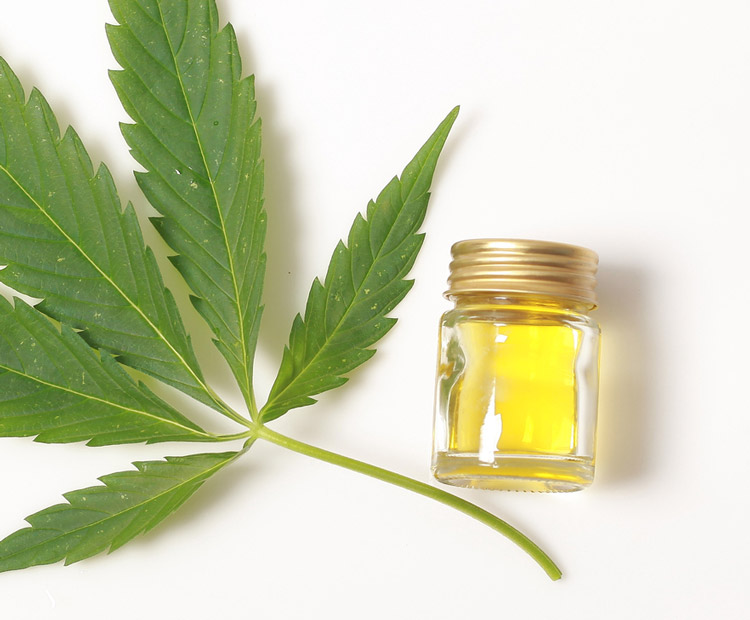
Everything You Need to Know Before Trying a Cannabis (CBD Oil)-Infused Beauty Product

Hello Beauties,

I received another interesting email from a blogger who wanted to collaborate with me. I spoke to Kim, the Content Team of Sunday Scaries. They write articles that mainly focus on relieving anxiety and stress through various strategies including the use of CBD. Sunday Scaries also cover various applications of CBD in heart health, skin conditions, diabetes prevention, and among other exciting yet educational topics.

We are living in the marijuanaissance. Thanks to CBD, cannabis is getting its glow-up, trading in the stoner image for a new one as a luxury wellness and beauty ingredient. Loosening of cannabis laws and the enthusiasm around emerging science has legitimized the medicinal claims surrounding CBD, but it’s the boutiquification of cannabis that has made everyone want to be seen with it.

Ask any wellness or beauty aficionado, and they’ll all agree: CBD oil is having a moment. But, unlike other super beauty ingredients making a splash in skin and hair care, there is a lot of controversy surrounding the cannabis-derived ingredient. Nonetheless, its beauty benefits and promising future in beauty are hard to ignore.

I tapped three experts to find out the beauty benefits of CBD oil, plus everything you need to know before trying the popular beauty trend. See what they had to say, below.

What Is CBD Oil and How Does It Work

The cannabis plant boasts a variety of compoundsβ€”also known as cannabinoidsβ€”believed to contain medicinal benefits. Among these cannabinoids is cannabidiol, or CBD. β€œOils that are pulled [from] the plant that contains a high concentration of CBD are known as CBD oils,” says Dr. Alissia Zenhausern, NMD.

In order to understand how CBD oils work, it’s important to know what cannabinoids are and what they do. Cannabinoids are chemical messengers that activate a class of cell membrane receptors located throughout the body. These body receptors are part of the endocannabinoid system, which is involved in a variety of physiological processes including appetite, pain-sensation, sleep, mood and memory. Cannabinoids are either naturally produced by the body (endogenous) or outside the body (exogenous). The cannabinoids found in marijuana and hemp, such as tetrahydrocannabinol (THC) and CBD, are considered exogenous, which, when consumed, also interact with cannabinoid receptors in the body and can generate similar physical and psychological effects.

There are currently two known subtypes of cannabinoid receptors in the body, CB1 and CB2. The CB1 receptor is expressed mainly in the brain, lungs, liver and kidneys. The CB2receptor is expressed mainly in the immune system and in hematopoietic cells. Before the CBD beauty trend took off, Dr. Zenhausern says CBD-infused drugs were most commonly used for pain management and inflammatory conditions, as β€œCB2 receptors are most commonly found as part of the immune system [and they can] affect inflammation and pain.

Now, it is important to note that CBD will not produce the same euphoric sensations as THC, which means using CBD won’t make you feel β€œhigh.” β€œThe way cannabinoids work is by attaching to CB1 and CB2 body receptors. However, new research has found that CBD doesn’t seem to attach to either receptor directly and [might] help your body use its own cannabinoids,” she adds.

The Beauty Benefits of CBD Oil

Although some CBD enthusiasts experiment with adding the oil into homemade beauty tinctures, the CBD beauty trend mostly refers to products formulated with the cannabinoid. Similar to other natural beauty–benefiting ingredientsβ€”such as spirulina, which can be ingested on its own or used topically in a beauty productβ€”the oil is the ingredient, and the beauty product is the delivery system that helps provide the skin with the beauty benefits of CBD.

Speaking of beauty benefits, CBD is chock-full of them. So much so that some dermatologistsβ€”including board-certified dermatologist, Dr. Debra Jalimanβ€”recommend the use of CBD oil for hair and skin. β€œIt’s rich in vitamins A, C and E,” says Dr. Jaliman. β€œVitamin A stimulates the cells responsible for producing the tissue that keeps skin firm and healthy; vitamin C stimulates collagen production, and it helps to reduce signs of aging; [and] vitamin E blocks free radicals from the body [which] helps slow down the aging process,” she continues.

On top of the benefits of CBD on aging skin, it can also benefit breakout-prone complexions. β€œBecause acne is an inflammatory condition related to overworked sebaceous-gland production, promising new research states that CBD can help reduce the production of sebum, which means CBD could become a future treatment for acne, particularly acne vulgaris, the most common form of acne associated with overproduction of sebum,” says Dr. Zenhausern.

CBD beauty products might also help other inflammatory-related conditions such as skin allergies, rosacea, eczema and psoriasis. β€œThe anti-inflammatory and anti-bacterial properties of CBD naturally help improve irritating skin conditions including rosacea, eczema and psoriasis,” Julie Winter, COO and founding partner of CBD For Life, explains.

Skin isn’t the only thing that benefits from CBDβ€”hair can, too! Because it’s rich in fatty and amino acids, it may be beneficial to your hair and nails, too. β€œCBD and hemp oil stimulate and enhance the growth of hair through the scalp’s absorption of the main fatty acids [found in CBD and hemp], omega-3, omega-6 and omega-9,” says Winter.

Potential Side Effects of CBD Oil

The good news? Unlike THC, initial studies around CBD pose little to no sign of side effects to those who ingest it. β€œMany small studies have looked at the safety of CBD in adults,” explains Dr. Zenhausern. β€œOf the studies done, researchers found that most adults well-tolerated CBD even at a wide range of doses. They found no significant side effects on the central nervous system. The most common side effects cited include fatigue, diarrhea and changes in appetite or weight.”

As for skin care, Dr. Jaliman says, β€œNo studies have shown it to cause irritation or to aggravate sensitive skin. Research has shown CBD [beauty products are] safe to use with no unwanted side effects.”

Still, Dr. Zenhausern advises to be cautious when trying the CBD beauty trendβ€”especially if using the straight oil versus a beauty product formulated with it. β€œEach CBD oil contains a different concentration of CBD, so it is very important to read the label and understand what it means,” she says.

Aside from minding the concentration, it’s also important to be aware of the legal issues surrounding the ingredient. β€œIn the United States, each state has different laws when it comes to the use of CBD as well as medical marijuana,” says Dr. Zenhausern. β€œAnyone considering CBD oil should speak with their local healthcare provider for more information about the laws in their unique state as well as high-quality sources for safe CBD,” she concludes.

How to Use CBD Oil for Best Results

If the beauty benefits of CBD excite you, there are a few ways you can include the super beauty ingredient into your regimen. One of the first, most important tips for using CBD in beauty is to do your research. β€œResearch the CBD products you are interested in purchasing and make sure the products do not contain THC,” says Winter. β€œCBD is not FDA-regulated so consumers should be on the lookout for companies that are transparent with their test results,” she adds.

Another important thing to consider is the results. As with all beauty products, the types of results you wish to see should dictate the way you apply or use CBD in your regimen. β€œConsumers can ingest CBD oil in products like tinctures for fast-acting results since it travels directly into the bloodstream. But, applying CBD topically is the most effective for targeting specific areas of the body like muscle aches and pains,” explains Winter.

As promising as CBD sounds, it’s no secret that this beauty ingredient is still pretty new and highly controversial, so my advice? As with any trendy, expert-approved beauty ingredient, it’s always wise to consult your dermatologist before adding CBD beauty products to your regimen.

Want more info?! Check out CBD Oil Benefits for Skin: What the Beauty Industry Says about It on SundayScaries.com !

DIY SUNDAY: The Best DIY Face Oil For Dry Skin

Face oils are one of the most effective ways to hydrate and nourish your skin. The right blend can pump your skin with skin-enhancing vitamins and protective antioxidants and give deep hydration while smoothing fine lines. But face oils can be expensive, which is why I’ve become absolute pros at making my own blend of face oils to target different skin types.

Face oils are especially great for dry skin as they’re lipophilic, which means they have a smaller molecular structure that can penetrate further into your skin, allowing your skin to retain hydration at a deeper level. Plus, oils are one of the richest formulas, so unlike other skincare products, like moisturizers, they’re pure goodness from nature.

Understanding Dry Skin

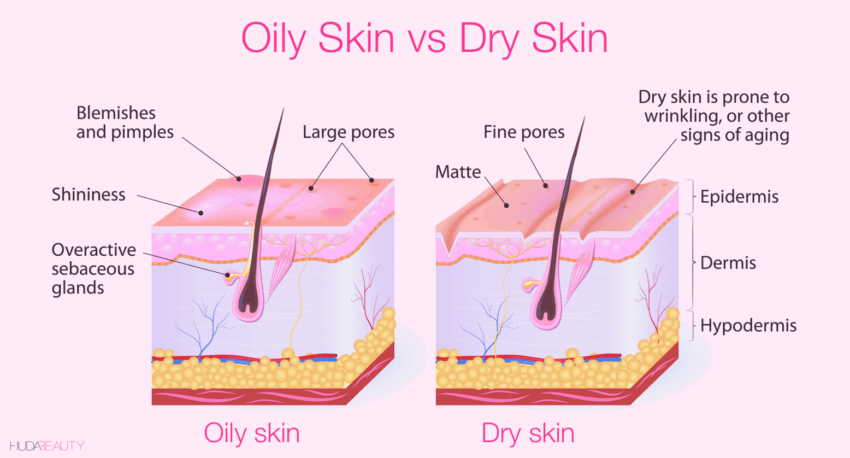
Dry skin is often dull, especially around the eyes, accentuating fine lines and wrinkles. If your skin is dry, your pores will most likely be small and barely visible (yay for you!). Your skin might feel tight and rough; it may even chap. Although, if your skin is extremely flakey, your skin may be prone to skin conditions like eczema or dermatitis.

DIY Face Oil Rules

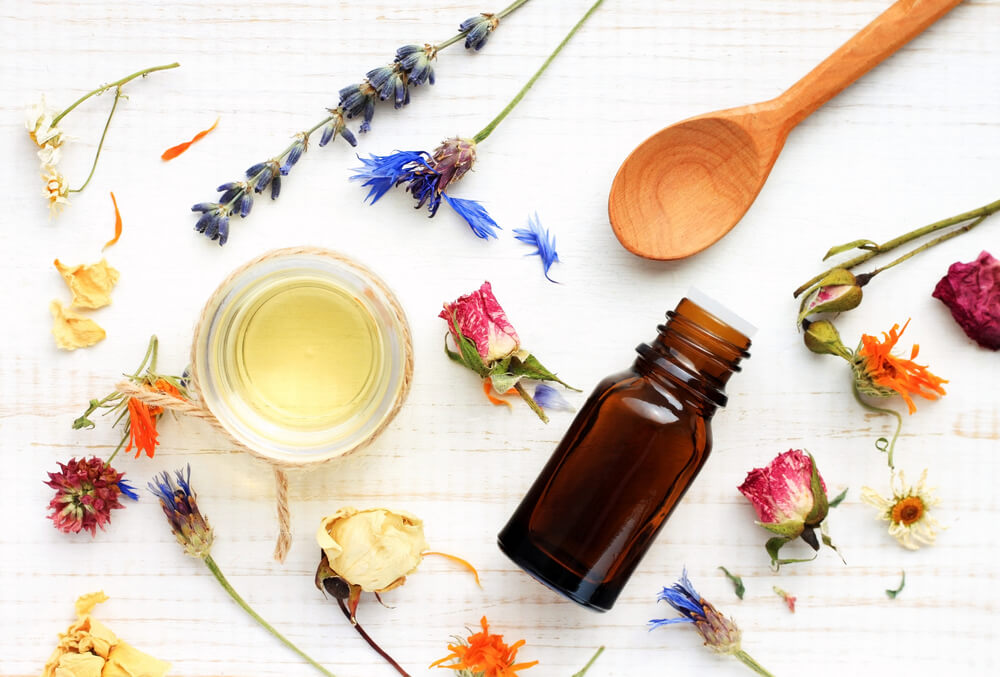
Face oils are made of two different types of oil: a carrier oil and an essential oil. A carrier oil will act as the base, while the essential oil is much more potent and will have more healing and nourishing power.

Best carrier oils for dry skin: Avocado oil, Sweet Almond oil, Apricot oil, Camellia Oil.
Best essential oils for dry skin: Lavender oil, Geranium oil, Jasmine oil, Rosehip oil, Cedarwood Seed Oil.

Depending on what oils you have or can find, you can mix up your own. The general rule is for every 30ml of a carrier oil, you can use 1-2 drops of essential oil. You can also mix different carrier oils as long as you keep the carrier oil to essential oil ratio the same. Try to getΒ cold-pressed, organic oils, as these will be the purest and most potent.

DIY Face Oil for Dry Skin

60 ml of Camellia seed oi
2 drops of Sea Buckthorn Berry oil
2 drops of Rose oil

Directions: Add all ingredients into a glass bottle and roll between the palms of your hands to combine.

The benefits:Β This oil is super nourishing, making it the ultimate cure for dry or sensitive skin. A Japanese favorite, Camellia Seed oil is crazy hydrating because its molecular weight is almost identical to our skin, allowing it to be absorbed quickly. It’s also full of skin-boosting omegas, just like Sea Buckthorn Berry oil, which is a rich source of omega 7, a rare fatty acid that’ll nourish, heal, reduce scarring, and strengthen the skin. Finally, the Rose oil will not only instantly brighten, but also contains a powerful antiseptic that can help calm breakouts.

Have you guys tried making your own DIY face oil before? Let me know if you’re going to try this in the comments below.

WHAT DO YOU GUYS THINK?


IGNORE Everything You Ever Heard About Pores – This Is How You’ll Make Them Smaller

It’s an unfortunate fact of life that we’ve all been cursed with pores – they’re the bain of our lives, here to ruin our makeup! I spend waaay too much time thinking about cunning skincare regimes to get rid of them once and for all, and carefully trying to disguise them with pore-minimizing primers and HD powders. You’ve probably bought products that claim they will shrink your pores and erase all trace of them, well we’re here to get your facts straight with the ultimate tea on pores from skincare expert Dr. Kelly. Here’s how you can minimize your pores in the only way possible, but curb your expectations too – sorry to be the bearer of bad news!

What exactly are pores?
Each pore is actually the opening of a hair follicle. On the face, the follicles are tiny or sometimes even invisible, but there are oil glands that live at the base of the follicle and these can over-grow making your pores bigger and more noticeable. This often starts at puberty, and feels like it never stops!

Why are some people’s pores so much more visible than others?
The size of your pores is mostly due to genetics and hormones. You have no control over your genetics, but there is a lot you can do to help manage your pores to make them look as invisible as possible.

How can we get rid of pores?
No product can permanently shrink pores, but there are some very effective products that do a great job of making them look smaller. The best topical agent for making pores look better is the nightly use of topical retinoids or retinol, which are forms of vitamin A (a natural ingredient). Retinoids do two things: it increases skin cell turnover, which helps improve the overall thickness of the skin, and they increase the purging of oily plugs from the pores – the less packed the pores are, the smaller they look. Salicylic acid is also an excellent ingredient as it exfoliates deep into the pores, which gets rid of dead skin cells that can make the pores appear larger.

If you have large pores, do you just need to accept it and blame genetics? 
Partly, but there are still many measures you can take to help them appear smaller and to prevent them from getting bigger. The most important thing you can do is use sun protection every day. Sun dehydrates your skin and makes the oil glands over-grow, making the pores look bigger. Some people get a tan because they feel it masks the pores and makes them look smaller, but this is a temporary effect, and in the not-so-long-run, it will make the pores bigger, as well as making blackheads and whiteheads worse from the excess oil that plugs the skin.

Will controlling oil with a good skincare regime improve your pores? If so, what do you recommend? 
Ingredients like salicylic acid, niacinamide, caffeine, and retinol can have an excellent impact on the size of your pores. Taking antioxidant supplements like niacinamide, zinc, copper, and folic acid by mouth can also be very helpful as they have powerful antioxidant and wound healing effects. They’re also anti-aging – who doesn’t want that benefit?!

Do natural DIYs actually have any effect?
DIY masks can have a temporary effect, but not a lasting one. Using egg white masks and yogurt masks, combined with honey can be beneficial for tightening pores. Honey has antibacterial and antioxidant properties, and it doesn’t clog pores.

Try: A gentle steam can hydrate the skin and make the pores more receptive to products you apply. Once your skin is soft and hydrated, you can apply a mask of yogurt and honey or egg white and honey for 5 minutes, rinse off, and then apply 1-2% salicylic acid lotion to help exfoliate deep into the pores. Top it off with a hyaluronic acid moisturizer as this will offer maximum hydration without clogging your pores. The result will be radiant, smooth skin.

I also get a lot of questions about the use of alcohol wipes for the treatment of acne and pores, but this does nothing to kill the bacteria that causes acne, it does nothing for the pores, and it only serves to dry out and irritate the skin.

There’s one other alternative for reducing pores: 
The Clear and Brilliant laser is also an excellent and gentle option for an in-office treatment to help reduce the appearance of pores and improve skin texture. I also find it to be safer than other lasers for my patients with skin of color.

Now that you know the truth about pores – aka you might just be prone to having bigger pores – we hope you feel better about your options. Basically, there are ingredients you can use to minimize the appearance of pores, and by using a thorough cleansing routine and non-comedogenic products (that don’t block pores), you can help to make your pores look as small as possible. You also need to realize that your pores look bigger to you than anyone else. Why? Because you spend all day focusing on yours and not staring at other people’s! And yes, most of the images you see online and in magazines have all been airbrushed, but I can promise you, celebs and influencers have pores too!

WHAT DO YOU GUYS THINK?