Spotlight on: Citric Acid

Citric acid is in just about everything from skincare products, to food, to floor cleaner. While lemons aren’t really something you want to be rubbing all over your face, citric acid is something very different and is actually quite beneficial!

Here is what you need to know about citric acid and how to incorporate it into your routine.

What is Citric Acid?

Citric acid is found in, you guessed it, citrus fruits, and is what gives them their acidic flavor. Citric acid was first isolated in 1784 by the Swedish chemist Carl Wilhelm Scheele, who was able to crystallize it from lemon juice.

And not long after, it started to appear in just about everything but particularly in cosmetics and skincare products. In 2016 the U.S. Food and Drug Administration’s (FDA) Voluntary Cosmetic Registration Program (VCRP) stated that citric acid was used in almost every category of cosmetic products and had over 10,000 reported uses.

It is also used as a popular flavor and preservative agent in foods, soft drinks, and candies.

What Are AHAs?

Citric acid is what’s known as an alpha hydroxy acid (or AHA) in the skincare world. The most basic definition of an HA is a carboxylic acid, which is an organic acid that has at least one carboxyl (carbon double-bonded to oxygen) group. However, that general definition includes unrelated compounds like retinoic acid, L-ascorbic acid, and azelaic acid. Therefore, further qualifications (like alpha, beta, etc) need to be identified.

AHAs are non-abrasive, leave-on exfoliators that are traditionally more effective and gentle than traditional scrubs. Sun damage and overly dry or oily skin can hinder your body’s ability to properly shed dead skin cells. These obstructions can cause skin concerns like dullness, clogged pores, milia, texture, and breakouts. Using an exfoliant can help your skin clear out the dead cells to make room for the new, healthy ones. Chemical exfoliants help to prevent breakouts and premature aging and reduce the appearance of pores.

How Can Citric Acid Benefit Your Skin?

AHAs like glycolic acid and lactic acid can be incredibly potent, and sometimes a little too much for those with sensitive skin. That is where citric acid can be helpful! It is like the training bra of AHAs: It doesn’t really do as much as its fellow acids, but it’s made for people who don’t need the support older girls do.

But what exactly are the benefits of citric acid for the skin? Citric acid (like most all AHAs) can help to brighten skin, shrink pores, treat acne, and correct dark spots and fine lines.

Before it started being added to formulas for its exfoliating abilities, citric acid used to be used to keep the pH range of skincare products in check. The pH of cosmetics and skincare products is important because the skin’s normal pH is slightly acidic. A low acidic pH can cause ingredients to be more irritating for those with sensitive skin.

Is It Safe?

The terms β€œcitric” and β€œacid” are intimidating on their own but can be downright scary when used together. Especially when it comes to something that you’re putting on your face! But according to The Derm Review, it is perfectly safe to use on the skin! β€œThe Cosmetic Ingredient Review (CIR) Expert Panel reviewed scientific literature and data on the safety of citric acid and its salts and ester in 2014. This data revealed that at concentrations used in cosmetics and personal care products, citric acid and its salts and esters were not eye irritants, nor did they cause skin irritation or allergic skin reactions. Thus, CIR concluded that the available scientific data showed that citric acid, its salts, and esters were safe under current conditions of use in cosmetics and personal care products.”

Some people get freaked out by citric acid because they know that lemons are highly irritating for the skin. And while, yes, you can absolutely go overboard with citric acid, it’s safe to use.

Just be cautious, especially if you have sensitive skin. The thing with citric acid is that it can be intense. Let’s put it this way: How will you know if you’re using too much? Side effects of overuse include stinging, burning, and irritation.

If you’re still unsure, always do a patch test first to see how your skin reacts. If you don’t see any irritation or redness, start to slowly introduce it into your routine. Don’t use AHAs the same night you use retinoids or physical exfoliants because that can lead to serious damage to your skin’s barrier!

Bottom Line

Citric acid can be an effective chemical exfoliant for those with sensitive skin. I don’t find it as effective as glycolic or lactic acid, however, but if you have tried those and found them to be too irritating, citric acid could be a great alternative!

Sign up for our newsletter!

Processing…
Success! You're on the list.

Disclaimer:

The purpose of this blog is for skin care, makeup, and wellness + health-related reviews and tips only. It is not intended as and does not substitute for medical advice. Information posted should not be construed as personal medical advice. Posts are not intended to diagnose, treat, or cure disease.

You’ll Want To Buy A New Pillow After Reading This

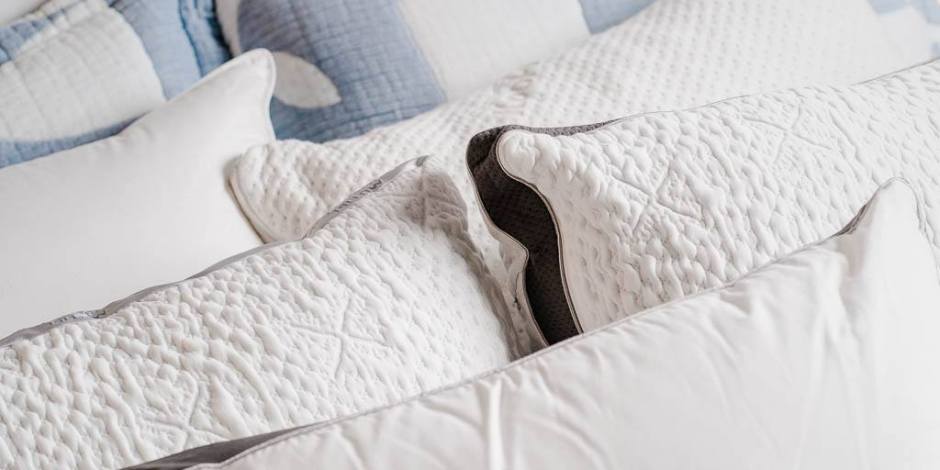
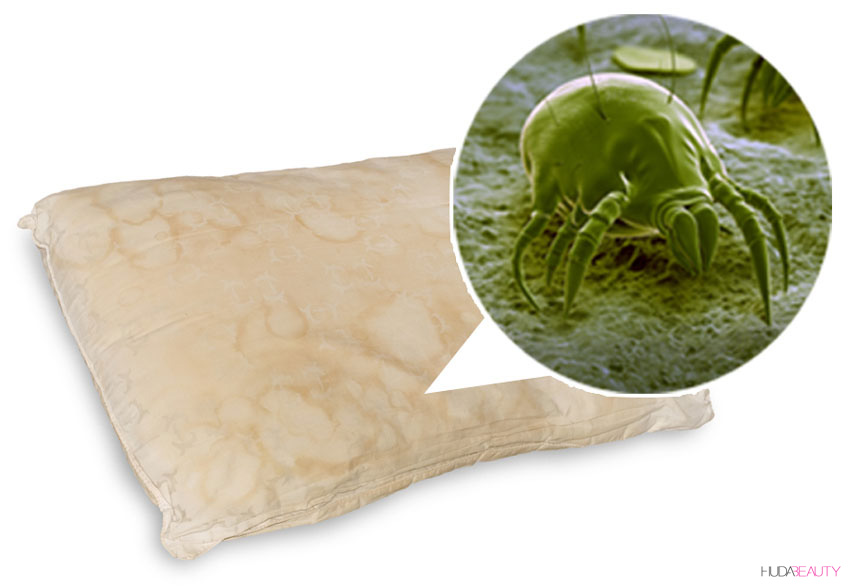
Here’s a gross fact: your body sheds around 600,000 particles of skin every hour (give or take) and over the course of your life you’ll lose around half your weight in skin cells. What does this have to do with your pillow? Well, every night you shed millions of skin particles onto your pillow, along with sweat, dead hair, saliva, and oil, which all get absorbed into your pillow. Here’s where it gets really gross… Some studies have estimated that up to a third of the weight of old pillows are made up of dead skin, dust and dust mites.

What does that mean? You really need to be washing your pillow as well as your pillowcase a lot more regularly. The longer your pillow goes unwashed (every few months is recommended) the more dead skin and dust build-up there is to attract more dust mites to feast on your dead skin.

Besides all this being super nausea-inducing, using the same pillow for years without washing (guilty) is especially bad for allergy sufferers, but it also essentially β€˜dirties’ your outer pillowcase more quickly, and that’s not good for your skin. So even if you’re washing your pillowcase every week (which we recommend), that pillowcase is still coming into contact with your nasty old pillow and all the lingering dust mites that go along with it.

How often do you wash your pillows?

So, what should you do? If you’ve had a pillow for more than three years and never washed it, start by washing it in the machine (if it’s feather you can have it dry cleaned) and then perhaps consider buying yourself a new pillow. In general, try to wash your pillows every three months and consider buying a new one every three years. You can also leave pillows out on a hot sunny day when you change your sheets, as pillows build up moisture, which becomes the perfect breeding ground for bacteria and bugs. After a day in the sun, you’ll notice your pillows will have β€˜fluffed up’ considerably thanks to moisture evaporating in the sun.

You can also buy pillow protectors, like this zippered 100% Cotton Bed Bug, Dust Mite & Allergy Control Pillow Protector, $11, which will act as a second barrier against dust mites and will extend the life of your pillow – just wash it every month.

Moral of the story? Unless you want to be sleeping on a pillow packed with thousands of dust mites, dead skin and sweat, we suggest you get washing those pillows asap… We’re just about to buy ourselves a new set!

REN PERFECT CANVAS CLEAN PRIMER

Were do I describe my interest in makeup primers, it would hover between mild to semi-interested. Traditional primers? Not so much since I limit my makeup use to an occasional tinted moisturizer application when I’m in a rush or as an emergency intervention. A good eye cream under myΒ Tom Ford Highlighting Illuminating PenΒ is all I need to avoid the midday crease.Β 

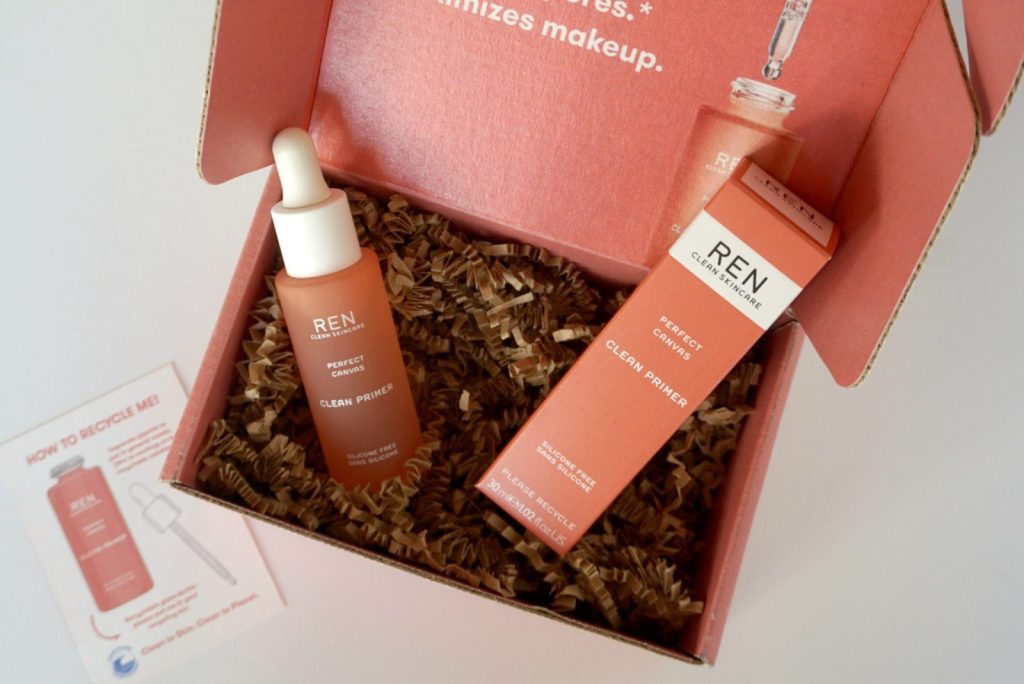
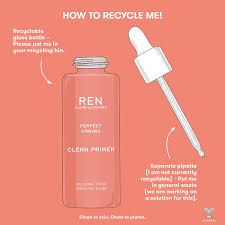
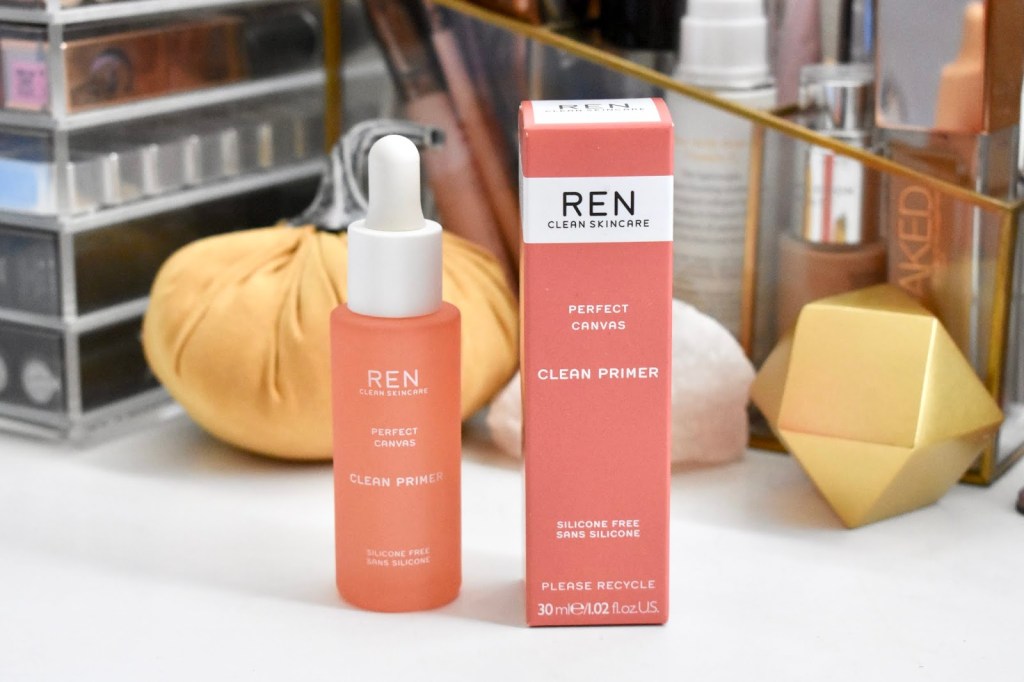
REN Clean Skincare has recently made a new look at their Clean Makeup Primer. The product now comes in recyclable glass bottle that you can put in your recycling bin once you are done. I love when companies find ways of reducing waste and REN has really made it simple. The REN Skincare Clean Makeup Primer is made to minimize pores and help to keep makeup stay put all day long. Find out more about this below and if it worked out for me. 

Over the last few years, however, I’ve come to see that the recently launched formulas make for intriguing skincare hybrids. The Silk Canvas from TATCHA, for example, fills in my crater-like pores flawlessly and the compact jar lasts forever. So when REN announced the re-launch of Perfect Canvas, their pore minimizing claims got me. I know it isn’t possible to change the size of a pore but if I combine deep cleansing efforts with a formula that helps to refine their appearance, who am I to argue?

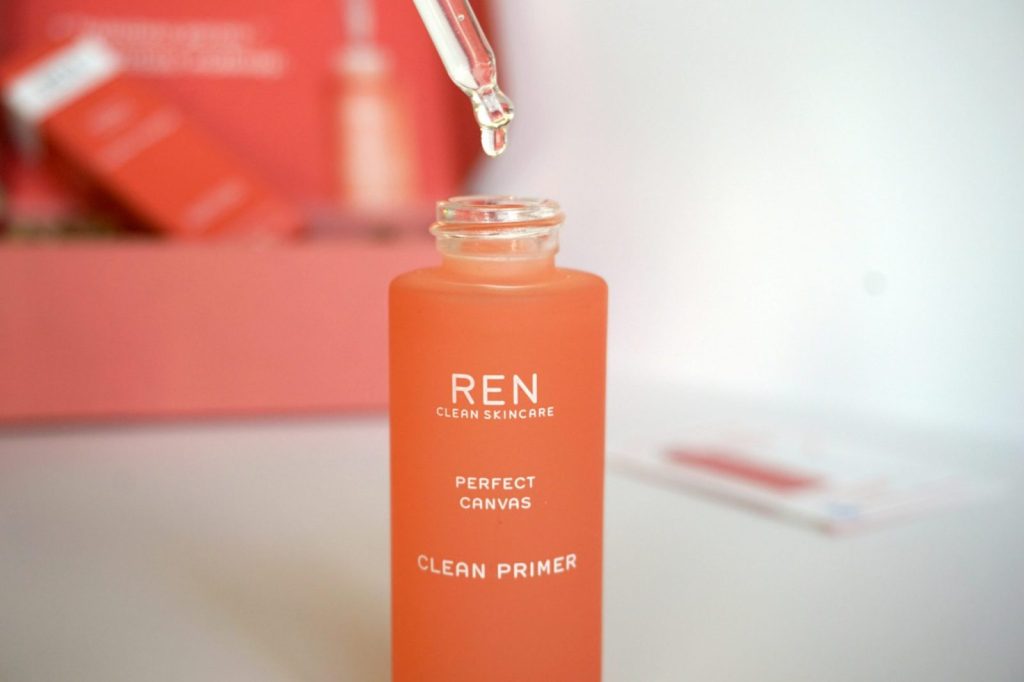
At first glance, the Perfect Canvas bottle with dropper dispenser looks just like any daily hydrating serum. The liquid solution has a slightly viscous texture but doesn’t feel sticky or slippery. Since the formula is silicone free, it doesn’t have the spackle-like slip that I forever associate with the original Smash box primer. It doesn’t feel oily and isn’t heavily fragranced. True to the name, it’s perfect in its simplicity.

SO WHAT DOES IT DO AND WHY DO I LIKE IT?

The REN Clean Skincare Perfect Canvas Clean Primer ($45) is Silicone-free, Pore-minimizing, and makeup-gripping.  A little bit of this product goes a long way so you only need about 2-3 drops. It works best when you pat it into the skin and then proceed with your makeup routine. It does have a matte finish making this the perfect primer for those with oily skin. Even though it’s matte, I still found the primer to work great on my skin which is on the dry/combination side. It helps to even out my skin and makes it smoother for my makeup to glide with ease. This is a primer that I can see working for everyone, but especially for those with oily skin. You will love this product because it locks makeup down for hours and you can recycle it when you’re done.

I use it as the last step in my skincare routine and it delivers a surprisingly tightening effect. Think super thin layer of latex hugging your skin but not in a creepy American Horror Story kind of way. It’s not quite Spanx for your face but it instantly firms and adds a real life filter effect. 

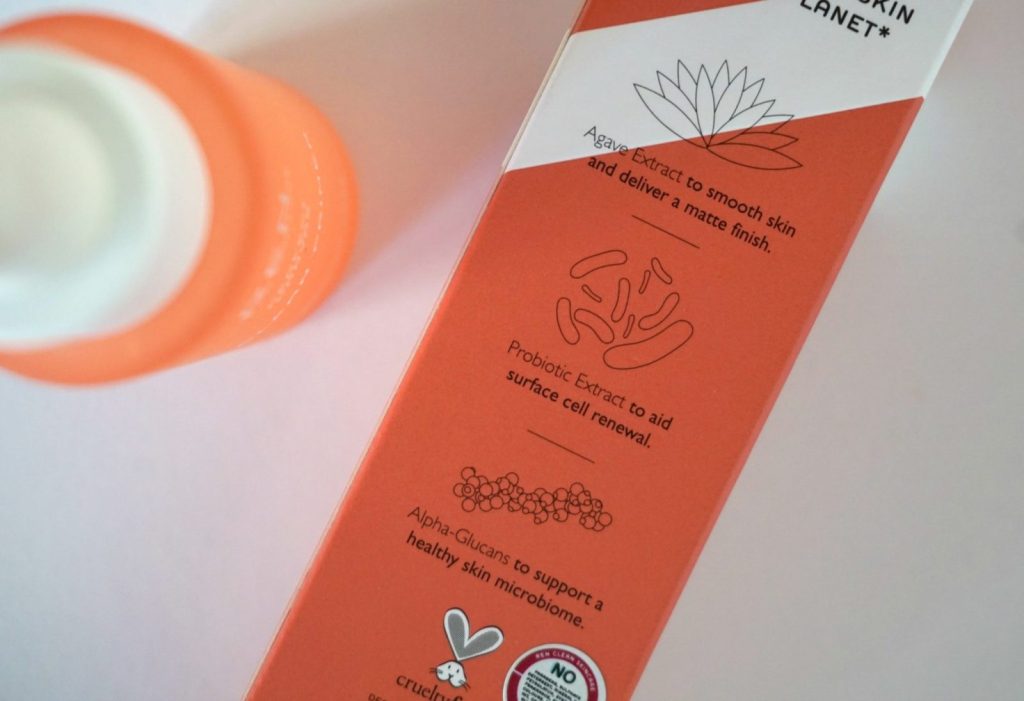
Whether I choose to wear makeup (and when I do, it’s Fenty Beauty Pro Filt’r Hydrating Primer) or not, Perfect Canvas serves as an impressive pore-refining and line-blurring veil. The glass-like smoothness results in a glow that makes me look like I do eat super-greens. In addition to its makeup extending benefits, the formula boasts alpha-glucans, agave, and probiotic extracts. It’s really a makeup primer with treatment serum benefits.

Do I use Perfect Canvas everyday? No. But I when I want to juice up and tighten my complexion before a tinted moisturizer prior to going out, it’s my go to application. It prolongs the longevity of the tint as well. If you’re not a fan of silicone-based makeup primers, the new and improved REN formula is the perfect choice. 

You can find this product at Sephora stores and online!

THE TRUTH ABOUT KYLIE SKIN!

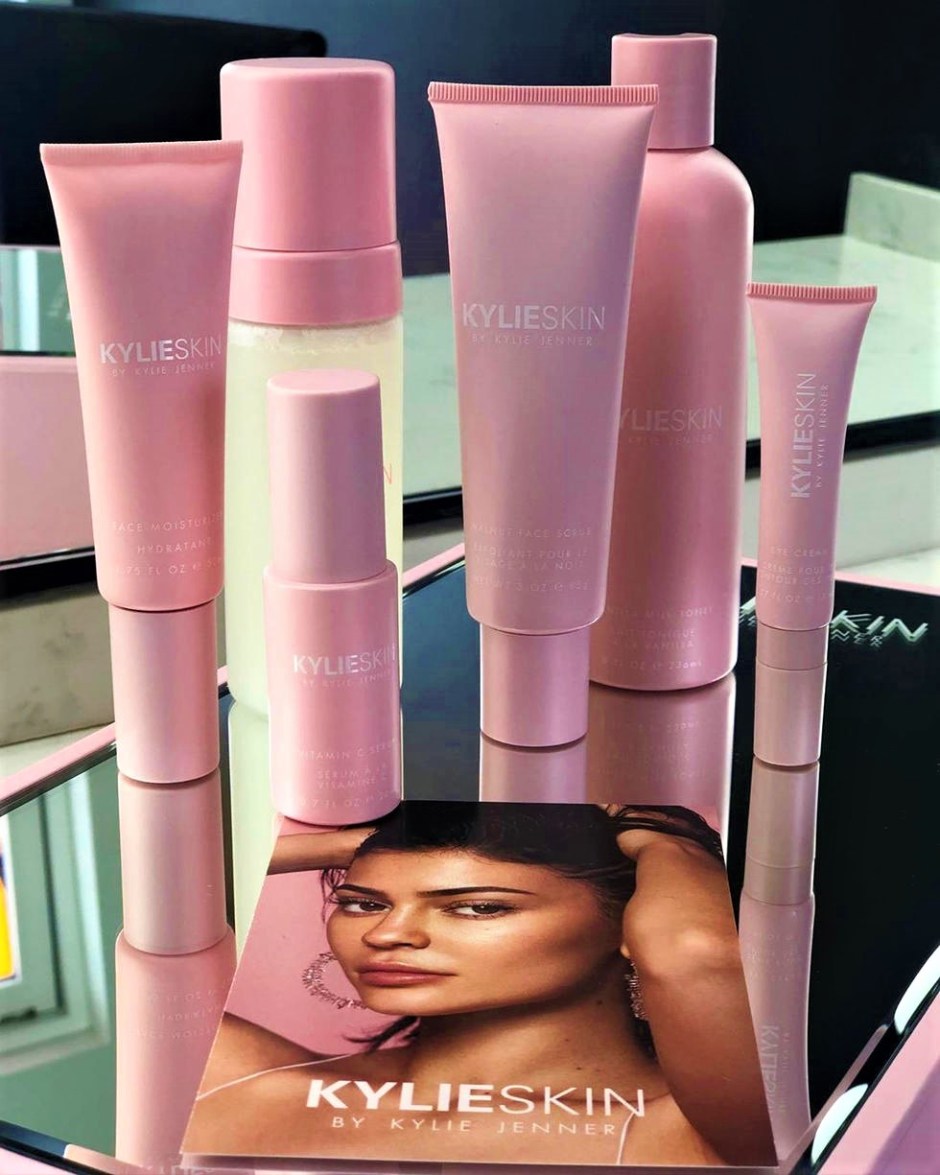
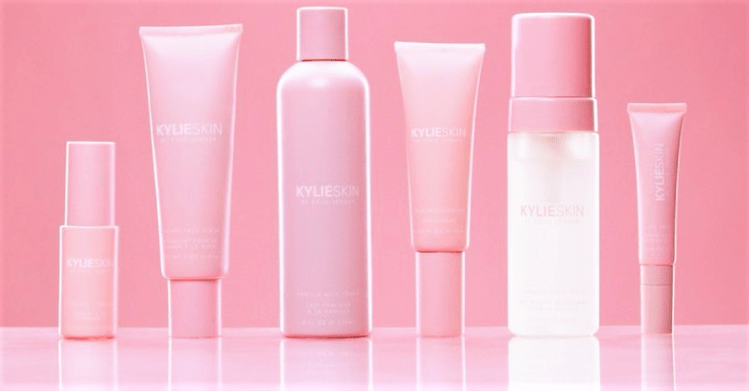
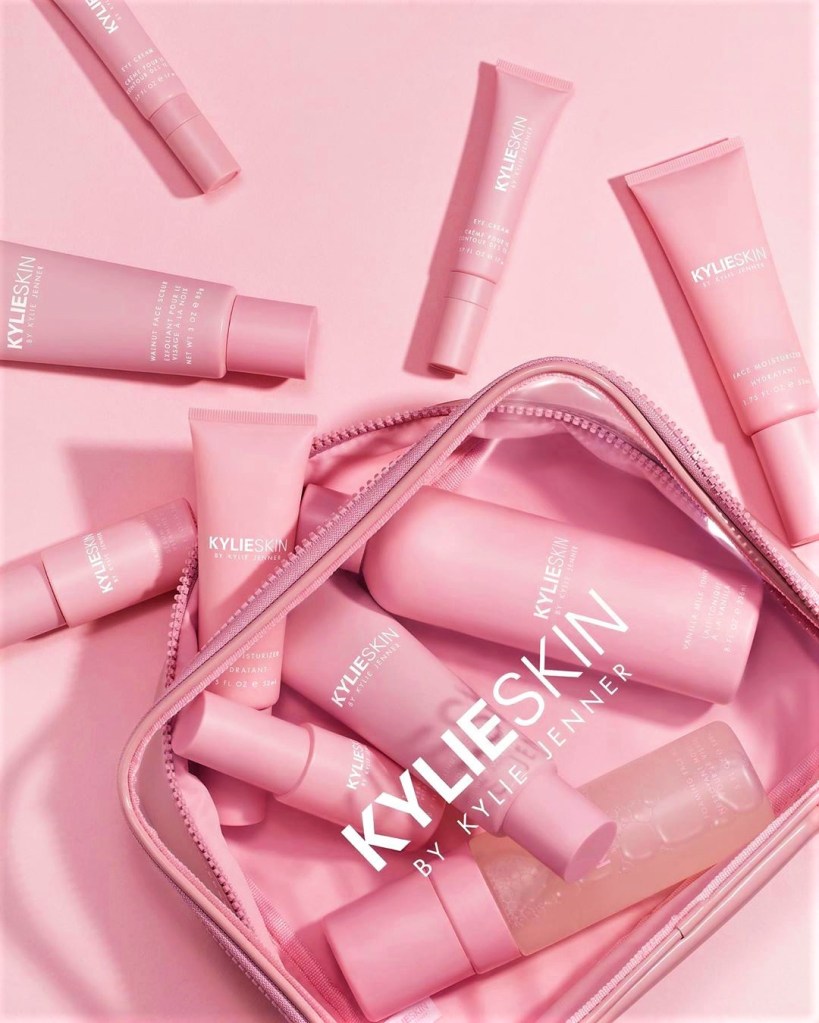
So as soon as Kylie mentioned she was moving into skincare, the beauty world held its breath in anticipation and penciled the release date in their calendars – we needn’t remind you that Kylie cosmetics typically sell out in 24 hours! Like I said in my Kylie Skin Review, since its’ launch, many people including beauty gurus have been praising the line as well as critiquing it.

The main concerns from the public are about the two ingredients used in her product line – squalane and hydroxyacetophenone. The issues seem to be around the sourcing of these ingredients, which I don’t find to be a problem (read on). Instead, my only issue is the use of vitamin C and sodium benzoate in the Kylie Skin cleanser.

Kylie Skin β€” Squalane and Hydroxyacetophenone Controversy

After reviewing multiple critiques about the issue, I want to take defense for Kylie Skin about these two ingredients. The official website and Kylie herself stated that all Kylie Skin products are vegan and cruelty-free. However, according to the widespread critiques, in Kylie Skin products’ ingredient list, squalane, which is found in both the Kylie Skin Vanilla Milk Toner and Kylie Skin Walnut Face Scrub, is derived from sharks; Hydroxyacetophenone, used in Foaming face wash and Vanilla Milk Toner, is derived from beavers. If this were true, that would make the ingredients the products decidedly un-β€œcruelty-free” since these are taken from animals.

However, it’s important to know that there are alternative ways to obtain these ingredients, and such alternatives can make Kylie’s products compatible with being vegan and cruelty-free. For instance, chemists used to derive solely squalane from shark liver oils, but they’ve now found ways to derive squalane from olives and sugarcane.

I actually just wrote a comprehensive blog post that explains the difference between these two types of squalane, and we found that both sugarcane-derived squalane and olive-derived squalane are high-quality and actually more economical to source than shark livers, especially sugarcane in the latter regard. In fact, most skincare products nowadays have already stopped using the shark-derived squalane, instead using plant-derived squalane. Think about it this way, if you can get the same quality of squalane from olives or sugarcane, why do you want to take it from sharks that are very costly and may make your brand nefarious to ever-increasing numbers of people who want cruelty-free ingredients? Besides, as Kylie clarified later, her squalane is from olives.

Another controversial ingredient was hydroxyacetophenone, which is used in the Kylie Skin Foaming Face Wash and Kylie Skin Vanilla Milk Toner. There are three types of hydroxyacetophenone: 2-Hydroxyacetophenone, 3-Hydroxyacetophenone, and 4-Hydroxyacetophenone. Of these, only the 3-Hydroxyacetophenone is from mature beavers and it can’t even be used as an ingredient in personal care products. According to Chemicalbook.com, 3-Hydroxyacetophenone is a hazardous chemical compound which may cause skin irritation, eye irritation, and respiratory irritation. It’s even recommended for lab researchers to wear protective clothing and wash hands thoroughly after handling this material due to its harm to skin. And unlike many ingredients that are warned about in only very high concentrations, small amounts of 3-hydroxyacetophenone can be a problem. As you can see, it’s quite obvious that this is not the type of Hydroxyacetophenone used in the Kylie Skin ingredients.

However, 4-Hydroxyacetophenone is the one that was used in Kylie Skin products β€” a completely different compound. 4-Hydroxyacetophenone is an ingredient that can be commonly used in pharmaceutical drugs, and it’s found in needles and mycorrhizal roots of Norway spruces, which makes it compatible with being vegan. It works with preservatives to boost its efficacy and prevent skincare products from corrosions.

My Actual Concern: Kylie Skin Foaming Face Wash

Rather than these two ingredients, I have more concerns about the formula used in Foaming Face Wash. The official websites describes this cleanser as β€œinfused with ultra-nourishing kiwi seed oil, packed with Vitamin C and E to help maintain moisture and improve elasticity.”

However, in the ingredient list I’ve found a debating combination: Vitamin C and sodium benzoate. These two ingredients are known to create benzene together in the presence of light and air. Kylie Skin foaming face wash’ transparent package is apparently not enough to protect the contents from light, and may leave the product vulnerable to outside light, so I wouldn’t want to use it. Further, it’s a known fact that skin care products contain Vitamin C should be stored in opaque and airless containers. Kylie Skin did a great job on airless packaging as none of its product is stored in jars, but the transparent packages of face wash again can make the beneficial ingredients inside like vitamin C lose its potency due to the exposure to light.

Last but not least, walnut scrub is one product that receives a lot of critiques about its main ingredient: walnut shell powder. It’s scientifically shown to be impossible to make walnut shell particles smooth, and therefore may cause microscopic scrapes on skin during the usage. It does sound frightening, but it works pretty much the same way as all physical exfoliators do. Typically, physical exfoliators are more harsh, and more difficult to handle since some of them may bring irritation and sensitivities to skin. That’s why the majority of dermatologists recommend using chemical exfoliators instead, since chemical exfoliators are proven to work more effective and more gentle on skin. My recommendation for using the walnut face scrub is to use carefully and gently, use it less often than you did with other exfoliators, most importantly, pay attention to how your skin react and adjust your way of using it based on your skin conditions.

Bottom Line

I like the Kylie Skin line overall, and do find it to be cruelty-free, despite the controversy you might read online elsewhere. But I would avoid the Kylie Skin Foaming Face Wash, if for no other reason than its combination of vitamin C and sodium benzoate, which I do not like.

Sign up for our newsletter!

Disclaimer:

The purpose of this blog is for skin care and beauty-related reviews and tips only. It is not intended as and does not substitute for medical advice. Information posted should not be construed as personal medical advice. Posts are not intended to diagnose, treat, or cure disease.