During the colder months, it’s time to finally break out those protective styles you’ve been adding to your Pinterest board all year long and put them to work. Whether you’re opting for waist-length box braids or intricate feed-ins, the options are endless (and spoiler alert, they’re all cute).
If you’ve ever gotten a protective style with added hair only to have your scalp itch and for small red bumps or pimples to appear a few hours later, you’re not alone. This is a common reaction to braiding hair (especially hair purchased at the beauty supply store) and is a sign that you might be allergic to synthetic hair. Most braiding hair is coated with an alkaline base that can trigger a reaction in many people. But don’t despair, it can be avoided by pre-treating the hair with a simple solution: apple cider vinegar.
Here’s how it works: ACV lifts the alkaline base from the hair and once dry, it can be installed without causing irritation to the scalp and hairline. The process is simple and can be the difference between struggling through the next five weeks of a protective style and flourishing from one look to the next. To do this, all you need is apple cider vinegar (any brand and type will do), hot water and a large bowl or bucket.
How to Fix Itchy Braids
STEP #1: Start by filling a bowl with hot water and apple cider vinegar. The ratio should be one part apple cider vinegar to three parts hot water, and there should be enough to completely cover one or two packs of hair.
STEP #2: Without separating the hair (don’t remove the rubber bands or try to comb it out), submerge it in the mixture and wait 15 minutes. After a few minutes, the alkaline base will lift from the hair and form a white film on the top of the water.
STEP #3: Remove the hair from the mixture and allow it to air dry. Don’t worry about the smell, it’ll evaporate once the hair is dry.
STEP #4: Install and style the hair as normal. You’re done!
Already installed your hair? Don’t worry — add some ACV and water to a spray bottle and spritz the mixture all over your head; it should give you some relief. Still need help? Watch this tutorial by beauty guru MIIX MII to see it in action:
If you can’t wait for your hair to air dry or just don’t want to do it yourself, you can buy pre-treated braiding hair or opt for human hair (although it is much more expensive).
While there are hundreds of hair care products that claim to boost growth, add shine, and improve the health of your hair “in just one wash,” very few products actually do (Olaplex is one that can)! Fortunately, we know a $2 DIY that really does help strengthen the hair. In fact, this DIY has hundreds of years of experience, science, AND a world record to back it up. Intrigued?
The DIY we’re referring to is a rice water hair rinse that has been used by women in China and Japan for centuries. There’s even a village in China, Huangluo, known as the land of Rapunzels because it holds the Guinness World Record as the ‘world’s longest hair village.’ And guess what they use? Rice water! The ritual of washing the hair with rice water has been passed down from generation to generation and the women in the Huangluo village have the shiniest, healthiest and longest hair thanks to their rice water shampoo.
Source: Dmitry Chulov/ Shutterstock
The great thing is rice water is amazing for all hair types, from thin and fine hair to thick, curly, and afro-textures. We actually heard about it as we were admiring our friend’s super defined 3A/ 3B curls, who told us her trick was to spritz rice water in her hair after washing, which she claimed had amazing detangling and hair strengthening abilities – naturally, we had to look into it. Here’s the science behind why this natural DIY really works…
How Rice Water For Hair Works
Rice water is literally bursting with natural proteins, vitamins, and minerals that help restore and hydrate your hair. Firstly, it contains inositol, a carbohydrate that replenishes dry, damaged hair by strengthening and rebuilding the elasticity of the hair, which prevents it from becoming brittle and split ends from forming.
Even after the rice water is rinsed off, it’ll continue to seal in moisture, shielding your hair from damage. It’s also packed with proteins and amino acids that hydrate and restore the hair strand so that it’s less likely to frizz. Plus, it’s a rich source of vitamins including B, C, and E, which can help boost growth while adding shine.
Fermented Rice Water
If you ferment the rice (by leaving the rice water out for 24 to 48 hours), it’ll further enhance the nutrient levels as, during fermentation, a substance called pitera is produced, which is rich in minerals and amino acids. It’ll also alter the pH levels of the rice water so that it better matches the natural pH of your hair, which is slightly acidic. This will help close the hair cuticle, preventing moisture loss and protecting your hair. The only issue is fermented water can smell a little but you can add a drop of essential oil to the water to improve this – in Huangluo they add ginger slices and orange peel to the fermented rice water.
Source: ThamKC/Shutterstock
How To Make A Rice Water Hair Rinse
There are two ways of making rice water; you can either boil rice in plenty of extra water and keep the excess water, or you leave the rice to soak in water and use the strained water. If you do this last method, you can leave it out to ferment, which makes the rice water more potent.
Ingredients:
1/2 cup of organic brown or white rice The rind of an orange or lemon (optional)
Take half a cup of rice, give it a rinse, then soak it in two cups of water. Leave it to soak for at least 30 mins, or even overnight (this will give more time for the water to absorb the nutrients and vitamins from the rice). Once the water is cloudy, squeeze the rice in the water a little, then strain the rice so you’re left with only the water. You can either store this water or let it ferment.
Fermenting rice water: To ferment the rice water, leave it out for a day or two at room temperature (the warmer the room, the quicker it ferments). This will make the formula more potent, so once the rice has fermented, add a cup of water to dilute it slightly, and add the rind of an orange or lemon, and store the mix in the fridge for up to one week.
How to Use Rice Water
You can either use this as a rinse for your hair after shampooing and conditioning, or you can put it into a spray bottle (preferably glass) and store it in the fridge for up to a week, and use it as a ‘leave-in conditioner.’ We find using it as a leave-in treatment post-washing (by spritzing into wet hair) works best for curly and coily hair, and really helps to detangle, define and boost curls. For straight and fine hair, use it as a rinse post-shampoo and conditioner. Let the rice water sit for 10 to 20 minutes depending on the thickness of your hair (the thicker your hair, the longer you can leave it), then rinse the hair. If you have curly or coily hair, you can use it as a rinse and a leave-in treatment.
If you do this regularly (every week), you will soon begin to see a big difference in the health and condition of your hair. For more DIY haircare solutions, check out how to make your own dry shampoo.
Let us know if you’ve ever tried rice water in your hair in the comments below.
Hair masks are an essential part of any beauty routine, especially if you have curly, coily or kinky hair. They’re a must for every wash day and keep your hair hydrated while also keeping split ends at bay. Moisture is the name of the hair mask game, and it can help with everything from frizz to manageability and lots of hair woes in between. We’ve rounded up the best masks for curly girls ahead, all of which you’ll want to add to cart.
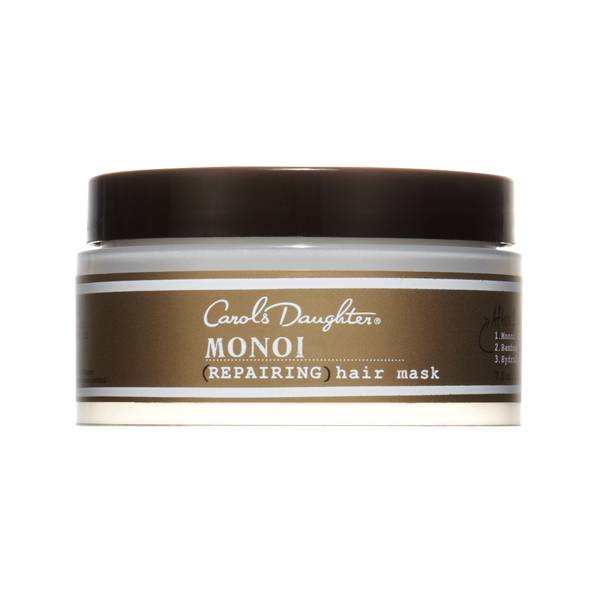
A must-have for curly girls, the Carol’s Daughter Monoi Repairing Hair Mask has monoi oil and hydrolyzed silk to help reverse any current damage and prevent future damage.
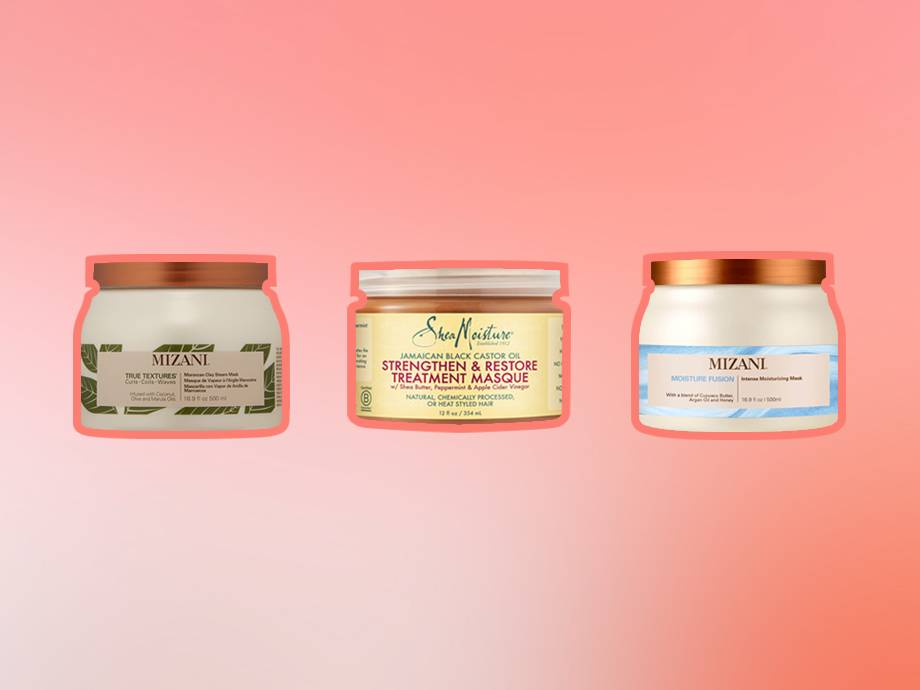
If your hair is in serious need of moisture, try the Mizani Moisture Fusion Intense Moisturizing Mask — an intensely hydrating option that conditions hair without weighing it down. The key ingredients in this mask are cupaçu butter, argan oil and honey, which work together to leave hair manageable, healthy and conditioned.
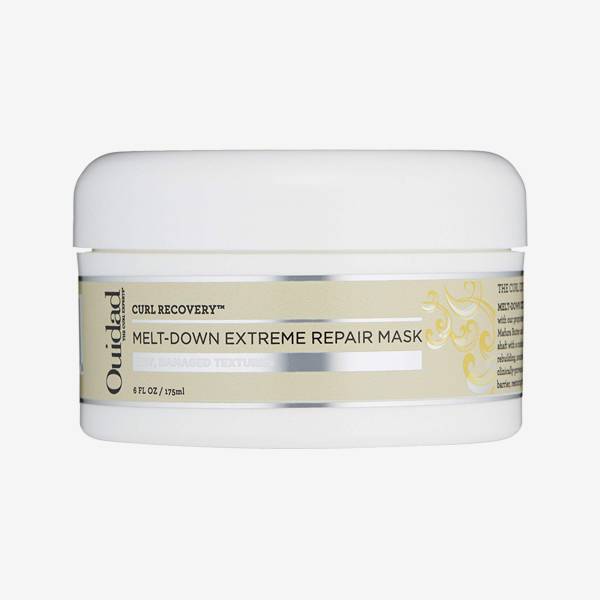
Formulated with a blend of mafura butter and Kalahari melon seed oil, Ouidad Curl Recovery Melt-Down Extreme Repair Mask coats the hair shaft with fatty acids that help to nourish and protect hair. It helps your curls to regain elasticity (read: shrinkage) and offers shine and touchable curls. Use twice a week for best results and watch your hair pop back to life.
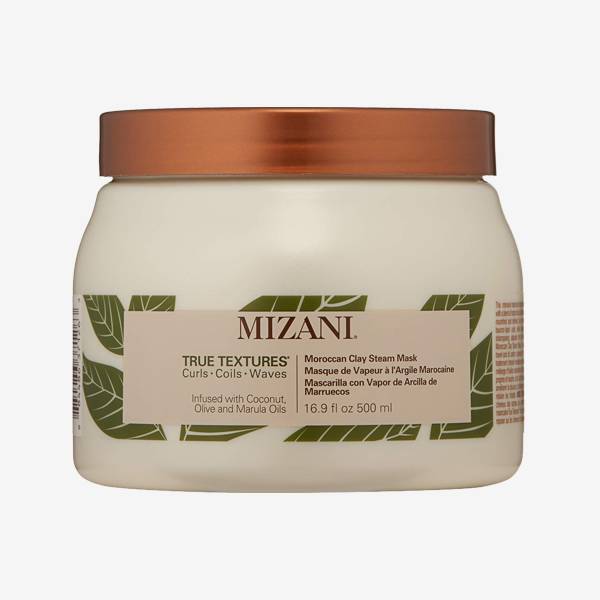
This is an essential mask for anyone with particularly dry hair — thanks to its star ingredient: Moroccan clay. It hydrates, detangles and defines, leaving your hair ultra-clean and soft. The mask is also formulated with olive oil, marula oil and coconut oil, all of which help give hair a shiny, frizz-free look.
Formulated with matcha butter, the DevaCurl Melt Into Moisture Matcha Butter Conditioning Mask deeply conditions, nourishes and makes curls super soft. If you don’t get it all out post-wash, don’t worry — it works well as a leave-in, too.
Volume: it’s the key to a sexy, luscious mane. The only problem is we’re not all blessed with big, beautiful tresses! But that doesn’t mean you can’t fake it by using a little volumizing powder. So, when your second-day hair is looking limp and not-so-fresh, all you need is a little something to give it lift. We’ve formulated a DIY volumizing powder, and honestly, it’s the bomb.com. It’s actually like a dry shampoo-volumizing hybrid that’ll lift your hair, nourish your tresses, and detox your scalp. We admit it may be a little messy, but it totally works.
What makes this formula so damn special?
Ok, so like we said, this volumizing spray is more like volumizing dry shampoo, that’ll transform your locks and give them some serious oomph. It’s perfect for day-two hair that’s a little on the greasy side! As it’s a powder, it’ll instantly lift the hair and soak up any excess oil that’s weighing your hair down and making it look flat.
But don’t worry, it won’t dry out your hair as the 2-3 drops of tea tree oil will nourish and hydrate the hair follicle, getting rid of any dry and brittle ends without looking greasy. Plus, as tea tree is antimicrobial, it’ll cleanse the scalp, soothe any itchiness, and reduce dandruff. The next hero ingredient is bentonite clay, which is a healing clay that’ll draw out toxins and grease from the hair while boosting shine – it’s a great source of calcium. Finally, to color the powder to match your hair, find an eyeshadow and add it to the mixture.
Posts You’ll Love:
DIY Volumizing Dry Shamp00
Ingredients: – 2 tablespoons of corn starch – 1 tablespoon of bentonite clay – 2-3 drops of tea tree oil – Optional: An eyeshadow that matches your hair color.
Mix the ingredients together in a bowl. Then, pour the powder into a squeezable bottle using a funnel. Shake well before use, and then dispense it evenly onto your scalp. Massage the powder into your scalp.
Let us know if you try this DIY in the comments below















 beautyleebar.org