When a makeup lover goes on a trip, even if it’s just for a weekend, she puts a lot of careful thought into what gets packed. Between storing all of the tools necessary for completing a full face beat, to squeezing in a few multi-use, all-in-one palettes just in case, there’s a lot of precious (read: valuable) cargo in tow. Luckily, shopping for the best travel makeup bag can actually be really fun, especially when they’re as cute as this.
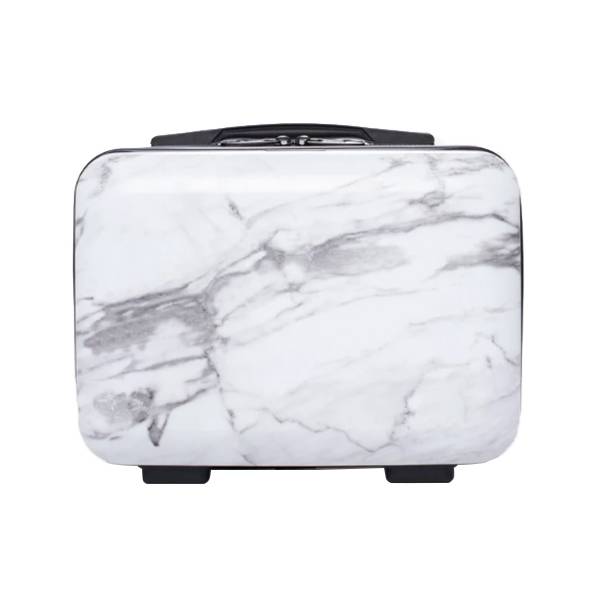
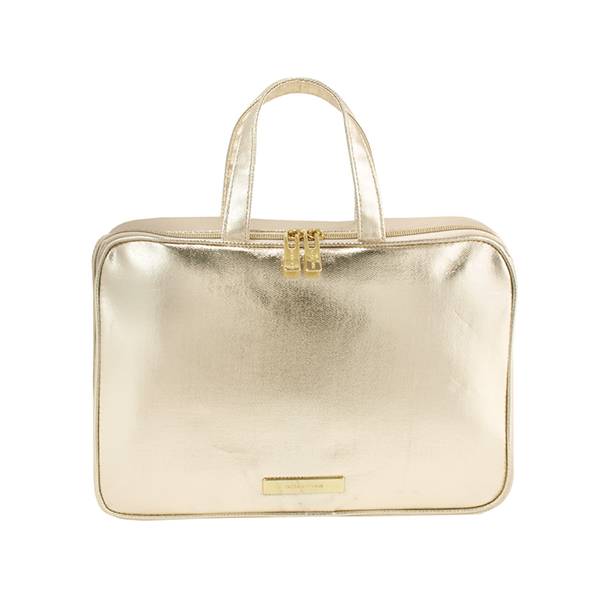
Consider your products protected in this hard shell cosmetic case from Calpak. It comes complete with three internal pockets for easy organization, a shoulder strap, a luggage trolley sleeve and to top it all off, is available in nine chic colorways.
The trait you didn’t even know you needed in a makeup bag: temperature control. Anyone who’s ever opened their cosmetic case after a long flight or car ride to find a melted lipstick knows the struggle. This leather traveling case uses renewable energy (no batteries) to keep your products safe and at a stable temperature during your journey.
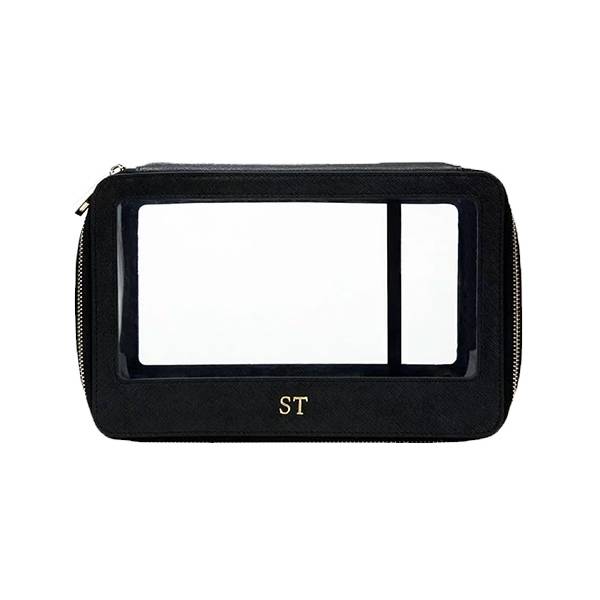
What better way to ensure your makeup doesn’t get mixed up with anyone else than to monogram your initials on the case? This customizable clear travel case holds all of the essentials for an extended weekend away and makes a great gift.
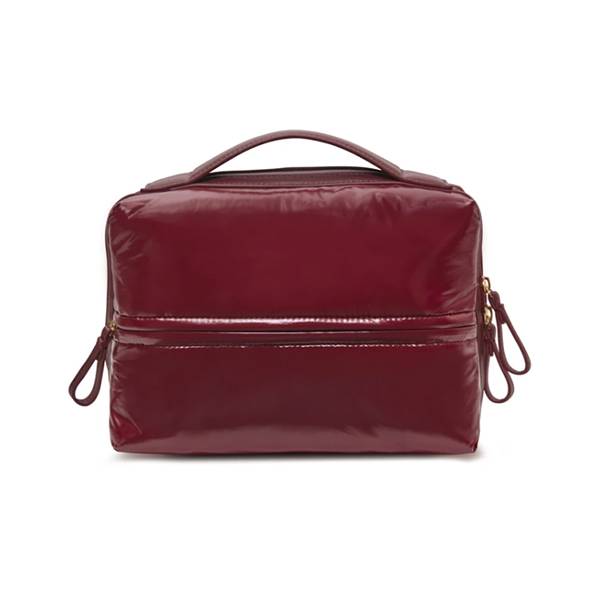
This waterproof nylon carrier is the ultimate travel companion. Not only is your makeup safe in the cloud-like case, but it features an easy-to-clean lining and is ultra-lightweight — perfect for your carry on.
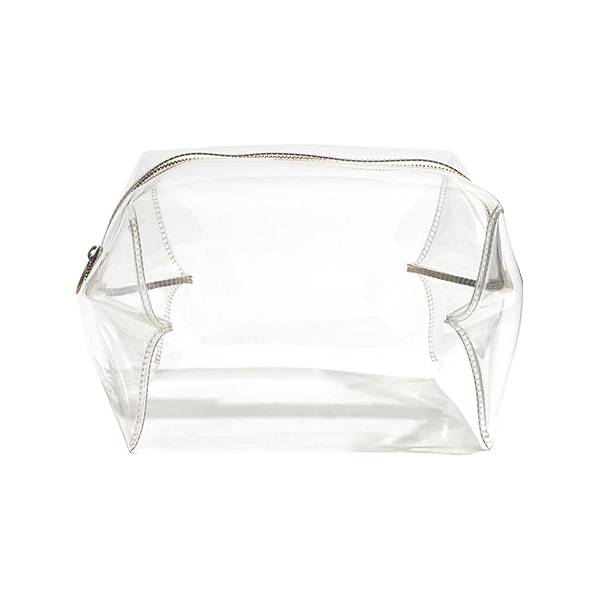
Say goodbye to digging around in your bag to find that one missing lipstick that’s lodged itself way at the bottom. This clear vinyl travel bag is large enough to hold a fair share of makeup and best of all, is easy to clean.
Are you a brush finatic? Same. This weekend makeup bag contains removable center panels with an organizer for all of your tools and multiple zipper pockets to hold everything you need.
Sleepy girl makeup emerged as one of NYFW’s softest beauty trends at Sandy Liang’s FW26 show. Created by makeup artist Romy Soleimani in collaboration with Rare Beauty, the look focuses on luminous skin, pastel pink blush, subtly emphasized under-eyes, and glassy lips for an intentionally undone, just-woke-up effect that’s surprisingly wearable in real life.
Citric acid is in just about everything from skincare products, to food, to floor cleaner. While lemons aren’t really something you want to be rubbing all over your face, citric acid is something very different and is actually quite beneficial!
Here is what you need to know about citric acid and how to incorporate it into your routine.
What is Citric Acid?
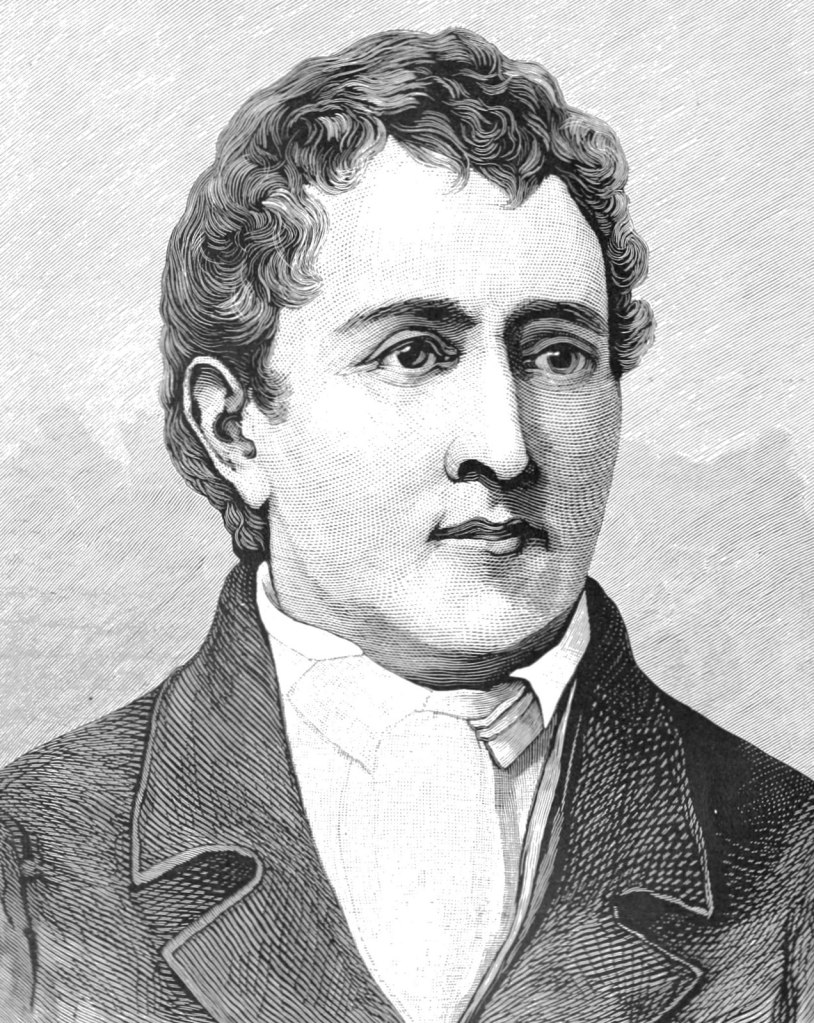
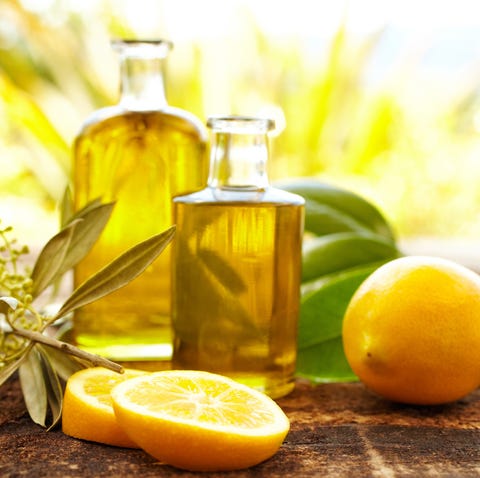
Citric acid is found in, you guessed it, citrus fruits, and is what gives them their acidic flavor. Citric acid was first isolated in 1784 by the Swedish chemist Carl Wilhelm Scheele, who was able to crystallize it from lemon juice.
And not long after, it started to appear in just about everything but particularly in cosmetics and skincare products. In 2016 the U.S. Food and Drug Administration’s (FDA) Voluntary Cosmetic Registration Program (VCRP) stated that citric acid was used in almost every category of cosmetic products and had over 10,000 reported uses.
It is also used as a popular flavor and preservative agent in foods, soft drinks, and candies.
What Are AHAs?
Citric acid is what’s known as an alpha hydroxy acid (or AHA) in the skincare world. The most basic definition of an HA is a carboxylic acid, which is an organic acid that has at least one carboxyl (carbon double-bonded to oxygen) group. However, that general definition includes unrelated compounds like retinoic acid, L-ascorbic acid, and azelaic acid. Therefore, further qualifications (like alpha, beta, etc) need to be identified.
AHAs are non-abrasive, leave-on exfoliators that are traditionally more effective and gentle than traditional scrubs. Sun damage and overly dry or oily skin can hinder your body’s ability to properly shed dead skin cells. These obstructions can cause skin concerns like dullness, clogged pores, milia, texture, and breakouts. Using an exfoliant can help your skin clear out the dead cells to make room for the new, healthy ones. Chemical exfoliants help to prevent breakouts and premature aging and reduce the appearance of pores.
How Can Citric Acid Benefit Your Skin?
AHAs like glycolic acid and lactic acid can be incredibly potent, and sometimes a little too much for those with sensitive skin. That is where citric acid can be helpful! It is like the training bra of AHAs: It doesn’t really do as much as its fellow acids, but it’s made for people who don’t need the support older girls do.
But what exactly are the benefits of citric acid for the skin? Citric acid (like most all AHAs) can help to brighten skin, shrink pores, treat acne, and correct dark spots and fine lines.
Before it started being added to formulas for its exfoliating abilities, citric acid used to be used to keep the pH range of skincare products in check. The pH of cosmetics and skincare products is important because the skin’s normal pH is slightly acidic. A low acidic pH can cause ingredients to be more irritating for those with sensitive skin.
Is It Safe?
The terms “citric” and “acid” are intimidating on their own but can be downright scary when used together. Especially when it comes to something that you’re putting on your face! But according to The Derm Review, it is perfectly safe to use on the skin! “The Cosmetic Ingredient Review (CIR) Expert Panel reviewed scientific literature and data on the safety of citric acid and its salts and ester in 2014. This data revealed that at concentrations used in cosmetics and personal care products, citric acid and its salts and esters were not eye irritants, nor did they cause skin irritation or allergic skin reactions. Thus, CIR concluded that the available scientific data showed that citric acid, its salts, and esters were safe under current conditions of use in cosmetics and personal care products.”
Some people get freaked out by citric acid because they know that lemons are highly irritating for the skin. And while, yes, you can absolutely go overboard with citric acid, it’s safe to use.
Just be cautious, especially if you have sensitive skin. The thing with citric acid is that it can be intense. Let’s put it this way: How will you know if you’re using too much? Side effects of overuse include stinging, burning, and irritation.
If you’re still unsure, always do a patch test first to see how your skin reacts. If you don’t see any irritation or redness, start to slowly introduce it into your routine. Don’t use AHAs the same night you use retinoids or physical exfoliants because that can lead to serious damage to your skin’s barrier!
Bottom Line
Citric acid can be an effective chemical exfoliant for those with sensitive skin. I don’t find it as effective as glycolic or lactic acid, however, but if you have tried those and found them to be too irritating, citric acid could be a great alternative!
Sign up for our newsletter!
Processing…
Success! You're on the list.
Whoops! There was an error and we couldn't process your subscription. Please reload the page and try again.
Disclaimer:
The purpose of this blog is for skin care, makeup, and wellness + health-related reviews and tips only. It is not intended as and does not substitute for medical advice. Information posted should not be construed as personal medical advice. Posts are not intended to diagnose, treat, or cure disease.
Admittedly, if you went through our purses right now, you’d probably find a pile of half-used lip balms loosely floating around at the bottom. As far as we’re concerned, it’s seemingly impossible to have too many lip balms during any time of year, but when the weather turns cold, we double down. Come winter, we cling to themost moisturizing lip balms we can find in the hopes of alleviating our dehydrated, dry or chapped lips. Ahead, you’ll find a list of our favorite hydrating lip balms guaranteed to give your winter lips the extra love and moisturethey deserve.
Kiehl’s Lip Balm #1 Shield your lips from the drying effects of wind and cold weather with this Kiehl’s fan-favorite lip balm. Made with hydrating aloe vera, antioxidants like vitamin E and replenishing squalane, this nourishing formula provides the ultimate lip care.
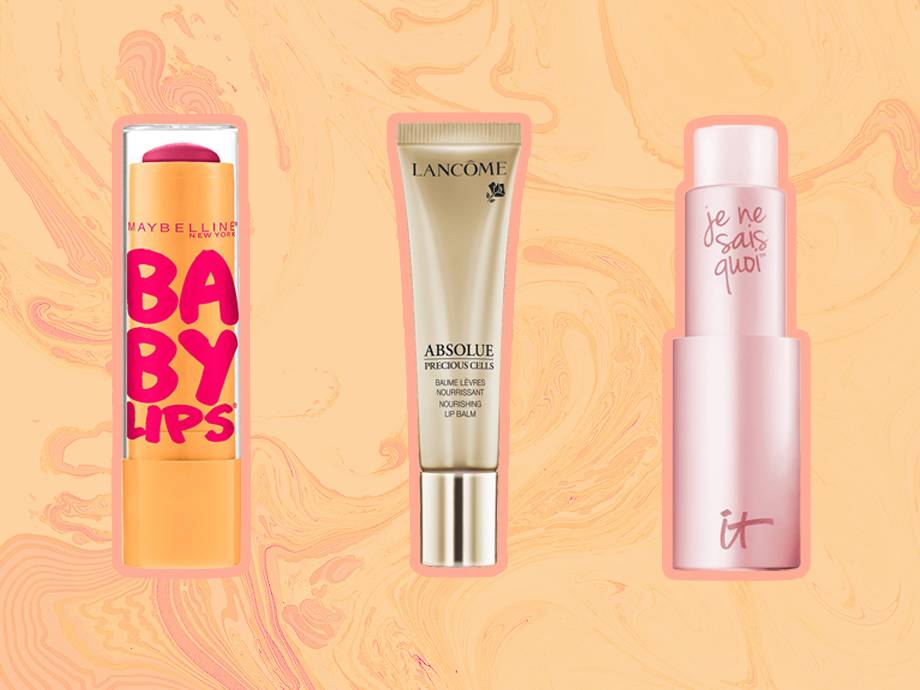
IT Cosmetics Je Ne Sais Quoi Hydrating Lip Balm Treatment For those that can’t resist a little color on their pout, reach for this innovative lip-reviving balm. Not only will it provide intense hydration thanks to its essential butters and oils, but the Vitality Lip Flush Technology will even react with the warmth of your lips to provide a perfect flush of pink that lasts all day.
Maybelline New York Baby Lips Moisturizing Lip Balm It’s called Baby Lips for a reason and that’s because, well, you know where we’re going with this — it offers hydrating benefits that last for up to eight hours. Available for a humble $4.49, we won’t judge you if you buy one in every color.
Mario Badescu Lip Balm Give your lips a kiss of hydration with the Mario Badescu Lip Balm. Formulated with cocoa butter, shea butter, coconut oil and almond oil, this ultra-rich balm is a great choice to replenish and renew your lips all winter long.
Lano The Original 101 Ointment Multipurpose Superbalm Cold temperatures mean dry lips, hands, elbows and so much more. This Lano Super-balm will save you during those desperate dry times where you need a quick fix of hydration everywhere, including your pout.
YSL Volupté Tint-in-Balm This lipstick-lip-balm hybrid will care for your lips while giving you a glowing, sheer touch of color. The macadamia and apricot butter formula will keep your lips hydrated, protected and looking amazing with each use. It’s definitely a bit of a splurge, but trust us when we say it’s worth every penny.
Lancôme Absolue Precious Cells Nourishing Lip Balm Treat your lips to the luxuriously rich and nourishing salve that is the Lancôme Absolue Precious Cells Nourishing Lip Balm. The formula will keep your lips moisturized and reduce the appearance of fine lines and wrinkles around the lip area. Not to mention, the inclusion of acacia honey, beeswax and rosehip seed oil will leave your pout feeling soft, supple and plump.
The beauty buzzword and movement of the moment: “clean.” Along with other terms like “green” and “natural,” it’s used to describe every type of skincare, hair, makeup, and fragrance product, from moisturizer to makeup, shampoo to soap.
Ok, you guys have seen all the talk about switching to clean beauty on my Instagram feed, but what is clean beauty? Clean beauty is products that are not toxic to your body, and free of harmful ingredients. I was pretty shocked—actually, floored—to learn that the US beauty industry is one of the most unregulated industries. Companies can basically put any ingredients they want in a product—harmful or not. If you’re anything like me, you probably try to live your best to live a healthy lifestyle by eating well and reaching your fitness goal with the help of FlattummyApp. But then you are slathering yourself with chemicals, parabens, and silicones — it’s counterproductive!
Retailers know that consumers want cosmetics and beauty products that aren’t laden with potentially harmful ingredients — for example, Sephora recently launched “Clean at Sephora,” an initiative in which the beauty brand badged over of its 2,000 products as “clean,” in this case meaning free of ingredients like sulfates, parabens, formaldehydes, phthalates, and mineral oil.
But identifying the “cleanest” makeup products or “safest” cosmetic brands on the market isn’t all that simple. Despite a booming beauty industry, U.S. laws for cosmetics safety are virtually unchanged since they were created back in 1938. Here — unlike in Canada and Europe, where well over 1,300 unsafe ingredients are banned for use in beauty products — unbelievably, the FDA has prohibited only 11 ingredients or related compounds.
While legislation is pending to change this, progress is slow. The Personal Care Products Safety Act, supported by the Good Housekeeping Institute and beauty industry-leaders, would require the FDA to review the safety of at least five ingredients per year (at which rate it could take hundreds of years to even test for risks and dangers!). Yet this small step has remained stalled in the Senate since it was proposed in 2015. And there is no established industry-wide definition for “clean” or “natural” beauty claims. Being aware of what clean beauty is and educating yourself is so important which is why I wanted to share Clean Beauty 101 today.
The term “clean beauty” gets thrown around quite a bit, but few people know what the phrase actually means. Which is understandable: terms like “natural,” “botanical” and “green” are completely unregulated by the FDA, meaning anyone can use them. At its most basic level, a true clean product avoids the use of ingredients like parabens, sulfates, silicones, phthalates, and synthetic fragrances.
“Natural” or “All-Natural”
What it implies: A product is made with ingredients sourced from nature — be they plant, mineral or animal — that are minimally modified.
GH Lab lowdown: Few ingredients are used as-is from nature. “Natural” doesn’t always mean healthier: Some natural substances can even be harmful.
Trust it when: You see the Ecocert Natural Cosmetic stamp, which confirms that at least half the ingredients are plant-based.
“Organic”
What it means: The product’s ingredients and formula are produced without harmful pesticides.
GH Lab lowdown: This is the only government-regulated term in the “clean” beauty space.
Trust it when: It is USDA-Certified Organic (contains at least 95% organically cultivated ingredients) or NSF Organic-Certified (contains at least 70% organic ingredients).
“Naturally Derived”
What it implies: Natural ingredients in a product have undergone some chemical processing.
GH Lab lowdown: When you see this term or a similar one like “natural origin” or “made with natural ingredients,” look for a qualifier that indicates what percentage of ingredients it applies to.
Trust it when: The product carries the Good Housekeeping Seal, since the Good Housekeeping Institute Labs verify all product claims.
“Chemical-Free”
What it implies: A product doesn’t contain harmful chemicals like formaldehyde, toluene, and lead.
GH Lab lowdown: Not all chemicals are created equal; plus, every ingredient (natural or synthetic) is made up of chemicals. They are even part of human biology!
Trust it when: The claim is ingredient-specific, as in “paraben-free,” and the product has earned the Good Housekeeping Seal (we obtain data to validate all ingredient claims).
“Nontoxic”
What it implies: A product is not harmful to humans.
GH Lab lowdown: Such a wide-ranging term is meaningless unless it refers to a specific ingredient. Almost anything, even drinking water, can be harmful in large quantities.
Trust it when: Never, since it cannot be proven or disproven.
“Green” or “Sustainable”
What it implies: Products are developed with minimal present and future environmental impact.
GH Lab lowdown: This broad term covers everything from what’s in a product to how it’s made, packaged, distributed and disposed of.
Trust it when: You see certifications like Cradle to Cradle for sustainability and the Green Good Housekeeping Seal, which validates both sustainability and product performance.
Why is Clean Beauty Important?
Your skin is the biggest organ and absorbs up to 60% of what you put on it. Yet so many of us are completely unaware of what’s inside our products and believe the government will oversee our safety. The truth is, that there is a serious lack of regulation of U.S. Cosmetics.
The US has not passed a law regulation personal care products since 1938. Since then, more than 80,000 chemicals have been introduced into products on store shelves. Only 10% of these have been tested for human safety.
Just as a comparison, while the UK has banned nearly 1,400 harmful ingredients in personal care products, the US only partially prohibits 11. The FDA even allows chemicals known to cause cancer including parabens (which are known to disrupt hormone function), phalates (an industrial chemical that can damage the liver, lungs, and reproductive system), formaldehyde, lead and more.
How can you really go “clean” with your beauty routine?
The BLB Lab’s top tips on making truly natural and sustainable clean beauty choices:
1. Do an ingredient check. For a deeper dive into ingredients, the Beauty Lab recommends consulting resources like the Made Safe Hazard List and theEnvironmental Working Group Skin Deep database. Both nonprofits aim to collect the latest science on ingredients and offer recommendations for safety-certified products across categories.
2. Choose fragrance- and dye-free. Products that contain no fragrances or dyes are by nature better for the environment, as they use fewer ingredients, and people can have sensitivities to both. Even fragrance from natural sources can cause reactions. Plus, brands aren’t required to list the ingredients in “fragrance” on labels, so in many cases there’s no way to know what’s in those products.
3. Pick less packaging. The more minimal the packaging, the better for the earth. Whenever possible, seek out products with fewer components and without parts or materials that can’t be recycled (aim for codes 1 and 2) and unnecessary elements like outer boxes. Keep your eye out for the winners of BLB’s new Sustainability Awards for beauty, home care and toys, to be announced this fall.
4. Buy (green!) beauty that gives back. Seek out beauty brands that donate a portion of their proceeds or make a contribution to environmental causes.
What Can I Do Right Now to Protect Your Health?
When I am purchasing a new product from toothpaste or laundry detergent to shampoo or nail polish, I use the Environmental Working Group website. EWG created the Skin Deep Database that includes information on more than 61,000 products and rates them for safety.
My tip is to slowly switch out products one at a time so it doesn’t seem daunting and expensive. I would start with the products you use daily. I love Native Aluminum & Paraben Free deodorant and their sulfate and paraben free body wash! Make sure to stay tune for a full guide!













 beautyleebar.org