
How to Handle Things THE SECOND YOU’RE TRIGGERED

None of us is above being triggered. Even the most evolved person in the room—someone with a healthy, trained mindset—will struggle from time to time. We all have moments when we’re tired, we’re drained, and our batteries are running low. And it’s at times like these when we’re most open to being triggered.

Everything goes wrong one day, and suddenly we can fall victim to our situations. Someone says something that doesn’t sit right with us and we get defensive, or vice versa. When we’re triggered, we tend to react as if everything we’re feeling in that moment is the unequivocal truth. In actuality, it’s usually just our one-sided perception of the story, and it’s driven by past hurts.

And so begins our downfall.

Advertisements

Adding fuel to the fire

The second someone feels triggered, their defenses go up. And the reaction will often create an equally defensive reaction in whoever else is involved. It’s like a chain reaction.

When somebody feels like they’ve been made into the bad guy in a situation, they’ll naturally want to defend themselves and justify their actions. During tense moments, those reasons are often at each other’s expense. We say, “You made me so mad,” pushing that discomfort onto them. But they fight back with “Well, I wouldn’t have said that if…,” getting defensive themselves. It’s a deflection of guilt or upset, and we begin the blame and justification dance that has no winners and often leaves all parties feeling sore.

When both parties are triggered and defensive, neither is dealing with the truth of the moment. Neither is accepting the role they may or may not have played. Perhaps nobody did anything wrong, but defensiveness has certainly escalated matters. And now both sides are fighting completely different fights based on differing views of the same situation, and no one is dealing with what’s going on at the moment. Which is that both sides are dealing with some past sore point.

We react like the complaint now is the truth—when we’re just triggered by an emotional echo. Whether one person feels triggered or both people do, we fall victim to our reactions, focusing on the often minor current issue. Both add fuel to the fire, and nobody wins. Before we know it, two people who love each other have just fallen out over something utterly trivial.

Advertisements

Everything links back

In these instances, the exact details of why we became triggered in the first place are largely irrelevant. The point is that, even though a real comment or action might have triggered us, our reaction isn’t about the actual situation at hand.

Advertisements

We’re only ever triggered by the past, and our triggers will always stem back to something from our childhood. For the first 20 years of our life, life happens to us. Then, we spend the rest of it dealing with what happened to us.

But if we’re not aware of this—and neither is the other party—how can we find a resolution? We aren’t walking in each other’s shoes. We can’t know exactly where they’re coming from. We’re two people with different pain points and perspectives. It’s like a conversation where both parties are speaking different languages and wondering why no one is making any sense.

Advertisements

Learning to let go

What has us stuck in these triggered moments is running over things again and again. We’re trapped trying to make sense of truth in the present moment that simply doesn’t exist there but in our past.

So, to move past this, we need to work on our awareness and try to catch ourselves. If someone is consistently talking over us or not listening and it triggers us, we should ask ourselves, who first did this to us? Was it a parent? Or a sibling? When did we first not feel heard or respected in conversations? If we can look back and grow our awareness of what we need at the moment, we can explain to someone what triggers us now, what our sore point is, and what we need to help us feel heard and understood.

Also, it’s worth knowing we will often put ourselves around people who will repeat behaviors we didn’t like when we were younger, so we can continue working out how to handle it and grow past it. This is a subconscious choice, but one we all make. Ever noticed someone dealing with the same things again and again, like repeating the type of significant other they go for? The more we engage with the tense, defensive moments today, the more we are buying into them being real and about us now. They aren’t about now.

Instead, we want to notice the moments when we’re triggered. Or when we might be triggering someone else. It’s no easy feat. It’s an ongoing exercise in strengthening our awareness and ability to detach from what is here, to see what is going on there in our minds and our past. And the more we practice this, the more evolved we become, the more we strengthen this muscle, and the quicker we will let these moments go when they arise.


Advertisements

Are You Low Key AUTOSEXUAL?

Are you autosexual? The short answer is yes, most likely. We all are, at least a little. Casey Tanner, therapist, writer, and founder of QueerSexTherapy, helped us define autosexuality as “a trait wherein one is turned on by engaging in their eroticism.” In other simpler term, it means that you have an emotional and sexual attraction to yourself. So, to be autosexual, you have a sexual desire for yourself, being erotically aroused by your own physical being. A prime example of this is simply women in general. While it may not be accurate for everyone, we generally feel more sexual and turned on when we feel we are sexy. But it’s not just about the ladies.

Advertisements

“ While masturbation is the most obvious example, autosexuality (or autoromantic ) may extend beyond sexual behavior to include feeling a longing or desire for oneself. It can also be the ability to turn oneself on through looking at, visualizing, touching, or smelling oneself.

Simply put, being autosexual is feeling a sexual attraction toward yourself, like sex and relationship expert Carmel Jones explains. The term is often also brought up with “autoromantic,” which refers to a romantic attraction to yourself, whereas “autosexual” is just the sexual component.

Advertisements

Tanner tells us that “like most human characteristics, autosexuality is a spectrum—and the majority of us are on it! Some may identify as exclusively autosexual, in which case they might consider autosexuality their sexual orientation. Most people, however, incorporate autosexuality into a larger sexual repertoire that also includes being turned on by partnered sex.”

Advertisements

If you have someone in your life who identifies as autosexual, don’t dismiss them or think of autosexuality under the umbrella of narcissism or selfishness, Jones says. Instead, acknowledge the validity of their sexual identity.

For partners, remember that their autosexuality is not an insult or attack against you. It doesn’t mean they are not sexually attracted to you or don’t want to have sex with you, Jones says, but instead that you may need to keep an open mind and understand that your sexual relationship with an autosexual partner may look a little different from what you’re used to and your ways of pleasuring each other may also be a little different.

Advertisements

This might mean wearing sexy lingerie, even if your partner hardly gives it a second glance. It could mean doing your hair and makeup so that you feel good and turned on, even when you’ve been in a long-term monogamous relationship and the other party hardly notices. It could mean washing lovingly in the bath and genuinely enjoying your body. It could mean dancing in the mirror in a cute outfit. If feeling sexy independent of someone else has ever turned you on, that’s autosexuality, and it’s normal.

Like all things, it’s on a spectrum, as White explains. You can be in a romantic relationship with someone else but still find it easier to be turned on with yourself, she adds. You might also have sexual feelings triggered by thoughts, images, or sexual fantasies involving yourself. Or you might feel naturally turned on by looking at yourself in the mirror or fantasizing about yourself naked.

If you enjoy watching yourself have sex or are attracted to people who look like you, those could also be signs you’re autosexual, according to Jones.

Advertisements

Autosexuality is often associated with narcissism, but experts agree that’s not an accurate way of thinking about autosexuality. “This is not the same as narcissistic personality disorder, as narcissists require admiration and attention from others and lack empathy,” White explains. Instead, “ people who identify as autosexual are able to have relationships with others but have a preference for sex with themselves.”

” Many folks resist autosexuality, fearing that it’s narcissistic or might detract from partnered sex. In reality, autosexuality can be a healthy, even valuable part of your sex life, explains Megwyn White, director of education for Satisfyer. Embrace loving yourself! Embrace turning yourself on!

Advertisements

When we know how to turn ourselves on, we depend less on environmental cues to move us into a sensual headspace. When we look at or fantasize about ourselves, we are in touch with our bodies and senses. Getting turned on by oneself does not mean you think you’re better than other people, that you’re selfish, or that you’re not attracted to your partner(s). Rather, it’s one additional tool in your box for sparking desire and passion.

It takes us into a comfortable, relaxed space when we find our sexuality to be attractive. We are sensual beings, so depending on our sensuality instead of relying solely on others to turn us on has profound power. It takes the pressure off of partnered sex, and it brings so much pleasure to our time, ehem, alone. Wherever you land on the spectrum of autosexuality, none of it is wrong. Enjoy yourself, literally.

Need more info, Health got ya! Click here to get more details on autosexuality. Web MD is another great source to visit.

SHOPE THE SELF-LOVE ESSENTIALS:

Mage – Finger Hood Design Sucking Vibrator, $25.99 $29.99

The clitoral stimulator is designed to simulate realistic oral pleasure, sucks and vibrates the clitoris or nipples with 7 different modes from gentle to wild, let you have the new climax experience. This clitoral sex toy is made of medical-grade silicone, which hygienic and odorless. This silky-touch clit sucker would bring more comfort to your private parts.

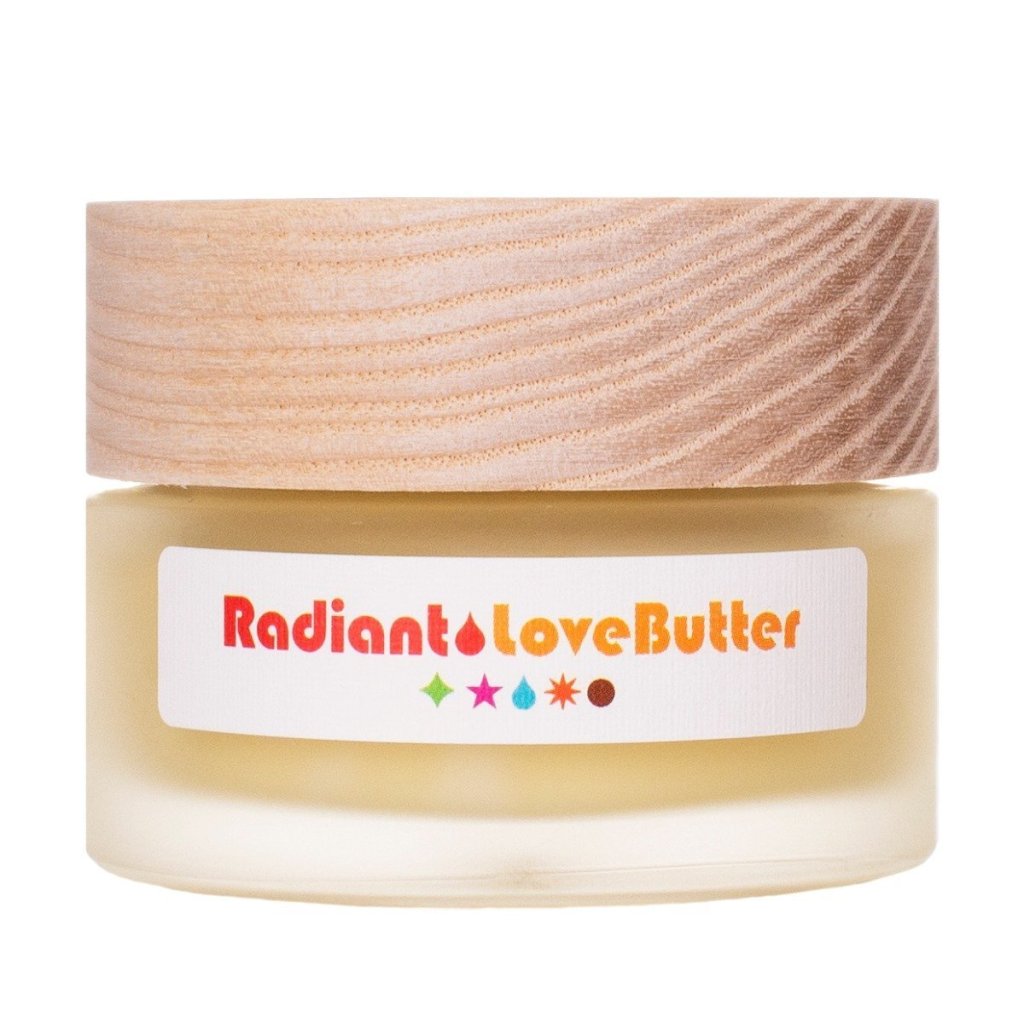
Radiant Love Butter, $59.04 $72.00

Radiant Love Butter is a succulent massage crème that infuses skin with silky desire as it glides and slides all over body, hips and lips. Melt into your pleasurable paradise as this tasty vanilla-cinnamon-coconut-cacao treat melts deep into your supple skin.

Advertisements

The content provided in this article is provided for information purposes only and is not a substitute for professional advice and consultation, including professional medical advice and consultation; it is provided with the understanding that BeautyLeeBar, LLC (“Hello Beauties”) is not engaged in the provision or rendering of medical advice or services. You understand and agree that BeautyLeeBar shall not be liable for any claim, loss, or damage arising out of the use of, or reliance upon any content or information in the article.

Advertisements


How to Keep From Getting Emotionally Drained During the Holidays

I wouldn’t call myself a big Kacey Musgraves fan, only because I don’t know much about her besides her iconic Met Gala 2019 look. I am, however, obsessed with all things Christmas, so I simply had to watch her special on Amazon Prime. Always a fan of new versions of my favorite holiday classics, I listened intently to the songs she selected, but one specific song struck a chord (pun intended). Amidst Let it Snow and Rockin’ Around the Christmas Tree, Kacey sang Christmas Makes Me Cry. And full disclosure, it kinda did make me cry.

Advertisements

Here’s the truth: while the holidays are undoubtedly the most wonderful time of the year, it can also feel stressed, lonely, and yes, even make you cry. Sure, spending time with loved ones is great, giving feels good, and Elisa & Marcela is the best movie of all time. However, all of the parties, the shopping, and the questions from nosy aunts about when you’re getting married/having children/settling down can get draining.

Now is the part in the story where I burst out into a rendition of Where Are You Christmas as I contemplate what has happened to the true meaning à la Cindy Lou Who. I’ll spare you from my awful singing voice (ask my coworkers!), and instead, give you tips so you can enjoy the holidays. If all you want for Christmas is an uninterrupted nap, here are seven ways to avoid getting emotionally drained this season.

Advertisements

Keep up the parts of your daily routine that make you feel good

When it comes to your consistent daily routine, make a list of the non-negotiable: does exercising every day keep you from getting stressed out? Does a morning meditation center you, or a strict 10:30 pm bedtime makes you feel like yourself the next day? Whatever the most important part of your daily routine is, make sure you stick to it.

Prioritize “recharge” time

Even if you’re a self-diagnosed extrovert through and through, we all need alone time to recharge and gain energy or find peace. Stay in for a night if you feel like you’re starting to dread what’s on your calendar, or push back dinner plans to take a relaxing bath. Even if you’re visiting family and feel like you have no space, try to wake up a little earlier than everyone else to go for a run or read in a quiet place.

Determine what about the holidays makes you happy

We all have lots of traditions and plans that we want to fit in each holiday season, but very few of these things on our to-do lists make us happy. Make a list of your top goals for the season. Is it to spend time with family members you don’t get to see often? Is it to contribute to your community or help those in need? Is it to make memories with your children? For the next few weeks, keep your goals in mind and only say yes to the events, invitations, and traditions that help you reach those goals. Permit yourself to let go of everything else.

Advertisements

Buy presents in bulk

For all of your coworkers, kids’ teachers, and party hosts, have a go-to gift on hand that you buy in advance, so you don’t have to spend too much time and energy shopping for each person or gift exchange. Save the long lines, big crowds, and steep prices for the closest loved ones in your life. Planning will also help you stick to a budget, reducing money stress that usually comes as the season goes on.

Eat, drink, and be merry… intuitively

The mind and body are inextricably linked. Yes, it’s important to give yourself proper nourishment (mindful eating is the key!), but the guilt you put on yourself is worse for your body than any peppermint stick or cheese soufflé could be. There will be a lot of indulgences this season, and you should not feel guilty for sipping on eggnog or having a slice of grandma’s pecan pie. Enjoy the “worth-it moments” that represent traditions or bring you closer to loved ones. Stop eating when you’re no longer hungry, listen to what your body needs, and put some leafy greens next to the mashed potatoes and casserole on your plate.

Advertisements

Rethink your expectations

One reason that the season can feel draining is that it seems so “magical” and hyped up that it very rarely lives up to expectations. Maybe you pictured being in love this time of year and are single, or you envisioned a perfect Christmas Eve dinner, but your cousins fought the whole time, or maybe you didn’t have time to fit in all you wanted to do. Stop thinking of the season as the greeting card version, and enjoy all the little moments that are unique to you. Remember that “forced happiness” (i.e. trying to get into the holiday spirit when you’re just not feeling it) is not real happiness, and can make you sadder or more anxious.

Focus on giving instead of what you’re lacking

So giving is the ultimate virtue of Christmas, but it runs much deeper than with gifts. It may sound counterintuitive, but whatever you feel you’re missing or stressed about not having (whether it’s time, money, or companionship), give it away. If you’re feeling like you’re tight on money, give $5 to a charity or buy toys and snow boots for a holiday drive. If you’re feeling lonely this season, figure out how you can give love: call your mom, check-in on a friend who’s having a hard time, or invite your elderly neighbor over for dinner.

Advertisements

As cliché as it sounds, giving is magical. Not just for all the reasons you learned as a little kid about making other people feel good (don’t get me wrong, that’s still important!!), but because it’s one of the few things (if not the thing) that has the power to transform how your life looks like to you. Start focusing on what you do have, instead of what you don’t.

How do you keep up your mental health during the holidays?

Advertisements

WHY YOU EAT WHEN YOU’RE BORED AND WHAT YOU CAN DO TO STOP!

YOU’RE NOT HUNGRY, YOU’RE BORED.

Don’t be a victim of mindless snacking (I’m talking to myself too… “Why did I buy those m&m peanuts again?” *face palm*)

Advertisements

5 Tips to Curb Those Cravings

1 | MAKE SURE YOU’RE EATING ACTUAL MEALS DURING THE DAY.

This may mean that you have to plan your meals in advance. Eating actual meals (and meal planning) will ensure that you’re getting enough protein, fats, and carbs to sustain you between meals. It’s when you don’t have that in-between sustenance that you start snacking…

Ever notice how restricting food intake all day leads to eating a whole pizza, half a sleeve of oreos and some Ben & Jerry’s at night? That’s because the body is meant to eat small meals throughout the day so it doesn’t think it’s starving to death.

2 | DRINK MORE WATER.

People often confuse hunger for thirst. Symptoms of thirst are very similar to that of hunger and the same part of the brain is responsible for both. The next time you sense that you’re hungry, take a moment to ask yourself the following 2 things:

♡. When was the last time I ate something? 

If you’ve eaten within the last 2 hours, you’re probably not hungry.

♡. When was the last time I drank water?

If it’s been over an hour, you’re probably thirsty.

Advertisements

3 | IDENTIFY YOUR HUNGER CUES.

 Late night snacking while binging Netflix is not acceptable.

Start tracking the times you crave food. This is where a food journal can come in handy. Make a column for the times you crave food and a column for the times you eat, in addition to what you eat or drink throughout the day. This will help to identify patterns that can illuminate what’s a mindless craving vs what is actually hunger.

4 | BRUSH YOUR TEETH

Your taste buds are triggered to hunger receptors in the stomach-brain connection (it’s all connected). For many people, the hunger satiation receptors don’t “go off” until all the taste buds have been stimulated. Ever noticed how after a huge dinner, you somehow miraculously have room for dessert? That’s because your “sweet” taste buds weren’t stimulated enough during dinner, so your brain thinks you have room for it, when in truth, you are stuffed.

Brushing your teeth can give your taste buds the kick in the pants that they need to signal to your stomach-brain connection that you’re good, and that no, you do not need that snack.

Advertisements

5 | ALWAYS REMEMBER BWYFWSBF: BUT WOULD YOU FUCK WITH SOME BROCCOLI FIRST? 

When all else fails, this one never does. It’s simple and it’ll help you check yourself.

If you’re desperate enough to eat broccoli, then you’re actually hungry. If you’re not, you’re probably just bored.

Drink some water, go for a walk and/or organize something. Your brain is lacking stimulation, so do something that’ll occupy it with mindful activities. Studies have even shown that playing Candy Crush Saga can help curb bored-hunger. You’ve got options. Pick one.

Advertisements