For years, I spent hurting in relationships, workplaces, and friendships by putting up with toxic people. It caused me a lot of pain because I felt lonely and unfulfilled. One day, I had enough and left my toxic relationship and began my healing journey. During it, I learned that toxic people all have the same traits that can be identified in the very beginning.
Advertisements
Here are the 5 most comment red flags I look for:
Disrespect: If the other person is consistently disrespectful or inconsiderate of your feelings, boundaries, or needs, this is a red flag. This may include things like talking down to you, belittling your ideas, or ignoring your requests.
Dishonesty: If the other person is not being honest with you, this is a red flag. This may include things like lying, withholding information, or gaslighting (manipulating you into doubting your perception of reality).
Controlling behavior: If the other person is trying to control you or your actions, this is a red flag. This may include things like telling you what to wear, who to spend time with, or how to spend your money.
Lack of accountability: If the other person is not willing to take responsibility for their actions or their mistakes, this is a red flag. This may include things like blaming others, making excuses, or denying wrongdoing.
Negativity: If the other person is consistently negative or critical, this is a red flag. This may include things like complaining, blaming, or being pessimistic.
By paying attention to these red flags, you can protect yourself from unhealthy or toxic relationships, friendships, or work environments. If you notice any of these red flags, it is important to trust your instincts and take action to protect yourself.
Advertisements
Why people dismiss red flags:
Denial: People may ignore red flags in others because they do not want to believe that there is a problem or that something is wrong. This can be especially common when the red flags are related to difficult or unpleasant topics, such as addiction or abuse.
Lack of awareness: People may not recognize red flags in others because they do not have enough information or knowledge about the situation. For example, they may not know the signs of a certain mental health condition or they may not be aware of the warning signs of a toxic relationship.
Wishful thinking: People may ignore red flags in others because they are hoping that the problem will go away or that things will get better on their own. This can be especially common when the red flags are related to someone they care about, such as a friend or family member.
Fear: People may ignore red flags in others because they are afraid of the consequences of acknowledging the problem or taking action. This can be especially common when the red flags are related to something intimidating or uncertain, such as a difficult conversation or a potential confrontation.
Advertisements
How to recognize red flags:
Pay attention to your instincts. If you have a gut feeling that something is not right in a relationship, friendship, or workplace, pay attention to this feeling. Your instincts are often based on unconscious cues and observations, and they can be a valuable source of information.
Notice patterns of behavior. Look for patterns of behavior that are concerning or that do not align with your values or expectations. For example, if someone is consistently disrespectful, unreliable, or dishonest, this may be a red flag.
Pay attention to how you feel. Notice how you feel when you are around the person or in the workplace. If you consistently feel anxious, uncomfortable, or drained, this may be a red flag.
Look for warning signs of abuse or manipulation. Be aware of warning signs of abuse or manipulation, such as controlling behavior, jealousy, or verbal or physical aggression. If you notice these behaviors, this is a red flag and you should seek help and support.
Write down what you feel. If you are unsure at the moment, write it down and check back on it later if it comes up again or ask someone what they think. This also ensures you don’t forget what you noticed.
Seek advice from others. If you are unsure about whether something is a red flag, consider seeking advice from others who are close to you or who have more experience in the situation. They may be able to provide a different perspective or valuable insights.
Advertisements
Red flags are warning signs that indicate potential problems or issues in a relationship, friendship, or workplace. These red flags can be subtle or overt, and they can be difficult to spot, especially if you are not looking for them. But you be cautious about protecting your energy because that is the most valuable thing you have. The people around you have a profound impact on your well-being and success.
We love our quick, equipment-free workouts because we can do them without having to worry about having enough time or equipment.
Advertisements
This workout is designed to help you strengthen your glutes and help you get a perkier posterior.
Advertisements
It’s important to keep your glutes functioning well throughout your day because they play an important role in overall fitness.
If you want to get the most out of your glute muscles, targeting them all at once is the best way to do it.
Advertisements
This will distribute the load evenly and help you maintain a healthy training schedule.
You don’t want to spend too much time on your daily routine, so this 5-minute Butt workout is perfect for you.
If you do 5-minute glute workouts every day, you may not think they have a lot of benefits, but over time, they may help your bum look better and feel better.
Now what is the workout?
Glute bridge
Butterfly bridge
Fire hydrant circles
Fire hydrant sweep
Outer glute lift
Outer thigh lift
PRIMP TIP: Do each exercise for 45 seconds and rest for 15 seconds between each move.
Sometimes even the most simple self-care tasks can feel hard – making a nutritious meal, working out, managing your stress – it’s a lot to manage. I’m a mom to five, wife, friend, sister, and business owner. Somewhere in the mix, I learned to take care of others before myself which has been to my detriment on occasion. I know I’m not alone! Thanks to social media, it’s clear that this is a widespread problem amongst women. It has become really important to me to take care of myself so that I’m the best version of myself to show up for my loved ones.
Advertisements
I haven’t gotten it all figured out, but I do have what I like to call my “baseline”. My baseline means that I’m eating nutritious meals, I’m incorporating some type of movement into my week, and I’m managing my stress as much as I can. When those things are taken care of, life just seems a little bit easier. One of the ways I’m doing that is by adding Athletic Greensinto my day.
From superfoods and probiotics to vitamins and minerals, Athletic Greens is your one-stop-shop when it comes to nutritional supplements.
Advertisements
What is Athletic Greens?
As someone with some pretty poor eating habits, the nutritional value this product offers was a huge draw for me. I was eager to see if such a simple product might make up for the nutrients I’m missing in my daily diet. Because of the product name, I mistakenly thought that it could be a replacement for vegetables—it’s not. But it did reap some small benefits.
Advertisements
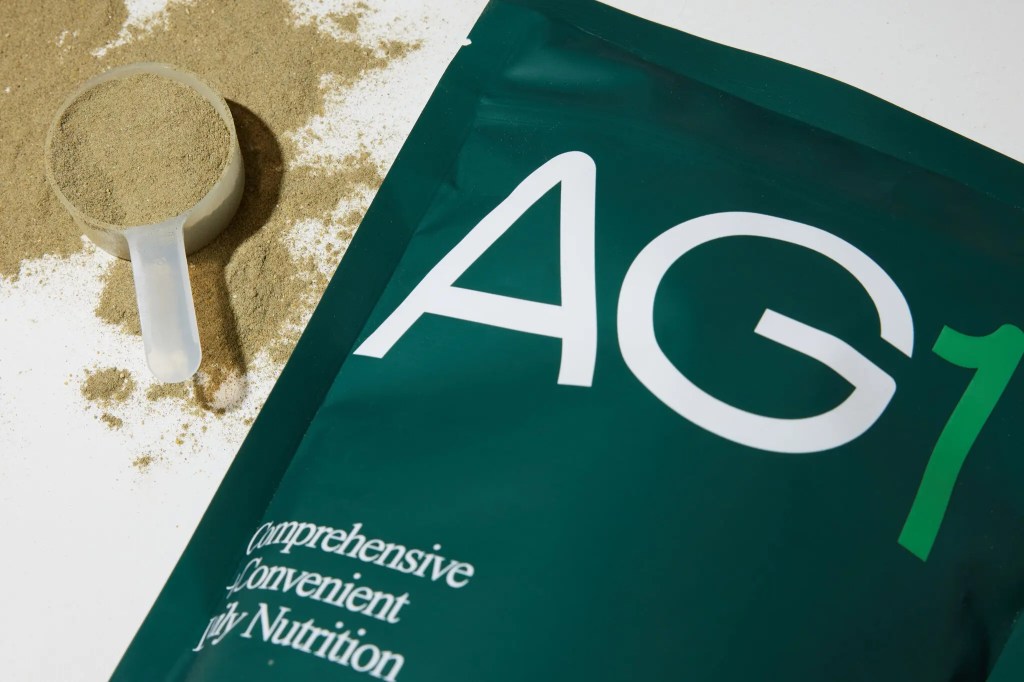
To start, let’s break down Athletic Greens’ history. Founded in 2010, Athletic Greens is most known for its flagship product, AG1. The greens powder combines vitamins, minerals, and nutrients designed to promote gut health, support immunity, boost energy, and help you recover faster from workouts and physical activity.
According to CEO Chris Ashenden, the brand’s focus is on “foundational nutrition.” I assume this speaks to the product’s role in supplementing a healthy lifestyle, helping to fill the nutritional needs our everyday diet might not satisfy.
Athletic Greens powder, called AG1, is such an attractive product is how nutrient-dense it is. The formula includes over 75 vitamins and minerals as well as prebiotics and probiotics. The full list of ingredients ranges from spirulina and apple powder to spinach leaf powder and pea protein. Even with so many ingredients, the product is vegetarian, vegan, paleo, and keto-friendly, has no GMOs, artificial flavors, sweeteners, or preservatives, and is gluten-free.
How is AG1 different from other greens powders?
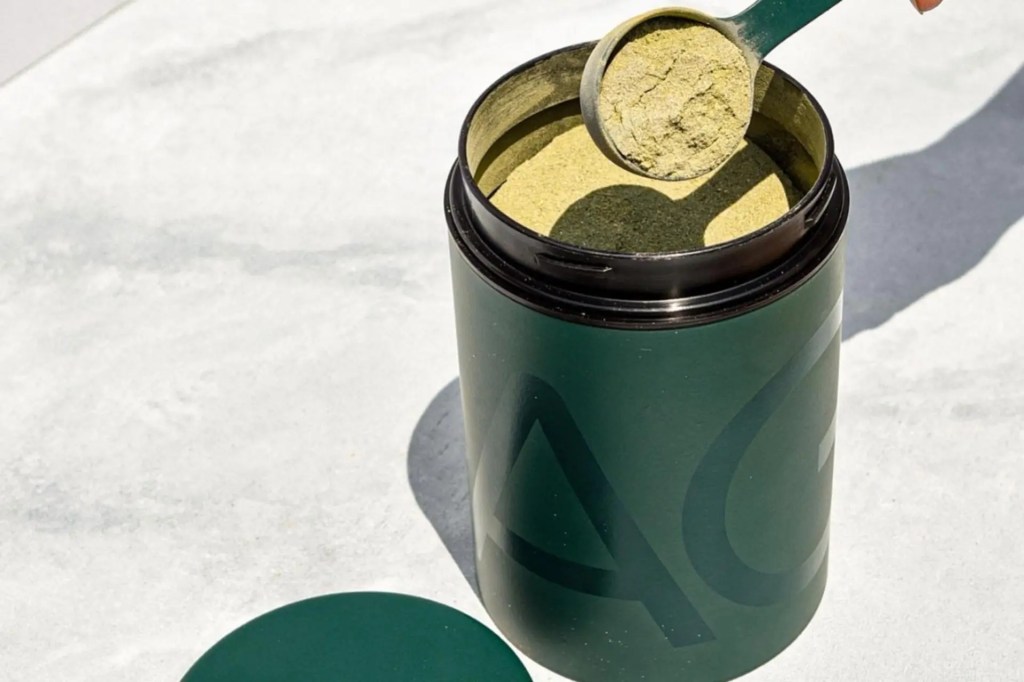
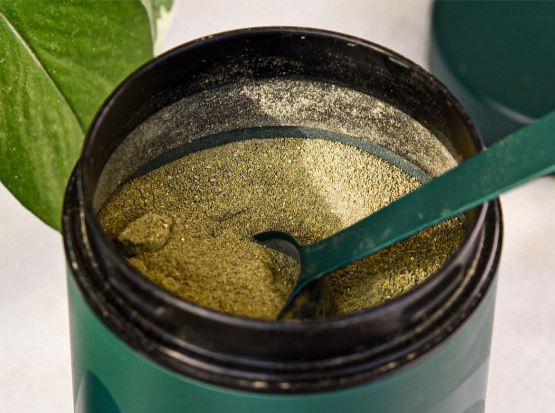
While I’m referring to the supplement as a greens powder throughout this article, Athletic Greens is adamant about being much more than simply a substitute for your dark leafy greens. The recommended daily serving—a single scoop—supplies:
Advertisements
vitamins and minerals to support immune health and strengthen your nervous system
prebiotics and probiotics to provide digestive support
superfood-derived phytonutrients that support the microbiome
immune-supporting mushrooms
adaptogenic herbs and antioxidants to relieve stress and provide metabolic and energy support
The product contains vitamins like riboflavin (B2), thiamine (B1), and various others (like A, B6, C, E, and K2); minerals like magnesium, potassium, and zinc; whole food-sourced nutrients such as carrots, wheatgrass, and spirulina; probiotics like lactobacillus acidophilus; and adaptogens like ashwagandha, chlorella, and reishi mushrooms.
Plus, if you don’t want to add it to water, you have several other options — you can add the powder to your smoothie or smoothie bowl, sprinkle it on your yogurt or fruit bowl, or cook with it.
My AG1 ritual
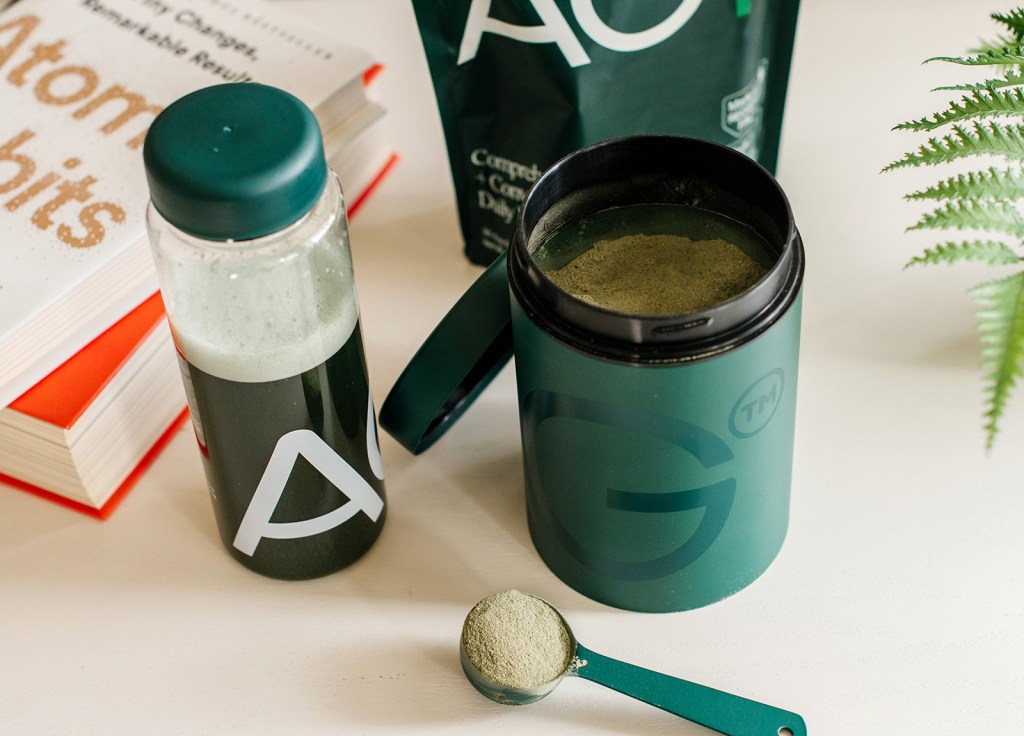
AG1 is pricey. I purchased the single, 30-day subscription for $79. With your order, you get a month’s supply of AG1, a storage jar and shaker, and five “free” travel packs. On top of that, my shipping cost was $9. While it might not seem like much, I had to grit my teeth in this heyday of free shipping. Thankfully, you can cancel your subscription anytime, so the commitment was relatively minimal.
I set out to see how AG1 would fare with my already-established everyday routine. That meant aiming for the same amount of sleep, and not making any major changes to my diet. While my week on AG1 was by no means a deeply scientific study, I wanted to know if I would feel any different by simply adding the supplement to my everyday habits.
Another great aspect of AG1 is that it is so easy to make. I was grateful for that because it wasn’t a chore or a big disruption to my daily routine.
Advertisements
Day 1
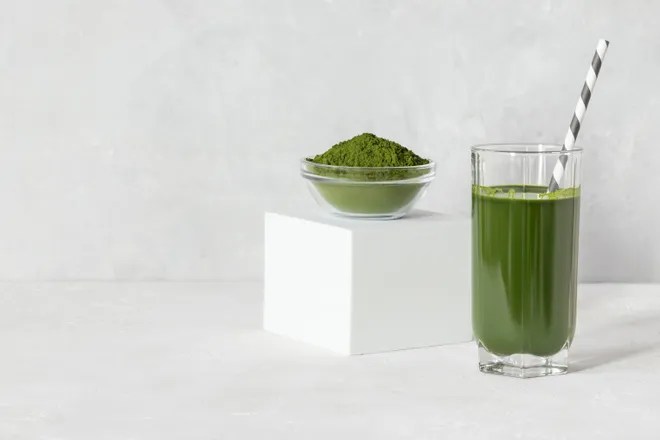
As suggested, AG1 was the first thing I consumed in the morning. Before my coffee and oats, I mixed a scoop of AG1 with eight ounces of water. My package came with a branded wide-mouth water bottle exclusively designed for getting my greens in liquid form. After securing and shaking the bottle, I undid the lid to uncover a frothy, mossy green beverage.
Advertisements
Hesitant but curious to consume the grass-like flavor reviews claimed, I took a sip. My first thought? There’s no way I’m finishing this. IMO, the taste was a little bitter. All in all, it took me about two hours to finish the whole thing (baby sips, folks).
I carried on with my normal routine as planned. Because this was my first day, I didn’t notice any shift in my energy or how I felt overall. My main takeaway from the kick-off of my experiment was: How the heck am I going to make it through this week?
Day 2
I woke up feeling a little more determined to discover the crave-worthy flavor of AG1 that everyone’s been touting. Adopting a different approach, I shook up my scoop with water and ice. That drop in temperature made a significant difference. When I drank the AG1 this time, it had a clearer, crisper flavor and mouthfeel. It was less sludgy than the day before. (Though I swear, I shook it as hard as I could.)
Feeling like a wellness girly, I plopped my AG1 down next to my laptop as I started my day sifting through my inbox. Though the placebo effect was obviously at play, something about having that green bottle next to me made me feel a bit more productive. There are worse things.
Day 3
At the tail-end of my period today, I woke up and noticed that my skin was significantly clearer than it had been the day prior. It was brighter than it usually is at this point in my cycle. I went to the kitchen, shook up my AG1, and found that I was already beginning to get used to the flavor. My initial impression was that of a slightly thinner green juice. It felt like the flavor had been engineered to mask something particularly unsavory. But I was coming around to it. At this point, I may have even liked it.
That morning, I texted a few friends who had tried Athletic Greens. They confirmed that the taste takes a little getting used to. For most, they began to look forward to their daily dose of AG1 between their third and seventh day—props to me for being on the early end.
Day 4
Athletic Greens’ Instagram is full of ideas for consuming their product beyond the ol’ H20 standby. So, I tried their ultimate summer smoothie bowl recipe to mix things up halfway through my trial. I found that the previously offending flavor was completely masked by adding almond butter, banana, apple, dates, and oat milk. I could see this becoming a go-to breakfast. And while the blood-sugar-balancingenthusiasts might protest this smoothie’s glucose overload, pairing your fruits with the almond butter’s healthy fats is a solid way to mitigate the spike.
This was the first day I noticed a subtle physiological change. I had more energy during my afternoon barre errands and—day five spoiler—wasn’t at all sluggish when I woke up the next day.
Day 5
The wake-up this morning was one of the best I can recount in recent history. With little effort, I got up immediately to my 8:00 a.m. alarm and went straight into a brief meditation. I would consider myself a semi-morning person, so this level of alertness was out of the ordinary. Mentally, I felt sharp, aligned, and motivated to transition to my to-do list.
I made the same AG1-infused smoothie as I did the day before and discovered an additional burst of energy after finishing my glass. I made it through my morning to-dos while staying on-task and focused. Thanks, AG1.
Day 6
While my wake-up call wasn’t as miraculous as yesterday’s, I did sleep soundly and awoke feeling rested. Craving my usual savory breakfast (a slice of vegan avocado toast with delicious oats), I opted for AG1 and ice water. Interestingly, it took until today to notice that my craving for a second mid-morning coffee had disappeared entirely. Instead, my single cup sufficed in terms of both my energy levels and feeling satiated post-breakfast.
I often fall victim to the dreaded 3 p.m. slump, but today, I managed to push through all my end-of-day tasks and even enjoyed a 45-minute yoga session. To say that my energy levels stayed steady throughout the day would be an understatement. I’m not an evangelist of wellness (meditation aside), but when something solves my dwindling energy, I have to shout it from the rooftops. I noticed an easy wind-down after dinner and was able to fall asleep quickly and soundly. That’s a lot to be said for someone who deals with occasional bouts of insomnia.
Day 7
I started this journey unsure of how I’d make it to this point. In hindsight, however, things turned out for the better on day three. By now, my daily rhythms came to expect the AG1 before all else, and I have to admit: Something is comforting and ritualistic about sipping on it first thing.
While I said I wouldn’t make any significant changes to my diet, I did notice that the supplement naturally inspired me to make nutrient-dense choices. I kept up a consistent pattern of greens throughout the day: a protein-packed salad for lunch, a green smoothie for a snack, and a tall pile of spinach to accompany that night’s meal. Something about doing good things for my body in the morning inspired me to keep up the momentum all day long. Can AG1 inspire a mindset shift? The correlation likely isn’t strong enough to call it fact, but after a week on the greens powder, I can confirm with confidence: The results I saw this week were enough to keep me going.
The takeaway
I still have about 20 servings left in my first shipment of AG1, and I will see it through to the end. Admittedly, a week isn’t enough time to feel the long-term benefits build up. Of course, the price point marks a steep barrier to entry, and as many nutritionists will confirm, you don’t need a fancy supplement to meet your daily requirements for vitamins and minerals. But with the positive results I experienced, I can confirm that it’s worth the hype.
Advertisements
As someone looking to improve their eating habits, I’m glad I tried AG1. Ultimately, this is a convenient product that played into my brain’s positive reward centers—and that’s not a bad thing! The routine of prepping AG1 each morning before breakfast (or as a part of my morning meal) signaled that I was doing something good for my body. It helped set the foundation for those habits to continue throughout the day. A transformed perspective and more energy? That’s what we like to call a win-win.
Does anyone else feel like the phrase ‘boundaries’ is trending? There’s always a new self-care / self-help focus that everyone’s talking about and all I’m hearing about lately is boundaries. Which got me thinking about my own.
To me, having boundaries means that you know when to let people/events/commitments into your life, and more importantly, when to NOT let them into your life. For the most part, I feel like I’ve conquered boundaries as an adult but there’s always room for improvement. Here are my thoughts on boundaries + what I do to respect my own:
Advertisements
+ Wait to respond
Anyone who has my cell number will tell you that I’m bad at texting, but I disagree. If I think about it from a boundaries perspective, I’m good at text boundaries.
Yes, it might mean I’m not always quick to respond but that’s because I’m choosey about when and how I respond. Everyone thinks they deserve a response (or need to give one) within a matter of minutes these days and IMO, that’s not realistic or healthy. Sometimes I get texts but I’m focused on school, work, emails, writing a blog post, or am with the family, so I won’t respond. Sometimes I get texts but I’m scrolling TikTok or Amazon and having my time, and I won’t respond right away. Sometimes texts I get are unnecessary or don’t necessarily need a response, so I don’t respond…ever. Which is OKAY!
This doesn’t mean I don’t care about the person texting me or what they’re saying, it means I have boundaries. I like to reply to text messages when I want to when I have the time, and when I’m not trying to be present with my family. 99.9% of the time, a text can wait until you’re at peace to respond. If it’s an emergency, they’ll call.
Try waiting to respond, whether it’s a text or email or whatever until you’re in the right mindset to respond. Or if you can’t help yourself, turn on Airplane mode so that you’re not tempted. This not only helps your peace of mind but sets up boundaries around when / how you respond. It also trains people to know that they can’t expect an immediate response from you (which I think is healthy!).
+ Get comfortable with saying ‘no’
Saying ‘yes’ out of habit or guilt is probably the number one reason why boundaries are broken. I fall for this, especially with the guilt part, but I’m usually able to say ‘no’ without feeling bad about it. Especially if I break down the honest reason behind why I need to say no. For example, ‘I’d love to attend but I need to be there for my mom, my aunt is having another episode or my mom just needs it, so I can’t make it. Hope the event is a success!’ Or, ‘This sounds like a great opportunity. I’m unfortunately feeling overwhelmed with my commitments right now so I’ll have to pass, but I’d love to stay in touch.’
+ Learn your boundaires
If you have no clue whether you have boundaries or not, learn about them. Lauryn from The Skinny Confidential podcast had a sought-after boundaries relationship expert on her show a while back so I’m linking that episodehere. The expert happened to be Licensed Therapist Nedra Glover Tawwab, MSW, LCSW, author of bestsellers Drama Free and Set Boundaries Find Peace. She has practiced relationship therapy for 15 years and is the founder and owner of the group therapy practice, Kaleidoscope Counseling.
Nedra has appeared as an expert on Red Table Talk, The Breakfast Club, Good Morning America, and CBS Morning Show to name a few. Her work has been highlighted in The New York Times, The Guardian, and Vice, and has appeared on numerous podcasts, including The School of Greatness, We Can Do Hard Things, and Ten Percent Happier. Tawwab runs a popular Instagram account where she shares practices, tools, and reflections for mental health and relationships.
Lauryn from The Skinny Confidential and the boundary licensed expert walks you through difficult boundary conversations, how to deal with setting your boundaries, etc.
Advertisements
Hereare more boundary tips with valuable talking points:
Advertisements
+ Voice them
I’m not great at voicing my feelings but I will speak up if I feel like my boundaries are being violated. This year, I felt like I was getting requests from family, friends, my partner, and from work. It was all too much. It felt overwhelming and like everywhere I turned, work was waiting and people constantly calling my name for everything. I spoke up and set some specific boundaries around work (like ‘no, I can not come on a Saturday my time off to help set up another classroom graduation) ( oh, it is mandatory for all teachers well that was never said when hiring me and I am just now finding out about it, so NO). And it was as easy as that. If someone had the same request, you better believe I’d respect their boundaries.
I’m sure we all have blurred boundaries with work, especially since most jobs don’t end when you ‘leave the office’. I suggest setting up boundaries so that your team/boss / whoever knows when and how to reach you (within reason, of course). Certain people I work with even put their availability in their email signature so it’s a clear reminder of their boundaries. You can also set offline notifications on most communication platforms like Slack or whatever, so utilize those.
Some boundaries are more sensitive than others. For example, in-laws or your parents stopping by unannounced 5x a week or a bitchy boss who thinks she owns your life. These cases will probably require you to write out the WHY behind your request for a boundary…and things might be awkward. But in the end, most of these convos are never as bad as we assume them to be. Be assertive and kind, and if they don’t understand, that’s on them.
Advertisements
+ Get alone time
As someone in their mid 20’s who works full time, goes to school full time, and is a caretaker to family members, I have zero physical boundaries in my life, which I LOVE at times, and it’s also overwhelming AF. There are days when I don’t shower, go to the bathroom, or sit alone for even 5 minutes. Add in having a partner who has all these needs and trauma. So I will feel touched out physically. When I feel like this, I know I need alone time ASAP, so I try to work it into the following day. There’s something about being alone and no one needing you physically or emotionally for even 30 minutes that can seriously help.
+ Trust your gut
I’m huge on following my intuition or gut in all situations, and it can help with boundaries. Whether you’re questioning if you’re the one overstepping on someone’s boundaries OR if someone is overstepping yours, your gut usually knows what’s up.










 beautyleebar.org