Moving On Up: 10 Tips to Make Moving So Much Easier

Frequent moves are practically a fact of life especially if you’re about 20- or 30-something. I’ve moved at least a half a dozen times in my life. As you transition from high school to college to a career and maybe a family of your own, it’s only normal for your living arrangements to feel like they’re in a constant state of flux.

Packing and unpacking all of your possessions isn’t exactly the most fun pastime. Recently, I have helped my mom moved so today I thought I’d share 10 of my most useful moving tips with all of you. Check them out below…

moving-tips 1
1. Purge before you pack.
Before you even begin packing, take a good look at your possessions and get rid of anything you don’t need.­ If there was ever a time to be ruthless rather than sentimental, this is it. Make three piles for your unwanted items—donate, toss, and sell—and then clear your house of them accordingly.

2. Start packing the items you use the least.
When you’re packing for a move, you always want to box up the items you use the least, and then gradually work your way up to things you use weekly or daily. This allows you to get your packing started early without feeling like you’re missing any necessities in the meantime. If it’s summer, for instance, pack up all your winter sweaters and coats ahead of time. But, Save your clothes and swimsuits for a couple of days before the move.

3. Pack for a pretend weekend getaway.
After a long day of moving, the last thing you’re going to want to do is rifle through boxes in search of your toothbrush or clean underwear. So, I suggest packing a bag with all of your essentials for the first few days in your new home. It’s a lot easier to live out of a suitcase for a couple days while you unpack the rest of your possessions at your leisure.

4. Hang ten.
Re-hanging all of your clothes is one of the most tedious moving tasks. So if you can, try to keep all of your clothes on their hangers. I suggest tying groups of 10-or-so hangers together using rubber bands. For added protection, you can create a makeshift garment bag for each bundle using a plastic trash bag.

5. Take the doggies to daycare and take the kittens to the new house first.
Pets get confused and worried during a move. So I always suggest finding a sitter for your four-legged friends on moving day. It will make things less stressful on you and your pets.

6. Go green.
Nothing beats the ease of having boxes delivered to your old home and then picked up at your new one. It’s also the eco-friendly thing to do. I suggest using a company that rents reusable plastic crates like Rent a Green Box because they’re sturdier and better for the environment than disposable cardboard boxes.

7. Play hooky from work.
Many truck rental and moving companies offer cheaper rates on weekdays. So if you can take a day off work or school, it will save you money to move on a weekday. Plus, having the weekend to just relax and unpack is invaluable.

8. Have a labeling system.
Having a detailed labeling system will make the moving and unpacking process so much easier. I recommend using stickers, brightly colored duct tape or colored sharpies to color code by room. Share your color-coding system with the movers so they unload the boxes in the correct rooms for you. You should also draw ‘This Side Up’ arrows on all boxes to make sure the contents aren’t tossed around too much.

9. Pack tight.
Don’t leave empty spaces in boxes. If there is an empty space, pad it with towels or packing paper. It’s a no-brainer to bundle breakables, but even seemingly indestructible items can get damaged if they’re shifting around a lot. It also makes boxes harder to lift if items are shifting around.

10. Pay it forward.
If you want to do something nice for your old place’s new residents, leave behind a box of useful information (appliance warranties, favorite local boutiques, takeout menus, etc.). It’s a small gesture, but a sweet one.

Do you have any other moving tips?

Share them with me below!

XO Lee


Healthy Habits: The Smart Girl’s Guide to Milk Alternatives

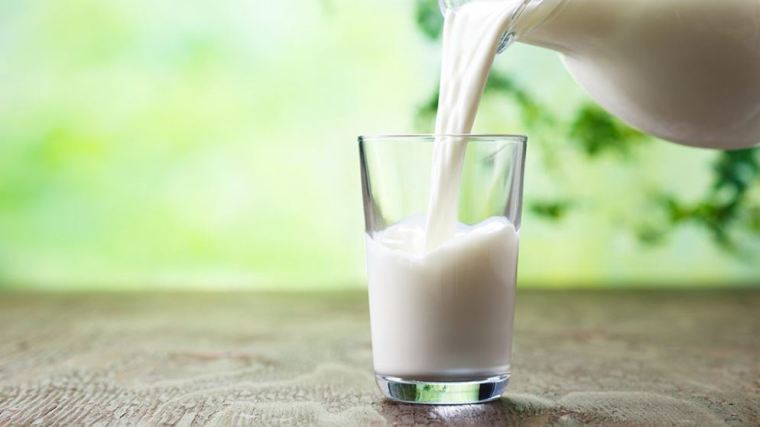
I try to limit my dairy intake as a general rule. Too much dairy often takes a toll on my skin and leaves me feeling sluggish. But I’m not going to lie—I can’t resist the occasional butter pecan ice cream. According to many researchers and scientists, cow milk is bad for you because there is Excess calcium from milk and other foods may increase the risk of prostate cancer. Milk sugars may be linked to a slightly higher risk of ovarian cancer. Milk from cows given growth hormones contains higher levels of a chemical that may increase the risk of some cancers. So, with that being said, I’ve been trying to opt for non-dairy alternatives in that department. But with so many milk options out there—from nut milks to coconut to hemp and everything in between—it can be hard to know which one to choose! So I did what I always do when I have diet questions and reached out to different nutritionists that I follow for their take on the matter. I was given a rundown on several popular cow’s milk alternatives, which I am sharing with everyone below…

lait-egypte-puleva

1. Soy Milk. Soy milk is to be one of the most popular non-dairy alternatives there is. The Starbuck Soy Latte has become almost as ubiquitous as it’s dairy counterpart. But despite its widespread availability and easy source of non-animal protein, some recommends against having soy in your diet in general—especially in this processed form. Soy contains phytoestrogens that can disrupt hormones, with prevalent side effects including acne, hypothyroid, infertility and even cancer.

Lastly, soy milk made from soybeans is not recommended for people with a FODMAP intolerance or who are in the elimination phase of the low-FODMAP diet. FODMAPs are a type of short-chain carbohydrate naturally present in some foods. They can cause digestive issues such as gas and bloating. However, soy milk made from soy protein isolate can be consumed as an alternative.

2. Almond Milk. Almond milk is a contender for “best overall milk alternative” in Sam’s book. It’s lacking in calcium, but loaded with Vitamin D and E. Almond milk is a natural source of vitamin E, a group of antioxidants that help protect the body from disease-causing substances known as free radicals. It’s also low in calories for anyone for whom that is a concern. Just make sure you choose a variety with no added sugar and watch out for carrageenan (a harmful additive) on the ingredients list. Also, make the most of the nutrients and health benefits of almonds, choose brands of almond milk that contain a higher content of almonds, around 7–15%.

3. Coconut Milk. Real coconut milk is another amazing pick! It is a great source of manganese and MCT fats. The lauric acid present in coconut milk is even antibacterial. Opt for a minimally processed variety without additives like carrageenan or added sugar.

4. Oats Milk. According to Daisy Coyle, APD, oat milk is high in total fiber and beta-glucan, a type of soluble fiber that forms a thick gel as it passes through the gut. The beta-glucan gel binds to cholesterol, reducing its absorption in the body. This helps lower cholesterol levels, particularly LDL cholesterol, the type associated with an increased risk of heart disease. What’s more, research has shown that beta-glucan may help increase feelings of fullness and lower blood sugar levels after a meal. Oat milk is also cheap and easy to make at home.

5. Rice Milk. Rice milk has more carbohydrates than cow’s milk, without the fat or protein. It’s basically just starchy sugar water with very few real nutrients. Rice milk is what people who suffer from severe food allergies to dairy and nuts often turn to, but it’s not the best option out there if you can drink the others without issue. Rice Dream is a good option for those protein shakes.

6. Hemp Milk. Hemp milk is made from the seeds of the hemp plant, Cannabis sativa. This is the same species used to make the drug cannabis, also known as marijuana. 

Hemp milk has a slightly sweet, nutty taste and a thin, watery texture. It works best as a substitute for lighter milk such as skim milk. It is a good option for vegans and vegetarians since one glass provides 2–3 grams of high quality, complete protein, with all the essential amino acids. 

What’s more, hemp milk is a source of two essential fatty acids: the omega-3 fatty acid alpha-linolenic acid and the omega-6 fatty acid linoleic acid. Your body cannot make omega-3s and omega-6s, so you must obtain them from foods.

Lastly, unsweetened hemp milk is very low in carbohydrates, making it a great option for those who want to reduce their carb intake. If this is a priority for you, avoid sweetened varieties because they can contain up to 20 grams of carbs per cup (240 ml).

7. Goat’s Milk. This one obviously isn’t non-dairy, but we had to include it, as it’s also become a popular alternative to cow’s milk. Goat’s milk is lower in casein and lactose than cow’s milk, and only contains A2 casein, not A1 (A1 is the protein that is linked to inflammation and allergies). This means that many people who cannot have cow’s milk will do fine with goat’s milk. Goat’s milk is also higher in MCT fats than cow’s milk, and it is easier to absorb nutrients from goat’s milk than cow’s milk.

8. Macadamia Milk. Macadamia milk is made mostly of water and about 3% macadamia nuts. It’s fairly new to the market, and most brands are made in Australia using Australian macadamias.

The low carbohydrate content also makes it a suitable option for people with diabetes or those looking to reduce their carb intake. Also, macadamia milk is a great source of healthy monounsaturated fats, with 3.8 grams per cup (240 ml). Increasing your intake of monounsaturated fats may help reduce blood cholesterol levels, blood pressure and the risk of heart disease, especially if it replaces some saturated fat or carbohydrates in your diet.

9. Quinoa Milk. Quinoa milk is made from water and quinoa, an edible seed that is commonly prepared and consumed as a grain. The whole quinoa grain is very nutritious, gluten-free and rich in high-quality protein. While quinoa has become a very popular “superfood” over recent years, quinoa milk is fairly new to the market. For this reason, it is slightly more expensive than other non-dairy milk and can be a little harder to find on supermarket shelves.

It has a fairly well-balanced nutrition profile compared to other non-dairy kinds of milk. It is comparatively low in fat with moderate amounts of protein, calories, and carbs. Quinoa milk is a good plant-based source of complete protein for vegetarians and vegans. If it is available at your local supermarket, then it could be worth trying.

plant-based-milks-1302x866
different vegan glasses of milk on a table: hazelnut, rice, soy and almond milk substitute for dairy milk

There are a few things to consider when choosing a cow’s milk alternative, including nutrient content, added sugars, cost, and additives. Reading food labels will help you understand what’s in the milk you are buying.

There is no one milk that’s ideal for everyone. The taste, nutrition, and cost of these alternatives can vary considerably so it might take a while to find the one that’s best for you.

Which milk alternative do you prefer?

I’m an almond milk gal myself, but rice dream milk is great too.

Skin Saver: What the SPF?

When I walk into the sunscreen aisle I always feel a bit overwhelmed. So many numbers, so many acronyms (SPF, UVA, UVB, COTZ, WTF?!), and so not sure what to look for… I figured many of you might feel the same way so I did a little research and put together this simple, no-brainer guide about SPF.

Aside from using retinoid creams and topical antioxidants, sunscreen is the most powerful ammo us girls have against wrinkles and rough skin. While it’s smart to wear sunscreen when you know you’ll be outdoors (beach, shopping, brunching, running, or whatever)  it’s still important to wear it every day, even if you’re going to be indoors–no exceptions. Rain or shine, summer or winter, SPF is a must.

Okay so enough about when to wear it. Let’s talk shop about picking the right SPF and how to wear it.

Most of us would think that the higher the SPF number, the better. Right? Wrong. Without going into too much detail, the SPF number is simply a standard for how long you can tolerate the sun without burning. So if you can stay in the sun for 10 minutes without burning, an SPF of 15 would allow you to spend 150 minutes in the sun before burning. It’s all very confusing. But the bottom line here is that anything over SPF 30 isn’t going to protect your any better. The numbers are based on time spent in the sun, which is why reapplication is essential. Also, for those of you who think that layering on SPF 15 over your SPF 10 will give the protection of SPF 25–think again. Layering does not increase the SPF. I suppose the only benefit is that it ensures that every area is covered. Ideally, you should wear SPF 30 or greater according to the American Academy of Dermatology.

Bottom line: Wear SPF 30 or greater with broad-spectrum UVA/ UVB protection. Apply it to your face, neck, and hands every single day and smother it onto your body when you are going to be outdoors in the sun.

What’s your favorite facial SPF?

XO Lee

P.S. Fun fact: Sunscreen typically maintains its strength for about 3 years. After that time period, it is less effective. So if your SPF doesn’t have an expiration date, be sure to write it onto the bottle when you get it so you can keep track.

instagram-button


Ask Lee: How to Deal With Negativity on Social Media

Today I’m answering another reader question as part of my Ask Me Anything series here on BeautyLeeBar.com. I received a question to my inbox about how to deal with negativity on social media. Social media has the power to connect people from around the world and do a lot of good. But there’s no denying that there’s also a lot of negativity out there on the Web. When they are hidden behind a screen, people often say things that they would never say to someone’s face. It’s also a whole lot easier for certain posts to be misconstrued on social media or for arguments to escalate more quickly. So since it’s something we’ve all had to deal with at some point or another, here’s my advice for keeping it positive online…

When It’s Someone You Don’t Know or Aren’t Particularly Close With…

If it’s someone you don’t know very well (or at all) who is provoking an argument on social media, my very best advice is to ignore it and remove yourself from the situation. This can take a lot of self-control, but it really is your best option. Think about it: what good is getting into a fight with a stranger on the Internet going to do? Chances are it’s only going to make you feel more frustrated. If you need to, you can block or un-friend the person who is causing problems. They might notice that you blocked them, but if this isn’t someone you know in real life, the argument will end there. On occasion, I’ve had to deal with Internet trolls posting negative comments on my Instagram, and I immediately block them. My motto is: If you don’t have anything nice to say, don’t follow me online. I’ve had my moments in the past where I would clap back at someone that was talking crap under my pics but now I just ignore it and laughed at them. I always make an effort to keep it positive, and I expect the same from my followers.

When It’s Coming From a Friend…

If the negativity is coming from a close friend whose relationship you value, take the discussion offline. Call your friend up or suggest you meet for coffee to get to the root of the problem. It’s so hard to tell where someone is coming from online and things can often be misconstrued. You can’t always tell someone’s tone or what they really meant to say. In my personal experience, arguments between friends over the phone and through social media never helps the situation. Talk to the person 1 on 1 and try to keep calm. If you feel like there is no hope for you two then leave. Its okay to not be friends with someone when it becomes toxic and unfixable.

Anyway, I hope that advice helps! This is also a good reminder for all of us to always be kind online and to only put positive energy out there. Being a cyber bully yourself is the only thing worse than being on the other end of it, in my opinion.

Would you like to hear my advice on any other topics?

Leave your questions for me in the comments.

XO Lee