I’m here to put you on game with 8 luxury bag brands that will inspire you to never step foot in a Gucci store again.
Mandatory protective gear has indefinitely interrupted my regularly scheduled face beat and I’ve had to find new ways to elevate my look.
Spending my daysrocking a mask full of makeup residue was beginning to upset me and my homegirls and I’ve since been finding new ways to serve looks in my local grocery store. From amping my accessories to leveling up my lashes, I’m doing everything I can to slay at social distance and these Black-owned designer brands just gave me 8 more ways to do exactly that.
Comfort is king, especially during the quarantine. So ditch your summer linen suit sets and stiff blouses—this season is all about lightweight loungewear so chic, you can wear it to chill at home or for your daily walk around the block (and not feel completely disheveled if you run into neighbors).
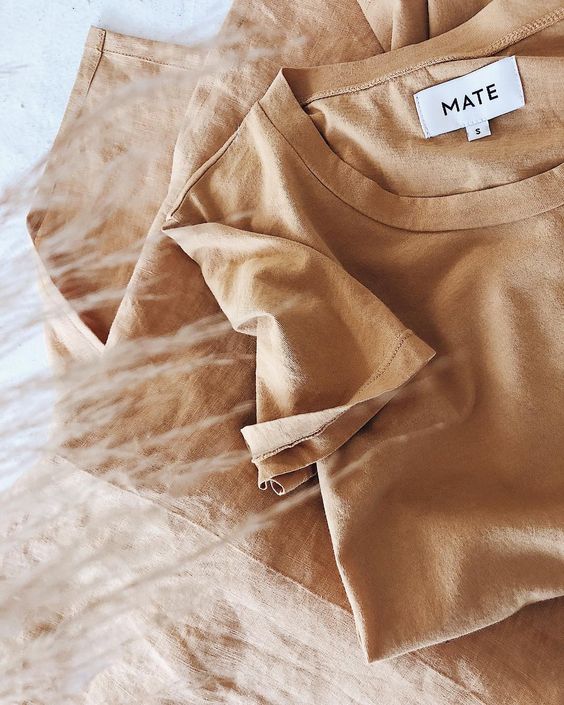
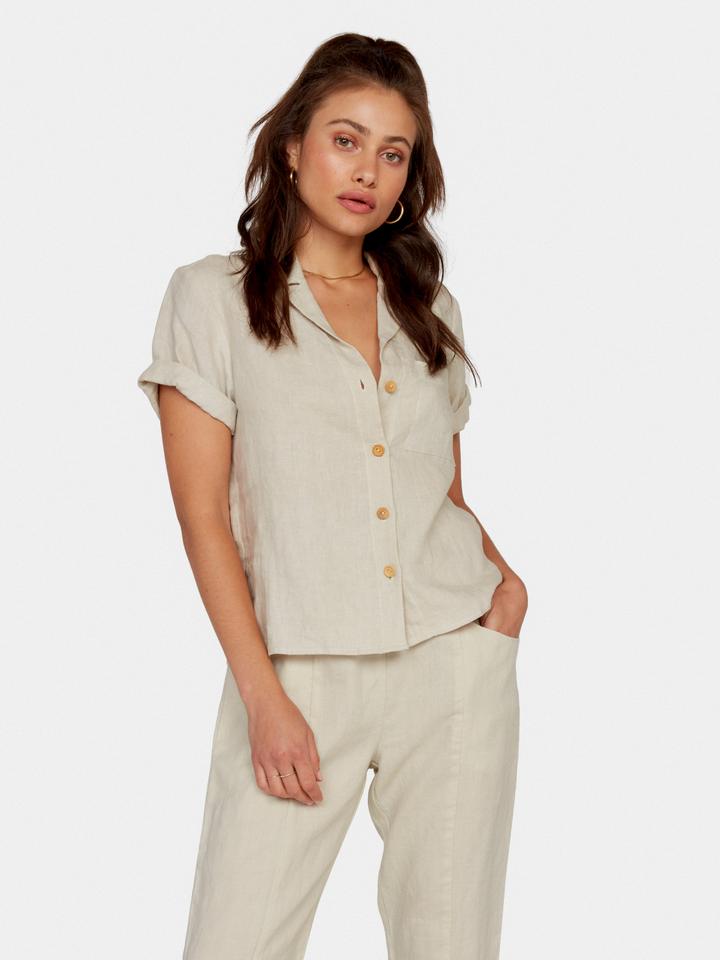
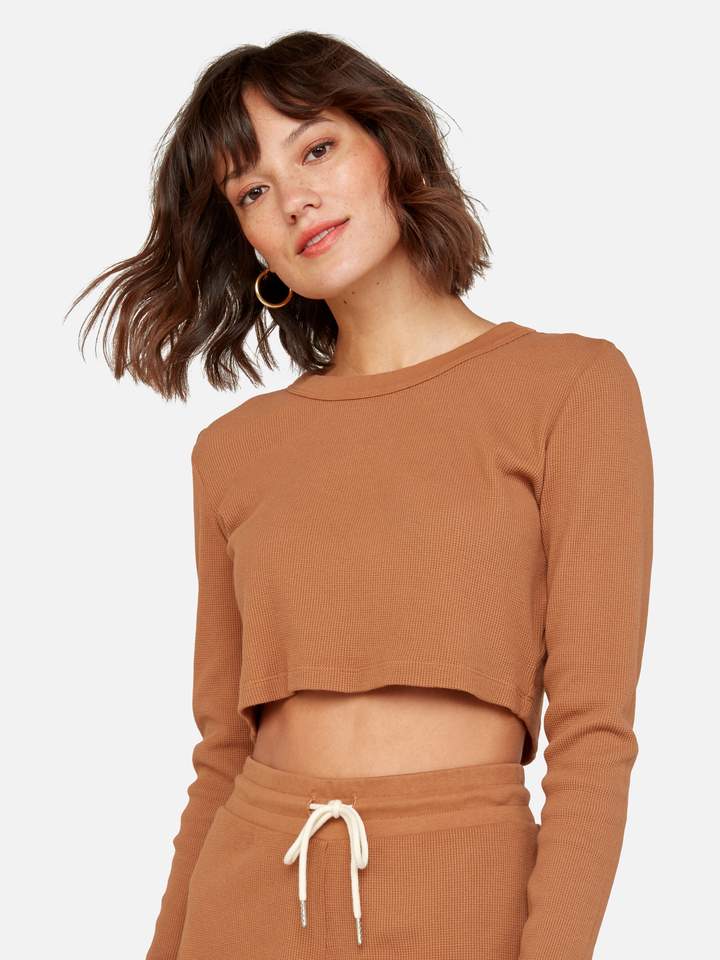
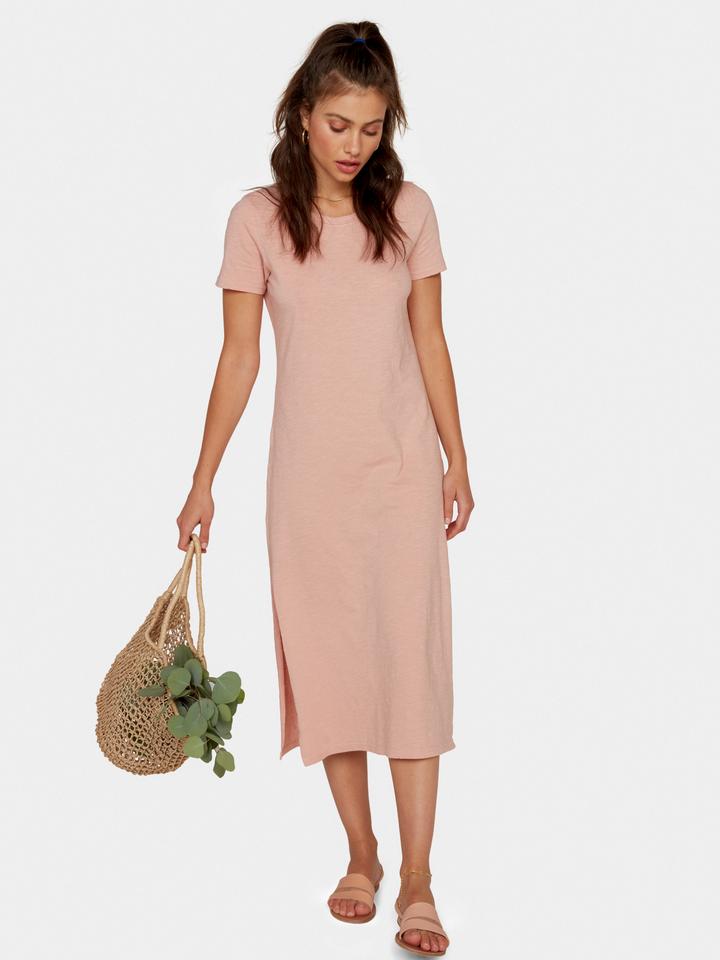
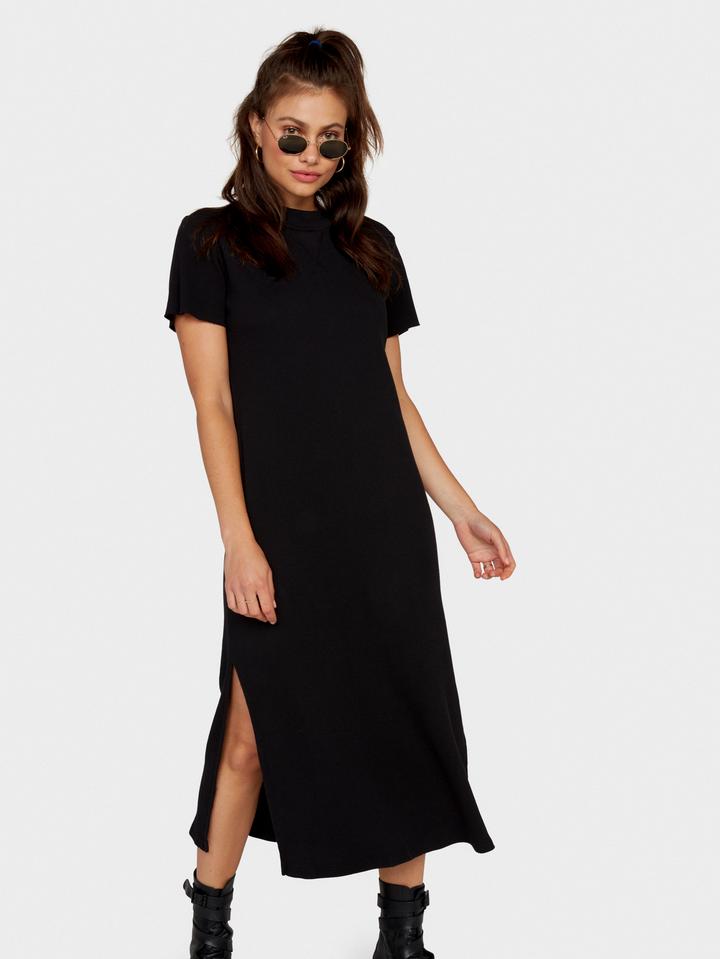
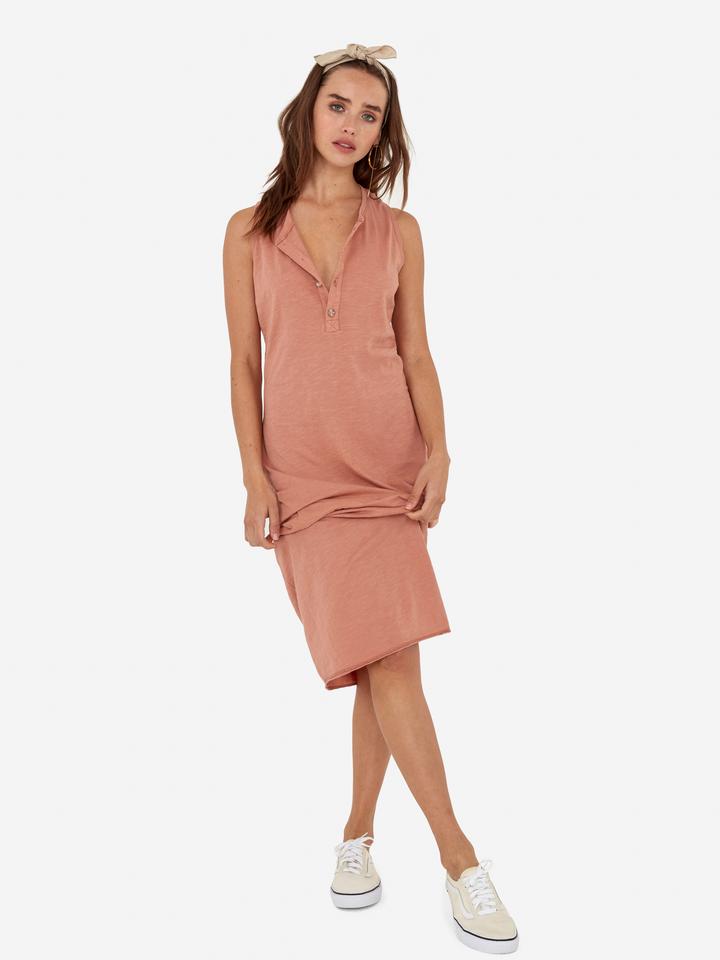
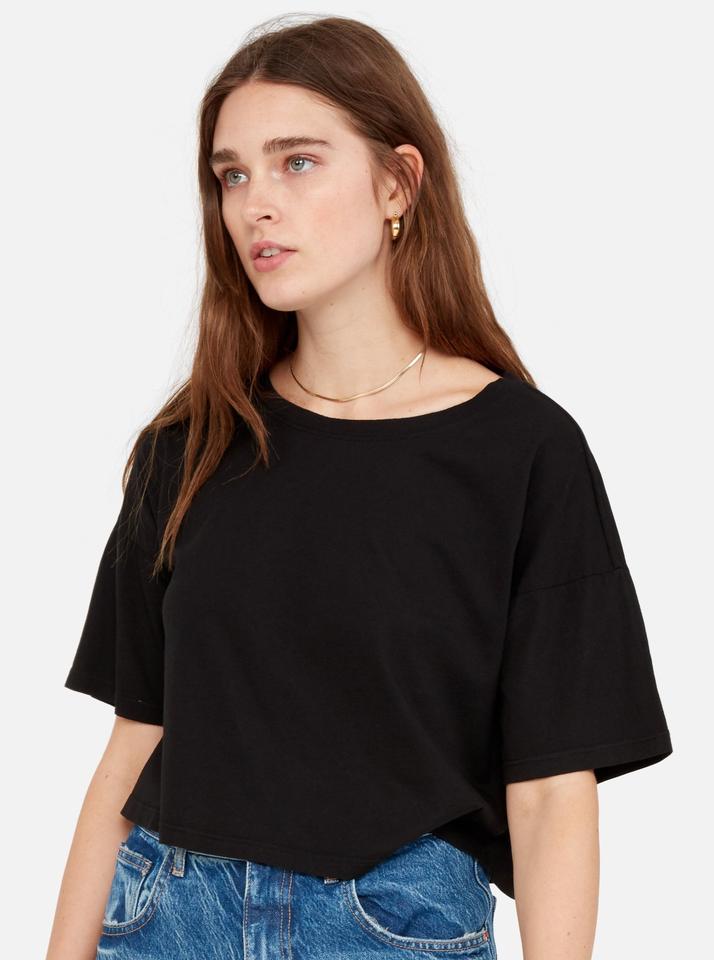
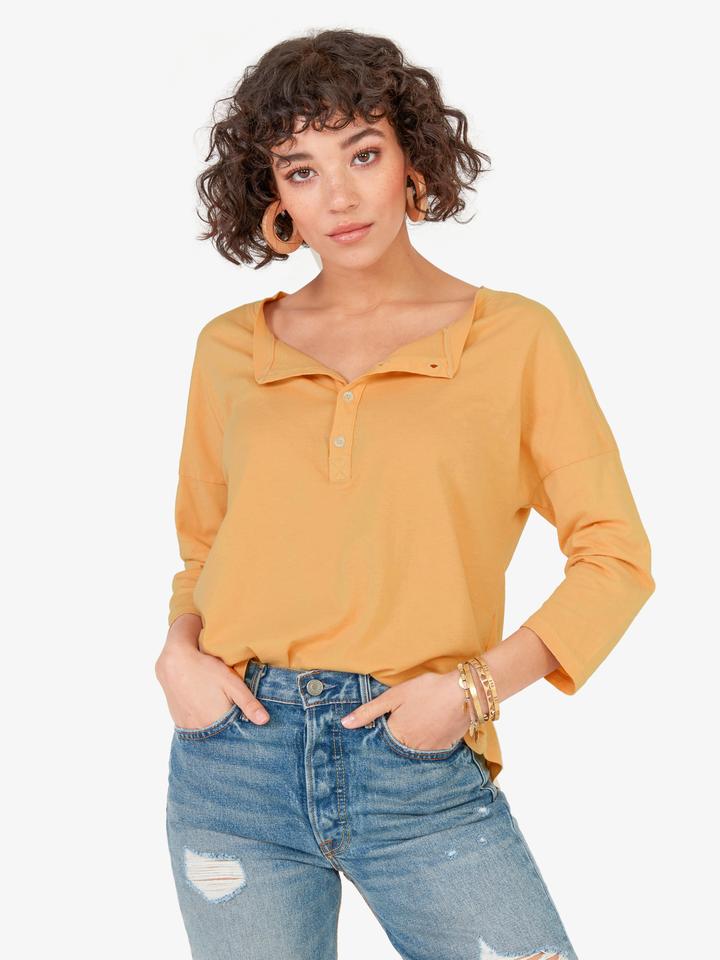
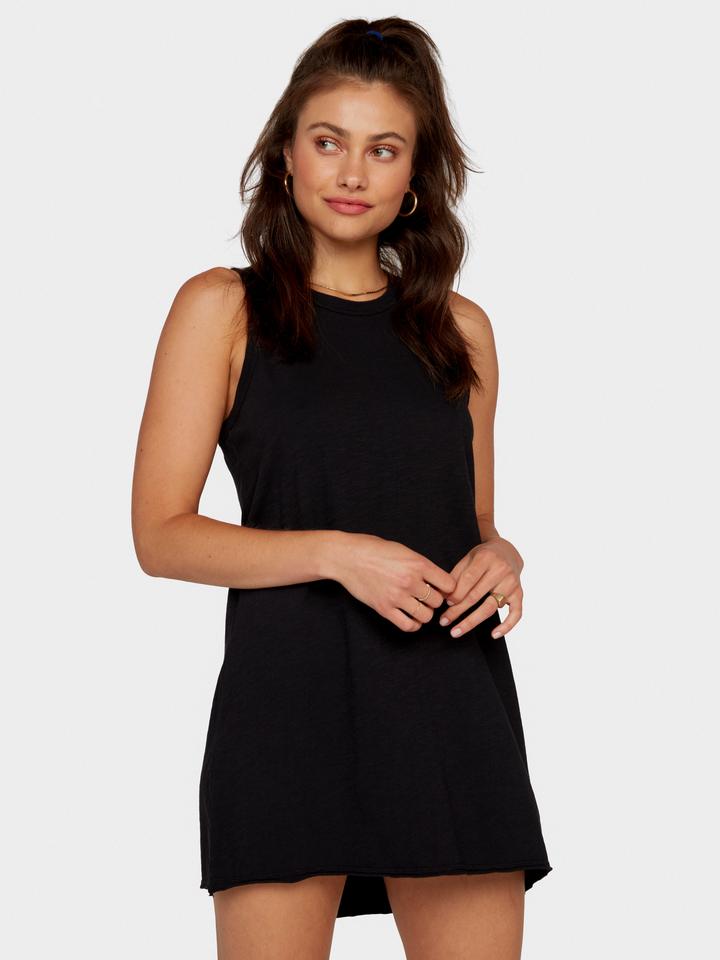
WHY SHOP AT MATE:MATE is a Clean Essentials brand made sustainably in Los Angeles with non-toxic, natural, and certified organic materials. Organic Cotton isn’t treated equally. That’s why MATE strictly sources GOTS Certified Organic Cotton, which stands for the Global Organic Textile Standard. It is globally recognized to be the highest standard, including environmental and social criteria. Mate cotton is grown in Maharashtra, India, and knitted in the United States.
MATE MISSION:” Spread Love, Not Chemicals “ The fashion industry is dirty and we are here to clean it up. Did you know that there are over 8,000 synthetic chemicals used in clothing manufacturing? Many of these chemicals are known to be carcinogenic, endocrine-disrupting, and hazardous to our health. MATE is committed to using non-toxic, natural, and certified organic materials.
Mate’s goal is to offer Women everywhere a Clean product that is just as beautiful as it is sustainable. Mate is proud to be a female-founded company that is predominately operated by women! The founder is Kayti O’Connell Carr. What she has done so far is amazing and we here at BeautyLeeBar are happy to be a buyer.
Advertisements
MATE THE LABELBEST PART: Mate believes that what goes around comes around, literally. They are working hard behind the scenes to offer us the consumers the chance to return their goodies after use, so Mate can recycle them and (poof) turn them into new products. Cool, right?
Advertisements
MATE THE LABEL take a holistic approach to sustainability and consider the full life-cycle of their clothing. Mate use non-toxic, natural and certified Organic materials that are easy on your skin and the environment. When you purchase from MATE, you are supporting a healthier and cleaner eco-system. Go you.
Advertisements
THANK YOU FOR READING 🤍
COMMENT BELOW ANOTHER ECO-FRIENDLY BRAND THAT YOU THINK LEE SHOULD SHOP AT!
I recently found myself browsing the promotions tab of my Gmail inbox and decided to click on one from a store that I don’t normally shop at that was having a sale. I was then shocked to discover that their “regular” sizing only went up to a 10, and “plus” sizing starts at a 12. I usually wear somewhere between a size 8 and a size 12. Regular and plus-size ranges often fit differently, so I was faced with a dilemma: if I were to order from this store, which size range would I order from?
It got me thinking about the struggle I sometimes encounter in trying to find the right size at certain stores. At stores like Forever 21, for example, if a large doesn’t fit me, it’s almost impossible to find a size XL or pants in any sort of inclusive sizes in store. And then if I go to the plus section, I can’t find a size that fits there either. Their plus range starts at a 0X, but those are very hard to come by in store as well.
Unfortunately, stores like these aren’t the only ones where mid- and plus-sized women might struggle. Lululemon was exposed for keeping their small selection of the largest sizes they carry, 10s and 12s, in a separate and messy area in the back of the store and rarely restocking them, as Business Insider reported. High-end brands and celebrity or influencer clothing lines often only go up to a size large and an 8 or 10, but 68 percent of American women wear a size 14 or above, as per Racked.
As brands become more and more inclusive (as they should), they tend to ignore a group of millions of consumers that would be considered “mid-size” or “in-betweeners.” On websites and in advertising, we often see models on the smaller end of the spectrum for both standard and plus/curve size ranges. The lack of mid-size women wearing a 10, 12 or 14 is apparent. And if they are there, they’re considered plus-size.
Ashley Graham, widely regarded as one of the world’s most famous “plus-size” models, is a size 16. The fashion industry is built to divide women into only two size categories: sample and plus, and when a model is a size 8 or above, they’re automatically looped into the plus-size category. Celebrities like Amy Schumer and Mindy Kaling have spoken out about how they are often referred to as plus-size actresses, but Schumer has said she is a size 6 to 8, and Kaling asize 8.
Advertisements
When this happens, brands not only forget to include options and representation for women who fall in the middle, but set standards that could be harmful to young girls’ body image. Every body type is beautiful, and I’m part of the group that believes brands can provide inclusive size ranges without separating women into categories. As Time reported, Melissa McCarthy said, “Women come in all sizes. Seventy percent of women in the United States are a size 14 or above, and that’s technically ‘plus-size,’ so you’re taking your biggest category of people and telling them, ‘You’re not really worthy.’”
Women come in all sizes. Seventy percent of women in the United States are a size 14 or above, and that’s technically ‘plus-size,’ so you’re taking your biggest category of people and telling them, ‘You’re not really worthy.’
One of the major reasons that mid-size women often have trouble finding clothes that fit is the limitations in patterns that clothing pieces are made from. Because of cost restrictions, designers often have a sample size pattern (a 2 or 4) as well as a plus-size pattern (a 14 or 16 — if that’s something they offer) that they make tweaks to for the rest of the size range. When a size 2 pattern is being tweaked for up to a size 12 or 14, distortions occur and the clothes don’t actually fit the real women who wear these sizes. This pattern issue is also the reason that a size 14 in a regular size range tends to fit differently and usually smaller than a size 14 in a plus-size range.
As everyone has probably experienced, sizing in women’s fashion is extremely inconsistent across the board. We already live in a world where we have to deal with the dread of standing in a dressing room staring in the mirror at yourself sweating, trying on clothing item after clothing item that doesn’t fit. Is it too much to ask that retailers just provide us with inclusive, standard sizing and representation without putting us in meaningless categories?
Advertisements
Thankfully (and many years too late), these conversations are now being had and things are beginning to change. There has been a recent rise in mid-size fashion bloggers, looking to fill the gap in influencers who have body types that everyone, regardless of what size they wear, can relate to and get inspiration from. YouTubers and Instagram influencers such as P A S S I O N J O N E S Z, STEPHANIE PEREIRA, Carrie Dayton, Lucy Wood and 𝑫𝑨𝑵𝑰 𝑫𝑴𝑪 who both have said in their videos that they typically wear a size 12 or 14, use their platforms to discuss their struggles in finding clothing to fit their self-proclaimed mid-size bodies and sometimes straddling the line between regular and plus sizes. If you’re interested in checking out their Youtube videos, start with Lucy Wood | MIDSIZE GIRLS WHO’LL CHANGE YOUR LIFE.
Is it too much to ask that retailers just provide us with inclusive, standard sizing and representation without putting us in meaningless categories?
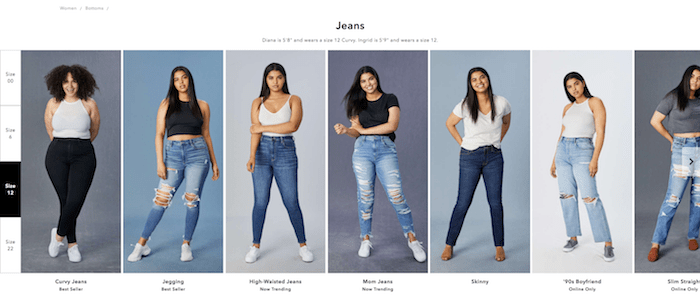
Some brands are beginning to recognize their lack of inclusivity and are making changes to their branding, advertising, and websites. Aerie, for example, has made headlines for banning the alteration of their advertising photos and vowing to be more inclusive in both sizing and representation, as Time reported. Its parent company, American Eagle, has a feature on their website where you can see the same jeans on models who wear sizes 00, 6, 12, and 22.
As women in the United States, trying to find clothes that fit us can be extremely hard. On any given day, I can be a size 8 in one store and a size 14 in another. I didn’t even know that there was an entire community of women out there who are also facing this “mid-size” or “in-betweener” struggle, until I found the influencers who are talking about it openly — and I hope that anyone facing the same dilemma can relate as well. We are all beautiful, and we all deserve clothes (and lots of them) that fit!







 beautyleebar.org