KALI | REVOLUTIONIZING PERIODS

I am the biggest fan of subscription boxes. The subscription boxes are usually filled with stuff that I’ve never tried before or what I have tried before and loved. Since discovering Knours, I have also came across Kali Box. A company that specialises in delivering chic, organic, and toxin-free tampons, pads and sanitary wipes right to your door. Revolutionary!!

What is Kali?

In a time when everyone is concerned about health, Kali Boxes fits right in.  Their products are made of 100% organic cotton, free from fragrances, parabens, chlorine bleach, dyes, deodorants, and other ingredients that can be harmful to our bodies.  Kali Boxes’ products are vegan and cruelty-free and are also ICEA and GOTS certified. Their individually-wrapped wipettes are also free from harsh ingredients such as chlorine, sulfates, and parabens, and can be used to freshen up any part of your body.  In addition to tampons, pads, panty liners, and wipes, Kali Boxes also carries facial mist, menstrual cups, coconut body scrub, bath soaks, and a custom essential oil blend, all of which are also made of organic ingredients sans any harmful chemicals. Kali Boxes’ mission is to provide you with products that will make you feel good during that time of the month so that you can pamper yourself even when you’re not feeling your best.

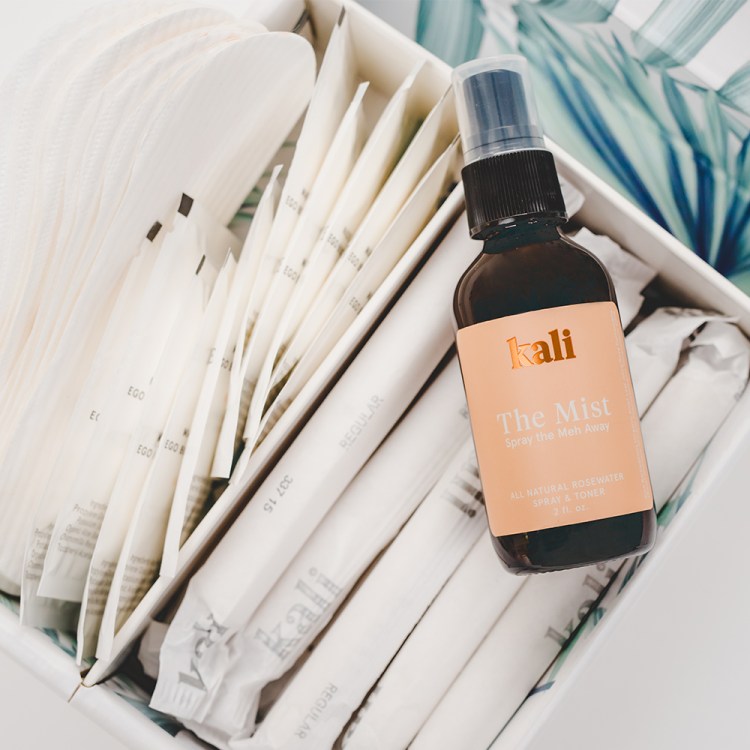
Along with your monthly supply of pads, tampons, and wipes, Kali Boxes also includes a free facial mist in every order, as well as a couple of surprises from various brand partners.  These goodies can range from organic deodorants to clay face masks, allowing you to sample new products from the comfort of your own home. Past Kali Boxes brand partners have included HUM Nutrition, Only Hearts underwear, Little Seed Farm, Cocofloss, and many more.  Kali Boxes function as both a feminine product subscription service and a beauty and self-care sample deal, making it one of the best “bang for your buck” subscriptions out there.

Now, I’m usually good at keeping period supplies at home but sometimes I find myself rummaging around the house when that time of the month comes looking for that one pad to rescue me. I usually fail and end up having to send my beautiful mother to the nearest market to grab a box. Pads and tampons are filled with chemicals and harsh materials so it is important to educate yourself on which lady essential to use.

Kali products are exactly the feminine hygiene products I’ve so desperately been searching for. These pads are made with 100% hypoallergenic and certified organic cotton. Absolutely no chemicals!
The tampon and cardboard applicator are 100% biodegradable and ethically and sustainably sourced. They don’t shred fibre either. The liners are also 100% hypoallergenic and made from certified organic cotton. Both of their absorbency is terrific! The wipes come in handy too. It’s great for traveling and freshing up not only your V but also your face and underarm as well. They are 100% Sulfate & Paraben Free, and 99.98% organic and all natural.

The subscription costs roughly around $18 – $22.89 a month depending on the box options. It actually costs about the same as tampons and pads you purchase at the drug store or supermarket but much better quality and better for your body and health. It also saves you a trip to the store and you never have to worry about not having pads each month when your evil step sister flow arrives.
In addition to the regular feminine product subscription, Kali Boxes also offers a teen box catered towards younger girls who might be getting their periods for the first time.  The teen box includes 6 organic cotton teen day pads, 6 teen night pads, 6 teen panty liners, 4 organic tampons with cardboard applicators, and 4 organic tampons with plastic applicators, as well as 10 wipettes and some special product surprises.  The teen box is perfect for younger girls who are new to the world of feminine hygiene and aren’t sure what products they should use. The Kali Lux Teen Kit is a great place to start, as it allows girls to try out different menstrual products and find what works best for them.  The teen box makes a perfect gift for your daughter, younger sister, or niece who may be feeling worried and insecure about starting their period, as this can help them prepare for that time of the month and eliminate any additional stress. Younger girls will also appreciate the extra goodies that come with their Kali Boxes, and they’ll enjoy getting to sample new products.

In addition to offering subscription boxes full of quality organic feminine care products, Kali Boxes also runs Kaliperiodical.com, an informative blog brought to you by the Kali team.  Blog topics on the site include period talk, lifestyle, travel, health and wellness, and sex and relationship advice. The Kali Periodical is a great resource for women of all ages, as it provides insight on everything a modern girl would need to know.  The site is run by Kali CEO Jonna Piira, as well as several other team members, including writers, fitness gurus, and nutritionists. The Kali Periodical is one of the most informative blogs out there for women and definitely worth a visit if you’re looking for fun, educational content.

If all of this information still hasn’t convinced you that Kali Boxes is the best feminine subscription service out there, then I strongly suggest trying it for yourself! To get started, simply take the short quiz on the Kali Boxes website to create a customized box. Your box will ship within 2-3 business days, and then you can expect your boxes to arrive by the first day of every month. With the holidays right around the corner, a Kali Boxes subscription makes a great gift for the women in your life!

Kali Box is the greatest luxury for periods so go ahead and give it a try!

There is No Commitment and you can Pause or Cancel at any time.

KALIBOXES.COM

Have you purchased from them yet? Let me know what you think!

If you have any other subscription boxes suggestions, comment down below.


Healthy Habits: The Smart Girl’s Guide to Milk Alternatives

I try to limit my dairy intake as a general rule. Too much dairy often takes a toll on my skin and leaves me feeling sluggish. But I’m not going to lie—I can’t resist the occasional butter pecan ice cream. According to many researchers and scientists, cow milk is bad for you because there is Excess calcium from milk and other foods may increase the risk of prostate cancer. Milk sugars may be linked to a slightly higher risk of ovarian cancer. Milk from cows given growth hormones contains higher levels of a chemical that may increase the risk of some cancers. So, with that being said, I’ve been trying to opt for non-dairy alternatives in that department. But with so many milk options out there—from nut milks to coconut to hemp and everything in between—it can be hard to know which one to choose! So I did what I always do when I have diet questions and reached out to different nutritionists that I follow for their take on the matter. I was given a rundown on several popular cow’s milk alternatives, which I am sharing with everyone below…

lait-egypte-puleva

1. Soy Milk. Soy milk is to be one of the most popular non-dairy alternatives there is. The Starbuck Soy Latte has become almost as ubiquitous as it’s dairy counterpart. But despite its widespread availability and easy source of non-animal protein, some recommends against having soy in your diet in general—especially in this processed form. Soy contains phytoestrogens that can disrupt hormones, with prevalent side effects including acne, hypothyroid, infertility and even cancer.

Lastly, soy milk made from soybeans is not recommended for people with a FODMAP intolerance or who are in the elimination phase of the low-FODMAP diet. FODMAPs are a type of short-chain carbohydrate naturally present in some foods. They can cause digestive issues such as gas and bloating. However, soy milk made from soy protein isolate can be consumed as an alternative.

2. Almond Milk. Almond milk is a contender for “best overall milk alternative” in Sam’s book. It’s lacking in calcium, but loaded with Vitamin D and E. Almond milk is a natural source of vitamin E, a group of antioxidants that help protect the body from disease-causing substances known as free radicals. It’s also low in calories for anyone for whom that is a concern. Just make sure you choose a variety with no added sugar and watch out for carrageenan (a harmful additive) on the ingredients list. Also, make the most of the nutrients and health benefits of almonds, choose brands of almond milk that contain a higher content of almonds, around 7–15%.

3. Coconut Milk. Real coconut milk is another amazing pick! It is a great source of manganese and MCT fats. The lauric acid present in coconut milk is even antibacterial. Opt for a minimally processed variety without additives like carrageenan or added sugar.

4. Oats Milk. According to Daisy Coyle, APD, oat milk is high in total fiber and beta-glucan, a type of soluble fiber that forms a thick gel as it passes through the gut. The beta-glucan gel binds to cholesterol, reducing its absorption in the body. This helps lower cholesterol levels, particularly LDL cholesterol, the type associated with an increased risk of heart disease. What’s more, research has shown that beta-glucan may help increase feelings of fullness and lower blood sugar levels after a meal. Oat milk is also cheap and easy to make at home.

5. Rice Milk. Rice milk has more carbohydrates than cow’s milk, without the fat or protein. It’s basically just starchy sugar water with very few real nutrients. Rice milk is what people who suffer from severe food allergies to dairy and nuts often turn to, but it’s not the best option out there if you can drink the others without issue. Rice Dream is a good option for those protein shakes.

6. Hemp Milk. Hemp milk is made from the seeds of the hemp plant, Cannabis sativa. This is the same species used to make the drug cannabis, also known as marijuana. 

Hemp milk has a slightly sweet, nutty taste and a thin, watery texture. It works best as a substitute for lighter milk such as skim milk. It is a good option for vegans and vegetarians since one glass provides 2–3 grams of high quality, complete protein, with all the essential amino acids. 

What’s more, hemp milk is a source of two essential fatty acids: the omega-3 fatty acid alpha-linolenic acid and the omega-6 fatty acid linoleic acid. Your body cannot make omega-3s and omega-6s, so you must obtain them from foods.

Lastly, unsweetened hemp milk is very low in carbohydrates, making it a great option for those who want to reduce their carb intake. If this is a priority for you, avoid sweetened varieties because they can contain up to 20 grams of carbs per cup (240 ml).

7. Goat’s Milk. This one obviously isn’t non-dairy, but we had to include it, as it’s also become a popular alternative to cow’s milk. Goat’s milk is lower in casein and lactose than cow’s milk, and only contains A2 casein, not A1 (A1 is the protein that is linked to inflammation and allergies). This means that many people who cannot have cow’s milk will do fine with goat’s milk. Goat’s milk is also higher in MCT fats than cow’s milk, and it is easier to absorb nutrients from goat’s milk than cow’s milk.

8. Macadamia Milk. Macadamia milk is made mostly of water and about 3% macadamia nuts. It’s fairly new to the market, and most brands are made in Australia using Australian macadamias.

The low carbohydrate content also makes it a suitable option for people with diabetes or those looking to reduce their carb intake. Also, macadamia milk is a great source of healthy monounsaturated fats, with 3.8 grams per cup (240 ml). Increasing your intake of monounsaturated fats may help reduce blood cholesterol levels, blood pressure and the risk of heart disease, especially if it replaces some saturated fat or carbohydrates in your diet.

9. Quinoa Milk. Quinoa milk is made from water and quinoa, an edible seed that is commonly prepared and consumed as a grain. The whole quinoa grain is very nutritious, gluten-free and rich in high-quality protein. While quinoa has become a very popular “superfood” over recent years, quinoa milk is fairly new to the market. For this reason, it is slightly more expensive than other non-dairy milk and can be a little harder to find on supermarket shelves.

It has a fairly well-balanced nutrition profile compared to other non-dairy kinds of milk. It is comparatively low in fat with moderate amounts of protein, calories, and carbs. Quinoa milk is a good plant-based source of complete protein for vegetarians and vegans. If it is available at your local supermarket, then it could be worth trying.

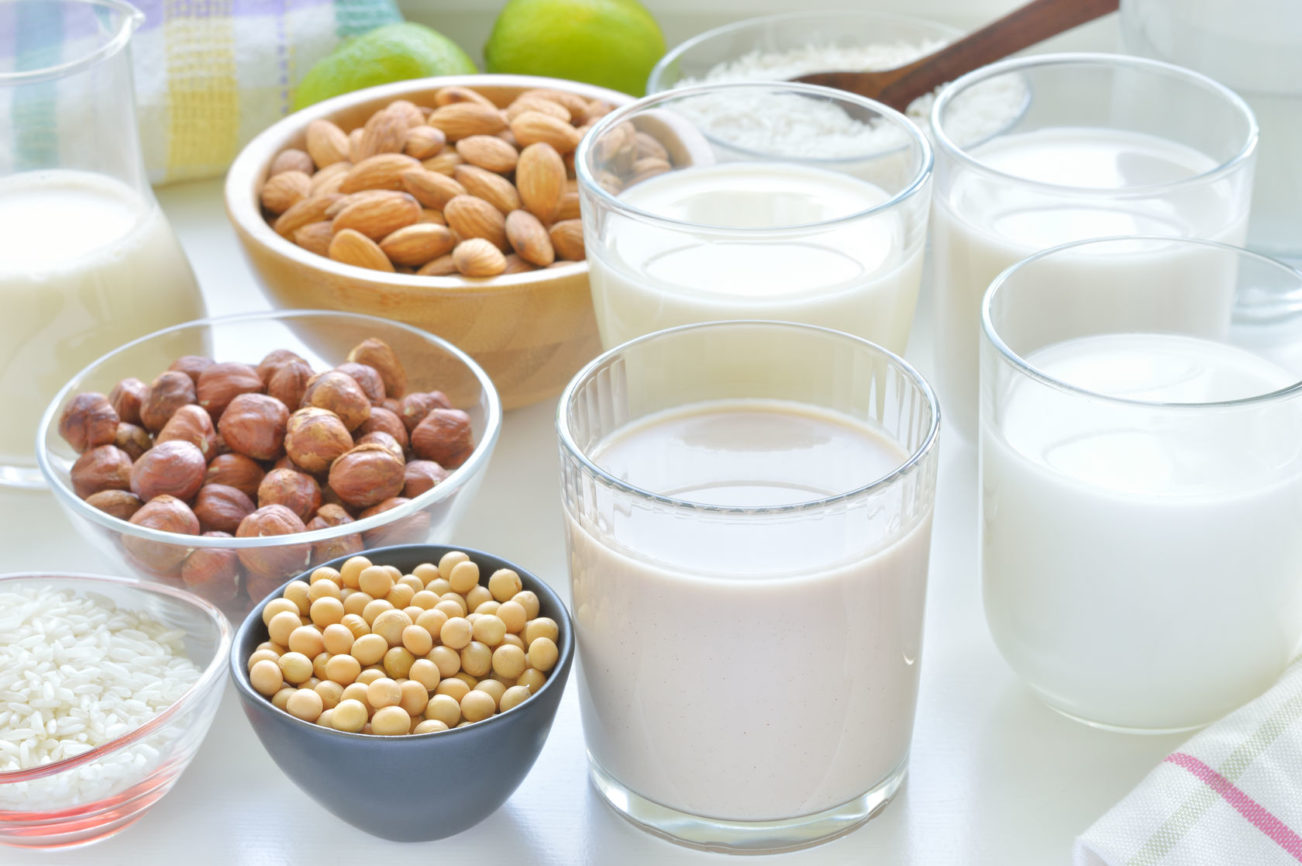
plant-based-milks-1302x866
different vegan glasses of milk on a table: hazelnut, rice, soy and almond milk substitute for dairy milk

There are a few things to consider when choosing a cow’s milk alternative, including nutrient content, added sugars, cost, and additives. Reading food labels will help you understand what’s in the milk you are buying.

There is no one milk that’s ideal for everyone. The taste, nutrition, and cost of these alternatives can vary considerably so it might take a while to find the one that’s best for you.

Which milk alternative do you prefer?

I’m an almond milk gal myself, but rice dream milk is great too.