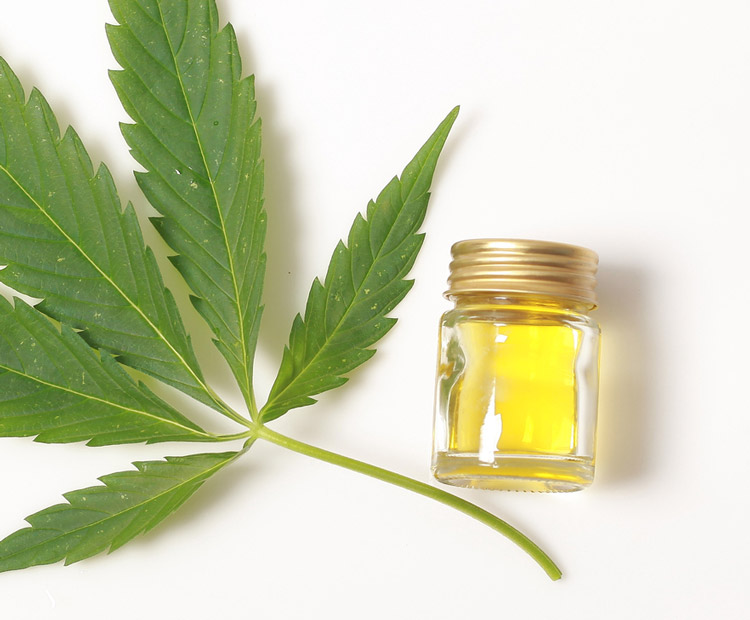
Everything You Need to Know Before Trying a Cannabis (CBD Oil)-Infused Beauty Product

Hello Beauties,

I received another interesting email from a blogger who wanted to collaborate with me. I spoke to Kim, the Content Team of Sunday Scaries. They write articles that mainly focus on relieving anxiety and stress through various strategies including the use of CBD. Sunday Scaries also cover various applications of CBD in heart health, skin conditions, diabetes prevention, and among other exciting yet educational topics.

We are living in the marijuanaissance. Thanks to CBD, cannabis is getting its glow-up, trading in the stoner image for a new one as a luxury wellness and beauty ingredient. Loosening of cannabis laws and the enthusiasm around emerging science has legitimized the medicinal claims surrounding CBD, but it’s the boutiquification of cannabis that has made everyone want to be seen with it.

Ask any wellness or beauty aficionado, and they’ll all agree: CBD oil is having a moment. But, unlike other super beauty ingredients making a splash in skin and hair care, there is a lot of controversy surrounding the cannabis-derived ingredient. Nonetheless, its beauty benefits and promising future in beauty are hard to ignore.

I tapped three experts to find out the beauty benefits of CBD oil, plus everything you need to know before trying the popular beauty trend. See what they had to say, below.

What Is CBD Oil and How Does It Work

The cannabis plant boasts a variety of compoundsβ€”also known as cannabinoidsβ€”believed to contain medicinal benefits. Among these cannabinoids is cannabidiol, or CBD. β€œOils that are pulled [from] the plant that contains a high concentration of CBD are known as CBD oils,” says Dr. Alissia Zenhausern, NMD.

In order to understand how CBD oils work, it’s important to know what cannabinoids are and what they do. Cannabinoids are chemical messengers that activate a class of cell membrane receptors located throughout the body. These body receptors are part of the endocannabinoid system, which is involved in a variety of physiological processes including appetite, pain-sensation, sleep, mood and memory. Cannabinoids are either naturally produced by the body (endogenous) or outside the body (exogenous). The cannabinoids found in marijuana and hemp, such as tetrahydrocannabinol (THC) and CBD, are considered exogenous, which, when consumed, also interact with cannabinoid receptors in the body and can generate similar physical and psychological effects.

There are currently two known subtypes of cannabinoid receptors in the body, CB1 and CB2. The CB1 receptor is expressed mainly in the brain, lungs, liver and kidneys. The CB2receptor is expressed mainly in the immune system and in hematopoietic cells. Before the CBD beauty trend took off, Dr. Zenhausern says CBD-infused drugs were most commonly used for pain management and inflammatory conditions, as β€œCB2 receptors are most commonly found as part of the immune system [and they can] affect inflammation and pain.

Now, it is important to note that CBD will not produce the same euphoric sensations as THC, which means using CBD won’t make you feel β€œhigh.” β€œThe way cannabinoids work is by attaching to CB1 and CB2 body receptors. However, new research has found that CBD doesn’t seem to attach to either receptor directly and [might] help your body use its own cannabinoids,” she adds.

The Beauty Benefits of CBD Oil

Although some CBD enthusiasts experiment with adding the oil into homemade beauty tinctures, the CBD beauty trend mostly refers to products formulated with the cannabinoid. Similar to other natural beauty–benefiting ingredientsβ€”such as spirulina, which can be ingested on its own or used topically in a beauty productβ€”the oil is the ingredient, and the beauty product is the delivery system that helps provide the skin with the beauty benefits of CBD.

Speaking of beauty benefits, CBD is chock-full of them. So much so that some dermatologistsβ€”including board-certified dermatologist, Dr. Debra Jalimanβ€”recommend the use of CBD oil for hair and skin. β€œIt’s rich in vitamins A, C and E,” says Dr. Jaliman. β€œVitamin A stimulates the cells responsible for producing the tissue that keeps skin firm and healthy; vitamin C stimulates collagen production, and it helps to reduce signs of aging; [and] vitamin E blocks free radicals from the body [which] helps slow down the aging process,” she continues.

On top of the benefits of CBD on aging skin, it can also benefit breakout-prone complexions. β€œBecause acne is an inflammatory condition related to overworked sebaceous-gland production, promising new research states that CBD can help reduce the production of sebum, which means CBD could become a future treatment for acne, particularly acne vulgaris, the most common form of acne associated with overproduction of sebum,” says Dr. Zenhausern.

CBD beauty products might also help other inflammatory-related conditions such as skin allergies, rosacea, eczema and psoriasis. β€œThe anti-inflammatory and anti-bacterial properties of CBD naturally help improve irritating skin conditions including rosacea, eczema and psoriasis,” Julie Winter, COO and founding partner of CBD For Life, explains.

Skin isn’t the only thing that benefits from CBDβ€”hair can, too! Because it’s rich in fatty and amino acids, it may be beneficial to your hair and nails, too. β€œCBD and hemp oil stimulate and enhance the growth of hair through the scalp’s absorption of the main fatty acids [found in CBD and hemp], omega-3, omega-6 and omega-9,” says Winter.

Potential Side Effects of CBD Oil

The good news? Unlike THC, initial studies around CBD pose little to no sign of side effects to those who ingest it. β€œMany small studies have looked at the safety of CBD in adults,” explains Dr. Zenhausern. β€œOf the studies done, researchers found that most adults well-tolerated CBD even at a wide range of doses. They found no significant side effects on the central nervous system. The most common side effects cited include fatigue, diarrhea and changes in appetite or weight.”

As for skin care, Dr. Jaliman says, β€œNo studies have shown it to cause irritation or to aggravate sensitive skin. Research has shown CBD [beauty products are] safe to use with no unwanted side effects.”

Still, Dr. Zenhausern advises to be cautious when trying the CBD beauty trendβ€”especially if using the straight oil versus a beauty product formulated with it. β€œEach CBD oil contains a different concentration of CBD, so it is very important to read the label and understand what it means,” she says.

Aside from minding the concentration, it’s also important to be aware of the legal issues surrounding the ingredient. β€œIn the United States, each state has different laws when it comes to the use of CBD as well as medical marijuana,” says Dr. Zenhausern. β€œAnyone considering CBD oil should speak with their local healthcare provider for more information about the laws in their unique state as well as high-quality sources for safe CBD,” she concludes.

How to Use CBD Oil for Best Results

If the beauty benefits of CBD excite you, there are a few ways you can include the super beauty ingredient into your regimen. One of the first, most important tips for using CBD in beauty is to do your research. β€œResearch the CBD products you are interested in purchasing and make sure the products do not contain THC,” says Winter. β€œCBD is not FDA-regulated so consumers should be on the lookout for companies that are transparent with their test results,” she adds.

Another important thing to consider is the results. As with all beauty products, the types of results you wish to see should dictate the way you apply or use CBD in your regimen. β€œConsumers can ingest CBD oil in products like tinctures for fast-acting results since it travels directly into the bloodstream. But, applying CBD topically is the most effective for targeting specific areas of the body like muscle aches and pains,” explains Winter.

As promising as CBD sounds, it’s no secret that this beauty ingredient is still pretty new and highly controversial, so my advice? As with any trendy, expert-approved beauty ingredient, it’s always wise to consult your dermatologist before adding CBD beauty products to your regimen.

Want more info?! Check out CBD Oil Benefits for Skin: What the Beauty Industry Says about It on SundayScaries.com !

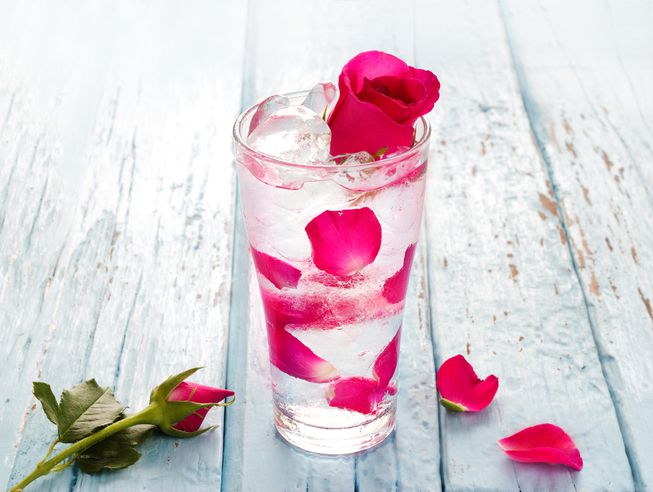
Healthy Habits: Why You Should Be Drinking Rose Water and How to Make It at Home

Here at BeautyLeeBar.com, I believe that beauty begins from the inside out. I try to be mindful of what is going into my body to ensure that I stay strong and healthy, because, to me, that is beautiful. I’ve also never been the one to shy away from trying a new detox or testing out a buzz-worthy health trend. That brings me to today’s topic. You’ve seen me rave about the benefits of refreshing lemon water, lime water, cucumbers, cherries, honey and now I’m adding rose water to the list of infused sips on my radar.

While I’ve used rose petals on certain things in the past, putting them in water is my new favorite way to reap the benefits of the fragrant blooms. Trust me when I say that rose water is so much more than a flavorful way to stay hydrated. By applying rose water to your skin or drinking it the old-fashioned way, you are benefiting your complexion as well as ingesting essential vitamins. Since this all sounded too good to be true, I did a little research to see why I should be adding rose water to both my diets and beauty regimens, stat. Keep scrolling to see what I learned as well as a simple at-home recipe to make this concoction yourself…

Your skin’s new BFF.
By adding rose water to your daily skincare regimen, you are doing so much more than keeping your face hydrated (which is also a pretty big bonus!). Rose water can help your skin maintain its pH balance by controlling excess oil production while keeping it supple and moisturized. Rose water is also known for its soothing elements which reduce redness and irritation linked to skin conditions such as eczema, acne, and dermatitis.
Rose water contains antibacterial and antifungal properties, allowing your skin to better heal scars and other wounds.

I don’t know about you, but I’m always looking for natural remedies to improve my complexion. By applying rose water to your skin, you are cleansing, toning and even reducing fine lines and wrinkles. That sounds like a win-win to me! There are a few ways that you can incorporate rose water into your routine. Start your day by using rose water as a toner after washing your face by evenly distributing it with a cotton ball. You can even purchase a spray bottle and lightly mist your face throughout the day, with or without a full face of makeup. A little spritz here and there can be rejuvenating!

Why you should be drinking rose water.
In addition to adding this fragrant concoction into your beauty routine, consuming rose water also poses multiple benefits. Rose water contains vitamins A, C, E and B and contains anti-inflammatory qualities. It is also said that rose water can help reduce stress and moodiness (something we can all benefit from at some point or another, right?). If you’re looking for a fragrant and healthy way to stay hydrated, opt for a bottle of rose water the next time you’re at your local health food store. But like any health food fad, it’s always a good idea to ask your doctor if you have questions or concerns.

How to make it at home.
If you are interested in making rose water right in the comfort of your own home, you’re in luck! Making your own batch of fresh rose water is simpler than you think and I have a recipe to prove it.

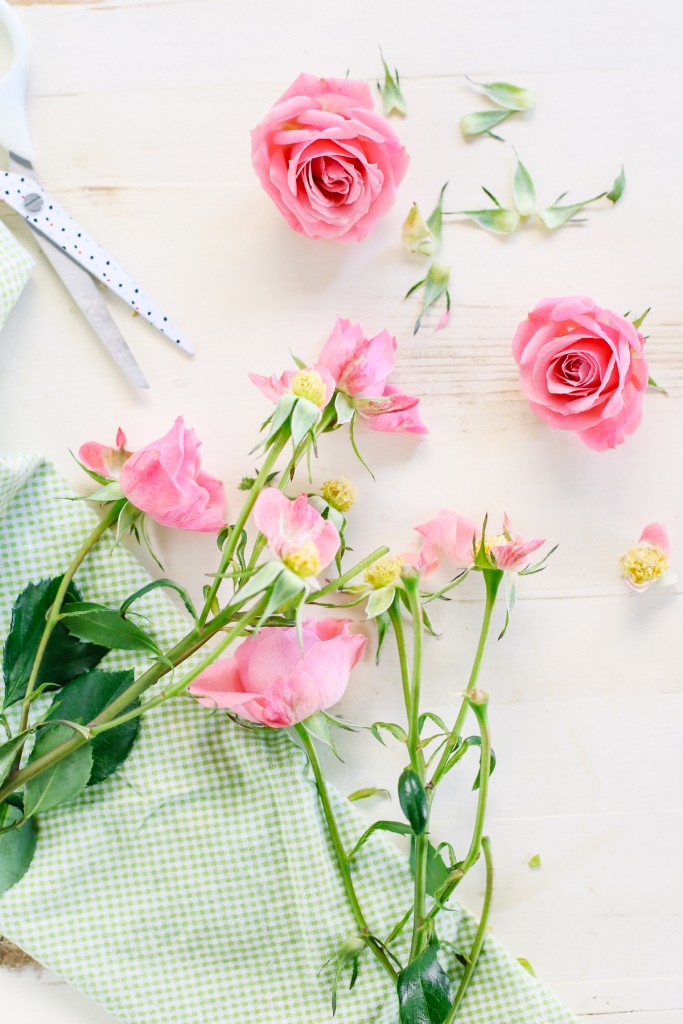
rose-water.jpg.653x0_q80_crop-smart

Here’s what you’ll need:
1. 5-7 stems of organic pink roses
2. water
3. large pot

Instructions:

1. Begin by plucking the rose petals off of each stem and rinsing them thoroughly under warm water. It is important to note that you use organic roses, rather than the kind that you can just pick up at any grocery store. It’s best to steer clear of any harmful pesticides and any other chemicals that could have been used on the stems.
2. Place the rose petals into a large pot and pour just enough water in to cover all of the petals.
3. Boil the water and rose petals over medium-high heat. Once the water is boiling, cover the combination and reduce heat to a simmer.
4. Let the petals simmer for 30 minutes or until they begin to lose their vibrant color.
5. Remove the petals from the water with a strainer.
6. You now have your very own homemade rose water! Be sure to refrigerate or store your rose water in a cool place. Your homemade batch should last between 1 and 4 weeks.

And there you have it! I’ve been intrigued by this trend and hope you all will try it too! And, now I’m convinced that my beauty regimen can’t live without it.

Have you ever tried using or drinking rose water?

Let me know your thoughts in the comments!

**FTC: This post is not sponsored. No monetary compensation was received for this post, however, products were sent to me. Opinions are 100% my own, of course.

Primp Tip: How to Make Your Pores Appear Smaller

Recently, I’ve gotten quite a few requests to do a blog post on pore minimizing tips. I’ve covered so many skincare issues here on the site, from acne to under eye circles. But this is one topic I haven’t talked about yet, so I thought I’d give it a go! While I’m pretty well versed in the world of beauty, I’m not an aesthetician or dermatologist. These are just some helpful tips I’ve gathered over the years. Check it out below…

What are pores?

First, let’s start with the basics. Pores are the tiny openings in the skin where oil and sweat is released to keep skin naturally moisturized, cool, and healthy. Pores are also home to your hair follicles. You have pores all over the surface of your skin, but they tend to be more prominent on your face because that is where your sebaceous (oil) glands are the largest. When your pores get clogged with dead skin cells, dirt, oil, or makeup, that’s what causes acne. So it goes without saying that you want to prevent buildup and keep your pores clean.

Why do some people’s pores look larger than others?

Not to state the obvious, but we all have wildy different skin. Some women deal with discoloration, some are plagued by breakouts, and others have visible pores. A lot of it is left to genetics. For instance, your pores are more likely to look larger if you have an olive complexion or a darker skin tone. Skin type and age also affect the size of your pores. People with oily skin tend to have larger pores (because their pores are more active). And as we age, we lose elasticity in skin, which can make pores appear larger. Accumulation of dead skin cells, sebum (oil), and dirt and picking at a pimple can also stretch pores.

How can I make my pores appear smaller?

While it’s not possible to actually physically shrink your pores, you can make them look smaller and give your skin a smooth, radiant appearance. The first step is ridding your skin of all the things that potentially clog pores and make them more prominent (dirt, oil, dead skin cells, etc.). With proper cleansing and steaming, exfoliation, regular professional facials, and the use of noncomedogenic products can minimize the appearance of pores.

Cleanse

Never going to sleep without properly cleansing your skin is a given. I recommend the β€˜double cleanse’ where you use a makeup wipe to remove impurities on the surface and then apply a cleanser to penetrate deeper. Incorporating steam can help to open pores and release impurities while softening the skin.

Shop This Story…

Exfoliate

Exfoliation is also key in keeping pores clear. Kate recommends making exfoliation a part of every skincare regimen (2-3 times a week). Always exfoliate with steam (the shower is a great place), and look for a product that has both physical and enzymatic exfoliation. Products with alpha hydroxy acids such as lactic acid will also help refine the appearance of pores.

Shop This Story…

Prime

Primer might be one of those products that you think you can do without or never really understood the purpose of. But using a primer is another great way to minimize the appearance of pores. Primers sit on the surface of the skin and create a barrier between skin and makeup. Primers prevent makeup from sinking into your pores and create more of an even skin tone.

Shop This Story…

Professional Facials

A professional facial treats your skin to a deep pore cleansing that you simply can’t achieve with every day cleansing. Regular, professional extractions will help keep skin clear and prevent scarring in the long run. I recommend getting a facial every 4-6 weeks for maintenance.

Do you have any other skincare topics you’ve like me to cover?

Let me know in the comments.

XO Lee

Beauty 911: What Are Your Breakouts Telling You?

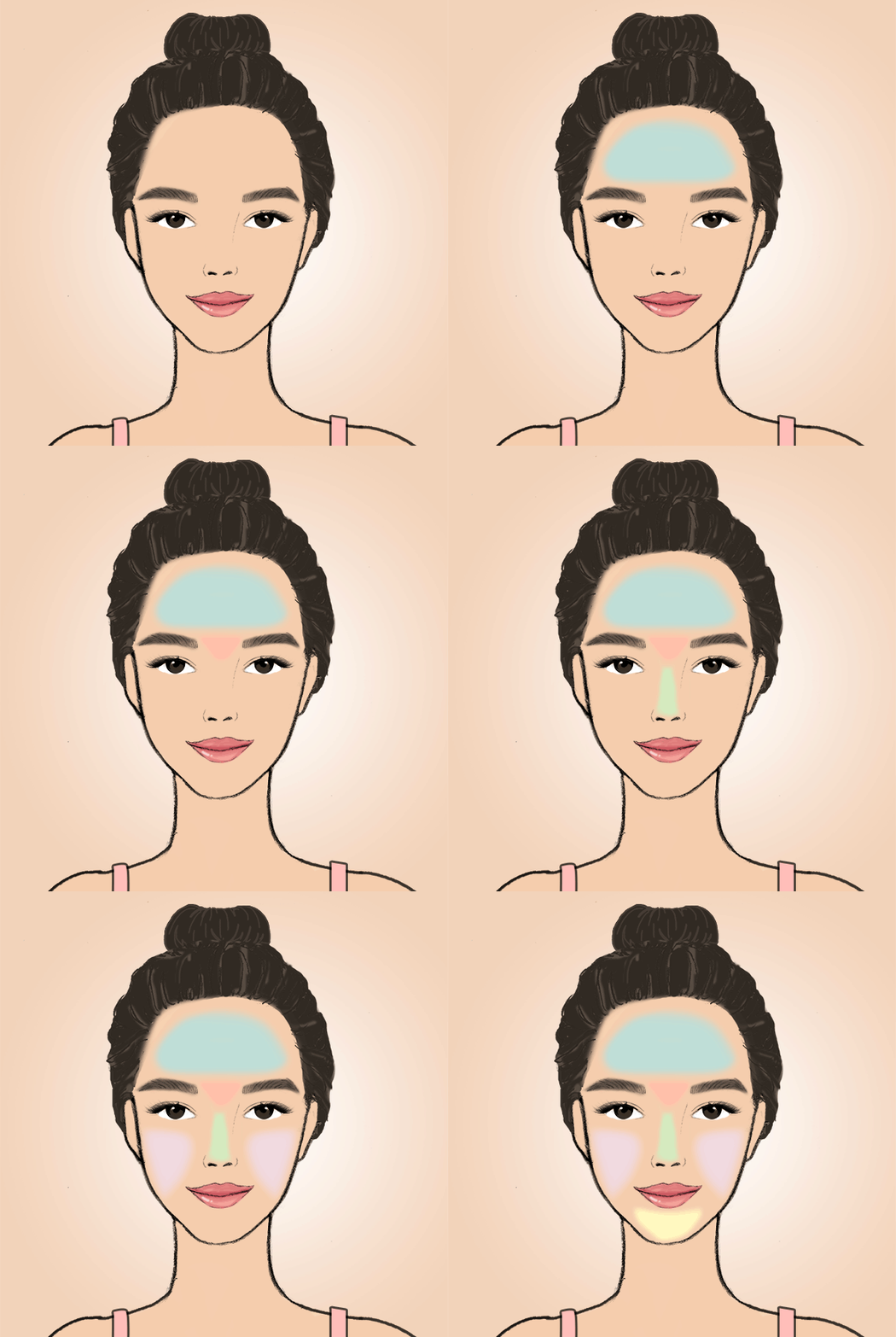
In recent weeks, I’ve become fascinated with the Eastern tradition of face mapping. Face mapping, which combines modern dermatology with ancient Chinese medicine, is the idea that there’s a correlation between your internal organs and different zones of your face.Β 

Face mapping makes a lot of sense when you consider the fact you’re your skin is an organ too (the largest organ in your body, in fact). My aesthetician can also tell when I’ve just been sick or am about to get sick based on the area right above my brows. I don’t know about you, but I find it all very fascinating! Besides just being an interesting topic, educating yourself about face mapping can actually help to clear up your skin. Once you’ve identified what’s causing your acne, it’s easier to prevent it. While some causes are unavoidable (monthly hormone swings, for instance), diet and lifestyle changes can definitely help to clear up your skin.

Without further ado, here are what your breakouts are telling you in five different zones of your face…

1. Forehead. Breakouts across the forehead are often triggered by stress or sleep deprivation. Make sure to log 7 to 9 hours of beauty rest a night to keep your forehead clear.
2. Above the brow. The area above the brow is affected by your immune system. Breakouts here tend to happen right before, after, or during a cold or flu. If you notice a breakout in this zone, slow down for a couple days, drink plenty of water and eat these 10 immune boosting foods.
3. Between brows. Breakouts between the brows can be caused by overindulgence of unhealthy foods or a food allergy. Cutting back on sugar, dairy, rich foods, and alcohol can help clear up skin in this zone.
4. Cheeks. Your cheeks are linked to your respiratory system. Smoking or breathing polluted air can cause breakouts here.
5. Side of chin. The sides of your chin are affected by hormones. Breakouts here occur around the time of your period and happen on one side or another depending on which ovary is ovulating that month.

Let me know what beauty crisis you’d like me to cover in my next Beauty 911 post!

XO, Lee