How to Find the Right Face Mask for YOUR SKIN

It’s easy to think that all face masks are good for us. They’re a treatment, right? How can special treatment be bad? But depending on the weather, or our skin type, or even just our skin’s current #mood, the wrong mask could do us dirty.

If we have super dry skin, steer clear of harsh pulling clays or even exfoliating acids, which can be hard because we want to dissolve those dead skin flakes. However, we need to nurture our skin barrier and be kind and cognizant of our skin’s current condition before slapping on a face mask and considering it a favor.

Advertisements

On the other hand, if we have oily skin, we don’t want to get eight hours of REM under an emollient sleeping mask or overdo it with hydrating facials. It’s all about balance and assessing what our skin’s needs are.

Ahead we’re sharing our favorite powder face masks to add to your skincare routine.

Advertisements

Tools


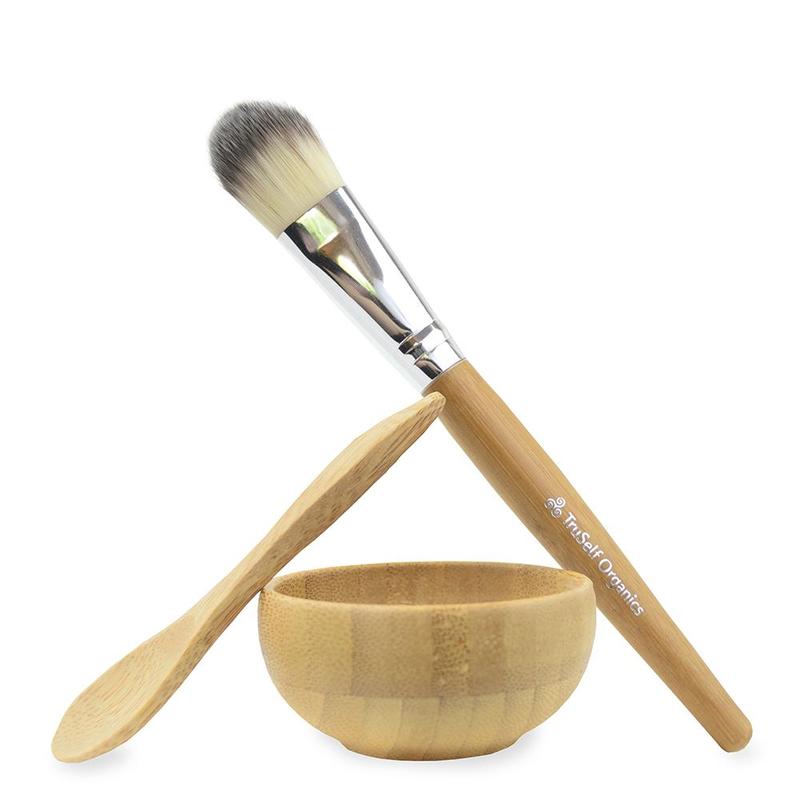
Ritual Set, $15

For easy application, use this bowl and brush set to blend the formula and water. Lee also likes to add a drop of this honey mask and a few shakes of this rosemary reset powder to her mixture.

For Dry Skin

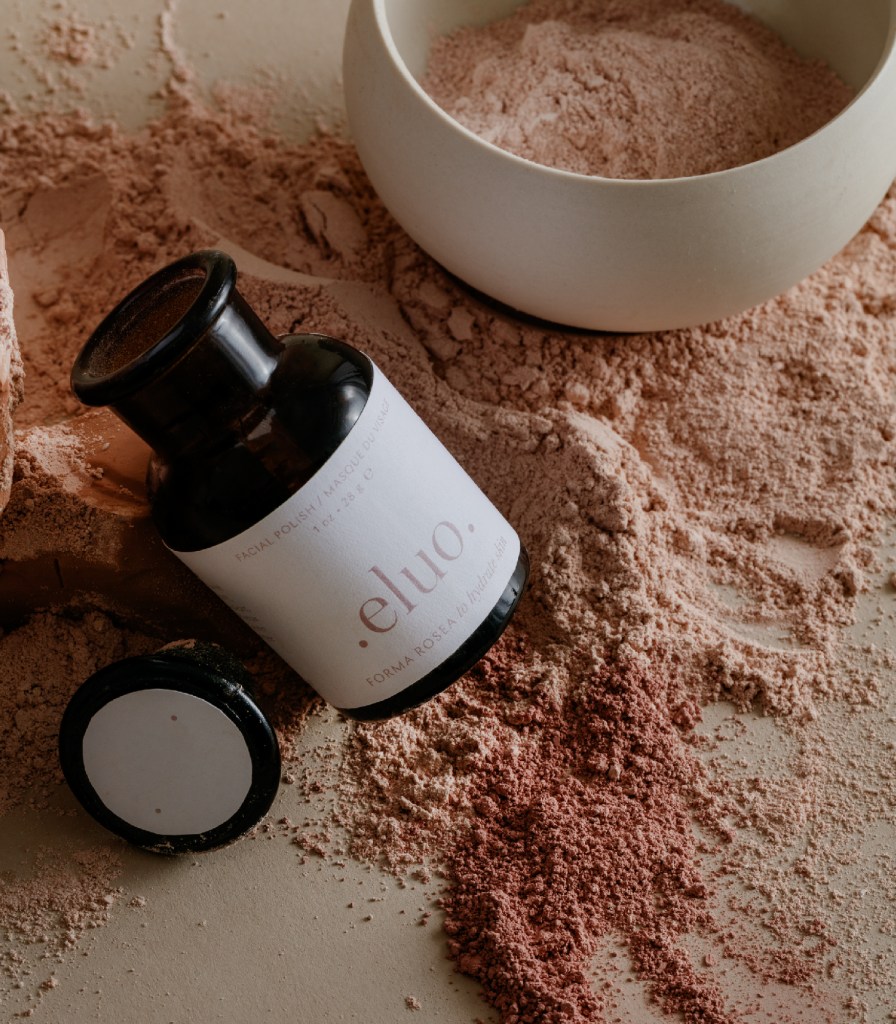
Forma Rosea, $45
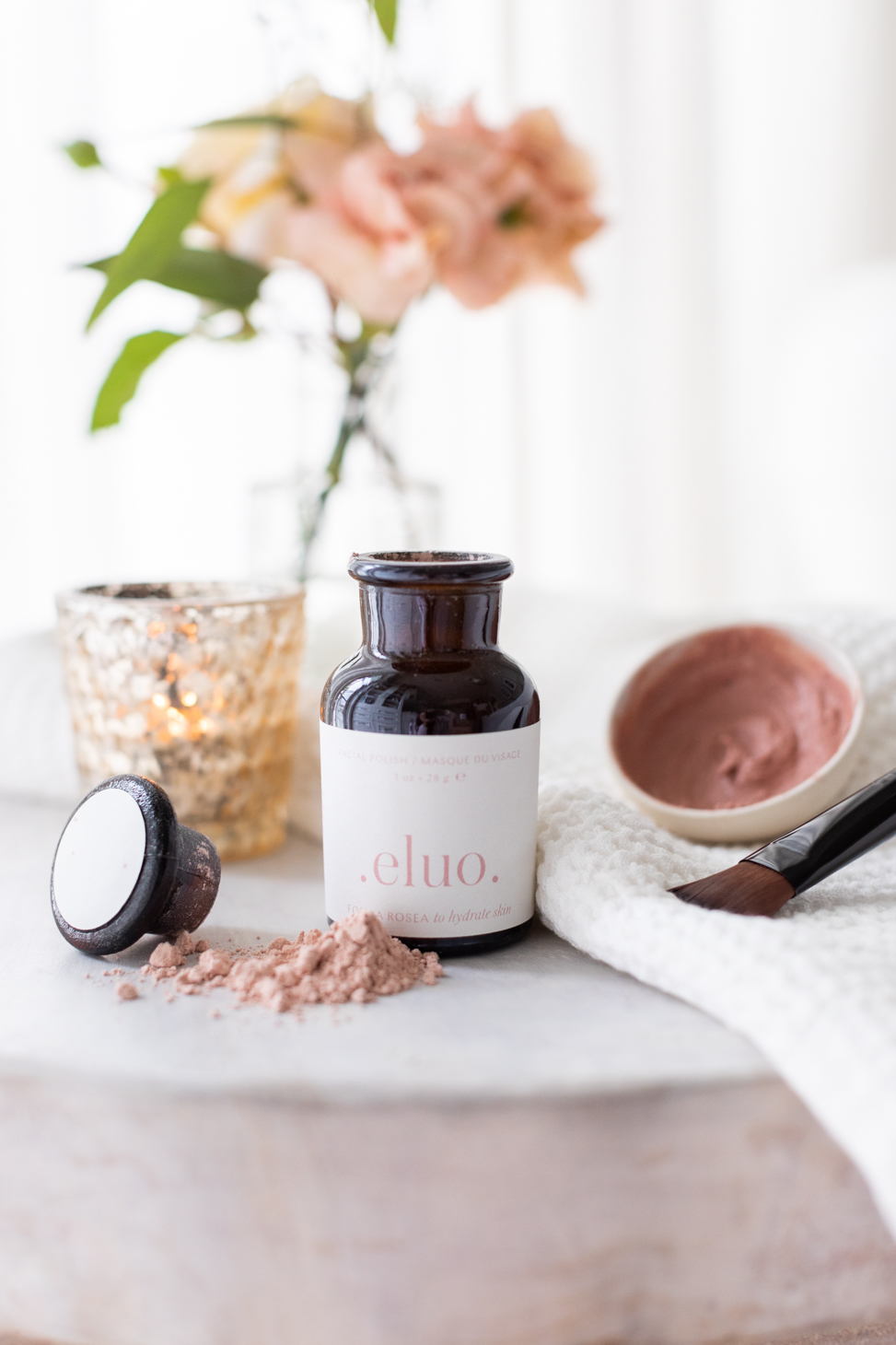
If you’re feeling itchy, flaky, sallow, or dull, you’ll want to go straight for a hydrating mask and skip the harsh stuff. Colloidal oat kernel, chamomile flowers, carrot seed oil, coconut milk, jojoba, rose, and a few other key players nourish deeply while providing moisture. It’s the ultimate pink drink for our skin.

For Blemish-Prone Skin

Forma Viridi, $45
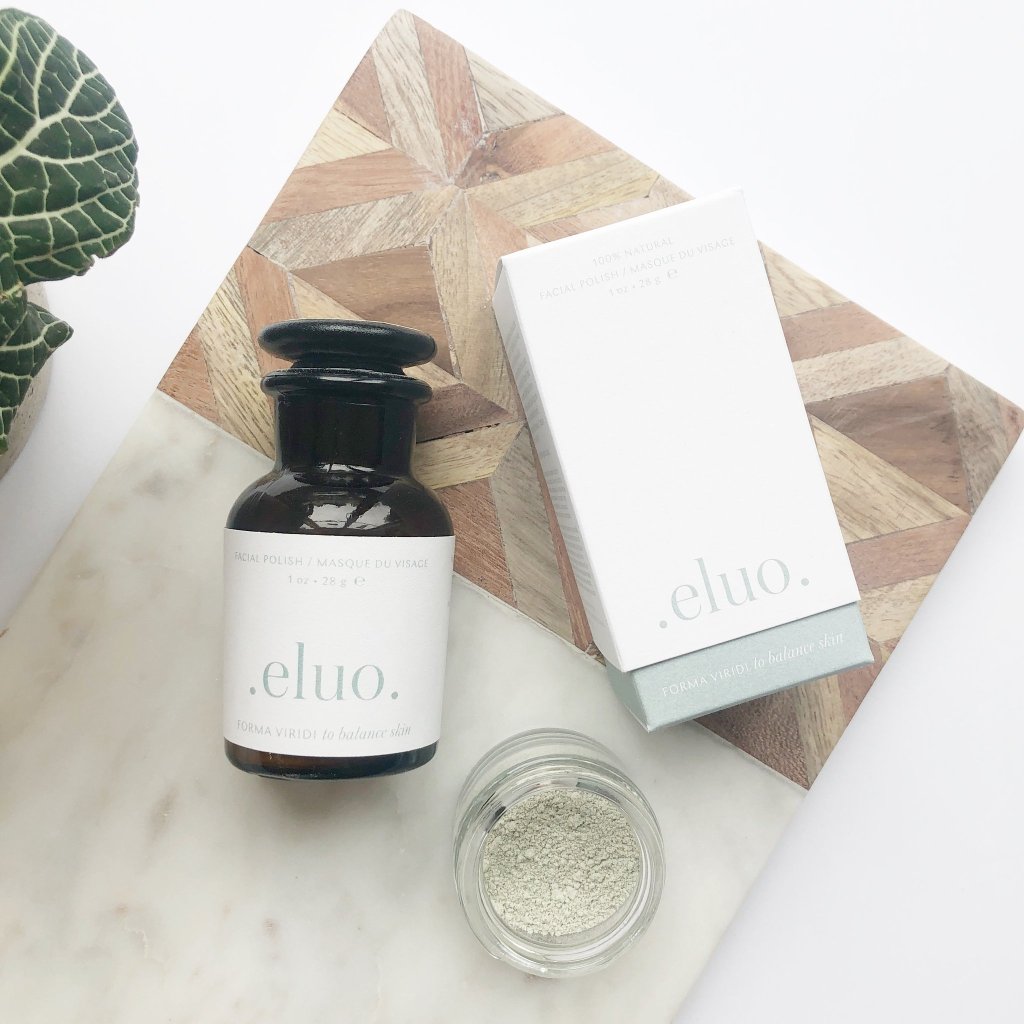
When we are stressed, PMSing, or maybe letting our diets get a little out of hand (hello holidays), we need to balance and clarify. This is when we should be reaching for a clay mask, and this one with mineral-rich French green clay does the trick without over-drying. Neem, lavender, and spirulina are anti-microbial, anti-inflammatory, and mineralizing for a soothing plan of attack for current and brewing breakouts.

Advertisements

For Irritated Skin

Forma Floris, $45

Sometimes our skin is not quite dry, not quite oily, but it’s clearly upset. This can happen in harsh climates, or when we’ve overdone it with skincare (over-exfoliation … please don’t, but OK, it happens). Soothe and calm freaked-out skin with hibiscus, marshmallow root, aloe, calendula, and chamomile to reduce redness, irritation, and inflammation. 

For Dull Skin

Reborn Mask, $60
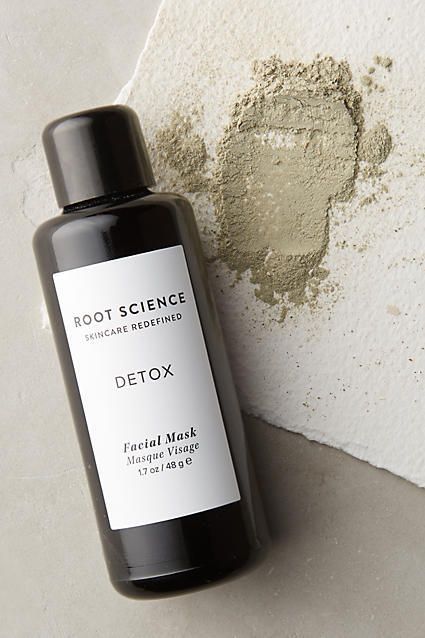
Rhassoul, rosehip, turmeric, gotu kola, sea buckthorn, and a few other superstars will restore a glow and some color to your cheeks while gently pulling out impurities. These ingredients soothe while fighting future breakouts and inflammation, and at the same time boost circulation for rapid healing and instant radiance.

Papaya Bright Superfood Face Mask, $34

This brightening mask is made with 100% pure, edible superfoods. Plus, it’s highly recommended by our BeautyLeeBar Community. “It’s a powder formulated with clean, good-for-you ingredients; add a few drops of water and it turns into a gel-like paste. I use this bowl and brush to apply—self-care at its finest. Leave on for 10-15 minutes and rinse off to reveal healthy, glowing skin. Like using the Paris filter but IRL!”

Advertisements

For All Skin

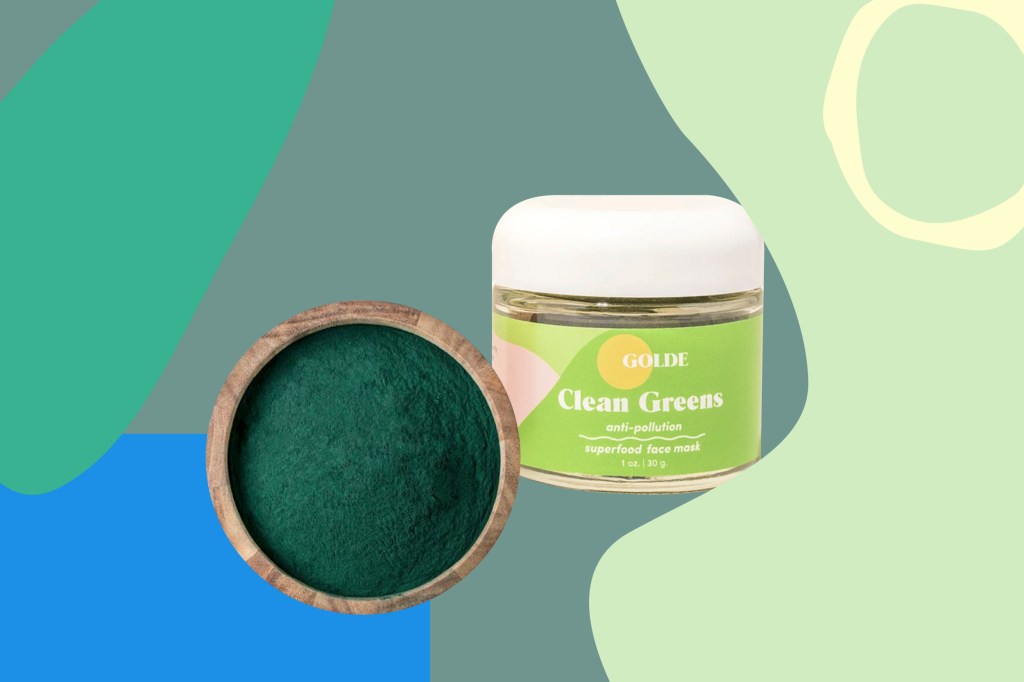
Clean Greens, $34

When you’re not quite suffering active breakouts, but feel bogged down by blackheads and an overall lack of luster, time to give your skin the ultimate smoothie. Chlorella, spirulina, and mango juice help to nourish the skin and dissolve impurities. This mask is so nutrient-dense and yet so gentle, that we go back on our word with this one exception. Use this baby any time for a healthy glow.

CATEGORY IS FACE. Comment below where you from and the skincare product that has been saving thy face!

How to Treat Cracked Skin on Your Feet, Hands and Elbows

Dry skin is uncomfortable and can be hard to treat. When your skin is dry and cracked, though, it can be even more challenging to deal with. Because the skin on your hands, feet, and elbows is thick, it can be prone to these skin issues, especially during the winter. To learn how to prevent it from happening and how to heal cracked skin in these areas, keep reading. 

Advertisements

What Causes Dry, Cracked Skin?

Environmental factors like cold temperatures and a lack of humidity (hi, winter) can cause the skin to become drier than usual and lead to cracking. Other causes include hot water (so stick to lukewarm showers and baths), harsh cleansers, and skin conditions, such as atopic dermatitis or psoriasis. 

Advertisements

How to Address Dry, Cracked Skin on Your Feet, Hands, and Elbows

Keep Your Showers Short

The American Academy of Dermatology (AAD) states that keeping showers and baths short, using a mild cleanser, and opting for a warm instead of a hot water temperature can help prevent dry skin.

Pay Attention to Skin-Care Ingredients

The AAD stresses that those with dry, cracked skin should pay close attention to the ingredients in their skin-care products. Avoid products that contain dehydrating and potentially irritating ingredients like alcohol, fragrance, and harsh sulfates. 

Use a Humidifier

Humidifiers can benefit your skin all year but are particularly helpful when your skin needs extra moisture in the fall and winter. The AAD suggests using a humidifier to add some much-needed moisture into the air to help relieve dry, cracked skin.

Moisturize Your Skin Regularly and Use Healing Ointments

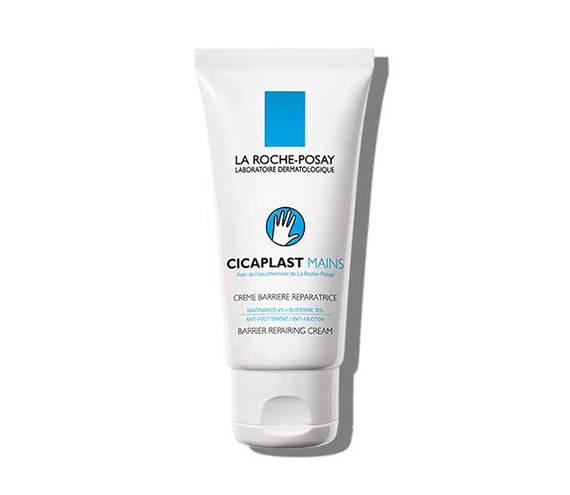
Moisturizer or lotion can help replenish and lock in moisture. The AAD recommends applying hand cream after you wash your hands. We like the allergy-tested La Roche-Posay Cicaplast Hand Cream because it not only moisturizes with shea butter and glycerin but also helps soothe damage from cold weather and frequent hand-washing. When it comes to your feet and elbows, hydrate the areas as needed, especially after taking a bath or shower while your skin is still slightly damp. 

If you’re experiencing cracked or chapped skin and your go-to cream or lotion isn’t doing the trick, reach for a soothing balm like the CeraVe Healing Ointment. Formulated to relieve irritation and extreme dryness and restore the skin barrier. 

Advertisements

Dry Skin vs. Dehydrated Skin: What’s the Difference?

The terms dry skin and dehydrated skin are frequently used interchangeably, but they’re not the same thing. If your skin feels rough, flaky, and tight, it could mean that you have dry skin, but it can also mean that your skin is just in need of a hydration boost. Vague? We get it. To explain, we tapped board-certified dermatologist and BeautyLeeBar.com expert Dr. Dendy Engelman

Advertisements

The Difference Between Dry and Dehydrated Skin

There is a minor (albeit important) distinction between dry skin and dehydrated skin. Dehydrated skin is a skin condition, and it can affect all skin types. Even oily skin can be dehydrated if it is lacking in moisture and hydration. “Dehydrated skin can be the result of not drinking enough water or liquids,” says Dr. Engelman. “It can also be caused by irritating or drying products, which can strip the skin of its moisture.” 

Dry skin, on the other hand, is a skin type. “ Anyone can be categorized as having a dry skin type if you have minimal oil production,” says Dr. Engelman. Many factors can play a part example age, climate, genetics, hormones, or untreated dehydrated skin. 

The moral of the story? Dry skin lacks oil, and dehydrated skin lacks water.

Advertisements

How to Know if Your Skin Is Dry or Dehydrated

“Dehydrated skin feels parched and crepe-y,” says Dr. Engelman. “It might have an oily film on the skin because dehydrated skin can be mistaken for dryness by skin cells, causing them to produce excess oil as a result.” 

Dry skin tends to flake, so if you see lifted skin — white flecks, usually — you probably have dry skin, Dr. Engelman says. Because dehydrated skin can affect all skin types, it’s possible to suffer from dehydrated skin and dry skin at the same time. When in doubt, consult with a dermatologist. 

Advertisements

How to Treat Dry and Dehydrated Skin

Whether your skin is dry or dehydrated, nourishing it with moisturizing products can help. The ingredients you should look for might differ depending on which skin issue you’re dealing with.  

“ Dry skin will benefit from products that replenish oil and repair the lipid layers of the skin,” Dr. Engelman says. The SkinCeuticals Triple Lipid Restore 2:4:2 boasts a maximized concentration of lipids in its formula — including 2% pure ceramides, 4% natural cholesterol, and 2% fatty acids — to help restore the skin’s moisture barrier and provide up to 24 hours of hydration. 

Here are other similar yet affordable products:

Biossance Squalane + Omega Repair Cream

Omega Fatty Acids: Fatty, moisturizing molecules that hydrate while visibly restoring and plumping. Hyaluronic Acid: Visibly plumps and supports hydration on the skin‘s delicate surface. Acai Berry Sterols: A plant sterol that is known to mimic and support the cholesterol found naturally in skin.

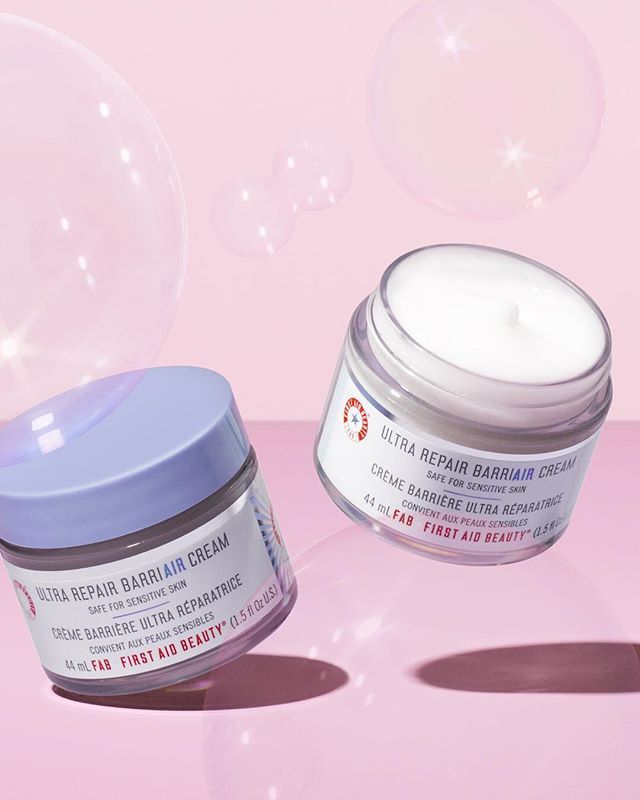
First Aid Beauty Ultra Repair BarriAIR Cream

Tri-Molecular Weight Hyaluronic Acid: A powerful humectant in three molecular sizes, that helps boost skin’s moisture content, plump, and smooth skin on multiple levels. Ceramides: A lipid that naturally occurs in skin that helps strengthen the skin barrier and moisturize. Oxygen: Upon contact with air, creates a blanket of bubbles to energize skin and help active ingredients penetrate.

Skinfix Barrier+ Triple Lipid-Peptide Cream

Triple Lipid Complex: Helps to restore skin’s natural lipids and fatty acids for glowing, smooth, healthy-looking skin. Peptide Protein Blend: Nutripeptides support the skin barrier function and help protect the skin from free radical damage. Lily Root Extract: Tightens the look of skin, and helps reduce water loss and support long-term moisturization.

Advertisements

“ Dehydrated skin will benefit from products that help retain moisture and formulated with ingredients like hyaluronic acid,” says Dr. Engelman. The L’Oréal Paris Revitalift Derm Intensives 1.5% Pure Hyaluronic Acid Serum does just that. Follow it with a moisturizer formulated for your skin type.

More amazing serums that works even greater:

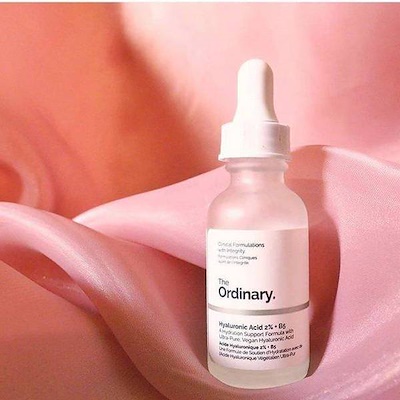
The Ordinary Hyaluronic Acid 2% + B5

Hyaluronic Acid 2% + B5 from The Ordinary is formulated with a combination of low, medium, and high molecular-weight hyaluronic acid, as well as a next-generation hyaluronic acid crosspolymer, at a combined concentration of 2% for multi- depth hydration. This system is supported with the addition of B5 for enhanced surface hydration.

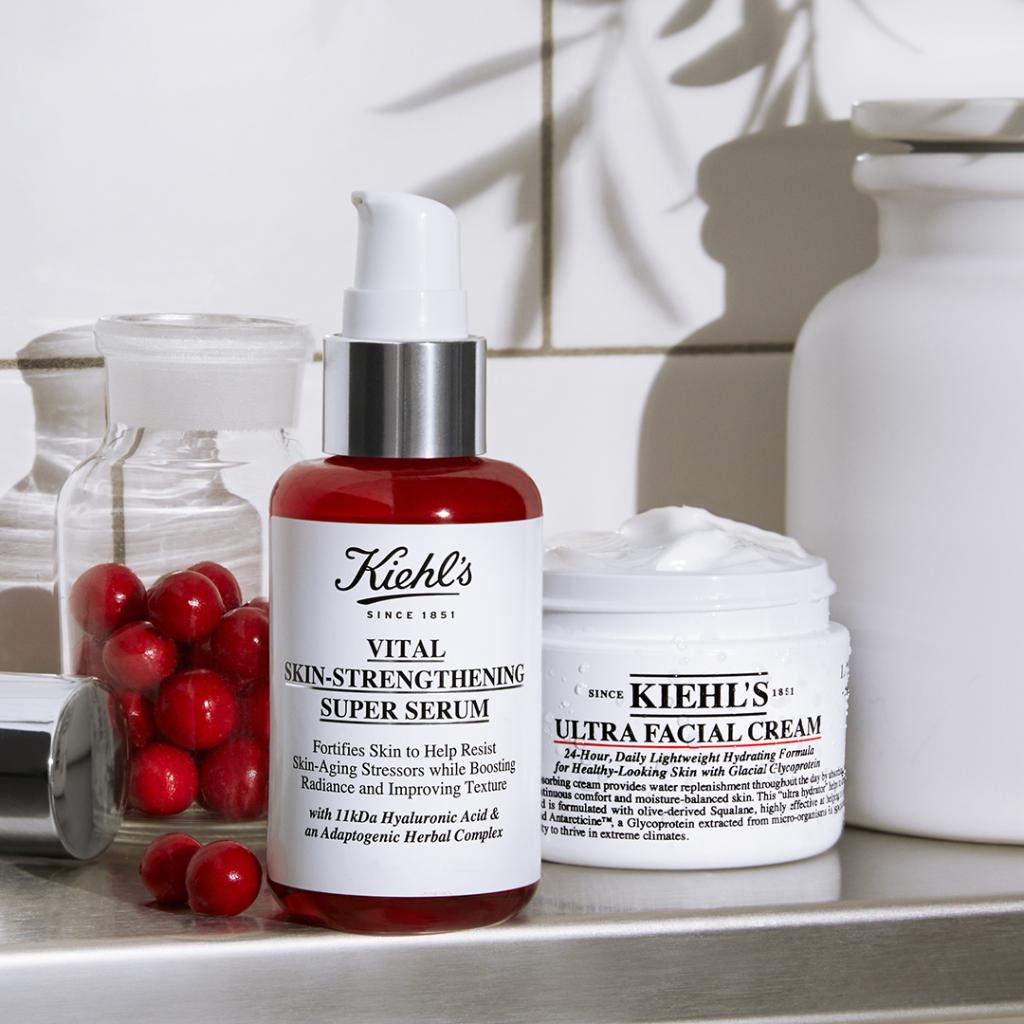
Kiehl’s Vital Skin-Strengthening

Kiehl’s Vital Skin-Strengthening Hyaluronic Acid Super Serum strengthens skin while helping defend against skin-aging stressors for youthful, radiant skin. These stressors include UV exposure, pollution and extreme temperatures along with tobacco, stress, lack of sleep and nutrition which can cause dullness, dehydration, fine lines and other signs of aging.

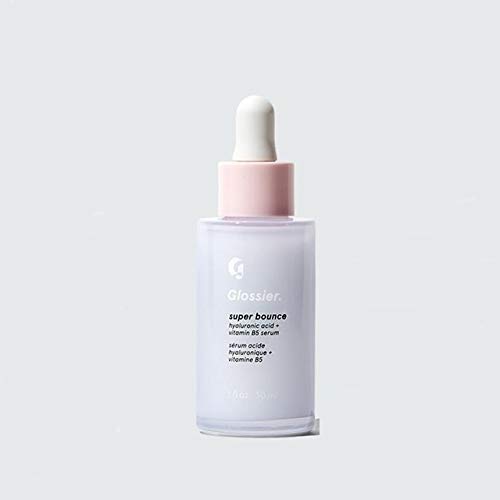
Super BounceVitamin b5 serum

Pro-Vitamin B5 promotes long-term hydration and healthy looking skin. Three molecular weights of Hyaluronic Acid pull moisture deep into the skin (and keep it there) to instantly smooth the skin’s surface. The silky formula is fast-absorbing and never sticky—designed to layer with moisturizers and makeup.

Advertisements

Sheet Mask Not Delivering Glow-Enhancing Results? This Could Be Why

Turns out there’s actually a fine art to applying a sheet mask that, until now, nobody was aware of. 

It’s a little known fact that face masks can solve any of life’s problems. Bad day at work? Face mask. Overplucked your eyebrows? Face mask. Rent is due next week and you have less than five euro in your bank account? Face mask.  Accidentally swiped left to a super hot guy with a dog on Tinder? Face mask.

Advertisements

While it may not exactly ~solve~ those problems, a face mask will, however, distract you long enough that you won’t become a nervous wreck and that’s pretty much the same thing. But face masks can be time-consuming, especially if you go the DIY route. So that’s why when sheet masks first came on the scene, our lazy but enjoys-being-pampered selves were thrilled. 

TRENDING TODAY: 5 “MEH” BEAUTY PRODUCTS YOU REALLY DON’T NEED IN YOUR ROUTINE

Simply take out of the packet, pop on your face, leave for 15 minutes and boom, glowing skin. Easy right? Well, actually no – it’s not that simple. Turns out there’s actually a fine art to applying a sheet mask that until now, nobody was aware of. 

It may be that you forgot to set a timer, you applied too much product, or you simply picked up the wrong formula. Don’t worry, we’ve all been there. Thankfully, this is a judgement-free zone and we’ve got you covered. Keep scrolling for common mistakes and a few tips on applying (and removing) a sheet mask correctly.

Advertisements

NOT USING THE RIGHT KIND OF MASK FOR YOUR SKIN

So okay, maybe this seems like an obvious one but we bet at some stage in your sheet mask life, you’ve bought one just because it’s metallic gold…and not because it’s actually good for your skin. Hey, no judgement, we’ve done it too, but as fun as it is to have a metallic gold face for 15 minutes, you really should start paying attention to what skin type those face masks are designed for and buying the ones that best suit you and your skin.

USING TOO MUCH PRODUCT 

From foundation to ketchup, we’ve got a heavy hand when it comes to liquids and it’s no different when we use an ‘apply it yourself’ face mask. Look, there are days where our skin feels extra crap so we tend to whack on a thicker layer than usual to give our skin that bit more TLC but the truth is:  it’s actually doing more damage.

Advertisements

TREATING FACE MASKS AS A TREAT

If we have a special event coming up, we often get a bit too excited because it gives us an excuse to pamper ourselves. But guess what? You don’t need an excuse to treat yourself.  You should be incorporating a face mask into your weekly skincare routine. If you’re unsure of how frequently you should be using a face mask, check the back of the packaging because no two face masks are the same. Some will suggest once a week only where others will recommend 3-4 times a week. 

NOT PREPPING YOUR SKIN BEFOREHAND

So picture this: you’re having a no make-up day and it hits about 8 pm and you’re feeling very proud of yourself for giving your face a chance to breathe so you think about treating it that bit more by doing a face mask, so you just lash it on without washing your face first. Sound familiar? Us too. Just because you haven’t applied makeup to remove doesn’t mean you can skip a cleanse. You should be applying your face mask to clean, dry skin so not giving your face a wash beforehand just means you’re layering a face mask on top of dirt and bacteria it’s picked up during the day… #gross.

THINKING A FACE MASK IS THE FINAL STEP

Hate to break this one to you but a face mask doesn’t solve all of life’s problems. After masking, you aren’t finished. You need to carry on with your regular skincare regime, applying toner, serum and most importantly a moisturizer is key to locking in all those face mask benefits.

Advertisements

USING A SHEET MASK STRAIGHT OUT OF THE PACKET

Okay, so maybe you’re thinking we’re the silly ones for not already knowing this but you should be cutting your face mask to make it fit your face. We mean once you think about it, it makes a lot of sense. You cut your false eyelashes to fit your eyes, so you should be cutting your sheet mask to fit your face instead of almost suffocating because it’s too big.

USING A DIRTY BRUSH

Now judge us all you want, but sometimes we just can’t find the energy to wash our brushes but applying a face mask with an unwashed brush is utterly pointless. Not only are you contaminating your tub of face mask by dipping a dirty brush into the pot, but you’re also then smearing all that bacteria around your face which is doing more harm than good. 

Advertisements

LEAVING A FACE MASK ON TOO LONG

It happens: the packet says to leave on for 15 minutes so you take to Instagram to fill the time but you get carried away creeping on your crush account and suddenly, an hour has gone by. Leaving a face mask on longer than it should be is actually super harmful to your skin because the benefits only apply while the mask is still wet. Once the mask dries out, it begins to draw moisture and vitamins away from your face as opposed to nourishing the skin like intended.

YES, THERE IS A RIGHT SIDE

Again, so maybe we really just didn’t have a clue about sheet masks to begin with but we’re feeling confident that you too have at one stage or another worn a sheet mask the wrong way round. It’s time to set the record straight reveal that the side facing the paper is the side you should be applying to our skin. Groundbreaking, we know. 

Advertisements

POSTS YOU WILL ENJOY: