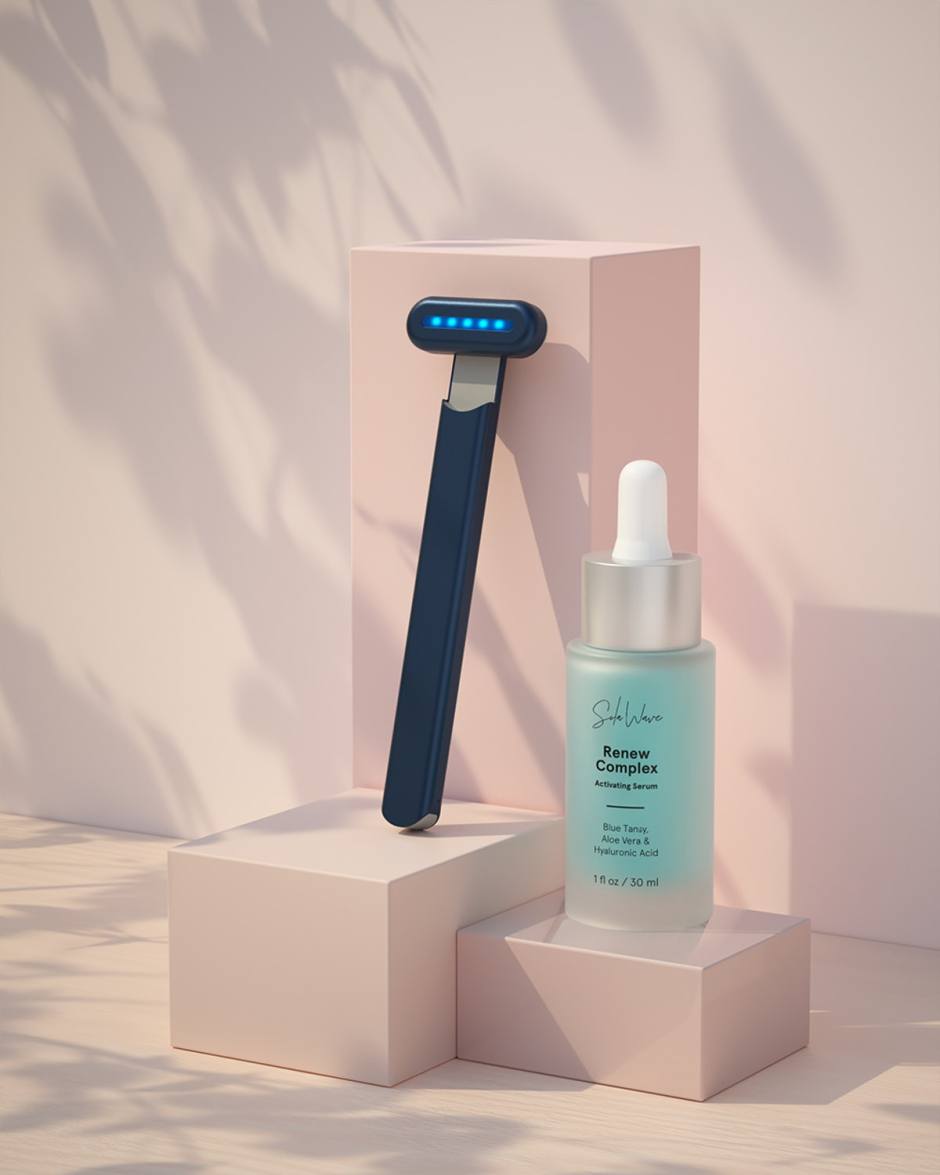
This Buzzy Skin Care Tool Just Got An Acne-Fighting Upgrade

If you’re serious about your skincare routine, you’ve likely got a few tools lying around. Whether a jade roller is proudly displayed on your bathroom shelf or you’ve invested in somethingΒ a bit more high-tech, these handy devices are meant to provide luxurious experiences as well as address certain skin concerns. With brands becoming more and more innovative, it’s now possible to get spa-like treatments at home, and the number of options is only growing larger by the day. Case in point: SolaWave’s brand new blue light upgrade to their buzzed-about skincare wand.

Advertisements

TheΒ original Red Light WandΒ is designed as a four-in-one tool that delivers microcurrents, red light therapy, facial massage, and therapeutic warmth to help with things like fine lines, wrinkles, and overall radiance. The new SolaWave Blue Light 3 in 1 Wand, which launched somewhere in August, takes a more targeted approach to skincare β€” specifically, to acne. The portable (and chic) tool uses blue light to fight breakouts and kill acne-causing bacteria. The wand’s warmth function also helps your products better absorb into your skin 2x as effectively while using less product. The SolaWave Blue Light Wand also reduces redness, brightens dark circles, combats blemishes, while the vibrating capabilities de-puff, promote circulation, and boost the skin’s radiance.

Advertisements

While the Blue Light Wand isn’t cheap, it typically retails for less than the original wand ($139 versus the Red Light Wand at $149) β€” and currently, it’s on sale for $119. If you’re looking forΒ acne-fighting solutionsΒ and have been curious about skincare devices, now’s the time to dip your toes in.

The aluminum alloy tool has a razor-like shape and a form that’s easy to clean and recharge. Safe for all ages, the wand is best used on hydrated skin and it comes to life thanks to smart-touch activation. Perfect for use on the forehead, under eyes, cheeks, jaw, neck, and upper lip, the wand can be used in one of two positions.

Advertisements

Primp Tips:

  • SolaWave can be used on most areas of your face: forehead, under eyes, cheeks, jaw, neck, and upper lip.
  • The SolaWave Wand forms two distinct positions: (1) the vertical β€œI” orientation and (2) the rotated β€œT-bar” position.
  • When using the wand, glide across your face in an upward and outward movement.
  • Clean your SolaWave Wand by spraying a dry cloth with water or disinfecting spray and wiping down the head.
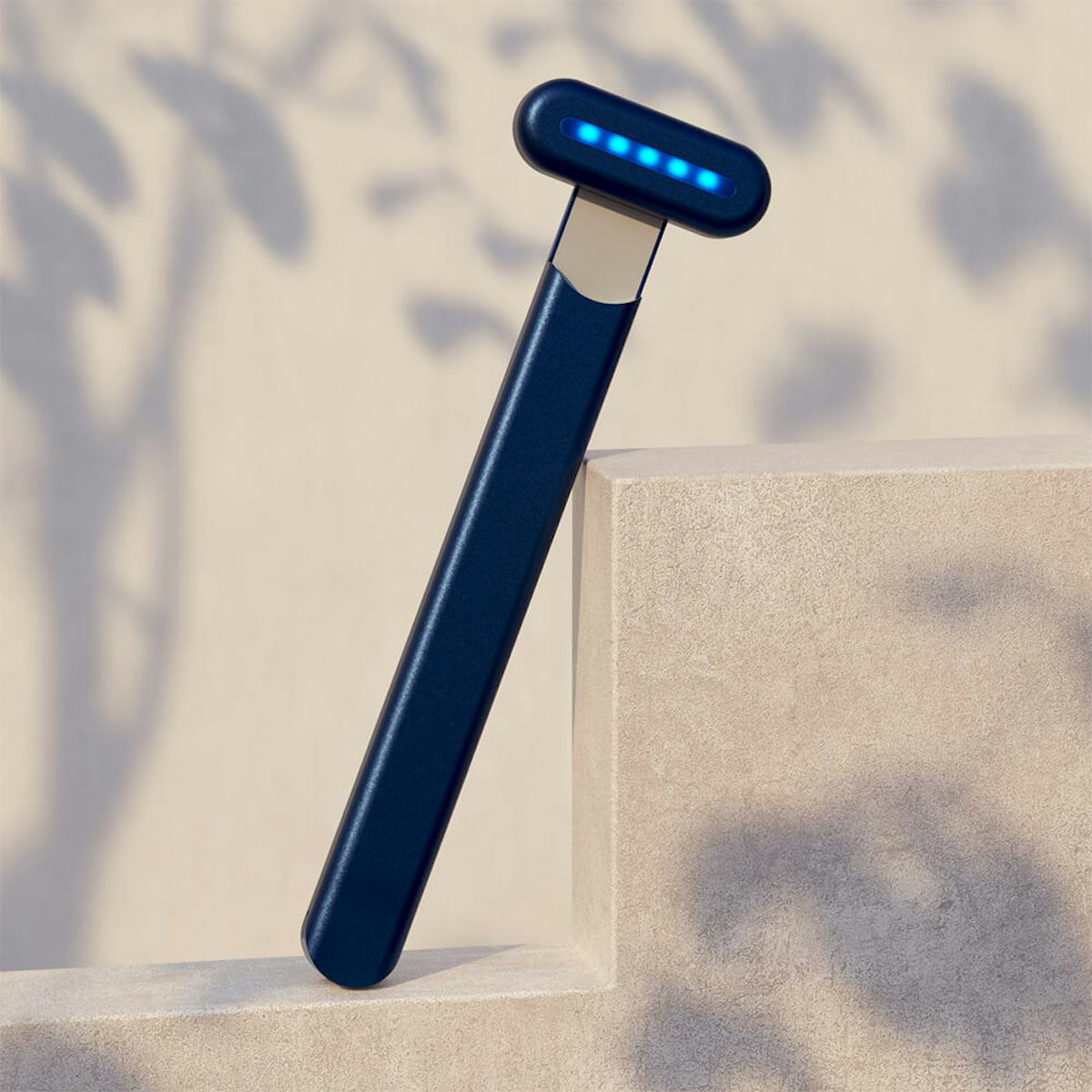
SolaWave Blue Light Wand

SolaWave Blue Light Wand, $139 $119

We only include products that have been independently selected by BeautyLeeBar’s editorial team. However, we may receive a portion of sales if you purchase a product through a link in this article.

How to Get Rid of ACNE SCARS

Acne scars rarely occur unless we’ve, ehem,Β picked at them. Sometimes it’s unavoidable, sometimes it’s avoidable but we can’t help ourselves, and sometimes, a pimple never fully comes to fruition, though the ghost of what could’ve been insisting on lingering. Those bastards! That’s because sometimes the clogged pore beneath the breakout we didn’t touch expands to the point that the follicle wall breaks.

Advertisements

What we’re left with is discoloration, uneven skin, dark or red spots, and sometimes even uneven, slightly pockmarked skin. Now, a new mission is revealedβ€”treat those scars, fast. Here are a few tricks.

Micro-needling

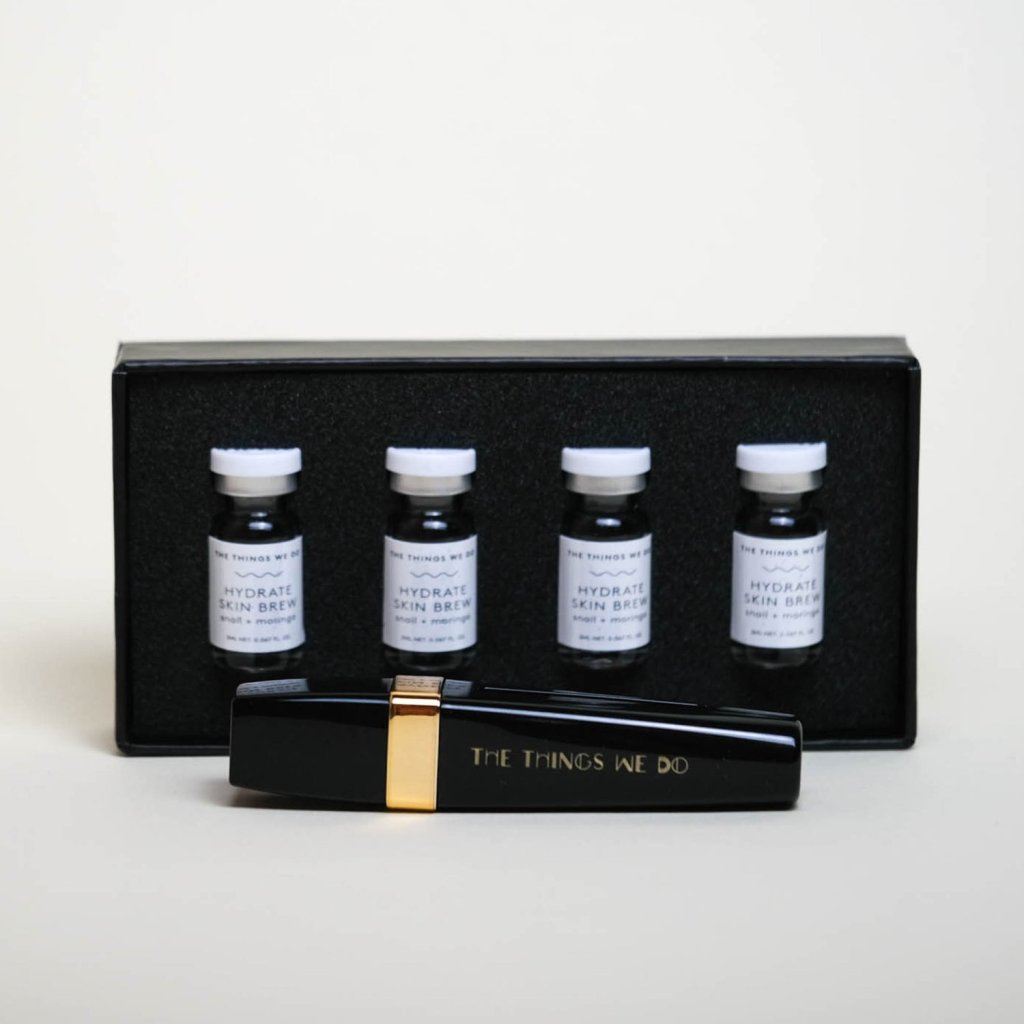
THE THINGS WE DO Ritual Set

This treatment can be done by a professional with a specific machine, or at home with a roller or our favorite, this stamp set. The tiny needles make micro-injuries to the skin, causing only minor, reparable damage that results in accelerated healing and increased collagen production. When skin is healing, new cells are being pushed to the top, evening out the skin tone and texture to rid even deep scarring over time.

AHAs

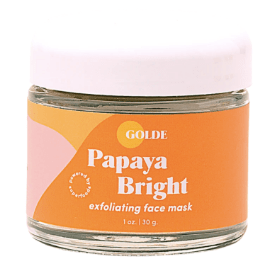
GOLDE Papaya Bright

Alpha hydroxy acids are exfoliating compounds in many skincare products and naturally found in fruit acids, which is why we love this papaya enzyme mask for gentle, regular exfoliation. While we don’t want to irritate the skin by over-exfoliation, fruit acids are safe for one to two times weekly. You can also use fruit puree or even yogurt from natural lactic acid (another AHA) for an easy at-home remedy, though a little messier.

RosemaryΒ 

LIVING LIBATIONS Rosemary Reset Powder

We don’t commonly think of this herb for skincare uses, but we definitely should. This tasty aromatic increases circulation when consumed, but also when applied topically, which brings nutrient-dense blood to the point of application, speeding healing. It’s also anti-inflammatory and reduces redness. We love this powder used as a spot treatment on our scars whilst we WFH, mixed with a little healing oil of choice, like tamanu, orΒ DewDabΒ for good measure.

LED Light

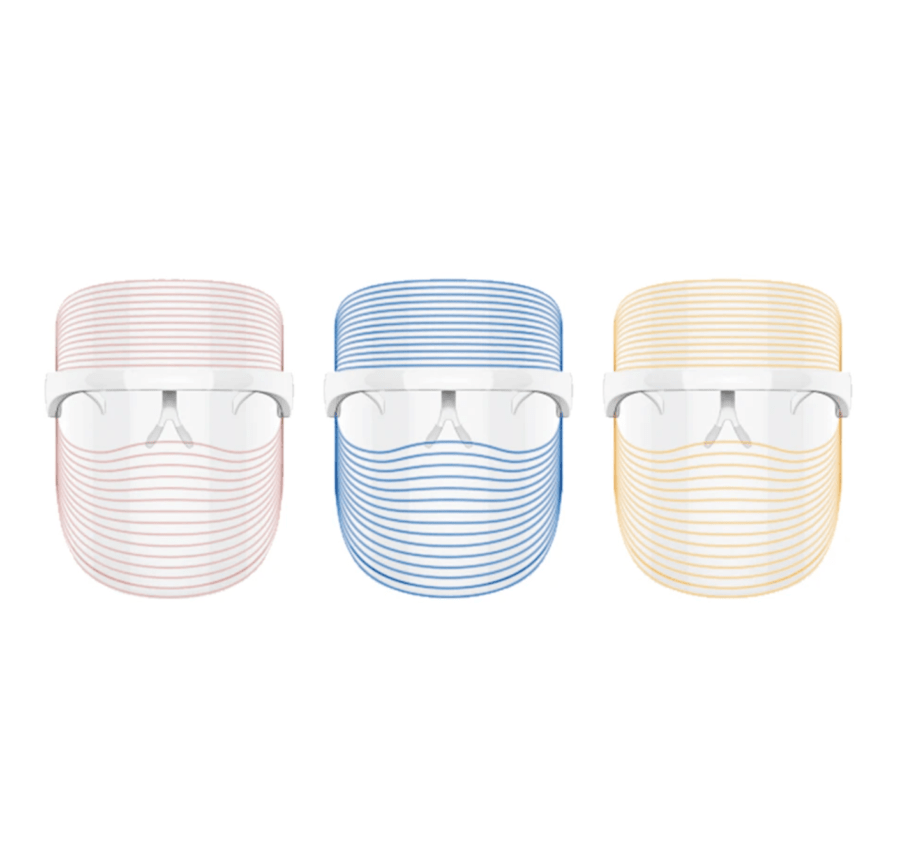
DMH AESTHETICS LED Light Shield Mask

Light therapyΒ is exploding right now, and for good reason. These light-emitting electrodes heat things up at different therapeutic wavelengths to boost circulation, speed healing, and combat the signs of aging. The DMH Aesthetics mask comes with three settings: red, blue, and amber. While blue prevents acne in the first place, red and amber will be best for stimulating new collagen and cell turnover, revealing fresh, even skin with regular use.

Advertisements

Manuka Honey

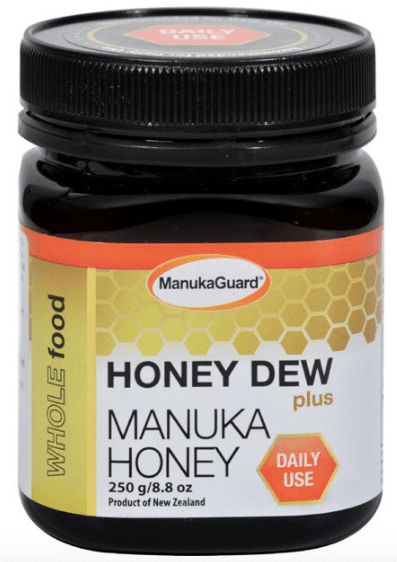
MANUKAGUARD Honey Dew Manuka Honey

Not only is this sweet treat powerfully antimicrobial to prevent breakouts to begin with, but it’s got soothing, anti-inflammatory properties to boot. Apply a light layer as a mask as often as you like, or go for a spot treatment a few times a week.

Aloe Vera

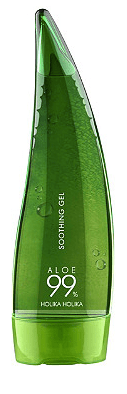
HOLIKA HOLIKA Aloe 99% Soothing Gel

You have some DIY options here. Buy a convenient bottle of the concentrated stuff, or whack off a leaf at the source, slicing off the spikes on the side and fileting out the goo to apply directly onto the face. Aloe is super hydrating, repairing, and soothing, reducing the appearance of scars by nourishing the area. You can even apply a little slab of the clear aloe plant innards onto a scar like a Band-aid spot treatment while working from home to let it work its magic for as long as possible. Don’t overdo it thoughβ€”aloe, like most other fruits and veggies, has some natural acids in it, making it mildly exfoliating. Overuse can actually cause dryness and irritation, so no need to do this twice a day, every day.

How to Find the Right Face Mask for YOUR SKIN

It’s easy to think that all face masks are good for us. They’re a treatment, right? How can special treatment be bad? But depending on the weather, or our skin type, or even just our skin’s current #mood, the wrong mask could do us dirty.

If we have super dry skin, steer clear of harsh pulling clays or even exfoliating acids, which can be hard because we want to dissolve those dead skin flakes. However, we need to nurture our skin barrier and be kind and cognizant of our skin’s current condition before slapping on a face mask and considering it a favor.

Advertisements

On the other hand, if we have oily skin, we don’t want to get eight hours of REM under an emollient sleeping mask or overdo it with hydrating facials. It’s all about balance and assessing what our skin’s needs are.

Ahead we’re sharing our favorite powder face masks to add to your skincare routine.

Advertisements

Tools


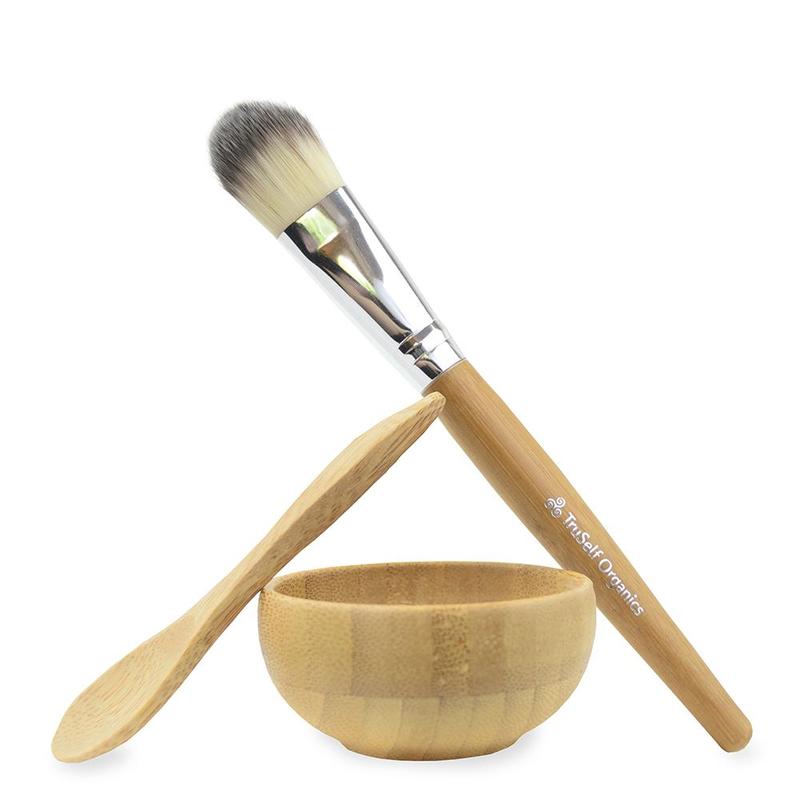
Ritual Set, $15

For easy application, use this bowl and brush set to blend the formula and water. Lee also likes to add a drop of this honey mask and a few shakes of this rosemary reset powder to her mixture.

For Dry Skin

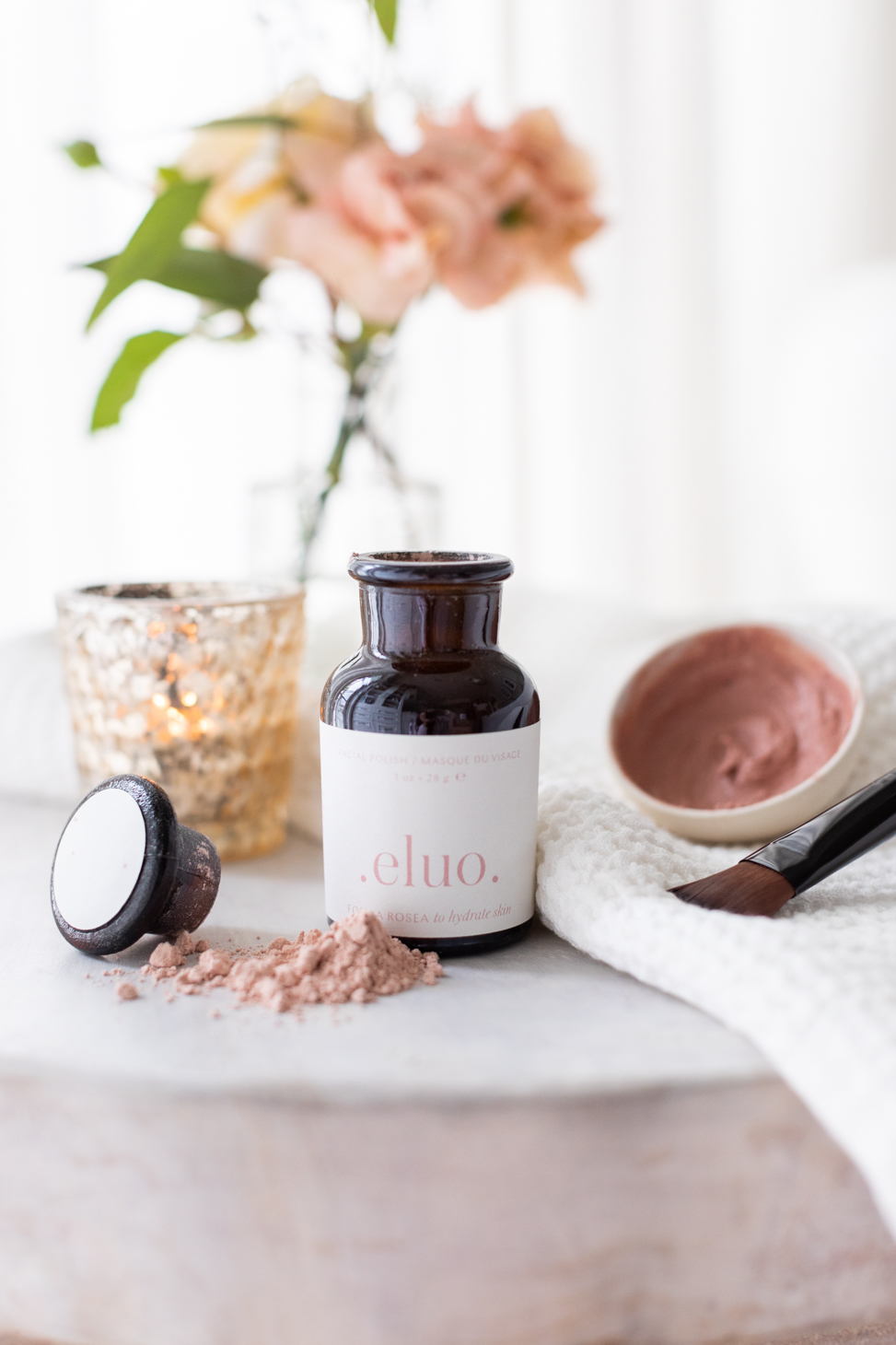
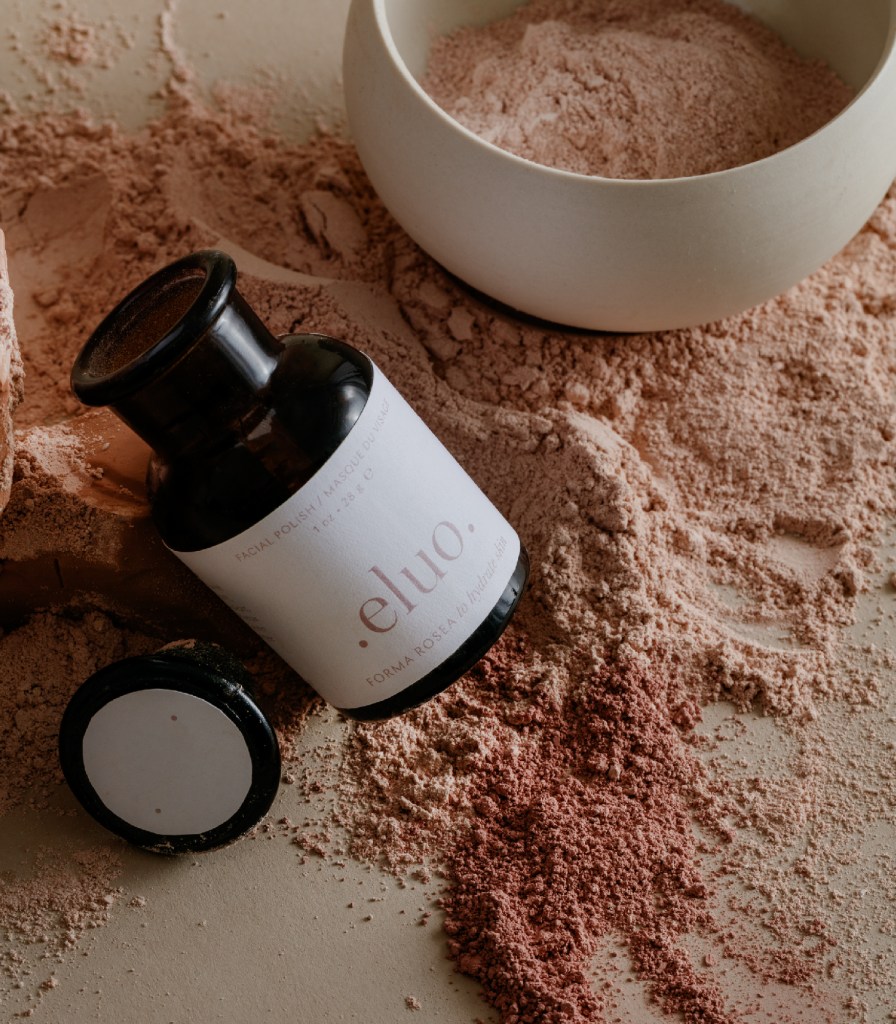
Forma Rosea, $45

If you’re feeling itchy, flaky, sallow, or dull, you’ll want to go straight for a hydrating mask and skip the harsh stuff. Colloidal oat kernel, chamomile flowers, carrot seed oil, coconut milk, jojoba, rose, and a few other key players nourish deeply while providing moisture. It’s the ultimate pink drink for our skin.

For Blemish-Prone Skin

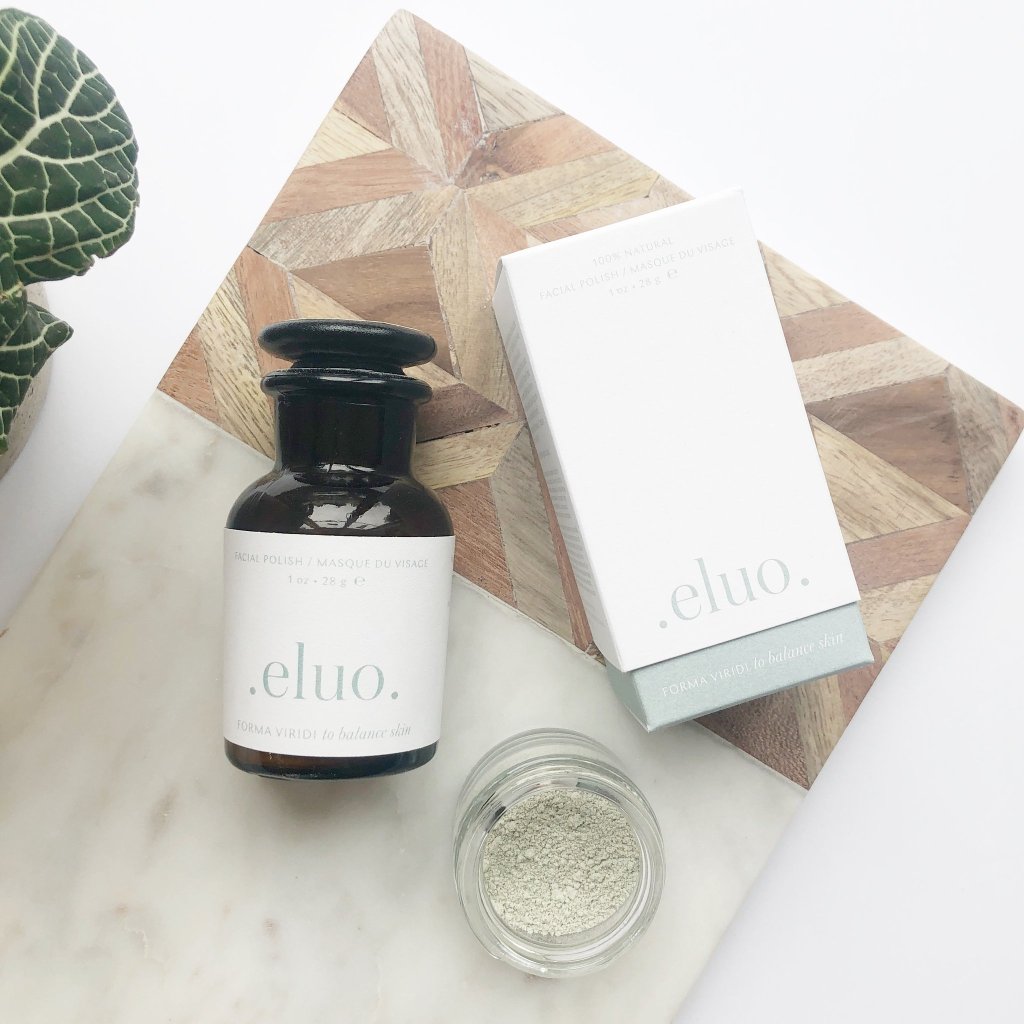
Forma Viridi, $45

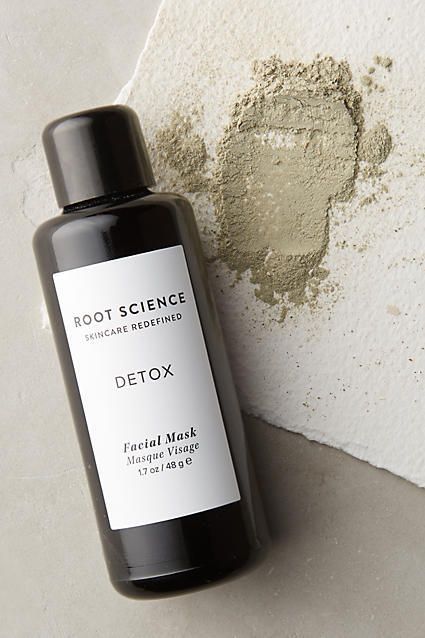
When we are stressed, PMSing, or maybe letting our diets get a little out of hand (hello holidays), we need to balance and clarify. This is when we should be reaching for a clay mask, and this one with mineral-rich French green clay does the trick without over-drying. Neem, lavender, and spirulina are anti-microbial, anti-inflammatory, and mineralizing for a soothing plan of attack for current and brewing breakouts.

Advertisements

For Irritated Skin

Forma Floris, $45

Sometimes our skin is not quite dry, not quite oily, but it’s clearly upset. This can happen in harsh climates, or when we’ve overdone it with skincare (over-exfoliation … please don’t, but OK, it happens). Soothe and calm freaked-out skin with hibiscus, marshmallow root, aloe, calendula, and chamomile to reduce redness, irritation, and inflammation. 

For Dull Skin

Reborn Mask, $60

Rhassoul, rosehip, turmeric, gotu kola, sea buckthorn, and a few other superstars will restore a glow and some color to your cheeks while gently pulling out impurities. These ingredients soothe while fighting future breakouts and inflammation, and at the same time boost circulation for rapid healing and instant radiance.

Papaya Bright Superfood Face Mask, $34

This brightening mask is made with 100% pure, edible superfoods. Plus, it’s highly recommended by our BeautyLeeBar Community. β€œIt’s a powder formulated with clean, good-for-you ingredients; add a few drops of water and it turns into a gel-like paste. I use this bowl and brush to applyβ€”self-care at its finest. Leave on for 10-15 minutes and rinse off to reveal healthy, glowing skin. Like using the Paris filter but IRL!”

Advertisements

For All Skin

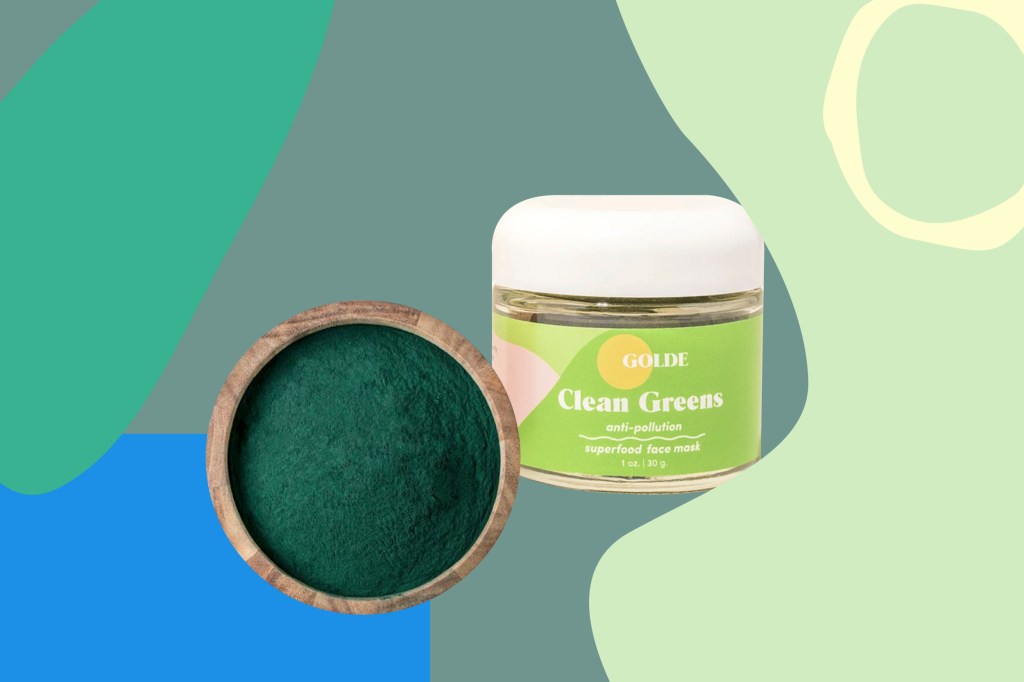
Clean Greens, $34

When you’re not quite suffering active breakouts, but feel bogged down by blackheads and an overall lack of luster, time to give your skin the ultimate smoothie. Chlorella, spirulina, and mango juice help to nourish the skin and dissolve impurities. This mask is so nutrient-dense and yet so gentle, that we go back on our word with this one exception. Use this baby any time for a healthy glow.

CATEGORY IS FACE. Comment below where you from and the skincare product that has been saving thy face!

The Acne-Prevention Strategies Glasses Wearers Need to Know

How four eyes become five

After months of procrastinating to get a new prescription, I finally decided to splurge on a pair of glasses… can’t wait! But with them came a surprise: acne.

It seemed like there was a new pimple on the bridge of my nose basically every other day. Because I hadn’t purchased my new glasses yet and because those pimples always appeared in that specific spot, my beautiful now old glasses were unfortunately the primary suspect.

Sure, being able to see is cool and all, but wouldn’t it be great if it didn’t also cause breakouts? Yes! It would!!! In fact, I talked to an expert about how to deal with this exact situation. Here’s what I learned.

How to know if it’s actually acne

The biggest clue that your glasses are causing acne is where the acne is showing up: The bridge of your nose, your cheeks where the rims sit, and the ears where they might rub are all common places.

The other major sign is if you can say, ‘I didn’t have it,’ and then all of a sudden you develop it, which is exactly what happened to me. Maybe this is your first pair of frames, maybe you took a break from your glasses or alternate with wearing contacts. Whatever the reasoning is, the point is you have and you’re getting pimples in places you’ve never seen before. And, now you’re wearing glasses, that’s another clue that your glasses are to blame.

But other conditions can mimic acne, even in those areas. One to look out for is called acanthoma fissurataum, which is a patch of thickened skin that experts think develops after repeated trauma to an areaβ€”and it specifically occurs in people who wear glasses. So if your frames are constantly rubbing on the top of your ears or the bridge of your nose, they might cause this.

How do glasses cause acne?

It’s really from too much pressure. This form of acneβ€”acne mechanicaβ€”develops when something is pushing down on the skin, which prevents the normal shedding of skin cells. Instead, those skin cells clog up your pores and lead to acne. Having oily skin and wearing thicker makeup just add to the issue.

Acne mechanica is also common among those who play sports or wear restrictive athletic clothing because those clothes can trap sweat and heat, making it even more likely that the pressure from clothing or equipment will cause acne in areas that those garments touch.

Here’s how to deal.

Luckily, once you’re sure it’s acne, there are specific ways to treat the bumps in those sensitive areas on your face as well as to prevent them from coming back.

  • Get your glasses adjusted. If you find that you’re having to push your glasses up your nose frequently or they’re so thick or heavy that they’re causing acne in the cheek area where the lenses touch your face, you should go to your eye doctor or wherever you got your glasses to have them adjusted. Sometimes the answer is getting new bridges put on the nose so you spread the pressure.
  • Wipe your glasses down frequently. Make sure you’re cleaning your glasses. We suggest getting a basic alcohol wipe and swabbing it over every part that touches your face every night.
  • Use an over-the-counter acne wash. Using an over-the-counter acne wash with salicylic acid in it at night is an easy way to manage mild acne all over the face, especially if you notice it on your cheeks and not just on the bridge of your nose.
  • Use an over-the-counter spot treatment. If your acne bumps are primarily confined to one area of your face, such as the bridge of your nose, a spot treatment containing salicylic acid or benzoyl peroxide is the way to go. Other options include acne patches you can wear overnight and prescription topical antibiotics.
  • Take breaks from wearing your glasses if possible. Your glasses obviously serve a very important purpose. But if it’s possible for you to take breaks from them during the day, taking advantage of that cuts down on the likelihood that they’ll cause acne.
  • Use a makeup remover before cleansing. Make sure that you’re really getting your makeup off. The buildup of makeup under your glasses can definitely contribute to acne, so it’s important to make sure it’s all offβ€”with the help of a makeup remover or micellar waterβ€”even before you wash your face. And when it comes to washing, opt for a cleanser that isn’t oil-based.
  • Use concealers with salicylic acid. While your acne is healing, we suggest going with concealers that contain salicylic acid to keep treating them while covering up any bumps.

When to check with a derm

If you’re not sure if you have acne or something else is going on, it’s always a good idea to talk to a professional. And if what you think is acne isn’t going away with those measures, or if you have a lot of acne on other parts of your face, too, it’s important to check with your derm about the best way to manage it. They may be able to prescribe you an antibiotic medication that can take better care of all the acne.

And if your bumps aren’t going away or don’t seem to be healing, they may be a sign of another conditionβ€”including, possibly, skin cancerβ€”that you’ll want to get checked out sooner rather than later.

But for most of us with glasses, acne is a common yet manageable annoyance.

Related:

BEAUTYLEEBAR does not provide medical advice, diagnosis, or treatment. Any information published on this website or by this brand is not intended as a substitute for medical advice, and you should not take any action before consulting with a healthcare professional.