3 DIY Lip Balms For Smooth Lips All Winter

With the holiday season right around the corner, you don’t want to be caught under the mistletoe with anything other than smooth, pillowy lips. But as the temperature drops and the wind picks up, our lips get dry and chapped, which is why it’s super important to stock up on lip balms to keep your lips hydrated at all times! Stash them in your purse, on your desk, on your bedside table – everywhere!

To help you guys save the dollars we’ve sharing three bomb DIY lip balms: They’re super hydrating, and they’re all-natural. We’ve even made dupes of some of our fave lip balms but for a fraction of the price. You can be as creative as you like and mix in any of your favorite flavors. Here are our three favorite recipes:

1. Peppermint lip balm

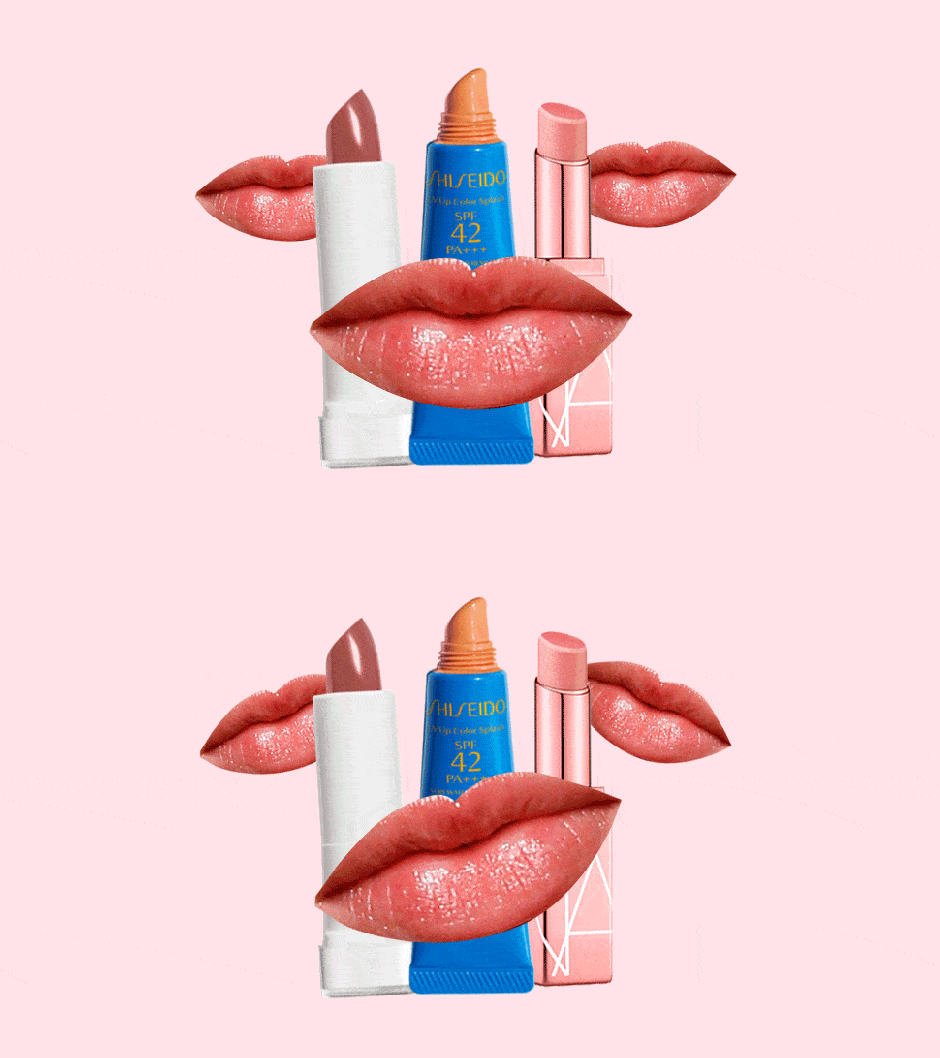
If there’s one lip balm we’re always lusting after, it’s the La Mer Lip Balm, $70 – it’s a cult classic for a reason, but we can’t deny it’s pretty damn expensive. So, we decided to make our own using the signature ingredients; peppermint, almond oil, and Aloe Vera. The sweet almond oil is high in vitamin E, which will help protect your lips from UV damage and the aloe vera will hydrate and soothe.

Ingredients:
2 tbsps of petroleum jelly or coconut oil
1 drop of peppermint oil
1 drop of sweet almond oil
½ tsp of aloe vera

In a pan on a low heat melt the petroleum jelly (or just use softened coconut oil). When it’s melted, add in the other ingredients and stir well. Leave it on a low heat for two to three minutes and then pour it into a small dish (we use our leftover lip balm tins) using a funnel. Leave it in the fridge to set for six to eight hours.
2. Coconut lip balm

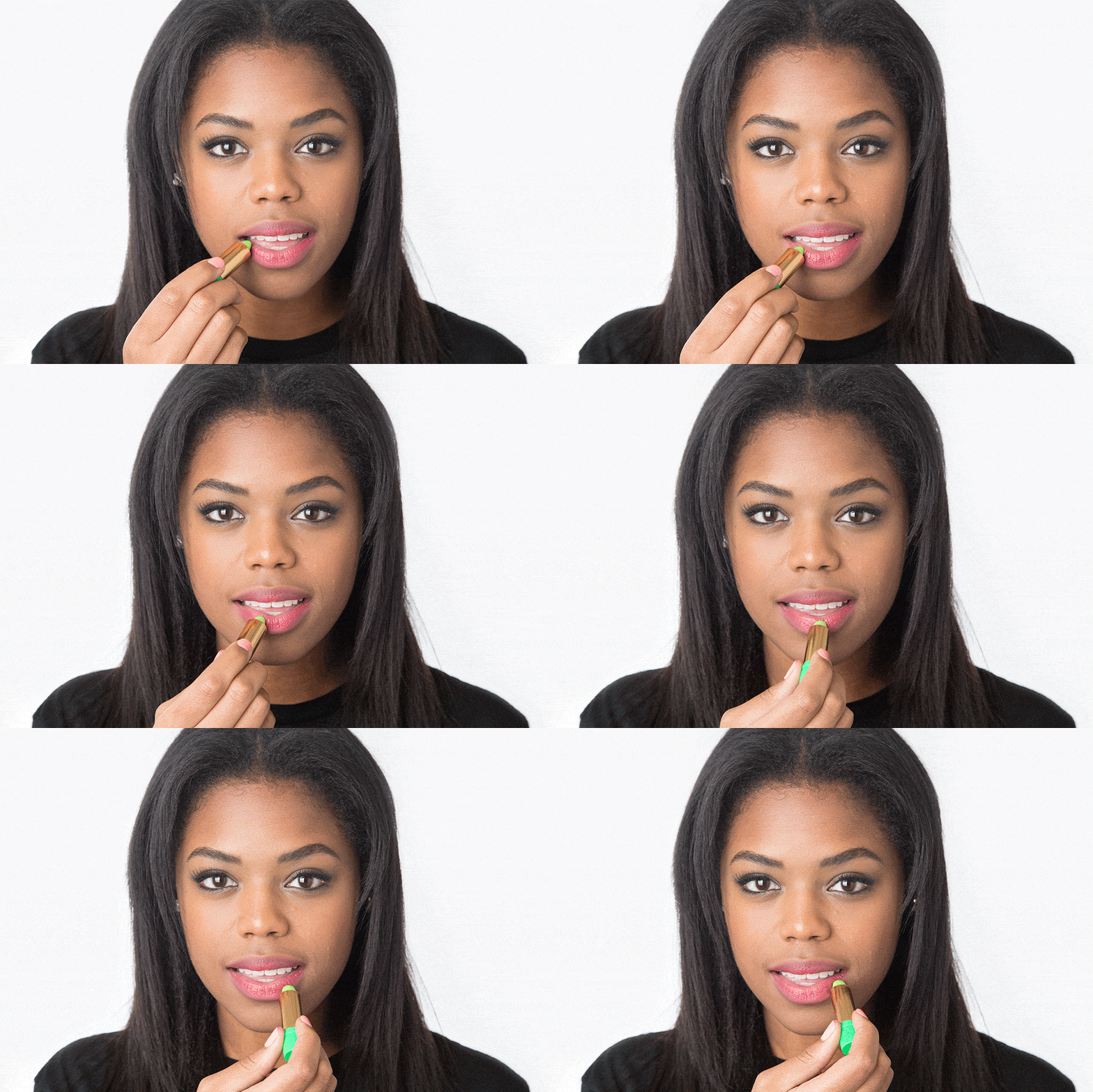
We’re in love with this DIY coconut lip balm – it leaves your lips feeling super soft and nourished, plus it has a sweet rose tint – your lips will literally be irresistible. All three oils are miracle workers: the coconut oil is a natural emollient, the argan oil is bursting with nourishing antioxidants, and olive oil is high in squalene, which creates a protective barrier on your lips.

Ingredients:
2 tsp of virgin coconut oil
2 tsp of Argan oil
2 tsp of Olive oil
Colored berry lipstick

In a pan on a low heat, melt together the coconut oil with about 1 cm of lipstick and add it into the pan. Next, add in the oils and stir well. Leave it on the heat for two to three minutes and then pour it into a small dish or an old lip balm tin. Leave it in the fridge to set for a few hours.

Posts You’ll Love:

3. Honey lip balm 

The Burt’s Bees Honey Lip Balm, $4, has been a firm favorite of ours for years, as the combination of beeswax and honey will soothe even the driest lips. Honey is a humectant so it draws moisture into the skin, while the addition of lavender gives extra healing powers as it has antiseptic properties, plus it’s full of antioxidants that’ll help fight against aging free radicals.

Ingredients
2 tsp of organic beeswax
1 tsp of organic coconut oil
1 tsp of raw liquid honey
2 drops of lavender

Add the beeswax, oils, and honey into a glass bowl, then place in a pan of very hot water and mix until they melt, then add two drops of lavender. Using a funnel, pour it into a small dish or lip balm tin. Leave it in the fridge to set for six to eight hours.

Bous: Rose Lip Scrub

We’re throwing in an extra DIY lip scrub for you guys, but you actually have Priyanka Chopra to thank for this delicious exfoliating lip balm. We like to do this a couple of times a week to get rid of any dead skin, which to be honest, in the winter is a regular occurrence.

Ingredients:
2 drops of glycerin
2 drops of rose water
1 teaspoon of sea salt or brown sugar

Mix one teaspoon of salt or sugar with a couple of drops of rose water and vegetable glycerin. Then, gently massage it onto your lips and wash it off with warm water.

Let us know if you’ve ever tried making your own DIY lip balms, in the comments below.

Spotlight on: Citric Acid

Citric acid is in just about everything from skincare products, to food, to floor cleaner. While lemons aren’t really something you want to be rubbing all over your face, citric acid is something very different and is actually quite beneficial!

Here is what you need to know about citric acid and how to incorporate it into your routine.

What is Citric Acid?

Citric acid is found in, you guessed it, citrus fruits, and is what gives them their acidic flavor. Citric acid was first isolated in 1784 by the Swedish chemist Carl Wilhelm Scheele, who was able to crystallize it from lemon juice.

And not long after, it started to appear in just about everything but particularly in cosmetics and skincare products. In 2016 the U.S. Food and Drug Administration’s (FDA) Voluntary Cosmetic Registration Program (VCRP) stated that citric acid was used in almost every category of cosmetic products and had over 10,000 reported uses.

It is also used as a popular flavor and preservative agent in foods, soft drinks, and candies.

What Are AHAs?

Citric acid is what’s known as an alpha hydroxy acid (or AHA) in the skincare world. The most basic definition of an HA is a carboxylic acid, which is an organic acid that has at least one carboxyl (carbon double-bonded to oxygen) group. However, that general definition includes unrelated compounds like retinoic acid, L-ascorbic acid, and azelaic acid. Therefore, further qualifications (like alpha, beta, etc) need to be identified.

AHAs are non-abrasive, leave-on exfoliators that are traditionally more effective and gentle than traditional scrubs. Sun damage and overly dry or oily skin can hinder your body’s ability to properly shed dead skin cells. These obstructions can cause skin concerns like dullness, clogged pores, milia, texture, and breakouts. Using an exfoliant can help your skin clear out the dead cells to make room for the new, healthy ones. Chemical exfoliants help to prevent breakouts and premature aging and reduce the appearance of pores.

How Can Citric Acid Benefit Your Skin?

AHAs like glycolic acid and lactic acid can be incredibly potent, and sometimes a little too much for those with sensitive skin. That is where citric acid can be helpful! It is like the training bra of AHAs: It doesn’t really do as much as its fellow acids, but it’s made for people who don’t need the support older girls do.

But what exactly are the benefits of citric acid for the skin? Citric acid (like most all AHAs) can help to brighten skin, shrink pores, treat acne, and correct dark spots and fine lines.

Before it started being added to formulas for its exfoliating abilities, citric acid used to be used to keep the pH range of skincare products in check. The pH of cosmetics and skincare products is important because the skin’s normal pH is slightly acidic. A low acidic pH can cause ingredients to be more irritating for those with sensitive skin.

Is It Safe?

The terms “citric” and “acid” are intimidating on their own but can be downright scary when used together. Especially when it comes to something that you’re putting on your face! But according to The Derm Review, it is perfectly safe to use on the skin! “The Cosmetic Ingredient Review (CIR) Expert Panel reviewed scientific literature and data on the safety of citric acid and its salts and ester in 2014. This data revealed that at concentrations used in cosmetics and personal care products, citric acid and its salts and esters were not eye irritants, nor did they cause skin irritation or allergic skin reactions. Thus, CIR concluded that the available scientific data showed that citric acid, its salts, and esters were safe under current conditions of use in cosmetics and personal care products.”

Some people get freaked out by citric acid because they know that lemons are highly irritating for the skin. And while, yes, you can absolutely go overboard with citric acid, it’s safe to use.

Just be cautious, especially if you have sensitive skin. The thing with citric acid is that it can be intense. Let’s put it this way: How will you know if you’re using too much? Side effects of overuse include stinging, burning, and irritation.

If you’re still unsure, always do a patch test first to see how your skin reacts. If you don’t see any irritation or redness, start to slowly introduce it into your routine. Don’t use AHAs the same night you use retinoids or physical exfoliants because that can lead to serious damage to your skin’s barrier!

Bottom Line

Citric acid can be an effective chemical exfoliant for those with sensitive skin. I don’t find it as effective as glycolic or lactic acid, however, but if you have tried those and found them to be too irritating, citric acid could be a great alternative!

Sign up for our newsletter!

Processing…
Success! You're on the list.

Disclaimer:

The purpose of this blog is for skin care, makeup, and wellness + health-related reviews and tips only. It is not intended as and does not substitute for medical advice. Information posted should not be construed as personal medical advice. Posts are not intended to diagnose, treat, or cure disease.

You’ll Want To Buy A New Pillow After Reading This

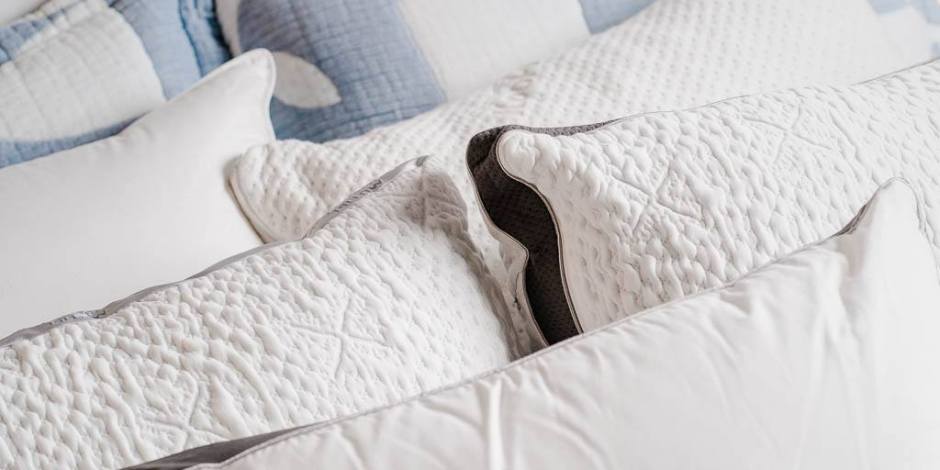
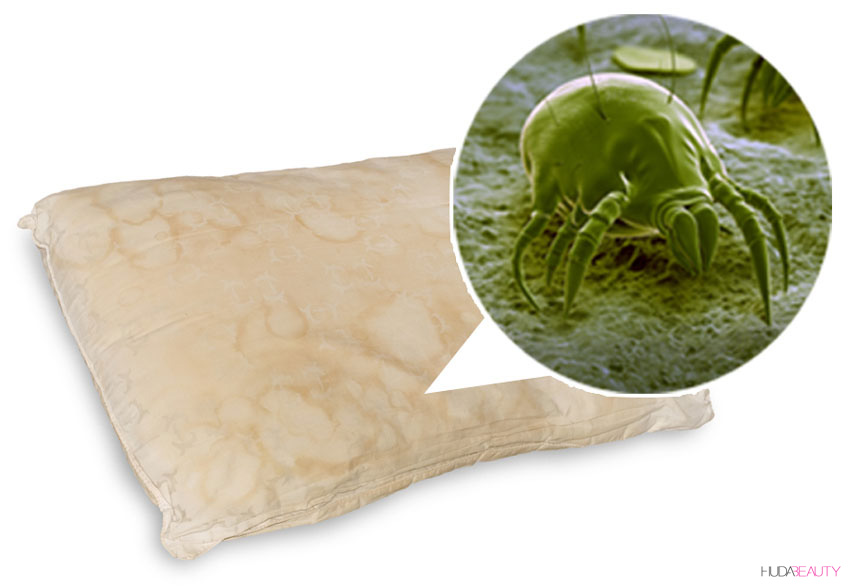
Here’s a gross fact: your body sheds around 600,000 particles of skin every hour (give or take) and over the course of your life you’ll lose around half your weight in skin cells. What does this have to do with your pillow? Well, every night you shed millions of skin particles onto your pillow, along with sweat, dead hair, saliva, and oil, which all get absorbed into your pillow. Here’s where it gets really gross… Some studies have estimated that up to a third of the weight of old pillows are made up of dead skin, dust and dust mites.

What does that mean? You really need to be washing your pillow as well as your pillowcase a lot more regularly. The longer your pillow goes unwashed (every few months is recommended) the more dead skin and dust build-up there is to attract more dust mites to feast on your dead skin.

Besides all this being super nausea-inducing, using the same pillow for years without washing (guilty) is especially bad for allergy sufferers, but it also essentially ‘dirties’ your outer pillowcase more quickly, and that’s not good for your skin. So even if you’re washing your pillowcase every week (which we recommend), that pillowcase is still coming into contact with your nasty old pillow and all the lingering dust mites that go along with it.

How often do you wash your pillows?

So, what should you do? If you’ve had a pillow for more than three years and never washed it, start by washing it in the machine (if it’s feather you can have it dry cleaned) and then perhaps consider buying yourself a new pillow. In general, try to wash your pillows every three months and consider buying a new one every three years. You can also leave pillows out on a hot sunny day when you change your sheets, as pillows build up moisture, which becomes the perfect breeding ground for bacteria and bugs. After a day in the sun, you’ll notice your pillows will have ‘fluffed up’ considerably thanks to moisture evaporating in the sun.

You can also buy pillow protectors, like this zippered 100% Cotton Bed Bug, Dust Mite & Allergy Control Pillow Protector, $11, which will act as a second barrier against dust mites and will extend the life of your pillow – just wash it every month.

Moral of the story? Unless you want to be sleeping on a pillow packed with thousands of dust mites, dead skin and sweat, we suggest you get washing those pillows asap… We’re just about to buy ourselves a new set!

Hype or Not: Aztec Secret Indian Healing Clay Review

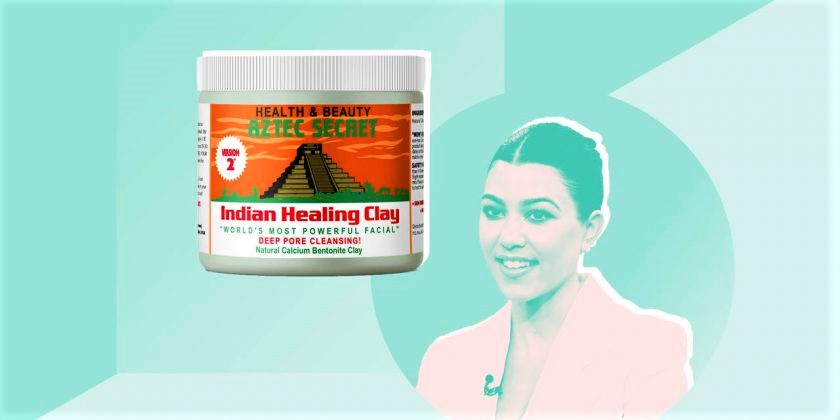
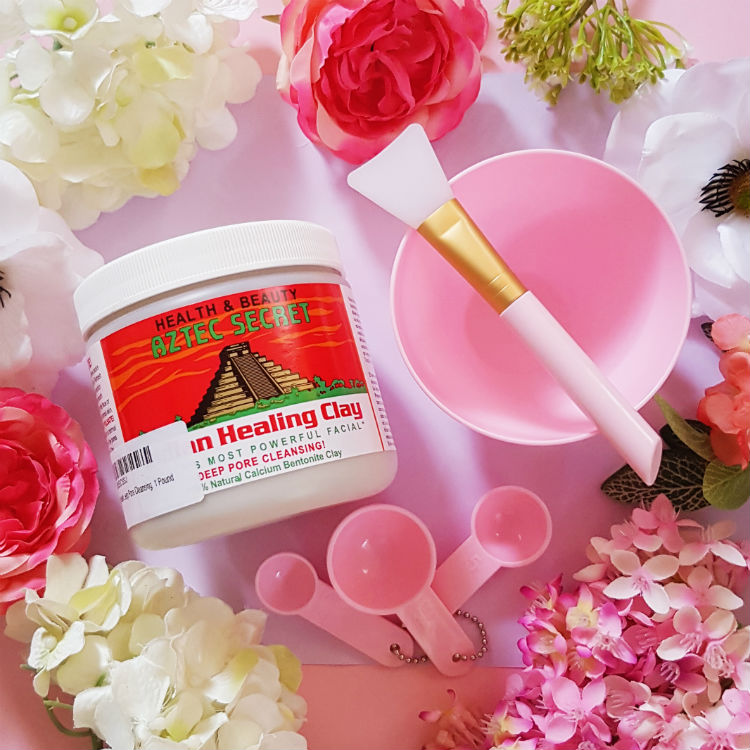
While there are hundreds (if not thousands) of face masks options available, you’d be hard pressed to find one that boasts more five-star reviews and celeb love than the Aztec Secret Indian Healing Clay Mask. Amazon customers are practically writing novels about how it has transformed their skin, sharing astonishing Aztec Clay Mask before-and-after photos.

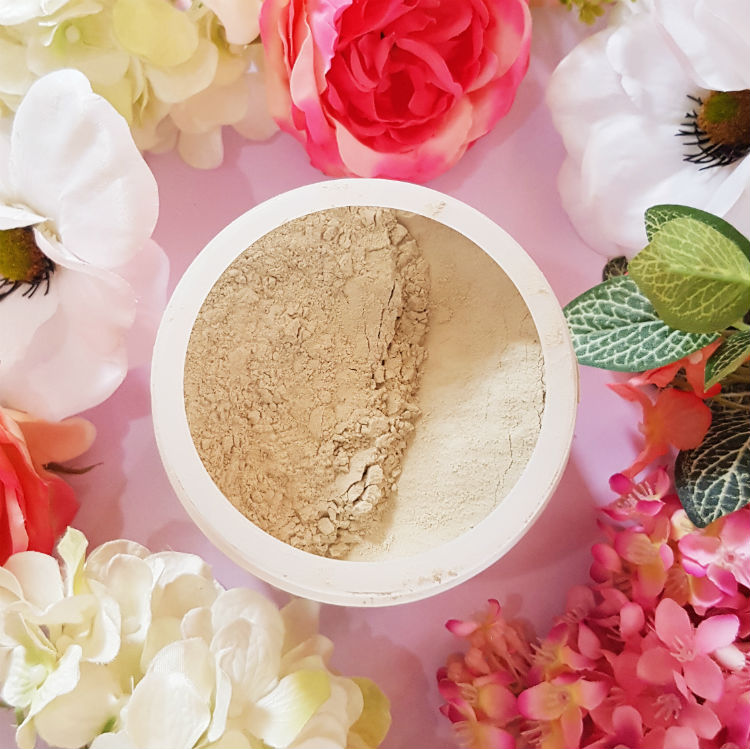
Since going viral a few years ago, the mask has racked up over 13,000 positive reviews from Amazon shoppers who have referred to is as the “holy grail of face masks” for acne—and it makes sense because it’s made with 100 percent bentonite clay, which helps to draw out the skin’s impurities. Unlike most face masks—which come ready to apply—you’ll have to whip up your own concoction using equal parts Aztec Indian Healing clay and apple cider vinegar or water. Yes, it’s a little extra work, but reviewers and stars alike agree it’s totally worth the time because it leaves their pores feeling so refreshed.

WHAT IS IT: AZTEC SECRET INDIAN HEALING CLAY is natural Calcium Bentonite Clay from Death Valley, California, where it is sun- dried for up to six months in temperatures that sometimes reach 134 degrees. The unique structure of the molecules in Aztec Secret Indian Healing Clay carry a negative electron charge. This comes from the valance electron count from the specific minerals found in Aztec Secret Indian Healing Clay. This Indian Healing Clay lifts the pimple and blackheads into the clay bed to cause accelerated healing and nourishment to the skin with over 50 minerals.

  1. 100% NATURAL
  2. Deep pore cleaning with 100% natural calcium Bentonite Clay
  3. Does not contain: additives, fragrances or animal products
  4. Use for acne and blemishes. Use it once per week

HOW TO USE: After mixing with vinegar, apply the smooth, paste-like substance to the skin using your fingertips or, as reviewers recommend, with a silicone brush applicator, and allow it to dry for up to 20 minutes. (Note: Dry time can vary depending on your skin’s sensitivity.) As it dries, you’ll feel a pulling and tightening sensation, which is just the deep pore cleansing in action. The mask is so powerful that many customers recommend only using it once a week and moisturizing right after, as it’ll leave your skin feeling a tad on the dry side.

WARNING: Please note that when you rinse off the mask your face may be red and this is normal with this clay mask. This redness will be gone within 20 to 30 minutes.

PRIMP TIP: It’s easy to customize this clay mask depending on your skin’s mood. If you want a shot of moisture, add a teaspoon of raw honey to your mixture. For a more soothing formula, add some Aloe Vera gel, and if blemishes are an issue, a few drops of Tea Tree Oil will do the trick. Aztec Secret Indian Healing Clay is as powerful as it is versatile.

“This product is AMAZING. It’s an official Holy Grail product of mine,” another reviewer wrote. “I ideally use it once-a-week, and it feels as if angels themselves have taken the time, to delicately renew my skin with the magical touch of their wings.”

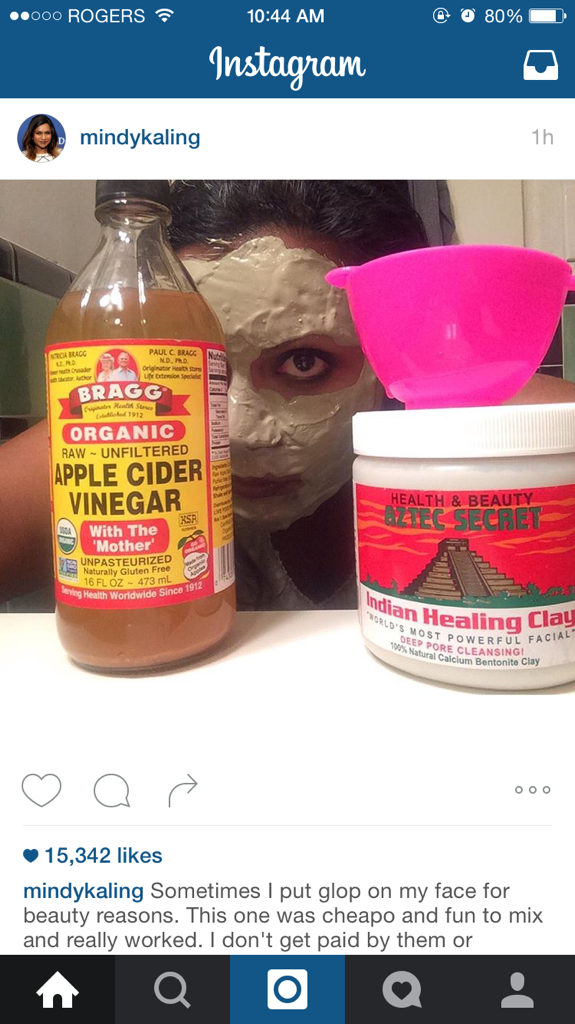
Dramatic, yes, but the mask is so popular, it even has a long list of celeb fans, including Kourtney Kardashian—the latest A-list to chime in on her love for it. In a recent post on her website, Poosh, she shared that the Aztec clay mask is one of three products she rotates in her “self-care Sunday masking routine.” As it turns out, her sister Khloé Kardashian is also a huge fan, along with Mindy Kaling and Lili Reinhart.

In 2015, Kaling shared a photo on Instagram wearing the Aztec mask that she mixed with Bragg’s organic raw apple cider vinegar (also available on Amazon).

PRIMP TIP: I learned from some people that you should spray a hydrating facial mist on your face while the Aztec Secret Indian Healing Clay is on your face. That way it will be kept moist and easier to remove and the clay will not take moisture off from your skin. It’s the same logic with sheet masks.

MY EXPERIENCE: This pulsating sensation is pretty intense as the clay mask is working hard to rid your skin of all the dirt and grime. You will feel some tugging! After the recommended 20 minutes, the clay concoction hardens and makes your face feel a little tight. That’s your cue to wash it all off. I was left with slightly reddish skin, but this dissipated after five to ten minutes. I looked in the mirror, and an unbelievably squeaky clean face greeted me. “Is this really MY skin?” I marveled.

That’s not all. After prolonged use, you will find that your skin is no longer as prone to breakouts. And there’s still so much clay left in the tub!

This clay mask is truly no joke. It leaves a wonderful sensation on your skin but more than that, it is healing. It heals by getting rid of all the grit and sebum that causes breakouts. With a great price to boot, great reviews by thousands of users and some pampering time on offer, you can’t go  wrong with this one.

*This product may or may not help you. If the pimple persists, you may need to know the type of pimple you have or better, consult a doctor.

Did you try the Aztec Secrets Indian Healing Clay Mask – the world’s most powerful facial!? Lemme know about your experience….