Gua Sha Skincare: The Ultimate Guide to Choosing the Right Products for Your Skin Type


The Acne-Prevention Strategies Glasses Wearers Need to Know

How four eyes become five

After months of procrastinating to get a new prescription, I finally decided to splurge on a pair of glasses… can’t wait! But with them came a surprise: acne.

It seemed like there was a new pimple on the bridge of my nose basically every other day. Because I hadn’t purchased my new glasses yet and because those pimples always appeared in that specific spot, my beautiful now old glasses were unfortunately the primary suspect.

Sure, being able to see is cool and all, but wouldn’t it be great if it didn’t also cause breakouts? Yes! It would!!! In fact, I talked to an expert about how to deal with this exact situation. Here’s what I learned.

How to know if it’s actually acne

The biggest clue that your glasses are causing acne is where the acne is showing up: The bridge of your nose, your cheeks where the rims sit, and the ears where they might rub are all common places.

The other major sign is if you can say, ‘I didn’t have it,’ and then all of a sudden you develop it, which is exactly what happened to me. Maybe this is your first pair of frames, maybe you took a break from your glasses or alternate with wearing contacts. Whatever the reasoning is, the point is you have and you’re getting pimples in places you’ve never seen before. And, now you’re wearing glasses, that’s another clue that your glasses are to blame.

But other conditions can mimic acne, even in those areas. One to look out for is called acanthoma fissurataum, which is a patch of thickened skin that experts think develops after repeated trauma to an area—and it specifically occurs in people who wear glasses. So if your frames are constantly rubbing on the top of your ears or the bridge of your nose, they might cause this.

How do glasses cause acne?

It’s really from too much pressure. This form of acne—acne mechanica—develops when something is pushing down on the skin, which prevents the normal shedding of skin cells. Instead, those skin cells clog up your pores and lead to acne. Having oily skin and wearing thicker makeup just add to the issue.

Acne mechanica is also common among those who play sports or wear restrictive athletic clothing because those clothes can trap sweat and heat, making it even more likely that the pressure from clothing or equipment will cause acne in areas that those garments touch.

Here’s how to deal.

Luckily, once you’re sure it’s acne, there are specific ways to treat the bumps in those sensitive areas on your face as well as to prevent them from coming back.

  • Get your glasses adjusted. If you find that you’re having to push your glasses up your nose frequently or they’re so thick or heavy that they’re causing acne in the cheek area where the lenses touch your face, you should go to your eye doctor or wherever you got your glasses to have them adjusted. Sometimes the answer is getting new bridges put on the nose so you spread the pressure.
  • Wipe your glasses down frequently. Make sure you’re cleaning your glasses. We suggest getting a basic alcohol wipe and swabbing it over every part that touches your face every night.
  • Use an over-the-counter acne wash. Using an over-the-counter acne wash with salicylic acid in it at night is an easy way to manage mild acne all over the face, especially if you notice it on your cheeks and not just on the bridge of your nose.
  • Use an over-the-counter spot treatment. If your acne bumps are primarily confined to one area of your face, such as the bridge of your nose, a spot treatment containing salicylic acid or benzoyl peroxide is the way to go. Other options include acne patches you can wear overnight and prescription topical antibiotics.
  • Take breaks from wearing your glasses if possible. Your glasses obviously serve a very important purpose. But if it’s possible for you to take breaks from them during the day, taking advantage of that cuts down on the likelihood that they’ll cause acne.
  • Use a makeup remover before cleansing. Make sure that you’re really getting your makeup off. The buildup of makeup under your glasses can definitely contribute to acne, so it’s important to make sure it’s all off—with the help of a makeup remover or micellar water—even before you wash your face. And when it comes to washing, opt for a cleanser that isn’t oil-based.
  • Use concealers with salicylic acid. While your acne is healing, we suggest going with concealers that contain salicylic acid to keep treating them while covering up any bumps.

When to check with a derm

If you’re not sure if you have acne or something else is going on, it’s always a good idea to talk to a professional. And if what you think is acne isn’t going away with those measures, or if you have a lot of acne on other parts of your face, too, it’s important to check with your derm about the best way to manage it. They may be able to prescribe you an antibiotic medication that can take better care of all the acne.

And if your bumps aren’t going away or don’t seem to be healing, they may be a sign of another condition—including, possibly, skin cancer—that you’ll want to get checked out sooner rather than later.

But for most of us with glasses, acne is a common yet manageable annoyance.

Related:

BEAUTYLEEBAR does not provide medical advice, diagnosis, or treatment. Any information published on this website or by this brand is not intended as a substitute for medical advice, and you should not take any action before consulting with a healthcare professional.

This Easy DIY Coffee Scrub Can Be Tweaked to Suit Every Skin Type

If you want skin that glows with a capital “G,” it comes down to one thing: exfoliation, exfoliation, exfoliation. You’ve got options here: You could slather on an at-home peel with glycolic or lactic acids, pop the top on one of your favorite face scrubs, or whip up a scrub at home with a gentle exfoliant you’ve probably already got in your kitchen cabinet: coffee grounds.

Sure, there are other things you could use to make a DIY face scrub—sugar granules, baking soda, etc—but Java offers some pretty unique benefits. Coffee is excellent for the skin because it’s packed with antioxidants, which help to fight damage caused by free radicals. The caffeine also helps to tighten skin and reduce the appearance of fine lines.

Down below are coffee scrub recipe that can easily be done at home which uses finely ground (“Exfoliation should never hurt!” can’t stress this enough) Kenyan Coffee—a variety that has a note of citrus, making it less bitter than other kinds. But, you can use any type of grounds you like or have—including instant coffee.

What I love about this simple take is that it can be adapted to address almost every skin type and concern. Add a few ingredients to optimize it for oily skin or super-dry complexions, swap out the coconut oil to make it work for acne-prone skin, or get an assist from some spices to help tighten and tone.

Here’s how to make a DIY coffee face scrub at home.

Kenyan Coffee Scrub

Ingredients:
1 cup finely ground Kenyan coffee
1 cup organic brown sugar
2 tablespoons organic avocado oil
2 tablespoons organic and refined coconut oil

Directions:

1. Mix all ingredients together in a large bowl.
2. Apply in circular motions to face and neck, scrubbing for three minutes.
3. Rinse with lukewarm water and then rinse again with cool water. Pat dry.

For Oily Skin

Add three tablespoons of grated cucumber and the juice from half a lemon to the recipe. Cucumber helps to remove excess oil while lemon juice brightens the skin.

For Dry Skin

Add ¼ cup of organic plain yogurt and a few drops of your favorite face oil to the mixture. After massaging into the skin, leave on for an additional 5-10 minutes before rinsing.

For Puffiness

Add one tablespoon of turmeric powder to the recipe. “The coffee and turmeric work together to help calm skin inflammation.

For Acne

Omit coconut oil and add 1 tablespoon of honey. Packed with antibacterial properties, honey helps to keep breakouts in check.

For more ways to live your best life plus all things BeautyLeeBar, sign up for our newsletter!

Processing…
Success! You're on the list.

Blackheads vs Whiteheads?

Did you know that there are a number of different types of pimples? It can be difficult to classify exactly what kind of blemish you’re dealing with, but two of the most common forms are blackheads and whiteheads. You’re probably already familiar with them — one looks like a small, dark spot while the other tends to look more like a raised bump. 

Both blackheads and whiteheads are clogged pores, but the opening of the pore is different in each. In a blackhead, the part of the pore at the surface of the skin is stretched and open. The black color you see consists of dead skin cells, bacteria and oil that’s oxidized and stuck down in the pore. Because the top of the pore is open, the scientific term for a blackhead is an open comedone. 

A whitehead is also a clogged pore, but unlike a black head, the top of the pore is not stretched open. The surface of the pore is closed, so dermatologists call this a closed comedone.

Let us tap in together to find the break down of what makes blackheads different from whiteheads, what causes these blemishes, and of course, the best plan of attack for both. 

How to Treat Blackheads and Whiteheads

Luckily, treating blackheads and whiteheads is relatively simple.

If you have clogged pores of any kind — blackheads or whiteheads — we recommend using a cleanser that contains exfoliating and acne-fighting ingredients like salicylic acid. Start out with a gentle cleanser like the La Roche-Posay Effaclar Medicated Gel Acne Face Wash ( $14.99 ), that removes dirt, oil and makeup while also gently exfoliating to prevent pores from clogging in the first place. 

To prevent excess oil that can clog pores, it’s important not to dehydrate your skin by over cleansing (cleanse twice daily and if your skin feels tight or itchy afterwards, look for a more gentle option). Use a non-comedogenic cream like the CeraVe Daily Moisturizing Lotion ( $9.99 ).

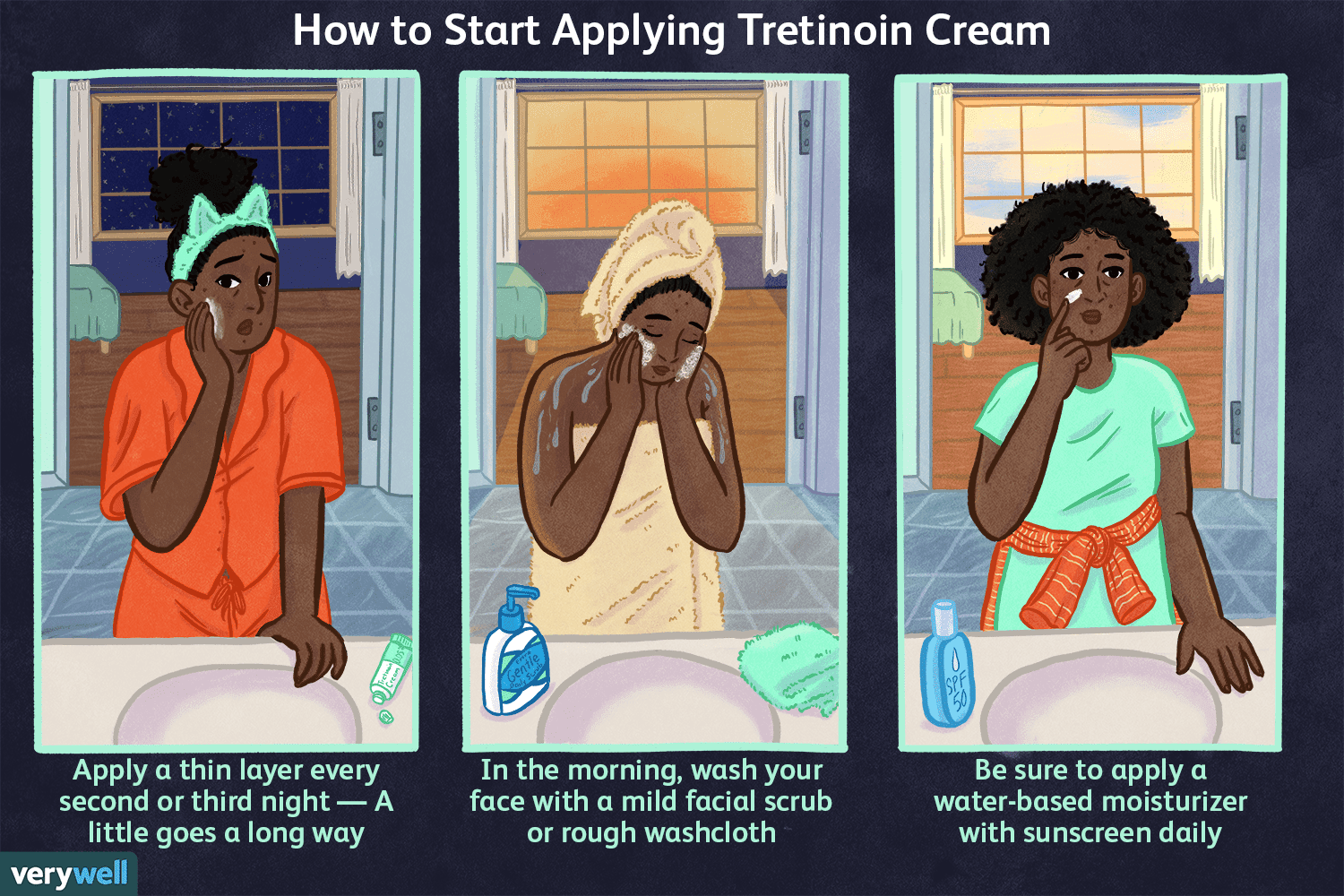
Dr. Nazarian says that a retinol product like ProactivMD or Differin gel is a good place to start. This loosens the blackheads and makes it easier, and less dangerous to push out,” she explains. But while retinol works to decrease oil production and minimize the sebaceous glands, you should be cautious — over-using it can make skin too dry. Once or twice a week is a safe bet. Differin Adapalene Gel 0.1% Acne Treatment ( $12.99 ), contains the first OTC Rx-strength acne-fighting retinoid. Retinoids play a crucial role in the treatment of acne by regulating skin cell turnover & reducing inflammation deep in the skin to clear & prevent pimples. What makes the retinoid in Differin (Adapalene) so cool is that, unlike other topical prescription retinoids, Differin is gentler on your skin, while still effective — and you don’t have to do things like completely avoid sunlight forever!

As for picking your blackheads, proceed with caution. After a few weeks of using a treatment, the blackheads will typically pop out with gentle pressure. If they’re not budging, see your dermatologist to avoid damaging your tissue and causing scarring!

When dealing with whiteheads, retinol or salicylic acid can help clear the buildup out of pores. “For whiteheads, salicylic acid is great because it breaks up the ‘glue’ that keeps dead skin cells together, and can degrade the keratin plug in the whitehead,” Dr. Nazarian explains. 

How to Prevent Blackheads and Whiteheads 

Whether you get blackheads and whiteheads, it boils down to genetics. However, there’s a few steps you can take in your skincare routine to minimize both types of breakouts. Look for products that say they’re “non-comedogenic” because they don’t contain ingredients that clog pores. 

You also need to be consistent with your skincare routine. Retinoids and salicylic acid are great at dissolving blackheads and whiteheads, but you need to continue using them to prevent them from refilling and reforming. It typically take about four to six weeks to dissolve blackheads and whiteheads, so be patient.

You can also talk to your dermatologist about prescription options if breakouts persist. Prescribed solutions like vitamin A-based creams can prevent pores from becoming clogged as well as prevent the formation of larger acne lesions. 

And whatever you do, don’t squeeze either of them! Squeezing may seem satisfying in the moment, but can do damage in the long term.

DO YOU HAVE BLACKHEADS OR WHITEHEADS? COMMENT BELOW ON HOW YOU TAKE CARE OF IT!

SKIN POSTS YOU’LL LOVE: