
Skin Saver: What the SPF?

When I walk into the sunscreen aisle I always feel a bit overwhelmed. So many numbers, so many acronyms (SPF, UVA, UVB, COTZ, WTF?!), and so not sure what to look for… I figured many of you might feel the same way so I did a little research and put together this simple, no-brainer guide about SPF.

Aside from using retinoid creams and topical antioxidants, sunscreen is the most powerful ammo us girls have against wrinkles and rough skin. While it’s smart to wear sunscreen when you know you’ll be outdoors (beach, shopping, brunching, running, or whatever)  it’s still important to wear it every day, even if you’re going to be indoors–no exceptions. Rain or shine, summer or winter, SPF is a must.

Okay so enough about when to wear it. Let’s talk shop about picking the right SPF and how to wear it.

Most of us would think that the higher the SPF number, the better. Right? Wrong. Without going into too much detail, the SPF number is simply a standard for how long you can tolerate the sun without burning. So if you can stay in the sun for 10 minutes without burning, an SPF of 15 would allow you to spend 150 minutes in the sun before burning. It’s all very confusing. But the bottom line here is that anything over SPF 30 isn’t going to protect your any better. The numbers are based on time spent in the sun, which is why reapplication is essential. Also, for those of you who think that layering on SPF 15 over your SPF 10 will give the protection of SPF 25–think again. Layering does not increase the SPF. I suppose the only benefit is that it ensures that every area is covered. Ideally, you should wear SPF 30 or greater according to the American Academy of Dermatology.

Bottom line: Wear SPF 30 or greater with broad-spectrum UVA/ UVB protection. Apply it to your face, neck, and hands every single day and smother it onto your body when you are going to be outdoors in the sun.

What’s your favorite facial SPF?

XO Lee

P.S. Fun fact: Sunscreen typically maintains its strength for about 3 years. After that time period, it is less effective. So if your SPF doesn’t have an expiration date, be sure to write it onto the bottle when you get it so you can keep track.

instagram-button


Primp Tip: Get Iced

These hot days of summer might be coming to an end, but I recently read about a pretty cool beauty tip that I wanted to share with you… The idea is to give yourself an “ice cube facial massage.”

It may not sound that particularly pleasant, but running an ice cube over your face has a lot of benefits for your skin. Besides giving your face a dewy, glowing look, the frosty cubes will help to smooth your complexion by combatting fat cells, ease wrinkles, fight acne, and promote blood circulation that will help heal blemishes.

By simply massaging your face with ice cubes for a minute or two before bed, you will essentially be giving yourself a mini facial. (Just be sure to wrap the cubes in a paper towel, or a baggie because applying them directly to your skin can cause delicate blood vessels to break.) For an added “ahh” to this spa-inspired treatment, try freezing your cubes with watermelon, lemon, or rose. Getting iced never sounded so good…

Are you going to give this cool trick a try?

If you have an out of the ordinary beauty trick that you love, share it in the comments below. I’ll feature my favorite idea in an upcoming blog post!

XO Lee

P.S. If you have any beauty questions, leave your request in the comments below…you might just see it in an upcoming blog post too!

Beauty Note: What Is Strobing?

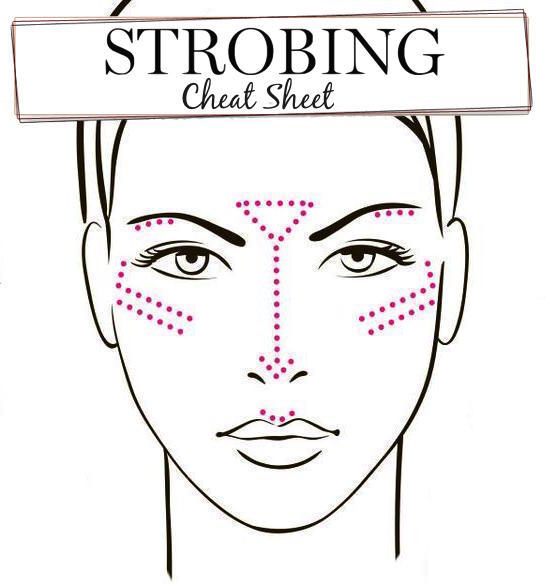
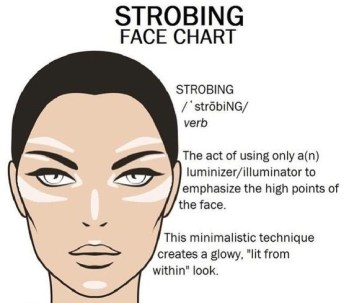
Attention all beauty gurus. Contouring is out and a new makeup trick is in… and it’s called strobing. While I’m not entirely ready to throw out my contouring routine, I’ve been curious about this growing trend. So, what is strobing? Strobing is all about creating a dewy, natural looking glow. Products are used to brighten the higher features of your face instead of carving them out like you do with contouring. Think of it as a way to keep your summer glow all year round without the bronzer.

In this post, I’ll be breaking down the basics when it comes to strobing and how you can achieve a fresh glow without going overboard…

Time To Shine

The idea behind strobing is to create a polished makeup look that emanates a natural radiance. That being said, your finished product should be sans glitter and all glow. Avoid products with noticeably large flakes of glitter and opt for products that ‘illuminate’ and have a touch of ‘shimmer.’

Choosing A Highlighter

Like any other makeup product, you should keep your skin tone in mind when choosing a highlighter. While some highlighters come in a white, pearlescent shade, consider a colored highlighter. For fair skin, consider choosing a pinker highlight. For medium and dark skin, try choosing highlighters with coral or gold tones. If you have oily skin, try using a powdered highlighter. For drier skin types, try applying a cream highlighter.

Where To Apply

It’s best to apply highlighter to the high points of your face where sunshine naturally hits. There are seven facial features you ultimately want to be highlighting: down the bridge of your nose, the center of your forehead, your brow bones, the inner corners of your eyes, your cheekbones, the tip of your chin, and your cupid’s bow (above your upper lip).

A Little Goes A Long Way

Less is more when it comes to strobing and applying highlighter. You want to give your skin luminescence without looking overly shiny or oily. If you’re nervous, start by applying a little bit at a time, gradually leading up to your desired highlight. 

59db6bf62b94125a996254945df42d92--new-makeup-trends-new-trends (2) 

 Will you be trying this new technique? 

 Let me know in the comments!

 XO Lee

Ladylike Laws: Holiday Gift Giving Etiquette

Gift giving can be a sticky subject. How much should you spend? Do you give your boss a present? Is re-gifting okay? How do you handle unexpected gifts? These are common questions many of us may find ourselves asking each holiday season. Fortunately, there are some clear-cut rules when it comes to giving gifts…

How much should I spend?
First off, forget stressing over giving people things that have the same monetary value of what they gave you. Instead, figure out the nicest thing you can afford within your means. The best way to figure this out is to make a list of everyone you want to give a gift to. Then determine how much you can (not want) to spend on each person. Having a budget will keep your holiday spending in perspective. Gift giving is about being thoughtful and showing appreciation, it’s not about going into debt.

Who should I give gifts to?
Give presents to the people you want to show your appreciation to such as family and close friends. If you are part of a big group and don’t want to leave anyone out, arrange a gift exchange or plan a Secret Santa with a price point that works for everyone ($10 to $100 is most appropriate). As for people who celebrate different holidays, it’s totally okay to give them a present so long as it isn’t anything religious.

What’s the present protocol for work?
According to the co-author of the
18th Edition of Emily Post’s Etiquette, Anna Post, the one person you really shouldn’t give a gift to is your boss. “When you’re in a work environment and there is a team of people working together if you give your boss a gift it can often come across as trying to buy good favor.” However if you work at a company with 10 people and want to give something to your boss, Post suggests making it a group effort. That way it doesn’t come across as though you’re fishing for brownie points. If you happen to be close friends with your boss, keep it personal and give him or her a gift outside of the office. As for co-workers, Post says to “tread carefully.” While there will inevitably be people you are close to, try not to show favoritism. If you have a personal relationship with someone outside the office, Post advises giving him or her a gift somewhere other than work. Otherwise, if you give one person a card, give everyone a card. Another idea is to bring in a treat for the entire office to share. Communal gifts that can be shared are ideal.

To re-gift or not to re-gift?
Opt for not. Not only is re-gifting dishonest, but you will also most likely get caught (or be paranoid about getting caught). Re-gifting entirely defeats the purpose of gift giving. Gifts are meant to be a reflection of your gratitude for someone–something that has been thoughtfully selected by you for someone you care about. Re-gifting is both thoughtless and wrong. If you’re strapped for cash, make the gift instead. DIY gifts are from the heart and the recipient will surely appreciate it far more than a random store-bought present.

How do I handle unexpected gifts?
If someone gives you a present out of the blue, you are not required to reciprocate. Instead of scrambling for an excuse as to why you do not have a gift for them, graciously accept the gift and say thank you. Stammering for an explanation will only make things worse. And besides, you shouldn’t feel compelled to give just because you received.

Are gift cards and gift receipts okay?
Yes! Gift cards are actually very thoughtful since you need to consider the recipient’s interests. And it’s much better than giving someone cash, which many consider gauche. As for gift receipts, it’s always a good idea to include them. It tells the recipient you understand if they don’t like the gift and it’s okay for them to return it in exchange for something they really love.

I hope you found today’s Ladylike Laws post helpful! I’ll be posting a follow-up blog about the major no-no gifts next week.

What’s the strangest gift you’ve ever received?

XO Lee