
9 Beauty Mistakes to Stop Making in 2021 for Better Skin

If you thought you were coming to read an article in which I wax poetic about the benefits of drinking water, changing your pillowcase, and cleaning your makeup brushes, think again. If you’re reading this, I have too much admiration for you to say the same things we’ve all heard a million times. You’re a beauty lover, and taking care of your skin is likely something you already do regularly. The last thing you want to read is the same old, amateur lines about spreading bacteria all over your face and yada yada.

Advertisements

But that doesn’t mean you’re doing everything right, and there might be a few habits you’ve come way too accustomed to that are hurting your skin and sabotaging your ability to achieve the glistening, clear, and bright skin of your dreams

  1. Using the same hand towel you use all day to dry your face at night

Thanks to COVID, you’re likely washing your hands more than ever before, meaning the hand towel hanging up in your bathroom gets used a lot. Just because you’re wiping your clean hands on it all day doesn’t mean that’s the only way you’re using it, and who’s to say it hasn’t picked up something gross along the way (it is sitting in the bathroom after all). Instead, opt for a microfiber or muslin cloth towel that you used specifically for your face. I also swear by keeping a few reusable cotton pads laying around because I can use those to lightly dry my face as well. 

However, don’t underestimate the power of applying the rest of your skincare routine to damp skin. Many products, especially hyaluronic acid, cling to water and are significantly more effective when applied to damp skin. 

  1. Using a loofah

After a long discussion with our team and a few friends recently, many of us are still washing our bodies with loofahs. Not to be harsh, but that’s disgusting, y’all. You don’t need to exfoliate your body every single time you shower, and if you want to exfoliate, you’re better off using a scrub because you don’t have to worry about replacing it constantly like you would an exfoliating glove or loofah. If you’re craving the exfoliation, use a washcloth that you can wash often (I always recommend white because you can bleach them!) and keep clean. But truly, your hands suffice to keep you as clean as you need to be.

  1. Not making sure your ingredients work together

Researching the ingredients of the skincare products you put on your face is a lot more necessary than you think. When influencers and companies and even your friends are constantly sharing the products they swear by, it’s easy to think, “Wow, I will just buy it all, and then I’ll have amazing skin!” But that’s not necessarily the case. For one, having a stockpile of 1 million products in your arsenal can make it different to develop a solid routine, but it also means you have to apply them in a specific order. Certain acids and skincare ingredients play well together (for example, vitamin C and ferulic acid or vitamin C and sunscreen), but others you should avoid because they can either decrease the efficacy of a product or cause major irritation (like retinol and AHAs). 

Advertisements
  1. Exfoliating too much

Retinol, AHA, BHA, bakuchiol–the skincare industry has inundated us with options to exfoliate dead skin cells and reveal brighter, healthier skin. But skincare enthusiasts want to try it all, which can often lead to exfoliating the skin, leaving it dehydrated and irritated. Our faces don’t need exfoliated that much–1-2 times a week should be plenty enough. Smaller percentages that are meant for daily use are OK, but any product that has “exfoliator,” “peel,” or “resurfacing” shouldn’t be used any more than that 1-2 times a week mark. Make sure you spread the days out too–I recently adopted the model of “Self-Care Sunday” and “Wine Wednesday” thanks to a skincare consultation, and I always know those are the nights I use peels and heavy acids. 

You should also keep this in mind if you use a retinol or tretinoin product. You should never use retinol the same night as a peel or another acid, and if you notice dryness, you should skip one night between each. Retinol is one of the most exfoliating, retexturizing products on the market, meaning it’s pretty easy to over-exfoliate with it.

  1. Not washing your duvet or comforter enough

Look, I know I said I wouldn’t tell you about your pillowcase, but this is truly one that everyone needs a reminder about. Many of us sleep with our comforter pulled up close to our faces and that can easily get as gross as your pillowcase. Again, I love white (even more than just for the aesthetic) because it’s easy to bleach and clean. 

  1. Putting heavy coverage all over your entire face instead of just where you need it

Your makeup application could have a major impact on the clarity of your skin. Now, don’t get me wrong, a full-coverage look is going to happen sometimes; that’s just the life of a makeup lover. But on a normal day-to-day basis, you can focus on covering the areas you’d like with that heavy coverage, and either thinning it out (mix it with a moisturizer or apply it lightly with a sponge) or skipping it at all in the areas that don’t need it. No one’s skin is entirely covered in spots or imperfections; there’s no reason your entire face needs to be constantly covered by thick coverage. 

  1. Using a drying concealer to cover acne

What looks better to you: a dry, crusty zit you can see a mile away because the concealer on top is so thick it’s the size of a second pimple or a lighter coverage that hydrates the skin without maybe covering every single speck of the zit? I’m always choosing the latter, and your skin likes it too. As the mid-2000s mom classically said, “We have to dry the pimples out!” is not true. Yes, it helps the pimple reduce in size and disappear, but that isn’t the same when it comes to makeup. Keeping that skin hydrated might help your acne heal faster and can reduce the scarring that might occur. Plus, it looks so much better. Letting your real texture–acne and all–show versus covering your face in massive amounts of the foundation is a major 2021 vibe.

  1. Not washing your tanning mitt

If you self-tan, you need to wash your tanning mitt. Just like the whole monologue about using a loofah or the same washcloth all day long, your tanning mitt can easily get gunked up with dead skin, leftover tanner, and so much more gross stuff. I swear by using an old black sock to self-tan over a mitt because, yet again, it’s so easy to clean, but if you love a mitt, hand wash it with warm water and a little bit of gentle soap.

  1. Popping pimples with your fingers

I’m not a preacher, so I won’t sit here and act like I never pop pimples. Heck, I’m Dr. Pimple Popper’s biggest fan. But there are some dos and don’ts to effectively popping a zit, and my #1 tip is to never use your fingers, especially your fingernails. The countless times I’ve made cuts from my fingernails or spread bacteria and made the spot even angrier and redder than before made me finally stop and switch to only popping zits with a tool or the gentlest trick: using two cotton swabs. 

Also, don’t murder the zit. If a little comes out but not everything (what a lovely image I’ve put into all of our heads!), apply a drying lotion and move on until it’s ready again. You’ll minimize scarring, irritation, and overall stress levels. 

Advertisements

How to Find the Right Face Mask for YOUR SKIN

It’s easy to think that all face masks are good for us. They’re a treatment, right? How can special treatment be bad? But depending on the weather, or our skin type, or even just our skin’s current #mood, the wrong mask could do us dirty.

If we have super dry skin, steer clear of harsh pulling clays or even exfoliating acids, which can be hard because we want to dissolve those dead skin flakes. However, we need to nurture our skin barrier and be kind and cognizant of our skin’s current condition before slapping on a face mask and considering it a favor.

Advertisements

On the other hand, if we have oily skin, we don’t want to get eight hours of REM under an emollient sleeping mask or overdo it with hydrating facials. It’s all about balance and assessing what our skin’s needs are.

Ahead we’re sharing our favorite powder face masks to add to your skincare routine.

Advertisements

Tools


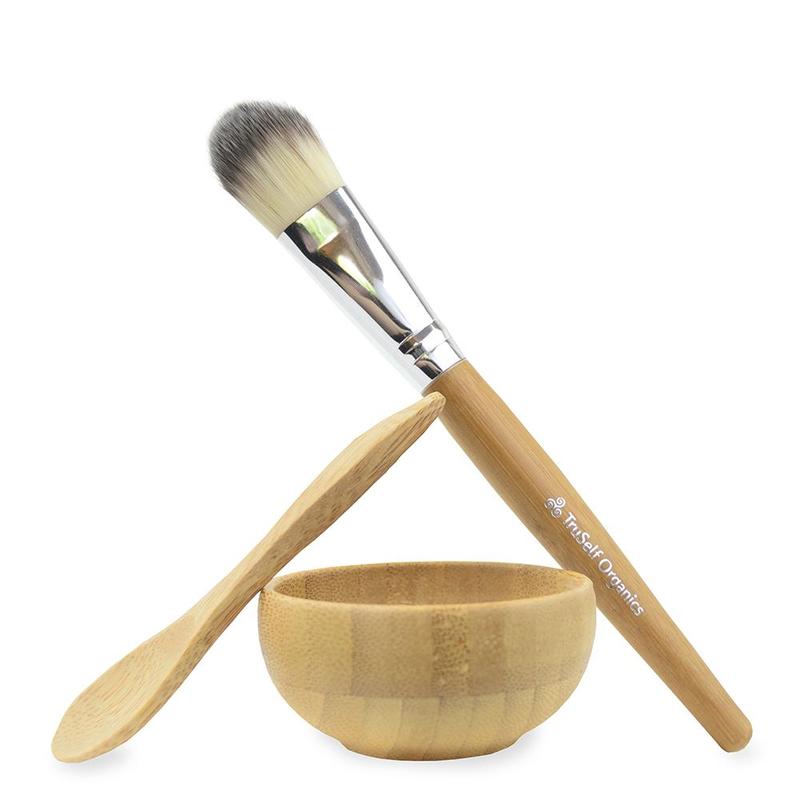
Ritual Set, $15

For easy application, use this bowl and brush set to blend the formula and water. Lee also likes to add a drop of this honey mask and a few shakes of this rosemary reset powder to her mixture.

For Dry Skin

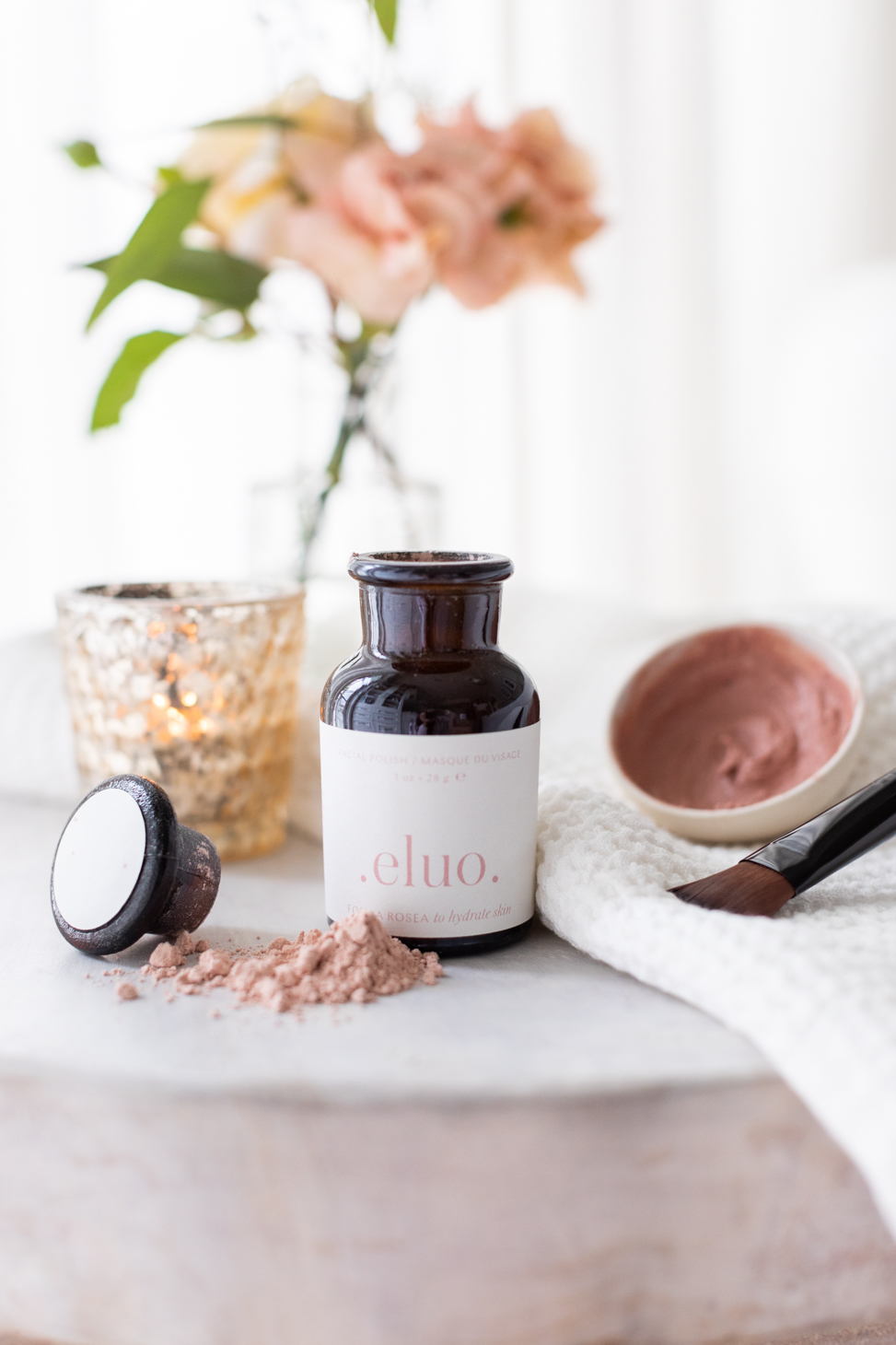
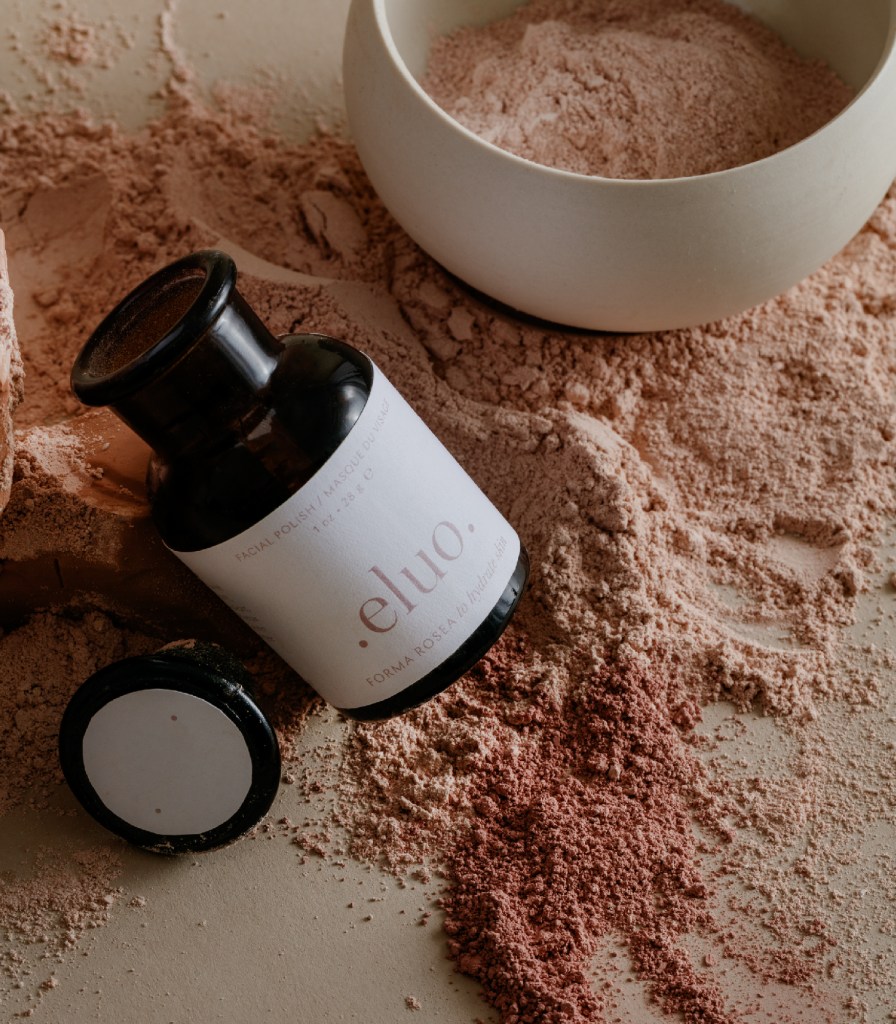
Forma Rosea, $45

If you’re feeling itchy, flaky, sallow, or dull, you’ll want to go straight for a hydrating mask and skip the harsh stuff. Colloidal oat kernel, chamomile flowers, carrot seed oil, coconut milk, jojoba, rose, and a few other key players nourish deeply while providing moisture. It’s the ultimate pink drink for our skin.

For Blemish-Prone Skin

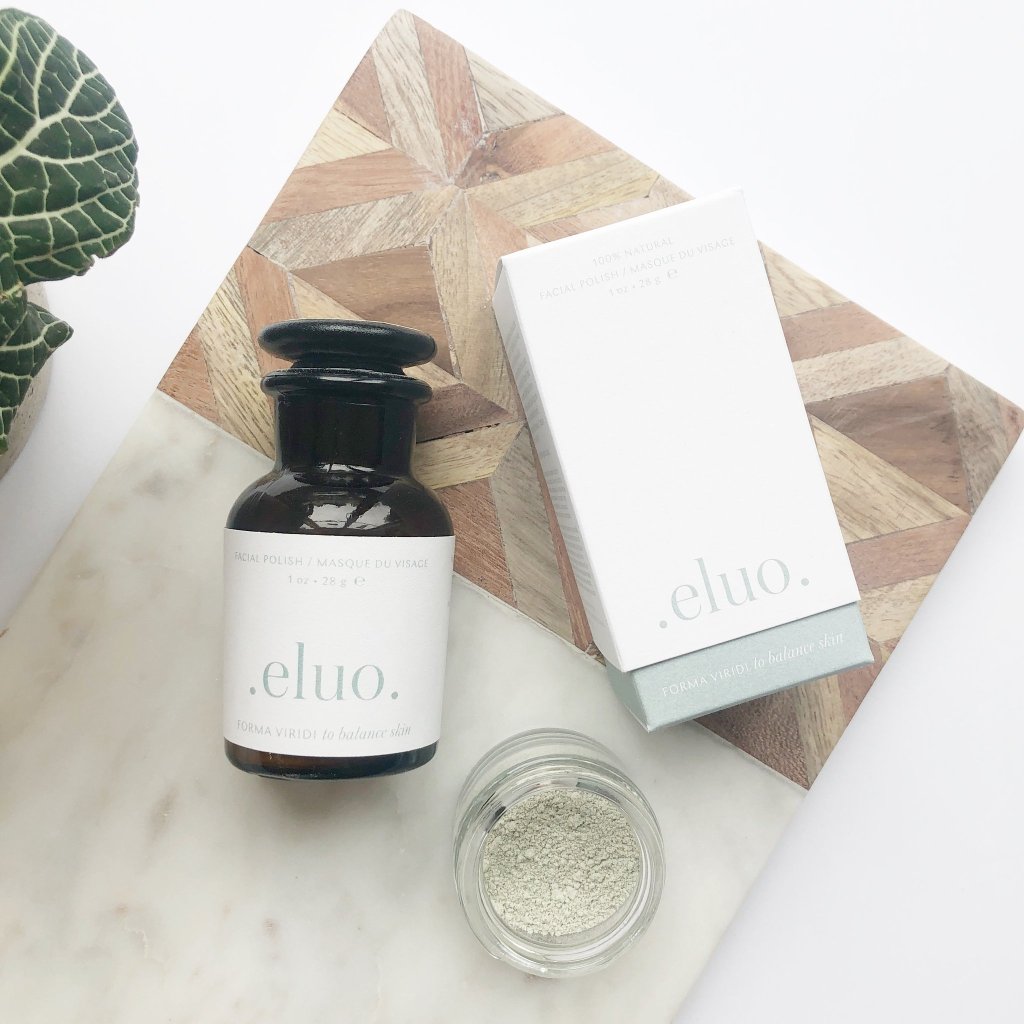
Forma Viridi, $45

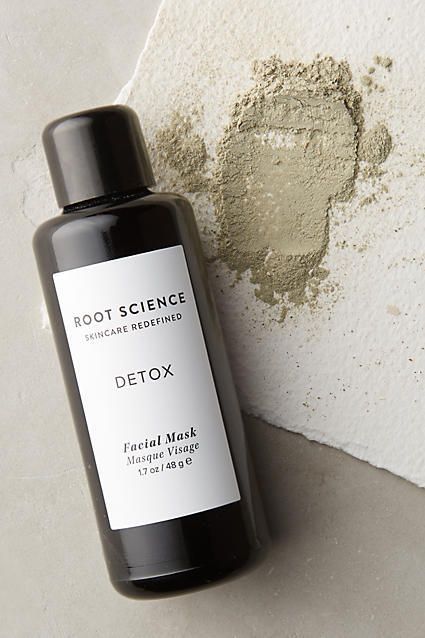
When we are stressed, PMSing, or maybe letting our diets get a little out of hand (hello holidays), we need to balance and clarify. This is when we should be reaching for a clay mask, and this one with mineral-rich French green clay does the trick without over-drying. Neem, lavender, and spirulina are anti-microbial, anti-inflammatory, and mineralizing for a soothing plan of attack for current and brewing breakouts.

Advertisements

For Irritated Skin

Forma Floris, $45

Sometimes our skin is not quite dry, not quite oily, but it’s clearly upset. This can happen in harsh climates, or when we’ve overdone it with skincare (over-exfoliation … please don’t, but OK, it happens). Soothe and calm freaked-out skin with hibiscus, marshmallow root, aloe, calendula, and chamomile to reduce redness, irritation, and inflammation. 

For Dull Skin

Reborn Mask, $60

Rhassoul, rosehip, turmeric, gotu kola, sea buckthorn, and a few other superstars will restore a glow and some color to your cheeks while gently pulling out impurities. These ingredients soothe while fighting future breakouts and inflammation, and at the same time boost circulation for rapid healing and instant radiance.

Papaya Bright Superfood Face Mask, $34

This brightening mask is made with 100% pure, edible superfoods. Plus, it’s highly recommended by our BeautyLeeBar Community. “It’s a powder formulated with clean, good-for-you ingredients; add a few drops of water and it turns into a gel-like paste. I use this bowl and brush to apply—self-care at its finest. Leave on for 10-15 minutes and rinse off to reveal healthy, glowing skin. Like using the Paris filter but IRL!”

Advertisements

For All Skin

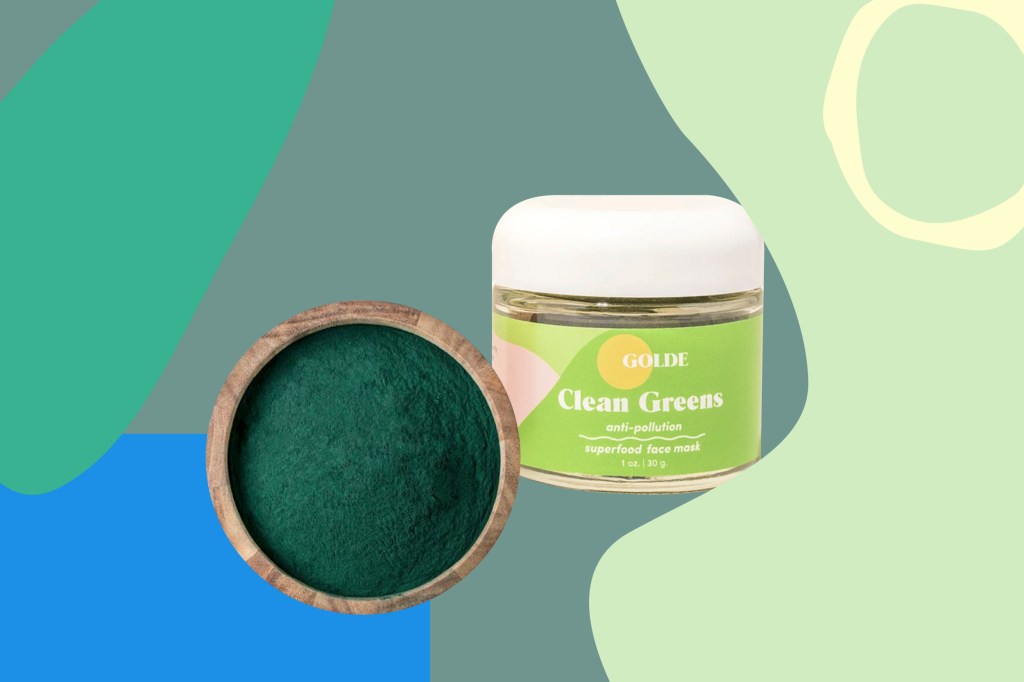
Clean Greens, $34

When you’re not quite suffering active breakouts, but feel bogged down by blackheads and an overall lack of luster, time to give your skin the ultimate smoothie. Chlorella, spirulina, and mango juice help to nourish the skin and dissolve impurities. This mask is so nutrient-dense and yet so gentle, that we go back on our word with this one exception. Use this baby any time for a healthy glow.

CATEGORY IS FACE. Comment below where you from and the skincare product that has been saving thy face!

Kiehl’s 6 Best-Selling Face Masks (and Which One Is Best for You)

Devoted Kiehl’s shoppers are well-versed in the brand’s best-selling products. The Kiehl’s Ultra Facial Moisturizer or Creamy Avocado Eye Treatment? They’re practically iconic. With winter here, we’re currently focused on the brand’s selection of face masks. With so many tempting options, we’re breaking down six top-rated formulas to help you find the perfect Kiehl’s mask match for you.

Advertisements

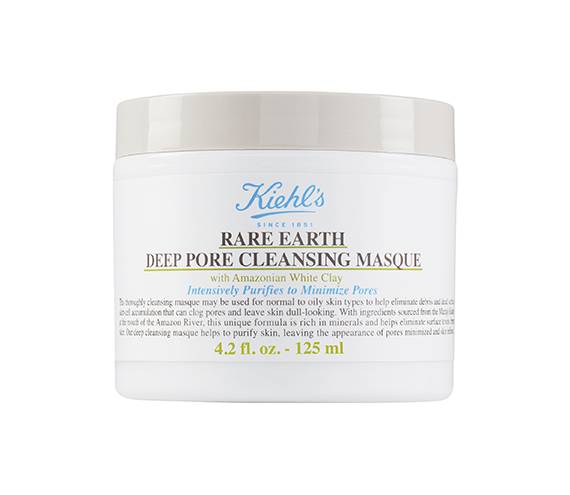
Rare Earth Deep Pore Cleansing Mask

This purifying mask with Amazonian white clay helps draw out impurities, dirt and oil from your pores to smooth, clear and refine skin. After use, pores appear minimized and excess oil is reduced. Despite its detoxifying abilities, we like that it doesn’t dry out skin.

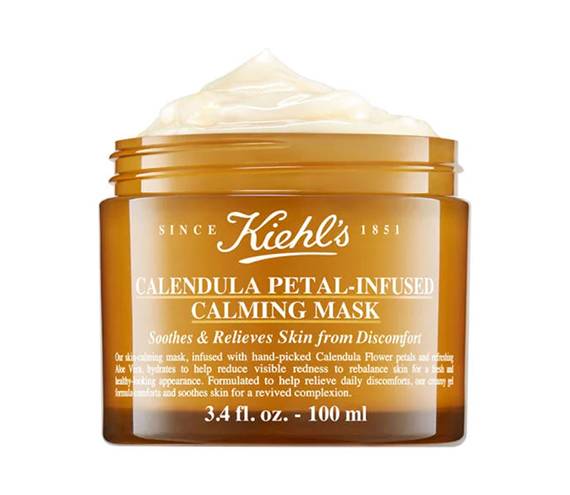
Calendula Petal-Infused Calming Mask

If you’re experiencing redness or sensitized skin or just need a refreshing boost, reach for this soothing mask. In addition to calming ingredients like calendula and aloe vera, it has a lightweight, cooling formula that feels like heaven on skin. 

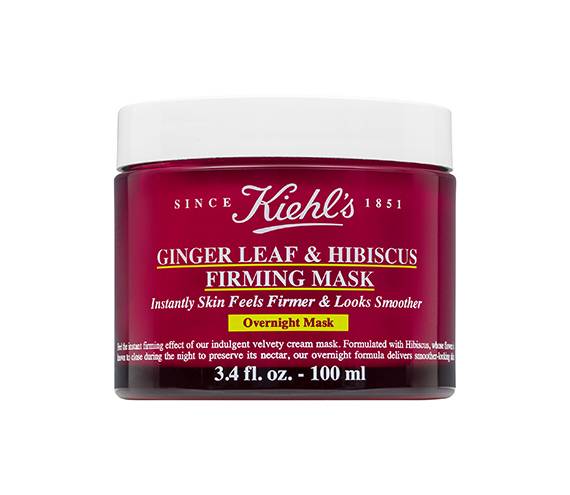
Ginger Leaf & Hibiscus Firming Overnight Mask

Overnight masks are great for delivering an extra dose of nourishment to your complexion while you sleep. This one has a rich and velvety texture that helps smooth skin and plump fine lines and wrinkles thanks to firming ingredients like hibiscus flower and ginger leaf.

Turmeric & Cranberry Seed Energizing Face Mask

To energize and brighten dull skin, this mask should be your go-to. It gently exfoliates with crushed cranberry seeds, while turmeric helps brighten. Let it sit on skin for ten minutes and then rinse for an instant glow and smoother texture. 

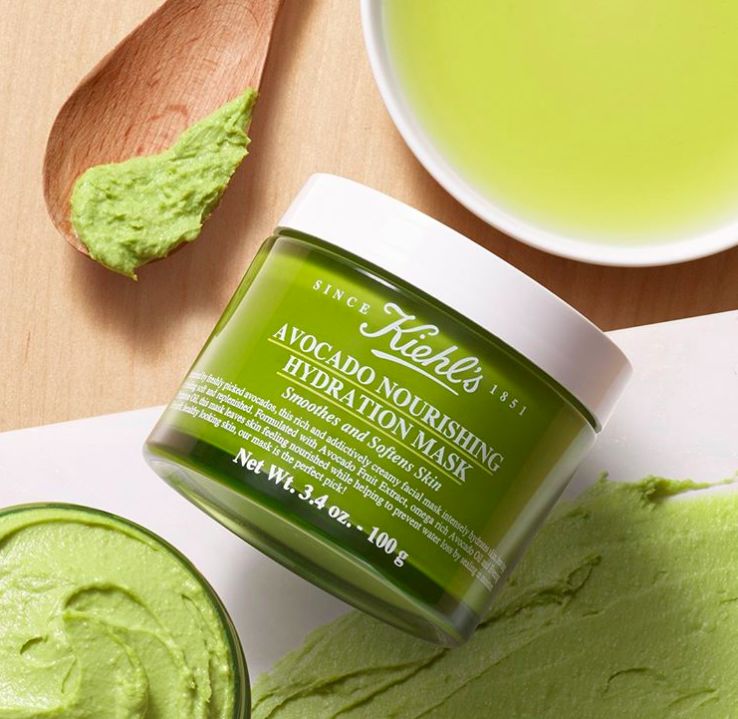
Avocado Nourishing Hydration Mask

If hydration is your number-one skin goal, try the Avocado Nourishing Hydration Mask. The rich and creamy mask is formulated with avocado fruit extract, avocado oil and primrose to nourish skin and seal in moisture. 

Ultra Facial Overnight Hydrating Mask

If you’re obsessed with the brand’s cult-favorite Ultra Facial Moisturizer, adding this overnight mask from the same line to your routine is a no-brainer. It helps replenish and retain moisture, so you’ll wake up with a softer and more supple complexion.

Advertisements

How to Treat Cracked Skin on Your Feet, Hands and Elbows

Dry skin is uncomfortable and can be hard to treat. When your skin is dry and cracked, though, it can be even more challenging to deal with. Because the skin on your hands, feet, and elbows is thick, it can be prone to these skin issues, especially during the winter. To learn how to prevent it from happening and how to heal cracked skin in these areas, keep reading. 

Advertisements

What Causes Dry, Cracked Skin?

Environmental factors like cold temperatures and a lack of humidity (hi, winter) can cause the skin to become drier than usual and lead to cracking. Other causes include hot water (so stick to lukewarm showers and baths), harsh cleansers, and skin conditions, such as atopic dermatitis or psoriasis. 

Advertisements

How to Address Dry, Cracked Skin on Your Feet, Hands, and Elbows

Keep Your Showers Short

The American Academy of Dermatology (AAD) states that keeping showers and baths short, using a mild cleanser, and opting for a warm instead of a hot water temperature can help prevent dry skin.

Pay Attention to Skin-Care Ingredients

The AAD stresses that those with dry, cracked skin should pay close attention to the ingredients in their skin-care products. Avoid products that contain dehydrating and potentially irritating ingredients like alcohol, fragrance, and harsh sulfates. 

Use a Humidifier

Humidifiers can benefit your skin all year but are particularly helpful when your skin needs extra moisture in the fall and winter. The AAD suggests using a humidifier to add some much-needed moisture into the air to help relieve dry, cracked skin.

Moisturize Your Skin Regularly and Use Healing Ointments

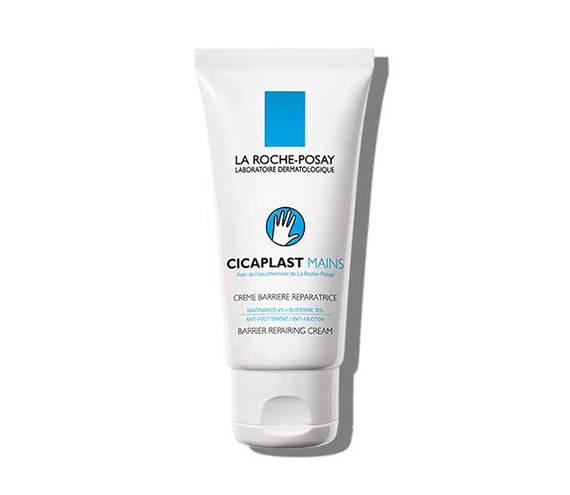
Moisturizer or lotion can help replenish and lock in moisture. The AAD recommends applying hand cream after you wash your hands. We like the allergy-tested La Roche-Posay Cicaplast Hand Cream because it not only moisturizes with shea butter and glycerin but also helps soothe damage from cold weather and frequent hand-washing. When it comes to your feet and elbows, hydrate the areas as needed, especially after taking a bath or shower while your skin is still slightly damp. 

If you’re experiencing cracked or chapped skin and your go-to cream or lotion isn’t doing the trick, reach for a soothing balm like the CeraVe Healing Ointment. Formulated to relieve irritation and extreme dryness and restore the skin barrier. 

Advertisements