
Hey my loves! So at the end of December, I decided to try the keto diet, aka the ketogenic diet. Keto is working really well for me so far and I’m super happy with my results… But, before I get into that and how it all works, I want you to know that it’s worth discussing any drastic diet changes with your doctor first, and although I have enjoyed this diet, it’s not something I recommend to everyone. I want to share with you my experience, and the advice and help I’ve had from a food consultant.
So, first of all, you’re probably wondering what the keto diet actually is, and why everyone is talking about it right now! It’s essentially a very low-carb, high-fat diet, which can lead to fast weight loss (mostly water weight in the first two weeks).

Here’s everything you need to know about what and how the keto diet works, the advantages, and also the downsides associated with this quite drastic change in diet.
Believe it or not, the ketogenic diet was developed nearly 100 years ago to help reduce epileptic seizures amongst children. Due to the nature of the diet with its low-carb, low to medium protein, and high-fat content, many people often compare it to the Atkins diet. The main difference is that the Atkins diet works in stages, and the keto diet follows a consistent meal plan. The keto diet gets its name from the process the body uses to burn energy, aka ketosis, which is a metabolic state where the main source of fuel for the body is fat.
How does ketosis work?
Our bodies are naturally used to burning glucose (sugar) as a primary source of energy and when you start to consume less of it, restricting your general carb and sugar intake (yes, sugars are also carbs), we force a switch in our metabolism – burning stored fat instead of glucose. This sometimes occurs on a lower scale when we sleep for longer periods of time, accidentally skip meals, and when we fast.
Without carbs in your system, the body starts to release fatty acids from stored fat, and they get broken down in the liver. This results in the production of ketones, and these energy molecules are then used to fuel your body.
What you should and shouldn’t eat on the keto diet:

The positives of keto:
If losing weight is something that you want to do, then the keto diet can help. Researchers have also stated that the keto diet can aid in lowering blood sugar levels, reducing inflammation of the body (if you have high amounts of insulin circulating within your system), and achieving the feeling of being ‘full’ most of the time because of the specific contents of your meals.
Many participants have also claimed that they developed a stronger sense of mental focus after a week or two of being on the diet.
The downsides of keto:
Sure, you’ll lose quite a few pounds on your initial journey, but most of the starting weight that you’ll drop will be from water weight, so remaining consistent is the key to reaping continual benefits and gradual weight loss. In the first two weeks, I lost about 4 pounds (1.81kg), and my stomach flattened out a little. This dramatic loss is mostly down to a drop in the water that your body usually stores – carbs need water to stay in your body. You also need to ensure you consume more water during this period so that your body doesn’t get dehydrated, which can lead to constipation. The first two weeks are when you’ll notice the most dramatic drop in weight, while the second two weeks will be slightly slower, but this is the point when your body will begin to burn fat.
It can be quite challenging for the body to switch metabolic states and if you’re not used to these changes, you’ll feel sluggish and tired for the first few weeks. I didn’t experienced trouble sleeping like some claim. If you’re exercising a lot or trying to build muscle, you should speak to a dietician or doctor to see if this is the right diet for you.
Due to one of three ketones being produced, acetone is the one that can be monitored when expelled from the body through urine and breath analysis. One way that many have said that they’ve noticed ketosis is from the strange taste in their mouth accompanied by an odor caused by this ketone.
So is keto worth it?
Like all diets and nutrition plans, being strict with yourself and fighting temptation from certain foods is the key to success. You can easily search the web for foods that you should and shouldn’t consume. The keto diet may assist in weight loss on a short-term basis, but there’s still more research to be done on the long-term effects, so remaining on this diet isn’t recommended. When choosing your fat sources, try and pick healthy choices like coconut and olive oil, fats from nuts, avocado, and fish. Try to compose your meals with a small amount of saturated animal fats, and if you do decide to enjoy them – it’s recommended that you consume organic and grass-fed products.

My personal experience with keto:
I was planning to do this for one month and be done with it, but I love the results so much, and I don’t find it that difficult to do, that I’m going to continue it for a little longer. I actually find it the easiest diet that I’ve done; I can have a bun-less burger (I love burgers) and although I can’t have French fries, I’m okay with that surprisingly – but I have to say I really miss macaroni and cheese! The thing with this diet is, you can eat as much cheese as you like, which definitely makes you feel like you get to cheat! You can eat Mexican food, and Greek food, but you can’t eat beans and hummus, or pasta and bread.
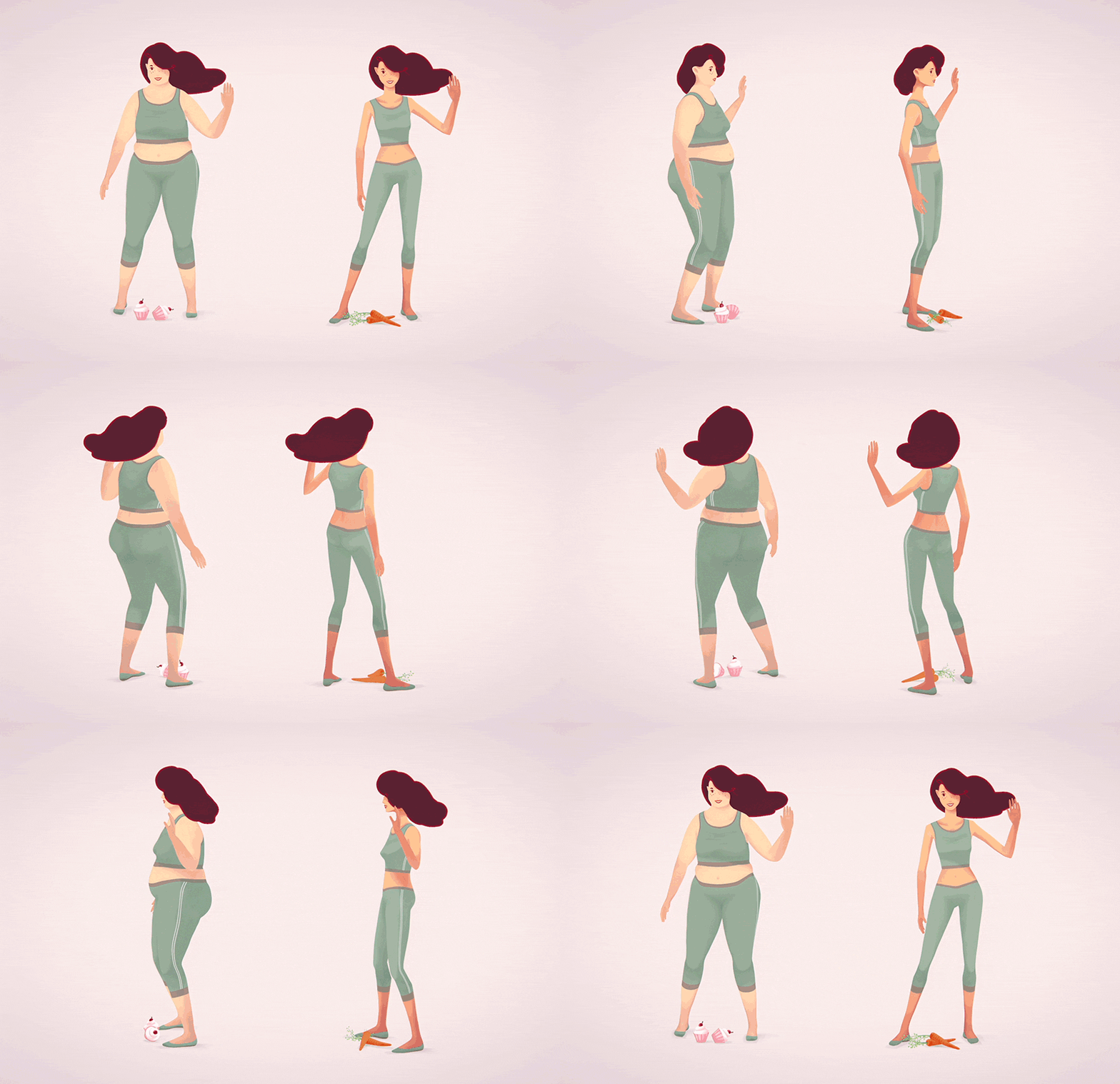
I’m really pleased with the results I’ve had so far, and as well as the initial weight loss, my back fat (an area I struggle with), as well as my arms, has also slimmed down. I’m naturally curvy, and I love my figure, but these are just little areas that I wanted to improve, and I’m really happy with the results so far. My clothes looks and fits better.
The other thing with the keto diet, is you can’t cheat; otherwise, it ruins the process of ketosis. I admit, I cheated a few times, and I still lost a little weight but I gained some back too– at the end of the day, you’re still cutting a lot of carbs. I think after another month of this, I’ll be able to fully eat healthy without the temptation. Now and again, I like to try these diets out, but ultimately, I think having a balanced diet, good rest, and exercising regularly is the most important thing to do. It’s okay to be naughty now and again, but I find if I eat lots of vegetables and fruit, organic meats and avoid too many simple carbs (like sugar, baked goods, pasta), that I generally feel energized and healthy.
Most importantly:
I know a lot of people have been talking about this diet lately, so I wanted to share my experience with you guys and give you as much info on it as possible. I definitely don’t recommend this diet to everyone, and if you do choose to try it, please consult your physician or doctor before starting. Also, remember that everyone’s body is different and people lose weight at different rates, so don’t feel disheartened if the results you expected take a little longer.
Keto will be different for everyone, and once you’ve consulted with a physician, you can use an online keto diet calculator, or consult a dietician to obtain your required daily intake of protein, carbs, and fats. You should also take into consideration how active you are throughout the day. A general rule of thumb would be to consume roughly 75% healthy fats, 20-25% protein, and 0-5% carbs.
Let me know in the comments if you have any personal questions you would like to ask me about the keto diet, and your experiences with keto if you’ve tried it yourself.



 beautyleebar.org