Playing the IRL Princess Ariel may come across as all glitz and glamour, but don’t let the girl who seems to have everything—you know, gadgets and gizmos a-plenty—fool you. Actress and singer Halle Bailey went through intense “mermaid training” to gear up for (and make a splash in) her starring role in the live-action adaptation of The Little Mermaid. Thanks to her interview on Live With Kelly and Mark andher trainer’s conversation with Women’s Health, we got the BTS inside scoop on just how Bailey transformed into the mythical creature—abs, shimmering tail, and all. It doesn’t hurt that Bailey was primed to become the Disney icon—she was in her fitness girlie era long before she had to take on her strenuous merfolk regimen (if you follow her on IG, you already knew that). Ahead, all the details I gleaned from her workout and diet routine to dip your toes into (pun intended) yourself—no fin required.
Her Fitness Routine
With a 4 a.m. gym start time, followed by stunt work, then hours either suspended in a harness and wires simulating swimming motions or submerged in a water tank, it’s no wonderBailey told Kelly and Mark she was in the “best shape of [her] life” while filming the movie. According to Women’s Health, Bailey enlisted the help of London-based personal trainer Sana Shirvani to get her in tip-top, half-human, half-sea-creature shape. It turns out “swimming” in the air (gracefully, no less) and pretending not to have human legs takes major core, back, neck, glute, and hamstring strength, so Shirvani had Bailey on a program of full-body strength and conditioning workouts 5-6 times a week to get her “stronger, fit, and agile.”
Advertisements
“While the neck muscles are often overlooked in traditional strength training programs, they play a crucial role in providing stability, supporting good posture, and reducing the risk of neck-related injuries,”explained Shirvani in her interview with Women’s Health. “We used a variation of neck isometrics and resistance-based methods, which involve applying resistance without actually moving the neck.” In one of Shirvani’s IG posts, you can see Bailey slaying goblet squats, back extensions, battle ropes, box jumps, hip thrusts, medicine ball slams, and various core exercises (think: weighted side planks and isometric holds). According to an interview with Insider, Shirvani implemented progressive overload (read: gradually increasing the weight or the number of reps) in all of Bailey’s exercises. But she doesn’t just stick to weights and cardio for her sweat sessions—Bailey also mixes it up with hot yoga to decompress while getting a solid workout in.
Bailey has her workout routine on lock, and how she nourishes her body is no different. Bailey follows a vegan diet, and Shirvani helped herfocus on eating whole foods and protein to help her build strength and recover from training. That doesn’t mean Bailey shies away from her favorite foods. Her go-to vegan eats? Avocado toast, rice, and bread, which she shared during BuzzFeed’s Sister Test(ICYMI, Halle is part of the Grammy-nominated, R&B sister duo Chloe x Halle). She’s also not one to pass up on (vegan) pizza and hot dogs (case in point: her TikTok below).
As for her plant-based sweet treats of choice? Cheesecake or pancakes fromCrossroads Kitchen, doughnuts from Sage Vegan Bistro, and homemade gluten-free sugar cookies (a girl after my own heart). And, finally, I’d be remiss if I didn’t mention the sisters’ DIY, vegan-friendly smoothie—made of almond milk, raspberries, blueberries, apple, agave nectar, ice, and vegan protein powder—which they whipped up on MTV’s Fresh Out Live and enjoyed in champagne glasses. We’ll cheer for that!
Sometimes even the most simple self-care tasks can feel hard – making a nutritious meal, working out, managing your stress – it’s a lot to manage. I’m a mom to five, wife, friend, sister, and business owner. Somewhere in the mix, I learned to take care of others before myself which has been to my detriment on occasion. I know I’m not alone! Thanks to social media, it’s clear that this is a widespread problem amongst women. It has become really important to me to take care of myself so that I’m the best version of myself to show up for my loved ones.
Advertisements
I haven’t gotten it all figured out, but I do have what I like to call my “baseline”. My baseline means that I’m eating nutritious meals, I’m incorporating some type of movement into my week, and I’m managing my stress as much as I can. When those things are taken care of, life just seems a little bit easier. One of the ways I’m doing that is by adding Athletic Greensinto my day.
From superfoods and probiotics to vitamins and minerals, Athletic Greens is your one-stop-shop when it comes to nutritional supplements.
Advertisements
What is Athletic Greens?
As someone with some pretty poor eating habits, the nutritional value this product offers was a huge draw for me. I was eager to see if such a simple product might make up for the nutrients I’m missing in my daily diet. Because of the product name, I mistakenly thought that it could be a replacement for vegetables—it’s not. But it did reap some small benefits.
Advertisements
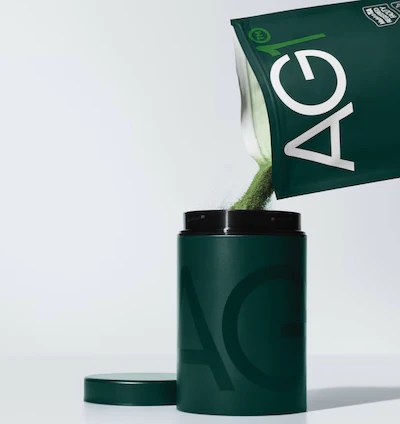
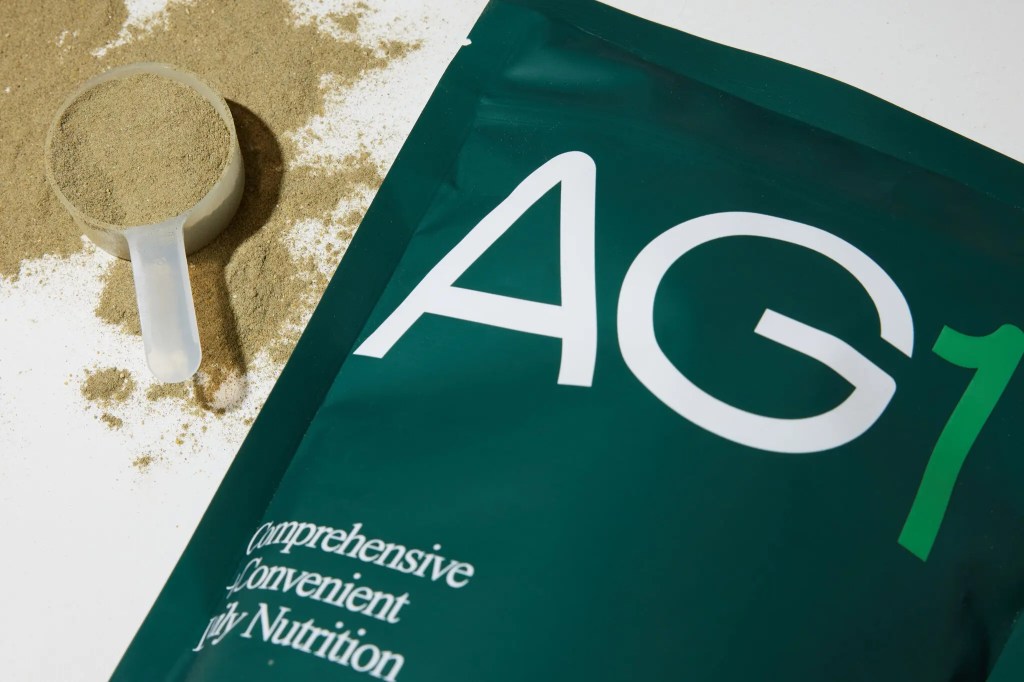
To start, let’s break down Athletic Greens’ history. Founded in 2010, Athletic Greens is most known for its flagship product, AG1. The greens powder combines vitamins, minerals, and nutrients designed to promote gut health, support immunity, boost energy, and help you recover faster from workouts and physical activity.
According to CEO Chris Ashenden, the brand’s focus is on “foundational nutrition.” I assume this speaks to the product’s role in supplementing a healthy lifestyle, helping to fill the nutritional needs our everyday diet might not satisfy.
Athletic Greens powder, called AG1, is such an attractive product is how nutrient-dense it is. The formula includes over 75 vitamins and minerals as well as prebiotics and probiotics. The full list of ingredients ranges from spirulina and apple powder to spinach leaf powder and pea protein. Even with so many ingredients, the product is vegetarian, vegan, paleo, and keto-friendly, has no GMOs, artificial flavors, sweeteners, or preservatives, and is gluten-free.
How is AG1 different from other greens powders?
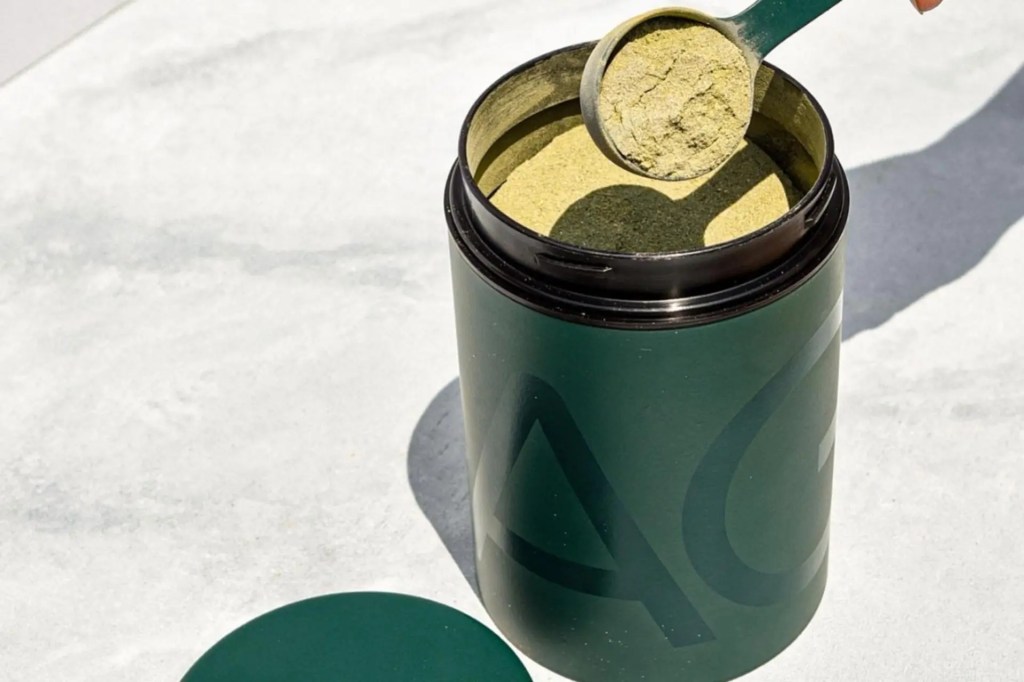
While I’m referring to the supplement as a greens powder throughout this article, Athletic Greens is adamant about being much more than simply a substitute for your dark leafy greens. The recommended daily serving—a single scoop—supplies:
Advertisements
vitamins and minerals to support immune health and strengthen your nervous system
prebiotics and probiotics to provide digestive support
superfood-derived phytonutrients that support the microbiome
immune-supporting mushrooms
adaptogenic herbs and antioxidants to relieve stress and provide metabolic and energy support
The product contains vitamins like riboflavin (B2), thiamine (B1), and various others (like A, B6, C, E, and K2); minerals like magnesium, potassium, and zinc; whole food-sourced nutrients such as carrots, wheatgrass, and spirulina; probiotics like lactobacillus acidophilus; and adaptogens like ashwagandha, chlorella, and reishi mushrooms.
Plus, if you don’t want to add it to water, you have several other options — you can add the powder to your smoothie or smoothie bowl, sprinkle it on your yogurt or fruit bowl, or cook with it.
My AG1 ritual
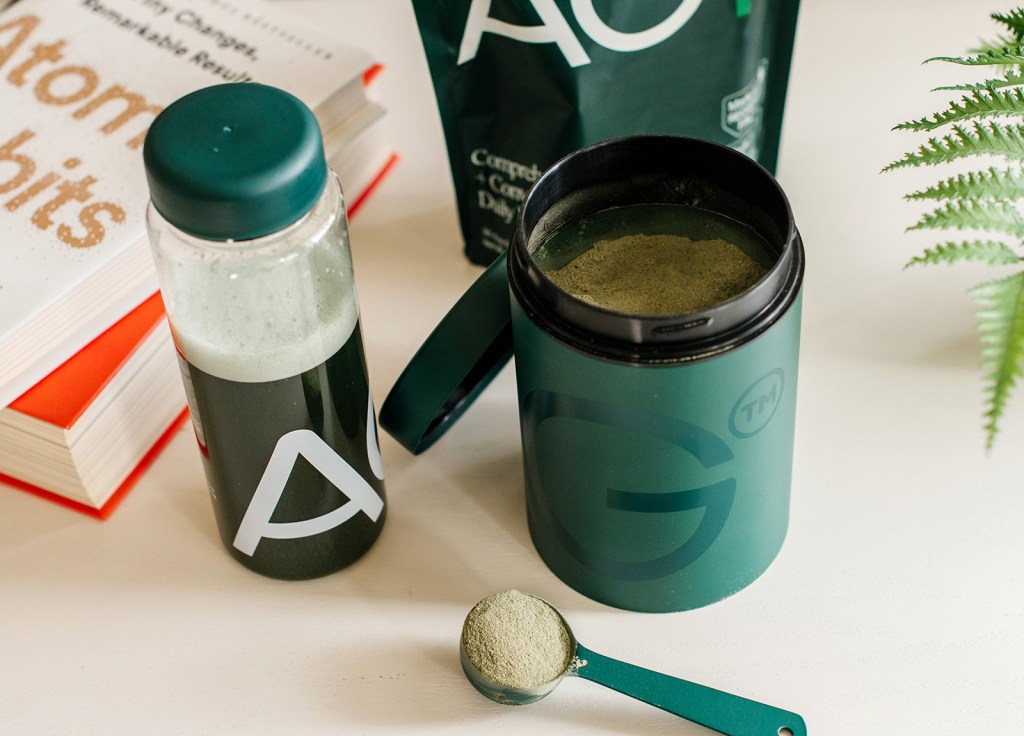
AG1 is pricey. I purchased the single, 30-day subscription for $79. With your order, you get a month’s supply of AG1, a storage jar and shaker, and five “free” travel packs. On top of that, my shipping cost was $9. While it might not seem like much, I had to grit my teeth in this heyday of free shipping. Thankfully, you can cancel your subscription anytime, so the commitment was relatively minimal.
I set out to see how AG1 would fare with my already-established everyday routine. That meant aiming for the same amount of sleep, and not making any major changes to my diet. While my week on AG1 was by no means a deeply scientific study, I wanted to know if I would feel any different by simply adding the supplement to my everyday habits.
Another great aspect of AG1 is that it is so easy to make. I was grateful for that because it wasn’t a chore or a big disruption to my daily routine.
Advertisements
Day 1
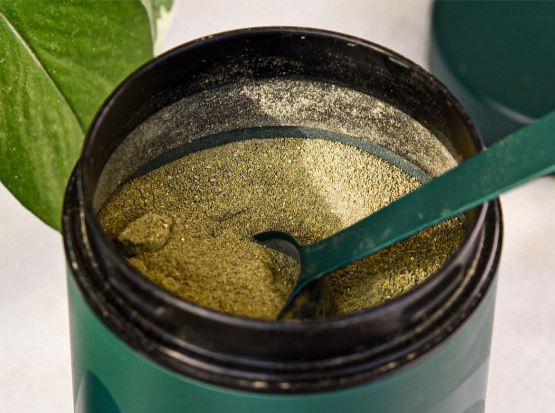
As suggested, AG1 was the first thing I consumed in the morning. Before my coffee and oats, I mixed a scoop of AG1 with eight ounces of water. My package came with a branded wide-mouth water bottle exclusively designed for getting my greens in liquid form. After securing and shaking the bottle, I undid the lid to uncover a frothy, mossy green beverage.
Advertisements
Hesitant but curious to consume the grass-like flavor reviews claimed, I took a sip. My first thought? There’s no way I’m finishing this. IMO, the taste was a little bitter. All in all, it took me about two hours to finish the whole thing (baby sips, folks).
I carried on with my normal routine as planned. Because this was my first day, I didn’t notice any shift in my energy or how I felt overall. My main takeaway from the kick-off of my experiment was: How the heck am I going to make it through this week?
Day 2
I woke up feeling a little more determined to discover the crave-worthy flavor of AG1 that everyone’s been touting. Adopting a different approach, I shook up my scoop with water and ice. That drop in temperature made a significant difference. When I drank the AG1 this time, it had a clearer, crisper flavor and mouthfeel. It was less sludgy than the day before. (Though I swear, I shook it as hard as I could.)
Feeling like a wellness girly, I plopped my AG1 down next to my laptop as I started my day sifting through my inbox. Though the placebo effect was obviously at play, something about having that green bottle next to me made me feel a bit more productive. There are worse things.
Day 3
At the tail-end of my period today, I woke up and noticed that my skin was significantly clearer than it had been the day prior. It was brighter than it usually is at this point in my cycle. I went to the kitchen, shook up my AG1, and found that I was already beginning to get used to the flavor. My initial impression was that of a slightly thinner green juice. It felt like the flavor had been engineered to mask something particularly unsavory. But I was coming around to it. At this point, I may have even liked it.
That morning, I texted a few friends who had tried Athletic Greens. They confirmed that the taste takes a little getting used to. For most, they began to look forward to their daily dose of AG1 between their third and seventh day—props to me for being on the early end.
Day 4
Athletic Greens’ Instagram is full of ideas for consuming their product beyond the ol’ H20 standby. So, I tried their ultimate summer smoothie bowl recipe to mix things up halfway through my trial. I found that the previously offending flavor was completely masked by adding almond butter, banana, apple, dates, and oat milk. I could see this becoming a go-to breakfast. And while the blood-sugar-balancingenthusiasts might protest this smoothie’s glucose overload, pairing your fruits with the almond butter’s healthy fats is a solid way to mitigate the spike.
This was the first day I noticed a subtle physiological change. I had more energy during my afternoon barre errands and—day five spoiler—wasn’t at all sluggish when I woke up the next day.
Day 5
The wake-up this morning was one of the best I can recount in recent history. With little effort, I got up immediately to my 8:00 a.m. alarm and went straight into a brief meditation. I would consider myself a semi-morning person, so this level of alertness was out of the ordinary. Mentally, I felt sharp, aligned, and motivated to transition to my to-do list.
I made the same AG1-infused smoothie as I did the day before and discovered an additional burst of energy after finishing my glass. I made it through my morning to-dos while staying on-task and focused. Thanks, AG1.
Day 6
While my wake-up call wasn’t as miraculous as yesterday’s, I did sleep soundly and awoke feeling rested. Craving my usual savory breakfast (a slice of vegan avocado toast with delicious oats), I opted for AG1 and ice water. Interestingly, it took until today to notice that my craving for a second mid-morning coffee had disappeared entirely. Instead, my single cup sufficed in terms of both my energy levels and feeling satiated post-breakfast.
I often fall victim to the dreaded 3 p.m. slump, but today, I managed to push through all my end-of-day tasks and even enjoyed a 45-minute yoga session. To say that my energy levels stayed steady throughout the day would be an understatement. I’m not an evangelist of wellness (meditation aside), but when something solves my dwindling energy, I have to shout it from the rooftops. I noticed an easy wind-down after dinner and was able to fall asleep quickly and soundly. That’s a lot to be said for someone who deals with occasional bouts of insomnia.
Day 7
I started this journey unsure of how I’d make it to this point. In hindsight, however, things turned out for the better on day three. By now, my daily rhythms came to expect the AG1 before all else, and I have to admit: Something is comforting and ritualistic about sipping on it first thing.
While I said I wouldn’t make any significant changes to my diet, I did notice that the supplement naturally inspired me to make nutrient-dense choices. I kept up a consistent pattern of greens throughout the day: a protein-packed salad for lunch, a green smoothie for a snack, and a tall pile of spinach to accompany that night’s meal. Something about doing good things for my body in the morning inspired me to keep up the momentum all day long. Can AG1 inspire a mindset shift? The correlation likely isn’t strong enough to call it fact, but after a week on the greens powder, I can confirm with confidence: The results I saw this week were enough to keep me going.
The takeaway
I still have about 20 servings left in my first shipment of AG1, and I will see it through to the end. Admittedly, a week isn’t enough time to feel the long-term benefits build up. Of course, the price point marks a steep barrier to entry, and as many nutritionists will confirm, you don’t need a fancy supplement to meet your daily requirements for vitamins and minerals. But with the positive results I experienced, I can confirm that it’s worth the hype.
Advertisements
As someone looking to improve their eating habits, I’m glad I tried AG1. Ultimately, this is a convenient product that played into my brain’s positive reward centers—and that’s not a bad thing! The routine of prepping AG1 each morning before breakfast (or as a part of my morning meal) signaled that I was doing something good for my body. It helped set the foundation for those habits to continue throughout the day. A transformed perspective and more energy? That’s what we like to call a win-win.
Staying hydrated is essential for our skin, digestion, hormone balance, sleep quality, and mood–you name it. “The body needs to be hydrated to function at its best,” explained Bridgitte Mallinson, MS, RDN, a registered dietitian and Founder and CEO ofGutPersonal. “This means that our essential systems, such as our circulation, rely on hydration to perform well. When we are not hydrated, we can have symptoms like poor sleep, low energy, brain fog, difficulty concentrating, constipation, headaches, and dizziness.” It’s no wonder#WaterTok is a thing and TikTokers are creating and sharing water “recipes” with syrups and powders to make drinking water more appealing while making hydration look cool AF. Call it extra, but the 360 million views speak for themselves.
Whether we blame our busy lives, forgetfulness, or lack of motivation, we often fall short of our hydration goals. It’s no joke—according to a recent CivicScience poll, almost half (47%) of U.S. adults consume far below the recommended amount. Just how much water should we be drinking, and how can we ensure we’re drinking plenty of water on the reg? Ahead, dietitians spill their best tips for how to stay hydrated. Step 1: Grab your reusable water bottle, and let’s dive into Hydration 101.
Advertisements
How much water should we be drinking daily?
It’s a tale as old as time that most of us have ingrained: Drink eight glasses of water per day. It turns out the eight-glasses-a-day age-old myth stems from a 1945 recommendation from the Food and Nutrition Board of the National Research Council that suggested adults consume about 64 ounces of water daily, including from all their foods and beverages, which was misinterpreted as eight cups of water. Translation: That old-school rule is not rooted in science.
Based on new research, our water needs are individualized and depend on factors like age, sex, size, physical activity levels, and the climate that we live in. If you’re looking for a baseline, Mallinson stated that the general rule of thumb is to drink half of your body weight (in pounds) in ounces of water. “For example, if you weigh 140 pounds, you should drink at least 70 ounces of water every day. Most people tend to need more, especially if you struggle with constipation, eat a diet high in processed foods, live in warmer climates, or are physically active.”
Primp tip: Listen to your thirst cues to prevent dehydration and pay attention to your urine color as an indicator of hydration. “Pale yellow urine generally indicates proper hydration, while dark yellow or amber-colored urine may suggest dehydration,” conveyed Taylor Osbaldeston, a registered holistic nutritionist forDurand Health Group. “Aim for lighter-colored urine as a guide for maintaining adequate hydration.” While urine isn’t the sexiest topic, pretty cool how your body is always telling you what it needs, huh?
While this may seem like an obvious hack, Bianca Tamburello, RDN, a registered dietitian for FRESH Communications and Azuluna Foods, expressed that investing in a water bottle that will get you excited and motivate you can make or break your hydration goals. “Should it be insulated, include a straw, or fit in your car’s cup holder? Think about what your perfect water bottle should look like and choose your favorite.” Having water readily available at all times—whether you’re at your desk or out and about—will serve as a gentle nudge to consistently drink up.
Start your morning with a glass of water (yes, before yourcup of joe). And if you’re in the mood to up the ante, add some lemon to rev up your digestion (think: get things moving). It doesn’t hurt that the citrus-spiked beverage adds some pizazz to plain ol’ water, not to mention supports glowing skin.
Advertisements
Once you’ve given your body a hydration boost first thing in the morning, set small goals to drink a defined amount of water and schedule regular hydration breaks throughout the day. “Utilize reminders or smartphone apps to establish regular intervals for water consumption, aiming for a goal every hour,” Osbaldeston suggested. “Divide your total water intake target evenly across your waking hours to ensure consistent hydration throughout the day. This approach helps you stay on track and maintain a steady intake of water.” Consider apps like Waterlogged or WaterMinder your accountability partner that can help you set goals, send you friendly reminders, and track your daily intake.
Incorporate water-rich foods into your diet
While H2O is the go-to choice for meeting your daily hydration needs, there are foods high in water content that you can also reach for to give you a leg up. Your body typically gets about 20% of the water it needs from the foods you eat throughout the day while the remaining 80% usually comes from drinking. In other words, don’t skimp on that 20%. “The foods highest in water content include cucumber, lettuce, celery, radishes, tomatoes, zucchini, and strawberries,” Mallinson indicated. Throw together a veggie stir-fry or blend up a fruit and veggie smoothie to get in extra hydration. Foods packed with water can’t replace drinking water altogether, but adding them to the mix is a surefire way to give your body vitamins, minerals, and fiber while boosting your daily water intake.
Add electrolytes and flavor to your water
Water alone can’t lead to optimal hydration. The body requires electrolytes to absorb the water. “Amplify your hydration with electrolytes,” Mallinson prescribed. “Minerals like sodium, potassium, and magnesium help get hydration into your cells.” Osbaldeston is also a fan of the supplement: “Add electrolytes to your water to replenish essential minerals lost through sweating and aid in maintaining proper hydration levels during physical activity or hot weather.” Instead of guzzling water with sugary additives (looking at you, #WaterTok), add flavor to your water while optimizing hydration with electrolyte packets (just beware of sugary options with a ton of additives), or for a (basically) free version, add a pinch of sea salt to your water.
ICYMI,habit stacking is the way to go to create a new,healthy habit. If you want to introduce a new behavior to your routine, “stack” it onto a current task you already do to help you remember to do it, making it a more automatic habit. For example, bundle drinking water with your other to-dos, like drinking a glass while you prep your morning latte or taking a water bottle on your afternoon walk.
Another way to habit stack hydration is to pair a tall glass of water with your meals. “Always be sure to drink a glass of water with your meal,” Tamburello advised. “Drinking water helps slow the pace of eating at a meal and helps with digestion.” Side note: If consuming liquids with your food leaves you feeling bloated or with other unwanted side effects, stick to drinking them before or between meals.
Advertisements
Romanticize the hydration experience
Let’s be real: Plain water isn’t exactly thrilling, but who says knocking back water has to be boring? Sip flat or sparkling water from a wine glass and add fruit ice cubes to make the experience indulgent, à la Tamburello. Freezing fruit and veggies, like strawberries, citrus slices, and cucumbers, or refreshments, like juice, tea, or coffee, into ice cubes can take your mundane cup of water from womp womp to huzzah! And, if you’re feeling extra, use ice cube trays that come in various shapes, like roses, hearts, or fruits. Since we’re prioritizing drinking more water, we might as well make it fancy.
BTW, you don’t have to be attached to just water—rotate in other hydrating beverages like decaf herbal tea, coconut water, or bone broth. Tamburello recommended bone broth since it hydrates and offers up important electrolytes to replenish calcium, potassium, sodium, and magnesium stores. The point is to make hydration something that you look forward to so you’re able to keep up with the habit.
Compensate for your caffeine and alcohol intake
Remember how hydration needs vary from person to person? They can also vary day to day, depending on what else you consume. Some foods and drinks are hydrating (veggies and fruit, decaffeinated tea, etc.) but some are dehydrating. “Both caffeine and alcohol have diuretic properties, which can increase urine production and contribute to fluid loss,” Osbaldeston stated. “If you consume these beverages, consider compensating by increasing your water intake to counteract their potential dehydrating effects.” On days you partake in enjoying alcohol or caffeine, don’t sweat it–just be mindful about getting in some extra hydration. You know the drill: After savoring your Starbucks afternoon pick-me-up, follow it up with a full glass of water to balance it out.
Every year, there always seems to be a wellness trend that takes the world by storm (CBD and gua sha have entered the chat), and this year, it seems to be taking a shot of olive oil in the morning. If your TikTok algorithm is anything like mine, you might land on videos with juice recipes for blemish diys, makeup tutorials, wellness recipes, and Amazon Must Haves. But when I started to see more and more videos on #guthealthtok of people taking a shot of extra virgin olive oil and lemon juice in the morning, I had to see what the craze was all about. Read on for my deep dive into the fad taking TikTok by storm and whether or not a shot of olive oil and lemon juice should be added to your morning routine.
If your “For You” page hasn’t fed you videos of people taking a shot of EVOO yet, here is a rundown of what the TikToks are saying: If you take a shot on an empty stomach, it can coat the walls of the stomach, improving mobility throughout the colon, and allow smooth bowel movement and digestion. Some people add a splash of lemon juice for benefits like improved digestive health. Even though it’s currently a TikTok trend, taking a shot of olive oil isn’t anything new: Communities around the Mediterranean have been doing this for decades, and the use of olive oil for both nutritious and medicinal properties dates back to as early as Ancient Egypt.
If I’m being honest, taking a shot of EVOO doesn’t sound incredibly appetizing, but I’m all about dissecting wellness trends and figuring out ways to improve my overall health. So I asked experts whether or not the shot was worth the hype. If this trend has sparked your interest as much as it did mine, keep reading to hear what the experts have to say about the benefits of olive oil and whether or not we should hop on this trend too.
When it comes to whether or not olive oil is healthy, the rumors are true. Olive oil is a superfood that contains anti-inflammatory qualities, helps supports the growth of healthy bacteria and improves brain function. “Olive oil contains polyphenols and a fatty acid profile that may help to diversify healthy gut bacteria and reduce harmful bacteria,” explained Cassie Brown, MS, CHHP. “We need these fats to support our cognitive health, proper energy function, and nerve function, and they can help protect against diseases, promote satiety, slow our digestion for proper absorption, help the absorption of fat-soluble vitamins, and help hydrate and keep our cells proliferating.”
Like other healthy fats, olive oil can help improve your gut’s microbiome. “Healthy fats help your gut absorb certain micronutrients like vitamins A, D, and K, which are key for optimal health,” agreed Tara Bassi, MS, CNS, LDN. It is also very heart-friendly, thanks to its ability to assist in regulating cholesterol and blood sugar levels. Bassi explained that maintaining healthy blood sugar levels can also impact your weight and overall digestive system.
It is no secret that olive oil is our friend: EVOO makes for a perfect kitchen staple and is great for our everyday diet, but is it necessary to start our mornings with a shot? Brown expressed that there is never a one-size-fits-all approach to treating any symptom, and while there’s a lot of research on the health benefits of olive oil in general, there’s no research backing up that taking a shot of it on an empty stomach is more beneficial.
Instead, she suggested that you can reap the benefits by pouring it on a salad, mixing it in a dressing, or adding it to a smoothie or meal just like you would any other healthy fat. Bassi agreed that just adding some olive oil to your meals throughout the day would be beneficial. However, everybody is different, and just because a ritual is not studied does not mean it can’t make you feel good. If you are interested in trying the EVOO shot, it’s probably not harmful to take it in shot form (unless you have certain conditions that affect fat absorption), so talk to your doctor to identify if the extra dose of healthy fats is right for you.









 beautyleebar.org