Living in Florida feels like summer is here all year round especially when it is hot, humid, and cool like it has been lately. One of the best ways to enjoy summer, which is its own special season according totraditional Chinese medicine, is to embrace the mix of warm and cool weather that’s to come. If you find yourself wishing you were on vacation, use it as an excuse to give yourself an at-home spa day.
This mask was formulated for warmer days to bring a cool, calming energy to the skin. Use it on mild sunburns, as a weekly hydration treatment, and/or when it’s too damn hot to do anything else. Here is a simple beauty solution that can make your skin glow.
DIY Mint & Aloe Face Mask
Ingredients
2 teaspoons raw local honey
1 teaspoon aloe vera gel
a spray or a few drops of a rosewater toner
organic fresh mint leaves (2 to 4 leaves is all you need)
Directions
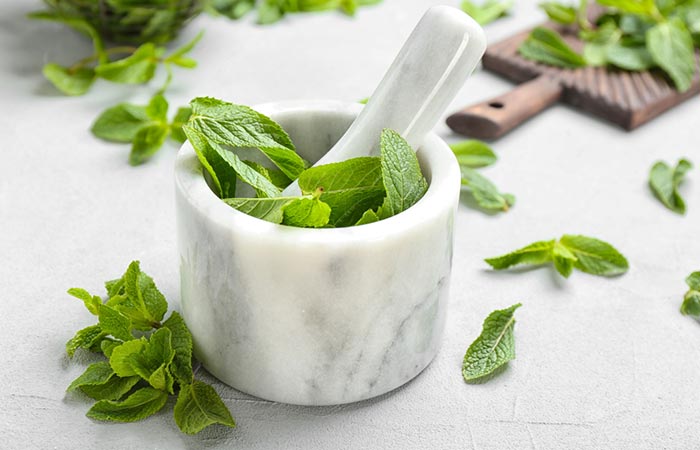
Bruise and mash up the mint with a mortar and pestle to release the essential oils.
Stir everything together.
Apply it all to your face.
Leave the mask on for 10 to 20 minutes.
Disclaimer: This article is completely based on research, experiments and data available on the internet. However, it is always advised to consult a dermatologist before following any remedy or making changes in your regime.
If you are looking for the ultimate home remedy to keep your skin hydrated and glowing, we have a solution. Try milk and honey. The DIY milk and honey mask benefit your skin in numerous ways.
Scroll through this article to understand how they may help and learn ways to use milk and honey to keep your skin happy.
Advertisements
Milk And Honey for Face: What Are the Benefits?
Milk and honey can have age-defying effects on your skin. According to the legend, Cleopatra used to bathe in milk every day to keep her skin young, radiant, and clear. This combination can have certain benefits as stated below:
Advertisements
Help Moisturize Your Skin
Lactic acid is one of the naturals AHA (alpha-hydroxy acids) found in sour milk that acts as an excellent moisturizer. It is a part of the natural moisturizing complex of your skin (1). Honey is an emollient and a humectant that can bind moisture to your skin and keep it soft and moisturized (2). For these very reasons, most skincare products use milk and honey in their formulas.
Advertisements
Milk Keeps the Skin Firm and Smooth
A study found that 12% of topical lactic acid can help improve skin appearance by reducing fine lines and wrinkles. It also makes the skin firm and smooth (3). Milk has a mild exfoliating effect. Applying it to your face can have similar results.
Honey Maintains Skin pH
Maintaining skin pH is crucial to prevent breakouts and rashes. An imbalance in skin pH disturbs the natural barrier of your skin. This can lead to skin irritation. Honey helps regulate skin pH levels (2).
Honey Can Heal Wounds
Honey’s antimicrobial properties and methylglyoxal (one of the active compounds) can help heal your wounds effectively. It is also suitable for healing burn wounds and other skin issues such as psoriasis, dandruff, diaper rash, seborrhea, and tinea (2).
Honey Treats Acne
A study found that applying honey to acne lesions can promote faster healing. Honey can also inhibit the growth of both P. acnes and S. aureus bacteria (4).
Both milk and honey have a lot to offer to your skin. In the next section, we will explore the different ways you can use this combination on your face.
Advertisements
How To Use Milk and Honey on Face
1. Milk and Honey as a Face Wash
Both honey and milk can moisturize the skin and inhibit acne-causing bacteria. This way, they can help keep your facial skin healthy and clear.
You Will Need
1 tablespoon of raw honey (you may use Manuka honey)
2 tablespoons of milk
1 bowl
1 cotton pad
Method
Mix the two ingredients in the bowl till you achieve a cream-like consistency.
Dip the cotton pad into the mixture and apply it to your face in circular motions.
Let the mixture sit on your face for 10 minutes.
Wash your face with cool water and massage gently.
You may follow up with a gentle cleanser if desired.
Pat your skin dry and follow up with a toner and a moisturizer.
Advertisements
2. Milk and Honey as a Face Mask
This face mask helps soothe your skin. Both the ingredients have moisturizing properties, making this face mask especially beneficial for dry skin. However, the mask is suitable for all skin types.
You Will Need
1 tablespoon of raw Honey
1 tablespoon of milk
1 microwave-safe bowl
Method
Mix the honey and milk in the bowl until you have a thick consistency.
Put the bowl into the microwave and heat for a few seconds. Ensure the mixture is warm to the touch and not too hot.
Use a brush (or your fingers) to spread the mask on your skin.
Let the mask stay for at least 15 minutes.
Wash your face with cool water. You may use a gentle cleanser as well.
Follow up with a toner and a moisturizer.
Advertisements
3. Milk and Honey as a Scrub
Oats, Fuller’s earth and ground almonds have a coarse texture. These work excellently well in exfoliating your skin without causing damage. The milk and honey in the scrub keep your skin hydrated.
You Will Need
1 teaspoon of raw honey
1 teaspoon of milk
1 tablespoon of ground oats/Fuller’s earth/ground almonds
1 bowl
Note: If you have sensitive skin, use oats. If you have oily skin, use Fuller’s earth. If you have normal skin, you may use any of the three options.
Method
Mix the milk and honey in the bowl.
Add ground oats or Fuller’s earth or ground almonds.
Adjust the quantity of milk (especially if you are using Fuller’s earth) to get a desired paste-like consistency.
Apply the mixture to your face and gently massage, avoiding the area around your eyes.
After massaging for 5 minutes, wash with cool water.
Pat your skin dry and follow up with a toner and a moisturizer.
Advertisements
These are some effective ways to use milk and honey for improving your skin health. If you already use DIY face masks, you can try introducing this combination as well. However, before using honey, do a patch test to check for any allergies. Raw honey may contain pollen and can cause allergic reactions in some individuals.
Frequently AskedQuestions
Q:Is it good to drink milk with honey?
A: Yes, drinking milk with honey could promote health. The best way to do so is to let the milk cool down and then add honey to it. Ayurveda doesn’t recommend consuming warm honey (mixed in any warm beverage or food) as it is considered to harm health. However, studies in this regard are inconclusive.
Q: How long should I leave milk on my face?
A: You may leave milk on your face for 5-10 minutes.
Q: Can milk and honey be applied to the whole body?
A: Yes, you can apply the combination to your whole body. You may prepare a bathtub-soak with honey and milk. Soak in it for 15-20 minutes.
Advertisements
Sources
Articles on BeautyLeeBar are backed by verified information from peer-reviewed and academic research papers, reputed organizations, research institutions, and medical associations to ensure accuracy and relevance. Check out our editorial policy for further details.
Come winter, and all those skin issues start peeping out again. Don’t you think your skin needs to be prepared for winter’s arrival? That is why you need to incorporate rose water for dry skin in your skincare regimen. Yes, to prepare your skin to face the harsh winter, you need to give it extra care and protection.
Your skin hydration plays a crucial role in achieving fresh and healthy skin. If you have dry skin, you need to be extra careful with the products you choose and how you care for your skin. A balanced skincare routine is all you need to be tension-free during the winter. Wondering how to use rose water for your dry skin? Well, we can help you. This article discusses the benefits of rose water and how you can use it. Keep reading.
Advertisements
Is Rose Water Good for Dry Skin?
Rosewater by itself is not going to do wonders for your skin, but in combination with other moisturizing ingredients, it helps keep your skin feeling hydrated for longer while also improving its texture. The reason this fragrant liquid suits dry skin is because of how efficiently it refines your pores without drying your skin out. Rosewater is usually used as an additive in skin care treatments. It can be used by itself as a toner or in combination with other moisturizing ingredients for dry skin. Here, I’ve put together 4 rose water treatments that are keeping my skin feeling great this winter.
Advertisements
1. Rose Water for Dry Skin
You Will Need
1 tbsp pure rose water
Cotton pad
Towel
Facial cleanser
Moisturizer
Prep Time
2 minutes
Treatment Time
5 minutes
Method
Wash your face with a facial cleanser and pat dry.
Saturate a cotton pad with the rose water and dab it onto your face.
Let it dry.
Once dry, moisturize your face.
Advertisements
How Often?
Twice a day.
Why This Works
Cleansing, toning, and moisturizing your face is an essential part of any skincare routine. This rose water toner, unlike most toners available on the market, is extremely gentle on your skin. It helps get rid of residual dirt and grime without drying out your skin. It leaves your skin feeling fresh and hydrated.
Advertisements
2. Glycerin, Lemon, And Rose Water for Dry Skin
You Will Need
3 tbsp glycerin
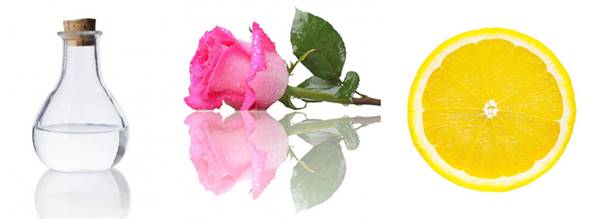
3 tbsp pure rose water
1 tsp lemon juice
Clean bottle for storage
Facial cleanser
Towel
Prep Time
2 minutes
Treatment Time
2 minutes
Method
Combine the glycerin, rose water, and lemon juice and pour the mixture into a clean bottle so that it can be stored. (Store the mixture in your refrigerator.)
Take a coin-sized amount of the mixture and apply this to your face and neck.
Ensure that your hands are clean during application.
Gently massage your skin in circular motions until the lotion is completely absorbed.
Advertisements
How Often?
Every night.
Why This Works
Glycerin helps hydrate your face and leaves your skin feeling extremely supple. The ingredient is easily absorbed and provides your skin with non-greasy, long-lasting hydration. Lemon, on the other hand, gives your skin a vitamin C boost and also helps fade any marks or scars with its bleaching properties.
Advertisements
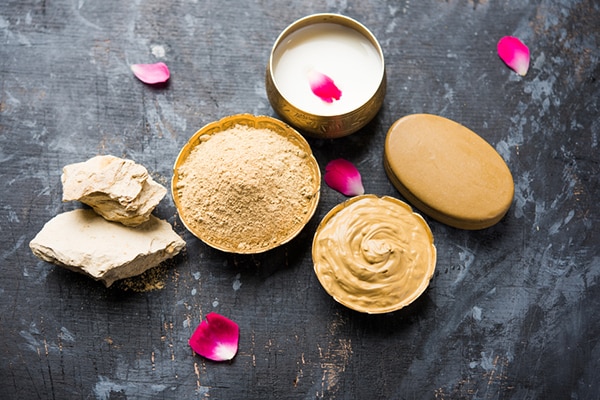
3. Multani Mitti, Milk, And Rose Water for Dry Skin
You Will Need
2 tbsp Multani mitti
1 tbsp milk
1 tbsp pure rose water
Facial cleanser
Towel
Prep Time
2 minutes
Treatment Time
20 minutes
Method
Wash your face with a facial cleanser and pat dry.
Combine the Multani mitti, milk, and rose water until you get a smooth paste.
Apply this paste onto your face.
Wait for 20 minutes and then proceed to wash the mixture off of your face with cool water.
Advertisements
How Often?
1-2 times a week.
Why This Works
While Multani mitti is generally used to treat oily skin, this face mask contains the goodness of milk and rose water to help treat dryness. Milk contains lactic acid, which helps soften your skin while fading blemishes. The mask helps exfoliate, nourish, and soften your skin.
Advertisements
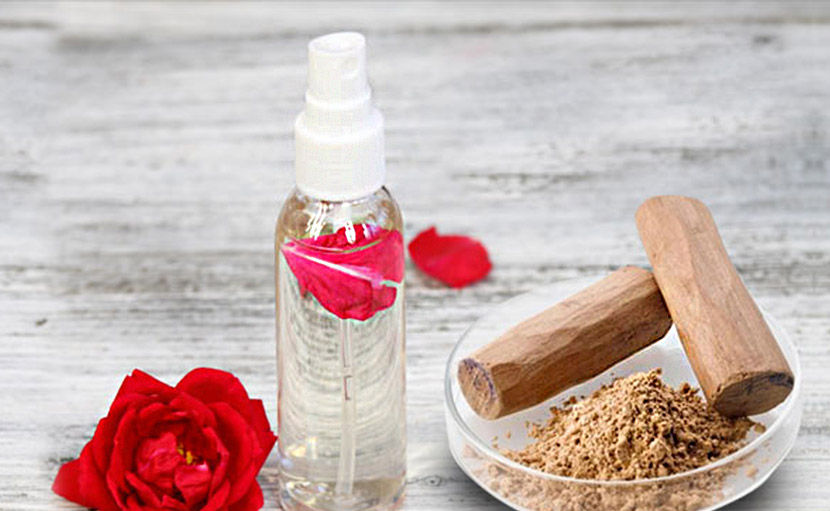
4. Sandalwood and Rose Water for Dry Skin
You Will Need
1 tbsp sandalwood powder
½ tsp coconut oil
½ tsp almond oil
1 tsp pure rose water
Facial cleanser
Towel
Prep Time
2 minutes
Treatment Time
20 minutes
Method
Wash your face with a facial cleanser and pat dry.
Combine the sandalwood powder, oils, and rose water until you get a smooth paste.
Apply this mixture onto your face as you would a face pack.
Leave it on for 20 minutes or until it is completely dry.
Wash your face with cool water and pat dry.
Advertisements
How Often?
1-2 times a week.
Why This Works
Sandalwood helps mildly exfoliate your skin while nourishing it. When combined with the oils and rose water, it creates an excellent face pack for intense hydration. This face pack will help nourish your skin and get rid of dryness.
Rosewater is an amazing ingredient to incorporate into your skincare routine. With that said, I cannot stress enough how important it is to have a balanced skincare routine that varies according to skin type and changes according to the weather. Have you ever used rose water for your skin? Tell us about your experience in the comments section below.
How To Add Rosewater into Your Skincare + The Benefits
Acne can affect people of all ages at any point in their lives. Some adults need years to clear up acne completely. Unfortunately, getting rid of painful pimples and blackheads isn’t the end of the battle.
Many people have to deal with acne scars and marks. As you can understand, they don’t go away so easily when untreated.
Advertisements
There is some good news, though! First of all, it’s never too late to start taking care of your skin and get rid of dark spots and acne scars. Secondly, the whole process shouldn’t take longer than three months if you do everything right.
If you are ready to start, here is what you need to know about treating your skin after acne:
If you only have minor acne scars and dark spots, you should try some home remedies. It goes without saying that before you start any treatment, you need to consult a dermatologist. Some remedies listed below might not be suitable for your skin type.
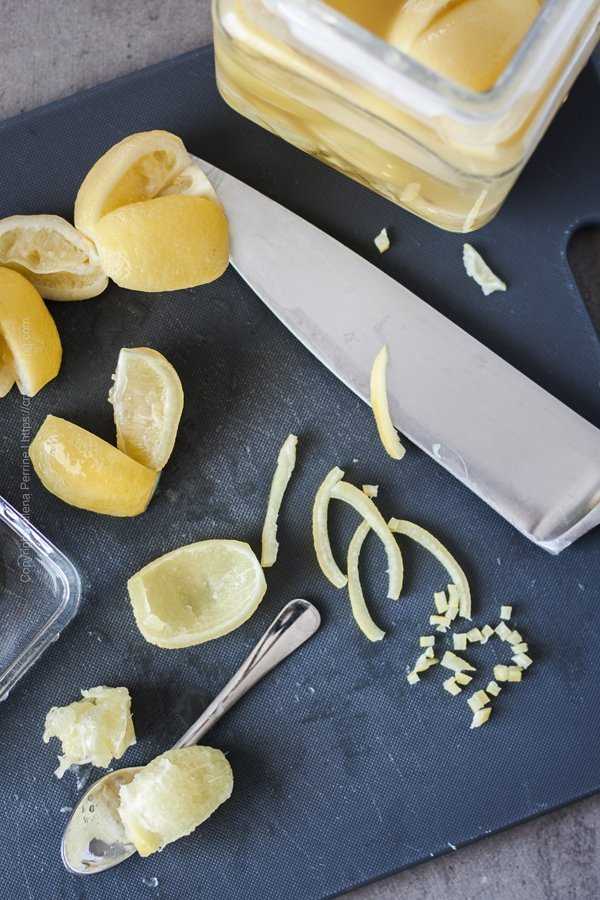
LEMON JUICE
Lemon juice can help you solve the problem of dark spots, but only if you use it once in a while. Regular usage of lemon juice might lead to a painful chemical burn. Also, there is no research that proves that lemon juice can help get rid of old scars.
If you want to try it out, follow safety guidelines. First of all, mix lemon juice with another ingredient such as yogurt, honey, or oatmeal. Secondly, don’t keep it on your face for too long; five minutes would be enough. It’s important to stay out of the sun the day you apply the mixture.
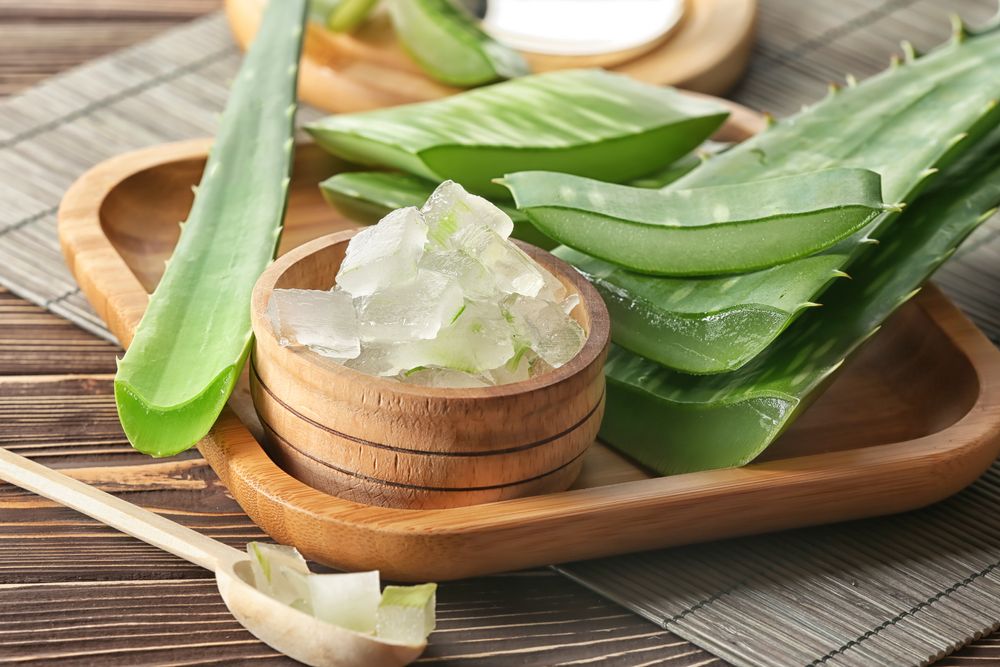
ALOE VERA
Some studies have shown that aloesin (a compound in aloe vera) can help lighten pigmentation. Aloe vera is safe and effective when used at home. According to PrimalHarvest.com, it can reduce inflammation, increase collagen production, and boost immune response.
Usually, people apply pure aloe vera directly onto the skin. But, you can mix it with honey and lemon juice, or buy a beauty product that contains aloesin.
If you want to incorporate pure aloe vera into your beauty routine, there is nothing to be afraid of since this natural component doesn’t cause side effects.
Using aloe vera won’t help you get rid of acne scars completely, but it will hydrate your skin and fade dark spots.
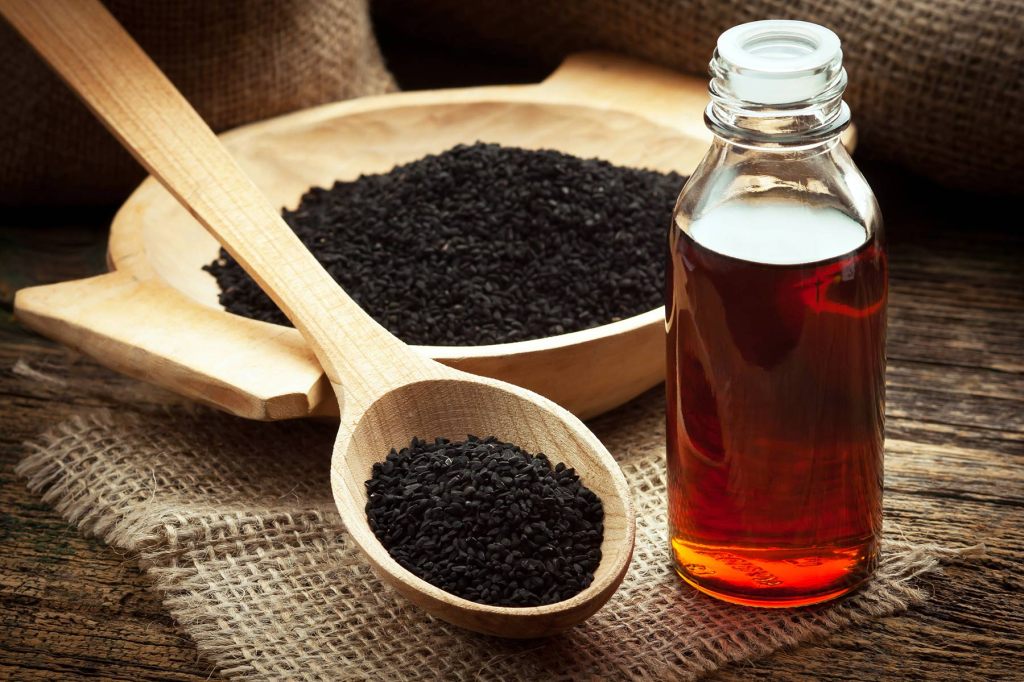
BLACK SEED OIL
Black seed oil, also known as Nigella sativa, has antiviral and antibacterial properties and can help reduce inflammation as well as make your scars less visible.
Moreover, this natural component can nourish your skin and slow the signs of aging thanks to Vitamin A and amino acids. It’s also worth mentioning that black seed oil can also be beneficial for patients with eczema and psoriasis.
Feel free to apply it on your skin. Test this natural ingredient on a small area of your skin to make sure it doesn’t cause irritation or experience any allergic reactions.
Advertisements
In-Office Treatment for Acne Scars
If you want to see results faster, consider in-office treatments for acne scars. Before you choose any of these treatments, make sure you don’t have any active acne. It’s important to find a reliable provider who will also give recommendations on how to treat your skin after the procedure.
Advertisements
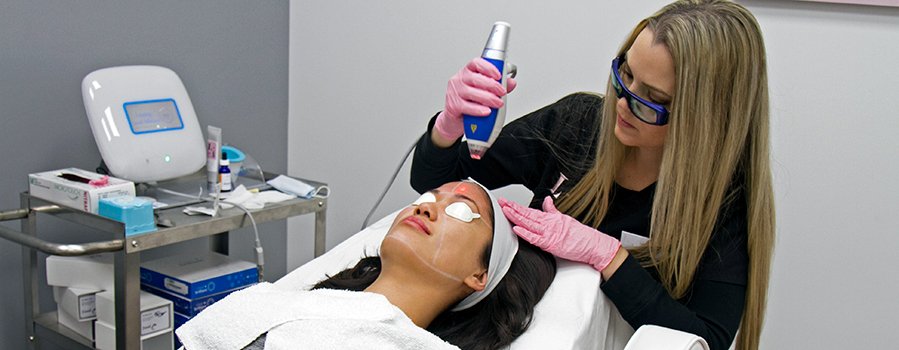
LASER TREATMENT
Laser treatment is one of the easiest ways to reduce the appearance of acne scars on your face, back, neck, upper torso, and arms.
Only your dermatologist can decide whether you are ready for this procedure.
If you are the right candidate for laser treatment, plan for unexpected finances. A single procedure of laser skin resurfacing can cost about $500 per session. You should also take into account the number of procedures you will need as it’s impossible to treat all scars in one sitting.
Advertisements
During the procedure, a doctor will remove the top layer of your skin with a laser. It might sound a bit scary, but there is nothing to worry about. You will not feel any pain after two hours. The only side effect is redness; it can take up to two weeks for it to subside.
Your provider will give you instructions on how to prepare for laser treatment. Two weeks prior to the procedure, you will have to quit smoking and stop using skincare products that contain retinol.
After the procedure, your scars will be less visible, and your skin will become smoother. It’s important to mention that this procedure will not help you get soft baby skin right away, and it will take time for your acne scars to disappear completely with proper care.
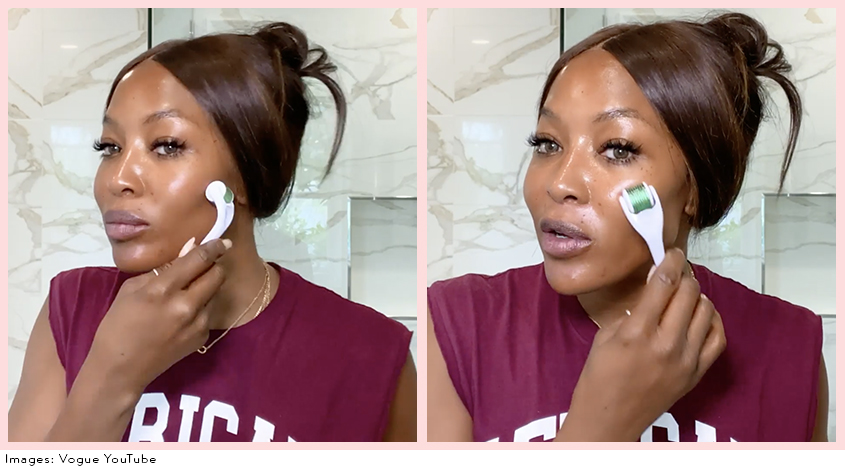
MICRONEEDLING
Skin needling can help you get rid of acne scars and the first signs of aging. The science behind the procedure is simple — skin produces more collagen during the skin pricking process. Extra collagen helps increase blood flow, improve skin elasticity and texture. Micro-needling is recommended for patients with depressed acne scars.
After the procedure, you might notice some side effects such as inflammation, redness, and bruising. If you drink a lot of water, protect your skin from the sun, and follow your doctor’s recommendations, side effects will go away within a few days.
Micro-needling could also be used for sun damage, hair loss, surgical scars, and stretch marks.
One session costs around $600. Keep in mind that you might need more than one session in order to see the first results. Choose your provider carefully — only professional dermatologists can perform this procedure.
CHEMICAL PEEL
If you want to see the results faster, consider trying chemical peels. You can rejuvenate your skin by removing the top layer of your skin with this procedure. A chemical peel is also recommended in case of active acne and clogged pores.
The only challenge is to find the right type of chemical peel.
At-home chemical peels can help you get rid of fading dark spots. If you have pitted acne scars, it’s better to consult a dermatologist before you try anything on your own.
Use glycolic, lactic, salicylic, phytic, mandelic acids for at-home chemical peels. These acids are good for all skin types. Stay away from peels that contain TCA (trichloroacetic acid) since it can damage your skin if used incorrectly. Before and after the procedure, you should avoid using acne-clearing products and Retin-A.
If you do a peel without expert supervision, the results might not meet your expectations. Also, at-home peels are weaker than the ones used at the doctor’s office. An effective deep peel will require throughout skin cleansing and general anesthesia. You might need to have a chemical peel once every 4-6 weeks. But, again that depends on everything so do your research and talk to your trusted dermatologist.
Advertisements
The Bottom Line
Getting rid of acne is just the first step. To win the final battle, you need to remove acne scars and dark spots. Even though it’s never too late to start this process, the earlier, the better, as getting rid of old scars can be more complicated.
Consult a dermatologist to find the best treatment for your skin. They may recommend chemical peel, microneedling, or laser treatment. You can also try different home remedies such as aloe vera, lemon juice, or black seed oil.
Remember, it is possible to get clear, smooth skin. You are halfway there! Find the right option for your skin now and enjoy the results!








 beautyleebar.org