
How to Handle Things THE SECOND YOU’RE TRIGGERED

None of us is above being triggered. Even the most evolved person in the room—someone with a healthy, trained mindset—will struggle from time to time. We all have moments when we’re tired, we’re drained, and our batteries are running low. And it’s at times like these when we’re most open to being triggered.

Everything goes wrong one day, and suddenly we can fall victim to our situations. Someone says something that doesn’t sit right with us and we get defensive, or vice versa. When we’re triggered, we tend to react as if everything we’re feeling in that moment is the unequivocal truth. In actuality, it’s usually just our one-sided perception of the story, and it’s driven by past hurts.

And so begins our downfall.

Advertisements

Adding fuel to the fire

The second someone feels triggered, their defenses go up. And the reaction will often create an equally defensive reaction in whoever else is involved. It’s like a chain reaction.

When somebody feels like they’ve been made into the bad guy in a situation, they’ll naturally want to defend themselves and justify their actions. During tense moments, those reasons are often at each other’s expense. We say, “You made me so mad,” pushing that discomfort onto them. But they fight back with “Well, I wouldn’t have said that if…,” getting defensive themselves. It’s a deflection of guilt or upset, and we begin the blame and justification dance that has no winners and often leaves all parties feeling sore.

When both parties are triggered and defensive, neither is dealing with the truth of the moment. Neither is accepting the role they may or may not have played. Perhaps nobody did anything wrong, but defensiveness has certainly escalated matters. And now both sides are fighting completely different fights based on differing views of the same situation, and no one is dealing with what’s going on at the moment. Which is that both sides are dealing with some past sore point.

We react like the complaint now is the truth—when we’re just triggered by an emotional echo. Whether one person feels triggered or both people do, we fall victim to our reactions, focusing on the often minor current issue. Both add fuel to the fire, and nobody wins. Before we know it, two people who love each other have just fallen out over something utterly trivial.

Advertisements

Everything links back

In these instances, the exact details of why we became triggered in the first place are largely irrelevant. The point is that, even though a real comment or action might have triggered us, our reaction isn’t about the actual situation at hand.

Advertisements

We’re only ever triggered by the past, and our triggers will always stem back to something from our childhood. For the first 20 years of our life, life happens to us. Then, we spend the rest of it dealing with what happened to us.

But if we’re not aware of this—and neither is the other party—how can we find a resolution? We aren’t walking in each other’s shoes. We can’t know exactly where they’re coming from. We’re two people with different pain points and perspectives. It’s like a conversation where both parties are speaking different languages and wondering why no one is making any sense.

Advertisements

Learning to let go

What has us stuck in these triggered moments is running over things again and again. We’re trapped trying to make sense of truth in the present moment that simply doesn’t exist there but in our past.

So, to move past this, we need to work on our awareness and try to catch ourselves. If someone is consistently talking over us or not listening and it triggers us, we should ask ourselves, who first did this to us? Was it a parent? Or a sibling? When did we first not feel heard or respected in conversations? If we can look back and grow our awareness of what we need at the moment, we can explain to someone what triggers us now, what our sore point is, and what we need to help us feel heard and understood.

Also, it’s worth knowing we will often put ourselves around people who will repeat behaviors we didn’t like when we were younger, so we can continue working out how to handle it and grow past it. This is a subconscious choice, but one we all make. Ever noticed someone dealing with the same things again and again, like repeating the type of significant other they go for? The more we engage with the tense, defensive moments today, the more we are buying into them being real and about us now. They aren’t about now.

Instead, we want to notice the moments when we’re triggered. Or when we might be triggering someone else. It’s no easy feat. It’s an ongoing exercise in strengthening our awareness and ability to detach from what is here, to see what is going on there in our minds and our past. And the more we practice this, the more evolved we become, the more we strengthen this muscle, and the quicker we will let these moments go when they arise.


Advertisements

Are You Low Key AUTOSEXUAL?

Are you autosexual? The short answer is yes, most likely. We all are, at least a little. Casey Tanner, therapist, writer, and founder of QueerSexTherapy, helped us define autosexuality as “a trait wherein one is turned on by engaging in their eroticism.” In other simpler term, it means that you have an emotional and sexual attraction to yourself. So, to be autosexual, you have a sexual desire for yourself, being erotically aroused by your own physical being. A prime example of this is simply women in general. While it may not be accurate for everyone, we generally feel more sexual and turned on when we feel we are sexy. But it’s not just about the ladies.

Advertisements

“ While masturbation is the most obvious example, autosexuality (or autoromantic ) may extend beyond sexual behavior to include feeling a longing or desire for oneself. It can also be the ability to turn oneself on through looking at, visualizing, touching, or smelling oneself.

Simply put, being autosexual is feeling a sexual attraction toward yourself, like sex and relationship expert Carmel Jones explains. The term is often also brought up with “autoromantic,” which refers to a romantic attraction to yourself, whereas “autosexual” is just the sexual component.

Advertisements

Tanner tells us that “like most human characteristics, autosexuality is a spectrum—and the majority of us are on it! Some may identify as exclusively autosexual, in which case they might consider autosexuality their sexual orientation. Most people, however, incorporate autosexuality into a larger sexual repertoire that also includes being turned on by partnered sex.”

Advertisements

If you have someone in your life who identifies as autosexual, don’t dismiss them or think of autosexuality under the umbrella of narcissism or selfishness, Jones says. Instead, acknowledge the validity of their sexual identity.

For partners, remember that their autosexuality is not an insult or attack against you. It doesn’t mean they are not sexually attracted to you or don’t want to have sex with you, Jones says, but instead that you may need to keep an open mind and understand that your sexual relationship with an autosexual partner may look a little different from what you’re used to and your ways of pleasuring each other may also be a little different.

Advertisements

This might mean wearing sexy lingerie, even if your partner hardly gives it a second glance. It could mean doing your hair and makeup so that you feel good and turned on, even when you’ve been in a long-term monogamous relationship and the other party hardly notices. It could mean washing lovingly in the bath and genuinely enjoying your body. It could mean dancing in the mirror in a cute outfit. If feeling sexy independent of someone else has ever turned you on, that’s autosexuality, and it’s normal.

Like all things, it’s on a spectrum, as White explains. You can be in a romantic relationship with someone else but still find it easier to be turned on with yourself, she adds. You might also have sexual feelings triggered by thoughts, images, or sexual fantasies involving yourself. Or you might feel naturally turned on by looking at yourself in the mirror or fantasizing about yourself naked.

If you enjoy watching yourself have sex or are attracted to people who look like you, those could also be signs you’re autosexual, according to Jones.

Advertisements

Autosexuality is often associated with narcissism, but experts agree that’s not an accurate way of thinking about autosexuality. “This is not the same as narcissistic personality disorder, as narcissists require admiration and attention from others and lack empathy,” White explains. Instead, “ people who identify as autosexual are able to have relationships with others but have a preference for sex with themselves.”

” Many folks resist autosexuality, fearing that it’s narcissistic or might detract from partnered sex. In reality, autosexuality can be a healthy, even valuable part of your sex life, explains Megwyn White, director of education for Satisfyer. Embrace loving yourself! Embrace turning yourself on!

Advertisements

When we know how to turn ourselves on, we depend less on environmental cues to move us into a sensual headspace. When we look at or fantasize about ourselves, we are in touch with our bodies and senses. Getting turned on by oneself does not mean you think you’re better than other people, that you’re selfish, or that you’re not attracted to your partner(s). Rather, it’s one additional tool in your box for sparking desire and passion.

It takes us into a comfortable, relaxed space when we find our sexuality to be attractive. We are sensual beings, so depending on our sensuality instead of relying solely on others to turn us on has profound power. It takes the pressure off of partnered sex, and it brings so much pleasure to our time, ehem, alone. Wherever you land on the spectrum of autosexuality, none of it is wrong. Enjoy yourself, literally.

Need more info, Health got ya! Click here to get more details on autosexuality. Web MD is another great source to visit.

SHOPE THE SELF-LOVE ESSENTIALS:

Mage – Finger Hood Design Sucking Vibrator, $25.99 $29.99

The clitoral stimulator is designed to simulate realistic oral pleasure, sucks and vibrates the clitoris or nipples with 7 different modes from gentle to wild, let you have the new climax experience. This clitoral sex toy is made of medical-grade silicone, which hygienic and odorless. This silky-touch clit sucker would bring more comfort to your private parts.

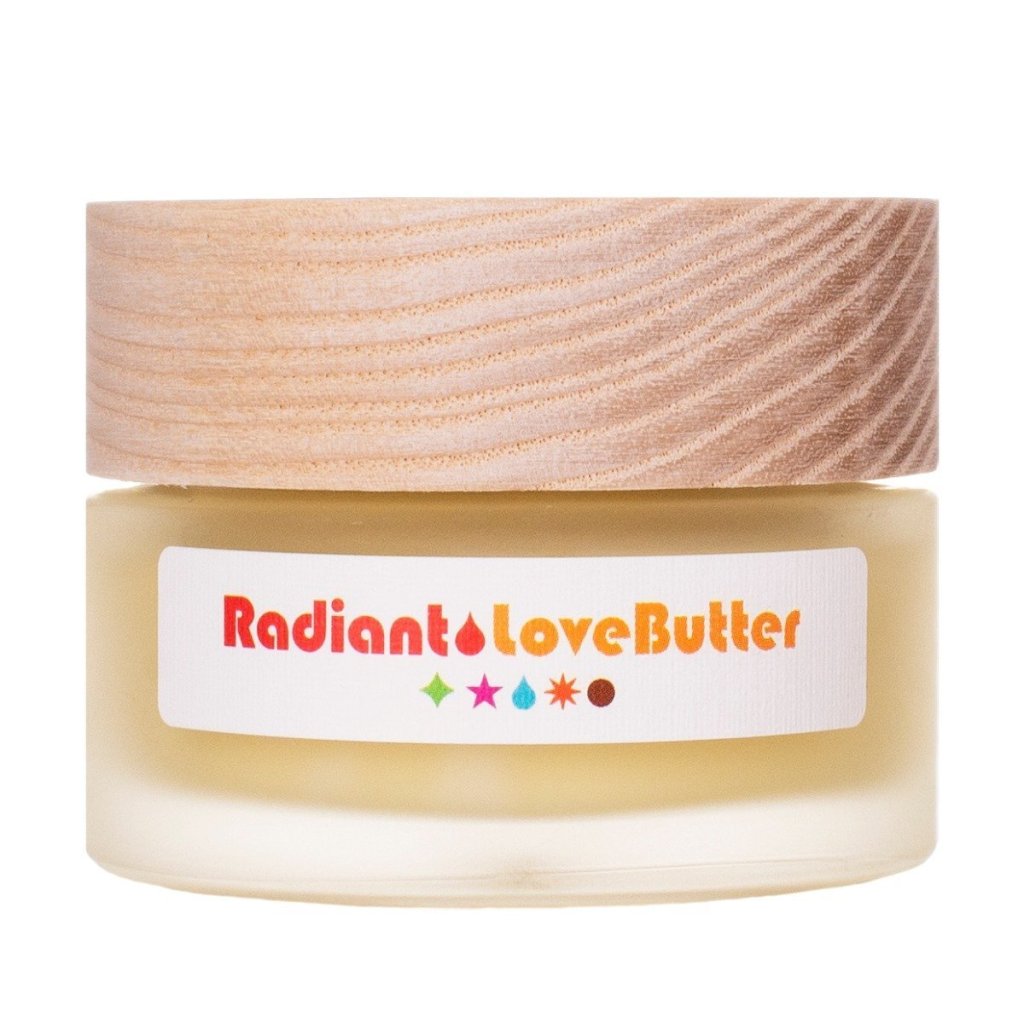
Radiant Love Butter, $59.04 $72.00

Radiant Love Butter is a succulent massage crème that infuses skin with silky desire as it glides and slides all over body, hips and lips. Melt into your pleasurable paradise as this tasty vanilla-cinnamon-coconut-cacao treat melts deep into your supple skin.

Advertisements

The content provided in this article is provided for information purposes only and is not a substitute for professional advice and consultation, including professional medical advice and consultation; it is provided with the understanding that BeautyLeeBar, LLC (“Hello Beauties”) is not engaged in the provision or rendering of medical advice or services. You understand and agree that BeautyLeeBar shall not be liable for any claim, loss, or damage arising out of the use of, or reliance upon any content or information in the article.

Advertisements


Understanding Our FIGHT-OR-FLIGHT RESPONSES

Do you feel like anxiety runs point in your day? Do you wonder what in the world is going on with you that you have these stressed-out reactions that feel disproportionate to the reality of what’s at hand?

Advertisements

The truth is that your reactions can get triggered in response to a real or imagined event. The part of you that overrides reality and kicks up a sometimes-surprising physical response does not know the difference between what’s actually taking place and what’s not real. That can be baffling because it can make you do things that don’t make sense. And no one likes to be the foolio or feel hijacked by their fight-or-flight response.

Let’s discuss: say you’re at a campground with friends, and you hear a loud noise that scares you. You then find you’ve hightailed it across the campground into your tent before you’ve had time to even sort through if that noise is actually a real and present danger. Stay with me—here’s what has happened. Your subconscious mind hijacked your conscious mind (the part that feels like you). You heard the noise. Your subconscious, which stores all your memories, downloaded a memory of a threat (i.e. a bear growl) that it had stored in its complex hard drive; your imagination envisioned a bear in your immediate environment. It then sent a message to your autonomic nervous system, which houses all hormones (like adrenaline, which makes you move fast), your senses became hyper-alert, and your heart rate increased—all for your survival. Before you could check to see if there indeed was a bear about to eat you, your body drove you to seek safety—all in seconds. But then what if your friends, while you were cowering, began to laugh at your folly, as one of them had merely opened the zipper on their bag, and that was the sound your subconscious deemed dangerous that caused you to run for shelter? It would undoubtedly feel like a bodily betrayal.

Advertisements

But you have to give thanks for the fight-or-flight response, because it has literally kept humankind alive for thousands of years of evolution as a species. It’s not as necessary day to day now because we aren’t being hunted by lions as we once were. We aren’t always fighting for our survival, and yet, our body still gets flooded with messages to flee or fight back. Makes you question how often you have automatically reacted in that irrational mode because of an unconscious download, then responded in kind, with an over-the-top, inappropriate response because you felt threatened—and that wasn’t actually the case. Anxiety disorders come into focus when that response becomes triggered easily and often, and the brain learns to perceive the world as more dangerous than it actually is. It becomes the norm, and that’s taxing on your whole system and your quality of life.

The more you can realize when the fight-or-flight is happening, the more you can be present with the reality of what’s truly unfolding. You can then allow your life to be directed by responding instead of reacting to daily events that pose no real threat. You start to see where your anxiety has you by the nose, where you consistently allow yourself to fly off the handle to attack, defend, or find yourself running from conflict. All are good indicators that these are areas where you can work on being more mindful, more present, more conscious. Breathing through automatic responses of fight-or-flight to stabilize your anxiety levels is helpful. It allows you to feel more in control and, ultimately, happier as a result. And your flight-or-flight response can show up for you in instances where it’s actually useful, when there’s a real need for its gift.

HAPPY PEOPLE Do These 10 Things Differently

It’s more than normal to have some “happier” days than others, especially given everything going on in 2020. To help create big positive energy in everyday life, we’re taking a look at the habits genuinely happy people typically have in common. With the help of these practices and our simple self-care hacks, here’s to the power of self-soothing tips to get us through hectic times and land on the happier side. Learn the 10 things that happy people do differently below.

1. Happy people practice gratitude.

Having an attitude of gratitude is one of the most popular habits among the happy because it works. When you’re constantly noticing all the blessings and awesomeness in your life, it is physically impossible to be unhappy. Seeing the world through thankful eyes skews your perception toward positivity. 

What you can do today:

Keep a gratitude journal. I did this when I changed my life, and it seriously made all the difference.

2. Happy people put themselves first.

Happy people always put themselves first, so that they can take care of others second. I am talking about self-care. Putting your mental, emotional, physical, and spiritual health first is a must. Being balanced and feeling good about yourself and your life helps. Because when you’re happy, you have so much more to give.

What you can do today:

Do something nice for yourself today. Take care of your own needs.

3. Happy people give.

The fact of the matter is, giving makes us happy. As much as we think (and are taught) that obtaining more is the solution, it’s not. Studies have also shown that people who volunteer have shown better mental health, well-being, and even longevity. You can give your time, your love, and your presence, even if you can’t give money.

What you can do today:

Find a cause that you care about and learn how to get involved or support it.

4. Happy people stay inspired and have fun.

Happy people make it a point to have fun on a regular basis and do things that help them grow and learn. To them, having fun is not a lost ar—it’s part of the daily happiness upkeep. It’s important to experience and see new things, since it helps us stay inspired and excited.

What you can do today:

Do something thrilling today. Try a new activity, have a picnic, go on a day trip somewhere cool, or visit the zoo (animals always inspire).

Advertisements

5. Happy people stay present.

Happy people do their best to stay present as much of the time as possible. Think about it: if you’re living in the future, you’re probably anxious, and if you’re living in the past, you’re probably depressed. Which leaves the present as the one and only moment any of us really need to pay any attention to. That’s why happy people practice mindfulness, the art of staying present.

What you can do today:

Take a meditation or yoga class.

6. Happy people develop healthy coping strategies. 

Happy people encounter stressful life adversities, but they have developed successful coping strategies. Learning how to seek lessons after a challenging event gives people a renewed appreciation for life, the ability to recognize new paths for themselves, enhanced personal strength, and improved relationships with others. Happy people become skilled at seeing the good that might come from challenging times.

What you can do today:

Try reframing.

7. Happy people focus on health. 

Happy people take care of their mind and body and manage their stress. Focusing on health, though, doesn’t just mean exercising. Happy people actually act like happy people. They smile, are engaged, and bring an optimal level of energy and enthusiasm to what they do.

What you can do today:

Take a walk, run, bike ride, or read a book.

Advertisements

8. Happy people cultivate emotional awareness.

There is a growing body of science suggesting that emotionally aware people are happier, healthier, and recover more quickly from traumatic events because they understand what they are feeling. 

What you can do today:

Journal your highs and lows every day.

9. Happy people don’t dwell on problems. 

Where you focus your attention determines your emotional state. By fixating on your problems, you create and prolong negative emotions and stress, which hinder performance. Focus on actions to better yourself and your circumstances. 

What you can do today:

Reframe any situation with a positive ending.

10. Happy people finish what they start.  

Coming up with a great idea means absolutely nothing if you don’t execute on that idea. The most successful and happy people bring their ideas to fruition. 

What you can do today:

Create a step-by-step plan for your goals.

Advertisements

BEAUTYLEEBAR EDIT:

INTELLIGENT CHANGE

The Five-Minute Journal

US $24.95

PRODUCT DETAILS

We repeat: five-minute! Journaling can be a hard habit to keep, but this one—which leads the entrant to start and end each day with gratitude—is a joy to use and honors its promise. It’s a direct route to an uptick in happiness, optimism, and improved relationships, and the easiest way to finally keep that New Year’s resolution.

  • 268 pages