If there is a celeb who throughout her career has taught us her healthy and balanced lifestyle, it is Kate Hudson, so we could not resist compiling some of her smoothies to be able to recreate them from our kitchen and enjoy all their benefits and flavors.
There have been many times when Kate has talked about her love of yoga, and pilates. Her lifestyle is solely fitness, and she even has her sportswear brand. She is also a staunch advocate of organic and healthy food, sharing tips and recipes with a balanced approach and the importance of maintaining a diet rich in natural and nutritious foods.
In addition to caring for her body, Kate also focuses on her mental well-being. She has shared her interest in meditation and mindfulness as tools for maintaining mental and emotional health, so it’s no surprise that it’s a source of inspiration for many of us. That’s why we decided to recreate some of their smoothies.
Advertisements
Here are Kate Hudson’s smoothies that are packed with nutrients and antioxidants:
Choco-Maca Banana
For this smoothie we will need:
6/<> banana: Not only will it give your smoothie an incredible texture but it will also provide essential nutrients, such as potassium, vitamin C, vitamin B<>, fiber and antioxidants.
1 teaspoon of maca powder: this smoothie is ideal for the mornings as maca is an energy and physical endurance enhancer.
1 tablespoon MCT oil: Like maca, it is an efficient source of energy for the body, as it is absorbed and converted into energy quickly.
1 scoop protein: You can add your favorite protein, she adds a chocolate-flavored one.
1/<> cups plant-based milk.
1 handful of ice.
Ginger Berry Bliss
For this smoothie we will need:
1/4 of lemon pulp peeled: lemon pulp will not only leave us with a super glowy and beautiful skin, it will also help us strengthen our immune system as it is an antioxidant rich in vitamin C.
1 peeled ginger: although its flavor is probably not so rich as it is a little spicy, it is super beneficial for us, it helps digestion, cardiovascular health and control our sugar levels.
1/2 cup of frozen blueberries: blueberries will help prevent skin aging and reduce the risk of chronic diseases.
1/2 cup of beets: Beetroot will give us energy, help us with brain function, as well as give your body a detox.
1 scoop of protein: Kate Hudson suggests adding a scoop of vanilla-flavored protein for this smoothie
1/<> cups coconut water
1 handful of ice
Hydrating Green Goodness
What we need to recreate this delicious and refreshing smoothie is:
1/2 frozen cucumber: Cucumber will not only give freshness to our smoothie, it also has many benefits, such as being an incredible source of hydration (believe me, the results are going to be seen on your skin), and they have important nutrients, including vitamin K, vitamin C, potassium, magnesium and fiber
1 frozen celery stick: Celery has antioxidants that support digestive health and has anti-inflammatory properties.
1 handful fresh mint leaves: Peppermint is rich in antioxidants, which help protect the body’s cells
1 scoop of protein: just like in the last smoothie, Kate suggests adding a scoop of vanilla-flavored protein
When your girls’ night out plans finally move out of the group chat and come to fruition, nine times out of ten, they probably involve some version of dinner and drinks. And while that’s a perfectly fine way to spend an evening catching up with your besties, sometimes it is fun to mix things up. We once read that our brains are attracted to novelty, and we are more inclined to have stronger memories of events when they involve trying something new.
Ever since we have been trying to push ourselves out of our comfort zone when it comes to making social plans. It is as simple as trying a new type of cuisine or exploring a different part of town. And at other times, it’s a little more adventurous…like glow-in-the-dark kayaking under the moonlight. Since it’s hard enough to find a date that works for everyone in your friend group, let alone agree on a restaurant, we’ve got you covered with five out-of-the-box ideas for a girls’ night out that are to make memories that stick.
Advertisements
1. Catch an action-packed flick at the theater
Going to the theater to watch a film feels like an outright luxury these days, especially since many of us usually stream movies from our couch. Not to mention, watching movies in a group setting hits differently, whether you’re laughing communally, booing the bad guy, or sitting on the edge of your seats altogether. And honestly, where else do you get the opportunity to eat your weight in butter popcorn and concession stand treats?
If you don’t have a G.N.O. on your cal soon, we suggest adding one ASAP to see “The Marvels” movie, which opens in theaters on November 10. It is the first film in the Marvel comic universe to ever feature a trio of all-female heroes (plus it was directed by a woman). Judging by the trailer, this sequel to “Captain Marvel” has no shortage of high-action superhero sequences and has lots of humor sprinkled throughout. We love the strong and fearless female energy this film gives off and think it would be perfect to see with your girl gang.
2. Try a sip + script class
You’re probably already familiar with the “sip and paint” concept. Well, a “sip and script” class is very similar in that you learn the ancient art form of calligraphy while sipping on tasty cocktails. This company holds calligraphy events nationwide and focuses on teaching you how to letter specific items like envelopes or place cards. Who knows, you may even discover that you have a few hand-lettering queens just waiting to be unleashed in your friend group. And bonus points if any of you happen to be getting married soon because you’ll be able to crowd-source the calligraphy duties for the invitations.
While you might have already gone with friends to see a psychic, chances are you probably haven’t had your auras read yet. And you might even be wondering WTH is an aura? Essentially, it’s the dominant color that surrounds your energy field—aka what kind of vibe you’re giving off. By having yours read, it can help you see if your energy may be misaligned with your overall life goals. In the same way, palm readings and psychic fortunes can open the door to juicy conversations, we can only imagine the memorable topics this might spark among your group post-aura-reading.
Nothing beats indulging in R&R while also catching up with your girlfriends. Many spas or bathhouses have communal areas where you can lounge together, soak in a hot tub, and blissfully sip on flavored water while you whisper and laugh about the latest episode of “Real Housewives.” Sometimes, it’s just nice to enjoy some peace…together. Especially when it involves covering your eyes with cold cucumbers.
Say oui if you love French food but have zero idea how to make it. Even if your friend group is mostly, composed of take-out speed dialers, taking a classic cooking class together can be highly entertaining. Not only can you pick up a few French techniques and recipes that you can recreate in your home kitchen, but you’ll also enjoy the fruits of your labor by feasting on the meal at the end of the class. And if you end up burning the béarnaise sauce, at least you can laugh about your faux pas together.
We love our summer trips andfall vacations, but let’s be honest: The winter months are when you truly need an escape. Now is the perfect time for a pre-holiday weekend getaway, and once January and February hit, we’ll be itching for a little change in scenery. The best part about winter travel is that costs are typically lower, so you can indulge a bit more than you normally would during the peak seasons. Whether you want to embrace the winter weather and après ski, or you’d rather escape to someplace warm, we’ve got you covered with the best winter getaways in the U.S.
Take it from someone who’s pretty much always planning her next vacation: The coming months are going to be *so* much better if you have one of these winter getaways to look forward to. Keep scrolling for our top picks for winter destinations in the U.S., including warm-weather hot spots, snow bunny favorites, and iconic cities that go all out for the holidays.
Advertisements
Best City Vacations
You’ll want to pack your warmer clothes and comfortable shoes for these winter getaways, but you’ll find no shortage of restaurants, bars, and shops to pop into while you’re out and- about exploring. Plus, few things beat the hustle and bustle of these cities during the holiday season.
There’s never a bad time to visit New York City, but the winter months are truly magical. Braving the (even denser than usual) holiday crowds is worth it once you see the city all dressed up in holiday lights, window displays, and festive decorations. Winter is the one time of year we would recommend doing the classic NYC tourist activities: ice skating in Central Park, Bryant Park & Union Square holiday markets, 5th Avenue window displays, The Rockettes at Radio City, and (of course) the Rockefeller Center Christmas tree. If you have time, head up to Lincoln Center and see the NYC Ballet’s Nutcrackerperformance or grab a hot chocolate and stroll through the West Village—the holiday energy cannot be replicated anywhere else.
Don’t think you’ll make it to New York before the holidays? January and February bring lower hotel costs, fewer crowds, and a beautiful (potentially snow-covered) backdrop for a city vacation.
Does the winter make you want to pack up and head to a cottage, à la Cameron Diaz in The Holiday? We can’t promise you’ll find your Jude Law, but we can promise all the small-town charm you’d hope for and more with these picturesque winter getaways.
You’ll feel like you stepped onto the set of a Hallmark movie when you arrive in this quaint community in central Washington. Nestled in the Cascade Mountains, the town is modeled after a traditional Bavarian village, which means it’s the closest you can get to the famed German Christmas markets without leaving the country. Leavenworth goes all out for the holidays with dazzling Christmas decorations and lights decking the entire downtown area from Thanksgiving through February.
With an average of nearly 100 inches of snowfall a year, this picturesque destination is also an ideal playground for all sorts of winter sports, including snowmobiling, snowshoeing, skiing, and good old-fashioned sledding. If you prefer more indoor activities, stroll through the local boutiques to shop for artisanal gifts and handmade crafts, then stop by the Nutcracker Museum to check out the collection of more than 9,000 nutcrackers crafted in over 50 countries. After a day full of activities, grab a beer and some authentic German schnitzel to warm you back up.
Particularly, if you live in New York City, New Paltz is an easy weekend escape that will give you the dose of fresh air and disconnection you’re craving. And for a small town, it’s got a lot to offer. Downtown Main Street has a large selection of shops, cafés, and restaurants, and there are a ton of hiking trails in the area—so pack your warm clothes. If you’re feeling adventurous, start your day with the Lemon Squeeze hike, and follow it with a meal at the Main Street Bistro (just be prepared to wait a bit for a table).
History buffs can take a tour of Huguenot Street for some colonial American history, and film fanatics will want to check out Mohonk Mountain House, a resort and national historical landmark, which is rumored to be the inspiration for The Shining and can be seen more recently in Showtime’s Billions. You could spend your whole trip at this all-inclusive hotel, which has a spa, a heated pool, delicious restaurants, and no shortage of indoor and outdoor activities (including winter weather activities such as ice skating, cross-country skiing, snow tubing, and snowshoeing).
Charleston embodies Southern charm at its finest, and winter is a great time to take it all in. If you visit during the holidays, you can take advantage of the many festivals and markets the city has to offer, including the annual Holiday Festival of Lights, which runs from November 10th through December 31st and features over three miles of sparkling lights, train rides, walking trails, refreshments, and more.
Temperatures can range from low 40s to high 60s during Charleston winters, so make sure you pack for a variety of weather conditions. You’ll want to be comfortable as you walk through the Historic District or shop along King Street. Charleston also has a lot of haunted history, so if you’re already bummed Halloween is over, you’ll be happy to know the city is famous for its ghost tours. For food, don’t skip Leon’s Oyster Shop, Husk, or Little Jack’s Tavern.
Is it the mountains or the après ski calling? Whichever you’re after, these snow-covered towns have something to offer for every type of cold-weather vacationer.
If you’retraveling in a group or with a partner who has different travel preferences, Park City is a perfect destination for compromise. Some can spend their days going up and down the slopes, while others can treat themselves to a little spa luxury and pampering. Afterward, meet up for brewery hopping, exploring, and delicious meals downtown. The public transportation here is great, too, with free trolleys, buses, and shuttles at many of the hotels.
If you plan to ski, you can choose between Deer Valley Resort orPark City Mountain—the first option is for skiing only (except, of course, in the summer when it offers mountain biking trails). Each of the mountains has hundreds of trails, so there’s something for every level of athlete. You might even run into some Olympic skiers on the slopes (or you can head over to the Olympic Park to check out where the athletes themselves train).
Downtown, you’ll find shops, bars, restaurants, and the well-knownHigh West Distillery, where you can book a tour and tasting and have brunch, lunch, or dinner. In terms of spas, Stein Eriksen is a tranquil, indulgent experience, which you can book whether or not you’re a guest.
Stowe is worthy of a spot on your vacation bucket list, even if you don’t ski. The town is packed with charm (and things to do), and it’s an excellent destination for the winter months. Spend your trip skiing (or hanging at the lodge), exploring downtown Stowe, and indulging in some delicious food and craft beer. Vermont has an excellent brewery scene, and Stowe is no exception. The town has a laid-back vibe, so if you’re looking for something glitzy, this isn’t for you.
You don’t necessarily need a car here, as Stowe has a very reliable shuttle service that will take you up to the mountain and down to the downtown area. Spruce Peak and Mt. Mansfield are your options for skiing, and there is a gondola that goes between the two. Restaurants and bars are situated at the bottom of each (as well as a few on top) with views that cannot be beaten.
Even in the dead of winter, daytime temperatures don’t drop far below 60 degrees in San Diego—which makes it the perfect place to defrost if you live in a cooler climate. The water might be on the colder side, but you’ll still have some solid weather for surfing, kayaking, and other activities you might typically save for the summer months. San Diego also boasts a ton of great museums and art galleries for culture-buffs, as well as your pick of bars and restaurants.
If you’re looking for a laidback, beachy vibe, you can’t go wrong with Pacific Beach (where you’ll find some of the best breakfast burritos you’ve ever tasted atKono’s Cafe).
We’ve been to Miami with family, with a partner, for bachelorette parties, and solo, and every time we’ve had a blast. For a true lay-by-the-pool or beach-lounging experience, Miami is it. Those hours in the sun feel even better when you know it’s frigid and snowy back where your home is. The city of Miami has developed a lot over the past few years, and it has a lot to offer outside of beaches and pools, too.
While most flock to South Beach, we also love the laid-back vibe of Coconut Grove, where you can find tons of great local bars, restaurants, shops, and cafés to explore. If you want more of a bustling city scene, Brickell is a solid choice. It has better hotel deals than South Beach and is still within close enough proximity to the ocean if you have a car.
Palm Springs is another destination that will make you wonder why you chose to live somewhere where the temps drop below freezing. This winter getaway is an ideal spot to relax, unwind, and set the tone for your year. Spend your days hiking and taking in the beautiful scenery or stroll through the downtown area where you’ll find great shops and restaurants. What lands Palm Springs on this list, though, is its standout resorts.
We have our eyes on a wellness retreat at the celebrity-favorite We Care Spa, but the city has plenty of resorts for every type of vacationer—including some great options for families with children.
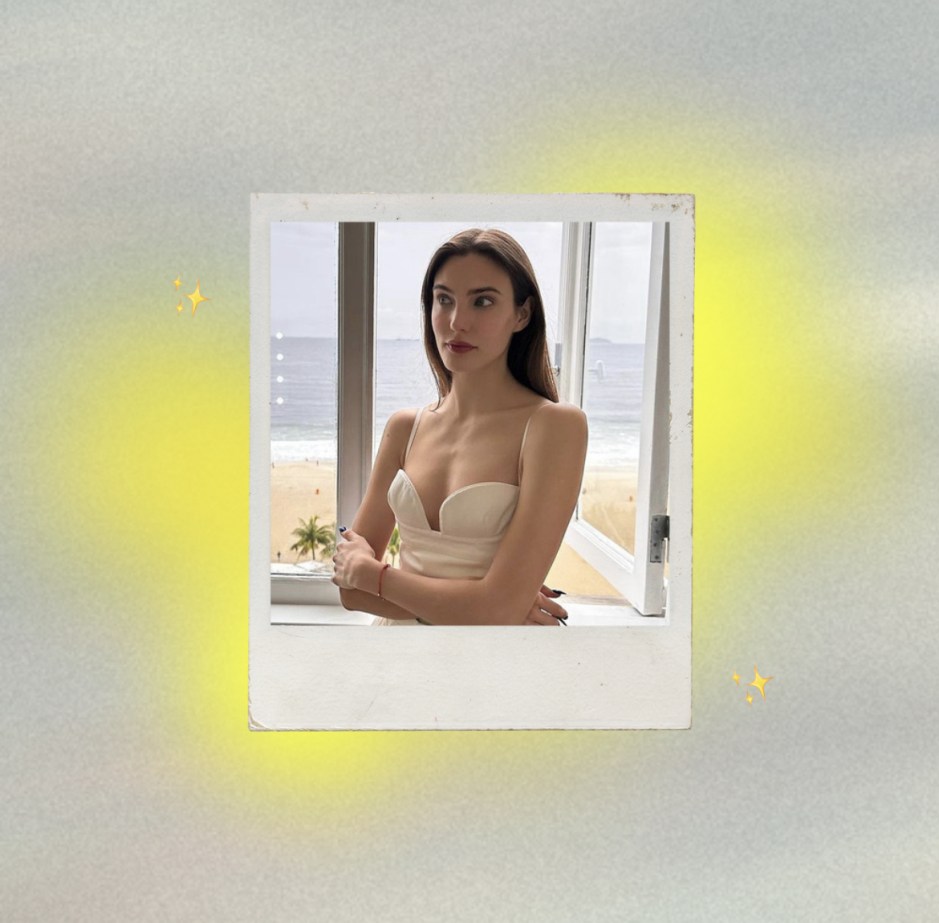
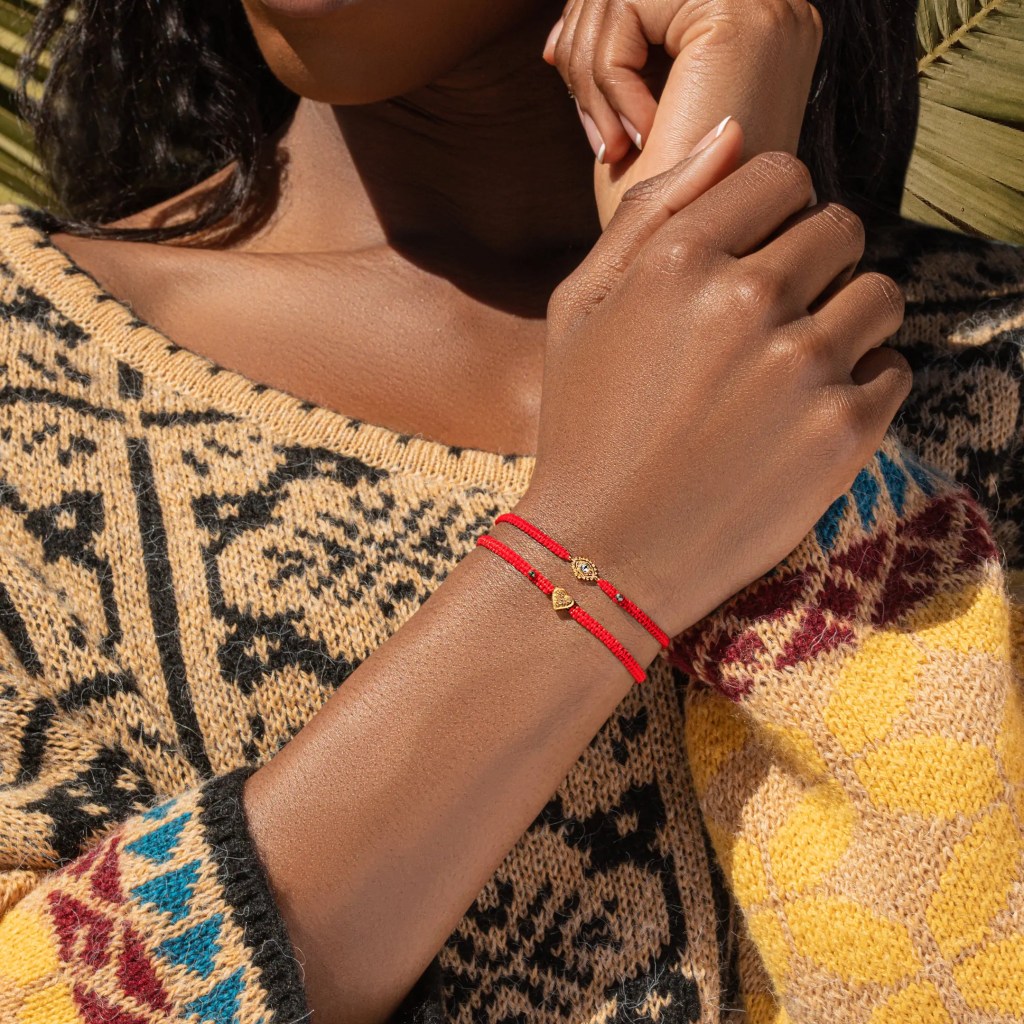
You may have seen someone wearing a red bracelet or just a red thread tied around their wrist, but do you know what this means?
According to Kabbalah, an esoteric discipline and school of thought of Jewish origin, the red thread absorbs negative energy, eliminates bad thoughts, and drives away people you don’t want to have in your social circle. It’s good for attracting positive energy and good thoughts as long as these are your intentions.
However, other cultures also use this red thread, since the color is a symbol of strength and serves to warn us when there is danger nearby, another of its qualities is to protect our aura, driving away negative energy and balancing our energy so that our body and soul are in harmony.
Advertisements
How to use the red thread charm?
You can start wearing the red thread amulet at any time you decide, you must place it on your left wrist, and it should have 7 knots, which represent the spiritual worlds as well as the chakras of our body, always remember to have the intention of what you want to attract or move away.
When you are going to put on the thread, you should make sure that it is placed by someone who only wants good things for you, so it is best that you do not trust it to just anyone, look for someone you know and who wants the best for you.
If the thread breaks, it is because it has already absorbed a lot of negative energy, if it falls, leave it in the place where it has fallen or throw it away from your house and the places you frequent. If possible, replace the yarn with a new one and repeat the steps to use it.
You can reinforce your bracelet with accessories such as the Turkish eye, the hand of Fatima, or a saint, depending on your beliefs.
Advertisements
Celebrities Wearing a Red Bracelet for Luck
Several of our favorite celebrities wear a red thread as an amulet, from Madonna to Macarena Achaga. We’ve also seen her on K-pop idol Taehyung, V of BTS, Ariana Grande, Angelina Jolie, Beyonce, Paris Hilton, Leonardo DiCaprio, Britney Spears, Demi Moore, Rihanna, and Katy Perry.
Madonna, Gwyneth Paltrow, David Beckham, Miranda Kerr, and Ashton Kutcher are just a few of the famous personalities who swear by the power of red string bracelets, believing in their ability to protect against negative energies and promote positive vibrations.









 beautyleebar.org