WHAT IS INTERMITTENT FASTING?

** Please consult your physician before adjusting your nutritional diet **

Before I dive into WTF IF is and why I’m such a proponent of it, let’s get something out in the open: I AM NOT A DOCTOR ( surprised? I know ). But seriously — what I’m about to share with you in regards to intermittent fasting is knowledge I’ve picked up from doctors and specialists throughout my own journey. If you have a history of eating disorders, blood sugar issues, or live a lifestyle that always keeps you hungry, IF is more than likely NOT for you. Always consult your doctor or specialist before changing your diet.

Now that that’s out of the way, let’s dive in.
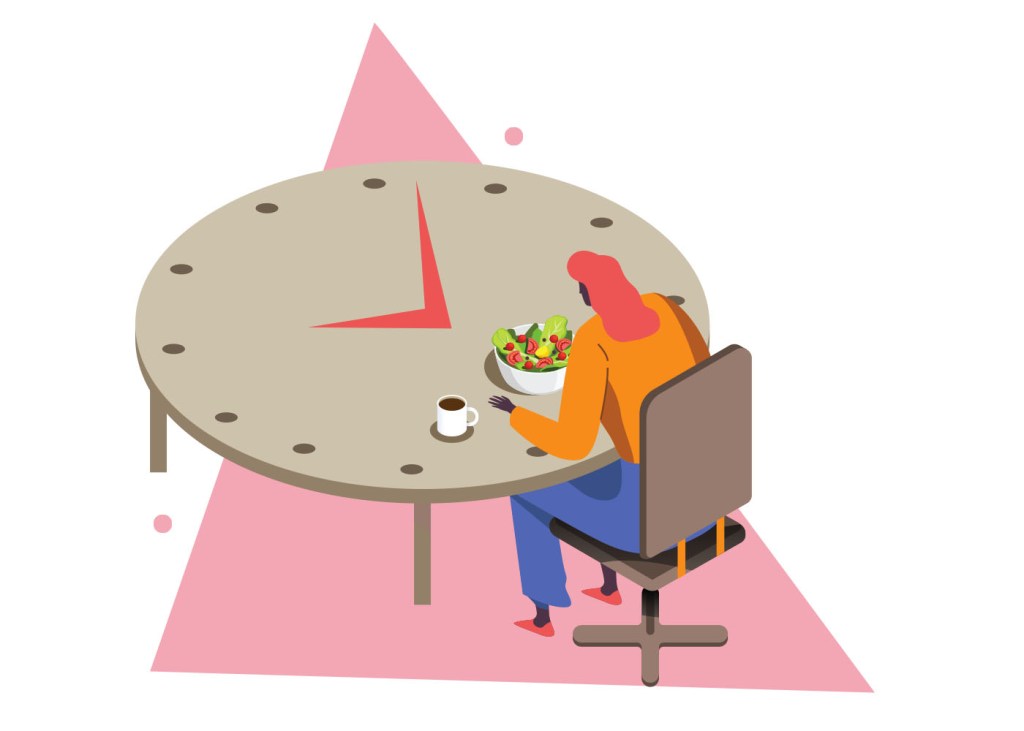
INTERMITTENT FASTING | a specific eating pattern that structures the time of day you eat and the time of day you are in a fasting mode. This is not a diet.

What does it do?

♡ increases human growth hormone which aids fat loss

♡ lowers insulin levels which increases access to stored body fat

♡ cell repairs in the body due to not being preoccupied w/ digesting food

♡ increases release of the fat-burning hormone noradrenaline

♡ help with inflammation in the body

For more detailed researched, read THIS article.

PERSONAL FASTING SCHEDULE |

This was actually a question I have been asked on my stories and is something I tried last year. Fasting has made a huge difference in not only my bodies appearance but also my sleep and my mental health. This does NOT mean I don’t eat, it just means I intake my calories for the day between 2 pm and 10 pm and fast the morning and night after these times where I have water, herbal tea, and black coffee. There is a lot of science that goes behind this that I don’t completely understand but I encourage you to research it for yourself before you start.

Intermittent Fasting shortens the time frame in which you’re eating throughout a given day. For example, instead of eating between 8am—10pm, you’d choose an 8-hour timeframe to consume all your food for the day— like 12pm-8pm, 10am-6pm, etc. While practicing intermittent fasting, most people fast for 16 hours of the day, while some prefer 14 hours or 18 hours. It’s totally up to you to find a time frame that works for your body, mindset, and schedule. Some people practice IF every day, and others keep it to 3-4 days a week. That’s why it’s called a “practice.”

PRO’S |

Done for a short time it can boost your fat loss, get you concentrated on your goals, give you a schedule to abide by to diminish the chances of excess eating, speed up the fat loss, give you mental clarity, lower sugar cravings. This is why I have started it again but only for 4 weeks. Sharing about this 4 week reset below.

♡ Promotes weight loss 

♡ Increases longevity 

♡ Acts as an anti-aging catalyst 

♡ Regulates insulin levels  

♡ Enhances hormone stability 

Decrease meal planning stress

Clears the mind

Of course, IF isn’t a “magic pill” that will fix all your problems, but it is a very realistic and effective step that will more than likely make a positive impact on your overall health and who doesn’t want that! Might as well try it, right?

CON’S |

This way of life should not be continued long term due to the damage it can have on your metabolism, muscle maturity, and energy levels. I made the mistake of doing this rigid schedule for 5 months and started to really see the negative consequences of it. I was ALWAYS tired, my muscles were weak, and I plateaued in my workouts/fat loss.
MYTHS |

♡ Skipping breakfast makes you gain weight.

♡ Eating more frequently burns more calories (it ALL depends on the thermic effect of the specific food NOT the frequency).

♡ You need to eat often for brain function (our bodies can burn the glucose storage in our bodies for brain function w/o extra food).

♡ Fasts put your body into starvation mode, this is more or less a mindset. You can easily go from not eating to eating everything in sight if you have no self-control.

♡ You will lose too much muscle during fasting, this is ONLY true if you are not consuming the needed nutrients the rest of the day including your protein intake.

4 WEEK RESET |

♡ Intermittent Fasting 8 – 10-hour window

♡ Calorie deficit (gradually lowering not extreme)

♡ 3 days of 1 hr long cardio

♡ 3 days of lifting and 30 minutes cardio

♡ 21 Day Detox by Flattummyco

♡ 96 oz of lemon water a day

♡ 5 high-fat calorie days, 2 high carb calorie days

What other questions do you have about IF? Comment below! 

Healthy Habits: What Is Intermittent Fasting and How Does It Work?

Intermittent fasting: It sounds like a scary term, doesn’t it? Well, would you believe me if I told you that it’s actually one of the biggest buzz phrases in the health and nutrition world right now? But before diving in, first things first…

What is intermittent fasting?

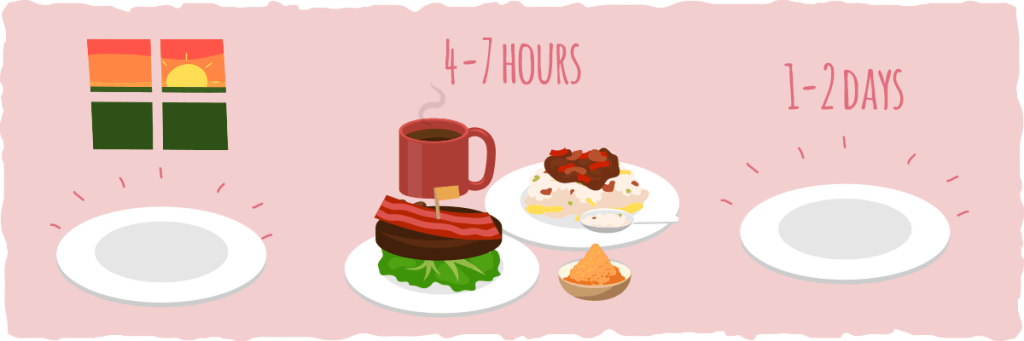
Nutritionists and health experts define intermittent fasting as a cycle of fasting (not eating) and non-fasting (eating) periods that allow your body to remove toxins, waste, damaged cells, and fat cells. There are several different ways to do it—you can fast for as short as a 6-hour window in the middle of the day, or go as long as 24 hours without food (although, we wouldn’t recommend the latter). The intermittent portion of this cycle means it is an eat-stop-eat plan that lets your body go into a fasting, fat-burning mode.

What are the benefits?

Now that I’ve gotten that behind us, let’s talk benefits (and some science, too). Health experts explains that intermittent fasting (or IMF) has been around for centuries, but has become very popular because there is a lot of great research coming out on fasted workouts and the benefits of fasting. Pioneers like Brad Pilon and Dr. Valter Longo of USC are paving the way with this research that shows how, not only can you break down fat cells for weight loss while fasting, but you can also break down unwanted immune cells for rejuvenation.

By fasting, you can experience apoptosis of immune cells, autophagy of neurons and a reduction in liver size (which is extra great for those ladies who get in the habit of a glass of wine to unwind after work), and the removal of damaged cells, toxins, and waste.

IMF is an approachable way to achieve these cleansing benefits and there are multiple methods to do so. In fact, animal studies** show that fasting is life-extending and promotes beneficial changes in genes related to longevity. Studies have shown that IMF can promote over a 300% increase in growth hormone and a significant drop in insulin levels, both of which facilitate fat burning and lean muscle gains.

How does it work?

The best way to begin an intermittent fasting phase is when you’ve already been eating clean and healthy—meaning no ice cream binges beforehand! It is much easier to enter a fast when you have balanced blood sugar or are currently in a fat adaptive or ketogenic state (a state where your body is burning heathy fat, proteins and vegetables for fuel, not sugars and carbs), she says. This can help prevent the fasting flu symptoms, like headache or nausea, you might experience from fasted cleansing. From there, the cycle involved doing a 6-hour, eat-stop-eat routine that is easier on both your appetite and your mind than an extreme 24-hour or longer fast. Here’s what that looks like:

Note: I am not recommending or condoning this cycle for everyone, but simply explaining what a day of intermittent fasting looks like based on research.

Eat: Wait to have breakfast until later in the morning, around 11:30am. This will keep the body in the fasting mode it was in during the time it were asleep. Kelly recommends smoothie with a healthy fat like almond butter or coconut oil, or a carb-free, protein and fat-rich dish like scrambled eggs with spinach and avocado.

Stop: Now it’s ideal to try not to snack or have any drinks besides tea or water between the late breakfast and early dinner. This is the 6-hour fasting phase and it’s crucial to avoid snacking in order to reap the metabolic and cleaning benefits.

Eat: Six hours later, so around 5:30pm, have a clean dinner that combines all of four ingredients (protein, greens, healthy fat, and fiber). This can be include grilled chicken and steamed broccoli, baked salmon with roasted asparagus, or a veggie-packed salad with chicken and a light salad dressing like this one.

Stop: Then, it’s time to stop again. This is the longest fasting phase during the 24-hour period, but it’s also the easiest since the body is sleeping for the majority of it. Sip on herbal tea or bubbly water during the evening when tempted to open the fridge and snack. The great part is that during a fasting phase, the body will need more rest since it’s cleansing.

What would someone expect?

During intermittent fasting, one will feel mental clarity, lose fat around their midsection and have an increase in metabolism. Basically, this process will allow the body to surge with human growth hormone and testosterone, which will help decrease insulin sensitivity. This is good for the metabolism, and good for brain fat—it hits body and mind all at once.

But before you get started…

One important note from Kelly is to take this in moderation. While IMF can be very beneficial when done correctly, it is not for everybody and you don’t want it to get out of hand. Extreme IMF dieting does have the propensity to create eating disorders, food anxiety and binge eating when it is taken too far. This is why Kelly does not recommend fasting for 12 to 24 hours, but instead tells clients to use the eat-stop-eat method. “If my clients are interested in IMF, says Kelly, “another practice I recommend is getting up and having a Fab Four Smoothie, enjoying a nice lunch and then skipping dinner instead.” It’s important to remember that IMF is used as a one-day reset when you feel your body needs to cleanse—not a lifestyle—and it is not for everybody.

As with trying any new diet or health plan, you should consult your doctor before trying intermittent fasting, especially if you have a history of hypoglycemia.

And there you have it! I know, that was a whole lot of information and a lot of science to absorb. If you have any questions, be sure to leave them in the comments below.

What other trending health topics would you like to see me cover next?

XO BLB