
Healthy Habits: Why You Should Be Drinking Rose Water and How to Make It at Home

Here at BeautyLeeBar.com, I believe that beauty begins from the inside out. I try to be mindful of what is going into my body to ensure that I stay strong and healthy, because, to me, that is beautiful. I’ve also never been the one to shy away from trying a new detox or testing out a buzz-worthy health trend. That brings me to today’s topic. You’ve seen me rave about the benefits of refreshing lemon water, lime water, cucumbers, cherries, honey and now I’m adding rose water to the list of infused sips on my radar.

While I’ve used rose petals on certain things in the past, putting them in water is my new favorite way to reap the benefits of the fragrant blooms. Trust me when I say that rose water is so much more than a flavorful way to stay hydrated. By applying rose water to your skin or drinking it the old-fashioned way, you are benefiting your complexion as well as ingesting essential vitamins. Since this all sounded too good to be true, I did a little research to see why I should be adding rose water to both my diets and beauty regimens, stat. Keep scrolling to see what I learned as well as a simple at-home recipe to make this concoction yourself…

Your skin’s new BFF.
By adding rose water to your daily skincare regimen, you are doing so much more than keeping your face hydrated (which is also a pretty big bonus!). Rose water can help your skin maintain its pH balance by controlling excess oil production while keeping it supple and moisturized. Rose water is also known for its soothing elements which reduce redness and irritation linked to skin conditions such as eczema, acne, and dermatitis.
Rose water contains antibacterial and antifungal properties, allowing your skin to better heal scars and other wounds.

I don’t know about you, but I’m always looking for natural remedies to improve my complexion. By applying rose water to your skin, you are cleansing, toning and even reducing fine lines and wrinkles. That sounds like a win-win to me! There are a few ways that you can incorporate rose water into your routine. Start your day by using rose water as a toner after washing your face by evenly distributing it with a cotton ball. You can even purchase a spray bottle and lightly mist your face throughout the day, with or without a full face of makeup. A little spritz here and there can be rejuvenating!

Why you should be drinking rose water.
In addition to adding this fragrant concoction into your beauty routine, consuming rose water also poses multiple benefits. Rose water contains vitamins A, C, E and B and contains anti-inflammatory qualities. It is also said that rose water can help reduce stress and moodiness (something we can all benefit from at some point or another, right?). If you’re looking for a fragrant and healthy way to stay hydrated, opt for a bottle of rose water the next time you’re at your local health food store. But like any health food fad, it’s always a good idea to ask your doctor if you have questions or concerns.

How to make it at home.
If you are interested in making rose water right in the comfort of your own home, you’re in luck! Making your own batch of fresh rose water is simpler than you think and I have a recipe to prove it.
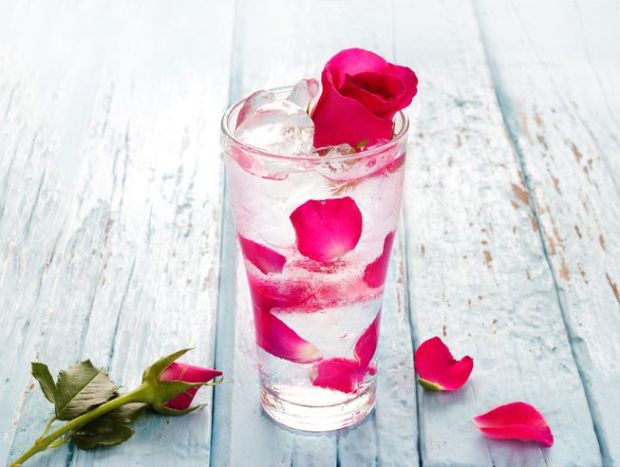
rose-water.jpg.653x0_q80_crop-smart

Here’s what you’ll need:
1. 5-7 stems of organic pink roses
2. water
3. large pot

Instructions:

1. Begin by plucking the rose petals off of each stem and rinsing them thoroughly under warm water. It is important to note that you use organic roses, rather than the kind that you can just pick up at any grocery store. It’s best to steer clear of any harmful pesticides and any other chemicals that could have been used on the stems.
2. Place the rose petals into a large pot and pour just enough water in to cover all of the petals.
3. Boil the water and rose petals over medium-high heat. Once the water is boiling, cover the combination and reduce heat to a simmer.
4. Let the petals simmer for 30 minutes or until they begin to lose their vibrant color.
5. Remove the petals from the water with a strainer.
6. You now have your very own homemade rose water! Be sure to refrigerate or store your rose water in a cool place. Your homemade batch should last between 1 and 4 weeks.

And there you have it! I’ve been intrigued by this trend and hope you all will try it too! And, now I’m convinced that my beauty regimen can’t live without it.

Have you ever tried using or drinking rose water?

Let me know your thoughts in the comments!

**FTC: This post is not sponsored. No monetary compensation was received for this post, however, products were sent to me. Opinions are 100% my own, of course.

Healthy Habits: The Smart Girl’s Guide to Milk Alternatives

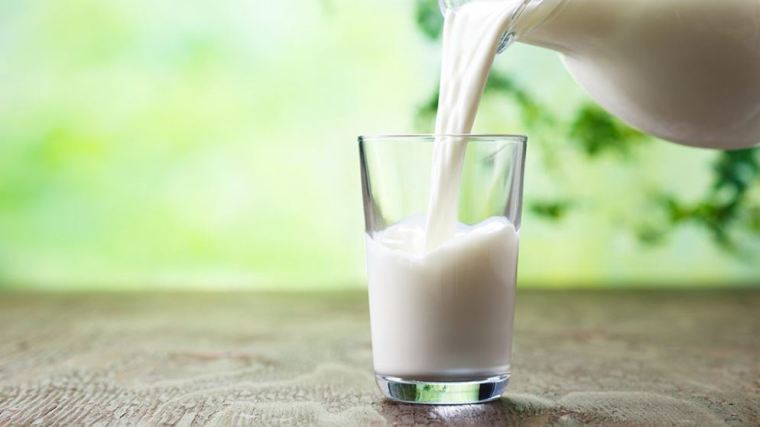
I try to limit my dairy intake as a general rule. Too much dairy often takes a toll on my skin and leaves me feeling sluggish. But I’m not going to lie—I can’t resist the occasional butter pecan ice cream. According to many researchers and scientists, cow milk is bad for you because there is Excess calcium from milk and other foods may increase the risk of prostate cancer. Milk sugars may be linked to a slightly higher risk of ovarian cancer. Milk from cows given growth hormones contains higher levels of a chemical that may increase the risk of some cancers. So, with that being said, I’ve been trying to opt for non-dairy alternatives in that department. But with so many milk options out there—from nut milks to coconut to hemp and everything in between—it can be hard to know which one to choose! So I did what I always do when I have diet questions and reached out to different nutritionists that I follow for their take on the matter. I was given a rundown on several popular cow’s milk alternatives, which I am sharing with everyone below…

lait-egypte-puleva

1. Soy Milk. Soy milk is to be one of the most popular non-dairy alternatives there is. The Starbuck Soy Latte has become almost as ubiquitous as it’s dairy counterpart. But despite its widespread availability and easy source of non-animal protein, some recommends against having soy in your diet in general—especially in this processed form. Soy contains phytoestrogens that can disrupt hormones, with prevalent side effects including acne, hypothyroid, infertility and even cancer.

Lastly, soy milk made from soybeans is not recommended for people with a FODMAP intolerance or who are in the elimination phase of the low-FODMAP diet. FODMAPs are a type of short-chain carbohydrate naturally present in some foods. They can cause digestive issues such as gas and bloating. However, soy milk made from soy protein isolate can be consumed as an alternative.

2. Almond Milk. Almond milk is a contender for “best overall milk alternative” in Sam’s book. It’s lacking in calcium, but loaded with Vitamin D and E. Almond milk is a natural source of vitamin E, a group of antioxidants that help protect the body from disease-causing substances known as free radicals. It’s also low in calories for anyone for whom that is a concern. Just make sure you choose a variety with no added sugar and watch out for carrageenan (a harmful additive) on the ingredients list. Also, make the most of the nutrients and health benefits of almonds, choose brands of almond milk that contain a higher content of almonds, around 7–15%.

3. Coconut Milk. Real coconut milk is another amazing pick! It is a great source of manganese and MCT fats. The lauric acid present in coconut milk is even antibacterial. Opt for a minimally processed variety without additives like carrageenan or added sugar.

4. Oats Milk. According to Daisy Coyle, APD, oat milk is high in total fiber and beta-glucan, a type of soluble fiber that forms a thick gel as it passes through the gut. The beta-glucan gel binds to cholesterol, reducing its absorption in the body. This helps lower cholesterol levels, particularly LDL cholesterol, the type associated with an increased risk of heart disease. What’s more, research has shown that beta-glucan may help increase feelings of fullness and lower blood sugar levels after a meal. Oat milk is also cheap and easy to make at home.

5. Rice Milk. Rice milk has more carbohydrates than cow’s milk, without the fat or protein. It’s basically just starchy sugar water with very few real nutrients. Rice milk is what people who suffer from severe food allergies to dairy and nuts often turn to, but it’s not the best option out there if you can drink the others without issue. Rice Dream is a good option for those protein shakes.

6. Hemp Milk. Hemp milk is made from the seeds of the hemp plant, Cannabis sativa. This is the same species used to make the drug cannabis, also known as marijuana. 

Hemp milk has a slightly sweet, nutty taste and a thin, watery texture. It works best as a substitute for lighter milk such as skim milk. It is a good option for vegans and vegetarians since one glass provides 2–3 grams of high quality, complete protein, with all the essential amino acids. 

What’s more, hemp milk is a source of two essential fatty acids: the omega-3 fatty acid alpha-linolenic acid and the omega-6 fatty acid linoleic acid. Your body cannot make omega-3s and omega-6s, so you must obtain them from foods.

Lastly, unsweetened hemp milk is very low in carbohydrates, making it a great option for those who want to reduce their carb intake. If this is a priority for you, avoid sweetened varieties because they can contain up to 20 grams of carbs per cup (240 ml).

7. Goat’s Milk. This one obviously isn’t non-dairy, but we had to include it, as it’s also become a popular alternative to cow’s milk. Goat’s milk is lower in casein and lactose than cow’s milk, and only contains A2 casein, not A1 (A1 is the protein that is linked to inflammation and allergies). This means that many people who cannot have cow’s milk will do fine with goat’s milk. Goat’s milk is also higher in MCT fats than cow’s milk, and it is easier to absorb nutrients from goat’s milk than cow’s milk.

8. Macadamia Milk. Macadamia milk is made mostly of water and about 3% macadamia nuts. It’s fairly new to the market, and most brands are made in Australia using Australian macadamias.

The low carbohydrate content also makes it a suitable option for people with diabetes or those looking to reduce their carb intake. Also, macadamia milk is a great source of healthy monounsaturated fats, with 3.8 grams per cup (240 ml). Increasing your intake of monounsaturated fats may help reduce blood cholesterol levels, blood pressure and the risk of heart disease, especially if it replaces some saturated fat or carbohydrates in your diet.

9. Quinoa Milk. Quinoa milk is made from water and quinoa, an edible seed that is commonly prepared and consumed as a grain. The whole quinoa grain is very nutritious, gluten-free and rich in high-quality protein. While quinoa has become a very popular “superfood” over recent years, quinoa milk is fairly new to the market. For this reason, it is slightly more expensive than other non-dairy milk and can be a little harder to find on supermarket shelves.

It has a fairly well-balanced nutrition profile compared to other non-dairy kinds of milk. It is comparatively low in fat with moderate amounts of protein, calories, and carbs. Quinoa milk is a good plant-based source of complete protein for vegetarians and vegans. If it is available at your local supermarket, then it could be worth trying.

plant-based-milks-1302x866
different vegan glasses of milk on a table: hazelnut, rice, soy and almond milk substitute for dairy milk

There are a few things to consider when choosing a cow’s milk alternative, including nutrient content, added sugars, cost, and additives. Reading food labels will help you understand what’s in the milk you are buying.

There is no one milk that’s ideal for everyone. The taste, nutrition, and cost of these alternatives can vary considerably so it might take a while to find the one that’s best for you.

Which milk alternative do you prefer?

I’m an almond milk gal myself, but rice dream milk is great too.

new flat tummy tea

Is The Flat Tummy Tea Really Worth It?

I have been using the Flat Tummy Tea on and off for over a year now and people always ask me that question. My answer normally goes like: its depending on the purpose you are using it for and the expectations you have of the results. Remember this tea does not promise to make you lose weight because its more of a cleanse and detox. So continue reading this post to see if its really worth buying.

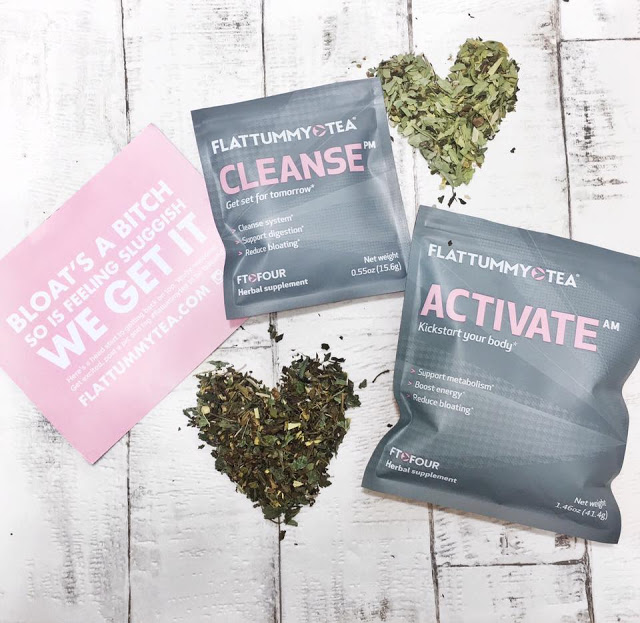
Flat Tummy Tea is a two-step herbal detox tea that naturally helps detoxify your system. If you have never tried Flat Tummy Tea before than I would recommend you get the 4-week program for $49 U.S. because once you try it, you’ll love it. But, they also have a 2-week program for $36 which is cheaper than some of the other detox teas. If you go to their website Flattummyco.com/ right now, they are having a 20% sale. For the tea to work the instructions have to be followed. Step 1 is a morning Activate tea that gets your body ready for the day much like you might have heard breakfast is the important meal of the day. A good breakfast fuels you up and gets you ready for the day. In general, kids and teens who eat breakfast have more energy, do better in school, and eat healthier throughout the day. Without breakfast, people can get irritable, restless, and tired. Expect that these natural ingredients will give you an antioxidant boost and an extra energy boostStep 2 is an evening Cleanse tea that works to detoxify your digestive tract of built up toxins and reduce water weight – the two main reasons why your stomach is bigger when you go to sleep than when you wake up in the morning! Sometimes I miss a few days because I either forget to drink it or wake up late. Rushing out the house for work, school, or for whatever reason means no time to sit and have tea. That is why I put it in my water bottle to go. But I am sure you can relate to how difficult sticking to a routine can be at times.

Here are my findings:
1. Eat healthy. If you continue eating junk food you will not see the results.
2. You have to be consistent for it to work.
3. Don’t expect a miracle.
4. Aids with the bloating especially during that time of month.
5. Exercising regularly while taking the tea helps a whole lot.
6. Bowel movements are much easier so expect to go at least once or twice a day.
7. Increases metabolism and gives a boost of energy.
8. Tastes minty so you don’t necessarily need to add honey or sugar depending on your preference.

I absolutely noticed a difference in the cleansing effects of the tea and because of it, I was less sluggish. Every couple of days, I would tell myself (and others) “I think the tea is working.” I definitely felt like my body was given a routine with a jumpstart in the morning which is really saying a lot because I normally don’t have any routine as far as eating or diets go. A disclaimer I think I must mention, this is not some miracle tea that’s going to melt away fat. It’s a detoxifying tea to nix water weight that causes bloating.

  • Reduce your bloating
  • Support your metabolism
  • Help maintain a healthy immune system
  • Boost your energy
  • Detoxify your system
  • Decrease your water retention
  • Cleanse your digestive system

So if you have realistic expectations of the product, you will be happy with the results. Plus, it’s hard to argue with the amount of Facebook followers, Instagram followers and positive product reviews. I’m not on the tea right now, but I am drinking green tea with lemon every morning to stay on a hot beverages in the morning routine. That way it will be easier for me to jump back into my next weeks with more tea!

Come and join the Flat Tummy Tea Program so we can kick bloating ass together! The Subscribe & Save program comes with a slightly different blend of tea designed for ongoing use to help keep you on track. Oh, and the best part? You’ll receive a four week cleanse every fourth month to detox your system. Yep, by joining @flattummyco babe collective, you’ll not only keep that tummy flat all year round with the subscription maintenance program, you will also get it at a freakin’ awesome discount. #ohyeah

How do you like to drink your Flat Tummy Tea?!

*This is directly from the Flat Tummy Tea website: Results from consuming the products offered on the Site may vary from person to person. Please do not use the products available on the Site when pregnant or breast feeding. You should consult your doctor before using the products offered on the Site, or any dietary supplement. The statements on the Site have not been evaluated by the Food and Drug Administration, and the products offered on the Site are not intended to diagnose, treat, cure, or prevent any disease.

Follow for more updates and tag them to get feature on their page.

#flattummyco #flattummytea #BabeNation

Instagram: @Flattummyco

Twitter: @Flattummyco

Website: flattummyco.com/

tea 1 tea 3