I Started Drinking Collagen And I’m Obsessed With How It’s Changed My Skin

Hey my loves, so I wanted to tell you about something that I think is completely amazing… Collagen! I’ve been drinking collagen for about 2 months so far, and I’ve noticed a huge impact on my skin and my body; it’s pretty incredible. Collagen (or gelatin) is a naturally occurring protein in your body, but as you age your body produces less, which leads to wrinkles, sagging skin, and joint pain – not ideal!

What is collagen:

Collagen is one of the building blocks of skin, so not only does it keep you looking young but it can heal your skin as well – seriously, it’s true! It helps to heal acne scars and scarring, as collagen mends and rebuilds the damage done to connective tissue, while it’ll also improve your bone strength and ligaments in the same way. The most noticeable difference I’ve seen from drinking collagen is the effect it has on wrinkles; because collagen strengthens blood vessels, it makes your skin softer, more elastic and prevents and fixes fine lines, (even pimples). Because collagen improves skin tissue strength and helps the body to replace dead skin cells, it promotes glossier hair, stronger fingernails, and firmer skin. And finally, and I have noticed this myself, it reduces the appearance of cellulite because it rebuilds the fibers that make cellulite more visible – insane!

Where collagen comes from:

So, if you’re wondering where collagen comes from, it’s basically derived from the bones and tissue of animals like cows, fish, chicken, and pigs. But not all collagen is created equal; you need to look into the source of collagen (which animal), as this can determine the effect it will have on your body and its potency β€“ beef and fish are the best. The most effective type of collagen is marine collagen because it’s absorbed up to 1.5 times more efficiently into the body than any other type of collagen.

How to take collagen:

When I first heard about collagen, I started taking it in a pill form, and I noticed a small difference: my skin looked lifted, and my skin felt smoother. But when I started taking it as a powder, about 2 months ago, that’s when I noticed a significant difference in the texture of my skin. Even my scars have faded, and I swear my double chin has got tighter!

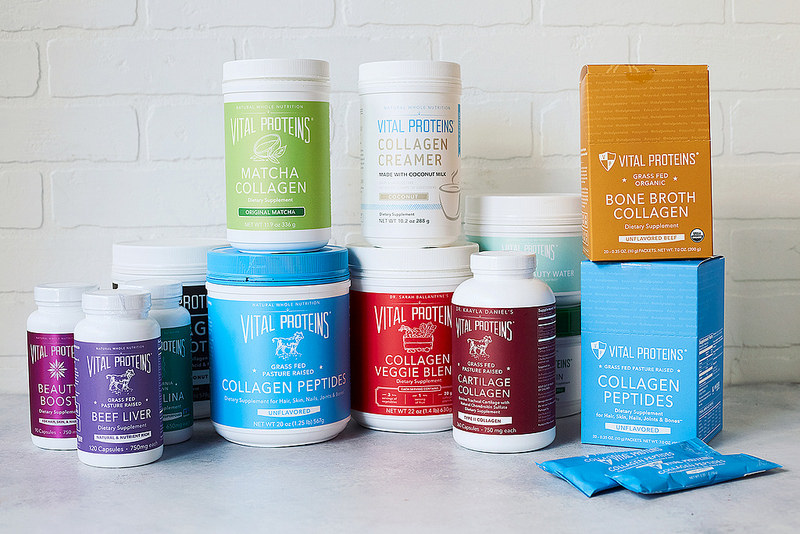
I’ll admit, in its powder form, collagen doesn’t taste great – it’s meant to be flavorless, but I feel like it has a kind of meaty taste to it. You can mix it with tea, smoothies, coffee or even add it to meals you’re prepping. I like to mix it with soup or hot chicken broth, which is a healthy way of having it and you don’t notice it at all. Depending on the formula you’re taking, different amounts are recommended. I use the Vital Proteins Pasture-Raised, Grass-Fed Collagen Peptides, and it recommends one to two times per day. I usually only have it once a day.

Just adding a scoop of Collagen Peptides to food or beverages gives you the vitamin boost you need to support healthy hair, skin, nails, bone, joint health, digestion, muscle recovery, and more.

  • Stir into water, fruit juice, or other beverages
  • Add to smoothies as protein booster
  • Mix with oatmeal, soups, or sauces
  • Add into recipes for entrees or desserts
  • Easy to use! The Collagen Peptides mix well in hot or cold liquids, making them an easy addition to whatever your diet might be

KEY FEATURES & ATTRIBUTES

Collagen is one of the most nutrient-rich proteins in the human body. Supplementing with Vital Proteins Collagen Peptides offers:

  • 20 g collagen per serving – supports overall health and wellness
  • 3,719 mg natural glycine – promotes healthy immune and digestive systems**
  • 100% pure collagen protein – clean, tasteless, and dissolves & absorbs quickly
  • Sourced from grass-fed, pasture-raised bovine to ensure a natural, high quality, and sustainable source of this nutrient 
  • Digested and absorbed by the body quickly for maximum benefits
  • Whole30 Approved & paleo friendly 
  • Gluten free
  • Dairy free
  • Preservative free
  • Non GMO
  • Hormone free

I’ve also tried more VITAL PROTEINS products that helps with collagen, which comes in different flavors and types that include some of the best-for-your-body vitamins and minerals. You can try collagen from aged 25 onwards when your body’s natural collagen supply begins to decrease. For me, I am only 22 and just wanted to give it a try but it might become a essential in my beauty daily routine – I’m obsessed!

Would you guys try collagen? Let me know in the comments below. X

Healthy Habits: What Is Intermittent Fasting and How Does It Work?

Intermittent fasting: It sounds like a scary term, doesn’t it? Well, would you believe me if I told you that it’s actually one of the biggest buzz phrases in the health and nutrition world right now? But before diving in, first things first…

What is intermittent fasting?

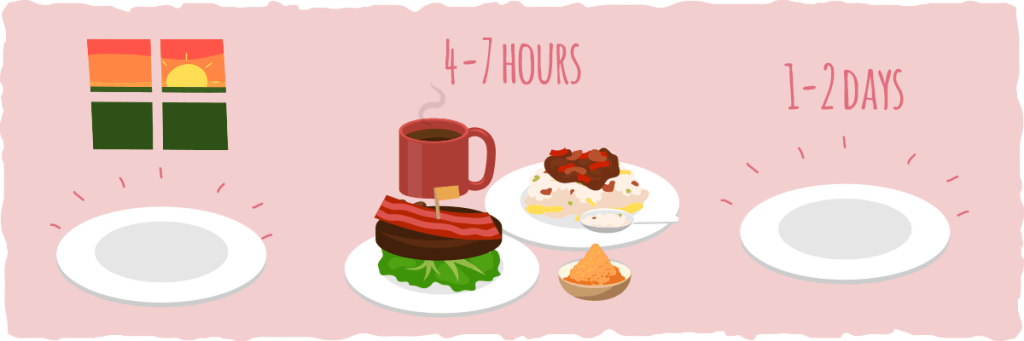
Nutritionists and health experts define intermittent fasting as a cycle of fasting (not eating) and non-fasting (eating) periods that allow your body to remove toxins, waste, damaged cells, and fat cells. There are several different ways to do itβ€”you can fast for as short as a 6-hour window in the middle of the day, or go as long as 24 hours without food (although, we wouldn’t recommend the latter). The intermittent portion of this cycle means it is an eat-stop-eat plan that lets your body go into a fasting, fat-burning mode.

What are the benefits?

Now that I’ve gotten that behind us, let’s talk benefits (and some science, too). Health experts explains that intermittent fasting (or IMF) has been around for centuries, but has become very popular because there is a lot of great research coming out on fasted workouts and the benefits of fasting. Pioneers like Brad Pilon and Dr. Valter Longo of USC are paving the way with this research that shows how, not only can you break down fat cells for weight loss while fasting, but you can also break down unwanted immune cells for rejuvenation.

By fasting, you can experience apoptosis of immune cells, autophagy of neurons and a reduction in liver size (which is extra great for those ladies who get in the habit of a glass of wine to unwind after work), and the removal of damaged cells, toxins, and waste.

IMF is an approachable way to achieve these cleansing benefits and there are multiple methods to do so. In fact, animal studies** show that fasting is life-extending and promotes beneficial changes in genes related to longevity. Studies have shown that IMF can promote over a 300% increase in growth hormone and a significant drop in insulin levels, both of which facilitate fat burning and lean muscle gains.

How does it work?

The best way to begin an intermittent fasting phase is when you’ve already been eating clean and healthyβ€”meaning no ice cream binges beforehand! It is much easier to enter a fast when you have balanced blood sugar or are currently in a fat adaptive or ketogenic state (a state where your body is burning heathy fat, proteins and vegetables for fuel, not sugars and carbs), she says. This can help prevent the fasting flu symptoms, like headache or nausea, you might experience from fasted cleansing. From there, the cycle involved doing a 6-hour, eat-stop-eat routine that is easier on both your appetite and your mind than an extreme 24-hour or longer fast. Here’s what that looks like:

Note: I am not recommending or condoning this cycle for everyone, but simply explaining what a day of intermittent fasting looks like based on research.

Eat: Wait to have breakfast until later in the morning, around 11:30am. This will keep the body in the fasting mode it was in during the time it were asleep. Kelly recommends smoothie with a healthy fat like almond butter or coconut oil, or a carb-free, protein and fat-rich dish like scrambled eggs with spinach and avocado.

Stop: Now it’s ideal to try not to snack or have any drinks besides tea or water between the late breakfast and early dinner. This is the 6-hour fasting phase and it’s crucial to avoid snacking in order to reap the metabolic and cleaning benefits.

Eat: Six hours later, so around 5:30pm, have a clean dinner that combines all of four ingredients (protein, greens, healthy fat, and fiber). This can be include grilled chicken and steamed broccoli, baked salmon with roasted asparagus, or a veggie-packed salad with chicken and a light salad dressing like this one.

Stop: Then, it’s time to stop again. This is the longest fasting phase during the 24-hour period, but it’s also the easiest since the body is sleeping for the majority of it. Sip on herbal tea or bubbly water during the evening when tempted to open the fridge and snack. The great part is that during a fasting phase, the body will need more rest since it’s cleansing.

What would someone expect?

During intermittent fasting, one will feel mental clarity, lose fat around their midsection and have an increase in metabolism. Basically, this process will allow the body to surge with human growth hormone and testosterone, which will help decrease insulin sensitivity. This is good for the metabolism, and good for brain fatβ€”it hits body and mind all at once.

But before you get started…

One important note from Kelly is to take this in moderation. While IMF can be very beneficial when done correctly, it is not for everybody and you don’t want it to get out of hand. Extreme IMF dieting does have the propensity to create eating disorders, food anxiety and binge eating when it is taken too far. This is why Kelly does not recommend fasting for 12 to 24 hours, but instead tells clients to use the eat-stop-eat method. β€œIf my clients are interested in IMF, says Kelly, β€œanother practice I recommend is getting up and having a Fab Four Smoothie, enjoying a nice lunch and then skipping dinner instead.” It’s important to remember that IMF is used as a one-day reset when you feel your body needs to cleanseβ€”not a lifestyleβ€”and it is not for everybody.

As with trying any new diet or health plan, you should consult your doctor before trying intermittent fasting, especially if you have a history of hypoglycemia.

And there you have it! I know, that was a whole lot of information and a lot of science to absorb. If you have any questions, be sure to leave them in the comments below.

What other trending health topics would you like to see me cover next?

XO BLB

Sipping Pretty: Infused Water Recipes

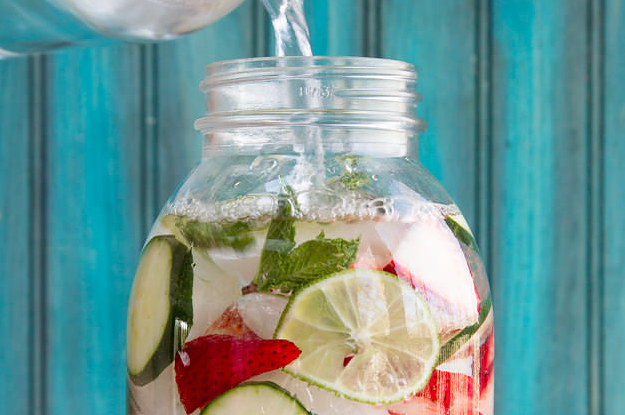
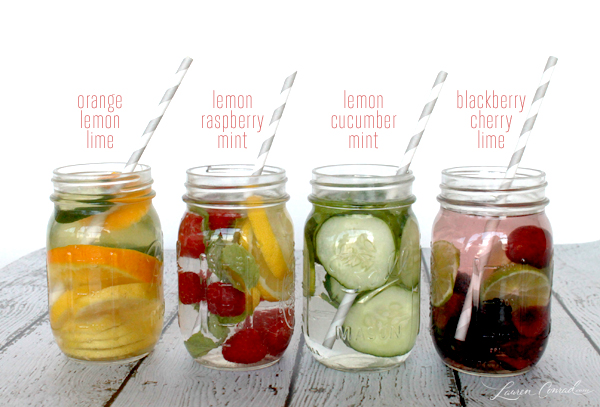
Aside from coming across as beautiful, drinkable works of art, infused waters have a subtly sweet taste and a cleansing effect on your body that is equal parts refreshing and healthy. From time to time, I find myself making a large pitcher of lemon cucumber mint water and drinking it for a week. And after embarking on a recent β€œpinge” on Pinterest, I discovered a few other infused water recipes that I was eager to try. I gave them a go and were pleased to find that they tasted as lovely as they looked. Here are the four infused water recipes I created (and couldn’t get enough of)…

  • orange + lemon + lime
  • lemon + raspberry + mint
  • lemon + cucumber + mint
  • blackberry + cherry + lime

To make any of these recipes, all you have to do is slice the fruit you want to use and drop them into your water. You can start drinking it right away, but you might not notice the flavors until it infuses for a few hours (four hours achieves the most potent flavor). I like to let my waters sit overnight in the fridge, and if I’m using a recipe that calls for lemon I will squeeze half a lemon straight into the water for a little detox boost. As long as you keep your water refrigerated, the fruit should stay fresh. If you are filling your pitcher with water throughout the week, keep in mind that it will dilute the flavor each time you refill. I would recommend drinking your water within 3-5 days and making a new batch once you notice that fruit has started to soften or turn your water cloudy. Which infused water recipe will you try first? Leave your questions and comments below! And if you liked this post, be sure to take a peek at my detox diary for all the details about my first juice cleanse. xx

Tone It Up: How Much Water Should I Drink?

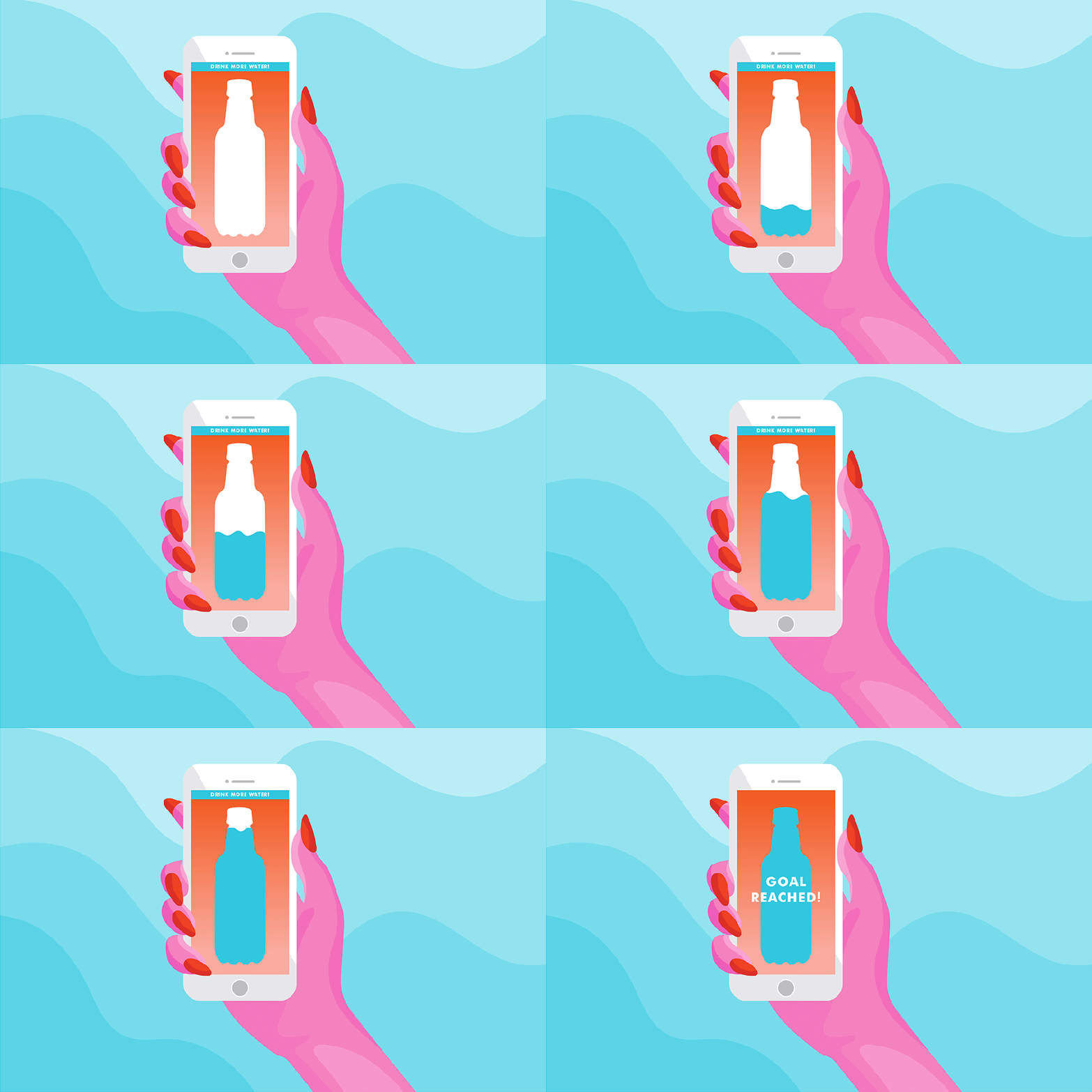
Hey everyone, today I have a little challenge for you. I want you to try to drink half your body weight in ounces of water (at least) throughout the day for the next 8 weeks! Here’s why this is so important…

Water increases your metabolism.

Your body is made up almost entirely of water. It’s hard to believe, but everything in your body is floating in a water-based suspension. Also, many of our bodily functions require water in some part of their equation to function properly. In this case, we are going to talk about the liver…

Water cleans out your system.

The liver is an amazing organ. Of its many functions, one is to take released body fat and break it down for use as energy (a process called lipolysis). However, when hydration levels get as low as 80 percent, the liver and kidneys have a difficult time functioning and filtering all that thickened blood. Since kidney function trumps liver function on the task-list of sustaining life, the amazing liver does what it can to take over for the kidneys. Wow, we are sure glad that is the case, otherwise we would all be in some serious trouble! If the liver isn’t able to do its job, our bodies cannot break down fat and use it for energy at the rate in which we need it to. Let’s just say that is not good for your body fat percentage.

In order for proper diet and exercise to be truly effective, you’ll need to maintain a proper hydration level so that the body fat released into the bloodstream can be broken up into proteins. You want these fat cells to be broken up into proteins because those are the building blocks of muscle! It’s a simple equation…more water equals less fat and more muscle.

How much water is enough?

Water increases your metabolism so much that if you’re chronically dehydrated, it can mean up to an 8-pound weight gain or more per year. No wonder weight creeps on! Your challenge is to drink at least half your body weight in ounces of water per day. For example, someone who weights 150 pounds should be drinking 75 ounces of water a day. This doesn’t mean all at once, it means throughout the whole day.

We can all mistake thirst for hunger too, which leads to eating more unnecessary calories, so it’s important to always have water handy. Get that calendar out and mark it down to remind yourself!

Can you do the water challenge?

Let me know if you have any tricks for staying hydrated in the comments below!

XO BLB