The Grammy-winning rapper is no stranger to popping up on our timelines in colorful wigs and with various cuts. Cardi B always comes through, period. Whether she’s serving up rap bars, haute couture looks, or candy floss wigs, she doesn’t do anything in half measures. Her DIY hair mask is no exception.
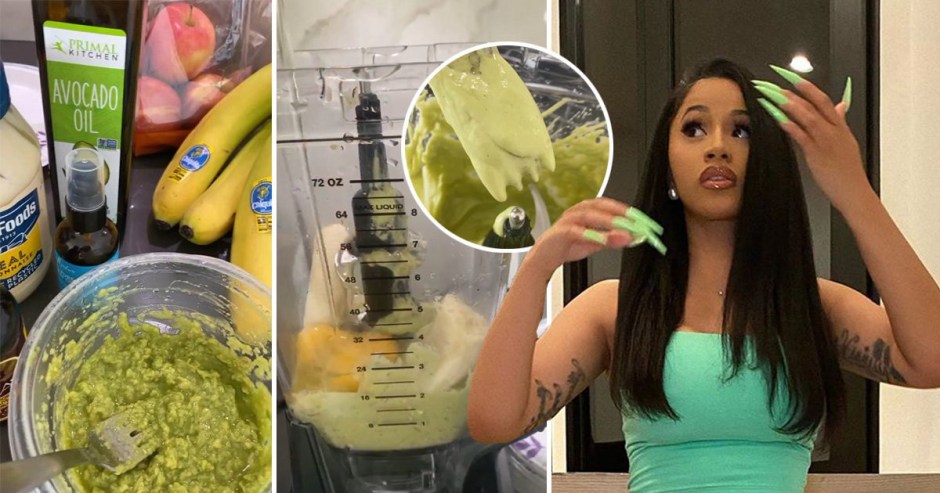
Last week Cardi took to her Instagram stories to share her go-to replenishing hair mask for her and her daughter Kulture. The ultra-rich mask is jam-packed with ALL of our favorite hair-nourishing ingredients from growth-giving black castor oil to restorative avocado.
The best part about the DIY treatment? All the ingredients can be found at a supermarket or even in your home.
Cardi B notes that while she doesn’t have a defined curl pattern ( her hair is straight, it is puffy-afro ), unlike her precious daughter Kulture who has a head full of curls and little coily hair texture, Cardi B explained that this DIY concoction adds elasticity and definition to her daughter curls. However, regardless of your hair type, judging by the ingredient list, this mask can help address a myriad of hair concerns from dry, damaged hair to brittle ends, and dandruff. Here’s everything you need to know…
We’ve got to admit, Cardi knows her stuff! This hair mask – packed with avocado, eggs, honey, banana, castor, and argan oil – is the ultimate do-it-all DIY. Bursting with fatty acids and omegas, it’ll work overtime to nourish and strengthen the hair follicle, thereby locking in moisture and reducing frizz for a high gloss finish. The rich blend of hydrating oils will provide a surge of moisture to repair and restore brittle, split ends while it will help soothe and nourish your scalp. It even contains a natural source of hair-hero, biotin, as well as vitamins A and D, which with regular use can help reduce hair fall and encourage healthy hair growth.
The Ingredients
Side note: The below measurements are guestimations from Cardi’s recipe as she did not provide exact measurements.
1 avocado
2 tablespoons of argan oil
1 tbsp mayonnaise
5 tablespoons of black castor oil
1 tablespoon olive oil
2 eggs
2 tablespoons of honey
1 banana
The hair mask recipe requires 7 ingredients: avocado, argan oil, black castor oil, olive oil, mayonnaise, eggs and honey. And if you want extra nutrients for your tresses, the rapper suggests adding a banana. “All the good things you put in your body, you’ve got to put in your hair,” she said.
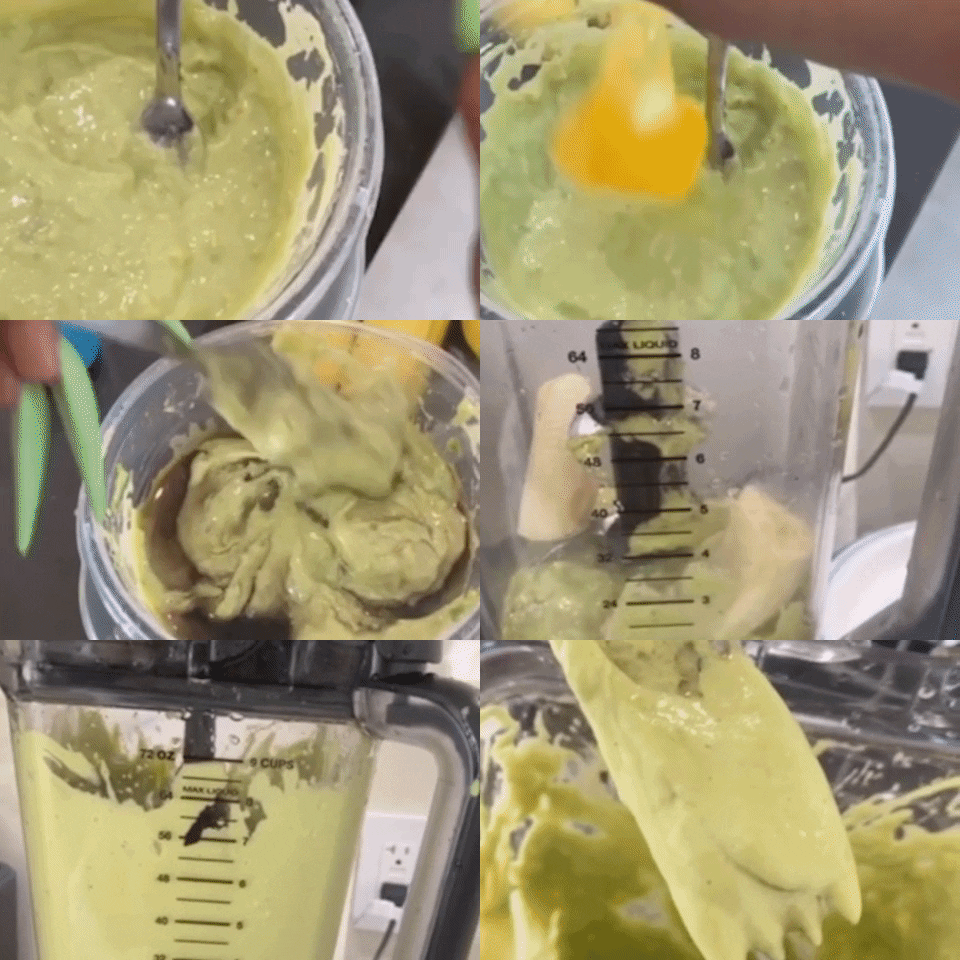
Place all the ingredients in a blender and blend on high until smooth and combined. Apply to the hair for 30 minutes and then rinse with shampoo, followed by a hydrating conditioner. We recommend using this mask as soon as you make it – you can always cut the recipe in half to avoid wasting any if you think this is too much for your hair.
To find out moreabout Cardi’s beauty routine, check out her instagram.
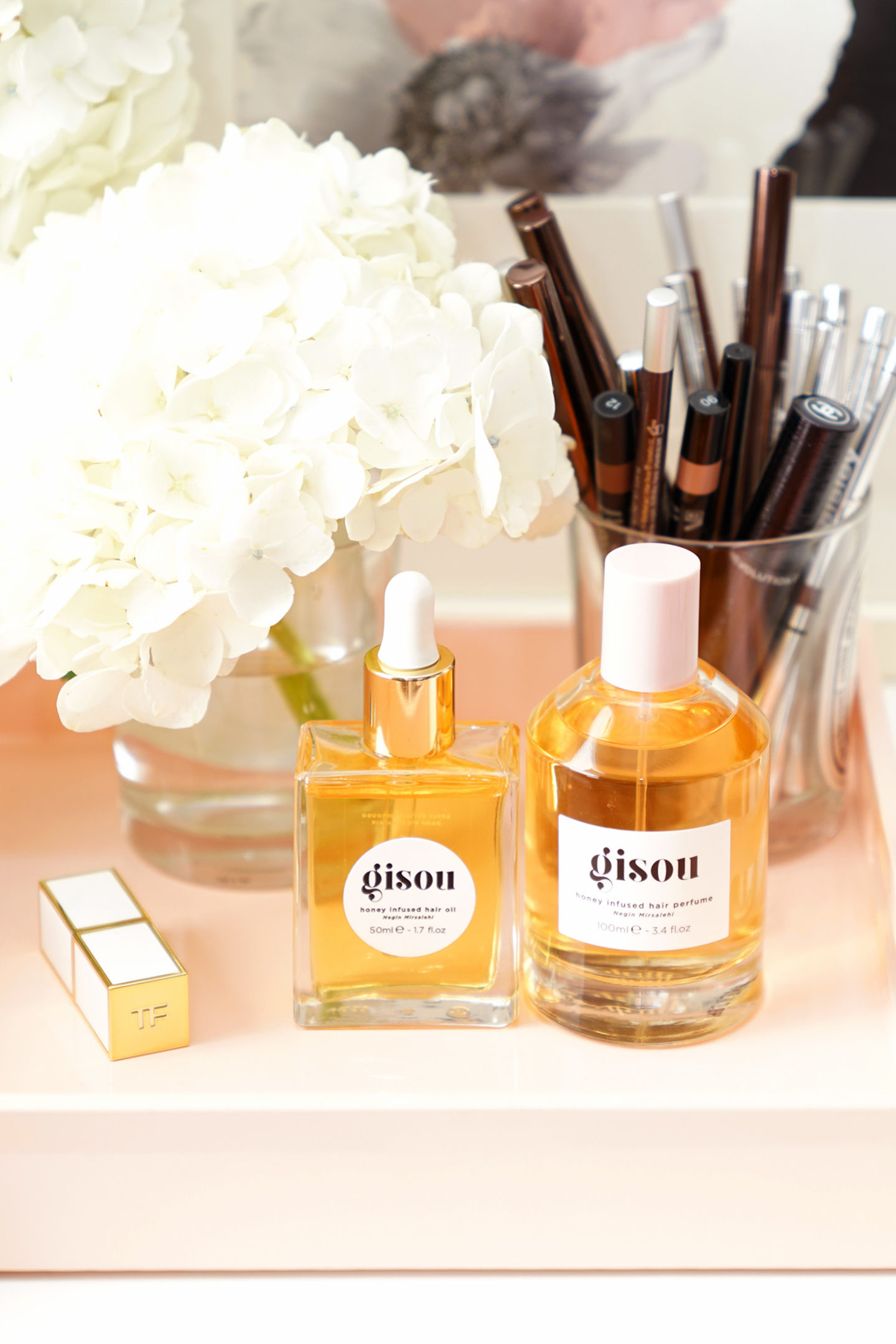
We’ve probably all come across Gisou scrolling through Instagram at some point. The luxurious hair care brand founded by famous Influencer Negin Mirsalehi kept intriguing me since the beginning. The beautiful glass bottles, the fact that it contains honey,… I kept trying to resist because of the high price tag, but the brand kept calling my name. I finally caved and purchased my first bottle of honey infused hair oil. I was so pleasantly surprised by the scent of the hair oil that I later on also purchased the honey-infused hair perfume. It’s almost been 4 months since I first purchased from Gisou, so I’ve been putting these products to the test!
SHOP GISOU
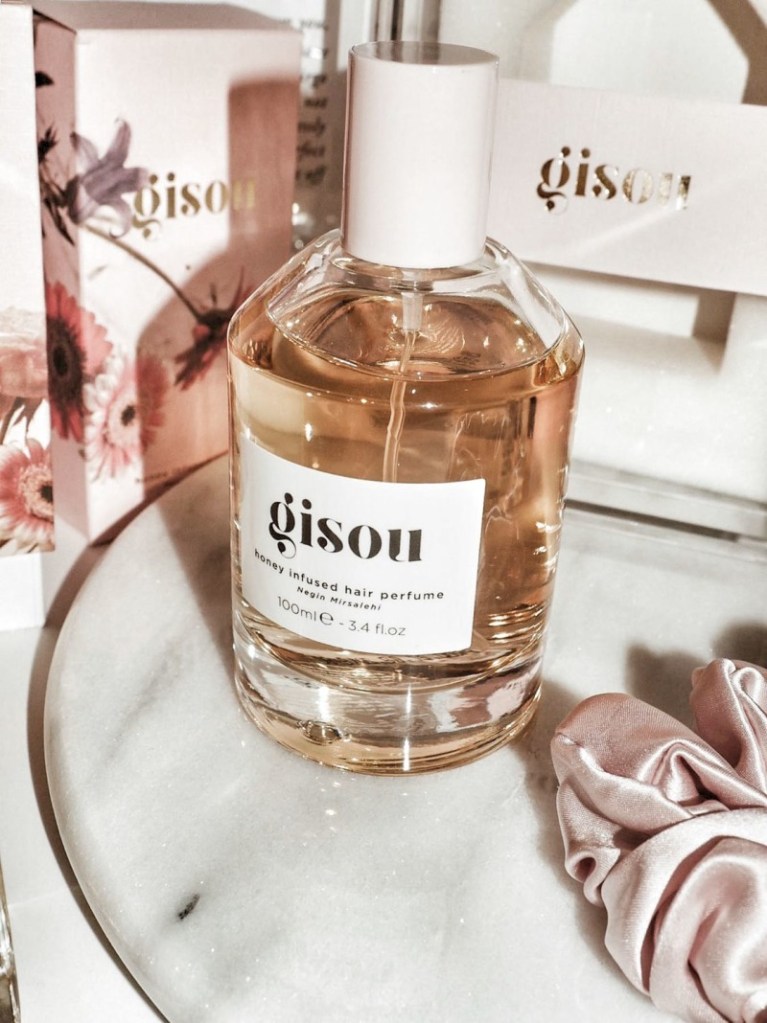
There’s no denying the fact that the packaging of Gisou products is to die for. It is so simple, yet so elegant and feminine at the same time. The cardboard box has a soft shade of pink with gold lettering. The glass bottles look so luxurious, chic and are a beautiful addition to any makeup vanity.
HONEY INFUSED HAIR PERFUME
The key ingredient in the hair perfume is, of course, honey. And I can honestly say I do notice a hint of honey in this delicious smelling hair perfume. The scent is very floral and feminine and in my opinion, also very unique. I’ve never smelled anything like the Gisou products before.
Recently, braids have become my go-to hairstyle again. So, I haven’t been applying many products to my hair but I do use GisouHoney Infused Hair Perfume Pocket($44) hair perfume to add a bit of moisture back into my sculpt which has a divine floral scent. Also, I use this product on my clothes and body. The scent lingers on for about 4-5 hours before it starts to fade away ever so slightly, which I think is pretty average for a ” hair ” perfume. It’s also nice to note that the hair perfume is formulated without silicones and of course, is cruelty-free.
HONEY INFUSED HAIR OIL
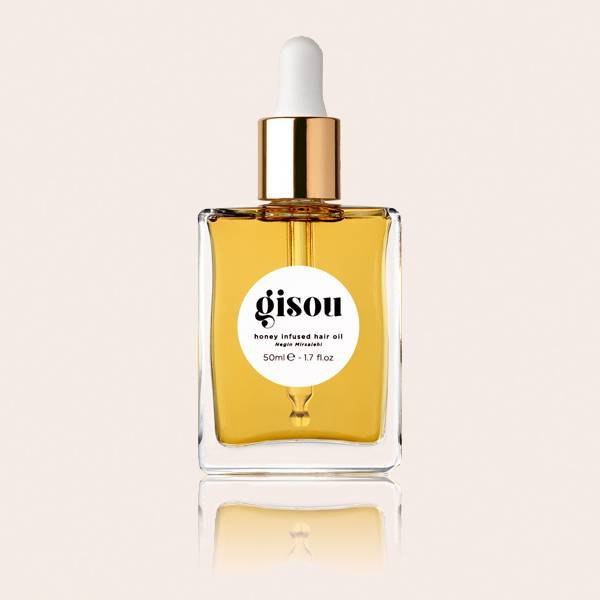
The honey-infused hair oil ( $46 ) claims to deeply condition, strengthen, and nourish your hair thanks to the key ingredient, honey. Speaking of ingredients, the hair oil does contain silicones which are important to note especially if you have curly hair. Silicone-based products in curly hair may produce build-up since the ingredient doesn’t dissolve in water. I for one, have very kinky curly thick hair and I don’t mind silicone in my hair products, as long as it’s not too overpowering. If you take a closer look at the ingredient list, you’ll also notice that honey is actually at the bottom of that list. I guess the hair oil would’ve become too sticky if they added too much honey. The hair oil also contains sweet almond oil, coconut oil, and vitamin E.
The smell of the hair oil is, just like the hair perfume, floral and feminine. It is the same scent as the hair perfume, just more subtle. The consistency of the oil is of course quite oily but you can also clearly feel the silicones. I use about 1-2 drops on my wet, tangled hair and this adds just the right amount of moisture. The hair oil doesn’t make my hair feel greasy as long as I don’t apply too much. It smooths out my hair and makes it feel soft once it’s dry. Sometimes, when my hair is extra dry on the second day, I just apply a little drop to the ends of my hair and it gets rid of any frizziness. This goes to show how versatile this product is. You could use it as an overnight treatment, before styling, after styling, add it to your hair mask,… Just make sure to never over-apply this product, since it can tend to get greasy if you do (trust me: been there, done that!). This is also the second bottle I’ve purchased this year, which says a lot. Anytime, I am trying a new brand and a new product, I go for the travel size, which lasts me about 6 months. But, my second time around I purchased the bigger bottle.
My final thoughts? I enjoy using both products and they have become a staple in my haircare routine. But the big question remains, are these products worth the hefty price tag? The Honey Infused Hair Perfume 100% is! The scent is divine and it’s not more expensive than an average perfume bottle. So worth it! The Honey Infused Hair Oil, on the other hand, depends on your budget honestly. I’m sure you can find alternatives that do the same thing to your hair for a fraction of the price. But, another selling point for me? The Gisou products are made in The Netherlands with honey from the Mirsalehi bee garden and are not tested on animals. The bottom line, I’m a huge fan of both products and I will continue to repurchase them once I run out.
Have you tried out any Gisou products? What are your thoughts? Is it worth the money?
Whether you’ve just recently decided to go natural or if you’ve long been wearing your hair in its unprocessed form, there’s always so much to learn about having natural hair. Before you attempt to absorb all there is to know about caring for your curls, we’re here to provide you with a few useful terms that’ll likely be of service to you in the long run. This, of course, is in no way a guide to everything you’ve ever wanted to know about natural hair, but we’d say it’s a great start.
Ahead, you’ll find a glossary of sorts, featuring 20 haircare terms that should be in every natural’s vocabulary.
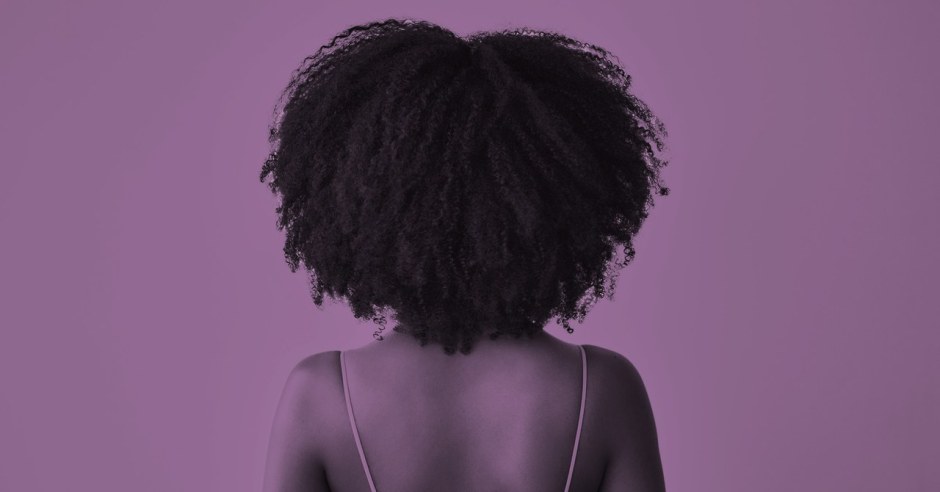
Curl pattern is a term used to describe the shape of your hair strands when they’re in their natural state. It’s usually broken down into four types: type 1 hair is typically bone straight; type 2 hair is wavy; type 3 hair is curly; and type 4 is coily. From there, the types are broken down into three subcategories each (a, b, and c) that are determined based on the width of your waves or curls.
Elasticity
This refers to your hair’s ability to return to its natural shape after being pulled, stretched, or heated in any way. Hair with low elasticity normally won’t return to its natural shape, while hair with high elasticity will.
Porosity
Porosity refers to your hair’s ability to absorb and retain moisture. It’s looked at in three different categories — low, medium, and high porosity — and it’s normally determined by the way your hair’s cuticles lay. Head over here for a more in-depth breakdown on what that means.
Sulfates
Think of sulfates as the reason why your shampoo lathers up and thickens the way it does when you work it into your hair. They are chemicals that are often found in cleaning products, and they’re widely debated in the hair community, since many people think they’re harmful and have the power to strip the hair of its natural oils and nutrients. On the other hand, there are also those who believe sulfates aren’t as bad for your hair as they’re made out to be.
Humectants
Humectants are chemicals found in hair products that promote moisture retention.
Sealant
Not to be confused with a moisturizer, a sealant is any product that sits on top of the cuticle to hold the moisture in your hair. These typically come in the form of oils and butters, and are to be applied after a moisturizer, since some of the oil molecules aren’t small enough to actually penetrate your hair shaft. Some popular sealants include jojoba oil, Jamaican black castor oil, and shea butter.
Moisturizer
On the flip side, a moisturizer is any product that — you guessed it — moisturizes your hair. When attempting to determine if a product will work as a good moisturizer, consider the amount of water that’s in the product; if water is the first ingredient listed on the label, you should be okay. Leave-in conditioners and light oils (coconut, avocado) often fall into this category.
Transition
Transitioning refers to the process of . . . well . . . “transitioning” from processed or relaxed hair to natural hair. A person who’s in the transitioning phase is someone who’s cut the use of harsh chemicals and heat from their haircare regimen and has opted to grow their hair out in its natural state while slowly trimming off their processed ends. They do this until their natural hair has grown to a length they’re comfortable with and their damaged ends are gone completely.
Big Chop
This process is often looked at as an alternative to transitioning, since big chopping your hair means cutting off all of your relaxed or processed hair at once. That said, you can also transition your hair before performing a big chop, growing it out slowly until you can clearly see where your natural hair and what’s left of your processed strands meet.
Shrinkage
Shrinkage refers to curly or coily hair’s ability to shrink up and look a few inches shorter than it actually is. When your hair is stretched — via twist outs, braid outs, blowouts, etc. (more on that later) — it should be able to shrink back to its normal state, as shrinkage is normally a sign that your hair is healthy and properly moisturized.
LOC Method
LOC is an acronym of “liquid, oil, cream,” and it’s basically a mnemonic device (think PEMDAS or ROYGBIV) that can be used to help you remember how to order certain products when you apply them to your hair. In this case, you’d use a liquid-based product or leave-in conditioner, followed by a sealing oil and a moisturizer.
Twist Out
This one’s a popular styling method achieved by installing several twists throughout a head of wet or damp hair before allowing them to set or dry for several hours. Some people also like to manipulate their twist outs by wrapping flexi rods at the end of each twist to give their ends a little more support in the curl department. Depending on how fast your hair dries, twists are typically taken out within a day or two of being installed, with the end result being a head of superdefined curls that can be worn for days at a time.
Braid Out
A braid out is essentially the same as a twist out, except it’s done with braids. Braid outs often stretch the hair more than twist outs do, which is good for anyone hoping to sport a style that shows off a little more length, but they often take a bit longer to dry as well.
Wash and Go
A wash and go is exactly what it sounds like, though there’s just a little more to it than literally just washing and going. It’s basically when a person washes their hair and wears it out in its natural state without twisting, braiding, or using tools to curl it. Typically leave-in conditioners and other products like curl creams or styling gels are added to keep frizz at bay for these styles.
A protective style is basically any hairstyle that tucks away the ends of your hair and protects them against possible damage from factors like weather, chemicals, and over-manipulation. Ideally, they require only a small amount of maintenance and are often a go-to for those looking to experiment with various colors and hair lengths without the risk of putting extra stress on their strands.
TWA
An abbreviation of “teeny weeny afro, a TWA is a natural hairstyle formed on hair that’s typically about 1-2 inches in length.
Co-Wash
“Co-wash” is an abbreviation for “conditioner-only washing,” which is pretty self-explanatory. People who use conditioner to cleanse their hair and scalp normally do so as a way to avoid the use of harsh, sulfate-filled shampoos that can often strip the hair of natural oils. Conditioners don’t technically cleanse the hair, though, these days, you can purchase conditioners that have special cleansing benefits.
Pre-Poo
A pre-poo (or pre-shampoo) is an oil or conditioning treatment that’s applied to the hair before shampoo. It’s normally necessary if you’re looking to detangle or add a little extra moisture to your hair ahead of a wash.
Protein Treatment
Protein treatments are reparative products that are used to help strengthen damaged and porous hair by attaching a variety of proteins and nutrients directly to the follicle. Because of how intensive they are, it’s best to limit yourself to using protein-rich products every four to six weeks.
Deep Conditioning Treatment
Not to be confused with protein treatments, deep conditioners are intensive conditioners that provide the hair with an extra boost of moisture after shampooing. They’re usually applied to the hair and allowed to sit for at least 30 mins before being rinsed out. Depending on how dry your hair is, they can normally be used one to two times a week.






 beautyleebar.org