I Started Drinking Collagen And I’m Obsessed With How It’s Changed My Skin

Hey my loves, so I wanted to tell you about something that I think is completely amazing… Collagen! I’ve been drinking collagen for about 2 months so far, and I’ve noticed a huge impact on my skin and my body; it’s pretty incredible. Collagen (or gelatin) is a naturally occurring protein in your body, but as you age your body produces less, which leads to wrinkles, sagging skin, and joint pain – not ideal!

What is collagen:

Collagen is one of the building blocks of skin, so not only does it keep you looking young but it can heal your skin as well – seriously, it’s true! It helps to heal acne scars and scarring, as collagen mends and rebuilds the damage done to connective tissue, while it’ll also improve your bone strength and ligaments in the same way. The most noticeable difference I’ve seen from drinking collagen is the effect it has on wrinkles; because collagen strengthens blood vessels, it makes your skin softer, more elastic and prevents and fixes fine lines, (even pimples). Because collagen improves skin tissue strength and helps the body to replace dead skin cells, it promotes glossier hair, stronger fingernails, and firmer skin. And finally, and I have noticed this myself, it reduces the appearance of cellulite because it rebuilds the fibers that make cellulite more visible – insane!

Where collagen comes from:

So, if you’re wondering where collagen comes from, it’s basically derived from the bones and tissue of animals like cows, fish, chicken, and pigs. But not all collagen is created equal; you need to look into the source of collagen (which animal), as this can determine the effect it will have on your body and its potency – beef and fish are the best. The most effective type of collagen is marine collagen because it’s absorbed up to 1.5 times more efficiently into the body than any other type of collagen.

How to take collagen:

When I first heard about collagen, I started taking it in a pill form, and I noticed a small difference: my skin looked lifted, and my skin felt smoother. But when I started taking it as a powder, about 2 months ago, that’s when I noticed a significant difference in the texture of my skin. Even my scars have faded, and I swear my double chin has got tighter!

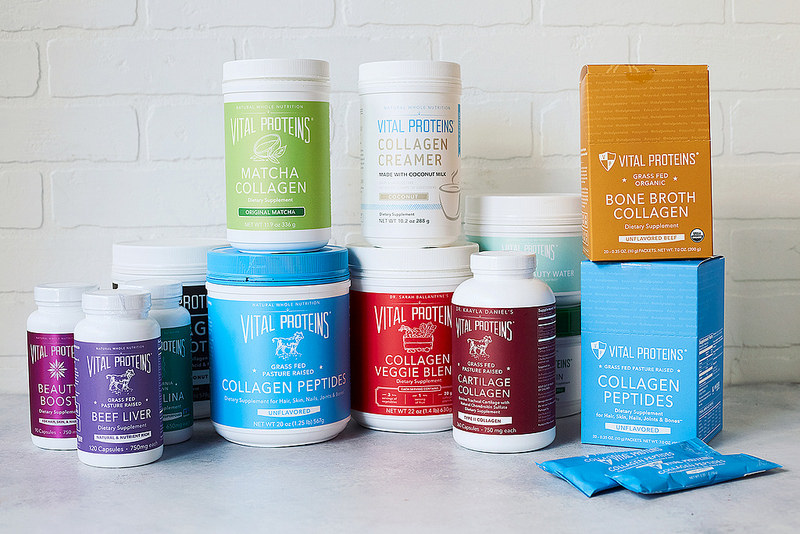
I’ll admit, in its powder form, collagen doesn’t taste great – it’s meant to be flavorless, but I feel like it has a kind of meaty taste to it. You can mix it with tea, smoothies, coffee or even add it to meals you’re prepping. I like to mix it with soup or hot chicken broth, which is a healthy way of having it and you don’t notice it at all. Depending on the formula you’re taking, different amounts are recommended. I use the Vital Proteins Pasture-Raised, Grass-Fed Collagen Peptides, and it recommends one to two times per day. I usually only have it once a day.

Just adding a scoop of Collagen Peptides to food or beverages gives you the vitamin boost you need to support healthy hair, skin, nails, bone, joint health, digestion, muscle recovery, and more.

  • Stir into water, fruit juice, or other beverages
  • Add to smoothies as protein booster
  • Mix with oatmeal, soups, or sauces
  • Add into recipes for entrees or desserts
  • Easy to use! The Collagen Peptides mix well in hot or cold liquids, making them an easy addition to whatever your diet might be

KEY FEATURES & ATTRIBUTES

Collagen is one of the most nutrient-rich proteins in the human body. Supplementing with Vital Proteins Collagen Peptides offers:

  • 20 g collagen per serving – supports overall health and wellness
  • 3,719 mg natural glycine – promotes healthy immune and digestive systems**
  • 100% pure collagen protein – clean, tasteless, and dissolves & absorbs quickly
  • Sourced from grass-fed, pasture-raised bovine to ensure a natural, high quality, and sustainable source of this nutrient 
  • Digested and absorbed by the body quickly for maximum benefits
  • Whole30 Approved & paleo friendly 
  • Gluten free
  • Dairy free
  • Preservative free
  • Non GMO
  • Hormone free

I’ve also tried more VITAL PROTEINS products that helps with collagen, which comes in different flavors and types that include some of the best-for-your-body vitamins and minerals. You can try collagen from aged 25 onwards when your body’s natural collagen supply begins to decrease. For me, I am only 22 and just wanted to give it a try but it might become a essential in my beauty daily routine – I’m obsessed!

Would you guys try collagen? Let me know in the comments below. X

How To Kick Your Chocolate Cravings With Something Better!

Chocolate is everyone ultimate bae, but lets not deny that it’s not great for our health, and definitely not our skin. So, in my continual efforts to be healthier and control my cravings, I switched to cacao, and I’m not mad at it. It tastes like dark chocolate which isn’t my favorite kinda chocolate but still feels like I’m getting a hit of sweetness, but it’s actually a superfood that’s bursting with antioxidants. And no – it’s not a typo, and it’s definitely not the same as cocoa…

Cacao VS Cocoa

Cacao (pronounced CU-Cow) is a raw powder, derived from the unroasted cocoa beans found most commonly in areas of South America and Ghana. What makes it different to cocoa, is cocoa has been roasted at a high temperature, which reduces the enzyme content and decreases its nutritional content as much as 90%. Cocoa powder is then often processed with sugar and other chemicals, which is what dehydrates your body and can trigger breakouts. Cacao retains all these beauty-boosting enzymes and is free of any refined sugar, here’s how it works:

For your skin: When applied onto your skin, cacao will give you an even complexion and a stunning glow as it increases blood flow and hydrates your skin. It’s ideal for any acne sufferers as its full of fatty acids and raw enzymes that boost skin cell renewal helping you get rid of any acne scars. As its high in antioxidants and vitamin C, it fights sign of premature aging while keeping your skin looking firm and youthful.

For your hair: If you incorporate cacao into your weekly diet, your mane will seriously thank you – we’re talking major volume and extra glossy locks. This is because cacao increases blood circulation, boosting growth while strengthening each strand of hair, helping to keep split ends at bay.

For your body: Love to sprinkle cacao nibs (think of them like chocolate chips, but instead they’re cacao) into our yogurt, smoothie, and porridge, as it lowers your blood pressure and reduces your risk of heart disease, not to mention it helps detoxify your body. It’s a serious mood booster too and actually releases the same gooey brain chemicals as when you’re falling in love. It’s packed with other minerals as well, like iron, magnesium, and calcium.

Favorite Cacao Recipes:

You can buy cacao as a powder or as nibs, either online or at your local health food store. We like this Raw Organic Cacao Powder from Amazon, $14.

Vegan Cacao smoothie
For the perfect post-gym or afternoon refuel, blend together 1 1/2 cups of almond milk, one banana, 1 tablespoon of oats, 1 tablespoon of honey and 1 tablespoon of raw cacao. Serve over ice and enjoy.

Cacao Fudge
This sweet treat is actually super nourishing for both your skin and your hair. In a food processor, blend together 4 tablespoons of almond butter with 4 tablespoons of coconut oil. Then add 2 tablespoons of raw cacao, 4 tablespoons of raw honey, and a pinch of sea salt. Place on a tray lined with baking paper and pop it into the freezer for an hour, then break it into pieces and enjoy!

Cacao mask
This mask is amazing for acne-prone sufferers or anyone who wants a quick glow, as the cucumber will instantly brighten the skin and the cacao is antibacterial and anti-inflammatory. Start by mashing 1 avocado in a bowl until smooth, then stir in 1 tablespoon of honey and 1 tablespoon of cacao until well combined. Squeeze the juice of 3 to 4 slices of cucumber, ensuring the seeds make it into the mixture. Apply to your face, leaving it for 20 minutes before you rinse it off with warm water.

Let me know if you’ve already tried cacao in the comments below.

And also, what do you guys want to be officially called? Comment down below and head over to @BeautyLeeBar Instagram for more fun and cute posts!

Healthy Habits: What Is Intermittent Fasting and How Does It Work?

Intermittent fasting: It sounds like a scary term, doesn’t it? Well, would you believe me if I told you that it’s actually one of the biggest buzz phrases in the health and nutrition world right now? But before diving in, first things first…

What is intermittent fasting?

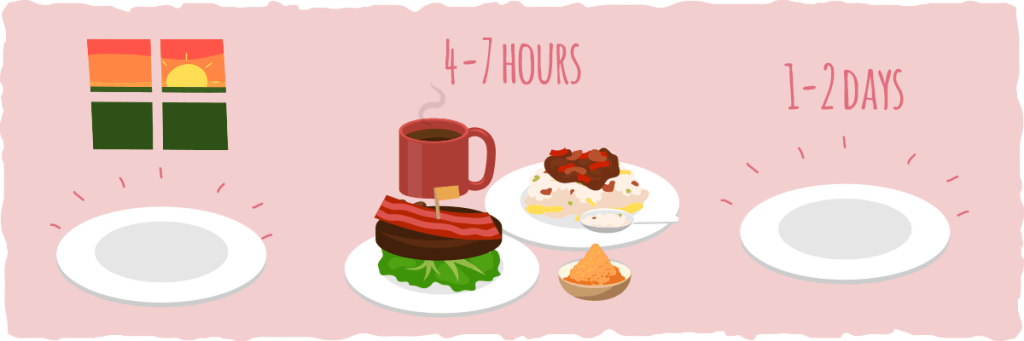
Nutritionists and health experts define intermittent fasting as a cycle of fasting (not eating) and non-fasting (eating) periods that allow your body to remove toxins, waste, damaged cells, and fat cells. There are several different ways to do it—you can fast for as short as a 6-hour window in the middle of the day, or go as long as 24 hours without food (although, we wouldn’t recommend the latter). The intermittent portion of this cycle means it is an eat-stop-eat plan that lets your body go into a fasting, fat-burning mode.

What are the benefits?

Now that I’ve gotten that behind us, let’s talk benefits (and some science, too). Health experts explains that intermittent fasting (or IMF) has been around for centuries, but has become very popular because there is a lot of great research coming out on fasted workouts and the benefits of fasting. Pioneers like Brad Pilon and Dr. Valter Longo of USC are paving the way with this research that shows how, not only can you break down fat cells for weight loss while fasting, but you can also break down unwanted immune cells for rejuvenation.

By fasting, you can experience apoptosis of immune cells, autophagy of neurons and a reduction in liver size (which is extra great for those ladies who get in the habit of a glass of wine to unwind after work), and the removal of damaged cells, toxins, and waste.

IMF is an approachable way to achieve these cleansing benefits and there are multiple methods to do so. In fact, animal studies** show that fasting is life-extending and promotes beneficial changes in genes related to longevity. Studies have shown that IMF can promote over a 300% increase in growth hormone and a significant drop in insulin levels, both of which facilitate fat burning and lean muscle gains.

How does it work?

The best way to begin an intermittent fasting phase is when you’ve already been eating clean and healthy—meaning no ice cream binges beforehand! It is much easier to enter a fast when you have balanced blood sugar or are currently in a fat adaptive or ketogenic state (a state where your body is burning heathy fat, proteins and vegetables for fuel, not sugars and carbs), she says. This can help prevent the fasting flu symptoms, like headache or nausea, you might experience from fasted cleansing. From there, the cycle involved doing a 6-hour, eat-stop-eat routine that is easier on both your appetite and your mind than an extreme 24-hour or longer fast. Here’s what that looks like:

Note: I am not recommending or condoning this cycle for everyone, but simply explaining what a day of intermittent fasting looks like based on research.

Eat: Wait to have breakfast until later in the morning, around 11:30am. This will keep the body in the fasting mode it was in during the time it were asleep. Kelly recommends smoothie with a healthy fat like almond butter or coconut oil, or a carb-free, protein and fat-rich dish like scrambled eggs with spinach and avocado.

Stop: Now it’s ideal to try not to snack or have any drinks besides tea or water between the late breakfast and early dinner. This is the 6-hour fasting phase and it’s crucial to avoid snacking in order to reap the metabolic and cleaning benefits.

Eat: Six hours later, so around 5:30pm, have a clean dinner that combines all of four ingredients (protein, greens, healthy fat, and fiber). This can be include grilled chicken and steamed broccoli, baked salmon with roasted asparagus, or a veggie-packed salad with chicken and a light salad dressing like this one.

Stop: Then, it’s time to stop again. This is the longest fasting phase during the 24-hour period, but it’s also the easiest since the body is sleeping for the majority of it. Sip on herbal tea or bubbly water during the evening when tempted to open the fridge and snack. The great part is that during a fasting phase, the body will need more rest since it’s cleansing.

What would someone expect?

During intermittent fasting, one will feel mental clarity, lose fat around their midsection and have an increase in metabolism. Basically, this process will allow the body to surge with human growth hormone and testosterone, which will help decrease insulin sensitivity. This is good for the metabolism, and good for brain fat—it hits body and mind all at once.

But before you get started…

One important note from Kelly is to take this in moderation. While IMF can be very beneficial when done correctly, it is not for everybody and you don’t want it to get out of hand. Extreme IMF dieting does have the propensity to create eating disorders, food anxiety and binge eating when it is taken too far. This is why Kelly does not recommend fasting for 12 to 24 hours, but instead tells clients to use the eat-stop-eat method. “If my clients are interested in IMF, says Kelly, “another practice I recommend is getting up and having a Fab Four Smoothie, enjoying a nice lunch and then skipping dinner instead.” It’s important to remember that IMF is used as a one-day reset when you feel your body needs to cleanse—not a lifestyle—and it is not for everybody.

As with trying any new diet or health plan, you should consult your doctor before trying intermittent fasting, especially if you have a history of hypoglycemia.

And there you have it! I know, that was a whole lot of information and a lot of science to absorb. If you have any questions, be sure to leave them in the comments below.

What other trending health topics would you like to see me cover next?

XO BLB

My Experience With The Keto Diet: How It Works, How Much I Lost!

Hey my loves! So at the end of December, I decided to try the keto diet, aka the ketogenic diet. Keto is working really well for me so far and I’m super happy with my results… But, before I get into that and how it all works, I want you to know that it’s worth discussing any drastic diet changes with your doctor first, and although I have enjoyed this diet, it’s not something I recommend to everyone. I want to share with you my experience, and the advice and help I’ve had from a food consultant.

So, first of all, you’re probably wondering what the keto diet actually is, and why everyone is talking about it right now! It’s essentially a very low-carb, high-fat diet, which can lead to fast weight loss (mostly water weight in the first two weeks).

Here’s everything you need to know about what and how the keto diet works, the advantages, and also the downsides associated with this quite drastic change in diet.

Believe it or not, the ketogenic diet was developed nearly 100 years ago to help reduce epileptic seizures amongst children. Due to the nature of the diet with its low-carb, low to medium protein, and high-fat content, many people often compare it to the Atkins diet. The main difference is that the Atkins diet works in stages, and the keto diet follows a consistent meal plan. The keto diet gets its name from the process the body uses to burn energy, aka ketosis, which is a metabolic state where the main source of fuel for the body is fat.

How does ketosis work?

Our bodies are naturally used to burning glucose (sugar) as a primary source of energy and when you start to consume less of it, restricting your general carb and sugar intake (yes, sugars are also carbs), we force a switch in our metabolism – burning stored fat instead of glucose. This sometimes occurs on a lower scale when we sleep for longer periods of time, accidentally skip meals, and when we fast.

Without carbs in your system, the body starts to release fatty acids from stored fat, and they get broken down in the liver. This results in the production of ketones, and these energy molecules are then used to fuel your body.

What you should and shouldn’t eat on the keto diet:

The positives of keto:

If losing weight is something that you want to do, then the keto diet can help. Researchers have also stated that the keto diet can aid in lowering blood sugar levels, reducing inflammation of the body (if you have high amounts of insulin circulating within your system), and achieving the feeling of being ‘full’ most of the time because of the specific contents of your meals.

Many participants have also claimed that they developed a stronger sense of mental focus after a week or two of being on the diet.

The downsides of keto:

Sure, you’ll lose quite a few pounds on your initial journey, but most of the starting weight that you’ll drop will be from water weight, so remaining consistent is the key to reaping continual benefits and gradual weight loss. In the first two weeks, I lost about 4 pounds (1.81kg), and my stomach flattened out a little. This dramatic loss is mostly down to a drop in the water that your body usually stores – carbs need water to stay in your body. You also need to ensure you consume more water during this period so that your body doesn’t get dehydrated, which can lead to constipation. The first two weeks are when you’ll notice the most dramatic drop in weight, while the second two weeks will be slightly slower, but this is the point when your body will begin to burn fat.

It can be quite challenging for the body to switch metabolic states and if you’re not used to these changes, you’ll feel sluggish and tired for the first few weeks. I didn’t experienced trouble sleeping like some claim. If you’re exercising a lot or trying to build muscle, you should speak to a dietician or doctor to see if this is the right diet for you.

Due to one of three ketones being produced, acetone is the one that can be monitored when expelled from the body through urine and breath analysis. One way that many have said that they’ve noticed ketosis is from the strange taste in their mouth accompanied by an odor caused by this ketone.

So is keto worth it?

Like all diets and nutrition plans, being strict with yourself and fighting temptation from certain foods is the key to success. You can easily search the web for foods that you should and shouldn’t consume. The keto diet may assist in weight loss on a short-term basis, but there’s still more research to be done on the long-term effects, so remaining on this diet isn’t recommended. When choosing your fat sources, try and pick healthy choices like coconut and olive oil, fats from nuts, avocado, and fish. Try to compose your meals with a small amount of saturated animal fats, and if you do decide to enjoy them – it’s recommended that you consume organic and grass-fed products.

My personal experience with keto:

I was planning to do this for one month and be done with it, but I love the results so much, and I don’t find it that difficult to do, that I’m going to continue it for a little longer. I actually find it the easiest diet that I’ve done; I can have a bun-less burger (I love burgers) and although I can’t have French fries, I’m okay with that surprisingly – but I have to say I really miss macaroni and cheese! The thing with this diet is, you can eat as much cheese as you like, which definitely makes you feel like you get to cheat! You can eat Mexican food, and Greek food, but you can’t eat beans and hummus, or pasta and bread.

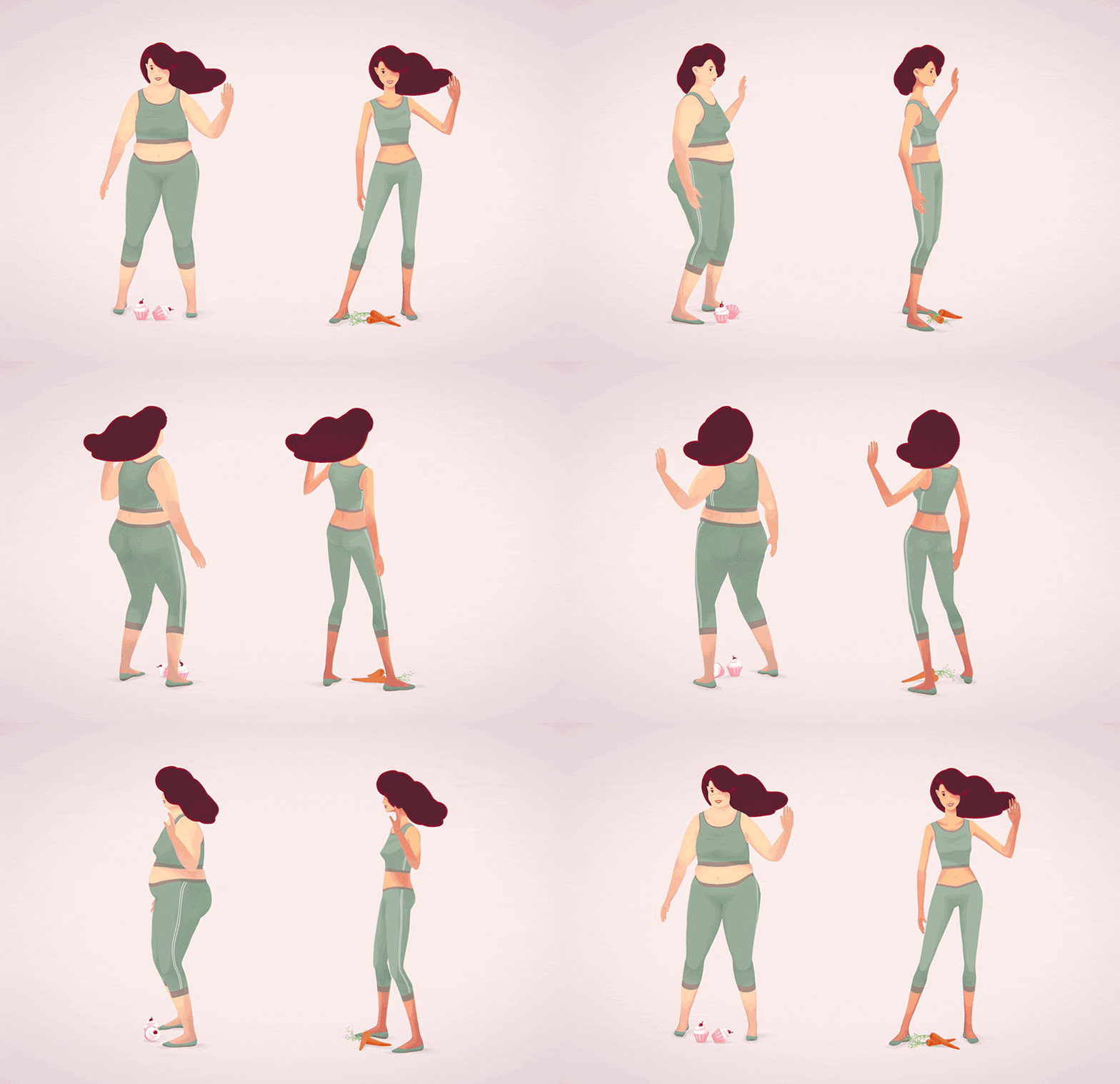
I’m really pleased with the results I’ve had so far, and as well as the initial weight loss, my back fat (an area I struggle with), as well as my arms, has also slimmed down. I’m naturally curvy, and I love my figure, but these are just little areas that I wanted to improve, and I’m really happy with the results so far. My clothes looks and fits better.

The other thing with the keto diet, is you can’t cheat; otherwise, it ruins the process of ketosis. I admit, I cheated a few times, and I still lost a little weight but I gained some back too– at the end of the day, you’re still cutting a lot of carbs. I think after another month of this, I’ll be able to fully eat healthy without the temptation. Now and again, I like to try these diets out, but ultimately, I think having a balanced diet, good rest, and exercising regularly is the most important thing to do. It’s okay to be naughty now and again, but I find if I eat lots of vegetables and fruit, organic meats and avoid too many simple carbs (like sugar, baked goods, pasta), that I generally feel energized and healthy.

Most importantly:

I know a lot of people have been talking about this diet lately, so I wanted to share my experience with you guys and give you as much info on it as possible. I definitely don’t recommend this diet to everyone, and if you do choose to try it, please consult your physician or doctor before starting. Also, remember that everyone’s body is different and people lose weight at different rates, so don’t feel disheartened if the results you expected take a little longer.

Keto will be different for everyone, and once you’ve consulted with a physician, you can use an online keto diet calculator, or consult a dietician to obtain your required daily intake of protein, carbs, and fats. You should also take into consideration how active you are throughout the day. A general rule of thumb would be to consume roughly 75% healthy fats, 20-25% protein, and 0-5% carbs.

Let me know in the comments if you have any personal questions you would like to ask me about the keto diet, and your experiences with keto if you’ve tried it yourself.