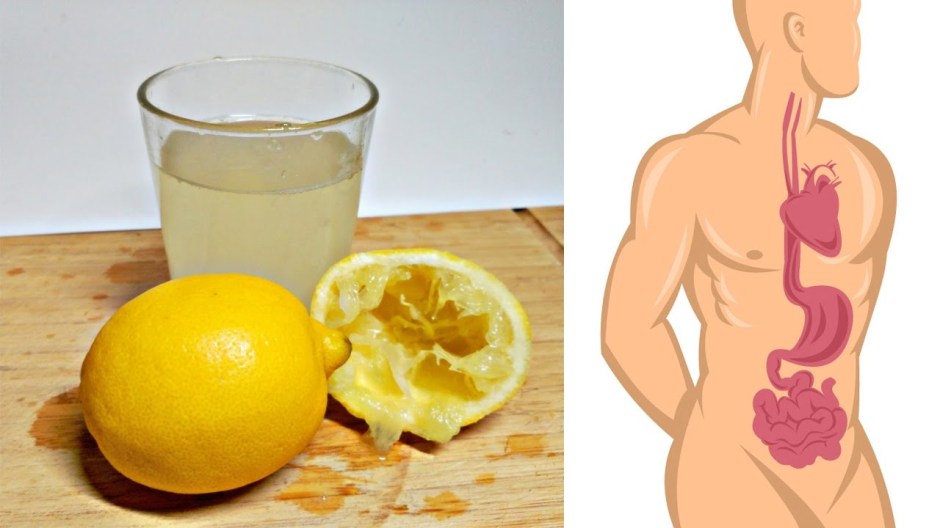
Lemon and water are a match made in heaven… I’ve started drinking it every day and feel more energized than ever. After learning about the slew of health benefits associated with drinking water and freshly squeezed lemon juice, I decided to make it a part of my daily diet. Lemons are packed with natural vitamins and minerals that are key to your inner and outer beauty regime as well as your general health.
Here are three reasons why you should pair hot water with lemons ladies:
1. It’s a natural energizer! It hydrates and oxygenates the body so it feels revitalized and refreshed. 2. It’s cleansing. According to NaturalNews.com, the citric acid in lemons helps maximize enzyme function, which stimulates the liver and aids in detoxification. 3. It aids in digestion. Not only will this killer combination relieve indigestion, but it will also help flush you out.
Do you drink lemon water?
XO Lee
P.S. For those of you asking, I usually drink about 12-16 oz of cold water with 1/2 a lemon’s juice. But hot water is great too! It really depends on how I’m feeling that day…
So you probably think how you’ve been showering for the last 20 years was on point. Like really, how wrong can you go in the shower – as long as you get your body clean, goal achieved, right? Well yes, but it’s like your skincare routine – you can get WAAAY better results just by layering your products in the right order – and showering is the same. By doing different steps at the optimum time, it’ll result in cleaner and softer skin. Intrigued? Here’s what you’re doing wrong, and how to shower the right way:
1. Blasting the heat too high
We know, we know, it feels great, but soaking your skin in hot water is actually drying your skin out. Super hot showers strip your skin of their natural oils and dehydrate it, making it feel dry and itchy; it can even lead to rashes. You should also cut back on how long you spend showering, 5 to 10 minutes is ideal – if you’re washing your hair, aim for 15 minutes max, to avoid stripping the skin of its natural moisture levels. The drier your skin, the more likely you are to get rashes, as it’s easier for bacteria to penetrate the cracks in your skin.
2. Not washing in the right order
If you’re in a rush, you most likely take advantage of those few minutes when you let your conditioner do its thang, and wash your body. But doing this could be the reason you get pimples on your chest, body or back, as when you wash out the conditioner, it leaves a film on your skin that can block your pores. Try the Bioderma Atoderm Shower Gel; it’s hypoallergenic, soap and paraben-free, moisturizes dry skin and is also amazing for getting rid of body acne. Also, Glow Goddess bar soap, $10.00 is another good choice as well. Goddess bar soap has lavender essential oil that can be used for treating burns, inflammation, eczema, acne, nervous tension, asthma, arthritis, acne, and bacterial infections. This gentle bar soap is soft on the skin and is packed with lavender flowers as a soft exfoliant. Another tip is to use your shower gel only in the places where your skin is oily, your lady parts (look for fragrance-free), underarms, and feet – unless you’ve been exercising and sweating excessively. Because your arms and legs have much less oil to spare, using soap here regularly can make your skin drier.
3. Not masking in the shower
This is juicy news to us, but it makes so much sense! The experts say the best time to do your face mask is in the shower when your pores are open from the warmth of the water. This means that hydrating and nourishing masks will be able to deliver all their vitamins and minerals as they can soak into your pores more easily. Similarly, ‘extracting’ masks like clay, mud, and charcoal can pull more toxins from your open pores, without running the risk of dehydrating your skin as the mask won’t completely dry out. For a quick nourishing and moisturizing DIY, you can apply a thin sticky layer of organic honey over your skin for 5 minutes while you shower.
4. Shaving at the beginning of your shower
Shaving is an eternal pain in my butt – no matter how much you do it, it keeps coming back. If you want to maximize on your silky soft skin for as long as possible, the key is to wait until the end of your shower, about ten minutes in (or while you have your conditioner in). By this time, your hairs will have softened and your pores will have opened, making it much easier to get a closer, smoother shave. Another hack, don’t keep your razor in the shower, as the steam will gradually rust the blade and speed up blunting. Instead, leave it to soak in baby oil, which keeps the metal from oxidizing, so it’ll stay sharper for longer. Try Nad’s Natural Hair Removal Cream, $5.99 for a smooth, razor bump free look and feel.
5. Using old sponges and loofahs
We know it’s painful to throw something away that seems like it still has at least another six months of effective use, but sometimes it’s what you can’t see that you need to be cautious of. Loofahs and sponges collect bacteria and mold due to the damp conditions they’re stored in, which can lead to rashes or dry patches. Ideally, you shouldn’t use either for longer than a month. To keep your loofah or sponge in the best condition, ring it out as much as possible after using it, and allow it to dry completely before you next use it, storing it in a dry place, not directly in your steamy shower.
6. Not moisturizing immediately after showering
First things first, instead of vigorously rubbing your skin dry with a towel, try gently patting it instead. The aim is not to be completely dry, but to use any leftover moisture on your skin to your advantage when you moisturize. Experts agree that within three to five minutes after you shower is the best time to rehydrate your skin so that you can trap any excess water on the surface of your skin without it evaporating. Moisturizer and body oils act as a barrier to lock in moisture; I love using Gloww Goddess Body Oils, $20 as these contain rich vitamins, antioxidants, and essential fatty acids to help restore your skin. Otherwise rich moisturizers like shea butter or cocoa butter are amazing natural moisturizers.
Which of these showering mistakes are you guilty of?
**FTC: This post is not sponsored. No monetary compensation was received for this post, however, products were sent to me. Opinions are 100% my own, of course.
I try to limit my dairy intake as a general rule. Too much dairy often takes a toll on my skin and leaves me feeling sluggish. But I’m not going to lie—I can’t resist the occasional butter pecan ice cream. According to many researchers and scientists, cow milk is bad for you because there is Excess calcium from milk and other foods may increase the risk of prostate cancer. Milk sugars may be linked to a slightly higher risk of ovarian cancer. Milk from cows given growth hormones contains higher levels of a chemical that may increase the risk of some cancers. So, with that being said, I’ve been trying to opt for non-dairy alternatives in that department. But with so many milk options out there—from nut milks to coconut to hemp and everything in between—it can be hard to know which one to choose! So I did what I always do when I have diet questions and reached out to different nutritionists that I follow for their take on the matter. I was given a rundown on several popular cow’s milk alternatives, which I am sharing with everyone below…
1. Soy Milk. Soy milk is to be one of the most popular non-dairy alternatives there is. The Starbuck Soy Latte has become almost as ubiquitous as it’s dairy counterpart. But despite its widespread availability and easy source of non-animal protein, some recommends against having soy in your diet in general—especially in this processed form. Soy contains phytoestrogens that can disrupt hormones, with prevalent side effects including acne, hypothyroid, infertility and even cancer.
Lastly, soy milk made from soybeans is not recommended for people with a FODMAP intolerance or who are in the elimination phase of the low-FODMAP diet. FODMAPs are a type of short-chain carbohydrate naturally present in some foods. They can cause digestive issues such as gas and bloating. However, soy milk made from soy protein isolate can be consumed as an alternative.
2. Almond Milk. Almond milk is a contender for “best overall milk alternative” in Sam’s book. It’s lacking in calcium, but loaded with Vitamin D and E. Almond milk is a natural source of vitamin E, a group of antioxidants that help protect the body from disease-causing substances known as free radicals. It’s also low in calories for anyone for whom that is a concern. Just make sure you choose a variety with no added sugar and watch out for carrageenan (a harmful additive) on the ingredients list. Also, make the most of the nutrients and health benefits of almonds, choose brands of almond milk that contain a higher content of almonds, around 7–15%.
3. Coconut Milk. Real coconut milk is another amazing pick! It is a great source of manganese and MCT fats. The lauric acid present in coconut milk is even antibacterial. Opt for a minimally processed variety without additives like carrageenan or added sugar.
4. Oats Milk. According to Daisy Coyle, APD, oat milk is high in total fiber and beta-glucan, a type of soluble fiber that forms a thick gel as it passes through the gut. The beta-glucan gel binds to cholesterol, reducing its absorption in the body. This helps lower cholesterol levels, particularly LDL cholesterol, the type associated with an increased risk of heart disease. What’s more, research has shown that beta-glucan may help increase feelings of fullness and lower blood sugar levels after a meal. Oat milk is also cheap and easy to make at home.
5. Rice Milk. Rice milk has more carbohydrates than cow’s milk, without the fat or protein. It’s basically just starchy sugar water with very few real nutrients. Rice milk is what people who suffer from severe food allergies to dairy and nuts often turn to, but it’s not the best option out there if you can drink the others without issue. Rice Dream is a good option for those protein shakes.
6. Hemp Milk. Hemp milk is made from the seeds of the hemp plant, Cannabis sativa. This is the same species used to make the drug cannabis, also known as marijuana.
Hemp milk has a slightly sweet, nutty taste and a thin, watery texture. It works best as a substitute for lighter milk such as skim milk. It is a good option for vegans and vegetarians since one glass provides 2–3 grams of high quality, complete protein, with all the essential amino acids.
What’s more, hemp milk is a source of two essential fatty acids: the omega-3 fatty acid alpha-linolenic acid and the omega-6 fatty acid linoleic acid. Your body cannot make omega-3s and omega-6s, so you must obtain them from foods.
Lastly, unsweetened hemp milk is very low in carbohydrates, making it a great option for those who want to reduce their carb intake. If this is a priority for you, avoid sweetened varieties because they can contain up to 20 grams of carbs per cup (240 ml).
7. Goat’s Milk. This one obviously isn’t non-dairy, but we had to include it, as it’s also become a popular alternative to cow’s milk. Goat’s milk is lower in casein and lactose than cow’s milk, and only contains A2 casein, not A1 (A1 is the protein that is linked to inflammation and allergies). This means that many people who cannot have cow’s milk will do fine with goat’s milk. Goat’s milk is also higher in MCT fats than cow’s milk, and it is easier to absorb nutrients from goat’s milk than cow’s milk.
8. Macadamia Milk. Macadamia milk is made mostly of water and about 3% macadamia nuts. It’s fairly new to the market, and most brands are made in Australia using Australian macadamias.
The low carbohydrate content also makes it a suitable option for people with diabetes or those looking to reduce their carb intake. Also, macadamia milk is a great source of healthy monounsaturated fats, with 3.8 grams per cup (240 ml). Increasing your intake of monounsaturated fats may help reduce blood cholesterol levels, blood pressure and the risk of heart disease, especially if it replaces some saturated fat or carbohydrates in your diet.
9. Quinoa Milk. Quinoa milk is made from water and quinoa, an edible seed that is commonly prepared and consumed as a grain. The whole quinoa grain is very nutritious, gluten-free and rich in high-quality protein. While quinoa has become a very popular “superfood” over recent years, quinoa milk is fairly new to the market. For this reason, it is slightly more expensive than other non-dairy milk and can be a little harder to find on supermarket shelves.
It has a fairly well-balanced nutrition profile compared to other non-dairy kinds of milk. It is comparatively low in fat with moderate amounts of protein, calories, and carbs. Quinoa milk is a good plant-based source of complete protein for vegetarians and vegans. If it is available at your local supermarket, then it could be worth trying.
different vegan glasses of milk on a table: hazelnut, rice, soy and almond milk substitute for dairy milk
There are a few things to consider when choosing a cow’s milk alternative, including nutrient content, added sugars, cost, and additives. Reading food labels will help you understand what’s in the milk you are buying.
There is no one milk that’s ideal for everyone. The taste, nutrition, and cost of these alternatives can vary considerably so it might take a while to find the one that’s best for you.
Which milk alternative do you prefer?
I’m an almond milk gal myself, but rice dream milk is great too.
When I walk into the sunscreen aisle I always feel a bit overwhelmed. So many numbers, so many acronyms (SPF, UVA, UVB, COTZ, WTF?!), and so not sure what to look for… I figured many of you might feel the same way so I did a little research and put together this simple, no-brainer guide about SPF.
Aside from using retinoid creams and topical antioxidants, sunscreen is the most powerful ammo us girls have against wrinkles and rough skin. While it’s smart to wear sunscreen when you know you’ll be outdoors (beach, shopping, brunching, running, or whatever) it’s still important to wear it every day, even if you’re going to be indoors–no exceptions. Rain or shine, summer or winter, SPF is a must.
Okay so enough about when to wear it. Let’s talk shop about picking the right SPF and how to wear it.
Most of us would think that the higher the SPF number, the better. Right? Wrong. Without going into too much detail, the SPF number is simply a standard for how long you can tolerate the sun without burning. So if you can stay in the sun for 10 minutes without burning, an SPF of 15 would allow you to spend 150 minutes in the sun before burning. It’s all very confusing. But the bottom line here is that anything over SPF 30 isn’t going to protect your any better. The numbers are based on time spent in the sun, which is why reapplication is essential. Also, for those of you who think that layering on SPF 15 over your SPF 10 will give the protection of SPF 25–think again. Layering does not increase the SPF. I suppose the only benefit is that it ensures that every area is covered. Ideally, you should wear SPF 30 or greater according to the American Academy of Dermatology.
Bottom line: Wear SPF 30 or greater with broad-spectrum UVA/ UVB protection. Apply it to your face, neck, and hands every single day and smother it onto your body when you are going to be outdoors in the sun.
What’s your favorite facial SPF?
XO Lee
P.S. Fun fact: Sunscreen typically maintains its strength for about 3 years. After that time period, it is less effective. So if your SPF doesn’t have an expiration date, be sure to write it onto the bottle when you get it so you can keep track.










 beautyleebar.org