Spotlight on: Citric Acid

Citric acid is in just about everything from skincare products, to food, to floor cleaner. While lemons aren’t really something you want to be rubbing all over your face, citric acid is something very different and is actually quite beneficial!

Here is what you need to know about citric acid and how to incorporate it into your routine.

What is Citric Acid?

Citric acid is found in, you guessed it, citrus fruits, and is what gives them their acidic flavor. Citric acid was first isolated in 1784 by the Swedish chemist Carl Wilhelm Scheele, who was able to crystallize it from lemon juice.

And not long after, it started to appear in just about everything but particularly in cosmetics and skincare products. In 2016 the U.S. Food and Drug Administration’s (FDA) Voluntary Cosmetic Registration Program (VCRP) stated that citric acid was used in almost every category of cosmetic products and had over 10,000 reported uses.

It is also used as a popular flavor and preservative agent in foods, soft drinks, and candies.

What Are AHAs?

Citric acid is what’s known as an alpha hydroxy acid (or AHA) in the skincare world. The most basic definition of an HA is a carboxylic acid, which is an organic acid that has at least one carboxyl (carbon double-bonded to oxygen) group. However, that general definition includes unrelated compounds like retinoic acid, L-ascorbic acid, and azelaic acid. Therefore, further qualifications (like alpha, beta, etc) need to be identified.

AHAs are non-abrasive, leave-on exfoliators that are traditionally more effective and gentle than traditional scrubs. Sun damage and overly dry or oily skin can hinder your body’s ability to properly shed dead skin cells. These obstructions can cause skin concerns like dullness, clogged pores, milia, texture, and breakouts. Using an exfoliant can help your skin clear out the dead cells to make room for the new, healthy ones. Chemical exfoliants help to prevent breakouts and premature aging and reduce the appearance of pores.

How Can Citric Acid Benefit Your Skin?

AHAs like glycolic acid and lactic acid can be incredibly potent, and sometimes a little too much for those with sensitive skin. That is where citric acid can be helpful! It is like the training bra of AHAs: It doesn’t really do as much as its fellow acids, but it’s made for people who don’t need the support older girls do.

But what exactly are the benefits of citric acid for the skin? Citric acid (like most all AHAs) can help to brighten skin, shrink pores, treat acne, and correct dark spots and fine lines.

Before it started being added to formulas for its exfoliating abilities, citric acid used to be used to keep the pH range of skincare products in check. The pH of cosmetics and skincare products is important because the skin’s normal pH is slightly acidic. A low acidic pH can cause ingredients to be more irritating for those with sensitive skin.

Is It Safe?

The terms “citric” and “acid” are intimidating on their own but can be downright scary when used together. Especially when it comes to something that you’re putting on your face! But according to The Derm Review, it is perfectly safe to use on the skin! “The Cosmetic Ingredient Review (CIR) Expert Panel reviewed scientific literature and data on the safety of citric acid and its salts and ester in 2014. This data revealed that at concentrations used in cosmetics and personal care products, citric acid and its salts and esters were not eye irritants, nor did they cause skin irritation or allergic skin reactions. Thus, CIR concluded that the available scientific data showed that citric acid, its salts, and esters were safe under current conditions of use in cosmetics and personal care products.”

Some people get freaked out by citric acid because they know that lemons are highly irritating for the skin. And while, yes, you can absolutely go overboard with citric acid, it’s safe to use.

Just be cautious, especially if you have sensitive skin. The thing with citric acid is that it can be intense. Let’s put it this way: How will you know if you’re using too much? Side effects of overuse include stinging, burning, and irritation.

If you’re still unsure, always do a patch test first to see how your skin reacts. If you don’t see any irritation or redness, start to slowly introduce it into your routine. Don’t use AHAs the same night you use retinoids or physical exfoliants because that can lead to serious damage to your skin’s barrier!

Bottom Line

Citric acid can be an effective chemical exfoliant for those with sensitive skin. I don’t find it as effective as glycolic or lactic acid, however, but if you have tried those and found them to be too irritating, citric acid could be a great alternative!

Sign up for our newsletter!

Processing…
Success! You're on the list.

Disclaimer:

The purpose of this blog is for skin care, makeup, and wellness + health-related reviews and tips only. It is not intended as and does not substitute for medical advice. Information posted should not be construed as personal medical advice. Posts are not intended to diagnose, treat, or cure disease.

YES, YES, YES! AN ACTIVE SEX LIFE IS THE KEY TO MAKING YOUR SKIN GLOW

I’ve always wondered how orgasms affect your skin. I mean, everyone knows that sex rivals the treadmill when it comes to cardio. And then there’s that whole post-coital glow that people talk about, which I swear is real. So with those two factors combined, one would think that there’s a scientific reason behind having good skin after an orgasm. Right?

After some research, I’ve stumbled upon some good news: orgasms will make you look younger and glowier! Seriously, after-sex skin is a real thing, and by that we mean super glowy, literally lit-from-within skin. It sounds too good to be true, and you’re probably thinking, well that glow’s not gonna last long, but here’s where it gets really interesting; there are tons of studies that show having more orgasms will actually make you look younger while the short term benefits include decreasing stress, helping with sleep, and improving your skin. Even if you’re still not convinced, it’s worth a try, right?!

The thing is, having an orgasm as often as you can could be the cheapest wellness hack you discover this year. Oh, and for the record, Medical News describes an orgasm as “a powerful feeling of physical pleasure and sensation, which includes a discharge of accumulated erotic tension. Having a successful orgasm has numerous health benefits like your body releases serotonin, dopamine, oxytocin, and prolactin,” says Shirley Chi, MD, a California-based dermatologist. “What that cocktail does is basically reduce the effects of the stress hormone—cortisol—that’s in your body and creates a deep sense of relaxation.” Here’s all the proof and all the ways orgasms are going to make you look and feel ten times better.

Orgasms Will Make You Look Younger

One study examined 3,500 people and found that women who had three orgasms a week looked, on average, 10 years younger than the women who only had two! Another study, which came to the same conclusion, revealed the reasons behind why having orgasms can make you look so much younger:

Endorphins: The release of the ‘feel good’ chemical, endorphins, naturally acts as a painkiller and helps to reduce anxiety, thereby helping you sleep better – and sleep is the key to health!

Human growth hormones: Orgasms cause human growth hormones to release, which helps improve the skin’s elasticity.

Another study by the University of Michigan showed that orgasms increase estrogen levels, which also has anti-aging benefits: it maintains collagen, which we all know is a protein that promotes more youthful skin. Higher estrogen levels also help skin thickness and elasticity, and may even help lock in the skin’s moisture, thereby keeping the skin plumper and more resistant to wrinkles.

Orgasms Will Make You Feel Better

Okay, so that’s obvious, but it will make you feel better in the unobvious ways! When you orgasm, your body releases what people refer to as the love hormone, aka oxytocin. Oxytocin helps to decrease stress by lowering cortisol levels and it also helps release tension by stimulating feelings of warmth and relaxation.

All this oxytocin and de-stressing leads to better sleep, decreased inflammation in the body – less inflammation means less acne and puffiness – while the lower levels of cortisol improve collagen production, helping the skin to heal better.

Orgasms Will Make Your Skin Glow

After an orgasm, the increased rate of blood flowing through your body coupled with blood-vessel dilation means your system is flooded with oxygen, which boosts collagen production that stimulates and repairs the skin. All that increased blood flow also gives your cheeks what’s referred to as an ‘orgasm flush’ – hence the name behind NARS’ iconic Orgasm Blush – as your body pushes all the blood to your skin to make your face look flushed.

Finally, increased blood flow means more water is transferred to your skin (your largest organ), and we all know hydration is essential for a glowy complexion.

So, other than the initial glowier appearance that you’ll get after an orgasm, the results of orgasm often are actually much longer lasting than you’d think – not just for your skin and body, but for your mental well-being too! And the best thing about orgasms is they’re completely free, and you don’t need anyone else to help you!

This of course doesn’t mean you should ditch your skin-care regimen for a more actively-seeking-orgasm life all in order to get a glow. “Sex and masturbation aren’t the answer to acne, but they’re definitely not bad for the skin,” says Dr. Chi. Sounds like doctors orders to me. If you don’t have time to orgasm you can always fake it – no, not like that! – with makeup!

For the ultimate glowy skin, check out this after-sex skin makeup look that Huda Beauty shared:

These 5 Essential Oils Will Make You Look And Feel Better Instantly

Beyond smelling amazing and making us feel super sophisticated, the benefits of essential oils are huge! The right oils can improve wrinkles or acne, soothe you, send you into a deep sleep, energize, and even uplift your mood. Whether in your bath salts, shampoo or skincare products, essential oils are used in a ton of different products and in their pure form, they offer everything from healing properties to mind and body support. It’s no coincidence they’re called essential oils  – if you know what we mean! So to make sure you’re not missing out on one of nature’s greatest offerings, we’re here to help you take advantage of them!

What are essential oils?

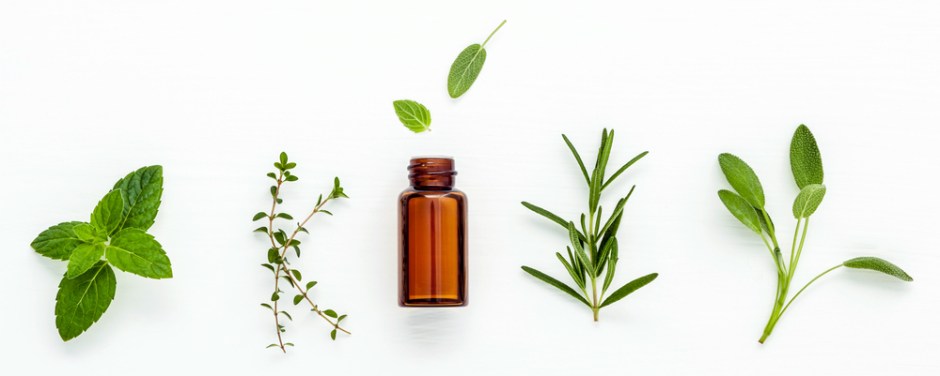
Essential oils come from naturally occurring compounds found in seeds, stems, roots, flowers, or the bark of plants. They’re amazing for skincare as they’re rich in antioxidants, antimicrobial and anti-inflammatory properties, but they’re not even technically an oil, they’re an intensely concentrated plant extract. Essential oils seem oil-like, but as they have no fatty acids in, technically they’re not an oil. Take this crazy fact, it takes 5000 pounds of rose petals to make just one pound of pure rose ‘oil’ and one drop of peppermint ‘oil’ is equivalent to 28 cups of peppermint tea. That’s why when you’re using essential oils, you only ever need a few drops as the formula is so intensely concentrated. You can even use Jasmine Oil for times when you need a pick me up, like for an interview or important meeting, just sniff it and it calms nerves, acts as an antidepressant, and has uplifting properties that will help you to feel more optimistic and calm.

Our Essential Oil Beauties:

Tea Tree

This amazing essential oil, derived from the Australian native plant Melaleuca alternifolia, has been used around the world for hundreds of years, and if you’ve ever struggled with acne, you’ve probably already take advantage of this antimicrobial ingredient. Tea tree is so good you’ll find the active ingredient in thousands of moisturizers, cleansers, and wipes, but it’s even better in its pure form for DIYs at home.

We love it for treating acne, and this DIY instantly targets problem areas: Mix together two teaspoons of organic honey with 4-5 drops of pure tea tree essential oil. Rub this mixture onto oily areas or pimples for 1-2 minutes and wash off with warm water. You can use this up to three times a week. But FYI, be careful as tea tree is a powerful cleanser and it could irritate and create redness from overuse, so be sure to always mix it with other ingredients.

Eucalyptus

From its incredible anti-inflammatory properties to its ability to act as a potent decongestant, deodorant and antiseptic, eucalyptus is the ultimate multitasker.

We love it for its capacity to relieve muscle pains and aches of all sorts. If you’re suffering mild twinges in your shoulder, stiff muscles, rheumatism or nursing any recent injuries, massaging eucalyptus oil on the surface of your skin will relieve stress and pain. Rub 2-3 drops of eucalyptus oil directly onto your problem areas and massage in a circular motion until it is fully absorbed. Do this twice a day until the affected areas of the body improve.

Peppermint

Peppermint is a bit like the superwoman of essential oils; it can be used both orally and topically and has powerful antimicrobial properties. Seriously, there are few mind, health or body issues it can’t help with and it’s often used to combat stomach aches, improve bad breath, clean wounds, release tight muscles, boost energy and mood, and alleviate soreness from respiratory tracts.

In the beauty world, you’ll find peppermint oil in a lot of high-quality hair care products for its ability to cleanse, brighten, nourish and promote healthy hair growth. All you need to do to get the benefits yourself is add 2-3 drops of it into your regular morning shampoo and conditioner. Not only will it stimulate your scalp and hair follicles, and thoroughly cleanse your scalp but it will energize your mind – and who doesn’t love the smell of peppermint?

Lavender

Lavender isn’t just a fragrance, it a powerful regenerative oil that can help combat aging (maybe that’s why your granny likes it so much!) with its ability to promote the production of your body’s most powerful antioxidants: glutathione, catalase and superoxide dismutase. Unlike most oils that are too reactive to use directly on your skin, you can gently rub two or three drops of lavender oil directly onto fine lines or problem areas to diminish aging symptoms.

And of course, it’s widely sold as both sprays and oils to alleviate depression, headaches, and insomnia; a few drops on your pillow (or dabbed on your temples) is the perfect way to exploit lavender’s potent healing properties and chill out.

Lemon

Lemons are an incredible antioxidant, packed with vitamin C and A, which are vital for fighting free radicals and preventing premature aging. As well as boasting AHAs (a natural exfoliant that helps remove pore-clogging dead skin), it breaks down sebum with its astringent acidic properties. Not only do lemons smell great and taste great in water (squeeze some in your morning glass to detox your body), but they’re great for removing excess oil too. Squeeze lemon juice onto a cotton pad and use it to tone your skin after cleansing.

When choosing an essential oil, look for an organic version, the extra quality is worth it when it comes to skincare. Feeling inspired? Check out the one thing you never thought of doing with oil here!

Tone It Up: DIY Avocado Hair and Face Mask

Love reading articles from, Tone It Up! We’ll be sharing Tone It Up’s best fitness and healthy living tips. In today’s, Serena and Katrina will be showing you how to add shine to your hair and a glow to your skin with two of their favorite DIY mask recipes:

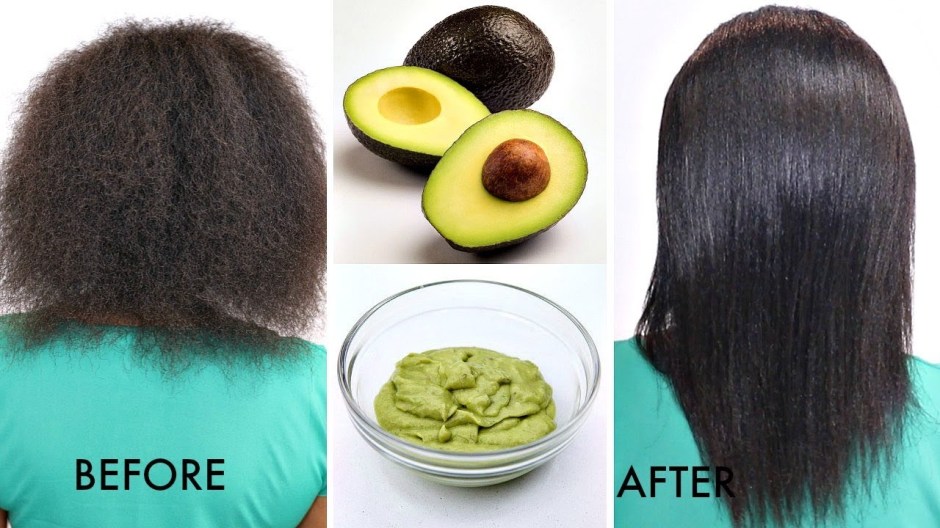
Hi everyone, it’s Katrina and Serena here from Tone It Up! Today we’re excited to be telling you about two DIY masks you can make for your hair and face. They are both so easy to make and for when you are in the mood for a relaxing evening at home. Plus, they will freshen up your pretty locks and clear your beautiful skin! The key ingredients in both of these masks are avocado and apple cider vinegar, both of which will make your hair shiny and soft and add a glow to your skin.

Here’s how to make them (be sure to pin the image below to remember it for later!)…

To recap, here’s how to make these masks:

Avocado Hair Mask

You will need:

  • 1 banana
  • 1 ripe avocado
  • 1 tsp olive oil

Instructions:

  1. Blend all the ingredients together and massage into your hair from roots to ends, covering thoroughly.
  2. Let sit for 30 minutes.
  3. Shampoo well, then rinse with apple cider vinegar.


Avocado Face Mask

You will need:

  • ½ ripe avocado
  • 1 tbsp of honey
  • 1 tsp of apple cider vinegar

Instructions:

  1. Blend the ingredients together or mash in a bowl.
  2. Apply to your face and leave on for 15 minutes. Focus on your breathing and relax while letting it set.
  3. Rinse off with cool water and a damp cloth.

We love the avocado in these masks because it helps to moisturize and rejuvenate your hair and skin. The healthy fats act as an all-natural and super hydrating moisturizer. And let’s not forget about the apple cider vinegar (one of our favorite elixirs). You might remember us talking about the benefits of apple cider vinegar here on BeautyLeeBar.com couple weeks ago. Not only is it good for your body, it’s great for your hair. It closes the cuticles, allowing your locks to lay flat for shinier hair that’s easy to style. It also acts as an astringent that clears your skin as well.

Now that you’ve read a bit about two of our favorite masks, we want to know…

Will you give our DIY avocado hair and face masks a try?

Let us know how they work for you in the comments below! And don’t forget to pin the image above so you will have it for later 🙂

XO Team BLB

P.S. If you liked this post, be sure to check out last week guest blog about apple cider vinegar by clicking here.