

POST MAY CONTAIN AFFILIATE LINKS. BeautyLeeBar gets a small commission, whenever you lovely beauties purchase an item directly from the links that are provided in this post, past posts, and any other posts after this. However, this DOES NOT change the price or the value of the product(s) that BeautyLeeBar recommends. I repeat, this DOES NOT change the price or value of the product(s).
Is there anything apple cider vinegar can’t do? It’s one of those kitchen staples, like baking soda or lemons, that has so many benefits—from cooking to cleaning to everything in between. But it’s not just household tasks that can benefit from its magic. Apple cider vinegar also does wonders for the body. Simply add some to your bathwater next time you require a soak, and you’ll be amazed at what it does for your skin, hair, and even your joints.
Benefits of an Apple Cider Vinegar Bath
I firmly believe that apple cider vinegar is a miracle worker that really does do it all, but for it to work, you need to buy the raw, organic kind. Unfiltered and unpasteurized ACV (with the “mother” of live organisms) still contains the vitamins, minerals, and probiotics that are so beneficial to the body. Simply look for a brand like Bragg’s, or head to your local health food store to find the raw stuff. Then hop in the tub and soak away.
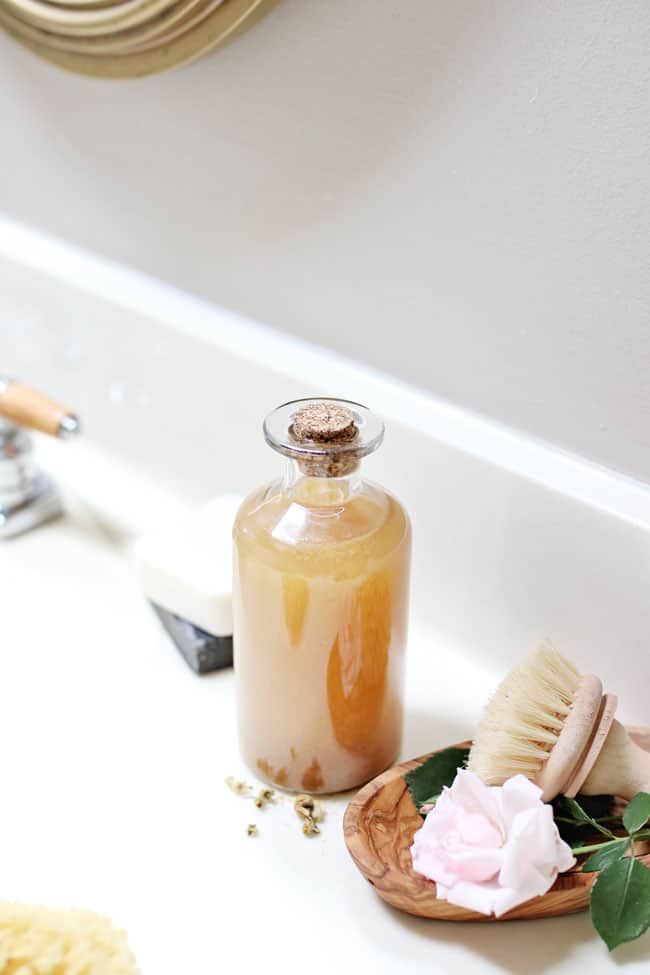
Here are just some of the things an apple cider vinegar bath can do:
1. Relieves common skin issues
ACV naturally kills bacteria and yeast on the skin, which can be helpful for people suffering from dry skin, eczema, dandruff, or yeast overgrowth. Because bacteria doesn’t stand a chance around the pH of vinegar, it can also help clear up acne when applied to the face and body. ACV also contains the gentle exfoliant, malic acid, which can help remove dry, dead skin cells and leave fresh, vibrant skin in its place.
2. Soothes inflammation
Vinegar contains acetic acid, one of the components of medications such as aspirin. It can help ease sunburn pain, itching, and inflammation. Soaking sunburned or inflamed skin for 30 minutes can help calm the redness and irritation, so it heals faster.
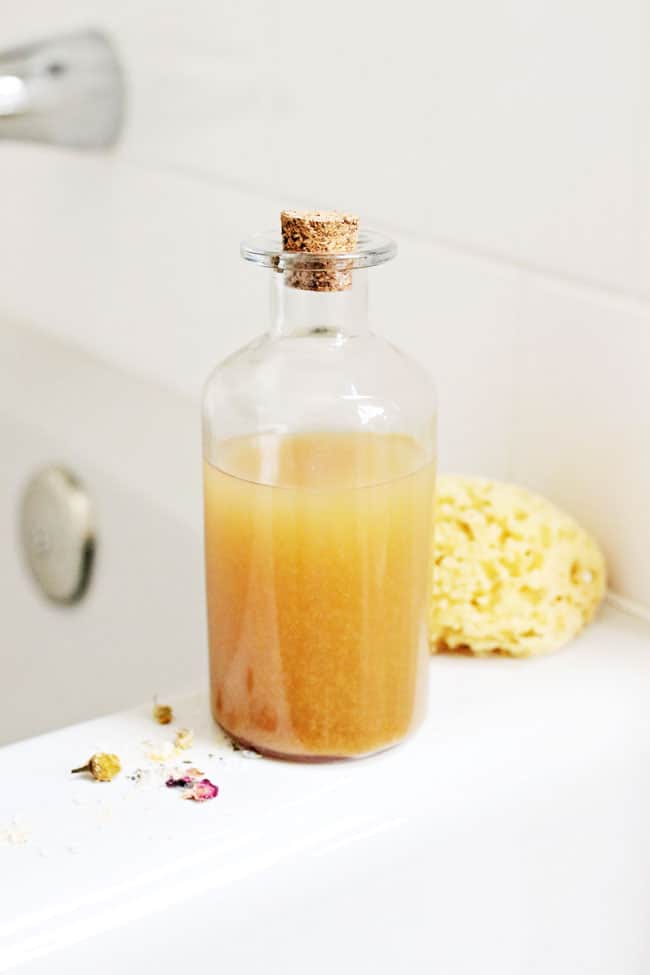
3. Restores pH balance
Our skin is naturally acidic, but some common bath and body products make our skin a little too alkaline, which can lead to dryness and eczema. Because ACV is acidic, it can help restore our skin’s pH balance, which helps reduce dandruff and makes skin feel soft and moisturized.
4. Eases pain
Applying apple cider vinegar topically is also said to help with muscle and joint pain. If you’re a runner or if you simply suffer from sore knees, take an ACV bath regularly to soothe pain and nurture your joints.
The Best Soothing Herbs for a Bath Soak
To boost the skin-soothing effects of apple cider vinegar, choose flowers and herbs that calm inflammation, and promote relaxation. You can add them to the bathwater directly, or wrap and tie them into a bit of cheesecloth, like when you are making a broth, to soak in their essence. Another way to use them is to brew a concentrated tea, strain, and then swirl into the bathwater—still nice and hot.
Here are a few flowers and herbs to try:

Lavender
Lavender has been used for centuries to relax jittery nerves, calm any feelings of anxiety [source], and soothe aching muscles.
Rose Petals
A powerful mood booster, rose can moisturize, protect skin from oxidative damage [source], and soothe those itchy and flaky areas. It has also been shown in one study to help joint pain symptoms in patients with arthritis [source]. If you don’t have any roses in your garden or can’t find rose petals, feel free to use rosewater instead.
Peppermint
Peppermint is said to disinfect and calm inflammation [source]. But since peppermint oils have a tingling effect, it’s best not to use it on sunburned skin.
Chamomile
Often used in tea for its calming effects, chamomile has a similar effect on skin [source]. It’s especially soothing for itchy, irritated skin.
Calendula
Calendula has antibacterial, antifungal, and anti-inflammatory properties, which makes it useful for soothing eczema and relieving irritation [source].
Rosemary
This medicinal herb has known therapeutic benefits. The many compounds within it have anti-inflammatory and antioxidant properties for the body, but they are also known to have beneficial effects on the emotions [source]. One study showed rosemary’s ability to provide relief of physical and mental fatigue in those with health issues [source].
DIY Apple Cider Vinegar Bath
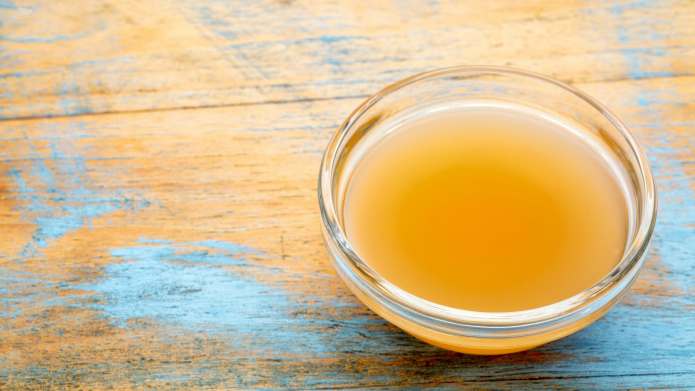
To reap the benefits of ACV, you can simply add some directly to bathwater. But to really kick things up a notch, why not try combining it with an anti-inflammatory ginger bath soak?
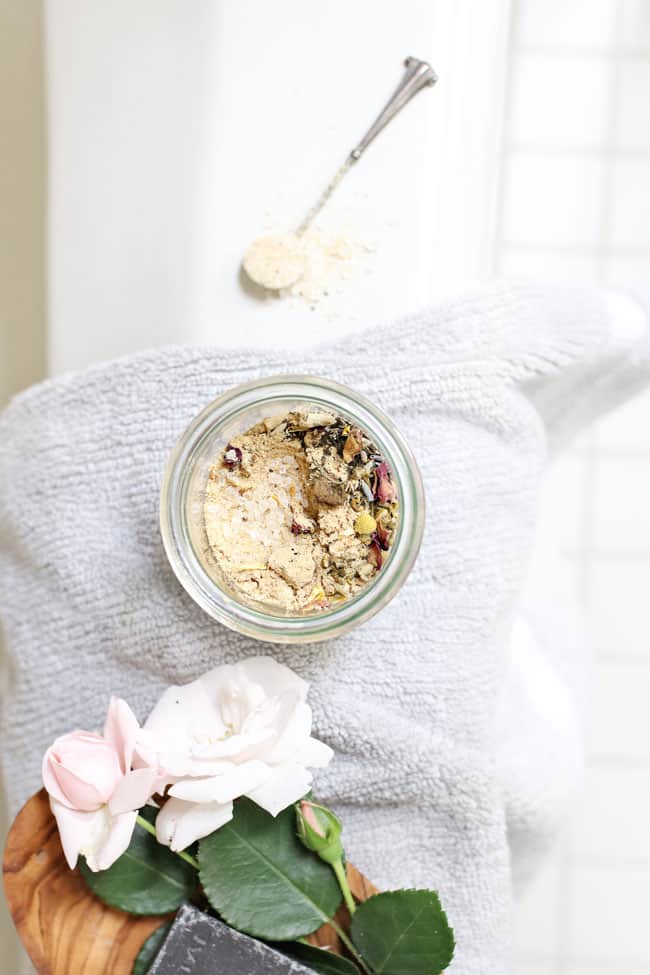
This apple cider vinegar bath is ridiculously easy to make, and chances are you already have everything you need in your kitchen. The Epsom salt helps to relax tired muscles and ease aches and pains, while the baking soda draws toxins from the body. The ginger has a thermogenic effect, which helps raise your body temperature and induce sweating for toxin elimination.
And last but not least, add some flower petals. While it doesn’t aid with the detox, flowers help make the whole thing look nice!
Apple Cider Vinegar Bath FAQs
Can I add oat flour or any flour substitutes to my apple cider vinegar bath?
Yes, definitely! Ground rice flour, oat flour, or even coconut milk powder would be great in this bath soak. I recommend adding about 1/4 cup to the mix.
Can I add essential oils to my bath instead of herbs?
It depends on the essential oils you use. Oils like lavender, frankincense, tea tree, and sandalwood oil can be an excellent addition to your bath. Dilute the essential oils with a carrier oil such as sweet almond or jojoba by combining 6-9 drops of essential oil to 1 tablespoon of carrier oil.
Read this article for more information on essential oils and how to mix CBD with your essential oils..
Can this be used in whirlpool tubs without affecting the jets?
Yes, it can. But, I would still check with the manufacturer and see if anyone has the same tub as you and see if they ever used essential oils and flowers to see their results. Or you can always research it, YouTube has become my best friend lol. If you’re still worried about it messing up your tub or your pipes, it’s better to be safe than sorry and just skip it.
How much soak/vinegar should I use per bath?
I recommend using the whole thing: approximately 1 cup each of Epsom salt and vinegar. If you’d prefer, feel free to use less and store any remaining soak in your bathroom cabinet for up to a month.
How often should I do an ACV soak?
Soaking 1–2 times a week is considered safe. If you have sensitive skin or if you notice skin irritation getting worse, it’s best to take a break or consult a doctor.
Other Beauty Uses for Apple Cider Vinegar
ACV shouldn’t just be relegated to the bath. You can also use it to clarify hair, clear up dandruff, and exfoliate dry skin.

Apple Cider Vinegar Bath Soak
Vegan Gluten-free · This apple cider vinegar bath will soothe tired muscles, reduce inflammation, restore your skin’s pH balance, and detox the body. Add some fresh herbs for an anti-inflammatory healing boost.
Equipment
- Small jar
- Measuring cup
Materials
- 1 tbsp Ginger, ground
- 1 Rose petals or herbs, Dried (Optional)
- 1/4 cup Baking soda
- 3/4 cup Epsom salt
- 1 1/2 cups Apple cider vinegar, raw
- 1 Essential oils
Instructions
Combine everything except the vinegar in a jar and set aside.
Fill the tub with warm/hot water and add apple cider vinegar. Then add the entire cup of salt bath soak and stir with your hand until completely dissolved.
Notes
Hop in the tub and soak for at least 30 minutes. When you’re done, gently blot skin with a towel to remove excess water, and let the vinegar sink into the skin as much as possible. Now is a great time to apply moisturizer to seal in the benefits.
As always, this is not personal medical advice, and we recommend that you talk with your doctor. POST MAY CONTAIN AFFILIATE LINKS. BeautyLeeBar gets a small commission, whenever you lovely beauties purchase an item directly from the links that are provided in this post, past posts, and any other posts after this. However, this DOES NOT change the price or the value of the product(s) that BeautyLeeBar recommends. I repeat, this DOES NOT change the price or value of the product(s).
THANK YOU FOR READING. THANK YOU FOR ALL THE CONTINUOUS SUPPORT 🤍







 beautyleebar.org