Blythe Doll makeup taps into a familiar kind of nostalgia—the wide-eyed collectibles, gothic-prep wardrobes, and hyper-feminine fantasy that defined early 2000s doll culture. Once a niche obsession, the Blythe aesthetic has resurfaced on TikTok as a beauty trend that feels both tender and uncanny. Translucent skin, exaggerated lashes, flushed pastel tones, and softly shadowed eyes borrow from Ulzzang-style makeup while pushing proportions into surreal territory. It’s a look rooted in memory but reframed for a new generation—romantic, eerie, and touched by a quiet gothic melancholy. More than a passing trend, Blythe Doll makeup is about mood, myth, and the emotional pull of beauty nostalgia—and right now, it’s everywhere.
Base
Blythe Doll makeup begins with skin that feels porcelain and otherworldly—smooth, pale, and softly lit. After a deeply hydrating skincare routine, press a lightweight foundation or cushion into the center of the face and diffuse outward for a seamless, almost translucent finish. Conceal sparingly, allowing natural shadows to remain for depth rather than erasing them entirely.
Subtle contour creates the illusion of structure: a whisper of matte definition along the upper cheekbones, nose, and jaw mimics delicate, doll-like shadows. Blush is placed high, and close to the eyes in muted peach or baby-pink tones, then swept across the bridge of the nose for a flushed, slightly melancholic warmth. To finish, add a scattering of faux freckles across the nose and cheekbones—soft, imperfect, and faintly eerie, like something borrowed from a storybook past.
Eyes & Lips
Eyes are the emotional heart of Blythe Doll makeup—wide, luminous, and slightly uncanny. Soft brown shadow is diffused through the crease and along the lower lash line to create gentle warmth without heaviness. A cooler taupe shade is then placed just beneath the lower eye pouch to subtly exaggerate the aegyo-sal, creating a slightly shadowed, haunting doe-eyed effect that feels both innocent and mysterious.
Lashes are long, deliberate, and ethereal. Curl thoroughly, then layer a lengthening mascara or apply wispy false lashes that flutter with a dramatic, almost ghostly intensity, amplifying the surreal, doll-like gaze.
Lips remain understated to balance the look. A sheer pink balm or glossy tint softens the mouth, lending a plush, fragile finish with an understated gothic undertone. The result is a delicate, storybook beauty—innocent yet haunting, sweet yet slightly eerie—perfect for editorial, evening, or elevated TikTok-ready styling.
The Blythe Doll trend is more than a passing beauty moment—it’s a cultural loop connecting early 2000s nostalgia, dollcore aesthetics, and modern social media fantasy. By blending innocence with subtle darkness, exaggerated proportions with delicate imperfection, this makeup style captures a collective longing for whimsy, mood, and emotional storytelling. TikTok’s fascination isn’t just with a look—it’s with the feeling it evokes: the tension between memory, fantasy, and the uncanny charm of the doll-like gaze.
Whether for a soft day look, a high-fashion editorial shoot, or a dreamy TikTok moment, Blythe Doll makeup proves that beauty can be both playful and haunting, ephemeral and unforgettable.
Dior Addict enters 2026 with a softer, more intimate expression of beauty—where scent and shine meet in a personal, sensory experience. The house unveils a trio of fragrances designed to complement the latest Dior Addict Lip Glow Oils, creating a harmonious rhythm between fragrance and lip radiance. Sweet, tender, and subtly sensual, these releases feel instinctive, modern, and effortlessly wearable. Campaign imagery by Drew Vickers, paired with a film from director duo TORSO, captures this energy through close, immersive framing and rich, saturated color, drawing viewers into a world that feels intimate, luminous, and undeniably Dior.
Jisoo as the Emotional Center
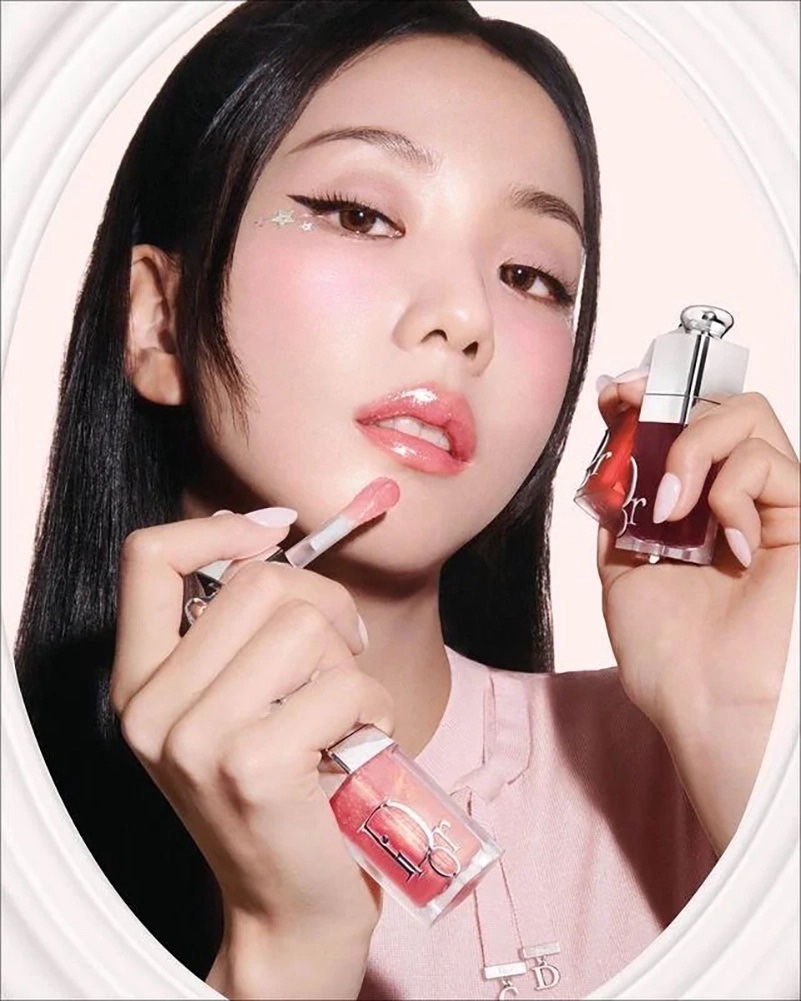
At the heart of Dior Addict’s 2026 story is Jisoo, whose effortless warmth and approachable presence anchor the campaign. A long-standing Dior ambassador, she embodies a modern femininity that feels expressive, intimate, and instinctive rather than performative. Her role brings focus to Rosy Glow, a fragrance that balances softness with personal nuance, inviting wearers into a luminous, sensory experience that is distinctly Dior.
A Trio of Voices and Scents
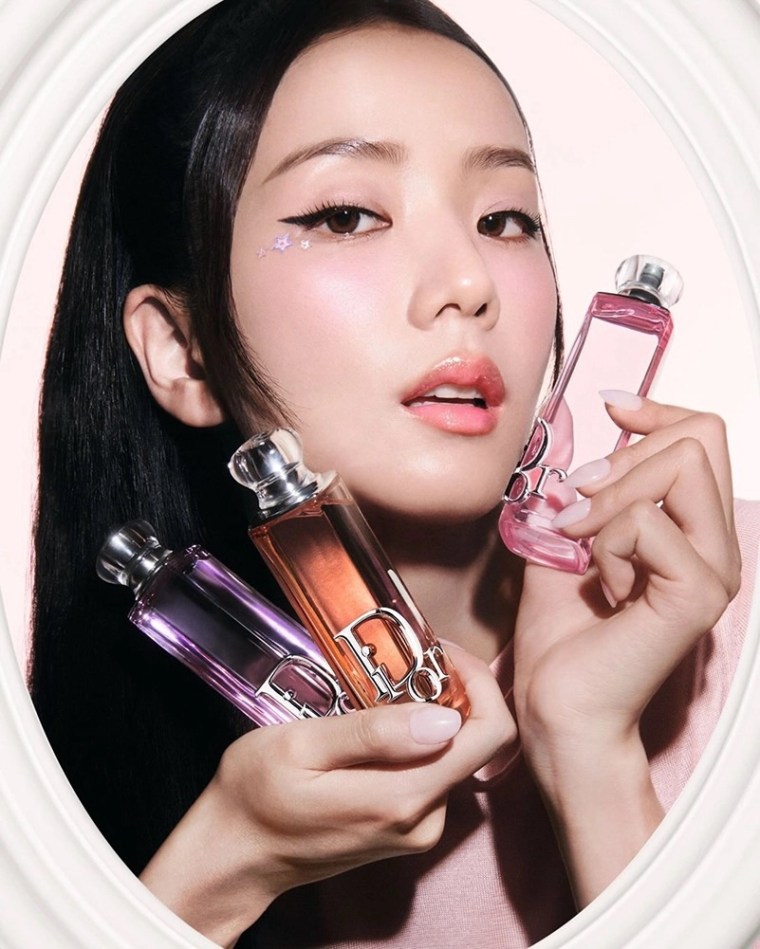
Alongside Jisoo, Dior Addict’s 2026 trio features Anya Taylor-Joy and Willow Smith, each bringing a distinct emotional rhythm to the collection. Peachy Glow mirrors Anya’s playful warmth, exuding joy and luminous energy, while Purple Glow captures Willow’s sweet, youthful, and magnetic spirit. Together with Rosy Glow, the fragrances form a conversational, expressive set—each one inviting a personal, intuitive connection. The new Dior Addict Lip Glow Oils echo this philosophy, enhancing lips with subtle, reactive color and glossy finishes that harmonize with the wearer rather than commanding attention.
The Scent Story
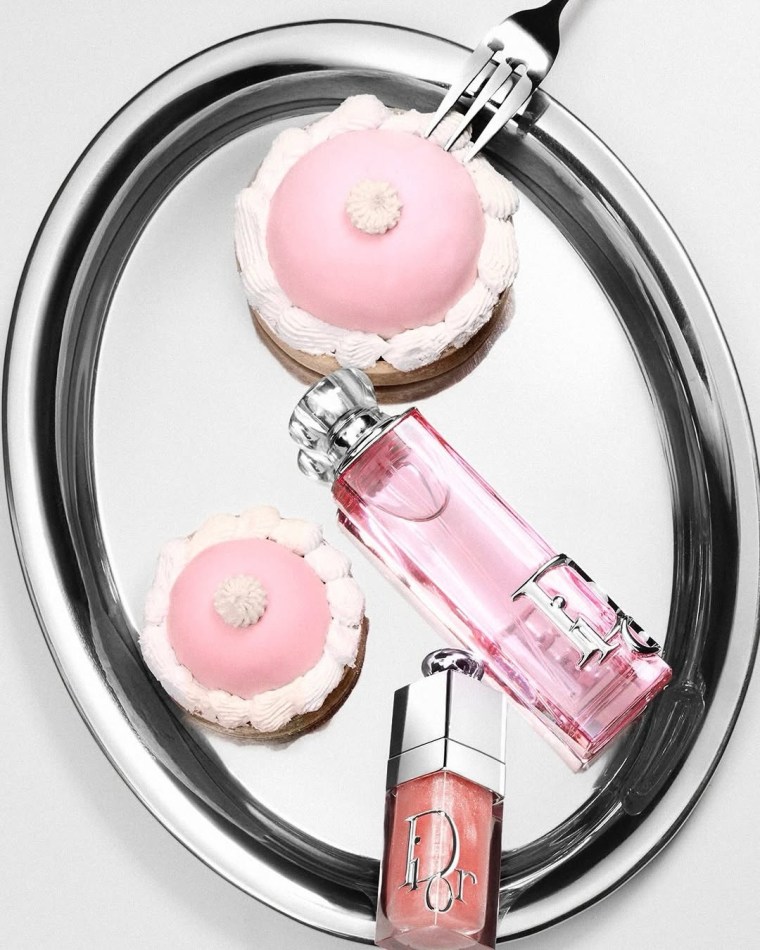
Dior Addict’s 2026 collection invites you to glow with indulgent, colorful, and mouthwatering fragrances. Each scent unfolds like a playful, luminous confection, pairing effortlessly with the latest Dior Addict Lip Glow Oils to create a harmonious rhythm of scent and shine.
Dior Addict Rosy Glow
Top: Lychee accents Bright and sparkling, awakening the senses with a juicy, playful lift.
Heart: Damascena rose essence Soft, luminous, and floral—radiating gentle elegance and charm.
Base: Creamy caramelized accord Smooth, delectable warmth that lingers like a sweet, sensorial embrace.
Dior Addict Peachy Glow
Top: Juicy peach Fruity and vibrant, opening the fragrance with playful, sun-kissed energy.
Heart: Jasmine absolute Velvety and floral, melting into a comforting, luminous bloom.
Base: Vanilla whipped cream accord Soft, gourmand warmth that wraps the wearer in indulgent, cozy sweetness.
Dior Addict Purple Glow
Top: Candied raspberry Juicy and sparkling, creating a magnetic, attention-grabbing opening.
Heart: Tuscan iris Elegant, floral, and slightly powdery, giving depth and modern sophistication.
Base: Floral confectionery sugar accord Sweet, lingering, and enveloping—leaving a captivating, sensorial trail.
Pairing with Dior Addict Lip Glow Oil
The collection comes alive with Dior Addict Lip Glow Oil, enhancing lips with mirror-like shine and a plump, luscious finish. Its innovative formula reacts to the lips’ pH for a custom color across 16 shades and 3 finishes—Juicy (clear shine), Sparkly (glittery shine), and Glaze (intense coverage). Enriched with nourishing cherry oil, the high-shine formula hydrates lips for 24 hours, with an ultra-soft applicator delivering a smooth, sensorial experience for up to 8 hours.
Beauty as Personal Storytelling
This Dior Addict chapter feels rooted in how beauty lives today—layered in moments, guided by feeling rather than formula. By pairing fragrance with lip oil and centering voices that carry distinct emotional tones, Dior reframes beauty as a personal narrative shaped through everyday rituals. Jisoo anchors that story with sincerity and ease, reminding us that the most lasting impressions are often the softest ones. For 2026, Dior Addict shifts the focus away from spectacle and toward sensation—less about being seen, and more about being felt.
For years, I spent hurting in relationships, workplaces, and friendships by putting up with toxic people. It caused me a lot of pain because I felt lonely and unfulfilled. One day, I had enough and left my toxic relationship and began my healing journey. During it, I learned that toxic people all have the same traits that can be identified in the very beginning.
Advertisements
Here are the 5 most comment red flags I look for:
Disrespect: If the other person is consistently disrespectful or inconsiderate of your feelings, boundaries, or needs, this is a red flag. This may include things like talking down to you, belittling your ideas, or ignoring your requests.
Dishonesty: If the other person is not being honest with you, this is a red flag. This may include things like lying, withholding information, or gaslighting (manipulating you into doubting your perception of reality).
Controlling behavior: If the other person is trying to control you or your actions, this is a red flag. This may include things like telling you what to wear, who to spend time with, or how to spend your money.
Lack of accountability: If the other person is not willing to take responsibility for their actions or their mistakes, this is a red flag. This may include things like blaming others, making excuses, or denying wrongdoing.
Negativity: If the other person is consistently negative or critical, this is a red flag. This may include things like complaining, blaming, or being pessimistic.
By paying attention to these red flags, you can protect yourself from unhealthy or toxic relationships, friendships, or work environments. If you notice any of these red flags, it is important to trust your instincts and take action to protect yourself.
Advertisements
Why people dismiss red flags:
Denial: People may ignore red flags in others because they do not want to believe that there is a problem or that something is wrong. This can be especially common when the red flags are related to difficult or unpleasant topics, such as addiction or abuse.
Lack of awareness: People may not recognize red flags in others because they do not have enough information or knowledge about the situation. For example, they may not know the signs of a certain mental health condition or they may not be aware of the warning signs of a toxic relationship.
Wishful thinking: People may ignore red flags in others because they are hoping that the problem will go away or that things will get better on their own. This can be especially common when the red flags are related to someone they care about, such as a friend or family member.
Fear: People may ignore red flags in others because they are afraid of the consequences of acknowledging the problem or taking action. This can be especially common when the red flags are related to something intimidating or uncertain, such as a difficult conversation or a potential confrontation.
Advertisements
How to recognize red flags:
Pay attention to your instincts. If you have a gut feeling that something is not right in a relationship, friendship, or workplace, pay attention to this feeling. Your instincts are often based on unconscious cues and observations, and they can be a valuable source of information.
Notice patterns of behavior. Look for patterns of behavior that are concerning or that do not align with your values or expectations. For example, if someone is consistently disrespectful, unreliable, or dishonest, this may be a red flag.
Pay attention to how you feel. Notice how you feel when you are around the person or in the workplace. If you consistently feel anxious, uncomfortable, or drained, this may be a red flag.
Look for warning signs of abuse or manipulation. Be aware of warning signs of abuse or manipulation, such as controlling behavior, jealousy, or verbal or physical aggression. If you notice these behaviors, this is a red flag and you should seek help and support.
Write down what you feel. If you are unsure at the moment, write it down and check back on it later if it comes up again or ask someone what they think. This also ensures you don’t forget what you noticed.
Seek advice from others. If you are unsure about whether something is a red flag, consider seeking advice from others who are close to you or who have more experience in the situation. They may be able to provide a different perspective or valuable insights.
Advertisements
Red flags are warning signs that indicate potential problems or issues in a relationship, friendship, or workplace. These red flags can be subtle or overt, and they can be difficult to spot, especially if you are not looking for them. But you be cautious about protecting your energy because that is the most valuable thing you have. The people around you have a profound impact on your well-being and success.
Does anyone else feel like the phrase ‘boundaries’ is trending? There’s always a new self-care / self-help focus that everyone’s talking about and all I’m hearing about lately is boundaries. Which got me thinking about my own.
To me, having boundaries means that you know when to let people/events/commitments into your life, and more importantly, when to NOT let them into your life. For the most part, I feel like I’ve conquered boundaries as an adult but there’s always room for improvement. Here are my thoughts on boundaries + what I do to respect my own:
Advertisements
+ Wait to respond
Anyone who has my cell number will tell you that I’m bad at texting, but I disagree. If I think about it from a boundaries perspective, I’m good at text boundaries.
Yes, it might mean I’m not always quick to respond but that’s because I’m choosey about when and how I respond. Everyone thinks they deserve a response (or need to give one) within a matter of minutes these days and IMO, that’s not realistic or healthy. Sometimes I get texts but I’m focused on school, work, emails, writing a blog post, or am with the family, so I won’t respond. Sometimes I get texts but I’m scrolling TikTok or Amazon and having my time, and I won’t respond right away. Sometimes texts I get are unnecessary or don’t necessarily need a response, so I don’t respond…ever. Which is OKAY!
This doesn’t mean I don’t care about the person texting me or what they’re saying, it means I have boundaries. I like to reply to text messages when I want to when I have the time, and when I’m not trying to be present with my family. 99.9% of the time, a text can wait until you’re at peace to respond. If it’s an emergency, they’ll call.
Try waiting to respond, whether it’s a text or email or whatever until you’re in the right mindset to respond. Or if you can’t help yourself, turn on Airplane mode so that you’re not tempted. This not only helps your peace of mind but sets up boundaries around when / how you respond. It also trains people to know that they can’t expect an immediate response from you (which I think is healthy!).
+ Get comfortable with saying ‘no’
Saying ‘yes’ out of habit or guilt is probably the number one reason why boundaries are broken. I fall for this, especially with the guilt part, but I’m usually able to say ‘no’ without feeling bad about it. Especially if I break down the honest reason behind why I need to say no. For example, ‘I’d love to attend but I need to be there for my mom, my aunt is having another episode or my mom just needs it, so I can’t make it. Hope the event is a success!’ Or, ‘This sounds like a great opportunity. I’m unfortunately feeling overwhelmed with my commitments right now so I’ll have to pass, but I’d love to stay in touch.’
+ Learn your boundaires
If you have no clue whether you have boundaries or not, learn about them. Lauryn from The Skinny Confidential podcast had a sought-after boundaries relationship expert on her show a while back so I’m linking that episodehere. The expert happened to be Licensed Therapist Nedra Glover Tawwab, MSW, LCSW, author of bestsellers Drama Free and Set Boundaries Find Peace. She has practiced relationship therapy for 15 years and is the founder and owner of the group therapy practice, Kaleidoscope Counseling.
Nedra has appeared as an expert on Red Table Talk, The Breakfast Club, Good Morning America, and CBS Morning Show to name a few. Her work has been highlighted in The New York Times, The Guardian, and Vice, and has appeared on numerous podcasts, including The School of Greatness, We Can Do Hard Things, and Ten Percent Happier. Tawwab runs a popular Instagram account where she shares practices, tools, and reflections for mental health and relationships.
Lauryn from The Skinny Confidential and the boundary licensed expert walks you through difficult boundary conversations, how to deal with setting your boundaries, etc.
Advertisements
Hereare more boundary tips with valuable talking points:
Advertisements
+ Voice them
I’m not great at voicing my feelings but I will speak up if I feel like my boundaries are being violated. This year, I felt like I was getting requests from family, friends, my partner, and from work. It was all too much. It felt overwhelming and like everywhere I turned, work was waiting and people constantly calling my name for everything. I spoke up and set some specific boundaries around work (like ‘no, I can not come on a Saturday my time off to help set up another classroom graduation) ( oh, it is mandatory for all teachers well that was never said when hiring me and I am just now finding out about it, so NO). And it was as easy as that. If someone had the same request, you better believe I’d respect their boundaries.
I’m sure we all have blurred boundaries with work, especially since most jobs don’t end when you ‘leave the office’. I suggest setting up boundaries so that your team/boss / whoever knows when and how to reach you (within reason, of course). Certain people I work with even put their availability in their email signature so it’s a clear reminder of their boundaries. You can also set offline notifications on most communication platforms like Slack or whatever, so utilize those.
Some boundaries are more sensitive than others. For example, in-laws or your parents stopping by unannounced 5x a week or a bitchy boss who thinks she owns your life. These cases will probably require you to write out the WHY behind your request for a boundary…and things might be awkward. But in the end, most of these convos are never as bad as we assume them to be. Be assertive and kind, and if they don’t understand, that’s on them.
Advertisements
+ Get alone time
As someone in their mid 20’s who works full time, goes to school full time, and is a caretaker to family members, I have zero physical boundaries in my life, which I LOVE at times, and it’s also overwhelming AF. There are days when I don’t shower, go to the bathroom, or sit alone for even 5 minutes. Add in having a partner who has all these needs and trauma. So I will feel touched out physically. When I feel like this, I know I need alone time ASAP, so I try to work it into the following day. There’s something about being alone and no one needing you physically or emotionally for even 30 minutes that can seriously help.
+ Trust your gut
I’m huge on following my intuition or gut in all situations, and it can help with boundaries. Whether you’re questioning if you’re the one overstepping on someone’s boundaries OR if someone is overstepping yours, your gut usually knows what’s up.










 beautyleebar.org