How to Treat and PREVENT MASK-NE AKA “Mask Acne” – It’s A Thing!

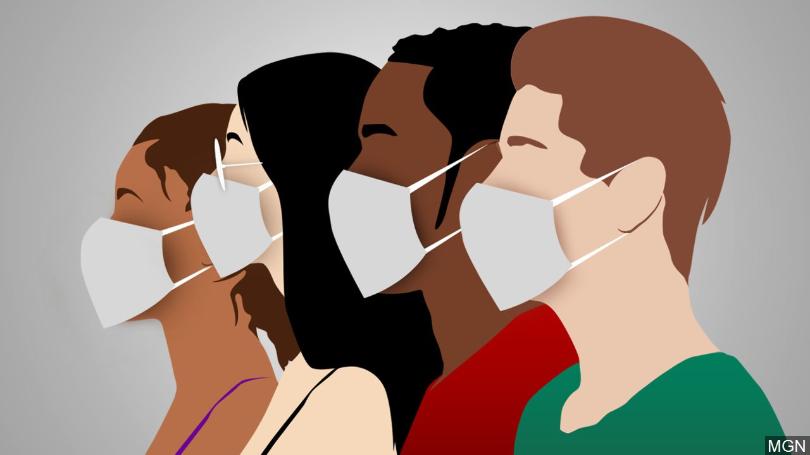
If it wasn’t enough that half of our lovely faces must remain covered by masks these days, now we are starting to suffer breakouts as a result. It doesn’t help that we are entering a heat wave and the height of summer is around the corner, just in time to bundle up an area we typically let breathe, literally and figuratively, 24/7.

Higher temps and covering up equals sweat, and it’s not the only culprit. Masks trap moisture from our breath, oil from our skin, and dirt and makeup underneath as well, for a nice little brew of bacteria bubbling over like a witch’s cauldron ready to make trouble. Friction and pressure amplify the issue by rubbing the irritants, particles, and trapped moisture, essentially grinding them into your pores.

Also, since most of us don’t have access to professional-grade masks and are using homemade masks or thin fashion masks, we are constantly adjusting them, causing us to touch them and our faces, defeating the very purpose of the masks in the first place. Truly a face-palm moment. But please don’t touch your palm to your face.

So how do we prevent, treat, or minimize the issue? If the symptoms of mask-wearing are taking a big toll on your skin, you’ll want to heed all of these suggestions carefully.

OH WAIT…. Before diving into the fix, let’s first talk about why face masks are giving people so much trouble. Regarding acne, there are two primary issues to consider.  

Why Face Masks Cause Breakouts and Chafing 

First, direct friction promotes inflammation in the skin and breakouts, known as ‘acne mechanica.’ Second, face masks trap humidity [from simply breathing], oil, and sweat on the skin and allow for overgrowth of microorganisms, which collectively block the pores and lead to acne flares,” he explains. “As for chafing, this is essentially skin barrier disruption and inflammation from chronic rubbing of an external surface against the skin. For face mask to be effective, they need to form a tight seal on the skin, which leads to chafing.” 

 Anyone can develop acne, inflammation, and chafing from wearing masks – even those who usually have super clear skin. That said, those who are more prone to the aforementioned issues, such as people with sensitive skin, thin skin, chronic skin ailments, and acne-prone skin, are more likely to experience trouble.  

Have a week long supply of masks.

If you go out a lot, or at least daily (and as businesses begin to re-open, we will all begin to reacclimate with the outside world again and, yes, leave the house more), you should have at the very least a mask for each day. In fact, it’s been suggested that we think of our masks like underwear. You wouldn’t wear a pair of panties again without washing them, would you? And those don’t get exposed to the outside world or our constant fondling. Unless they do. Do you boo.

Avoid makeup.

This one may be hard for some to stick with 100% of the time, but it’s something to seriously consider. When half of our face remains covered anyway, there is no point in laying on a thick layer of concealer or foundation only to have it clog the pores that are trapped with excess sweat, moisture, oil, and daily grime. Keep your makeup minimal around the masked area, and opt for some mascara. It’s really our eyes that do the talking with this new-normal look, anyway.

YOU MAY ALSO LIKE…

Opt for natural fibers.

There are lots of cute masks out there, but polyester, satin, and even rayon aren’t doing your skin any big favors unless it’s a high-quality, thick rayon. Opt for silk or soft cotton materials so that your skin can breathe and you have some airflow. Polyester essentially works like plastic wrap to trap moisture until you take it off, so natural and breathable is absolutely the way to go.

Double cleanse, and then cleanse again.

If double-cleansing has always come off a bit extreme to you, now might be the time to change your mind, or at least make an exception for the days you wear a mask. Massaging thoroughly with a cleansing oil or balm pulls impurities from your pores without stripping your skin of all moisture. Follow up with another thorough cleanse with either your first cleanser or a gentle, non-drying gel to completely remove any remaining traces of makeup or dirt that have been pushed into your pores. And, if you typically just rinse in the morning, up your routine to cleansing then, too.

Up your exfoliation game.

If you typically exfoliate once a week, it might be OK to exfoliate a little more often, especially around the lower half of your face. Since it’s subject to extra congestion right now, lighten the load with a gentle peeling pad twice a week.

Use a clay mask at least once a week around the area, and spot treat at night. If you’re in and out of a mask during the day, you might even want to keep gentle toner pads on hand to give your skin an extra cleansing swipe between washings. Make sure to moisturize thoroughly at night and use a heavier cream to avoid drying.

Apply a Zinc-Based SPF.

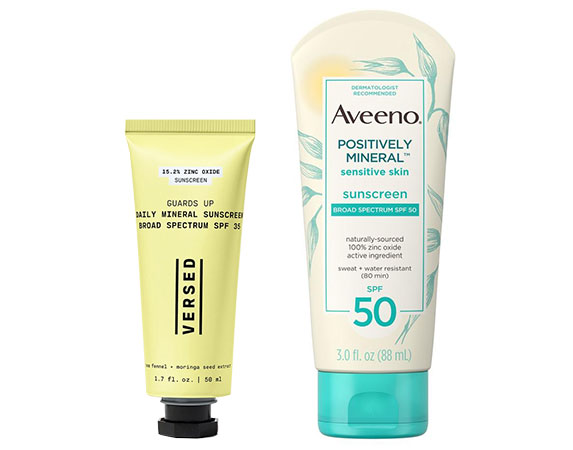
Before putting on your mask, apply a layer of zinc oxide-based SPF. Zinc oxide is both a mineral UV blocker and skin protectant that is a main ingredient in baby diaper creams. It helps form a seal over the skin to provide some level of protection from the mask itself. We’re fond of Versed Skin Guards Up Daily Mineral Sunscreen, $22, and Aveeno Positively Mineral Sensitive Sunscreen, $10. 
Treat Your Acne Head-On.

Those dealing with unforgiving, stubborn acne despite following the advice above should also take the spot-treatment approach. We recommend a product that contains benzoyl peroxide – such as Neutrogena On the Spot Acne Treatment, $9 – which helps lower levels of acne–causing bacteria to reduce inflammation of the skin. We also like Hero Cosmetics Micropoint for Blemishes, $13.  

Have more questions about maskne? Let’s chat in the comment section below! 

This Easy DIY Coffee Scrub Can Be Tweaked to Suit Every Skin Type

If you want skin that glows with a capital “G,” it comes down to one thing: exfoliation, exfoliation, exfoliation. You’ve got options here: You could slather on an at-home peel with glycolic or lactic acids, pop the top on one of your favorite face scrubs, or whip up a scrub at home with a gentle exfoliant you’ve probably already got in your kitchen cabinet: coffee grounds.

Sure, there are other things you could use to make a DIY face scrub—sugar granules, baking soda, etc—but Java offers some pretty unique benefits. Coffee is excellent for the skin because it’s packed with antioxidants, which help to fight damage caused by free radicals. The caffeine also helps to tighten skin and reduce the appearance of fine lines.

Down below are coffee scrub recipe that can easily be done at home which uses finely ground (“Exfoliation should never hurt!” can’t stress this enough) Kenyan Coffee—a variety that has a note of citrus, making it less bitter than other kinds. But, you can use any type of grounds you like or have—including instant coffee.

What I love about this simple take is that it can be adapted to address almost every skin type and concern. Add a few ingredients to optimize it for oily skin or super-dry complexions, swap out the coconut oil to make it work for acne-prone skin, or get an assist from some spices to help tighten and tone.

Here’s how to make a DIY coffee face scrub at home.

Kenyan Coffee Scrub

Ingredients:
1 cup finely ground Kenyan coffee
1 cup organic brown sugar
2 tablespoons organic avocado oil
2 tablespoons organic and refined coconut oil

Directions:

1. Mix all ingredients together in a large bowl.
2. Apply in circular motions to face and neck, scrubbing for three minutes.
3. Rinse with lukewarm water and then rinse again with cool water. Pat dry.

For Oily Skin

Add three tablespoons of grated cucumber and the juice from half a lemon to the recipe. Cucumber helps to remove excess oil while lemon juice brightens the skin.

For Dry Skin

Add ¼ cup of organic plain yogurt and a few drops of your favorite face oil to the mixture. After massaging into the skin, leave on for an additional 5-10 minutes before rinsing.

For Puffiness

Add one tablespoon of turmeric powder to the recipe. “The coffee and turmeric work together to help calm skin inflammation.

For Acne

Omit coconut oil and add 1 tablespoon of honey. Packed with antibacterial properties, honey helps to keep breakouts in check.

For more ways to live your best life plus all things BeautyLeeBar, sign up for our newsletter!

Processing…
Success! You're on the list.

Blackheads vs Whiteheads?

Did you know that there are a number of different types of pimples? It can be difficult to classify exactly what kind of blemish you’re dealing with, but two of the most common forms are blackheads and whiteheads. You’re probably already familiar with them — one looks like a small, dark spot while the other tends to look more like a raised bump. 

Both blackheads and whiteheads are clogged pores, but the opening of the pore is different in each. In a blackhead, the part of the pore at the surface of the skin is stretched and open. The black color you see consists of dead skin cells, bacteria and oil that’s oxidized and stuck down in the pore. Because the top of the pore is open, the scientific term for a blackhead is an open comedone. 

A whitehead is also a clogged pore, but unlike a black head, the top of the pore is not stretched open. The surface of the pore is closed, so dermatologists call this a closed comedone.

Let us tap in together to find the break down of what makes blackheads different from whiteheads, what causes these blemishes, and of course, the best plan of attack for both. 

How to Treat Blackheads and Whiteheads

Luckily, treating blackheads and whiteheads is relatively simple.

If you have clogged pores of any kind — blackheads or whiteheads — we recommend using a cleanser that contains exfoliating and acne-fighting ingredients like salicylic acid. Start out with a gentle cleanser like the La Roche-Posay Effaclar Medicated Gel Acne Face Wash ( $14.99 ), that removes dirt, oil and makeup while also gently exfoliating to prevent pores from clogging in the first place. 

To prevent excess oil that can clog pores, it’s important not to dehydrate your skin by over cleansing (cleanse twice daily and if your skin feels tight or itchy afterwards, look for a more gentle option). Use a non-comedogenic cream like the CeraVe Daily Moisturizing Lotion ( $9.99 ).

Dr. Nazarian says that a retinol product like ProactivMD or Differin gel is a good place to start. This loosens the blackheads and makes it easier, and less dangerous to push out,” she explains. But while retinol works to decrease oil production and minimize the sebaceous glands, you should be cautious — over-using it can make skin too dry. Once or twice a week is a safe bet. Differin Adapalene Gel 0.1% Acne Treatment ( $12.99 ), contains the first OTC Rx-strength acne-fighting retinoid. Retinoids play a crucial role in the treatment of acne by regulating skin cell turnover & reducing inflammation deep in the skin to clear & prevent pimples. What makes the retinoid in Differin (Adapalene) so cool is that, unlike other topical prescription retinoids, Differin is gentler on your skin, while still effective — and you don’t have to do things like completely avoid sunlight forever!

As for picking your blackheads, proceed with caution. After a few weeks of using a treatment, the blackheads will typically pop out with gentle pressure. If they’re not budging, see your dermatologist to avoid damaging your tissue and causing scarring!

When dealing with whiteheads, retinol or salicylic acid can help clear the buildup out of pores. “For whiteheads, salicylic acid is great because it breaks up the ‘glue’ that keeps dead skin cells together, and can degrade the keratin plug in the whitehead,” Dr. Nazarian explains. 

How to Prevent Blackheads and Whiteheads 

Whether you get blackheads and whiteheads, it boils down to genetics. However, there’s a few steps you can take in your skincare routine to minimize both types of breakouts. Look for products that say they’re “non-comedogenic” because they don’t contain ingredients that clog pores. 

You also need to be consistent with your skincare routine. Retinoids and salicylic acid are great at dissolving blackheads and whiteheads, but you need to continue using them to prevent them from refilling and reforming. It typically take about four to six weeks to dissolve blackheads and whiteheads, so be patient.

You can also talk to your dermatologist about prescription options if breakouts persist. Prescribed solutions like vitamin A-based creams can prevent pores from becoming clogged as well as prevent the formation of larger acne lesions. 

And whatever you do, don’t squeeze either of them! Squeezing may seem satisfying in the moment, but can do damage in the long term.

DO YOU HAVE BLACKHEADS OR WHITEHEADS? COMMENT BELOW ON HOW YOU TAKE CARE OF IT!

SKIN POSTS YOU’LL LOVE:

CBD OIL: AN EFFECTIVE CURE FOR ACNE?

In the world of natural healing, nothing is trending hotter right now than cannabinoid oil, also known as CBD oil. It’s been claimed to heal depression, anxiety, inflammation, and even cure acne! That’s right- acne. Whenever something claims to cure or even help acne, I’m always a skeptic and insist on trying it myself. I did of course, and saw real eye-opening result. Specifically, when it came to reduction of inflammation, sebum production, and stress levels. Did it work for my acne? Yes CBD oil reduced my acne after a month of use. But, we will dig deeper into that in a little bit. Before we get into how it exactly works to treat acne, let’s examine what exactly CBD oil is, how it works, and what it can be used for.

WHAT IS CBD OIL?

First things first, CBD is not weed, okay?! If you’re thinking, “heck yeah, I’m going to get legally stoned”, sorry, but you’d be wrong. It’s true Cannabinoid oil is extracted from the hemp or marijuana plant, but unlike its controversial counterpart, marijuana, it doesn’t contain any physcoactive properties. CBD oil contains higher levels of CBD and low levels of THC; THC being the only chemical in marijuana that causes the physcadelic effects, also known as the “high” feeling when smoked or consumed.

CBD (also known as cannabidiol) is the non-psychotropic component of marijuana or hemp. CBD oil is a mixture of the CBD isolate (pure CBD) + an oil like olive, hemp, or coconut. CBD oil won’t get you high because it doesn’t have the mind-altering properties of marijuana’s tetrahydrocannabinol (THC) content (they are sourced in different ways).

It is also important to know that CBD oil is not the same thing as hemp seed oil. The two are often marketed interchangeably, but CBD oil is richly concentrated in cannabidiol, whereas hemp seed oil only contains trace amounts of cannabidiol, if any.

WHAT DOES CBD OIL TREAT?

CBD oil has been claimed to treat various different diseases. It’s basically considered a cure all, here are some of the diseases or general disorders that have claimed to be cured or significantly helped by CBD oil users:

  • Anxiety
  • Alzheimer’s
  • Appetite
  • Migraines
  • Insomnia
  • Stress
  • Cancer
  • Inflammation
  • Chronic pain
  • Sleep Disorders
  • Epilepsy
  • Acne or other skin conditions

IS CBD GOOD FOR ACNE?

CBD oil is extremely effective when it comes to the treatment of acne in three ways, by inhibiting oil production, decreasing stress, and reducing inflammation.

Regulates Oil Production: Cannabinoid oil, either ingested orally or applied topically, helps to regulate oil production by calming down the sebaceous glands and inhibiting the overall production of sebum. This means that if your face is overly- oily and your pores are easily clogged, CBD may be a good choice for naturally regulating oil production to reduce acne.

Tames Inflammation:A second way CBD helps to reduce acne is through its anti-inflammatory effects. As we are well aware, acne is considered an inflammatory disease in which the pore becomes red, irritated, and highly inflamed. When it comes to systematic inflammation, some people can only find relief with CBD oil, more specifically those with serious joint disorders and continuous muscle pain. It is extremely surprising that in most cases people have reported an almost complete recovery from their chronic inflammation when using CBD oil regularly.

It wouldn’t be so far fetched to think that perhaps because acne is an inflammatory disease where the sufferers naturally have higher levels of inflammation (due to the genetic IGF-1 gene), cannabinoid oil may also help to naturally reduce the inflammation that comes along with it.

Reduces Stress: One of the most celebrated aspects of cannabinoid oil is its ability to reduce anxiety, depression, and stress. CBD oil itself has anti-stress properties, it lowers the heart rate and allows stressed individuals the ability to relax. A study published in the international journal of neurophyschopharmacology shows that it has beneficial therapeutic benefits on the health of humans, preventing the development of chronic unpredictable stress (CUS).

This is inspiring news when it comes to the treatment of acne; because undoubtedlyacne causes stress and stress causes acne.It can be a difficult cycle to break.When stressed, the skin and the brain both create a spikein cortisol which leads to higher levels of inflammation, increased sebum production, and in general, the perfect breeding ground for acne.

With stress, inflammation, and oil production all taken out of the picture, it appears that cannabinoid oil tackles acne in a multifaceted approach, which is exactly what is needed when it comes to chronic adult acne that is unresponsive to topicals and medication.

MY EXPERIENCE WITH CBD OIL FOR ACNE

As someone who believes in dealing with acne in a holistic approach by taking all health aspects into consideration, I was beyond ecstatic to give CBD oil a whirl. It actually started couple of years ago at my friend job, when I told her I was experiencing chronic back pain, she whipped out her CBD oil and insisted that I gave it a try- I did. And I never looked back. The very next day I was so eager to try it again that I went to my local store and bought my own bottle.

Oddly enough I realized after going out that night and having a few drinks I didn’t breakout, it seemed strange but I didn’t really think too hard about it. Next few days, I was off the rails so to speak, I completely went off of my insanely strict diet and basically ate anything I wanted. I went out a few nights, drank quite a bit, stayed up all night, but wait what’s this- still no acne?! At this point I had been taking CBD oil orally for about 2 weeks.

I never thought of it as an acne treatment, it initially began with pain and easing a little bit of social anxiety, but as time went on I was surprised to find that not only was I physically feeling better but I was looking better too!

My skin, perhaps besides a spot or two, had 100% gained full clarity. I was bewildered, after so much research, time, and energy put into my diet and trying to live a healthy lifestyle, I couldn’t understand why all of a sudden (as I was completely off my diet) my skin had been the clearest and least irritated it’s been in months.

Then it dawned on me, besides ditching my old diet and ways, I wondered if there was anything new I had begun using. As someone who is very routine, it was easy for me to quickly figure out it was the CBD oil. My back pain subsided, stress was at a lower rate, and my skin was the clearest it’s been in aloongggggg time. Could this really be the miracle solution people claim it is?

I still continue to use CBD oil, it has been about a month now and I can say that I honestly have seen dramatic effects, physically and mentally. I no longer wake up and worry if I’m going to breakout, I sleep better at night, my mind feels clearer, and overall it has just been an overwhelmingly positive experience. I would highly recommend it to anyone who hasn’t seen results with their current skincare, diet, or exercise regimen and continues to struggle daily with acne. With all symptoms alleviated and no side effects included, I would stretch as far as to say that it is an even more effective treatment for acne than accutane.

How to Use CBD for Acne

If you are interested in using CBD for acne, you might be wondering the best way to start taking it. You might even be wondering if it is safe and legal.

The good news is that CBD is a safe product that millions of people are already using worldwide—and as it does not contain THC, it is legal in all fifty states.

As mentioned before, more research on CBD is underway than ever before, so far studies have been focusing on it being taken orally or transdermally (directly on the skin) when it comes to acne treatment.  For this reason, it is up to you. You might want to start by taking a tincture or edible product, and see if you notice an improvement.

You can also purchase skin care products that contain CBD or purchase a tincture and create your own home treatments (in the long run, this option might save you money and ensure that you know exactly which products are ending up in your skin care products).

Ultimately, the choice is yours— the only thing you have to lose is your pesky acne.

Have you tried CBD oil for acne or the treatment of any other disorder/disease? Let me know in the comments below! Let’s talk all things CBD.