Dry skin is uncomfortable and can be hard to treat. When your skin is dry and cracked, though, it can be even more challenging to deal with. Because the skin on your hands, feet, and elbows is thick, it can be prone to these skin issues, especially during the winter. To learn how to prevent it from happening and how to heal cracked skin in these areas, keep reading.
Advertisements
What Causes Dry, Cracked Skin?
Environmental factors like cold temperatures and a lack of humidity (hi, winter) can cause the skin to become drier than usual and lead to cracking. Other causes include hot water (so stick to lukewarm showers and baths), harsh cleansers, and skin conditions, such as atopic dermatitis or psoriasis.
Advertisements
How to Address Dry, Cracked Skin on Your Feet, Hands, and Elbows
Keep Your Showers Short
The American Academy of Dermatology (AAD) states that keeping showers and baths short, using a mild cleanser, and opting for a warm instead of a hot water temperature can help prevent dry skin.
Pay Attention to Skin-Care Ingredients
The AAD stresses that those with dry, cracked skin should pay close attention to the ingredients in their skin-care products. Avoid products that contain dehydrating and potentially irritating ingredients like alcohol, fragrance, and harsh sulfates.
Use a Humidifier
Humidifiers can benefit your skin all year but are particularly helpful when your skin needs extra moisture in the fall and winter. The AAD suggests using a humidifier to add some much-needed moisture into the air to help relieve dry, cracked skin.
Moisturize Your Skin Regularly and Use Healing Ointments
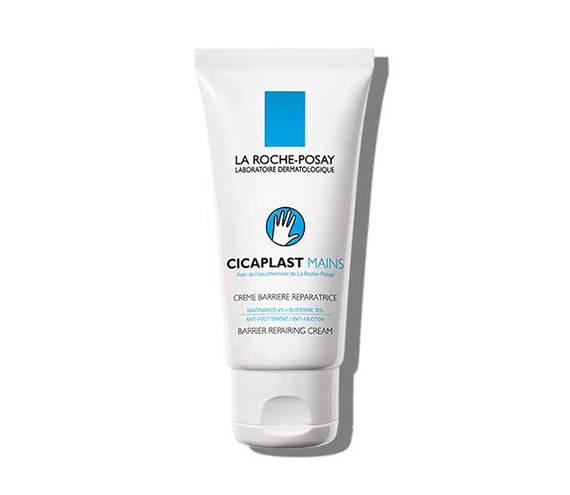
Moisturizer or lotion can help replenish and lock in moisture. The AAD recommends applying hand cream after you wash your hands. We like the allergy-tested La Roche-Posay Cicaplast Hand Cream because it not only moisturizes with shea butter and glycerin but also helps soothe damage from cold weather and frequent hand-washing. When it comes to your feet and elbows, hydrate the areas as needed, especially after taking a bath or shower while your skin is still slightly damp.
If you’re experiencing cracked or chapped skin and your go-to cream or lotion isn’t doing the trick, reach for a soothing balm like the CeraVe Healing Ointment. Formulated to relieve irritation and extreme dryness and restore the skin barrier.
The terms dry skin and dehydrated skin are frequently used interchangeably, but they’re not the same thing. If your skin feels rough, flaky, and tight, it could mean that you have dry skin, but it can also mean that your skin is just in need of a hydration boost. Vague? We get it. To explain, we tapped board-certified dermatologist and BeautyLeeBar.com expert Dr. Dendy Engelman.
Advertisements
The Difference Between Dry and Dehydrated Skin
There is a minor (albeit important) distinction between dry skin and dehydrated skin. Dehydrated skin is a skin condition, and it can affect all skin types. Even oily skin can be dehydrated if it is lacking in moisture and hydration. “Dehydrated skin can be the result of not drinking enough water or liquids,” says Dr. Engelman. “It can also be caused by irritating or drying products, which can strip the skin of its moisture.”
Dry skin, on the other hand, is askin type. “ Anyone can be categorized as having a dry skin type if you have minimal oil production,” says Dr. Engelman. Many factors can play a part example age, climate, genetics, hormones, or untreated dehydrated skin.
The moral of the story? Dry skin lacks oil, and dehydrated skin lacks water.
Advertisements
How to Know if Your Skin Is Dry or Dehydrated
“Dehydrated skin feels parched and crepe-y,” says Dr. Engelman. “It might have an oily film on the skin because dehydrated skin can be mistaken for dryness by skin cells, causing them to produce excess oil as a result.”
Dry skin tends to flake, so if you see lifted skin — white flecks, usually — you probably have dry skin, Dr. Engelman says. Because dehydrated skin can affect all skin types, it’s possible to suffer from dehydrated skin and dry skin at the same time. When in doubt, consult with a dermatologist.
“ Dry skin will benefit from products that replenish oil and repair the lipid layers of the skin,” Dr. Engelman says. The SkinCeuticals Triple Lipid Restore 2:4:2 boasts a maximized concentration of lipids in its formula — including 2% pure ceramides, 4% natural cholesterol, and 2% fatty acids — to help restore the skin’s moisture barrier and provide up to 24 hours of hydration.
Omega Fatty Acids: Fatty, moisturizing molecules that hydrate while visibly restoring and plumping. Hyaluronic Acid: Visibly plumps and supports hydration on the skin‘s delicate surface. Acai Berry Sterols: A plant sterol that is known to mimic and support the cholesterol found naturally in skin.
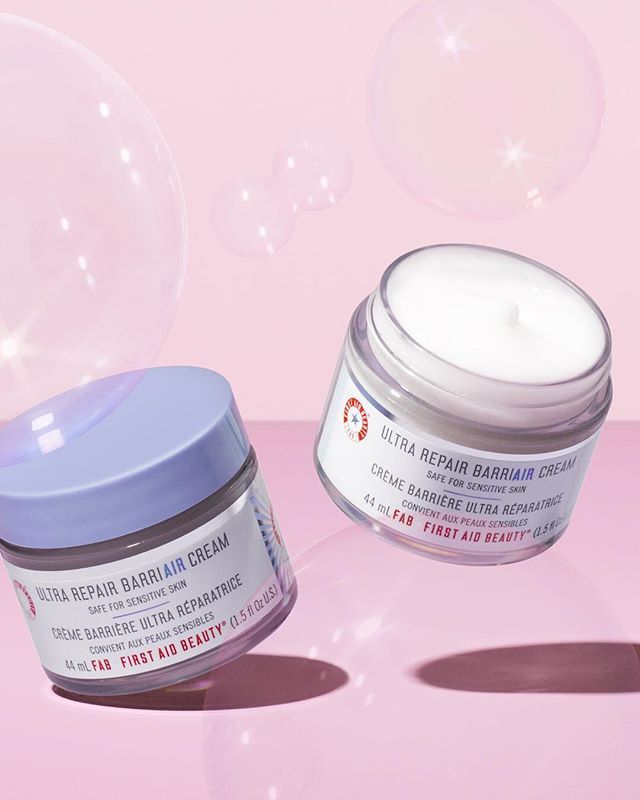
Tri-Molecular Weight Hyaluronic Acid: A powerful humectant in three molecular sizes, that helps boost skin’s moisture content, plump, and smooth skin on multiple levels. Ceramides: A lipid that naturally occurs in skin that helps strengthen the skin barrier and moisturize. Oxygen: Upon contact with air, creates a blanket of bubbles to energize skin and help active ingredients penetrate.
Triple Lipid Complex: Helps to restore skin’s natural lipids and fatty acids for glowing, smooth, healthy-looking skin. Peptide Protein Blend: Nutripeptides support the skin barrier function and help protect the skin from free radical damage. Lily Root Extract: Tightens the look of skin, and helps reduce water loss and support long-term moisturization.
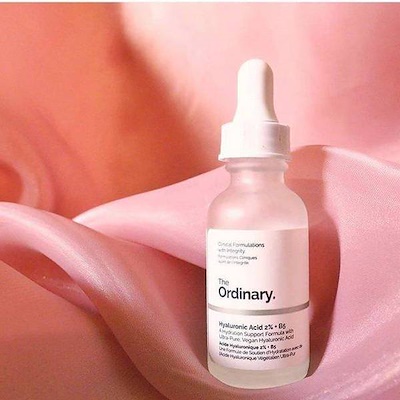
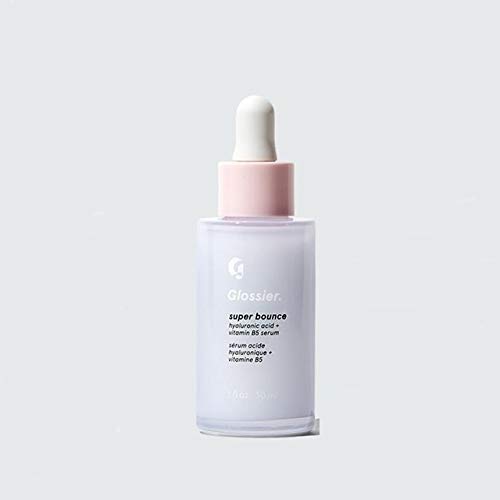
Hyaluronic Acid 2% + B5 from The Ordinary is formulated with a combination of low, medium, and high molecular-weight hyaluronic acid, as well as a next-generation hyaluronic acid crosspolymer, at a combined concentration of 2% for multi- depth hydration. This system is supported with the addition of B5 for enhanced surface hydration.
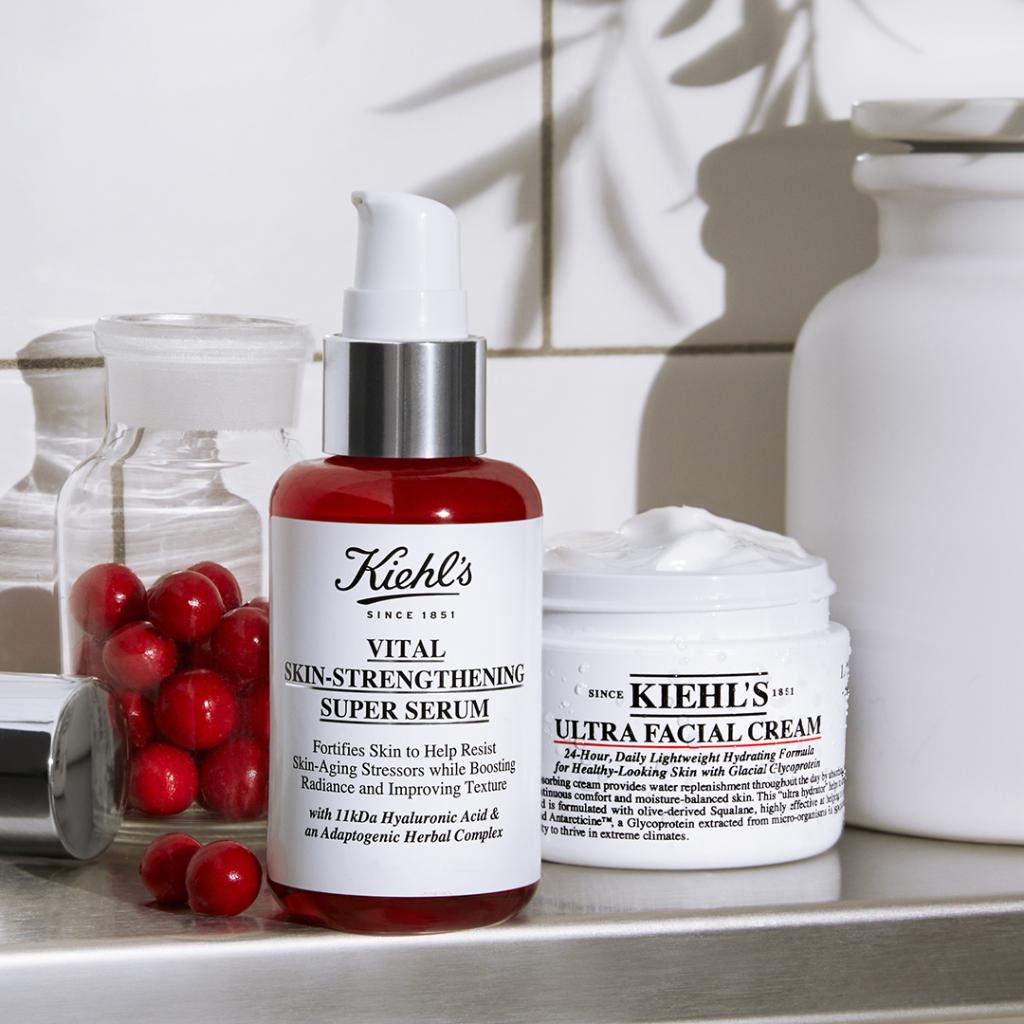
Kiehl’s Vital Skin-Strengthening Hyaluronic Acid Super Serum strengthens skin while helping defend against skin-aging stressors for youthful, radiant skin. These stressors include UV exposure, pollution and extreme temperatures along with tobacco, stress, lack of sleep and nutrition which can cause dullness, dehydration, fine lines and other signs of aging.
Pro-Vitamin B5 promotes long-term hydration and healthy looking skin. Three molecular weights of Hyaluronic Acid pull moisture deep into the skin (and keep it there) to instantly smooth the skin’s surface. The silky formula is fast-absorbing and never sticky—designed to layer with moisturizers and makeup.
I wouldn’t call myself a big Kacey Musgraves fan, only because I don’t know much about her besides her iconic Met Gala 2019 look. I am, however, obsessed with all things Christmas, so I simply had to watch her special on Amazon Prime. Always a fan of new versions of my favorite holiday classics, I listened intently to the songs she selected, but one specific song struck a chord (pun intended). Amidst Let it Snow and Rockin’ Around the Christmas Tree, Kacey sang Christmas Makes Me Cry. And full disclosure, it kinda did make me cry.
Advertisements
Here’s the truth: while the holidays are undoubtedly the most wonderful time of the year, it can also feel stressed, lonely, and yes, even make you cry. Sure, spending time with loved ones is great, giving feels good, and Elisa & Marcela is the best movie of all time. However, all of the parties, the shopping, and the questions from nosy aunts about when you’re getting married/having children/settling down can get draining.
Now is the part in the story where I burst out into a rendition of Where Are You Christmas as I contemplate what has happened to the true meaning à la Cindy Lou Who. I’ll spare you from my awful singing voice (ask my coworkers!), and instead, give you tips so you can enjoythe holidays. If all you want for Christmas is an uninterrupted nap, here are seven ways to avoid getting emotionally drained this season.
Advertisements
Keep up the parts of your daily routine that make you feel good
When it comes to your consistent daily routine, make a list of the non-negotiable: does exercising every day keep you from getting stressed out? Does a morning meditation center you, or a strict 10:30 pm bedtime makes you feel like yourself the next day? Whatever the most important part of your daily routine is, make sure you stick to it.
Prioritize “recharge” time
Even if you’re a self-diagnosed extrovert through and through, we all need alone time to recharge and gain energy or find peace. Stay in for a night if you feel like you’re starting to dread what’s on your calendar, or push back dinner plans to take a relaxing bath. Even if you’re visiting family and feel like you have nospace, try to wake up a little earlier than everyone else to go for a run or read in a quiet place.
Determine what about the holidays makes you happy
We all have lots of traditions and plans that we want to fit in each holiday season, but very few of these things on our to-do lists make us happy. Make a list of your top goals for the season. Is it to spend time with family members you don’t get to see often? Is it to contribute to your community or help those in need? Is it to make memories with your children? For the next few weeks, keep your goals in mind and only say yes to the events, invitations, and traditions that help you reach those goals. Permit yourself to let go of everything else.
Advertisements
Buy presents in bulk
For all of your coworkers, kids’ teachers, and party hosts, have a go-to gift on hand that you buy in advance, so you don’t have to spend too much time and energy shopping for each person or gift exchange. Save the long lines, big crowds, and steep prices for the closest loved ones in your life. Planning will also help you stick to a budget, reducing money stress that usually comes as the season goes on.
Eat, drink, and be merry… intuitively
The mind and body are inextricably linked. Yes, it’s important to give yourself proper nourishment (mindful eating is the key!), but the guilt you put on yourself is worse for your body than any peppermint stick or cheese soufflé could be. There will be a lot of indulgences this season, and you should not feel guilty for sipping on eggnog or having a slice of grandma’s pecan pie. Enjoy the “worth-it moments” that represent traditions or bring you closer to loved ones. Stop eating when you’re no longer hungry, listen to what your body needs, and put some leafy greens next to the mashed potatoes and casserole on your plate.
Advertisements
Rethink your expectations
One reason that the season can feel draining is that it seems so “magical” and hyped up that it very rarely lives up to expectations. Maybe you pictured being in love this time of year and are single, or you envisioned a perfect Christmas Eve dinner, but your cousins fought the whole time, or maybe you didn’t have time to fit in all you wanted to do. Stop thinking of the season as the greeting card version, and enjoy all the little moments that are unique to you. Remember that “forced happiness” (i.e. trying to get into the holiday spirit when you’re just not feeling it) is not real happiness, and can make you sadder or more anxious.
Focus on giving instead of what you’re lacking
So giving is the ultimate virtue of Christmas, but it runs much deeper than with gifts. It may sound counterintuitive, but whatever you feel you’re missing or stressed about not having (whether it’s time, money, or companionship), give it away. If you’re feeling like you’re tight on money, give $5 to a charity or buy toys and snow boots for a holiday drive. If you’re feeling lonely this season, figure out how you can give love: call your mom, check-in on a friend who’s having a hard time, or invite your elderly neighbor over for dinner.
Advertisements
As cliché as it sounds, giving is magical. Not just for all the reasons you learned as a little kid about making other people feel good (don’t get me wrong, that’s still important!!), but because it’s one of the few things (if not the thing) that has the power to transform how your life looks like to you. Start focusing on what you do have, instead of what you don’t.
How do you keep up your mental health during the holidays?
Not too long ago, a girlfriend of mine sent me a picture of her hair. After the shoot, about a decade of being natural, she decided that she wanted to get another perm and chile, her hair is all down her back. After I cursed her out (because she never struggles with hair growth while my tale is a bit different), I decided to use her as inspiration as I’m still on the journey to grow mine out. So far, its’ looking like this winter is going to do more for my hair than this past and summer did. And a big part of that is because I’m focused on implementing some fall/winter hair hacks that I learned about a couple of years ago, but I wasn’t the most consistent back then.
Advertisements
If one of your 2021 goals is to gain a few more inches come, say, March, I’ve got 10 tips that could have you actually being the envy of your friends when it comes to hair length retention.
1. Eat More Vitamin C
healthline.com
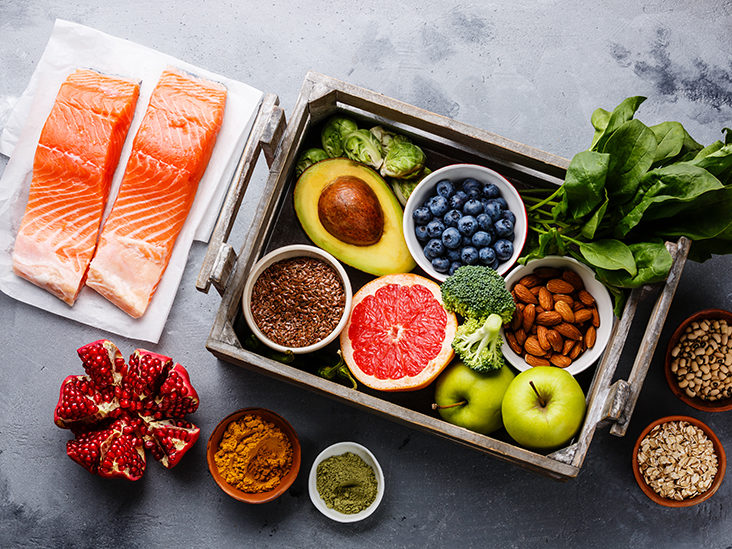
First up, consider adding more foods that are high in Vitamin C into your diet. There are a couple of reasons why this is a good idea, as far as your hair is concerned. For one thing, Vitamin C is loaded with antioxidants that can help to reduce oxidative stress; that’s the kind of stress that can affect hair growth (and not in a good way) over time.
Another cool thing about Vitamin C is it helps to trigger the production of collagen. That’s a good thing because collagen is what helps to hold your hair follicles and the dermal layer of your hair together, so that your hair is able to retain length. Some Vitamin C foods that are in season this time of the year include broccoli, oranges, Brussel sprouts, kiwi, butternut squash, leafy greens and pears.
2. Do an Herbal Tea Rinse
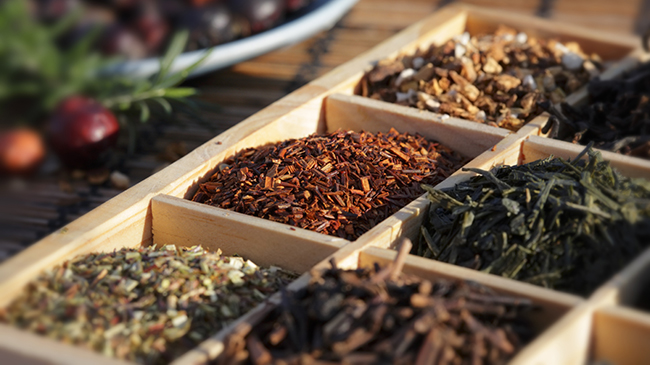
I wouldn’t be surprised in the least if something that you’re drinking more of, right through here, are herbal teas. Aside from a cup of hot cocoa, there are few things that feel more warm and comforting than tea on a chilly day. Well, the next time you’re making some, make enough to create an herbal rinse for your beautiful hair. Remember, herbal tea is full of all kinds of nutrients so, pouring some of it onto your hair will help to promote healthy hair growth.
For instance, if you go with black tea, it can decrease the hormones in your body that may be triggering hair loss (black tea can reduce hair shedding too). Sage tea is able to prevent oil build-up on your scalp. Rosemary tea is known to increase hair growth. Green tea is the ultimate scalp soother. Peppermint tea stimulates your scalp and increases blood circulation. All you need to do is put two cups of water into a pot and add 2-3 tea bags of your preferred tea. Once the water is boiling, turn down the heat and let the tea steep for 15 minutes. Then, once it has cooled completely, pour the tea onto your hair after washing and conditioning it. Let the tea sit for 30 minutes and then rinse a final time with cool water (it will help to seal your cuticles). Your hair will instantly feel softer and your scalp will feel revived.
Advertisements
3. Massage Your Scalp with Bergamot Oil
celebrityinsider.org
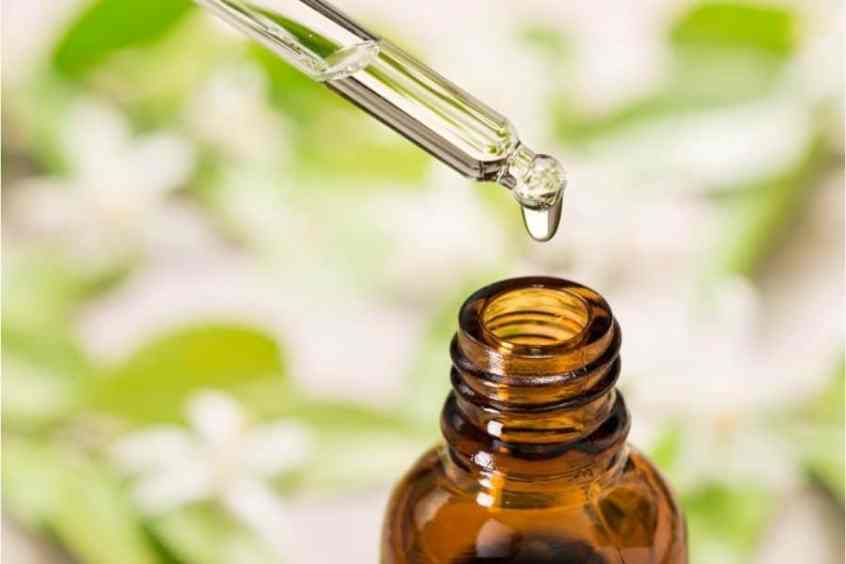
One of the best ways to de-stress is to give yourself a scalp massage. It can also benefit your hair in the long run because it helps to increase blood circulation to your scalp which ultimatelyencourages hair growth over time. If you want to really pamper your locks, warm up a little bit of bergamot oil. This spicy-yet-citrusy oil contains anti-inflammatory and antiseptic properties that can help to soothe an irritated scalp and keep a healthy scalp in great shape, so that long-term growth can transpire. Just mix 5-7 drops of the oil into one-fourth cup of a carrier oil like almond, grapeseed or coconut. Zap the mixture in the microwave for 10-15 seconds, put some on your fingertips and then use your fingertips to gently massage your scalp for 15 minutes or so. It will feel heavenly and your scalp will only benefit from you doing it.
4. Turn the Heat Down
Because there is oftentimes less humidity during the colder seasons (more on that in sec), the less heat that you apply to your hair the better. Now, as someone who is team blowout, I’m not saying that you should go without your blow dryer or flat iron entirely. However, make sure that you use styling tools that are made out of ceramic, that you stay around a medium-level of heat, that you apply a thermal heat protectant and that you keep the “less is more” approach from now until spring. Heat-damaged hair is irreparable. The only real solution is to cut it off. If you keep that in mind, each and every time that you apply heat to your tresses, it should help you to constantly handle your hair with extreme care.
Advertisements
5. At the Same Time, Apply Some Steam
On the flip side, something that can definitely do wonders for you hair is applying steam to it. Think of it as being a humidifier for your hair. Since you already know that you need to work a little overtime to make sure that you replenish the moisture that fall and winter zaps out, steaming your hair can help to lift the cuticles of your hair, so that water is able to deeply penetrate your tresses, giving it more elasticity and making it more manageable too. As a bonus, if you know that you struggle with dry scalp, steaming your hair can also soothe your scalp while increasing blood circulation to it too.
Some people steam their hair by putting a plastic bag over it and standing in a hot shower for about 10 minutes. Or, if you’d prefer to use a literal hair steamer, there are some good ones on the market that are less than a hundred bucks. I’ve got one of them for you righthere.
6. Make Sure Water Is the First Ingredient in Your Hair Products
You might think that cold wet weather would equal your hair getting a lot of moisture, yet actually, that isn’t really the case. As the temperatures begin to drop, oftentimes that results in low humidity. Then, if you add to that cold harsh winds and then the central heat going up in your house in order to keep your body warm, again, it’s very easy for your hair to become zapped from the moisture that it requires in order to remain healthy and avoid breakage.
That’s why, if you do happen to be a bit of a product junkie, it’s a good idea to look for items that list water as its first (or at the very least, second) ingredient on its label. That way, you can be certain it’s something that is full of moisture that can help to keep your hair protected.
Advertisements
7. Keep Your Ends Off of Your Clothes
Amazon
Personally, my favorite time of the year is the fall/winter. I like the beauty of the season. I also like how it provides us with the opportunity to layers our clothing like nobody’s business! Still, with all of the flannel, tweed, velvet, wool and corduroy that a lot of us are rocking, when we wear our hair in a style where our ends are constantly rubbing against the fabric—whew, that can not only zap moisture out of our hair but it can lead to constantly snagging (and fairy knots and breakage) too. So, as much as you can, try and style your hair in a way where it’s not rubbing against all of your fashionable wear. Also, on wash day, make sure to seal your ends. The more extra conditioner your ends receive (because they are the oldest part of your hair ‘n all), the better.
8. Invest in Some Baobab Oil
Speaking of your ends, an oil that doesn’t get brought up much (tell me if you’ve heard of it in the comments) is baobab oil. Oh, but it should.Baobab oil is great because it’s loaded with fatty acids, Vitamin E, calcium, tannins (which are basically tea compounds) and beta-carotene (which is a precursor to Vitamin A). Something else that’s dope about this particular oil is it’s loaded with antioxidants and inflammatory properties. All of this works together to strengthen weak hair cuticles, deeply moisturize your strands and “feed” hair follicles, so that your hair can grow healthy and strong. Applying a little bit of this oil every morning and night to your ends can help to protect them from the bitter cold that can try and zap the moisture out of your tresses.
Advertisements
9. Be Careful with the Hair Accessories
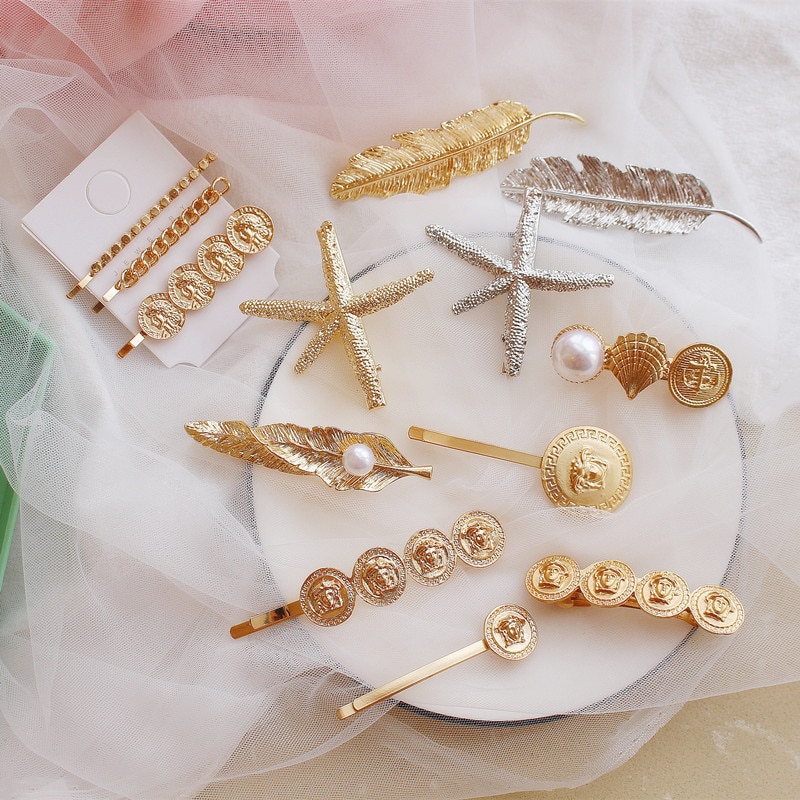
Remember what I said about how certain fabrics can dry your hair and snag your ends? Some hair accessories that are currently all the rage are hair clips, velvet hairbands, and fancy hairpins. Those things and a dope fedora are never gonna go out of style. Those are all prone to do some pulling and snagging too, so just make sure that, before putting them onto your head that you dab a bit of a light oil (like sweet almond, avocado or jojoba) and that you’re extra gentle when taking them out. Oh, and that you definitely don’t sleep with any hair accessories on your head. Oh, one more—that you make sure your wool hats are lined with satin.
Advertisements
10. Wear More Wigs
So long as you’ve got on a quality wig and you take extremely good care of the hair that is underneath it (check out ” This Is The Way To Properly Care For Your Hair While Rockin’ A Wig” ), I think fall and winter are the perfect times tobecome Regine (the real ones know what I’m referring to) and rock your wig out! It’s a great way to keep your hands out of your head, protect your hair from the harsh weather elements and give your tresses the stressless time that it needs in order to grow. Plus, what keeps your hair warmer, right? Definitely bless yourself with a wig in the next couple of weeks. Watch your hair thrive because you did. Enjoy these next couple of seasons, sis. From head to toe. Literally.
Sleepy girl makeup emerged as one of NYFW’s softest beauty trends at Sandy Liang’s FW26 show. Created by makeup artist Romy Soleimani in collaboration with Rare Beauty, the look focuses on luminous skin, pastel pink blush, subtly emphasized under-eyes, and glassy lips for an intentionally undone, just-woke-up effect that’s surprisingly wearable in real life.















 beautyleebar.org