Thinking About Going Natural? Here Are the Haircare Terms You Should Know

Whether you’ve just recently decided to go natural or if you’ve long been wearing your hair in its unprocessed form, there’s always so much to learn about having natural hair. Before you attempt to absorb all there is to know about caring for your curls, we’re here to provide you with a few useful terms that’ll likely be of service to you in the long run. This, of course, is in no way a guide to everything you’ve ever wanted to know about natural hair, but we’d say it’s a great start.

Ahead, you’ll find a glossary of sorts, featuring 20 haircare terms that should be in every natural’s vocabulary.

Related: 7 Instagram Natural Hairstyle Accounts That Might Convince You to Do Another Big Chop

Curl Pattern

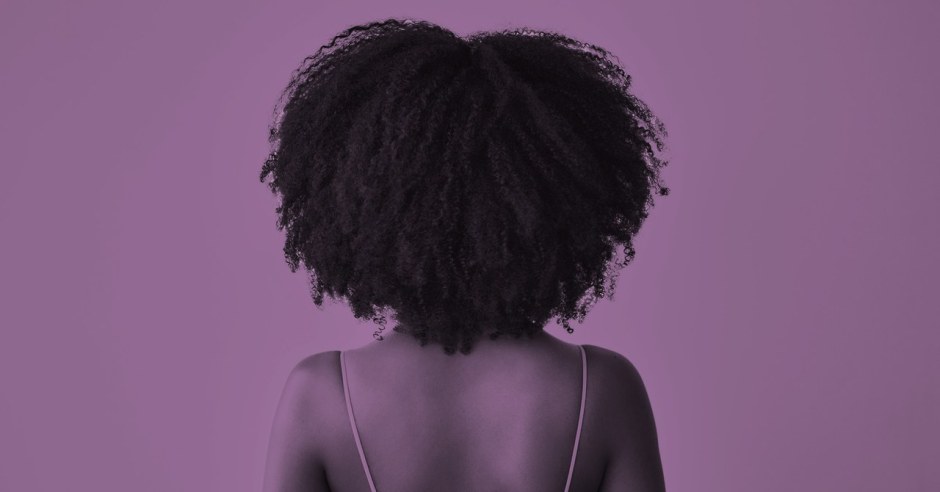
Curl pattern is a term used to describe the shape of your hair strands when they’re in their natural state. It’s usually broken down into four types: type 1 hair is typically bone straight; type 2 hair is wavy; type 3 hair is curly; and type 4 is coily. From there, the types are broken down into three subcategories each (a, b, and c) that are determined based on the width of your waves or curls.

Elasticity

This refers to your hair’s ability to return to its natural shape after being pulled, stretched, or heated in any way. Hair with low elasticity normally won’t return to its natural shape, while hair with high elasticity will.

Porosity

Porosity refers to your hair’s ability to absorb and retain moisture. It’s looked at in three different categories β€” low, medium, and high porosity β€” and it’s normally determined by the way your hair’s cuticles lay. Head over here for a more in-depth breakdown on what that means.

Sulfates

Think of sulfates as the reason why your shampoo lathers up and thickens the way it does when you work it into your hair. They are chemicals that are often found in cleaning products, and they’re widely debated in the hair community, since many people think they’re harmful and have the power to strip the hair of its natural oils and nutrients. On the other hand, there are also those who believe sulfates aren’t as bad for your hair as they’re made out to be.

Humectants

Humectants are chemicals found in hair products that promote moisture retention.

Sealant

Not to be confused with a moisturizer, a sealant is any product that sits on top of the cuticle to hold the moisture in your hair. These typically come in the form of oils and butters, and are to be applied after a moisturizer, since some of the oil molecules aren’t small enough to actually penetrate your hair shaft. Some popular sealants include jojoba oil, Jamaican black castor oil, and shea butter.

Moisturizer

On the flip side, a moisturizer is any product that β€” you guessed it β€” moisturizes your hair. When attempting to determine if a product will work as a good moisturizer, consider the amount of water that’s in the product; if water is the first ingredient listed on the label, you should be okay. Leave-in conditioners and light oils (coconut, avocado) often fall into this category.

Transition

Transitioning refers to the process of . . . well . . . “transitioning” from processed or relaxed hair to natural hair. A person who’s in the transitioning phase is someone who’s cut the use of harsh chemicals and heat from their haircare regimen and has opted to grow their hair out in its natural state while slowly trimming off their processed ends. They do this until their natural hair has grown to a length they’re comfortable with and their damaged ends are gone completely.

Big Chop

This process is often looked at as an alternative to transitioning, since big chopping your hair means cutting off all of your relaxed or processed hair at once. That said, you can also transition your hair before performing a big chop, growing it out slowly until you can clearly see where your natural hair and what’s left of your processed strands meet.

Shrinkage

Shrinkage refers to curly or coily hair’s ability to shrink up and look a few inches shorter than it actually is. When your hair is stretched β€” via twist outs, braid outs, blowouts, etc. (more on that later) β€” it should be able to shrink back to its normal state, as shrinkage is normally a sign that your hair is healthy and properly moisturized.

LOC Method

LOC is an acronym of “liquid, oil, cream,” and it’s basically a mnemonic device (think PEMDAS or ROYGBIV) that can be used to help you remember how to order certain products when you apply them to your hair. In this case, you’d use a liquid-based product or leave-in conditioner, followed by a sealing oil and a moisturizer.

Twist Out

This one’s a popular styling method achieved by installing several twists throughout a head of wet or damp hair before allowing them to set or dry for several hours. Some people also like to manipulate their twist outs by wrapping flexi rods at the end of each twist to give their ends a little more support in the curl department. Depending on how fast your hair dries, twists are typically taken out within a day or two of being installed, with the end result being a head of superdefined curls that can be worn for days at a time.

Braid Out

A braid out is essentially the same as a twist out, except it’s done with braids. Braid outs often stretch the hair more than twist outs do, which is good for anyone hoping to sport a style that shows off a little more length, but they often take a bit longer to dry as well.

Wash and Go

A wash and go is exactly what it sounds like, though there’s just a little more to it than literally just washing and going. It’s basically when a person washes their hair and wears it out in its natural state without twisting, braiding, or using tools to curl it. Typically leave-in conditioners and other products like curl creams or styling gels are added to keep frizz at bay for these styles.

Protective Style

A protective style is basically any hairstyle that tucks away the ends of your hair and protects them against possible damage from factors like weather, chemicals, and over-manipulation. Ideally, they require only a small amount of maintenance and are often a go-to for those looking to experiment with various colors and hair lengths without the risk of putting extra stress on their strands.

TWA

An abbreviation of “teeny weeny afro, a TWA is a natural hairstyle formed on hair that’s typically about 1-2 inches in length.

Co-Wash

“Co-wash” is an abbreviation for “conditioner-only washing,” which is pretty self-explanatory. People who use conditioner to cleanse their hair and scalp normally do so as a way to avoid the use of harsh, sulfate-filled shampoos that can often strip the hair of natural oils. Conditioners don’t technically cleanse the hair, though, these days, you can purchase conditioners that have special cleansing benefits.

Pre-Poo

A pre-poo (or pre-shampoo) is an oil or conditioning treatment that’s applied to the hair before shampoo. It’s normally necessary if you’re looking to detangle or add a little extra moisture to your hair ahead of a wash.

Protein Treatment

Protein treatments are reparative products that are used to help strengthen damaged and porous hair by attaching a variety of proteins and nutrients directly to the follicle. Because of how intensive they are, it’s best to limit yourself to using protein-rich products every four to six weeks.

Deep Conditioning Treatment

Not to be confused with protein treatments, deep conditioners are intensive conditioners that provide the hair with an extra boost of moisture after shampooing. They’re usually applied to the hair and allowed to sit for at least 30 mins before being rinsed out. Depending on how dry your hair is, they can normally be used one to two times a week.

GOT NATURAL HAIR? CHECK OUT THESE 7 INSTAGRAM ACCOUNTS FOR INSPO

Calling all you ladies with textured hair. Let down your curls, kinks and coily patterns and embrace the beauty that is the natural hair community. If you’ve been on the hunt for inspiration on ways to style, take care of and even feel empowered by your hair, what better place to look than the unofficial bible of all things beauty β€” Instagram. We know you’ve probably already hit follow on some of the most popular nail artists, beautiful French beauty bloggers and dopest makeup artists, but if you’re looking for the ultimate natural hair inspo, we’ve got you covered. Whether you recently joined the naturalista side or have always rocked your natural strands, read on for seven accounts that are sure to give you everything you’re looking for.

Cipriana Quann – @ciprianaquann
We consider Cipriana the epitome of fabulous. She was blessed with a gorgeous head of hair and isn’t afraid to show it, along with her trΓ¨s chic outfit ensembles. Scroll through her feed to catch her equally adorable sister Tk Wonder killing the natural hair game, too.

Jasmine – @amazingnaturalhair
With a name like @amaz
ingNaturalHair, this account speaks for itself. It was founded by @MsJass_  and showcases several different women embracing their natural hair in all its glory. From afros and ponytails to braids and protective styles, we guarantee you’ll get  caught in a two-hour scrolling spell, simply based off pure admiration.

Ky – @laetitiaky
There are very few words short of ah-mazing that can accurately describe the masterful creations found on @laetitiaky’s IG account. The artist uses her talented skills to create full-on sculptures out of her natural, long hair. Even if you can’t create the looks on your own, we promise you won’t be disappointed after hitting that follow button.

Jay and Trina – @curltureuk
This award-winning empowerment duo is taking Instagram by storm with their natural hair, beauty and lifestyle account. Aside from showing you all their natural hair tips and tricks, you can also catch snippets of their mission to empower black women all over the world.

Alexus Crown – @alexuscrown
Meet Alexus Crown who is loved for her incredible style and statement afro. This influencer counts nearly 70-thousand followers on Instagram and it’s a no-brainer as to why: You can find Crown serving you all the looks, as well as giving you product recommendations and different styles for the ultimate natural hair inspiration account. 

Romance Cox – @heycurlie
Ranging from protective styles to natural styles and everything in between, Romance Cox is sure to give you what you’re looking for. While you’re searching for a new hairstyle, be sure to snag some tips on all things beauty, fashion, skin care, manis and more. 

Elle & Neecie – @naturalhairdaily
Self-declared β€œfriendly healthy hair enthusiasts,” Elle and Neecie want you to find inspiration for styling while also educating you on how to keep your natural strands healthy. Check out their feed for different looks and the occasional uplifting meme. 

If you didn’t see a natural hair page on this list, comment it down below. I don’t know about you guys but I can stay on natural hair pages/protective hair pages for hours, I just find them fascinated especially when it comes to my people hair.

The Hair Treatment BeyoncΓ© Uses For Flawless Hair

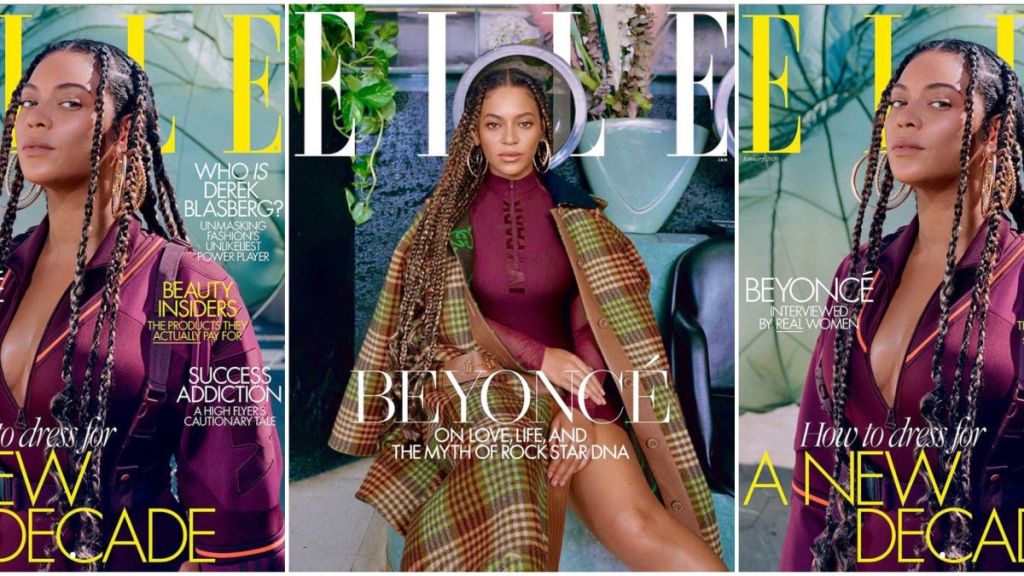
For the entirety of Beyoncé’s career, her hair has made headlines… The iconic braid that birthed the greatest hair flick of all time, her curls at Coachella, and most recently, her beaded IVY Park braids that shut down Instagram.

Anyhow, we digress… Our point is, we want to know what BeyoncΓ© does to her hair, and it turns out, her solution is pretty simple. BeyoncΓ© trusts in her hair colorist Rita Hazan and her Weekly Remedy Treatment that has also nourished the tresses of superstars J.Lo and Mariah Carey. Rita said that whenever she colors hair, she’ll always provide her clients with the Weekly Remedy Treatment For Deep Hydration & Superior Shine, $42, to boost hair health and ensure the color stays in good condition. The treatment is also easy to use on the go as there’s no waiting time and works for straight, curly, coily, and wavy hair. Here’s everything you need to know about the treatment.

The Treatment

The two-step treatment works to restore and replenish the hair from the inside-out to leave your tresses feeling soft and frizz-free. The first step will lift the hair cuticle so that the oils in the second step can penetrate the hair for maximum impact. The second step seals the cuticle and locks in nutrients for deep hydration. And trust us, you want to seal in these ingredients!

Beyonce hair

Source: Rita Hazan

Not only does it contain a potent blend of Mirabelle plum, moringa seed, jojoba, and olive, but it also features rice proteins.Β Rice proteinsΒ are one of the most potent hair remedies as they’re packed with proteins and amino acids that hydrate and restore the hair strand so that it’s less likely to frizz. Plus, it’s a rich source of vitamins including B, C, and E, which can help boost growth while adding shine. There’s even a village in China, Huangluo, known as the land of Rapunzels because it holds the Guinness World Record as the β€˜world’s longest hair village.’ And guess what they use? Rice water!

How To Use The Weekly Remedy Treatment

Begin by shampooing the hair as usual, then apply a quarter size amount of STEP 1 from roots to the ends and rinse immediately. Next, apply a quarter-size amount of STEP 2, working it through the hair from roots to end and rinse. There’s no wait time needed and the results will be instant. Rita recommends using this mask once a week for damaged hair and twice for severely damaged hair.

The Reviews

Online at Sephora, one customer wrote β€œLet me tell you something. This absolutely rescued my hair from being just shaved off.” while another curly hair girl wrote β€œMy hair is thick and curly underneath and this product makes it feel super conditioned but doesn’t flatten my hair, LOVE” as you can probably tell, it’s the bomb.com.

For more amazing hair products and tips, check outΒ HAIR on beautyleebar.com!

HERE’S WHY YOU SHOULD BE SOAKING YOUR SYNTHETIC HAIR IN ACV

During the colder months, it’s time to finally break out those protective styles you’ve been adding to your Pinterest board all year long and put them to work. Whether you’re opting for waist-length box braids or intricate feed-ins, the options are endless (and spoiler alert, they’re all cute). 

If you’ve ever gotten a protective style with added hair only to have your scalp itch and for small red bumps or pimples to appear a few hours later, you’re not alone. This is a common reaction to braiding hair (especially hair purchased at the beauty supply store) and is a sign that you might be allergic to synthetic hair. Most braiding hair is coated with an alkaline base that can trigger a reaction in many people. But don’t despair, it can be avoided by pre-treating the hair with a simple solution: apple cider vinegar.

Here’s how it works: ACV lifts the alkaline base from the hair and once dry, it can be installed without causing irritation to the scalp and hairline. The process is simple and can be the difference between struggling through the next five weeks of a protective style and flourishing from one look to the next. To do this, all you need is apple cider vinegar (any brand and type will do), hot water and a large bowl or bucket.

How to Fix Itchy Braids

STEP #1: Start by filling a bowl with hot water and apple cider vinegar. The ratio should be one part apple cider vinegar to three parts hot water, and there should be enough to completely cover one or two packs of hair.

STEP #2: Without separating the hair (don’t remove the rubber bands or try to comb it out), submerge it in the mixture and wait 15 minutes. After a few minutes, the alkaline base will lift from the hair and form a white film on the top of the water.

STEP #3: Remove the hair from the mixture and allow it to air dry. Don’t worry about the smell, it’ll evaporate once the hair is dry.

STEP #4: Install and style the hair as normal. You’re done!

Already installed your hair? Don’t worry β€” add some ACV and water to a spray bottle and spritz the mixture all over your head; it should give you some relief. Still need help? Watch this tutorial by beauty guru MIIX MII to see it in action:

If you can’t wait for your hair to air dry or just don’t want to do it yourself, you can buy pre-treated braiding hair or opt for human hair (although it is much more expensive).